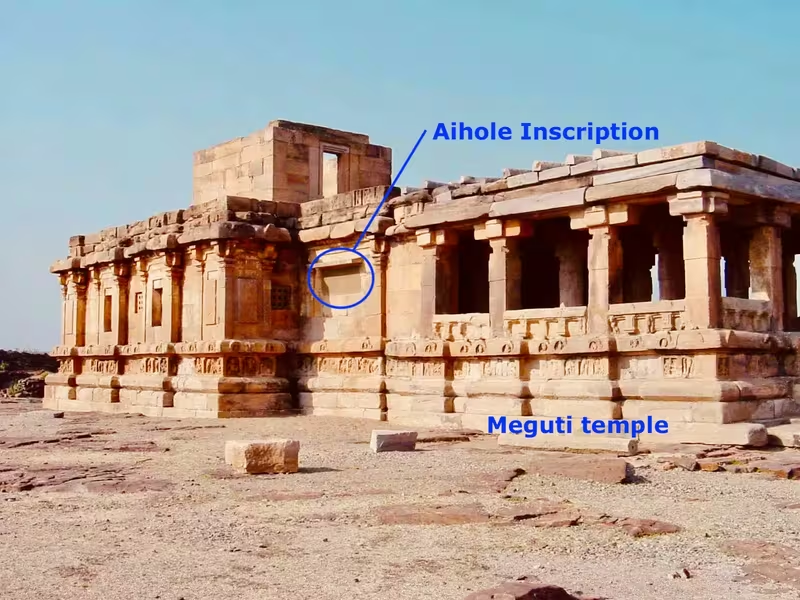
ஐஹோளே கல்வெட்டு: கல்லில் சாளுக்கிய காலவரிசை
கர்நாடகாவின் ஐஹோளேயில் உள்ள பண்டைய மெகுடி சமண கோயிலின் சுவர்களில் நிற்கும் ஐஹோளே கல்வெட்டு ஆரம்பகால இடைக்கால இந்தியாவின் மிக முக்கியமான வரலாற்று ஆவணங்களில் ஒன்றைக் குறிக்கிறது. அரசவைக் கவிஞர் ரவிகீர்த்தியால் கிபி 634 இல் செதுக்கப்பட்ட இந்த சமஸ்கிருத பிரஷஸ்தி சாளுக்கிய வம்சத்தின் மிக சக்திவாய்ந்த ஆட்சியாளர்களில் ஒருவரான இரண்டாம் புலகேசனின் இராணுவ மற்றும் அரசியல் சாதனைகளைக் கொண்டாடுகிறது. இந்த கல்வெட்டு 7 ஆம் நூற்றாண்டின் தக்காண அரசியல், இராணுவ பிரச்சாரங்கள், இலக்கிய கலாச்சாரம் மற்றும் மத ஆதரவைப் பற்றிய விலைமதிப்பற்ற நுண்ணறிவுகளை வழங்குகிறது. வட இந்தியப் பேரரசர் ஹர்ஷருக்கு எதிரான இரண்டாம் புலகேசின் வெற்றியைப் பற்றிய ஆவணப்படுத்தல், ஆரம்பகால இடைக்கால இந்தியாவின் அதிகார இயக்கவியலைப் புரிந்துகொள்வதற்கான முக்கியமான முதன்மை ஆதாரமாக அமைகிறது.
கண்டுபிடிப்பும் ஆதாரமும்
கண்டுபிடிப்பு
ஐஹோளே கல்வெட்டு தொல்பொருள் அர்த்தத்தில் ஒருபோதும் உண்மையில் "இழக்கப்படவில்லை", ஏனெனில் இது கிபி 634 இல் உருவாக்கப்பட்டதிலிருந்து மெகுதி சமண கோவிலில் உள்ளது. இருப்பினும், வரலாற்று அறிவாற்றலுக்கான அதன் முக்கியத்துவம் பிரிட்டிஷ் காலனித்துவ காலத்தில் அங்கீகரிக்கப்பட்டது, அப்போது எபிகிராஃபர்களும் வரலாற்றாசிரியர்களும் தென்னிந்திய கல்வெட்டுகளை முறையாக ஆவணப்படுத்தத் தொடங்கினர். பெரும்பாலும் "இந்து பாறை கட்டிடக்கலையின் தொட்டில்" என்று அழைக்கப்படும் ஐஹோளேவில் உள்ள கோயில் வளாகம், உள்ளூர் மக்களுக்கும் யாத்ரீகர்களுக்கும் நீண்ட காலமாக அறியப்பட்டிருந்தது, ஆனால் 19 ஆம் நூற்றாண்டின் பிற்பகுதியிலும் 20 ஆம் நூற்றாண்டின் முற்பகுதியிலும் முறையான ஆய்வுகள் தான் கல்வெட்டை பரந்த அறிஞர்களின் கவனத்திற்கு கொண்டு வந்தன.
ஒரு சமண கோவிலில் உள்ள கல்வெட்டின் இருப்பிடம் குறிப்பிடத்தக்கது, இது சாளுக்கிய வம்சத்தின் சமண மதத்தின் ஆதரவை நிரூபிக்கிறது, மேலும் அவர்கள் இந்து மதத்தை முதன்மையாக பின்பற்றுகிறார்கள். ஆரம்பகால கல்வெட்டுகள் சமஸ்கிருத அமைப்பு மற்றும் செதுக்கப்பட்ட எழுத்து ஆகிய இரண்டின் உயர் தரத்தையும் குறிப்பிட்டன, இது ஆரம்பகால இடைக்கால இந்திய இலக்கியம் மற்றும் கல்வெட்டுகளின் தலைசிறந்த படைப்பாக அங்கீகரிக்கப்பட்டது.
வரலாற்றின் மூலம் பயணம்
கிபி 634 இல் உருவாக்கப்பட்டதிலிருந்து, ஐஹோளே கல்வெட்டு மெகுதி சமண கோவிலில் அதன் அசல் இடத்தில் உள்ளது. பல்வேறு சேகரிப்புகள் வழியாக பயணிக்கும் கையடக்க கலைப்பொருட்களைப் போலல்லாமல், இந்த கல்வெட்டு அதன் நிலையான நிலையில் இருந்து வம்சங்களின் எழுச்சியையும் வீழ்ச்சியையும் கண்டுள்ளது. இதை நிறுவிய சாளுக்கிய வம்சம் இறுதியில் வீழ்ச்சியடைந்து, ராஷ்டிரகூடர்களுக்கு வழி வகுத்தது, பின்னர் இப்பகுதி விஜயநகரப் பேரரசு உட்பட பல்வேறு சக்திகளால் ஆளப்பட்டது.
இந்த அரசியல் மாற்றங்கள் முழுவதும், கோயிலும் அதன் கல்வெட்டுகளும் தப்பிப்பிழைத்தன, ஒரு மத மையமாக அந்த தளத்தின் மீதான தொடர்ச்சியான மரியாதையால் ஓரளவு பாதுகாக்கப்பட்டன. கல்லின் ஆயுள் மற்றும் கோயில் வளாகத்திற்குள் பாதுகாக்கப்பட்ட இடம் பல நூற்றாண்டுகளாக பருவமழை, அரசியல் எழுச்சிகள் மற்றும் மாறிவரும் கலாச்சார சூழல்கள் மூலம் உரையைப் பாதுகாக்க உதவியது.
தற்போதைய வீடு
இந்த கல்வெட்டு கர்நாடகாவின் பாகல்கோட் மாவட்டத்தின் ஐஹோலில் உள்ள மெகுடி சமண கோயிலின் கிழக்குச் சுவரில் அதன் அசல் இடத்தில் உள்ளது. ஐஹோளே இப்போது இந்திய தொல்லியல் துறையின் (ஏ. எஸ். ஐ) கீழ் பாதுகாக்கப்பட்ட தொல்பொருள் தளமாக உள்ளது, இது சாளுக்கிய காலத்திலிருந்து இதையும் பல நினைவுச்சின்னங்களையும் பாதுகாப்பதை உறுதி செய்கிறது. வானிலை மற்றும் வயது ஆகியவை உரையின் சில பகுதிகளை பாதித்திருந்தாலும், ஐஹோளே பார்வையாளர்கள் இன்னும் கல்வெட்டை அந்த இடத்திலேயே பார்க்கலாம். இந்த தளம் சுற்றுலாப் பயணிகள் மற்றும் அறிஞர்களுக்கு அணுகக்கூடியது, இது ஆரம்பகால இடைக்கால இந்திய வரலாறு மற்றும் கல்வெட்டுகளைப் படிப்பவர்களுக்கு ஒரு முக்கியமான இடமாக அமைகிறது.
இயற்பியல் விளக்கம்
பொருட்கள் மற்றும் கட்டுமானம்
ஐஹோளே கல்வெட்டு மெகுதி சமண கோயிலின் கிழக்குச் சுவரில் நேரடியாகக் கல்லில் செதுக்கப்பட்டுள்ளது. 7 ஆம் நூற்றாண்டின் கர்நாடகாவில் மிகவும் வளர்ந்த பாரம்பரிய கல் செதுக்குதல் நுட்பங்களைப் பயன்படுத்தி இந்த உரை பொறிக்கப்பட்டுள்ளது. செதுக்குபவர்கள் கல் மேற்பரப்பில் எழுத்துக்களைத் துளைக்க உளி மற்றும் பிற உலோகக் கருவிகளைப் பயன்படுத்தினர், அவை அழகியல் ரீதியாக மகிழ்ச்சியூட்டும் மற்றும் ஆயுளுக்காக வடிவமைக்கப்பட்ட எழுத்து வடிவங்களை உருவாக்கின.
இந்தக் கல்வெட்டு பழைய கன்னட எழுத்துக்களில் செயல்படுத்தப்படுகிறது, இது கடம்பா-சாளுக்கியன் எழுத்துக்கள் என்றும் அழைக்கப்படுகிறது, இது இந்தக் காலகட்டத்தில் இப்பகுதியில் சமஸ்கிருதம் மற்றும் கன்னட நூல்களுக்கான நிலையான எழுத்து முறையாக இருந்தது. இந்த எழுத்து முந்தைய பிராமி வழித்தோன்றல்களின் தெளிவான தாக்கங்களைக் காட்டுகிறது, அதே நேரத்தில் தனித்துவமான பிராந்திய பண்புகளைக் காட்டுகிறது, அவை பின்னர் நவீன கன்னட எழுத்துக்களாக உருவெடுத்தன.
பரிமாணங்கள் மற்றும் வடிவம்
இந்த கல்வெட்டில் சமஸ்கிருதத்தில் 19 வசனங்கள் உள்ளன, அவை கோயில் சுவரின் குறுக்கே நேர்த்தியான வரிசைகளில் அமைக்கப்பட்டுள்ளன. கிடைக்கக்கூடிய ஆதாரங்களில் சரியான அளவீடுகள் தொடர்ந்து பதிவு செய்யப்படாவிட்டாலும், இந்த உரை சுவர் இடத்தின் குறிப்பிடத்தக்க பகுதியை ஆக்கிரமித்துள்ளது, இது கோயிலின் வடிவமைப்பாளர்களுக்கு அதன் முக்கியத்துவத்தைக் குறிக்கிறது. கடிதங்கள் நியாயமான தூரத்திலிருந்து படிக்கக்கூடிய அளவில் செதுக்கப்பட்டுள்ளன, அவை கோயிலுக்கு கல்வியறிவு பெற்ற பார்வையாளர்களுக்கு அணுகக்கூடிய வகையில் இருந்தன.
கல்வெட்டின் ஆசிரியர் மற்றும் இசையமைத்தேதி பற்றிய தகவல்களுடன் முடிவடைவதற்கு முன்பு, அழைப்புகளுடன் தொடங்கி, ராஜாவின் வம்சாவளி, நல்லொழுக்கங்கள் மற்றும் சாதனைகளை முறையாக விவரிப்பதன் மூலம் பாரம்பரிய பிரசஸ்தி வடிவமைப்பை இந்த அமைப்பு பின்பற்றுகிறது.
நிபந்தனை
ஏறத்தாழ 1,400 ஆண்டுகள் பழமையானதால், ஐஹோளே கல்வெட்டு குறிப்பிடத்தக்க வகையில் நல்ல நிலையில் உள்ளது. பல நூற்றாண்டுகளாக இயற்கையாகவே சில அரிப்பு ஏற்பட்டிருந்தாலும், கோயில் வளாகத்திற்குள் பாதுகாக்கப்பட்ட இடம் அதை வானிலை மாற்றத்தின் மோசமான விளைவுகளிலிருந்து பாதுகாத்துள்ளது. உரையின் பகுதிகள் தெளிவாக படிக்கக்கூடியவையாக உள்ளன, இது நவீன அறிஞர்களை பெரும்பாலான உள்ளடக்கங்களைப் படிக்கவும் மொழிபெயர்க்கவும் அனுமதிக்கிறது.
கல்வெட்டின் பாதுகாப்புக்கு கல்லின் ஆயுள் மற்றும் சிற்பத்தின் ஆழம் முக்கியமானவை. பனை இலை அல்லது பிர்ச் பட்டையில் எழுதப்பட்ட கையெழுத்துப் பிரதிகள் போலல்லாமல், இந்தியாவின் காலநிலை ஒப்பீட்டளவில் விரைவாக மோசமடைகிறது, கல் கல்வெட்டுகள் வேண்டுமென்றே காழ்ப்புணர்ச்சி மற்றும் கடுமையான வானிலை ஆகியவற்றிலிருந்து முறையாகப் பாதுகாக்கப்படும்போது ஆயிரக்கணக்கான ஆண்டுகளாக உயிர்வாழ முடியும்.
கலை விவரங்கள்
கல்வெட்டு அதன் செயல்பாட்டில் உயர்தர கைவினைத்திறனை நிரூபிக்கிறது. எழுத்து வடிவங்கள் அழகியல் விகிதாச்சாரங்கள் மற்றும் இடைவெளிக்கு கவனம் செலுத்தி கவனமாக செதுக்கப்பட்டுள்ளன. இங்கு பயன்படுத்தப்படும் பழைய கன்னட எழுத்து இந்த காலகட்டத்திலிருந்து முதிர்ந்த டெக்கண் தொல்லுயிரியலின் நேர்த்தியான வளைவுகள் மற்றும் சீரான கலவை பண்புகளைக் காட்டுகிறது. செதுக்குபவர்கள் நீண்ட உரை முழுவதும் நிலையான அடிப்படை சீரமைப்பு மற்றும் எழுத்து அளவை பராமரித்து, தொழில்முறை திறனை வெளிப்படுத்தினர்.
தொழில்நுட்ப செயல்பாட்டிற்கு அப்பால், கோயில் சுவரில் கல்வெட்டின் நிலைப்பாடு கவனமாக பரிசீலிக்கப்பட்டது. கிழக்கத்திய சுவரில் அதன் இடம், ஒரு முக்கிய இடம், தெரிவுநிலையை உறுதி செய்தது மற்றும் அதில் உள்ள செய்தியின் முக்கியத்துவத்தை சமிக்ஞை செய்தது.
வரலாற்றுச் சூழல்
சகாப்தம்
கிபி 634 ஆம் ஆண்டு, ஐஹோளே கல்வெட்டு செதுக்கப்பட்டபோது, இந்திய வரலாற்றில் ஒரு முக்கியமான காலகட்டத்தைக் குறிக்கிறது. இது டெக்கண் பிராந்தியத்தில் ஆரம்பகால சாளுக்கிய வம்சத்தின் அதிகாரத்தின் உச்சமாக இருந்தது. இந்த கல்வெட்டில் கொண்டாடப்பட்ட மன்னர் இரண்டாம் புலகேசின் (ஏறத்தாழ கி. பி. 1), சாளுக்கியர்களை தீபகற்ப இந்தியாவில் ஒரு முக்கிய சக்தியாக நிறுவினார், சக்திவாய்ந்த வட இந்திய பேரரசர் ஹர்ஷாவின் விரிவாக்கத்தை வெற்றிகரமாக எதிர்த்தார்.
இந்தக் காலகட்டத்தில் பிராந்திய சக்திகளுக்கு இடையே கடுமையான போட்டி நிலவியது. வட இந்தியாவில், ஹர்ஷ வர்தனா தனது தலைநகரான கன்னௌஜில் இருந்து ஒரு விரிவான பேரரசை ஆட்சி செய்தார், முந்தைய குப்தப் பேரரசின் பெருமையை மீண்டும் உருவாக்க முயன்றார். தக்காணத்தில், சாளுக்கியர்கள் பாதாமியில் (நவீன கர்நாடகா) தங்கள் தளத்திலிருந்து மூலோபாய பகுதிகளைக் கட்டுப்படுத்தினர். தமிழ் பிராந்தியங்களில் பல்லவர்கள் ஆதிக்கம் செலுத்தினர், அவர்களுடன் சாளுக்கியர்கள் மோதல்கள் மற்றும் அவ்வப்போது கூட்டணி ஆகிய இரண்டையும் உள்ளடக்கிய சிக்கலான உறவுகளைக் கொண்டிருந்தனர்.
7 ஆம் நூற்றாண்டின் முற்பகுதி குறிப்பிடத்தக்க கலாச்சார மற்றும் மத மலர்ச்சியின் காலகட்டமாகவும் இருந்தது. புத்த மதம், இந்தியாவின் பல பகுதிகளில் வீழ்ச்சியடைந்தாலும், முக்கிய மையங்களை பராமரித்து வந்தது. கர்நாடகாவிலும் அண்டை பகுதிகளிலும் சமண மதம் குறிப்பிடத்தக்க ஆதரவைப் பெற்றது, இந்த கல்வெட்டு தோன்றும் கோயிலிலேயே இது நிரூபிக்கப்பட்டுள்ளது. பல்வேறு இந்து பிரிவுகள் தங்கள் தனித்துவமான இறையியல் மற்றும் பக்தி மரபுகளை வளர்த்துக் கொண்டிருந்தன. சமஸ்கிருத இலக்கியம் ஒரு பொற்காலத்தை அனுபவித்து வந்தது, ரவிகீர்த்தி போன்ற அரசவைக் கவிஞர்கள் பாரம்பரிய காவிய பாரம்பரியத்தில் அதிநவீன படைப்புகளை உருவாக்கினர்.
நோக்கம் மற்றும் செயல்பாடு
ஐஹோளே கல்வெட்டு பல ஒன்றோடொன்று இணைக்கப்பட்ட நோக்கங்களுக்காக சேவை செய்தது. முதன்மையாக, இது இரண்டாம் புலகேசின் மன்னரின் சாதனைகள் மற்றும் நல்லொழுக்கங்களைக் கொண்டாடும் ஒரு முறையான புகழ்ச்சியான அரச பிரசாதியாக செயல்பட்டது. இத்தகைய கல்வெட்டுகள் பண்டைய மற்றும் இடைக்கால இந்தியாவில் அரச பிரச்சாரத்தின் நிலையான கூறுகளாக இருந்தன, இது ஆட்சியை சட்டப்பூர்வமாக்குவதற்கும், சாதனைகளை ஒளிபரப்புவதற்கும், அரச கவுரவத்தை நிறுவுவதற்கும் உதவியது.
குறிப்பாக, இந்த கல்வெட்டு இரண்டாம் புலகேசனின் இராணுவெற்றிகளை நினைவுகூருகிறது, குறிப்பாக வடக்கில் இருந்து ஹர்ஷரின் படையெடுப்பு முயற்சிக்கு எதிரான அவரது வெற்றிகரமான பாதுகாப்பு. ஹர்ஷா அந்த நேரத்தில் இந்தியாவின் மிக சக்திவாய்ந்த ஆட்சியாளராக இருந்ததால், இந்த வெற்றி மகத்தான அரசியல் மற்றும் குறியீட்டு முக்கியத்துவத்தைக் கொண்டிருந்தது. இந்த சாதனையை ஒரு முக்கிய கோயில் தளத்தில் பகிரங்கமாக பதிவு செய்வதன் மூலம், இரண்டாம் புலகேசின் தனது வெற்றியை வருங்கால சந்ததியினரால் நினைவுகூரப்படுவதை உறுதி செய்தார்.
கல்வெட்டில் தனது சொந்த இலக்கிய மேதை பற்றி தைரியமான கூற்றுக்களை முன்வைத்த கவிஞர் ரவிகீர்த்தியை கௌரவிப்பதற்கும் இந்த கல்வெட்டு உதவியது. இந்த இரட்டை செயல்பாடு-புரவலர் மற்றும் கவிஞர் ஆகிய இருவரையும் க oring ரவிப்பது-பிரசஸ்தி இலக்கியத்தின் பொதுவான அம்சமாகும், இது அரசவை ஆதரவு மற்றும் இலக்கிய புகழ் ஆகியவற்றின் சிக்கலான அமைப்பிற்குள் இருந்தது.
இறுதியாக, ஒரு சமண கோவிலில் கல்வெட்டு வைக்கப்பட்டிருப்பது, அது சமண சமூகத்திற்கு சில அரச பரிசு அல்லது ஆதரவை நினைவுகூர்ந்திருக்கலாம் என்று கூறுகிறது. சாளுக்கியர்கள், முதன்மையாக இந்துக்கள் என்றாலும், அவர்களின் மத சகிப்புத்தன்மை மற்றும் சமண மதத்தின் ஆதரவிற்காக அறியப்பட்டனர், மேலும் இந்த கல்வெட்டு அந்தக் கொள்கையின் பொருள் சான்றாகும்.
நியமனம் மற்றும் உருவாக்கம்
கல்வெட்டு அதன் ஆசிரியரை இரண்டாம் புலகேசின் சேவையில் இருந்த அரசவைக் கவிஞரான ரவிகீர்த்தி என்று வெளிப்படையாக அடையாளம் காட்டுகிறது. ரவிகீர்த்தி ஒரு சமணர் என்பது தெளிவாகத் தெரிகிறது, இது ஒரு சமணக் கோயிலை அலங்கரிக்க அவரது கலவை ஏன் தேர்ந்தெடுக்கப்பட்டது என்பதை விளக்கலாம். ஒரு இலக்கியக் கலைஞராக ரவிகிருதியின் சுய உணர்வைப் பற்றி இந்த உரை நிறைய வெளிப்படுத்துகிறது. நம்பிக்கையின் குறிப்பிடத்தக்க வெளிப்பாடாக, அவர் தனது சொந்த கவிதை திறன்களை புகழ்பெற்ற சமஸ்கிருத கவிஞர்களான காளிதாசா மற்றும் பாரவி ஆகியோருடன் சாதகமாக ஒப்பிடுகிறார், சூரியன் மற்றும் சந்திரன் பிரகாசிக்கும் வரை தனது படைப்புகள் நீடிக்கும் என்று கூறினார்.
இந்த சுய விளம்பரம் தனிப்பட்ட மாயை மட்டுமல்ல, சமஸ்கிருத இலக்கிய கலாச்சாரத்தை வகைப்படுத்தும் புகழ் மற்றும் ஆதரவின் சிக்கலான பொருளாதாரத்தின் ஒரு பகுதியாகும். தனது சிறப்பை உறுதிப்படுத்துவதன் மூலம், ரவிகீர்த்தி தனது நற்சான்றுகளை நிலைநிறுத்தி இலக்கிய வரலாற்றில் தனது இடத்தைப் பாதுகாத்தார்-அவரது பெயர் மற்றும் படைப்புகள் கிட்டத்தட்ட பதினான்கு நூற்றாண்டுகளாக நினைவுகூரப்படுவதால், அவர் பெரும்பாலும் வெற்றி பெற்றார்.
ஆணையிடும் செயல்முறையில் மன்னர், அவரது அரசவை ஆலோசகர்கள் மற்றும் ரவிகீர்த்தி ஆகியோருக்கு இடையே இதுபோன்ற ஒரு முக்கியமான கல்வெட்டுக்கான பொருத்தமான உள்ளடக்கம் மற்றும் வடிவம் குறித்து விவாதங்கள் நடந்திருக்கலாம். இதன் விளைவாக வரும் உரை ரவிகிருதியின் தனிப்பட்ட இலக்கிய திறனை வெளிப்படுத்தும்போது பிரசஸ்தி வகையின் நன்கு நிறுவப்பட்ட மரபுகளைப் பின்பற்றுகிறது.
முக்கியத்துவம் மற்றும் குறியீடு
வரலாற்று முக்கியத்துவம்
ஐஹோளே கல்வெட்டு ஆரம்பகால இடைக்கால இந்திய வரலாற்றைப் புரிந்துகொள்வதற்கான மிக முக்கியமான முதன்மை ஆதாரங்களில் ஒன்றாகும், குறிப்பாக சாளுக்கிய வம்சம் மற்றும் பிற சமகால சக்திகளுடனான அதன் மோதல்கள் குறித்து. அதன் வரலாற்று மதிப்பு பல காரணிகளிலிருந்து பெறப்படுகிறது:
முதலாவதாக, ஹர்ஷருக்கு எதிரான அவரது முக்கியமான வெற்றி உட்பட இரண்டாம் புலகேசனின் இராணுவப் படையெடுப்புகள் பற்றிய விரிவான தகவல்களை இது வழங்குகிறது. மற்ற ஆதாரங்கள் இந்த மோதலைக் குறிப்பிடுகையில், ஐஹோளே கல்வெட்டு சாளுக்கிய கண்ணோட்டத்தில் மிகவும் விரிவான பதிவை வழங்குகிறது. 7 ஆம் நூற்றாண்டின் இந்தியாவின் அரசியல் புவியியல் மற்றும் அதிகார இயக்கவியலை மறுசீரமைக்க இந்த தகவல் அவசியம்.
இரண்டாவதாக, கல்வெட்டு அந்தக் காலத்திற்கான காலவரிசையை நிறுவ உதவுகிறது. கிபி 634 ஆம் ஆண்டைச் சேர்ந்த அதன் தேதி, அந்த சகாப்தத்தின் பிற நிகழ்வுகளையும் கல்வெட்டுகளையும் ஒழுங்கமைக்க அறிஞர்களுக்கு உதவும் ஒரு நிலையான புள்ளியை வழங்குகிறது. இந்த கல்வெட்டில் சாளுக்கிய வம்சத்தைப் பற்றிய வம்சாவளி தகவல்களும் உள்ளன, இது வரலாற்றாசிரியர்களுக்கு வாரிசு முறைகள் மற்றும் குடும்ப உறவுகளைப் புரிந்துகொள்ள உதவுகிறது.
மூன்றாவதாக, இந்த கல்வெட்டு சாளுக்கிய அரசவையின் கலாச்சார மற்றும் மதக் கொள்கைகளை ஒளிரச் செய்கிறது. ஒரு இந்து மன்னர் ஒரு சமணக் கவிஞரால் சமஸ்கிருதக் கல்வெட்டை ஒரு சமணக் கோயிலில் எழுத உத்தரவிட்டது என்பது இடைக்கால இந்திய சமூகத்தின் பெரும்பகுதியைக் குறிக்கும் மத பன்முகத்தன்மையை நிரூபிக்கிறது. இந்த சான்றுகள் நவீன காலத்திற்கு முந்தைய இந்தியாவில் மத மோதல்கள் பற்றிய எளிமையான கதைகளை எதிர்க்கின்றன.
இறுதியாக, கல்வெட்டு அந்தக் காலத்தின் இலக்கிய கலாச்சாரத்தைப் பற்றி நிறைய வெளிப்படுத்துகிறது, இதில் புரவலர் உறவுகள், அழகியல் மதிப்புகள் மற்றும் கவிஞர்களின் சமூக அந்தஸ்து ஆகியவை அடங்கும். இலக்கிய சாதனையை மிகவும் மதிக்கும் மற்றும் திறமையான கவிஞர்களுக்கு குறிப்பிடத்தக்க அந்தஸ்தை வழங்கிய கலாச்சாரத்தை ரவிகிருதியின் தைரியமான சுய-கூற்று பிரதிபலிக்கிறது.
கலை முக்கியத்துவம்
ஒரு கலை வரலாற்றுக் கண்ணோட்டத்தில், ஐஹோளே கல்வெட்டு ஆரம்பகால இடைக்கால இந்திய கல்வெட்டில் ஒரு உயர் புள்ளியைக் குறிக்கிறது. சமஸ்கிருதொகுப்பின் தரம் பாரம்பரிய கவிதை மரபுகளின் அதிநவீன தேர்ச்சியை நிரூபிக்கிறது. சிறந்த காவிய இலக்கியத்தின் பல்வேறு மீட்டர்கள், விரிவான உருவகங்கள் மற்றும் சிக்கலான சொல்-விளையாட்டு பண்புகளை ரவிகீர்த்தி பயன்படுத்துகிறார். இந்த கல்வெட்டு வெறுமனே ஒரு வறண்ட வரலாற்று பதிவு மட்டுமல்ல, அதன் சொந்த உரிமையில் இலக்கியக் கலையின் படைப்பாகும்.
கல்வெட்டின் இயற்பியல் செயலாக்கம்-செதுக்கலின் தரம், ஸ்கிரிப்ட்டின் நேர்த்தியுடன் மற்றும் அமைப்பில் பராமரிப்பு-கைவினைத்திறனின் உயர் தரத்தை பிரதிபலிக்கிறது. இங்கு பயன்படுத்தப்படும் பழைய கன்னட எழுத்துப்பிழை, அடுத்தடுத்த நூற்றாண்டுகளில் தொடர்ந்து உருவாகும் பிராந்திய தொல்லியல் மரபுகளின் முழுமையான வளர்ச்சியைக் காட்டுகிறது.
இந்த கல்வெட்டு சாளுக்கிய காலத்தின் பரந்த கலை கலாச்சாரத்தைப் புரிந்துகொள்வதற்கான சான்றுகளையும் வழங்குகிறது. இந்து கோயில் கட்டிடக்கலையின் வளர்ச்சியில் சோதனைக் கட்டங்களைக் குறிக்கும் எண்ணற்ற கோயில்களுக்கு ஐஹோளே பிரபலமானது. இந்த கல்வெட்டை அடிப்படையாகக் கொண்ட கிபி 634 தேதியிட்ட மெகுடி கோயில், கர்நாடகாவின் ஆரம்பகால சமண கோயில் வடிவமைப்பிற்கு ஒரு முக்கிய எடுத்துக்காட்டு ஆகும். இந்த கல்வெட்டு ஐஹோளே முழுவதும் காணக்கூடிய கட்டிடக்கலை சாதனைகளை தேதி மற்றும் சூழ்நிலைப்படுத்த உதவுகிறது.
மத/கலாச்சார அர்த்தம்
ஒரு இந்து மன்னரால் நியமிக்கப்பட்ட அல்லது ஆதரிக்கப்பட்ட ஒரு சமண கோவிலில் கல்வெட்டின் இருப்பிடம் குறிப்பிடத்தக்க மத மற்றும் கலாச்சார அர்த்தத்தைக் கொண்டுள்ளது. இது சாளுக்கிய வம்சத்தின் மத சகிப்புத்தன்மை மற்றும் பன்முக ஆதரவின் கொள்கையை நிரூபிக்கிறது. இரண்டாம் புலகேசனும் அவரது அரசவையின் பெரும்பகுதியும் இந்து தெய்வங்களின் பக்தர்களாக இருந்தபோதிலும், அவர்கள் சமண மற்றும் புத்த மதத்தையும் ஆதரித்தனர், இந்த சமூகங்களை தங்கள் சாம்ராஜ்யத்தின் மதிப்புமிக்க அங்கங்களாக அங்கீகரித்தனர்.
சமண சமூகத்தைப் பொறுத்தவரை, கோயில் கட்டுமானம் மற்றும் மதிப்புமிக்க கல்வெட்டுகள் வடிவில் அரச ஆதரவைப் பெறுவது அவர்களின் சமூக மற்றும் அரசியல் அந்தஸ்தை உயர்த்தியது. சமண மதம் ஒரு மதமாக அகிம்சையை வலியுறுத்திய போதிலும், அவர்களின் கோவிலில் உள்ள கல்வெட்டு அவர்களின் மத நிறுவனத்தை அரச அதிகாரம் மற்றும் இராணுவ மகிமையுடன் தொடர்புபடுத்தியது.
கல்வெட்டு கற்றல், இலக்கியம் மற்றும் கலை சாதனைகளுக்கு வழங்கப்பட்ட உயர் அந்தஸ்து உட்பட அந்தக் காலத்தின் பரந்த கலாச்சார விழுமியங்களையும் பிரதிபலிக்கிறது. இரண்டாம் புலகேசின் மன்னருடன் சேர்ந்து கல்வெட்டில் ரவிகிருதியின் முக்கியத்துவம், அறிவார்ந்த மற்றும் ஆக்கபூர்வமான சாதனைகள் தற்காப்பு வலிமை மற்றும் அரசியல் சக்தியைப் போலவே மதிக்கப்பட்டன என்பதைக் குறிக்கிறது.
கல்வெட்டுகள் மற்றும் உரை
உள்ளடக்கம் மற்றும் அமைப்பு
ஐஹோளே கல்வெட்டில் சமஸ்கிருதத்தில் 19 வசனங்கள் உள்ளன, அவை பாரம்பரிய காவ்யா பாணியில் இயற்றப்பட்டுள்ளன. இந்த உரை பாரம்பரிய பிரசஸ்தி மரபுகளைப் பின்பற்றுகிறது, இது அழைப்புகளுடன் தொடங்கி ஒரு முறையான கதை மூலம் தொடர்கிறது. வசனங்களை பரவலாக பல கருப்பொருள் பிரிவுகளாகப் பிரிக்கலாம்:
தொடக்க பிரார்த்தனைகள்: கல்வெட்டு தெய்வங்களை க oring ரவிக்கும் மங்களகரமான வசனங்களுடன் தொடங்குகிறது மற்றும் பின்வருவனவற்றிற்கான புனித சூழலை நிறுவுகிறது.
வம்சாவளி மற்றும் வம்சம்: பல வசனங்கள் சாளுக்கிய வம்சாவளியைக் கண்டறிந்து, இரண்டாம் புலகேசின் தனது மூதாதையர்களின் சாதனைகள் மூலம் ஆட்சி செய்வதற்கான நியாயமான உரிமைகோரலை நிறுவுகின்றன.
மன்னரின் நற்பண்புகள் மற்றும் சாதனைகள்: கல்வெட்டின் பெரும்பகுதி இரண்டாம் புலகேசின் ஒரு ஆட்சியாளராக அவரது குணங்களைக் கொண்டாடுகிறது-அவரது ஞானம், தைரியம், நீதி மற்றும் இராணுவ வலிமை. ஹர்ஷாவுக்கு எதிரான அவரது வெற்றிக்கு குறிப்பாக முக்கியத்துவம் அளித்து குறிப்பிட்ட இராணுவப் படையெடுப்புகள் விவரிக்கப்பட்டுள்ளன.
கவிஞரின் சுய பாராட்டு: இந்த கல்வெட்டை குறிப்பாக மறக்கமுடியாததாக ஆக்கிய வசனங்களில், ரவிகீர்த்தி தைரியமாக தனது சொந்த இலக்கிய சிறப்பை வலியுறுத்துகிறார், தன்னை சிறந்த கவிஞர்களான காளிதாசா மற்றும் பாரவியுடன் சாதகமாக ஒப்பிடுகிறார். மூன்று கண்கள் கொண்ட சிவனுக்கு கடவுள்களுக்கு இடையே எந்த போட்டியாளரும் இல்லை என்பது போல, கவிஞர்களிடையே அவருக்கு எந்த போட்டியாளரும் இல்லை என்று அவர் அறிவிக்கிறார்.
தேதி மற்றும் படைப்பாற்றல்: கல்வெட்டு அது எப்போது இயற்றப்பட்டது, யார் அதை எழுதினார் என்பது பற்றிய தகவல்களுடன் முடிவடைகிறது, இது கிபி 634 இன் முக்கியமான தேதியை வழங்குகிறது.
ஹர்ஷாவுடன் போர்
மிகவும் வரலாற்று முக்கியத்துவம் வாய்ந்த பத்திகளில் ஒன்று வட இந்தியாவின் சக்திவாய்ந்த பேரரசரான ஹர்ஷருடன் இரண்டாம் புலகேசின் மோதல்களை விவரிக்கிறது. நர்மதா நதியில் இரண்டாம் புலகேசின் படைகளை எதிர்கொண்டபோது ஹர்ஷரின் பெருமை அடக்கப்பட்டதாக கல்வெட்டு கூறுகிறது. இந்த பத்தி வரலாற்றாசிரியர்களால் விரிவாக பகுப்பாய்வு செய்யப்பட்டுள்ளது, ஏனெனில் இது ஹர்ஷாவின் தெற்கே விரிவாக்கம் குறித்த ஒரு பெரிய சோதனையைக் குறிக்கிறது.
இந்தியா முழுவதும் புகழ் பெற்ற ஹர்ஷா, இரண்டாம் புலகேசியில் அவரது போட்டியை எவ்வாறு சந்தித்தார் என்பதை இந்த உரை விவரிக்கிறது. கல்வெட்டு இதை சாளுக்கிய கண்ணோட்டத்தில் முன்வைத்து, பிரசஸ்தி வகையின் வழக்கமான கவிதை மிகைப்படுத்தலைப் பயன்படுத்துகிறது, மற்ற ஆதாரங்கள் ஹர்ஷரின் தெற்கு விரிவாக்கம் உண்மையில் இந்த நேரத்தில் நிறுத்தப்பட்டது என்பதை உறுதிப்படுத்துகின்றன, இது கல்வெட்டின் முக்கிய வரலாற்று கூற்று துல்லியமானது என்பதைக் குறிக்கிறது.
இலக்கிய மேன்மை
நவீன அறிஞர்கள் இந்த கல்வெட்டை ஒரு அதிநவீன இலக்கிய தொகுப்பாக அங்கீகரிக்கிறார்கள். ரவிகீர்த்தி பல்வேறு சமஸ்கிருத மீட்டர்களின் கட்டளையை நிரூபிக்கிறார் மற்றும் பாரம்பரிய காவிய கவிதைகளின் விரிவான அடையாள மொழி பண்புகளைப் பயன்படுத்துகிறார். அவரது வசனங்களில் வார்த்தை விளையாட்டு, இரட்டை அர்த்தங்கள் மற்றும் சிக்கலான உருவக கட்டமைப்புகள் உள்ளன, அவை அவரது காலத்தின் படித்த வாசகர்களால் பாராட்டப்பட்டிருக்கும்.
கவிஞரின் சுய கூற்று, நவீன வாசகர்களை வியக்க வைத்தாலும், இந்திய இலக்கிய மரபுகளுக்குள் பொருந்துகிறது, இது திறமையான கவிஞர்களுக்கு உயர் அந்தஸ்தை வழங்கியது மற்றும் இலக்கிய படைப்பை இராணுவெற்றி அல்லது அரசியல் ஆட்சியுடன் ஒப்பிடக்கூடிய சாதனையின் ஒரு வடிவமாக அங்கீகரித்தது.
மொழியும் எழுத்தும்
கல்வெட்டு சமஸ்கிருதத்தில் இயற்றப்பட்டுள்ளது, இது உயரடுக்கு கலாச்சாரம், மதம் மற்றும் நிர்வாகத்தின் பான்-இந்திய மொழியாகும். இருப்பினும், இது பழைய கன்னட எழுத்துக்களில் (கடம்பா-சாளுக்கியன் எழுத்துக்கள்) எழுதப்பட்டுள்ளது, இது அதன் உருவாக்கத்தின் பிராந்திய சூழலை பிரதிபலிக்கிறது. இந்த கலவை-பிராந்திய எழுத்துக்களில் சமஸ்கிருத மொழி-இடைக்கால தென்னிந்திய கல்வெட்டுகளில் பொதுவானது மற்றும் அந்தக் காலத்தின் சிக்கலான மொழியியல் நிலப்பரப்பை பிரதிபலிக்கிறது.
இந்த எழுத்து 7 ஆம் நூற்றாண்டில் குறிப்பாக கர்நாடக பிராந்தியத்தைச் சேர்ந்தது என்று குறிக்கும் தனித்துவமான அம்சங்களைக் காட்டும் அதே நேரத்தில் முந்தைய பிராமி வழித்தோன்றல்களிலிருந்து தெளிவான பரிணாமத்தைக் காட்டுகிறது. காலப்போக்கில் தென்னிந்திய எழுத்துக்களின் வளர்ச்சியைக் கண்டறிய தொல்லியல் வல்லுநர்கள் இதையும் இதே போன்ற கல்வெட்டுகளையும் ஆய்வு செய்கிறார்கள்.
அறிவாற்றல் படிப்பு
முக்கிய ஆராய்ச்சி
19ஆம் நூற்றாண்டின் பிற்பகுதியிலும் 20ஆம் நூற்றாண்டின் முற்பகுதியிலும் அதன் முக்கியத்துவம் அங்கீகரிக்கப்பட்டதிலிருந்து ஐஹோளே கல்வெட்டு விரிவான அறிவார்ந்த ஆய்வுக்கு உட்பட்டுள்ளது. கல்வெட்டு எழுத்தாளர்கள், வரலாற்றாசிரியர்கள் மற்றும் இலக்கிய அறிஞர்கள் அனைவரும் இந்த முக்கியமான உரையைப் புரிந்துகொள்ள பங்களித்துள்ளனர்.
ஆரம்பகால ஆய்வுகள் உரையின் நம்பகமான வாசிப்புகளை நிறுவுவதிலும் துல்லியமான மொழிபெயர்ப்புகளை வழங்குவதிலும் கவனம் செலுத்தின. ஃப்ளீட், பண்டார்கர் போன்ற அறிஞர்கள் ராயல் ஆசிய சங்கத்தின் பம்பாய் கிளையின் இதழ் மற்றும் பிற கல்வி இடங்களில் பதிப்புகள் மற்றும் மொழிபெயர்ப்புகளை வெளியிட்டனர். இந்த ஆரம்பகால ஆய்வுகள் கல்வெட்டில் பதிவு செய்யப்பட்ட அடிப்படை வரலாற்று உண்மைகளை நிறுவியது மற்றும் அதன் இலக்கிய தரத்தை அங்கீகரித்தது.
அடுத்தடுத்த வரலாற்று ஆராய்ச்சிகள் இந்த கல்வெட்டை சாளுக்கிய அரசியல் வரலாற்றை மறுசீரமைப்பதற்கான முதன்மை ஆதாரமாக பயன்படுத்தியுள்ளன. 7 ஆம் நூற்றாண்டின் தக்காண இந்தியாவின் முழுமையான படத்தை உருவாக்க அறிஞர்கள் ஐஹோளே கல்வெட்டில் இருந்து பிற சமகால கல்வெட்டுகள், இலக்கிய ஆதாரங்கள் மற்றும் தொல்பொருள் சான்றுகளுடன் தகவல்களை தொடர்புபடுத்தியுள்ளனர்.
இலக்கிய அறிஞர்கள் ரவிகிருதியின் தொகுப்பை இடைக்கால சமஸ்கிருத காவிய இலக்கியத்திற்கு ஒரு எடுத்துக்காட்டாக பகுப்பாய்வு செய்துள்ளனர், அவரது மீட்டர்கள், பேச்சு உருவங்கள் மற்றும் பாணியிலான மரபுகள் ஆகியவற்றை ஆய்வு செய்தனர். ஒப்பீட்டு ஆய்வுகள் காளிதாசர் மற்றும் பாரவிக்கு சமமான அவரது தைரியமான கூற்றை மதிப்பீடு செய்துள்ளன, பொதுவாக அவர் நிச்சயமாக சாதிக்கப்பட்டாலும், அவரது பணி அந்த அங்கீகரிக்கப்பட்ட எஜமானர்களின் உச்சத்தை எட்டவில்லை என்று முடிவு செய்கிறது.
மிக சமீபத்திய அறிவாற்றல் கல்வெட்டை மத ஆய்வுகளின் கண்ணோட்டம் மூலம் ஆராய்ந்து, இடைக்கால இந்தியாவில் சமண-இந்து உறவுகள் மற்றும் மத ஆதரவைப் பற்றி அது என்ன வெளிப்படுத்துகிறது என்பதை பகுப்பாய்வு செய்துள்ளது. அரச பிரச்சாரத்தில் கல்வெட்டுகளின் பங்கு மற்றும் அரசியல் நியாயத்தன்மையின் கட்டுமானம் பற்றிய பரந்த விசாரணைகளின் ஒரு பகுதியாக இந்த கல்வெட்டு ஆய்வு செய்யப்பட்டுள்ளது.
விவாதங்களும் சர்ச்சைகளும்
ஐஹோளே கல்வெட்டில் பதிவு செய்யப்பட்டுள்ள அடிப்படை உண்மைகள் பொதுவாக ஏற்றுக்கொள்ளப்பட்டாலும், சில அம்சங்கள் அறிவார்ந்த விவாதத்தை உருவாக்கியுள்ளன:
ஹர்ஷர் மீது இரண்டாம் புலகேசின் பெற்ற வெற்றியின் அளவு: இந்த கல்வெட்டு ஹர்ஷருக்கு எதிரான சாளுக்கிய வெற்றியின் தீர்க்கமான தன்மையை மிகைப்படுத்துகிறதா என்று சில அறிஞர்கள் கேள்வி எழுப்புகிறார்கள். ஹர்ஷரின் தெற்கு விரிவாக்கம் சரிபார்க்கப்பட்டது என்பது தெளிவாகத் தெரிந்தாலும், கல்வெட்டின் மொழியால் குறிக்கப்பட்ட மொத்த வெற்றியை இரண்டாம் புலகேசின் அடைந்தாரா என்பது விவாதத்திற்குரியதாகவே உள்ளது. பிரசஸ்தி வகை மிகைப்படுத்தப்பட்ட பாராட்டுகளுக்கு பெயர் பெற்றது, எனவே வரலாற்றாசிரியர்கள் அத்தகைய நூல்களை விமர்சன ரீதியாக படிக்க வேண்டும்.
குறிப்பிட்ட நிகழ்வுகளின் தேதி: கல்வெட்டு கிபி 634 ஆம் ஆண்டைச் சேர்ந்தது என்றாலும், அது விவரிக்கும் பல்வேறு நிகழ்வுகள் எப்போது நிகழ்ந்தன என்பதைத் தீர்மானிப்பது மிகவும் சவாலானது. அறிஞர்கள் இரண்டாம் புலகேசின் ஆட்சிக்கான வெவ்வேறு காலவரிசைகளையும், பல ஆதாரங்களில் இருந்து தொடர்புடைய தகவல்களின் அடிப்படையில் பிரச்சாரங்களையும் முன்மொழிந்துள்ளனர்.
ரவிகிருதியின் உண்மையான இலக்கியத் திறமை: கவிஞரின் தைரியமான சுயப் பாராட்டு அவரது படைப்புகள் உண்மையில் மிகச்சிறந்த சமஸ்கிருத கவிஞர்களுடன் ஒப்பிடத் தகுதியானவையா என்பது குறித்த விவாதங்களுக்கு வழிவகுத்துள்ளது. பெரும்பாலான அறிஞர்கள் அவரது திறமையை பாராட்டுகிறார்கள், அதே நேரத்தில் அவரது கூற்றுக்கள் அவரது உண்மையான சாதனையை விட அதிகமாக இருப்பதாகக் குறிப்பிடுகிறார்கள்-இருப்பினும் இடைக்கால இந்திய அரசவை இலக்கியத்தின் கலாச்சார சூழலில் இத்தகைய சுய விளம்பரம் அசாதாரணமானது அல்ல என்பதை அவர்கள் ஒப்புக்கொள்கிறார்கள்.
கல்வெட்டின் சமண மதத்துடனான உறவு: சில அறிஞர்கள் கல்வெட்டின் உள்ளடக்கம் மற்றும் இடம் குறிப்பாக சமண மதிப்புகள் அல்லது முன்னோக்குகளை பிரதிபலிக்கிறதா, அல்லது ரவிகிருதியின் சமண மதம் பெரும்பாலும் அரசவை கவிஞராக அவரது பங்கிற்கு தற்செயலானது என்பதை ஆராய்ந்துள்ளனர். இந்த விவாதம் இடைக்கால இந்தியாவில் மத அடையாளம் மற்றும் குறுங்குழுவாத எல்லைகள் பற்றிய பரந்த கேள்விகளைத் தொடுகிறது.
மரபும் செல்வாக்கும்
வரலாற்று புரிதலில் தாக்கம்
ஐஹோளே கல்வெட்டு ஆரம்பகால இடைக்கால இந்திய வரலாற்றைப் பற்றிய நவீன புரிதலை ஆழமாக வடிவமைத்துள்ளது. இது சாளுக்கிய காலத்தின் மிக முக்கியமான முதன்மை ஆதாரங்களில் ஒன்றாக நிற்கிறது, இது வேறு எங்கும் கிடைக்காத தகவல்களை வழங்குகிறது. இந்த கல்வெட்டு இல்லாமல், இரண்டாம் புலகேசனின் ஆட்சியைப் பற்றிய நமது அறிவும், ஹர்ஷனுடனான அவரது முக்கியமான மோதலும் கணிசமாக வறியதாக இருக்கும்.
இந்தக் கல்வெட்டு அந்தக் காலத்தைச் சேர்ந்த பிற பிரசஸ்தி கல்வெட்டுகளைப் புரிந்துகொள்வதற்கான ஒரு மாதிரியாக செயல்பட்டுள்ளது. பிற வம்சங்களிலிருந்து இதே போன்ற நூல்களைப் படிக்கும் அறிஞர்கள் ஐஹோளே கல்வெட்டை ஒரு ஒப்பீட்டு குறிப்பு புள்ளியாகப் பயன்படுத்துகின்றனர், இது மரபுகளை டிகோட் செய்ய உதவுகிறது மற்றும் பிற அரச புகழ்ச்சிகளில் கூறப்பட்ட கூற்றுக்களை விளக்க உதவுகிறது.
கர்நாடகாவில் ஆரம்பகால சமண மதத்தைப் பற்றிய ஆய்வுக்கு, கல்வெட்டு அரச ஆதரவையும் சமூகத்தின் சமூக நிலைப்பாட்டையும் பற்றிய மதிப்புமிக்க சான்றுகளை வழங்குகிறது. இது 7 ஆம் நூற்றாண்டில் ஐஹோலின் முக்கியத்துவத்தை ஒரு சமண மையமாக நிறுவ உதவுகிறது மற்றும் இந்து பக்தி இயக்கங்கள் பெருகிய முறையில் ஆதிக்கம் செலுத்தும் கலாச்சார நிலப்பரப்பில் சமண மதம் தனது நிலையை எவ்வாறு பராமரித்தது என்பதைப் புரிந்துகொள்ள உதவுகிறது.
கல்வெட்டு மற்றும் தொல்லியல் மீது தாக்கம்
தொழில்நுட்பக் கண்ணோட்டத்தில், தென்னிந்திய தொல்லியல் பற்றிய அறிவார்ந்த புரிதலை வளர்ப்பதற்கு இந்த கல்வெட்டு முக்கியமானது. இங்கு காட்டப்படும் பழைய கன்னட எழுத்து வடிவம் பிராந்திய எழுத்து முறைகளின் பரிணாம வளர்ச்சியில் ஒரு முக்கியமான கட்டத்தைக் குறிக்கிறது. கன்னட எழுத்துக்களின் வளர்ச்சியைப் படிக்கும் கல்வெட்டுகள் காலப்போக்கில் எழுத்து வடிவங்கள் எவ்வாறு உருவாகின என்பதைக் கண்டறிய இதையும் சமகால கல்வெட்டுகளையும் பயன்படுத்துகின்றன.
கல்வெட்டு கல்வெட்டு நடைமுறையின் உயர் தரங்களையும் எடுத்துக்காட்டுகிறது-தெளிவான சிற்பம், முறையான தளவமைப்பு மற்றும் நிறைவேற்றத்தின் ஆயுள்-இது அந்தக் காலத்தின் பிற கல்வெட்டுகளை மதிப்பிடுவதற்கான அளவுகோல்களை அமைக்கிறது.
நவீன அங்கீகாரம்
இடைக்கால இந்திய வரலாற்றின் பாடப்புத்தகங்கள் மற்றும் கல்வி ஆய்வுகளில் ஐஹோளே கல்வெட்டு முக்கியமாக இடம்பெற்றுள்ளது. சாளுக்கிய வம்சம், ஆரம்பகால இடைக்கால அரசியல் வரலாறு மற்றும் அந்தக் காலத்தின் சமஸ்கிருத இலக்கியம் பற்றிய விவாதங்களில் இது தவறாமல் தோன்றுகிறது. ஐஹோலில் உள்ள இடம், அதன் கல்வெட்டுடன் கூடிய மெகுடி கோயில் உட்பட, இந்திய தொல்லியல் துறையால் தேசிய முக்கியத்துவம் வாய்ந்த நினைவுச்சின்னமாக பாதுகாக்கப்படுகிறது.
வரலாறு மற்றும் தொல்லியலில் ஆர்வமுள்ள கர்நாடக பார்வையாளர்களுக்கு, இந்த கல்வெட்டு ஒரு முக்கிய ஈர்ப்பாகும். இந்த இடத்தில் உள்ள சுற்றுலா இலக்கியங்களும் விளக்கப் பொருட்களும் அதன் வரலாற்று முக்கியத்துவத்தை எடுத்துக்காட்டுகின்றன. இந்த கல்வெட்டு விரிவாக புகைப்படம் எடுக்கப்பட்டுள்ளது மற்றும் இந்திய கல்வெட்டு மற்றும் வரலாறு பற்றிய ஏராளமான புத்தகங்கள் மற்றும் ஆன்லைன் வளங்களில் தோன்றுகிறது.
கன்னட கலாச்சார உணர்வில், இப்பகுதியின் புகழ்பெற்ற கடந்த காலத்திலிருந்து ஒரு முக்கியமான கலைப்பொருளாக இந்த கல்வெட்டு சிறப்பு முக்கியத்துவத்தைக் கொண்டுள்ளது. இது மாநில அளவிலான வரலாற்று பாடத்திட்டத்தில் தோன்றுகிறது மற்றும் கர்நாடகாவின் வரலாற்று முக்கியத்துவம் மற்றும் இலக்கிய பாரம்பரியத்தின் சான்றாக பெருமையுடன் மேற்கோள் காட்டப்படுகிறது.
இன்று பார்ப்பது
ஐஹோளே வருகை
கர்நாடகாவின் பாகல்கோட் மாவட்டத்தில் உள்ள ஐஹோலில் உள்ள மெகுதி சமணக் கோவிலில் அதன் அசல் இருப்பிடத்தில் ஐஹோளே கல்வெட்டைக் காணலாம். பாதாமியிலிருந்து சுமார் 35 கிலோமீட்டர் தொலைவிலும், பட்டடக்கலிலிருந்து 22 கிலோமீட்டர் தொலைவிலும், சாளுக்கிய நினைவுச்சின்னங்களைக் கொண்ட மற்ற இரண்டு முக்கிய இடங்களிலும் ஐஹோளே அமைந்துள்ளது. இந்த மூன்று இடங்களும் சேர்ந்து வரலாற்று முக்கியத்துவம் வாய்ந்த தளங்களின் தொகுப்பை உருவாக்குகின்றன, அவை பெரும்பாலும் சுற்றுலாப் பயணிகளாலும் அறிஞர்களாலும் ஒன்றாக பார்வையிடப்படுகின்றன.
இந்திய தொல்லியல் துறை இந்த தளத்தை பராமரிக்கிறது, மேலும் பார்வையாளர்களுக்கு ஒரு சிறிய நுழைவு கட்டணம் உள்ளது. மெகுடி கோயில் பிரதான ஐஹோளே வளாகத்தை நோக்கிய ஒரு குன்றின் மீது அமைந்துள்ளது, இதை அடைய ஒரு குறுகிய ஏறுதல் தேவைப்படுகிறது. இந்தக் கோயில் ஓரளவு பாழடைந்திருந்தாலும், ஆரம்பகால சமண கட்டிடக்கலைக்கு ஒரு சிறந்த எடுத்துக்காட்டாக உள்ளது.
கோயிலின் வெளிப்புற கிழக்குச் சுவரில் கல்வெட்டு உள்ளது என்பதை பார்வையாளர்கள் கவனத்தில் கொள்ள வேண்டும். சில பகுதிகள் தெளிவாகத் தெரிந்தாலும், இயற்கையான வானிலை சில பகுதிகளை பாதித்துள்ளது. விரிவான புரிதலுக்கு பின்னணி அறிவு அல்லது அறிவார்ந்த வழிகாட்டி தேவைப்பட்டாலும், விளக்க அடையாளம் கல்வெட்டின் முக்கியத்துவத்தைப் பற்றிய அடிப்படை தகவல்களை வழங்குகிறது.
பார்வையிட சிறந்த நேரம்
கர்நாடகாவின் காலநிலை அக்டோபர் முதல் மார்ச் வரையிலான காலப்பகுதியை தொல்பொருள் தளங்களைப் பார்வையிட மிகவும் வசதியாக ஆக்குகிறது. கோடை மாதங்கள் (ஏப்ரல்-ஜூன்) மிகவும் வெப்பமாக இருக்கலாம், அதே நேரத்தில் பருவமழை காலம் (ஜூன்-செப்டம்பர்) பலத்த மழையைக் கொண்டு வரக்கூடும். காலை நேரம் கல்வெட்டைப் பார்ப்பதற்கும் புகைப்படம் எடுப்பதற்கும் சிறந்த ஒளியை வழங்குகிறது.
அருகிலுள்ள இடங்கள்
சாளுக்கிய காலத்தைச் சேர்ந்த 120க்கும் மேற்பட்ட கோயில்களின் தாயகமாக ஐஹோளே உள்ளது, இது ஆரம்பகால கோயில் கட்டிடக்கலையைப் படிப்பதற்கான இந்தியாவின் மிக முக்கியமான தொல்பொருள் தளங்களில் ஒன்றாகும். கல்வெட்டைப் பார்க்க வருபவர்கள் துர்கா கோயில், லாட் கான் கோயில் மற்றும் 6-8 ஆம் நூற்றாண்டின் கட்டிடக்கலையின் பல்வேறு எடுத்துக்காட்டுகள் உட்பட பல ஆர்வமுள்ள நினைவுச்சின்னங்களைக் காண்பார்கள்.
அருகிலுள்ள நகரங்களான பாதாமி (அதன் புகழ்பெற்ற பாறை வெட்டப்பட்ட குகைக் கோயில்களுடன்) மற்றும் பட்டடக்கல் (அற்புதமான கோயில்களைக் கொண்ட யுனெஸ்கோ உலக பாரம்பரிய தளம்) ஆகியவை பெரும்பாலும் "சாளுக்கிய முக்கோணம்" என்று அழைக்கப்படுவதை நிறைவு செய்கின்றன. இந்திய வரலாறு மற்றும் கலையின் தீவிர மாணவர்கள் பொதுவாக மூன்று இடங்களையும் முழுமையாக ஆராய பல நாள் வருகைகளைத் திட்டமிடுகிறார்கள்.
புகைப்படம் மற்றும் ஆவணப்படுத்தல்
பார்வையாளர்கள் தற்போதைய ஏஎஸ்ஐ விதிமுறைகளை சரிபார்க்க வேண்டும் என்றாலும், புகைப்படம் எடுத்தல் பொதுவாக தளத்தில் அனுமதிக்கப்படுகிறது. நிழல்கள், அரிப்பு மற்றும் செதுக்கலின் கோணம் காரணமாக புகைப்படக் கல்வெட்டுகள் தொழில்நுட்ப சவால்களை முன்வைக்கின்றன. கல்வெட்டின் பல அறிவார்ந்த புகைப்படங்கள் செதுக்கப்பட்ட உரையின் தெளிவான தன்மையை மேம்படுத்த சிறப்பு ஒளி நுட்பங்களைப் பயன்படுத்துகின்றன.
கல்வெட்டை விரிவாகப் படிக்க விரும்பும் ஆராய்ச்சியாளர்கள் வெவ்வேறு ஒளி நிலைமைகளின் கீழ் பல முறை பார்வையிடத் திட்டமிட வேண்டும், மேலும் ஆராய்ச்சி நிறுவனங்களில் காப்பகப்படுத்தப்பட்டுள்ள ஏற்கனவே உள்ள அறிவார்ந்த புகைப்படங்கள் மற்றும் குப்பைகளை அணுகுவது குறித்து பரிசீலிக்க வேண்டும்.
முடிவு
ஐஹோளே கல்வெட்டு ஆரம்பகால இடைக்கால இந்தியாவின் மிக முக்கியமான வரலாற்று ஆவணங்களில் ஒன்றாக நிற்கிறது, இது 7 ஆம் நூற்றாண்டின் அரசியல், கலாச்சார மற்றும் இலக்கிய வாழ்க்கைக்கு ஒரு அரிய சாளரத்தை வழங்குகிறது. ரவிகிருதியின் அதிநவீன சமஸ்கிருத வசனங்களின் மூலம், இரண்டாம் புலகேசின் சாதனைகள், சாளுக்கிய வம்சத்தின் சக்தி மற்றும் இந்தக் காலகட்டத்தில் தக்காணத்தின் கலாச்சார உலகம் பற்றிய முக்கியமான நுண்ணறிவுகளைப் பெறுகிறோம். ஹர்ஷரின் விரிவாக்கத்திற்கு இரண்டாம் புலகேசின் வெற்றிகரமான எதிர்ப்பைப் பற்றிய கல்வெட்டின் ஆவணப்படுத்தல், இந்திய வரலாற்றின் அடுத்தடுத்த போக்கை வடிவமைத்த ஒரு சகாப்தத்தில் பிராந்திய சக்தி இயக்கவியலைப் புரிந்துகொள்வதற்கான அத்தியாவசிய ஆதாரங்களை வழங்குகிறது. அதன் வரலாற்று உள்ளடக்கத்திற்கு அப்பால், கல்வெட்டு அந்தக் காலத்தின் உயர் இலக்கிய மற்றும் கல்வெட்டு தரங்களை எடுத்துக்காட்டுகிறது, இது சாளுக்கிய அரசவை வாழ்க்கையின் கலாச்சார நுட்பத்தையும், கற்றறிந்த கவிஞர்களின் உயர்ந்த அந்தஸ்தையும் நிரூபிக்கிறது. அது உருவாக்கப்பட்ட ஏறத்தாழ பதினான்கு நூற்றாண்டுகளுக்குப் பிறகும், ரவிகிருதியின் படைப்புகள் நீடித்த புகழ்க்கான அவரது லட்சியத்தை தொடர்ந்து நிறைவேற்றி வருகின்றன-அவரது பெயரும் சாதனையும் இந்த குறிப்பிடத்தக்க கல்வெட்டின் மூலம் அறியப்படுகின்றன, இது வரலாற்று பதிவு மற்றும் இலக்கிய நினைவுச்சின்னமாக நிலைத்திருக்கிறது. இன்று கர்நாடகாவுக்கு வருகை தரும் பார்வையாளர்களுக்கு, இந்த கல்வெட்டு இப்பகுதியின் புகழ்பெற்ற கடந்த காலத்துடன் ஒரு உறுதியான தொடர்பை வழங்குகிறது மற்றும் இடைக்கால இந்தியாவில் செழித்த அதிநவீன நாகரிகங்களை நினைவூட்டுகிறது.