अशोकी शेराजधानीः प्राचीन मूर्तिकला जो एक राष्ट्र का प्रतीक बन गई
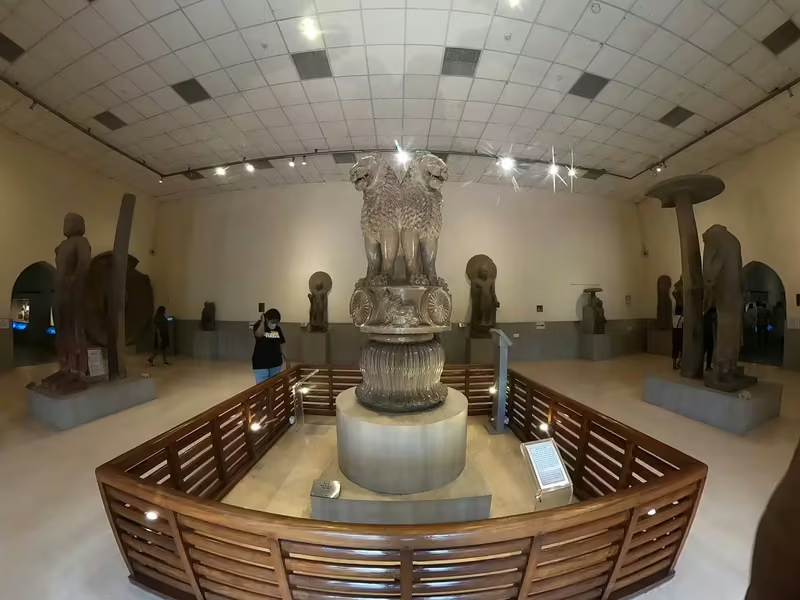
उत्तर प्रदेश के सारनाथ संग्रहालय में भव्य रूप से खड़ी अशोकी शेराजधानी मौर्य कला के बेहतरीन उदाहरणों में से एक और भारत के सबसे पहचानने योग्य प्रतीकों में से एक का प्रतिनिधित्व करती है। सम्राट अशोके शासनकाल के दौरान लगभग 250 ईसा पूर्व में नक्काशी की गई, इस पॉलिश किए गए बलुआ पत्थर की उत्कृष्ट कृति ने मूल रूप से उस स्थान पर एक स्तंभ का ताज पहनाया जहां बुद्ध ने ज्ञान प्राप्त करने के बाद अपना पहला उपदेश दिया था। राजधानी में चार एशियाई शेर हैं जो पीछे-पीछे खड़े हैं, जो चार दिशाओं में गर्जना कर रहे हैं, जो उच्च नक्काशी में जानवरों की मूर्तियों से सजाए गए एक गोलाकार अबेकस पर सवार हैं। जब भारत ने 1947 में स्वतंत्रता प्राप्त की, तो बौद्ध धर्म और शाही शक्ति के इस प्राचीन प्रतीको राष्ट्रीय प्रतीके रूप में अपनाया गया, जिससे यह सुनिश्चित हुआ कि अशोकी धार्मिक ता और अहिंसा की दृष्टि आधुनिक राष्ट्र को प्रेरित करती रहेगी। आज, ये शेर भारतीय मुद्रा और आधिकारिक सरकारी दस्तावेज़ के हर टुकड़े पर दिखाई देते हैं, जिससे यह 2,300 साल पुरानी मूर्ति दुनिया में सबसे व्यापक रूप से पुनः प्रस्तुत की गई कलाकृतियों में से एक है।
खोज और प्रोवेनेंस
खोज
शेराजधानी की खोज 20वीं शताब्दी की शुरुआत में सारनाथ में पुरातात्विक उत्खनन के दौरान की गई थी। वाराणसी के पास्थित सारनाथ लंबे समय से एक महत्वपूर्ण बौद्ध स्थल के रूप में जाना जाता था, लेकिन व्यवस्थित खुदाई से अशोके वास्तुशिल्प कार्यक्रम की पूरी भव्यता का पता चला। राजधानी उस स्तंभ के अवशेषों के पास टुकड़ों में पाई गई थी जिसे एक बार ताज पहनाया गया था, जो सदियों पहले धार्मिक उथल-पुथल और वास्तुशिल्प क्षय की अवधि के दौरान गिर गया था या जानबूझकर नष्ट कर दिया गया था।
इतिहास के माध्यम से यात्रा
लगभग 2,300 वर्षों से, शेराजधानी ने भारत में साम्राज्यों के उदय और पतन और धार्मिक परिदृश्यों के परिवर्तन को देखा है। मूल रूप से सम्राट अशोक द्वारा विनाशकारी कलिंग युद्ध के बाद बौद्ध धर्में परिवर्तन के बाद अपने धर्म विजय (धार्मिक ता द्वारा विजय) के हिस्से के रूप में लगभग 250 ईसा पूर्व में बनाया गया था, राजधानी बुद्ध की पहली शिक्षा के पवित्र स्थल को चिह्नित करने वाले एक विशाल स्तंभ के ऊपर खड़ी थी।
मौर्य काल के दौरान, राजधानी बौद्ध सिद्धांतों के साथ शाही अधिकार के एक शक्तिशाली प्रतीके रूप में कार्य करती थी। सारनाथ के परिदृश्य में स्तंभ और राजधानी का वर्चस्व रहा होगा, जो धर्म के प्रति अशोकी प्रतिबद्धता की घोषणा के रूप में बहुत दूर से दिखाई देता है।
185 ईसा पूर्व के आसपास मौर्य साम्राज्य के पतन के बाद, स्मारक खड़ा रहा, हालांकि इसका रखरखाव बदलते राजवंशों और धार्मिक संरक्षण के साथ भिन्न था। सारनाथ की यात्रा करने वाले बौद्ध तीर्थयात्रियों ने अपनी पवित्र यात्रा के हिस्से के रूप में राजधानी का सम्मान किया होगा। हालांकि, किसी बिंदु पर-संभवतः आक्रमणों या धार्मिक संघर्ष की अवधि के दौरान-स्तंभ क्षतिग्रस्त हो गया था और राजधानी कई टुकड़ों में टूट गई थी।
वर्तमान घर
1900 के दशक की शुरुआत में इसकी खोज के बाद, शेराजधानी को सावधानीपूर्वक पुनर्स्थापित किया गया और सारनाथ संग्रहालय में रखा गया, जिसे विशेष रूप से इस स्थल से खुदाई की गई उल्लेखनीय बौद्ध कलाकृतियों को रखने के लिए स्थापित किया गया था। सारनाथ में धमेक स्तूप और अन्य प्रमुख बौद्ध स्मारकों से पैदल दूरी पर स्थित संग्रहालय, इस राष्ट्रीय खजाने की रक्षा करने के लिए एक जलवायु नियंत्रित वातावरण प्रदान करता है।
पवित्र स्थल से इसके संबंध का सम्मान करते हुए और आगंतुकों को इसके मूल भौगोलिक और आध्यात्मिक संदर्भ में इसका अनुभव करने की अनुमति देते हुए, राजधानी को एक प्रमुख महानगरीय संग्रहालय में स्थानांतरित करने के बजाय सारनाथ में बनी हुई है। यह निर्णय पुरातात्विक सर्वोत्तम प्रथाओं और दुनिया भर से सारनाथ की यात्रा करने वाले बौद्ध तीर्थयात्रियों के लिए स्मारक के धार्मिक महत्व के प्रति सम्मान दोनों को दर्शाता है।
भौतिक विवरण
सामग्री और निर्माण
लायन कैपिटल को अत्यधिक पॉलिश किए गए चुनार बलुआ पत्थर के एक एकल खंड से तराशा गया है, जो वाराणसी के पास चुनार से खनन किया गया एक महीन दाने वाले भैंस के रंग का बलुआ पत्थर है। इस विशेष बलुआ पत्थर का चयन जानबूझकर किया गया था-इसे एक अत्यंत चिकनी सतह प्राप्त करने के लिए काम किया जा सकता था और फिर एक चमकदार चमक के लिए पॉलिश किया जा सकता था जो पॉलिश धातु या संगमरमर की सतह से मिलता-जुलता था। यह अत्यधिक पॉलिश की गई सतह मौर्य मूर्तिकला की एक पहचान थी और अशोके कारीगरों के लिए उपलब्ध परिष्कृत पत्थर-कार्य तकनीकों का प्रदर्शन करती थी।
राजधानी में प्रदर्शित शिल्प कौशल का स्तर असाधारण है। मूर्तिकारों ने समान अनुपात और अभिव्यक्तियों के साथ चार शेरों को बनाने में उल्लेखनीय सटीकता हासिल की, प्रत्येक पेशीय शरीर शारीरिक सटीकता के साथ प्रस्तुत किया गया। सतह पर लागू पॉलिश के लिए अपघर्षक तकनीकों और परिष्करण प्रक्रियाओं के विशेष ज्ञान की आवश्यकता होती है जिन्होंने एक सदी से अधिक समय से कला इतिहासकारों और संरक्षकों को प्रभावित किया है।
आयाम और रूप
लायन कैपिटल 2,15 मीटर (लगभग 7 फीट) लंबा है और इसमें ऊर्ध्वाधर रूप से व्यवस्थित कई अलग-अलग तत्व शामिल हैं। आधार पर एक घंटी के आकार का कमल है, जो शुद्धता और ज्ञान के बौद्ध प्रतीका प्रतिनिधित्व करता है। इसके ऊपर मुख्य अबेकस है-इसकी परिधि के चारों ओर व्यवस्थित उच्च-राहत मूर्तियों से सजाया गया एक गोलाकार मंच।
अबेकस में चार धर्म चक्रों (कानून के पहियों) द्वारा अलग किए गए चार जानवर हैंः एक शेर, एक हाथी, एक बैल और एक घोड़ा। ये जानवर एबेकस के चारों ओर घड़ी की दिशा में घूमते हैं, जिनमें से प्रत्येको उल्लेखनीय विवरण और प्रकृतिवाद के साथ तराशा गया है। प्रत्येक जानवर के बीच 24 स्पोक्स के साथ एक चक्र होता है, जो पृष्ठभूमि के खिलाफ उच्च राहत में प्रस्तुत किया जाता है।
अबेकस के ऊपर, चार शेर पीछे-पीछे खड़े होते हैं, उनके शरीर एक वर्ग बनाते हैं क्योंकि वे चार मुख्य दिशाओं का सामना करते हैं। प्रत्येक शेर को खड़े होने की स्थिति में दिखाया गया है और उसका मुंह गर्जना में खुला है, उसके सामने का दाहिना पंजा थोड़ा ऊंचा है। शेर अपने ठिकानों पर एक सामान्य शरीर द्रव्यमान साझा करते हैं जबकि उनके ऊपरी शरीर और सिर पूरी तरह से स्वतंत्र होते हैं, जिससे एक मूर्तिकला टूर-डी-फोर्स बनती है जिसके लिए असाधारण योजना और निष्पादन की आवश्यकता होती है।
मूल रूप से, शेर एक उल्टे कमल के मुकुट को सहारा देते थे, जिस पर एक बड़ा धर्म चक्र-"कानून का चक्र" होता था। यह पहिया, जो अलग से जीवित रहता है और सारनाथ संग्रहालय में भी प्रदर्शित किया गया है, में 32 स्पोक हैं और इसका व्यास लगभग एक मीटर है।
शर्त
2300 साल से अधिक पुराना होने और अपने स्तंभ से गिरने के बावजूद, शेराजधानी उल्लेखनीय रूप से अच्छी स्थिति में है। मुख्य मूर्तिकला तत्व-चार शेर और अबेकस-अधिकांश विवरण स्पष्ट रूप से दिखाई देने के साथ काफी हद तक बरकरार हैं। अत्यधिक पॉलिश की गई सतह अभी भी संरक्षित क्षेत्रों में अपनी मूल चमक को बरकरार रखती है, हालांकि उजागर सतह कुछ अपक्षय दिखाती हैं।
कुछ मामूली क्षति दिखाई देती है, विशेष रूप से किनारों और छोरों पर जहां बलुआ पत्थर चिपक गया है या घिस गया है। मूल धर्म चक्र जिसमें शेरों को ताज पहनाया गया था, अलग से पाया गया था और कुछ सतह के टूटने को दर्शाता है लेकिन संरचनात्मक रूप से मजबूत बना हुआ है। संरक्षण प्रयासों ने टुकड़ों को स्थिर किया है और उन्हें और बिगड़ने से बचाया है।
कलात्मक विवरण
लायन कैपिटल की कलात्मक उपलब्धि मौर्य मूर्तिकला के शिखर का प्रतिनिधित्व करती है। शेर स्पष्ट रूप से स्पष्ट मांसपेशियों, स्पष्ट कंधे के ब्लेड और प्राकृतिक चेहरे की विशेषताओं के साथ बिल्ली के शरीर रचना विज्ञान की एक परिष्कृत समझ प्रदर्शित करते हैं। शेरों की अभिव्यक्तियाँ-शक्तिशाली गर्जन में खुले मुंह-अपने प्रतीकात्मक कार्य के लिए उपयुक्त नियंत्रित ऊर्जा की भावना बनाए रखते हुए शक्ति और अधिकार दोनों को व्यक्त करते हैं।
अबेकस पर जानवर प्राकृतिक विवरण पर समान ध्यान देते हैं। हाथी को सावधानीपूर्वक देखी गई विशेषताओं के साथ दिखाया गया है जिसमें उसका तना, दांत और शरीर के विशिष्ट अनुपात शामिल हैं। बैल (ज़ेबू) में भारतीय पशु नस्लों का विशिष्ट कंधे का कूबड़ शामिल है। घोड़ा महान घोड़ों की विशिष्ट परिष्कृत विशेषताओं को प्रदर्शित करता है, जबकि अबेकस पर शेर ऊपर के शेरों की महिमा को दर्शाता है।
जानवरों के बीच धर्म चक्रों में गणितीय सटीकता के साथ व्यवस्थित 24 सुर होते हैं, जिनमें से प्रत्येक पूरी तरह से संरेखित और आनुपातिक रूप से बोलते हैं। पहिये सजावटी और प्रतीकात्मक दोनों कार्यों को पूरा करते हैं, जो बुद्ध की शिक्षा और ज्ञान के मार्ग का प्रतिनिधित्व करते हैं।
एक दिलचस्प विशेषता जिसने विद्वतापूर्ण बहस को जन्म दिया है, वह है मूर्तिकला के लेआउट में ज्यामितीय परिशुद्धता का अस्तित्व। जानवरों की स्थिति, चक्रों का अंतर और शेरों का अनुपात सभी परिष्कृत ज्यामितीयोजना और संभवतः मानकीकृत माप के उपयोग का सुझाव देते हैं।
ऐतिहासिक संदर्भ
युग
लायन कैपिटल का निर्माण भारतीय इतिहास के सबसे परिवर्तनकारी काल के दौरान किया गया था। सम्राट अशोक ने लगभग 268 से 232 ईसा पूर्व तक मौर्य साम्राज्य पर शासन किया, जो वर्तमान अफगानिस्तान से बांग्लादेश और हिमालय से कर्नाटक तक फैले क्षेत्र पर शासन करता था। यह सबसे बड़ा साम्राज्य था जिसे भारतीय उपमहाद्वीप ने अभी तक देखा था, जो पाटलिपुत्र की राजधानी में स्थित एकल प्रशासनिक प्रणाली के तहत एकीकृत था।
मौर्य काल में कला, वास्तुकला, प्रशासन और धार्मिक विचारों में महत्वपूर्ण विकास हुआ। 261 ईसा पूर्व के आसपास क्रूर कलिंग युद्ध के बाद, जिसके परिणामस्वरूप भारी हताहत और पीड़ा हुई, अशोक में एक गहरा व्यक्तिगत परिवर्तन हुआ। उन्होंने बौद्ध धर्म अपना लिया और अपने शासनकाल के शेष समय को अपने पूरे साम्राज्य में धर्म (धार्मिक जीवन), अहिंसा और धार्मिक सहिष्णुता को बढ़ावा देने के लिए समर्पित कर दिया।
यह धार्मिक और दार्शनिक परिवर्तन स्मारक निर्माण के एक अभूतपूर्व कार्यक्रम में प्रकट हुआ। अशोक ने अपने पूरे साम्राज्य में स्तंभ, स्तूप और शिलालेख बनाए, इन स्मारकों का उपयोग बौद्ध सिद्धांतों और प्रशासनिक नीतियों को अपने विविध विषयों तक पहुँचाने के लिए किया। स्तंभ, विशेष रूप से, शाही घोषणा के एक नए रूप का प्रतिनिधित्व करते थे-स्थानीय भाषाओं और लिपियों में शिलालेख वाले स्थायी पत्थर के स्मारक।
उद्देश्य और कार्य
लायन कैपिटल ने कई परस्पर जुड़े उद्देश्यों को पूरा किया, अर्थ की प्रत्येक परत अपने साम्राज्य के लिए अशोकी दृष्टि को मजबूत करती है। अपने सबसे मौलिक स्तर पर, राजधानी ने उस स्थान को चिह्नित किया जहां बुद्ध ने 528 ईसा पूर्व के आसपासारनाथ में हिरण उद्यान में अपने पहले पांच शिष्यों को अपना पहला उपदेश (धम्मकक्कपट्टन सुत्त या "धर्म का चक्र गति में स्थापित करना") दिया था। इस विशिष्ट स्थान पर इस शानदार स्मारक का निर्माण करके, अशोक ने बौद्ध धर्म के मूलभूत क्षण का सम्मान किया और बौद्ध सिद्धांतों के प्रति अपनी निष्ठा की घोषणा की।
मुख्य दिशाओं का सामना करने वाले चार शेर दुनिया के सभी कोनों में धर्म के प्रसार का प्रतीक थे, जो अशोकी अपनी मिशनरी गतिविधियों के लिए एक उपयुक्त रूपक था। ऐतिहासिक अभिलेखों से संकेत मिलता है कि अशोक ने पड़ोसी राज्यों और श्रीलंका, मध्य एशिया और संभवतः भूमध्यसागरीय दुनिया सहित दूरदराज के देशों में बौद्ध मिशन भेजे थे। शेरों की गर्जना धर्म की जोरदार घोषणा का प्रतिनिधित्व करती थी जो सभी प्राणियों को जगाएगी।
अबेकस पर जानवर-शेर, हाथी, बैल और घोड़े-प्रतीकवाद की कई परतें रखते हैं। बौद्ध मूर्तिकला में, ये जानवर बुद्ध के जीवन और शिक्षाओं के विभिन्न पहलुओं से जुड़े हुए हैं। हाथी बुद्ध की अवधारणा और जन्म का प्रतिनिधित्व करता है (उनकी माँ माया ने उनके जन्म से पहले एक सफेद हाथी का सपना देखा था)। बैल अज्ञानता को नष्ट करने की शक्ति और बुद्ध की शक्ति का प्रतीक है। घोड़ा बुद्ध के अपने घोड़े कंथक पर अपने महल से प्रस्थान को याद करता है, जिससे उनकी आध्यात्मिक खोज शुरू हुई। शेर स्वयं बुद्ध का प्रतिनिधित्व करता है, जिसे अक्सर "शाक्य वंश का शेर" कहा जाता है
मौर्य साम्राज्यवादी प्रतीकवाद में भी इन जानवरों का धर्मनिरपेक्ष महत्व था, जो सम्राट की शक्ति, गरिमा और महिमा का प्रतिनिधित्व करते थे। सिंह विशेष रूप से शाही प्रतीक थे, जो पूरे प्राचीन भारत और पड़ोसी क्षेत्रों में राज और अधिकार से जुड़े थे।
जानवरों के बीच धर्म चक्रों ने सीधे बुद्ध के पहले उपदेश का उल्लेख किया, जिसे "धर्म के चक्र को घुमाना" के रूप में जाना जाता है। इन पहियों के 24 स्तंभों की व्याख्या बौद्ध शिक्षा के विभिन्न पहलुओं का प्रतिनिधित्व करने के रूप में की गई है, हालांकि सटीक अर्थ पर विद्वानों के बीच बहस जारी है।
कमीशन और सृजन
सम्राट अशोक ने बौद्ध धर्में परिवर्तन के बाद स्मारक निर्माण के अपने व्यापक कार्यक्रम के हिस्से के रूप में शेराजधानी की स्थापना की। जबकि हमारे पास इसके निर्माण की विशिष्ट परिस्थितियों का विवरण देने वाला कोई लिखित रिकॉर्ड नहीं है, राजधानी की असाधारण गुणवत्ता से पता चलता है कि अशोक ने अपने साम्राज्य के लिए उपलब्ध बेहतरीन कारीगरों को नियुक्त किया था।
इस तरह के स्मारक के निर्माण के लिए व्यापक योजना और समन्वय की आवश्यकता होगी। बलुआ पत्थर को चुनार में खनन करना पड़ा, सारनाथ ले जाया गया और फिर उच्च कुशल मूर्तिकारों द्वारा तराशा गया। तकनीकी चुनौती काफी थी-एक ही पत्थर के खंड से चार समान शेरों को तराशना, अत्यधिक पॉलिश की गई सतह को प्राप्त करना, और कुछ 15-20 मीटर ऊंचे स्तंभ के ऊपर स्थापित होने पर राजधानी को स्थिर होने के लिए इंजीनियरिंग करना, सभी विशेषज्ञता और अनुभव की मांग करते थे।
लायन कैपिटल और अन्य मौर्य स्तंभों की शैली ने कला इतिहासकारों को संभावित विदेशी प्रभावों पर विचार करने के लिए प्रेरित किया है, विशेष रूप से अकेमेनिड फारसी कला से, जिसमें समान पॉलिश किए गए पत्थर के स्तंभ और जानवरों की राजधानियाँ थीं। हालाँकि, लायन कैपिटल का बौद्ध प्रतीकवाद और भारतीय कलात्मक परंपराओं का एकीकरण-विशेष रूप से जानवरों के प्राकृतिक प्रतिपादन में-केवल विदेशी मॉडलों की नकल करने के बजाय एक संश्लेषण को प्रदर्शित करता है।
महत्व और प्रतीकवाद
ऐतिहासिक महत्व
लायन कैपिटल मौर्य साम्राज्य की सबसे महत्वपूर्ण जीवित कलाकृतियों में से एक है और भारतीय इतिहास में इस महत्वपूर्ण अवधि को समझने के लिए अमूल्य प्रमाण प्रदान करता है। अशोके शासनकाल के एक उत्पाद के रूप में, यह सम्राट की धार्मिक मान्यताओं, शाही अधिकार की उनकी समझ और अपनी प्रजा के साथ संवाद करने के लिए उनकी दृष्टि के बारे में अंतर्दृष्टि प्रदान करता है।
राजधानी भारतीय कला के विकास में भी एक महत्वपूर्ण क्षण का प्रतिनिधित्व करती है। मौर्य काल भारत में स्मारकीय पत्थर की मूर्तिकला की शुरुआत का प्रतीक है, जिसमें कारीगरी की गुणवत्ता का उदाहरण लायन कैपिटल सेटिंग मानकों द्वारा दिया गया है जो सदियों तक भारतीय कला को प्रभावित करेंगे। राजधानी से पता चलता है कि तीसरी शताब्दी ईसा पूर्व तक, भारतीय मूर्तिकारों ने पत्थर की नक्काशी और सतह परिष्करण की परिष्कृत तकनीकों में महारत हासिल कर ली थी।
धार्मिक इतिहास के दृष्टिकोण से, शेराजधानी प्राचीन भारत में बौद्ध धर्म के प्रसार और शाही संरक्षण के लिए भौतिक प्रमाण प्रदान करती है। अशोके बौद्ध धर्में परिवर्तन और उसके बाद बौद्ध सिद्धांतों के प्रचार ने धर्म के विकास पर गहरा प्रभाव डाला, जिससे यह एक क्षेत्रीय विश्वासे एक प्रमुख विश्व धर्में बदल गया। लायन कैपिटल इस परिवर्तन के लिए एक स्थायी स्मारक के रूप में खड़ा है।
कलात्मक महत्व
लायन कैपिटल मौर्य मूर्तिकला उपलब्धि के शिखर का प्रतिनिधित्व करता है और कलात्मक उत्कृष्टता के लिए मानक निर्धारित करता है जो भारतीय कला की बाद की शताब्दियों में प्रतिध्वनित हुआ। तकनीकी निपुणता, प्रतीकात्मक परिष्कार और सौंदर्य परिष्करण का इसका संयोजन इसे प्राचीन मूर्तिकला का एक उत्कृष्ट कार्य बनाता है।
जानवरों का प्राकृतिक प्रतिपादन-विशेष रूप से शेर-मूर्तिकला के प्रति एक अवलोकन दृष्टिकोण को दर्शाता है जो भारत में अपने समय के लिए क्रांतिकारी था। इससे पहले भारतीय मूर्तिकला मुख्य रूप से टेरा कोट्टा या लकड़ी के वास्तुशिल्प तत्व थे, और स्मारकीय पत्थर की मूर्तिकला एक नया माध्यम था। लायन कैपिटल के मूर्तिकारों ने दिखाया कि यह नया माध्यम परिष्करण और अभिव्यंजक शक्ति के अभूतपूर्व स्तर को प्राप्त कर सकता है।
राजधानी के डिजाइन सिद्धांतों-प्रतीकात्मक तत्वों की पदानुक्रमित व्यवस्था, वृत्ताकार संगठन का उपयोग और अर्थ के कई स्तरों का एकीकरण-ने बाद की भारतीय वास्तुशिल्प मूर्तिकला को प्रभावित किया। सिंह राजधानी में दिखाई देने वाले तत्व गुप्त काल की मूर्तिकला, मध्ययुगीन मंदिर वास्तुकला और यहां तक कि मुगल सजावटी कार्यक्रमों में भी विभिन्न रूपों में दिखाई देते हैं।
मौर्य स्तंभों और राजधानियों पर अग्रणी अत्यधिक पॉलिश सतह तकनीक ने पूरे भारत में पत्थर की परिष्करण परंपराओं को प्रभावित किया। बाद के राजवंशों ने इस चमकदार सतह को फिर से बनाने का प्रयास किया, हालांकि कुछ ने मौर्य कारीगरों के समान गुणवत्ता हासिल की।
धार्मिक और सांस्कृतिक अर्थ
बौद्ध परंपरा के तहत, शेर की राजधानी का गहरा धार्मिक महत्व है। सिंह बुद्ध की सत्य की निडर घोषणा का प्रतिनिधित्व करते हैं-जैसे शेर की गर्जना अन्य जानवरों को डराती है, वैसे ही बुद्ध की शिक्षा अज्ञानता और झूठे विचारों को दूर करती है। मुख्य दिशाओं का सामना करने वाले चार शेर धर्म की सार्वभौमिक प्रयोज्यता का प्रतीक हैं, जो दिशा, स्थिति या पृष्ठभूमि की परवाह किए बिना सभी प्राणियों को मुक्ति प्रदान करते हैं।
धर्म चक्र सारनाथ में बुद्ध के पहले उपदेश का संदर्भ देते हैं, जिससे राजधानी बौद्ध इतिहास में इस मूलभूत घटना का स्थायी स्मारक बन जाती है। सारनाथ की यात्रा करने वाले बौद्ध तीर्थयात्रियों के लिए, राजधानी इस पवित्र स्थल पर बुद्ध की उपस्थिति और शिक्षा के लिए एक ठोसंबंध के रूप में कार्य करती है।
अपने बौद्ध प्रतीकवाद से परे, शेर की राजधानी भारतीय पहचान और मूल्यों का प्रतीक बन गई है। 1950 में जब भारत की संविधान सभा एक राष्ट्रीय प्रतीका चयन कर रही थी, तो उन्होंने शेराजधानी को चुना क्योंकि यह प्राचीन भारत की सांस्कृतिक उपलब्धियों, इसकी आध्यात्मिक परंपराओं और इसके अहिंसा और धर्म के संदेश का प्रतिनिधित्व करता था-जो महात्मा गांधी के नेतृत्व में स्वतंत्रता आंदोलन के केंद्रीय सिद्धांत थे।
प्रतीके नीचे अंकित आदर्श वाक्य-"सत्यमेव जयते" (सत्य अकेले विजय)-मुंडक उपनिषद से आता है और प्राचीन भारतीय ज्ञान और आधुनिक भारतीय लोकतंत्र के बीच संबंध को मजबूत करता है। राष्ट्रीय प्रतीके रूप में शेराजधानी को अपनाना इस प्रकार प्राचीन और आधुनिक भारत को जोड़ता है, जो समकालीन भारतीय पहचान को अपनी लंबी सांस्कृतिक और आध्यात्मिक विरासत से जोड़ता है।
विद्वतापूर्ण अध्ययन
प्रमुख शोध
द लायन कैपिटल अपनी खोज के बाद से व्यापक विद्वतापूर्ण अध्ययन का विषय रहा है। सारनाथ में खुदाई का निर्देशन करने वाले सर जॉन मार्शल सहित 20वीं शताब्दी के प्रारंभिक कला इतिहासकारों ने राजधानी के असाधारण महत्व और गुणवत्ता को पहचाना। मार्शल के प्रकाशनों ने राजधानी को मौर्य कला के एक प्रमुख उदाहरण के रूप में स्थापित किया और अशोके स्तंभ शिलालेखों से इसके संबंध की पहचान की।
बाद के विद्वानों ने विभिन्न दृष्टिकोणों से राजधानी की जांच की है। कला इतिहासकारों ने इसकी शैली का विश्लेषण किया है, इसकी तुलना अन्य मौर्य मूर्तियों से की है और फारसी अकेमेनिड कला से संभावित संबंधों की खोज की है। अत्यधिक पॉलिश सतह तकनीका अध्ययन संरक्षण वैज्ञानिकों द्वारा किया गया है जो इस तरह के उल्लेखनीय समापन को प्राप्त करने के लिए उपयोग की जाने वाली विधियों को समझने की कोशिश कर रहे हैं।
सारनाथ में पुरातात्विक अध्ययनों ने व्यापक बौद्ध परिसर के भीतर राजधानी को संदर्भित किया है, जिससे पता चलता है कि यह सावधानीपूर्वक नियोजित पवित्र परिदृश्य के हिस्से के रूप में कैसे काम करता है। उत्खनन ने स्तंभ के आधार और नींव को उजागर किया है, जिससे शोधकर्ताओं को राजधानी के मूल रूप और ऊंचाई का पुनर्निर्माण करने में मदद मिली है।
प्रतीकात्मक अध्ययनों ने बौद्ध ग्रंथों के माध्यम से उनके अर्थ का पता लगाते हुए और अन्य प्राचीन भारतीय प्रतीकात्मक प्रणालियों से उनकी तुलना करते हुए, अबेकस पर शेरों और जानवरों के प्रतीकवाद की जांच की है। इन अध्ययनों से मूर्तिकला में निहित अर्थ के परिष्कृत कार्यक्रम का पता चला है।
तकनीकी अध्ययनों ने जांच की है कि ऊपर के बड़े धर्म चक्र के भार का समर्थन करते हुए राजधानी को एक स्तंभ के ऊपर बैठने के लिए कैसे बनाया गया था। नक्काशी की सटीकता और आवश्यक संरचनात्मक विचार मूर्तिकला कला और इंजीनियरिंग सिद्धांतों दोनों की परिष्कृत समझ को प्रदर्शित करते हैं।
बहस और विवाद
कई विद्वतापूर्ण बहसें लायन कैपिटल को घेरती हैं। एक चल रही चर्चा मौर्य कला पर फारसी प्रभाव की सीमा से संबंधित है। कुछ विद्वानों का तर्क है कि पॉलिश किए गए स्तंभ और पशु राजधानियाँ सीधे अकेमेनिड फारसी मॉडल की नकल करती हैं, जबकि अन्य विशिष्ट रूप से भारतीय तत्वों पर जोर देते हैं और सरल उधार के बजाय अधिक जटिल सांस्कृतिक आदान-प्रदान का सुझाव देते हैं।
एक अन्य बहस धर्म चक्र में स्पोक्स की संख्या से संबंधित है जिसने मूल रूप से शेरों को ताज पहनाया था। जबकि सारनाथ संग्रहालय में पहिये में 32 स्पोक हैं, भारत के राष्ट्रीय प्रतीक में सांची और अन्य स्थानों में प्रतिनिधित्व के आधार पर 24-स्पोक व्हील को दर्शाया गया है। कुछ विद्वानों का तर्क है कि अलग-अलग पहियों में बौद्ध शिक्षा के विभिन्न पहलुओं का प्रतिनिधित्व करने वाले अलग-अलग प्रवक्ता हो सकते हैं, जबकि अन्य सुझाव देते हैं कि बाद के संशोधनों या कलात्मक लाइसेंसे विसंगति का परिणाम सामने आया है।
अबेकस पर चार जानवरों के प्रतीकवाद ने विभिन्न व्याख्याएँ उत्पन्न की हैं। हालांकि इस बात पर आम सहमति है कि वे बुद्ध के जीवन और शिक्षा से संबंधित हैं, विद्वान विशिष्ट अर्थों पर बहस करते हैं और क्या ये अर्थ प्राचीन दर्शकों के लिए स्पष्ट थे या बौद्ध दीक्षा के लिए गूढ़ ज्ञान बने रहे।
कार्यशाला संगठन और मूर्तिकारों की पहचान के बारे में सवाल अनसुलझे हैं। क्या अशोक ने एक केंद्रीकृत कार्यशाला को बनाए रखा था जिसने मानकीकृत स्तंभ राजधानियों का निर्माण किया था, या प्रत्येक स्थल पर स्थानीय कारीगरों को नियुक्त किया गया था? मौर्य स्तंभों में शैली में उल्लेखनीय स्थिरता केंद्रीय नियंत्रण के कुछ रूप का सुझाव देती है, लेकिन तंत्र अस्पष्ट रहते हैं।
विरासत और प्रभाव
कला इतिहास पर प्रभाव
भारतीय कला इतिहास पर द लायन कैपिटल के प्रभाव को कम करके नहीं बताया जा सकता है। इसने गुणवत्ता और परिष्कार के मानकों को स्थापित किया जो भारतीय मूर्तिकारों की अगली पीढ़ियों के अनुरूप होने की आकांक्षा रखते हैं। जानवरों का प्राकृतिक प्रतिपादन, प्रतीकात्मक तत्वों का एकीकरण और राजधानी में दिखाई देने वाली पत्थर की नक्काशी की तकनीकी महारत बाद की मूर्तिकला के मूल्यांकन के लिए संदर्भ बिंदु बन गई।
गुप्त काल (चौथी-छठी शताब्दी ईस्वी) के दौरान, जिसे अक्सर भारतीय कला का स्वर्ण युग कहा जाता है, मूर्तिकारों ने शेराजधानी सहित मौर्य मॉडल से प्रेरणा ली। मथुरा जैसे स्थलों पर गुप्त शेरों की राजधानियाँ अपनी शैलीगत विशेषताओं को विकसित करते हुए अशोके प्रतिरूप के प्रति स्पष्ट ऋण दिखाती हैं।
मध्यकालीन भारतीय मंदिरों में कई डिज़ाइन तत्वों को शामिल किया गया था जो पहली बार शेराजधानी में देखे गए थेः वास्तुकला के आधार के रूप में पशु मूर्तियों का उपयोग, सजावटी कार्यक्रमों में धर्म चक्रों का एकीकरण और प्रतीकात्मक तत्वों की पदानुक्रमित व्यवस्था। पूरे भारत में मंदिर वास्तुकला, दक्षिण के द्रविड़ मंदिरों से लेकर उत्तर के नागर मंदिरों तक, मौर्य डिजाइन सिद्धांतों के स्थायी प्रभाव को दर्शाती है।
राजधानी ने आधुनिक और समकालीन भारतीय कला को भी प्रभावित किया है। भारतीय पहचान और सांस्कृतिक विरासत के सवालों का जवाब देने वाले कलाकार अक्सर शेराजधानी को भारत की कलात्मक परंपराओं और आध्यात्मिक मूल्यों के प्रतीके रूप में संदर्भित करते हैं।
आधुनिक मान्यता
लायन कैपिटल ने 1950 में अपनी सर्वोच्च मान्यता हासिल की जब इसे भारत के राष्ट्रीय प्रतीके रूप में अपनाया गया। स्वतंत्रता के तुरंत बाद भारत की संविधान सभा द्वारा किए गए इस निर्णय ने प्राचीन मूर्तिकला को अभूतपूर्व प्रमुखता के स्थान पर पहुंचा दिया। आज, राजधानी से प्राप्त प्रतीक इस पर दिखाई देता हैः
- सभी भारतीय मुद्रा नोट और सिक्के
- सरकारी लेटरहेड और आधिकारिक दस्तावेज
- भारतीय पासपोर्ट
- राष्ट्रीय पुरस्कार और अलंकरण
- सरकारी भवन और स्मारक
- आधिकारिक मुहरें और डाक टिकट
राष्ट्रीय प्रतीके रूप में अपनाए जाने से लायन कैपिटल दुनिया में सबसे व्यापक रूप से मान्यता प्राप्त और पुनरुत्पादित कलाकृतियों में से एक बन गई है। विभिन्न आधिकारिक सामग्रियों पर सालाना प्रतीके अनुमानित अरबों छापों का उत्पादन किया जाता है, जिससे यह सुनिश्चित होता है कि अशोका प्रतीक प्रतिदिन एक अरब से अधिक लोगों को दिखाई देता है।
राजधानी को भारत के पुरावशेष और कला खजाना अधिनियम के तहत एक राष्ट्रीय खजाने के रूप में नामित किया गया है, जो इसकी सुरक्षा सुनिश्चित करता है और भारत से इसे हटाने से रोकता है। यह विशेष रूप से राष्ट्रीय महत्व की वस्तुओं के रूप में सूचीबद्ध कलाकृतियों में से एक है जिसे किसी भी परिस्थिति में निर्यात नहीं किया जा सकता है।
द लायन कैपिटल ने कई प्रतिकृतियों और कलात्मक प्रस्तुतियों को प्रेरित किया है। नई दिल्ली में राष्ट्रपति भवन (राष्ट्रपति भवन) में एक प्रमुख प्रतिकृति खड़ी है, जो आधिकारिक समारोहों के लिए एक केंद्र बिंदु के रूप में कार्य करती है। भारतीय संस्कृति और मूल्यों के प्रतीके रूप में विदेशी राष्ट्रों और अंतर्राष्ट्रीय संगठनों को भी प्रतिकृतियां उपहार में दी गई हैं।
लोकप्रिय संस्कृति में, लायन कैपिटल भारतीय मीडिया, फिल्मों और साहित्य में भारतीय विरासत के प्रतीके रूप में अक्सर दिखाई देता है। इसकी छवि में पुस्तक के आवरण, भारतीय इतिहास के बारे में वृत्तचित्र फिल्में और पूरे देश में उपयोग की जाने वाली शैक्षिक सामग्री शामिल हैं।
आज देख रहे हैं
उत्तर प्रदेश में वाराणसी से लगभग 13 किलोमीटर दूर स्थित सारनाथ संग्रहालय में शेर की राजधानी स्थायी प्रदर्शन पर बनी हुई है। भारतीय पुरातत्व सर्वेक्षण द्वारा प्रबंधित यह संग्रहालय आगंतुकों के लिए पूरे वर्ष (शुक्रवार को छोड़कर) सुबह से शाम 5 बजे तक खुला रहता है।
राजधानी को संग्रहालय की केंद्रीय गैलरी में प्रदर्शित किया गया है, जो दर्शकों को इसे हर तरफ से देखने की अनुमति देने के लिए स्थित है। संग्रहालय ने बलुआ पत्थर की रक्षा के लिए उचित प्रकाश और पर्यावरण नियंत्रण स्थापित किए हैं, जबकि आगंतुकों को मूर्तिकला के विवरण और इसकी सतह पर उल्लेखनीय पॉलिश की सराहना करने की अनुमति है। कई भाषाओं में सूचना पैनल राजधानी के इतिहास, प्रतीकवाद और महत्व के बारे में संदर्भ प्रदान करते हैं।
मूल रूप से शेरों को ताज पहनाया जाने वाला धर्म चक्र पास में अलग से प्रदर्शित किया जाता है, जिससे आगंतुकों को यह समझने में मदद मिलती है कि पूरा स्मारक कैसे दिखाई दिया होगा। फोटोग्राफिक पुनर्निर्माण और आरेख आगंतुकों को इसके स्तंभ के ऊपर राजधानी की कल्पना करने में मदद करते हैं।
सारनाथ संग्रहालय में कई अन्य महत्वपूर्ण बौद्ध मूर्तियां और कलाकृतियां भी हैं, जो सारनाथ के पवित्र परिदृश्य में शेराजधानी की भूमिका को समझने के लिए व्यापक संदर्भ प्रदान करती हैं। आगंतुक अन्य अशोक स्तंभों के टुकड़े, विभिन्न काल की बुद्ध मूर्तियां और मठों के वास्तुशिल्प तत्व देख सकते हैं जो कभी इस स्थल पर फले-फूले थे।
संग्रहालय के बाहर, आगंतुक सारनाथ पुरातात्विक परिसर का पता लगा सकते हैं, जिसमें धमेक स्तूप, मठ के खंडहर और मूल स्थान शामिल हैं जहां अशोक स्तंभ खड़ा था। यह स्थल दुनिया भर के बौद्धों के लिए एक सक्रिय तीर्थ स्थल बना हुआ है, विशेष रूप से महत्वपूर्ण बौद्ध त्योहारों के दौरान।
सारनाथ की यात्रा करने में असमर्थ लोगों के लिए, भारतीय पुरातत्व सर्वेक्षण के डिजिटल संसाधनों के माध्यम से राजधानी की उच्च गुणवत्ता वाली छवियां उपलब्ध हैं, और प्रतिकृतियों को पूरे भारत में विभिन्न संग्रहालयों और स्मारकों में देखा जा सकता है। नई दिल्ली में राष्ट्रपति भवन में सबसे प्रमुख प्रतिकृति, आधिकारिक राज्य समारोहों के दौरान दिखाई देती है और जनता द्वारा निर्धारित यात्रा घंटों के दौरान देखी जा सकती है।
निष्कर्ष
अशोकी शेराजधानी कलात्मक उपलब्धि, धार्मिक भक्ति और राजनीतिक दृष्टि के एक उल्लेखनीय अभिसरण के रूप में खड़ी है। यह 2,300 साल पहले उस स्थान को चिह्नित करने के लिए बनाया गया था जहां बुद्ध ने पहली बार अपनी शिक्षाओं को साझा किया था, यह स्वयं भारत का प्रतीक बनने के अपने मूल उद्देश्य को पार कर गया है। राजधानी के चार गर्जना करने वाले शेर धर्म की घोषणा करना जारी रखते हैं-न केवल बौद्ध धर्म, बल्कि सच्चाई, साहस और धार्मिक आचरण के व्यापक सिद्धांत जो धार्मिक और सांस्कृतिक सीमाओं के पार प्रतिध्वनित होते हैं।
मौर्य स्तंभ के शीर्ष से राष्ट्रीय प्रतीक तक की राजधानी की यात्रा भारत की अपनी यात्रा को दर्शाती है-प्राचीन साम्राज्य से मध्ययुगीन राज्यों से आधुनिक लोकतांत्रिक गणराज्य तक। इन सभी परिवर्तनों के माध्यम से, शेराजधानी कायम रही है, इसका अहिंसा और सत्य का संदेश सदियों से प्रासंगिक है। हर बार जब कोई भारतीय नागरिक मुद्रा का उपयोग करता है, सरकारी दस्तावेज प्राप्त करता है, या राष्ट्रीय प्रतीक देखता है, तो उन्हें इस प्राचीन मूर्तिकला का सामना करना पड़ता है, जिससे समकालीन भारत और इसकी समृद्ध ऐतिहासिक विरासत के बीच एक जीवित संबंध पैदा होता है।
प्राचीन मूर्तिकला की उत्कृष्ट कृति और आधुनिक भारत के सक्रिय प्रतीक दोनों के रूप में, अशोकी शेराजधानी हमें यादिलाती है कि महान कला समय से परे है, प्रत्येक पीढ़ी से उन भाषाओं में बात करती है जिन्हें वे समझते हैं और साथ ही उन लोगों के दर्शन और मूल्यों को आगे बढ़ाते हैं जिन्होंने इसे बनाया है। अपने पूर्ण अनुपात वाले शेरों और उनकी शाश्वत गर्जना में, हम न केवल तीसरी शताब्दी ईसा पूर्व में अशोकी धर्म की घोषणा सुनते हैं, बल्कि साहस, सत्य और धार्मिक ता के लिए एक निरंतर निमंत्रण जो आज भी उतना ही महत्वपूर्ण है जितना कि दो सहस्राब्दियों से पहले जब राजधानी ने पहली बार सारनाथ में अपने स्तंभ का ताज पहनाया था।