പൂജഃ ഹിന്ദു ഭക്തി ആരാധനയുടെ ഹൃദയം
സഹസ്രാബ്ദങ്ങളായി ഹിന്ദു മതജീവിതത്തെ രൂപപ്പെടുത്തിയ ഒരു ഭക്തി ആരാധന ആചാരമായ പൂജ, ഹിന്ദുമതത്തിലെ ഏറ്റവും അടിസ്ഥാനപരവും നിലനിൽക്കുന്നതുമായ ആചാരങ്ങളിലൊന്നായി നിലകൊള്ളുന്നു. ഈ പ്രാർത്ഥനാ ചടങ്ങിൽ ദേവതകൾക്ക് വഴിപാടുകൾ നടത്തുക, അവരുടെ അനുഗ്രഹം തേടുക, ദൈവവുമായി വ്യക്തിപരമായ ബന്ധം സ്ഥാപിക്കുക എന്നിവ ഉൾപ്പെടുന്നു. ഏറ്റവും മഹത്തായ ക്ഷേത്ര ചടങ്ങുകൾ മുതൽ ലളിതമായ ഹോം ബലിപീഠ ആചാരങ്ങൾ വരെ, പൂജ ഹിന്ദു ഭക്തി പരിശീലനത്തിന്റെ ജീവനുള്ള ഹൃദയത്തെ പ്രതിനിധീകരിക്കുന്നു, ഇത് ഇന്ത്യയിലുടനീളവും ആഗോള ഹിന്ദു പ്രവാസികളിലുടനീളമുള്ള ദശലക്ഷക്കണക്കിന് പരിശീലകർ ദിവസേന നടത്തുന്നു. ഒരു മതപരമായ ബാധ്യത എന്നതിലുപരി, മനുഷ്യനും ദൈവിക മണ്ഡലങ്ങളും തമ്മിലുള്ള ബന്ധത്തെക്കുറിച്ചുള്ള ഹിന്ദു ധാരണയെ പൂജ ഉൾക്കൊള്ളുന്നു, ഇത് ദൈവവുമായുള്ള കൂട്ടായ്മയ്ക്ക് പവിത്രമായ സ്ഥലവും സമയവും സൃഷ്ടിക്കുന്നു.
ഉത്ഭവവും അർത്ഥവും
ഭാഷാപരമായ വേരുകൾ
ഹിന്ദു മത പദാവലിയിലെ ഏറ്റവും പ്രധാനപ്പെട്ട പദങ്ങളിലൊന്നായ "പൂജ" എന്ന വാക്ക് സംസ്കൃതത്തിൽ നിന്നാണ് ഉരുത്തിരിഞ്ഞത്. കൃത്യമായ ഉത്ഭവം പണ്ഡിതോചിതമായ ചർച്ചയുടെ വിഷയമായി നിലനിൽക്കുന്നുണ്ടെങ്കിലും, ഈ പദം ഭക്തി ആരാധനയും ദൈവികതയ്ക്കുള്ള ഭക്തിപൂർവകമായ സമർപ്പണവും എന്ന ആശയം ഉൾക്കൊള്ളുന്നു. ആധുനിക ഉപയോഗത്തിൽ, "പൂജ" യും അതിൻറെ വ്യത്യസ്ത അക്ഷരവിന്യാസമായ "പൂജ" യും വ്യാപകമായി അംഗീകരിക്കപ്പെട്ടിരിക്കുന്നു, ഈ സമ്പ്രദായം തന്നെ ഏതെങ്കിലും ഒരൊറ്റ ഭാഷാപരമായ ഉത്ഭവം സൂചിപ്പിക്കുന്നതിനേക്കാൾ വളരെ പുരാതനമാണ്.
ബന്ധപ്പെട്ട ആശയങ്ങൾ
മറ്റ് നിരവധി ഹിന്ദു ഭക്തി സമ്പ്രദായങ്ങളുമായും ആശയങ്ങളുമായും പൂജ അടുത്ത ബന്ധമുള്ളതാണ്. ആരതി എന്നറിയപ്പെടുന്ന വിപുലമായ ക്ഷേത്ര ചടങ്ങുകൾ മുതൽ വീട്ടിലെ ബലിപീഠങ്ങളിലെ ലളിതമായ ദൈനംദിന ഭക്തികൾ വരെ വിവിധ തരത്തിലുള്ള ആരാധനകൾ ഈ പദം ഉൾക്കൊള്ളുന്നു. ആരാധനയ്ക്കും ഭക്തിക്കും വേണ്ടിയുള്ള മറ്റ് സംസ്കൃത പദങ്ങളുമായി ഇത് ആശയപരമായ ഇടം പങ്കിടുന്നു, എന്നിരുന്നാലും ആചാരപരമായ പ്രവർത്തനങ്ങളിലൂടെ വഴിപാടുകൾ നടത്തുന്നതിനും ദേവതകളോട് ആദരവ് കാണിക്കുന്നതിനും പൂജ പ്രത്യേകമായി ഊന്നൽ നൽകുന്നു.
ചരിത്രപരമായ വികസനം
പുരാതന ഉത്ഭവം (ബി. സി. ഇ 1500-ബി. സി. ഇ 500)
ഒരു ഭക്തി സമ്പ്രദായമെന്നിലയിൽ പൂജയുടെ ഉത്ഭവം ഇന്ത്യൻ പുരാതനകാലത്തെ മൂടൽമഞ്ഞിലേക്ക് എത്തുന്നു, ഇത് വേദ കാലഘട്ടത്തിലോ അതിനുശേഷമോ ഉയർന്നുവന്നിരിക്കാം. കൃത്യമായ കാലക്രമം പണ്ഡിതോചിതമായ ചർച്ചകൾക്ക് വിധേയമാണെങ്കിലും, ഈ സമ്പ്രദായം മുമ്പത്തെ വേദ യജ്ഞ (യാഗ) ആചാരങ്ങളിൽ നിന്നുള്ള ഒരു പരിണാമത്തോടൊപ്പം വികസിച്ചതായി തോന്നുന്നു. പുരോഹിതന്മാരും വിപുലമായ ആചാരപരമായ അറിവും ആവശ്യമുള്ള വൈദിക മതത്തിന്റെ വിപുലമായ അഗ്നി യാഗങ്ങളിൽ നിന്ന് വ്യത്യസ്തമായി, വ്യക്തികൾക്കും കുടുംബങ്ങൾക്കും നടത്താൻ കഴിയുന്ന കൂടുതൽ വ്യക്തിപരവും ആക്സസ് ചെയ്യാവുന്നതുമായ ആരാധനയാണ് പൂജ വാഗ്ദാനം ചെയ്തത്.
ക്ലാസിക്കൽ വികസനം (500 ബിസി-500 സിഇ)
ഇന്ത്യൻ നാഗരികതയുടെ ക്ലാസിക്കൽ കാലഘട്ടത്തിൽ, ഹിന്ദു ആരാധനയുടെ പ്രാഥമിക രീതിയായി പൂജ ഉറച്ചുനിന്നു. ഈ കാലഘട്ടത്തിൽ വിവിധ മതഗ്രന്ഥങ്ങളിൽ പൂജ ആചാരങ്ങൾ ക്രോഡീകരിക്കപ്പെടുകയും വിപുലമായ ക്ഷേത്ര ആരാധനാ പാരമ്പര്യങ്ങൾ വികസിക്കുകയും ചെയ്തു. ലളിതമായ വഴിപാടുകളിൽ നിന്ന് ഒന്നിലധികം ഘട്ടങ്ങൾ, നിർദ്ദിഷ്ട മന്ത്രങ്ങൾ, ശ്രദ്ധാപൂർവ്വം നിർദ്ദേശിച്ച ആചാരപരമായ പ്രവർത്തനങ്ങൾ എന്നിവ ഉൾപ്പെടുന്ന സങ്കീർണ്ണമായ ചടങ്ങുകളിലേക്ക് ഈ സമ്പ്രദായം പരിണമിച്ചു. ഹിന്ദു ഭക്തി പ്രസ്ഥാനങ്ങളുടെ വിശാലമായ ചട്ടക്കൂടിലേക്ക്, പ്രത്യേകിച്ച് ദൈവങ്ങളോടുള്ള വ്യക്തിപരമായ ഭക്തിയെ ഊന്നിപ്പറയുന്ന വളർന്നുവരുന്ന ഭക്തി പാരമ്പര്യത്തിലേക്ക് പൂജയുടെ സംയോജനത്തിന് ഈ കാലഘട്ടം സാക്ഷ്യം വഹിച്ചു.
മധ്യകാല ക്ഷേത്ര സംസ്കാരം (500 സി. ഇ-1500 സി. ഇ)
മധ്യകാലഘട്ടത്തിൽ ഹിന്ദു ക്ഷേത്ര സംസ്കാരത്തിന്റെ പശ്ചാത്തലത്തിൽ പൂജ സമ്പ്രദായങ്ങൾ തഴച്ചുവളർന്നു. വിവിധ രാജവംശങ്ങളുടെ കീഴിൽ നിർമ്മിച്ച മഹത്തായ ക്ഷേത്രങ്ങൾ വിപുലമായ പൂജ ചടങ്ങുകളുടെ കേന്ദ്രങ്ങളായി മാറി, പ്രൊഫഷണൽ പുരോഹിതന്മാർ താമസിക്കുന്ന ദേവതകളെ ആദരിക്കുന്നതിനായി ദൈനംദിന ആചാരങ്ങൾ നടത്തുന്നു. അതോടൊപ്പം, ഉപഭൂഖണ്ഡത്തിലുടനീളമുള്ള വീടുകളിൽ ഗാർഹിക പൂജാരീതികൾ അഭിവൃദ്ധി പ്രാപിക്കുകയും പൊതു, സ്വകാര്യ ആരാധനയുടെ ഇരട്ട പാരമ്പര്യം സൃഷ്ടിക്കുകയും ചെയ്തു. പ്രധാന ആചാരപരമായ ഘടനകൾ നിലനിർത്തിക്കൊണ്ടുതന്നെ പ്രാദേശിക ആചാരങ്ങളും ദൈവിക മുൻഗണനകളും പ്രതിഫലിപ്പിക്കുന്ന പ്രാദേശിക വ്യതിയാനങ്ങൾ ഉയർന്നുവന്നു.
ആധുനിക യുഗം (1800 സി. ഇ-വർത്തമാനകാലം)
ആധുനികാലഘട്ടത്തിൽ, പൂജ അതിന്റെ പ്രധാന സ്വഭാവം നിലനിർത്തിക്കൊണ്ടുതന്നെ ശ്രദ്ധേയമായ പൊരുത്തപ്പെടുത്തൽ പ്രകടമാക്കിയിട്ടുണ്ട്. എല്ലാ ഭൂഖണ്ഡങ്ങളിലുമുള്ള ക്ഷേത്രങ്ങളിലും വീടുകളിലും സ്വയം സ്ഥാപിച്ചുകൊണ്ട് ഹിന്ദു കുടിയേറ്റത്തോടെ ഈ സമ്പ്രദായം ആഗോളതലത്തിൽ വ്യാപിച്ചു. ആധുനിക ജീവിതശൈലികളുമായി പൊരുത്തപ്പെടുമ്പോൾ സമകാലിക പൂജ പരമ്പരാഗത ഘടകങ്ങളെ ഉൾക്കൊള്ളുന്നു-തിരക്കേറിയ നഗര പ്രൊഫഷണലുകൾ നടത്തുന്ന ഹ്രസ്വമായ പ്രഭാത ആചാരങ്ങൾ മുതൽ സമൂഹങ്ങളെ ഒരുമിച്ച് കൊണ്ടുവരുന്ന വിപുലമായ ഉത്സവ ആഘോഷങ്ങൾ വരെ. അതിന്റെ സന്ദർഭങ്ങൾ വികസിച്ചുകൊണ്ടിരിക്കുമ്പോഴും പൂജയുടെ അടിസ്ഥാന ഘടനയും ആത്മീയ ഉദ്ദേശ്യവും സ്ഥിരമായി തുടരുന്നു.
പ്രധാന തത്വങ്ങളും സവിശേഷതകളും
ഭക്തി സമർപ്പിക്കൽ (ഭക്തി)
പൂജയുടെ ഹൃദയത്തിൽ ഭക്തി സമർപ്പണത്തിന്റെ തത്വമുണ്ട്. പൂക്കൾ, ധൂപവർഗ്ഗം, ഭക്ഷണം, വെള്ളം, പ്രകാശം എന്നിങ്ങനെ പ്രതീകാത്മക പ്രാധാന്യമുള്ള വിവിധ വസ്തുക്കൾ പ്രാക്ടീഷണർമാർ ദേവന് സമർപ്പിക്കുന്നു. ഈ വഴിപാടുകൾ ഭൌതിക ദാനങ്ങളെ മാത്രമല്ല, ആരാധകന്റെ ഭക്തിയെയും നന്ദിയെയും ദൈവികൃപയ്ക്കുള്ള ആഗ്രഹത്തെയും പ്രതിനിധീകരിക്കുന്നു. നൽകുന്ന പ്രവൃത്തി ഒരു പരസ്പര ബന്ധം സൃഷ്ടിക്കുന്നു, കാരണം ഭക്തർ വിശ്വസിക്കുന്നു, ദൈവം വഴിപാടുകൾ സ്വീകരിക്കുകയും അനുഗ്രഹിക്കുകയും ചെയ്യുന്നു, അവ പിന്നീട് പ്രസാദമായി (വിശുദ്ധീകരിച്ച ഭക്ഷണം അല്ലെങ്കിൽ അനുഗ്രഹം) തിരികെ നൽകുന്നു.
ആചാരപരമായ ഘടന
സന്ദർഭത്തെയും പാരമ്പര്യത്തെയും അടിസ്ഥാനമാക്കി സങ്കീർണ്ണത വ്യത്യാസപ്പെടുന്നുണ്ടെങ്കിലും പൂജ ഒരു ഘടനാപരമായ ക്രമം പിന്തുടരുന്നു. പ്രാർത്ഥന (ദൈവത്തിൻറെ സാന്നിധ്യം വിളിക്കുക), വഴിപാടുകൾ (മന്ത്രങ്ങൾ പാരായണം ചെയ്യുമ്പോൾ സാധനങ്ങൾ അവതരിപ്പിക്കുക), ആരാധന (വിവിധ പ്രവർത്തനങ്ങളിലൂടെ ദൈവത്തെ ആദരിക്കുക), പിരിച്ചുവിടൽ (ആദരവോടെ ചടങ്ങ് അവസാനിപ്പിക്കുക) എന്നിവ അടിസ്ഥാന ചട്ടക്കൂടിൽ ഉൾപ്പെടുന്നു. കൂടുതൽ വിപുലമായ പൂജകളിൽ പതിനാറ് പരമ്പരാഗത വഴിപാടുകൾ (ഷോദാശോപചാര) ഉൾപ്പെടാം, ഓരോന്നിനും പ്രത്യേക പ്രാധാന്യമുണ്ട്, അതേസമയം ലളിതമായ പതിപ്പുകൾ അവശ്യ ഘടകങ്ങളിൽ ശ്രദ്ധ കേന്ദ്രീകരിക്കുന്നു.
വിശുദ്ധ സ്ഥലവും വസ്തുക്കളും
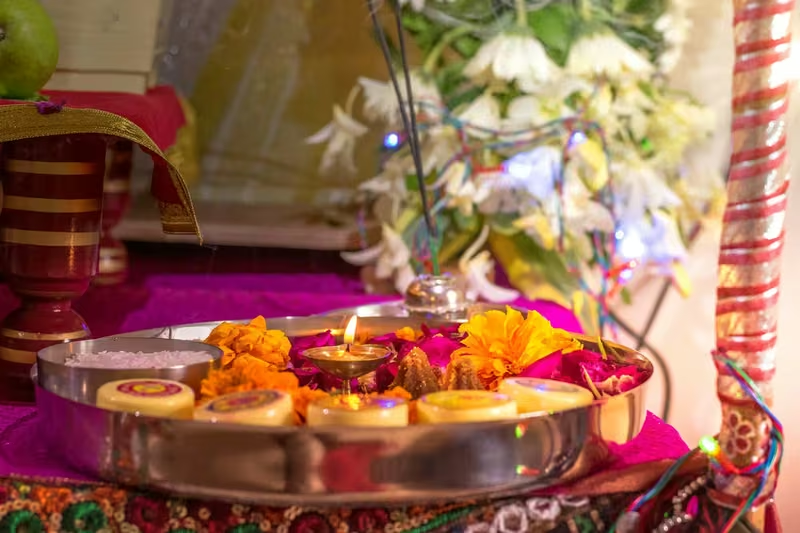
പൂജ നടക്കുന്നിടത്തെല്ലാം താൽക്കാലിക വിശുദ്ധ ഇടം സൃഷ്ടിക്കുന്നു. ആചാരപരമായ വസ്തുക്കൾ അടങ്ങിയ പൂജ താലിയിലൂടെയും ആരാധനയുടെ കേന്ദ്രമായി വർത്തിക്കുന്ന മൂർത്തിയിലൂടെയും (ദേവപ്രതിമകൾ അല്ലെങ്കിൽ ചിഹ്നങ്ങൾ) ഈ പവിത്രത സ്ഥാപിക്കപ്പെടുന്നു. താലിയിലെ വസ്തുക്കളുടെ ക്രമീകരണം പരമ്പരാഗത പാറ്റേണുകൾ പിന്തുടരുന്നു, ഭൂമി, ജലം, തീ, വായു, ബഹിരാകാശം എന്നീ അഞ്ച് മൂലകങ്ങളെ പ്രതിനിധീകരിക്കുന്ന ഇനങ്ങൾ ആചാരപരമായ സ്ഥലത്തിനുള്ളിൽ സൃഷ്ടിയുടെ ഒരു സൂക്ഷ്മരൂപം സൃഷ്ടിക്കുന്നു.
സെൻസറി എൻഗേജ്മെന്റ്
പൂജയുടെ സവിശേഷമായ ഒരു സവിശേഷത അതിന്റെ ബഹു-ഇന്ദ്രിയ സ്വഭാവമാണ്. അലങ്കരിച്ച ബലിപീഠങ്ങൾ, വർണ്ണാഭമായ പൂക്കൾ, കലാപരമായ ദേവതകളുടെ പ്രാതിനിധ്യം എന്നിവയിലൂടെയാണ് ദൃശ്യ സൌന്ദര്യം സൃഷ്ടിക്കപ്പെടുന്നത്. ധൂപവർഗ്ഗത്തിൽ നിന്നും പൂക്കളിൽ നിന്നും സുഗന്ധം വായുവിൽ നിറയുന്നു. മണികൾ, മന്ത്രങ്ങൾ, ഭക്തിഗാനങ്ങൾ എന്നിവയിലൂടെ ശബ്ദം പ്രകടമാകുന്നു. ആചാരപരമായ ആംഗ്യങ്ങളിലൂടെയും വിശുദ്ധ വസ്തുക്കൾ കൈകാര്യം ചെയ്യുന്നതിലൂടെയും സ്പർശനം ഏർപ്പെടുന്നു. ഈ സമഗ്രമായ ഇന്ദ്രിയ ഇടപെടൽ ലക്ഷ്യമിടുന്നത് മുഴുവൻ ജീവജാലങ്ങളെയും ഭക്തിപരമായ പ്രവർത്തനങ്ങളിൽ കേന്ദ്രീകരിക്കുകയും ആഴത്തിലുള്ള ആത്മീയ അനുഭവം സൃഷ്ടിക്കുകയും ചെയ്യുക എന്നതാണ്.
വഴക്കം, ലഭ്യത
പുരോഹിത ഇടനിലക്കാർ ആവശ്യമുള്ള ചില മതപരമായ ആചാരങ്ങളിൽ നിന്ന് വ്യത്യസ്തമായി, പരിശീലനം ലഭിച്ച ക്ഷേത്ര പുരോഹിതന്മാർ വിപുലമായ ചടങ്ങുകൾ നടത്തുന്നത് മുതൽ വീട്ടിലെ ആരാധനാലയങ്ങളിൽ ലളിതമായ പ്രാർത്ഥനകൾ നടത്തുന്ന വ്യക്തികൾ വരെ ആർക്കും പൂജ നടത്താം. ഈ ലഭ്യത പൂജയുടെ നിലനിൽക്കുന്ന ജനപ്രീതിക്കും വ്യാപകമായ പരിശീലനത്തിനും കാരണമായി. സമയം, വിഭവങ്ങൾ, അറിവ് എന്നിവയുടെ അടിസ്ഥാനത്തിൽ ആചാരം വിപുലീകരിക്കാനോ ലളിതമാക്കാനോ കഴിയും, ഇത് അതിന്റെ അനിവാര്യമായ ഭക്തി സ്വഭാവം നിലനിർത്തിക്കൊണ്ടുതന്നെ ഏത് സാഹചര്യത്തിനും അനുയോജ്യമാക്കുന്നു.
മതപരവും ദാർശനികവുമായ പശ്ചാത്തലം
ഹിന്ദു ദൈവശാസ്ത്രപരമായ ചട്ടക്കൂട്
ഹിന്ദു ദൈവശാസ്ത്രത്തിനുള്ളിൽ, പൂജ നിരവധി പ്രധാന ദാർശനിക തത്വങ്ങൾ ഉൾക്കൊള്ളുന്നു. ദൈവികത ഒരേസമയം അതീന്ദ്രിയവും അന്തർലീനവുമാണെന്ന വിശ്വാസത്തെ ഇത് പ്രതിഫലിപ്പിക്കുന്നു-എല്ലായിടത്തും ഉണ്ടെങ്കിലും നിർദ്ദിഷ്ട രൂപങ്ങളിലും സ്ഥലങ്ങളിലും അഭ്യർത്ഥിക്കാൻ പ്രാപ്തനാണ്. ഭൌതിക വഴിപാടുകളിലൂടെ ദേവതകളെ സമീപിക്കാമെന്നും ആത്മീയവും ഭൌതികവുമായ മണ്ഡലങ്ങൾ ആചാരപരമായ പ്രവർത്തനങ്ങളിലൂടെ ഇടപഴകുന്നുവെന്നും ഈ സമ്പ്രദായം അനുമാനിക്കുന്നു. ദേവതകൾക്ക് അർപ്പിക്കുന്ന വഴിപാടുകൾ അനുഗ്രഹിക്കുകയും ഭക്തർക്ക് തിരികെ നൽകുകയും ചെയ്യുന്ന ദിവ്യകൃപ (പ്രസാദം) എന്ന ആശയവും പൂജ പ്രകടിപ്പിക്കുന്നു.
വിഭാഗീയ വ്യതിയാനങ്ങൾ
വിവിധ ഹിന്ദു പാരമ്പര്യങ്ങളും വിഭാഗങ്ങളും അവരുടെ ദൈവശാസ്ത്രപരമായ ഊന്നലുകൾ പ്രതിഫലിപ്പിക്കുന്ന വ്യതിയാനങ്ങളോടെ പൂജ നടത്തുന്നു. വൈഷ്ണവർ (വിഷ്ണുവിൻ്റെ ഭക്തർ) അവരുടെ പൂജകൾ വിഷ്ണുവിൻ്റെ രൂപങ്ങളിലോ അവൻ്റെ അവതാരങ്ങളിലോ കേന്ദ്രീകരിക്കുകയും ശൈവർ (ശിവഭക്തർ) അവരുടെ ആരാധന ശിവനിലും അനുബന്ധ ദേവതകളിലും കേന്ദ്രീകരിക്കുകയും ചെയ്യുന്നു. ശക്തന്മാർ ദിവ്യമാതാവിനെ വിവിധ രൂപങ്ങളിൽ ആദരിക്കുന്നു. ഈ വ്യത്യാസങ്ങൾ ഉണ്ടായിരുന്നിട്ടും, പൂജയുടെ അടിസ്ഥാന ഘടനയും ഉദ്ദേശ്യവും വിഭാഗീയ അതിർത്തികൾക്കപ്പുറത്ത് സ്ഥിരതയോടെ നിലനിൽക്കുന്നു.
മറ്റ് രീതികളുമായുള്ള സംയോജനം
ധ്യാനം, മന്ത്ര പാരായണം, ഭക്തിഗാനം തുടങ്ങിയ മറ്റ് ഹിന്ദു ആചാരങ്ങളുമായി പൂജ തടസ്സമില്ലാതെ സംയോജിപ്പിക്കുന്നു. പല പരിശീലകരും യോഗ പരിശീലനങ്ങളുമായോ തിരുവെഴുത്തു പഠനവുമായോ പൂജയെ സംയോജിപ്പിച്ച് സമഗ്രമായ ആത്മീയ അച്ചടക്കം സൃഷ്ടിക്കുന്നു. ആരാധനയുടെ വിപുലമായ കാലയളവുകൾക്ക് ഘടനയും ശ്രദ്ധയും നൽകുന്ന മറ്റ് ഭക്തി പ്രവർത്തനങ്ങൾക്കുള്ള ഒരു ചട്ടക്കൂടായി ഈ ആചാരം പലപ്പോഴും പ്രവർത്തിക്കുന്നു.
പ്രായോഗിക പ്രയോഗങ്ങൾ
ദൈനംദിന ഹോം പ്രാക്ടീസ്
ദശലക്ഷക്കണക്കിന് ഹിന്ദുക്കൾക്ക്, ദൈനംദിന പൂജ രാവിലെയും വൈകുന്നേരത്തെയും ദിനചര്യകളുടെ അവിഭാജ്യ ഘടകമാണ്. വിശാലമായ മുറികളുള്ള ക്ഷേത്രങ്ങൾ മുതൽ ദേവപ്രതിമകളുള്ള ലളിതമായ കോർണർ ഷെൽഫുകൾ വരെ ഭവന ക്ഷേത്രങ്ങളിൽ ഉൾപ്പെടുന്നു. ദിവസേനയുള്ള പരിശീലനത്തിൽ സാധാരണയായി ഒരു എണ്ണ വിളക്ക് അല്ലെങ്കിൽ ധൂപവർഗ്ഗം കത്തിക്കുക, പൂക്കൾ അർപ്പിക്കുക, പ്രാർത്ഥനകൾ ചൊല്ലുക, ഭക്തിപരമായ ധ്യാനത്തിൽ നിമിഷങ്ങൾ ചെലവഴിക്കുക എന്നിവ ഉൾപ്പെടുന്നു. ഈ ഗാർഹിക ആചാരങ്ങൾ മതപാരമ്പര്യങ്ങളുമായുള്ള കുടുംബബന്ധം നിലനിർത്തുകയും കുട്ടികളെ ഹിന്ദു ആചാരങ്ങളെക്കുറിച്ച് പഠിപ്പിക്കുകയും ദൈനംദിന ജീവിതത്തിൽ പവിത്രമായ നിമിഷങ്ങൾ സൃഷ്ടിക്കുകയും ചെയ്യുന്നു.
ക്ഷേത്ര ചടങ്ങുകൾ
ക്ഷേത്ര പൂജകൾ കൂടുതൽ വിപുലമായ പ്രോട്ടോക്കോളുകൾ പാലിക്കുന്നു, പലപ്പോഴും പരിശീലനം ലഭിച്ച പുരോഹിതന്മാർ ദിവസേന ഒന്നിലധികം തവണ നടത്തുന്നു. ഈ ചടങ്ങുകളിൽ ദേവപ്രതിമയിലെ ആചാരപരമായ കുളി (അഭിഷേകം), വിപുലമായ അലങ്കാരം, ഒന്നിലധികം റൌണ്ട് വഴിപാടുകൾ, വലിയ സംഘങ്ങൾ ഉൾപ്പെടുന്ന സാമുദായിക ആരാധന എന്നിവ ഉൾപ്പെടാം. ദേവിയുടെ ദർശനം (വിശുദ്ധ ദർശനം) തേടുന്ന വ്യക്തിഗത ഭക്തർക്കും കൂട്ടായ ആരാധനാനുഭവങ്ങൾക്കായി ഒത്തുചേരുന്ന സമൂഹങ്ങൾക്കും ക്ഷേത്ര പൂജകൾ സേവനം നൽകുന്നു. പ്രത്യേക്ഷേത്ര പൂജകൾ ഉത്സവങ്ങൾ, വിശുദ്ധ ദിനങ്ങൾ, പ്രധാന അവസരങ്ങൾ എന്നിവ അടയാളപ്പെടുത്തുന്നു.
ഉത്സവങ്ങളും ജീവിതചക്ര ആചാരങ്ങളും
ബംഗാളിലെ ദുർഗ്ഗാപൂജ ആഘോഷങ്ങൾ മുതൽ ഇന്ത്യയിലുടനീളമുള്ള ഗണേശ ചതുർത്ഥി ആഘോഷങ്ങൾ വരെ ഹിന്ദു ഉത്സവങ്ങളിൽ പൂജ ഒരു പ്രധാന പങ്ക് വഹിക്കുന്നു. ഈ ഉത്സവ പൂജകളിൽ തുടർച്ചയായ ആരാധന, വൻതോതിലുള്ള പൊതുസമ്മേളനങ്ങൾ, സാമൂഹിക പങ്കാളിത്തം എന്നിവ ഉൾപ്പെടാം. അതുപോലെ, പൂജീവിതത്തിലെ പ്രധാന സംഭവങ്ങളെ അടയാളപ്പെടുത്തുന്നു-ജനനങ്ങൾ, വിവാഹങ്ങൾ, വീട്ടുപകരണങ്ങൾ, സ്മാരക സേവനങ്ങൾ-ഈ പരിവർത്തനങ്ങളെ വിശുദ്ധീകരിക്കുകയും പുതിയ തുടക്കങ്ങൾക്കായി ദൈവിക അനുഗ്രഹങ്ങൾ തേടുകയും ചെയ്യുന്നു.
പ്രത്യേക പൂജകൾ
പതിവ് ആരാധനയ്ക്കപ്പുറം, ഹിന്ദുക്കൾ നിർദ്ദിഷ്ട ആവശ്യങ്ങൾക്കായി പ്രത്യേക പൂജകൾ നടത്തുന്നുഃ ജ്യോതിഷപരമായ സ്വാധീനങ്ങളെ അഭിസംബോധന ചെയ്യുന്നതിനുള്ള ഗ്രഹ പൂജകൾ, രോഗസമയത്ത് രോഗശാന്തി പൂജകൾ, പ്രധാന സംരംഭങ്ങൾക്ക് മുമ്പുള്ള വിജയ പൂജകൾ, ലക്ഷ്യങ്ങൾ നേടിയതിന് ശേഷമുള്ള കൃതജ്ഞതാ പൂജകൾ. ഈ ലക്ഷ്യമിട്ട ആചാരങ്ങൾ ദൈനംദിന കാര്യങ്ങളിൽ ദൈവിക ഇടപെടലിനെക്കുറിച്ചും ജീവിത സാഹചര്യങ്ങളെ സ്വാധീനിക്കാനുള്ള ഭക്തി പരിശീലനത്തിന്റെ ശക്തിയെക്കുറിച്ചും ഉള്ള ഹിന്ദു വിശ്വാസങ്ങളെ പ്രതിഫലിപ്പിക്കുന്നു.
പ്രാദേശിക വ്യതിയാനങ്ങൾ
ഉത്തരേന്ത്യൻ പാരമ്പര്യങ്ങൾ
ഉത്തരേന്ത്യൻ പൂജ സമ്പ്രദായങ്ങൾ പലപ്പോഴും വിപുലമായ അലങ്കാരം, ഒന്നിലധികം ദേവ ആരാധന, വേദമന്ത്രങ്ങളുമായുള്ള സംയോജനം എന്നിവയ്ക്ക് ഊന്നൽ നൽകുന്നു. ഭക്തിഗാനങ്ങൾക്കൊപ്പം ആരതി (വിളക്ക് സമർപ്പിക്കൽ) നടത്തുന്ന പാരമ്പര്യം പ്രത്യേകിച്ചും ശ്രദ്ധേയമാണ്. വീട്ടുപകരണങ്ങളിൽ സാധാരണയായി ഒന്നിലധികം കുടുംബദേവന്മാരുടെ ആരാധന ഉൾപ്പെടുന്നു, ദീപാവലി പോലുള്ള ഉത്സവ ആഘോഷങ്ങളിൽ പൂജ കേന്ദ്ര ഘടകങ്ങളായി ഉൾപ്പെടുന്നു.
ദക്ഷിണേന്ത്യൻ രീതികൾ
അഗാമിക് ക്ഷേത്ര ആചാരങ്ങളാൽ സ്വാധീനിക്കപ്പെട്ട ദക്ഷിണേന്ത്യൻ പൂജ പാരമ്പര്യങ്ങൾ പലപ്പോഴും പ്രത്യേക വഴിപാടുകളുള്ള കൂടുതൽ ഘടനാപരമായ പ്രോട്ടോക്കോളുകൾ പിന്തുടരുന്നു. തമിഴ്, തെലുങ്ക്, കന്നഡ, മലയാളം പാരമ്പര്യങ്ങൾക്ക് പൊതുവായ ചട്ടക്കൂടുകൾ പങ്കിടുമ്പോൾ ഓരോന്നിനും വ്യതിരിക്തമായ ഘടകങ്ങളുണ്ട്. ദക്ഷിണേന്ത്യയിലെ ക്ഷേത്ര പൂജകൾ പ്രത്യേകിച്ചും വിപുലമാണ്, കൃത്യമായ ആചാരപരമായ നടപടിക്രമങ്ങളിൽ പുരോഹിതന്മാർക്ക് പരിശീലനം നൽകിയിട്ടുണ്ട്.
കിഴക്കൻ വ്യതിയാനങ്ങൾ
കിഴക്കൻ ഇന്ത്യ, പ്രത്യേകിച്ച് ബംഗാൾ, വിപുലമായ ഉത്സവ പൂജകൾക്ക് പ്രശസ്തമാണ്, പ്രത്യേകിച്ച് ദുർഗ്ഗാപൂജ, ഇത് മുഴുവൻ സമുദായങ്ങളെയും ആരാധനയുടെയും ആഘോഷത്തിന്റെയും കേന്ദ്രങ്ങളായി മാറ്റുന്നു. ബംഗാളി പൂജ പാരമ്പര്യങ്ങൾ വിപുലമായ പന്തലുകൾ (താൽക്കാലിക ആരാധനാലയങ്ങൾ) മുതൽ സങ്കീർണ്ണമായ ഐക്കണോഗ്രാഫി വരെ സമ്പന്നമായ കലാപരമായ ഘടകങ്ങൾ ഉൾക്കൊള്ളുന്നു.
പടിഞ്ഞാറൻ, മദ്ധ്യ ഇന്ത്യ
മഹാരാഷ്ട്രയിലെ ഗണേശ ചതുർത്ഥി പോലുള്ള ഉത്സവങ്ങൾക്ക് പ്രത്യേക ഊന്നൽ നൽകിക്കൊണ്ട് മഹാരാഷ്ട്ര, ഗുജറാത്ത്, അയൽപ്രദേശങ്ങൾ എന്നിവയ്ക്ക് അവരുടേതായ പൂജാരീതികളുണ്ട്. ഈ പ്രദേശങ്ങളിലെ ഗാർഹിക പൂജ സമ്പ്രദായങ്ങൾ പലപ്പോഴും കുടുംബ പങ്കാളിത്തത്തിനും തലമുറകളിലുടനീളമുള്ള പാരമ്പര്യങ്ങളുടെ കൈമാറ്റത്തിനും ഊന്നൽ നൽകുന്നു.
അന്താരാഷ്ട്ര പൊരുത്തപ്പെടുത്തലുകൾ
ലോകമെമ്പാടുമുള്ള ഹിന്ദു സമൂഹങ്ങൾ പൂജാരീതികൾ പുതിയ സന്ദർഭങ്ങളുമായി പൊരുത്തപ്പെടുത്തിയിട്ടുണ്ട്. വടക്കേ അമേരിക്ക, യൂറോപ്പ്, ഓസ്ട്രേലിയ, മറ്റ് പ്രദേശങ്ങൾ എന്നിവിടങ്ങളിലെ ക്ഷേത്രങ്ങൾ വ്യത്യസ്ത വാസ്തുവിദ്യാ ഇടങ്ങൾ, വർക്ക് ഷെഡ്യൂളുകൾ, സാംസ്കാരിക സന്ദർഭങ്ങൾ എന്നിവ ഉൾക്കൊള്ളുമ്പോൾ പരമ്പരാഗത സമ്പ്രദായങ്ങൾ നിലനിർത്തുന്നു. പ്രവാസ സമൂഹങ്ങളിലെ വീട്ടുപകരണങ്ങൾ പലപ്പോഴും സാംസ്കാരികവും മതപരവുമായ സ്വത്വം നിലനിർത്തുന്നതിനുള്ള മാർഗമായി കൂടുതൽ പ്രാധാന്യം നൽകുന്നു.
സ്വാധീനവും പാരമ്പര്യവും
ഹിന്ദു മതജീവിതത്തെക്കുറിച്ച്
ഹിന്ദു മതബോധത്തെയും ആചാരത്തെയും പൂജ ആഴത്തിൽ രൂപപ്പെടുത്തിയിട്ടുണ്ട്. പൌരോഹിത്യ വിഭാഗങ്ങൾക്കപ്പുറമുള്ള ദൈവികവും ജനാധിപത്യവൽക്കരിക്കപ്പെട്ടതുമായ മതപരമായ ആചാരങ്ങളുമായി ബന്ധം അനുഭവിക്കാൻ വ്യക്തികൾക്ക് ഇത് പ്രകടവും ആക്സസ് ചെയ്യാവുന്നതുമായ ഒരു മാർഗം നൽകുന്നു. സമൂഹത്തിന്റെ മറ്റ് വശങ്ങൾ മാറിയപ്പോഴും പാരമ്പര്യത്തിന്റെ തുടർച്ച നിലനിർത്തിക്കൊണ്ട് നൂറ്റാണ്ടുകളുടെ സാമൂഹികവും രാഷ്ട്രീയവുമായ മാറ്റങ്ങളിലൂടെ ഈ ആചാരം ഹിന്ദു ഭക്തിയെ നിലനിർത്തി.
ക്ഷേത്ര സംസ്കാരത്തെയും വാസ്തുവിദ്യയെയും കുറിച്ച്
ഹിന്ദു ആരാധനയിലെ പൂജയുടെ കേന്ദ്രീകരണം ക്ഷേത്ര വാസ്തുവിദ്യയെയും സംഘടനയെയും സ്വാധീനിച്ചിട്ടുണ്ട്. ദേവപ്രതിഷ്ഠ, ആചാരപരമായ പ്രകടനങ്ങൾ, ഭക്തരുടെ പങ്കാളിത്തം എന്നിവയ്ക്കായി പ്രത്യേക ഇടങ്ങളുള്ള പൂജ ചടങ്ങുകൾ സുഗമമാക്കുന്നതിനാണ് ക്ഷേത്രങ്ങൾ രൂപകൽപ്പന ചെയ്തിരിക്കുന്നത്. ക്ഷേത്രങ്ങളുടെ സൌന്ദര്യ ഘടകങ്ങൾ-ശിൽപ പരിപാടികൾ മുതൽ ശബ്ദ ഗുണങ്ങൾ വരെ-പൂജാനുഭവം വർദ്ധിപ്പിക്കുന്നു. ക്ഷേത്ര സമ്പദ്വ്യവസ്ഥ, സമയക്രമം, സാമൂഹിക പ്രവർത്തനങ്ങൾ എന്നിവ ദൈനംദിന, ഉത്സവ പൂജ ചടങ്ങുകളെ ചുറ്റിപ്പറ്റിയാണ്.
കലയെയും ഭൌതിക സംസ്കാരത്തെയും കുറിച്ച്
മതപരമായ കലയുടെയും കരകൌശലത്തിന്റെയും സമ്പന്നമായ പാരമ്പര്യമാണ് പൂജ സൃഷ്ടിച്ചിരിക്കുന്നത്. മൂർത്തി നിർമ്മാണം (വിഗ്രഹ നിർമ്മാണം), മാല നിർമ്മാണം, ധൂപവർഗ്ഗ നിർമ്മാണം, വിളക്ക് നിർമ്മാണം, ദേവ അലങ്കാരത്തിനുള്ള തുണിത്തരങ്ങൾ എന്നിവയെല്ലാം പൂജ സമ്പ്രദായങ്ങളെ പിന്തുണയ്ക്കുന്നു. മതപരമായ കലണ്ടർ കല, പൂജാമുറി അലങ്കാരം, വിശുദ്ധ വസ്തുക്കളുടെ നിർമ്മാണം എന്നിവ പ്രധാനപ്പെട്ട സാംസ്കാരികവും സാമ്പത്തികവുമായ പ്രവർത്തനങ്ങളെ പ്രതിനിധീകരിക്കുന്നു. പൂജയിലൂടെ വികസിപ്പിച്ചെടുത്ത സൌന്ദര്യബോധം വിശാലമായ ഇന്ത്യൻ കലാപാരമ്പര്യങ്ങളെ സ്വാധീനിച്ചിട്ടുണ്ട്.
ഹിന്ദുമതത്തിനപ്പുറം
മറ്റ് ഇന്ത്യൻ മതപാരമ്പര്യങ്ങളിലെ ആരാധനാരീതികളെ പൂജ സമ്പ്രദായം സ്വാധീനിച്ചിട്ടുണ്ട്. ബുദ്ധമതവും ജൈനമതവും അവരുടെ വ്യത്യസ്തമായ ദൈവശാസ്ത്ര ചട്ടക്കൂടുകളുമായി പൊരുത്തപ്പെടുന്നുണ്ടെങ്കിലും സമാനമായ വഴിപാടുകളെ അടിസ്ഥാനമാക്കിയുള്ള ആചാരങ്ങൾ ഉൾക്കൊള്ളുന്നു. തെക്കുകിഴക്കൻ ഏഷ്യയിൽ, ഹിന്ദു പൂജ പാരമ്പര്യങ്ങൾ പ്രാദേശിക ആചാരങ്ങളുമായി ലയിക്കുകയും ബാലിനീസ് ഹിന്ദുമതത്തിലും മറ്റ് പ്രാദേശിക പാരമ്പര്യങ്ങളിലും ദൃശ്യമാകുന്ന സമന്വയ രൂപങ്ങൾ സൃഷ്ടിക്കുകയും ചെയ്തു.
വെല്ലുവിളികളും ചർച്ചകളും
ആധുനികതയും പരമ്പരാഗത രീതികളും
സമകാലിക ഹിന്ദു പ്രാക്ടീഷണർമാർ പരമ്പരാഗത വിപുലമായ പൂജ സമ്പ്രദായങ്ങളും ആധുനിക സമയ പരിമിതികളും തമ്മിലുള്ള പിരിമുറുക്കങ്ങൾ നയിക്കുന്നു. ഹ്രസ്വമായ പൂജകൾ ആത്മീയ ഫലപ്രാപ്തി നിലനിർത്തുന്നുണ്ടോ, ഉദ്ദേശ്യം ആചാരപരമായ കൃത്യതയെ മറികടക്കുന്നുണ്ടോ, സങ്കീർണ്ണമായ ആചാരങ്ങൾ വ്യത്യസ്ത ജീവിതശൈലികളുള്ള യുവതലമുറയിലേക്ക് എങ്ങനെ കൈമാറാം എന്നതിനെക്കുറിച്ചുള്ള ചോദ്യങ്ങൾ ഉയർന്നുവരുന്നു. ചിലർ പരമ്പരാഗത രൂപങ്ങൾ നിലനിർത്തണമെന്ന് വാദിക്കുന്നു, മറ്റുള്ളവർ സമകാലിക സന്ദർഭങ്ങളുമായി രീതികൾ പൊരുത്തപ്പെടുത്തണമെന്ന് വാദിക്കുന്നു.
ലിംഗഭേദവും പ്രവേശനവും
ചരിത്രപരമായി, ക്ഷേത്രപൂജയുടെ ചില വശങ്ങൾ ജാതിയും ലിംഗഭേദവും അനുസരിച്ച് നിയന്ത്രിച്ചിരുന്നുവെങ്കിലും ഈ നിയന്ത്രണങ്ങൾ പ്രദേശവും പാരമ്പര്യവും അനുസരിച്ച് വ്യത്യാസപ്പെട്ടിരുന്നു. ചില ക്ഷേത്രങ്ങളിലേക്കുള്ള സ്ത്രീകളുടെ പ്രവേശനത്തെക്കുറിച്ചും ആചാരപരമായ വേഷങ്ങളെക്കുറിച്ചും ആധുനിക സംവാദങ്ങൾ തുടരുന്നു, പൂജയുടെ അനിവാര്യമായ പ്രവേശനക്ഷമത എല്ലാവർക്കും തുല്യമായി വ്യാപിപ്പിക്കണമെന്ന് പരിഷ്കർത്താക്കൾ വാദിക്കുന്നു. ചില സന്ദർഭങ്ങളിൽ പരമ്പരാഗത നിയന്ത്രണങ്ങൾ നിലനിൽക്കുന്നുണ്ടെങ്കിലും സമകാലിക പരിശീലനം കൂടുതൽ ഉൾക്കൊള്ളുന്ന സമീപനങ്ങളെ പ്രതിഫലിപ്പിക്കുന്നു.
ഭൌതികവാദവും ആത്മീയതയും
പൂജയിലെ വിപുലമായ ഭൌതിക വഴിപാടുകൾ ആന്തരിക ആത്മീയ വികസനത്തിൽ നിന്ന് വ്യതിചലിക്കുന്നുണ്ടോ എന്ന് വിമർശകർ ചിലപ്പോൾ ചോദ്യം ചെയ്യുന്നു. ബാഹ്യ ആചാരങ്ങളും ആന്തരിക ഭക്തിയും തമ്മിലുള്ള ബന്ധത്തെക്കുറിച്ച് ചർച്ചകൾ തുടരുന്നു, ചിലർ ഭക്തിയിൽ ശ്രദ്ധ കേന്ദ്രീകരിക്കുന്നതിൽ പൂജയുടെ പങ്ക് ഊന്നിപ്പറയുമ്പോൾ മറ്റുള്ളവർ ധ്യാനത്തിനും സ്വയം അന്വേഷണത്തിനും മികച്ച സമ്പ്രദായങ്ങളായി വാദിക്കുന്നു. മിക്ക പരിശീലകരും രണ്ട് സമീപനങ്ങളും സംയോജിപ്പിച്ച്, പൂജയെയും ആന്തരിക പരിശീലനത്തെയും പരസ്പരവിരുദ്ധമായി കാണുന്നതിനുപകരം പരസ്പര പൂരകമായി കാണുന്നു.
പരിസ്ഥിതി പ്രശ്നങ്ങൾ
ആധുനിക പരിസ്ഥിതി അവബോധം ചില പൂജ സമ്പ്രദായങ്ങളെക്കുറിച്ച് ചോദ്യങ്ങൾ ഉയർത്തിയിട്ടുണ്ട്, പ്രത്യേകിച്ച് വഴിപാടുകളിൽ ജൈവ നശീകരണ വസ്തുക്കൾ ഉപയോഗിക്കുന്നതിനെക്കുറിച്ചും ഉത്സവങ്ങളിൽ ജലാശയങ്ങളിൽ പൂജാവസ്തുക്കൾ നിമജ്ജനം ചെയ്യുന്നതിനെക്കുറിച്ചും. പരിഷ്കരണ പ്രസ്ഥാനങ്ങൾ ആചാരപരമായ സമഗ്രത നിലനിർത്തിക്കൊണ്ടുതന്നെ പരിസ്ഥിതി സൌഹൃദ ബദലുകൾ-പ്രകൃതിദത്ത വസ്തുക്കൾ, ജൈവ നശീകരണ ഓഫറുകൾ, സുസ്ഥിര സമ്പ്രദായങ്ങൾ എന്നിവയ്ക്കായി വാദിക്കുന്നു.
ഉപസംഹാരം
ദൈനംദിന ഭക്തി പ്രവർത്തനങ്ങളിലൂടെ പുരാതന പാരമ്പര്യത്തെയും സമകാലിക ആചാരത്തെയും ബന്ധിപ്പിക്കുന്ന ഹിന്ദുമതത്തിന്റെ നിലനിൽക്കുന്ന ചൈതന്യത്തിന്റെ ജീവനുള്ള തെളിവാണ് പൂജ. വിദൂര ഭൂതകാലത്തിൽ അതിന്റെ ഉത്ഭവം മുതൽ ഇന്നത്തെ ആഗോള വ്യാപ്തി വരെ, ഈ അടിസ്ഥാന ആചാരം ദശലക്ഷക്കണക്കിന് ഹിന്ദുക്കൾക്ക് ദിവ്യബന്ധം അനുഭവിക്കുന്നതിനും ഭക്തി പ്രകടിപ്പിക്കുന്നതിനും ആത്മീയ അച്ചടക്കം നിലനിർത്തുന്നതിനുമുള്ള വ്യക്തമായ മാർഗ്ഗങ്ങൾ നൽകിയിട്ടുണ്ട്. മഹത്തായ ക്ഷേത്ര ചടങ്ങുകൾ മുതൽ ലളിതമായ വീട്ടുപകരണങ്ങൾ വരെയുള്ള ഈ സമ്പ്രദായത്തിന്റെ ശ്രദ്ധേയമായ പൊരുത്തപ്പെടുത്തൽ അതിന്റെ അനിവാര്യമായ പ്രവേശനക്ഷമതയും ഹിന്ദു മതജീവിതത്തിനുള്ളിലെ അതിന്റെ അഗാധമായ പ്രാധാന്യവും പ്രകടമാക്കുന്നു.
ഇരുപത്തിയൊന്നാം നൂറ്റാണ്ടിൽ ഹിന്ദുമതം വികസിച്ചുകൊണ്ടിരിക്കുമ്പോൾ, പുരാതന ജ്ഞാനം സംരക്ഷിക്കുന്നതിനൊപ്പം പുതിയ സന്ദർഭങ്ങളുമായി പൊരുത്തപ്പെടുന്ന ആരാധന മതപരമായ സ്വത്വത്തിനും പരിശീലനത്തിനും കേന്ദ്രമായി തുടരുന്നു. വിപുലമായ കൃത്യതയോടെയോ ഹൃദയംഗമമായ ലാളിത്യത്തോടെയോ ചെയ്താലും, പൂജ വിശുദ്ധ നിമിഷങ്ങൾ സൃഷ്ടിക്കുകയും ഇടം വിശുദ്ധീകരിക്കുകയും ദൈവവുമായുള്ള ബന്ധത്തിനായുള്ള കാലാതീതമായ മനുഷ്യന്റെ വാഞ്ഛ സുഗമമാക്കുകയും ചെയ്യുന്നു. ഈ രീതിയിൽ, പുരാതന പൂജയുടെ സമ്പ്രദായം പ്രസക്തം മാത്രമല്ല, പ്രധാനവുമാണ്, സമകാലിക പരിശീലകർക്ക് അവരുടെ മുമ്പുള്ള എണ്ണമറ്റ തലമുറകൾക്ക് നൽകിയ അതേ ആത്മീയ ഉപജീവനം വാഗ്ദാനം ചെയ്യുന്നു.