

جائزہ
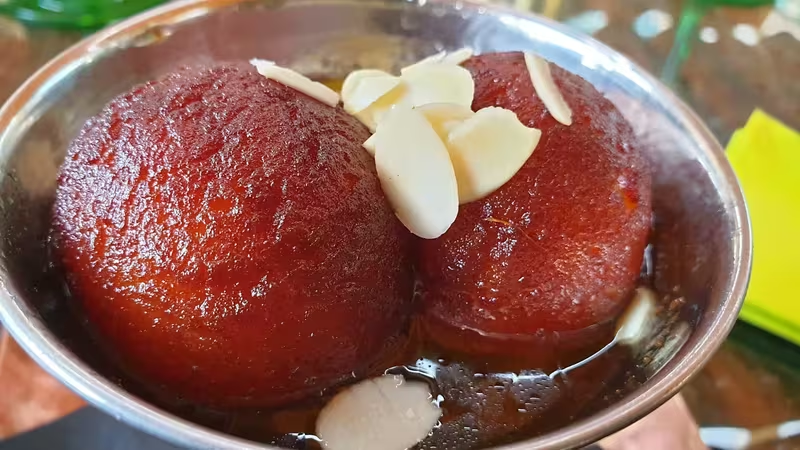
گلاب جامن برصغیر پاک و ہند کی سب سے محبوب اور پہچانی جانے والی میٹھی چیزوں میں سے ایک ہے، ایک ایسی میٹھی مٹھائی جس نے جنوبی ایشیا اور اس سے باہر کے دل اور تالووں کو اپنی گرفت میں لے لیا ہے۔ یہ نرم، سپنجی ڈمپنگ بنیادی طور پر کھوا (کم دودھ کے ٹھوس) سے تیار کی جاتی ہیں، تھوڑی مقدار میں میدے (بہتر آٹا) اور دیگر بائنڈنگ ایجنٹوں کے ساتھ مل کر، پھر گلاب کے پانی، الائچی اور بعض اوقات زعفران سے بھرے خوشبودار چینی کے شربت میں ڈوبے جانے سے پہلے سنہری بھوری رنگ کے کمال تک گہری تلی ہوئی ہوتی ہیں۔
میٹھی ہندوستانی متھائی (مٹھائی) روایت کی فنکارانہ مثال پیش کرتی ہے، جہاں عین مطابق تکنیک ثقافتی اہمیت کو پورا کرتی ہے۔ گرم، ٹھنڈا، یا کمرے کے درجہ حرارت پر پیش کیا جانے والا گلاب جامن ایک حسی تجربہ پیش کرتا ہے جو دودھ کی دولت کو گلاب کے خوشبودار شربت کی پھولوں کی مٹھاس کے ساتھ متوازن کرتا ہے۔ ساخت اہم ہے-کامل گلاب جامن نرم اور سپنجی ہونا چاہیے، پھر بھی اس کی شکل برقرار رکھنی چاہیے، جس میں شربت ہر پرت میں گھس کر اسے گاڑھا یا زیادہ میٹھا بنائے بغیر ہوتا ہے۔
برصغیر پاک و ہند سے آگے جہاں اس کی ابتدا ہوئی، گلاب جامن نے خود کو پاکستان، بنگلہ دیش، نیپال، مالدیپ اور میانمار میں ایک اہم میٹھی کے طور پر قائم کیا ہے۔ اس مٹھائی نے جنوبی ایشیائی تارکین وطن برادریوں کے ساتھ بھی سفر کیا ہے، جو ماریشس، فجی، پورے خلیجی ریاستوں، مالے جزیرہ نما، برطانیہ، ریاستہائے متحدہ، کینیڈا، جنوبی افریقہ اور کیریبین ممالک سمیت ممالک میں ایک پسندیدہ روایت بن گئی ہے۔ یہ وسیع پیمانے پر مقبولیت میٹھی کی عالمگیر اپیل اور جنوبی ایشیائی برادریوں کے اپنے پاک ورثے کے ساتھ گہرے ثقافتی روابط دونوں کی عکاسی کرتی ہے۔
صفتیات اور نام
"گلاب جامن" نام خود ثقافتی ترکیب اور لسانی ارتقاء کی کہانی بیان کرتا ہے۔ "گلاب" فارسی سے ماخوذ ہے، جس میں "گول" (پھول) کو "آب" (پانی) کے ساتھ ملایا گیا ہے، جو گلاب کے پانی کا حوالہ دیتا ہے-خوشبودار جوہر جو چینی کے شربت کو ذائقہ دیتا ہے۔ یہ فارسی صوتیاتی جڑ مشرق وسطی کے اثرات کی طرف اشارہ کرتی ہے جس نے بہت سی ہندوستانی مٹھائیوں کو شکل دی، خاص طور پر برصغیر پر فارسی ثقافتی اثرات کے ادوار کے دوران۔
دوسرا جزو، "جامن"، جامن کے پھل (سیزیجیم کمینی) کا حوالہ دیتا ہے، جو برصغیر پاک و ہند کا ایک گہرا جامنی رنگ کا بیری ہے۔ تعلق بنیادی طور پر بصری ہے-پھل اور میٹھی دونوں ایک جیسی انڈاکار شکل کا اشتراک کرتے ہیں اور، روایتی تیاریوں میں، ایک گہرا سرخ بھوری رنگ ہے۔ نام رکھنے کا یہ کنونشن اس بات کی وضاحت کرتا ہے کہ کس طرح ہندوستانی پاک ثقافت نے غیر ملکی اثرات کو مقامی حوالہ جات میں گراؤنڈ کرتے ہوئے ڈھال لیا۔
علاقائی تغیرات نے اپنا نام تیار کیا ہے۔ میٹھی کو "گلاب زمان"، "لال موہن" (خاص طور پر کچھ مشرقی علاقوں میں)، "گلاب جام"، اور "گلاب جام" کے نام سے بھی جانا جاتا ہے، جو مختلف زبانوں اور بولیوں میں صوتی تغیرات کی عکاسی کرتا ہے۔ بنگال میں، قریب سے متعلق تغیر کو "پنٹوا" کہا جاتا ہے، جبکہ اڈیشہ میں، ایک گہرے ورژن کو "کالو جام" یا "کالا جامن" کے نام سے جانا جاتا ہے، یہ دونوں اس میٹھی روایت کی مقامی موافقت میں علاقائی فخر کی نشاندہی کرتے ہیں۔
تاریخی اصل
اگرچہ گلاب جامن کی اصل پر پاک تاریخ دانوں کے درمیان بحث جاری ہے، لیکن یہ میٹھی فارسی اور ہندوستانی پاک روایات کے دلچسپ سنگم کی نمائندگی کرتی ہے۔ کم دودھ کے ٹھوس مادوں سے مٹھائیاں بنانے کی تکنیک واضح طور پر ہندوستانی ہے، جس میں کھوا پر مبنی تیاریوں کو سنسکرت کے متن میں درج کیا گیا ہے اور اس کی جڑیں برصغیر میں قدیم ہیں۔ تاہم، چینی کے شربت میں ڈوبا ہوا اور گلاب کے پانی کا استعمال واضح فارسی اور مشرق وسطی کے اثرات کو ظاہر کرتا ہے۔
سب سے زیادہ ممکنہ تاریخی رفتار سے پتہ چلتا ہے کہ گلاب جامن قرون وسطی کے دور میں تیار ہوا، ممکنہ طور پر ہند-فارسی ثقافتی تبادلے کے دور میں جو مختلف اسلامی سلطنتوں کے تحت تیز ہوا اور مغل دور (1526-1857) کے دوران اپنے عروج پر پہنچا۔ مغل دربار اپنے نفیس کھانوں کے لیے مشہور تھے جن میں وسطی ایشیائی، فارسی اور ہندوستانی پکوان کی روایات کو ملایا گیا تھا، جس سے متعدد پکوان تیار ہوئے جو جدید ہندوستانی کھانوں کے لیے بنیادی بن گئے ہیں۔
گلاب جامن کو خالص فارسی مٹھائیوں سے جو چیز ممتاز کرتی ہے وہ اس کا بنیادی جزو ہے۔ اگرچہ فارسی اور عرب مٹھائیاں اکثر سفوف، آٹا، یا پنیر کو اپنی بنیاد کے طور پر استعمال کرتی ہیں، گلاب جامن کا کھوا-دودھ کا استعمال آہستہ گرمی پر کم ہوتا ہے جب تک کہ یہ ٹھوس، دانے دار مستقل مزاجی تک نہ پہنچ جائے-بنیادی طور پر ہندوستانی ہے۔ یہ دودھ پر مرکوز نقطہ نظر ہندوستانی کھانوں میں دودھ اور دودھ کی مصنوعات کی مرکزیت کی عکاسی کرتا ہے، خاص طور پر مضبوط چرواہا روایات والے علاقوں میں۔
ثقافتی ترکیب
گلاب جامن کی ترقی اس بات کی مثال ہے کہ کس طرح ہندوستانی کھانوں نے اپنے مخصوص کردار کو برقرار رکھتے ہوئے تاریخی طور پر بیرونی اثرات کو جذب کیا ہے۔ میٹھی مشرق وسطی کے تصور کو لے کر تلی ہوئی آٹے کو شربت میں بھگو دیا جاتا ہے (لیاقت القادی یا لوکما کی طرح) لیکن اسے ہندوستانی اجزاء اور تکنیکوں کے ذریعے تبدیل کر دیتا ہے۔ نتیجہ یہ ہے کہ اس کے کثیر الثقافتی ورثے کے باوجود اس کی روح میں کچھ تسلیم شدہ ہندوستانی ہے۔
موافقت اور اختراع کے اس انداز نے گلاب جامن کو ہندوستانی پکوان کی ثقافت میں گہرائی سے جکڑنے کی اجازت دی ہے، جو کسی بھی غیر ملکی ماخذ سے بالاتر ہو کر ہندوستانی مٹھائی بنانے کی روایات کا مستند اظہار بن گیا ہے۔ آج، بہت کم ہندوستانی گلاب جامن کو مکمل طور پر مقامی کے علاوہ کچھ اور سمجھتے ہیں، جو اس بات کا ثبوت ہے کہ اسے کس طرح مکمل طور پر اپنایا اور ڈھال لیا گیا ہے۔
اجزاء اور تیاری
کلیدی اجزاء
مستند گلاب جامن کی بنیاد کھوا ہے، جسے کھویا یا ماوا بھی لکھا جاتا ہے۔ یہ جزو ایک بھاری نیچے والے پین میں مکمل چربی والے دودھ کو آہستہ گرم کرکے بنایا جاتا ہے، جب تک کہ مائع بخارات نہ ہو جائے اور دودھ کے ٹھوس مادے نرم، دانے دار ٹھوس مادے میں تبدیل نہ ہو جائیں، مسلسل ہلاتے رہیں۔ کھوا کا معیار براہ راست حتمی میٹھی پر اثر انداز ہوتا ہے-دودھ کی فراوانی، اس کی چربی کا مواد، اور جس مہارت سے یہ کم ہوتا ہے وہ سب گلاب جامن کے ذائقہ اور ساخت میں معاون ہوتے ہیں۔
کھوا کو باندھنے اور ڈمپنگ کو ڈھانچہ فراہم کرنے میں مدد کے لیے میدہ (بہتر گندم کا آٹا) تھوڑی مقدار میں شامل کیا جاتا ہے۔ بہت زیادہ آٹے کے نتیجے میں گھنے، بھاری میٹھے ہوتے ہیں ؛ بہت کم ہونے کی وجہ سے تلی کے دوران ڈمپلنگ ٹوٹ جاتے ہیں۔ روایتی ترکیبوں میں بیکنگ سوڈا یا بیکنگ پاؤڈر کی تھوڑی مقدار بھی شامل ہوتی ہے تاکہ ڈمپلنگ کو تلیتے وقت قدرے پھیلنے میں مدد ملے، جس سے ان کی خصوصیت سپنجی ساخت پیدا ہوتی ہے۔
چینی کا شربت، جسے چسنی کہا جاتا ہے، بھی اتنا ہی اہم ہے۔ یہ چینی کو پانی میں گھول کر اور اسے ایک مخصوص مستقل مزاجی کے ساتھ گرم کر کے تیار کیا جاتا ہے-زیادہ گاڑھا نہیں، جس سے گلاب جامن زیادہ میٹھے اور چپچپا نہیں ہوں گے، اور نہ ہی بہت پتلے ہوں گے، جو ڈمپنگ میں مناسب طریقے سے جذب کرنے میں ناکام ہوں گے۔ شربت کو الائچی کے پاؤڈر اور گلاب کے پانی کے ساتھ ذائقہ دیا جاتا ہے، جس میں زعفران کے دھاگے بعض اوقات ذائقہ اور پرتعیش سنہری رنگ دونوں کے لیے شامل کیے جاتے ہیں۔ کچھ ترکیبوں میں کرسٹلائزیشن کو روکنے اور مٹھاس میں ایک ٹھیک توازن شامل کرنے کے لیے لیموں کا رس شامل ہوتا ہے۔
روایتی تیاری
گلاب جامن کی تیاری کے لیے صبر اور مہارت کی ضرورت ہوتی ہے۔ کھوا کو پہلے آٹے کے ساتھ اس وقت تک گھونٹا جاتا ہے جب تک کہ یہ ایک ہموار، لچکدار آٹا نہ بن جائے۔ کسی بھی گانٹھ کو مکمل طور پر نکالنا ضروری ہے، کیونکہ وہ تیار شدہ مصنوعات میں رہیں گے۔ اس کے بعد آٹے کو چھوٹی، ہموار گیندوں کی شکل دی جاتی ہے-روایتی طور پر اخروٹ کے سائز کے بارے میں-حالانکہ سائز مختلف ہو سکتے ہیں۔ سطح کو بغیر کسی دراڑ کے بالکل ہموار ہونا چاہیے، جس کی وجہ سے تلی کے دوران ڈمپلنگ ٹوٹ جائیں گی۔
گہری تلی ہوئی گھی (صاف شدہ مکھن) یا سبزیوں کے تیل کو عین مطابق درمیانے درجہ حرارت پر گرم کیا جاتا ہے۔ اگر تیل بہت زیادہ گرم ہے، تو اندر سے پکنے سے پہلے باہر کا حصہ بھورا ہو جائے گا۔ بہت ٹھنڈا، اور ڈمپنگ زیادہ تیل جذب کر لیں گے اور چکنائی بن جائیں گے۔ ڈمپنگ کو ہلکے سے تیل میں گھمایا جاتا ہے اور براؤننگ کو یقینی بنانے کے لیے مسلسل موڑ دیا جاتا ہے۔ جیسے وہ پکاتے ہیں، وہ قدرے پھیل جائیں گے اور اپنے مخصوص سنہری بھوری بیرونی حصے کو تیار کریں گے۔
ایک بار تلی جانے کے بعد، گرم ڈمپنگ کو فوری طور پر گرم چینی کے شربت میں منتقل کر دیا جاتا ہے جہاں وہ کم از کم ایک گھنٹے کے لیے بھگو دیتے ہیں، حالانکہ بہت سے باورچی انہیں رات بھر کھڑے رہنے دینا پسند کرتے ہیں۔ اس وقت کے دوران، شربت ڈمپنگ میں گھس جاتا ہے، انہیں مٹھاس اور ذائقہ سے بھر دیتا ہے جبکہ ڈمپنگ ان کے دودھ سے بھرپور ذائقہ کو شربت میں شامل کرتا ہے۔ نتیجہ ایک ہم آہنگ تبادلہ ہے جہاں دونوں عناصر ایک دوسرے کو بہتر بناتے ہیں۔
علاقائی تغیرات
بنگالی پنٹوا ایک اہم علاقائی تغیر کی نمائندگی کرتا ہے، جس میں بنیادی جزو کے طور پر کھوا کے لیے چھینا (تازہ کاٹیج چیز یا پنیر) کو تبدیل کیا جاتا ہے۔ یہ کھوا پر مبنی گلاب جامن کے ہموار، منہ میں پگھلنے والے معیار کے مقابلے میں قدرے مختلف ساخت-مضبوط اور زیادہ واضح دانے کے ساتھ پیدا کرتا ہے۔ پنٹوا خاص طور پر مغربی بنگال اور بنگلہ دیش میں مقبول ہے، جہاں چھینا پر مبنی مٹھائیوں کی ایک طویل اور ممتاز روایت ہے۔
اوڈیشہ کا کالو جام یا کالا جامن رنگ میں گہرا ہوتا ہے، جو طویل تلی کے ذریعے یا بعض اوقات کھویا کے اضافے کے ذریعے حاصل کیا جاتا ہے جسے کافی سیاہ ہونے تک کم کر دیا جاتا ہے۔ یہ تغیر اکثر معیاری گلاب جامن سے قدرے بڑا ہوتا ہے اور اس میں ایک مخصوص، گہرا ذائقہ ہوتا ہے جس کے نتیجے میں کارمیلائزیشن ہوتی ہے جو کھانا پکانے کے توسیعی عمل کے دوران ہوتی ہے۔
کچھ علاقے گلاب جامن کو اضافی اجزاء جیسے خشک میوے، گری دار میوے، یا یہاں تک کہ وسط میں میٹھا کھوا پیسٹ بھر کر تیار کرتے ہیں۔ جدید تغیرات نے چاکلیٹ، آم، یا ناریل جیسے ذائقے متعارف کروائے ہیں، حالانکہ صاف کرنے والے اکثر ان اختراعات کو شکوک و شبہات کے ساتھ دیکھتے ہیں، اور کلاسیکی گلاب-الائچی کے امتزاج کو ترجیح دیتے ہیں۔
ثقافتی اہمیت
تہوار اور مواقع
گلاب جامن ہندوستانی تہواروں اور زندگی کے واقعات کے جشن میں ایک خاص مقام رکھتا ہے۔ دیوالی کے دوران، روشنیوں کا تہوار، گلاب جامن کے ڈبوں کا تبادلہ خاندانوں اور دوستوں کے درمیان تحائف کے طور پر کیا جاتا ہے، جو نئے تعلقات اور خوش قسمتی کی مٹھاس کی علامت ہے۔ مٹھائی ہولی، رکشا بندھن، اور عملی طور پر ہر بڑے ہندو تہوار کے دوران یکساں طور پر نمایاں ہے جہاں مٹھائیاں رسمی پیشکشوں اور خاندانی ضیافت میں مرکزی کردار ادا کرتی ہیں۔
جنوبی ایشیا بھر کی مسلم برادریوں میں، عید الفطر (رمضان کے اختتام کے موقع پر) اور عید الاضحی دونوں کے دوران گلاب جامن ایک پسندیدہ دعوت ہے۔ مٹھائی کی دکانوں میں ان ادوار کے دوران بہت زیادہ مانگ نظر آتی ہے، خاندان مہمانوں اور رشتہ داروں کو پیش کرنے کے لیے بڑی مقدار میں آرڈر دیتے ہیں۔ عید کے دوران مٹھائیاں بنانا اور بانٹنا مہمان نوازی، جشن اور برادری کی خوشی کی نمائندگی کرتا ہے۔
جنوبی ایشیا میں تمام برادریوں میں شادیوں میں گلاب جامن کو نمایاں طور پر پیش کیا جاتا ہے۔ شادی کی کوئی بھی دعوت متھائی کے بغیر مکمل نہیں سمجھی جاتی، اور گلاب جامن تقریبا ہمیشہ ان میں شامل ہوتا ہے۔ یہ منگنی کی تقریبات، شادی کے استقبالیہ اور شادی سے پہلے کی مختلف تقریبات میں پیش کیا جاتا ہے۔ خیال کیا جاتا ہے کہ گلاب جامن کی مٹھاس اس جوڑے کو میٹھی اور ہم آہنگ ازدواجی زندگی عطا کرتی ہے۔
سماجی اور مذہبی تناظر
ہندوستانی روایت میں، مہمانوں کو مٹھائیاں پیش کرنا مہمان نوازی اور احترام کا بنیادی اظہار ہے۔ گلاب جامن پیش کرنا یہ ظاہر کرتا ہے کہ میزبان مہمان کو کچھ خاص فراہم کرنے کے لیے کافی اہمیت دیتا ہے۔ یہ سماجی رواج آرام دہ اور پرسکون گھر کے دوروں سے لے کر رسمی کاروباری میٹنگوں تک پھیلا ہوا ہے، جہاں معیاری مٹھائیاں پیش کرنا بات چیت کے لیے ایک مثبت لہجہ قائم کر سکتا ہے۔
گلاب جامن کو مندروں میں اور مذہبی تقریبات کے دوران پرساد (مقدس کھانے کی پیش کش) کے طور پر بھی پیش کیا جاتا ہے۔ اگرچہ کچھ سخت روایات بغیر تلی ہوئی آسان مٹھائیوں کو ترجیح دیتی ہیں، گلاب جامن کی مقبولیت بہت سے مذہبی سیاق و سباق میں اس کی قبولیت کا باعث بنی ہے۔ مانا جاتا ہے کہ نذر کی میٹھی نوعیت دیوتاؤں کو خوش کرتی ہے اور عقیدت کی علامت ہے۔
سبزی خور میٹھی کے طور پر، گلاب جامن زیادہ تر ہندو غذائی پابندیوں میں قابل قبول ہے، حالانکہ یہ دودھ کے مواد کی وجہ سے سبزی خوروں کے لیے موزوں نہیں ہے۔ اس میں انڈے نہیں ہوتے ہیں، جس کی وجہ سے یہ زیادہ قدامت پسند سبزی خوروں کے لیے قابل قبول ہے جو انڈوں سے گریز کرتے ہیں۔ تاہم، بعض مذہبی ادوار کے دوران سخت ساتوک غذا کا مشاہدہ کرنے والے لوگ بہتر آٹے اور چینی کی موجودگی کی وجہ سے اس سے گریز کر سکتے ہیں، اور سادہ دودھ پر مبنی مٹھائیوں کو ترجیح دیتے ہیں۔
خاندانی روایات
بہت سے جنوبی ایشیائی گھرانوں میں، کامل گلاب جامن بنانے کی صلاحیت پکوان کی مہارت کی علامت ہے، جو اکثر ماؤں اور دادی سے لے کر نوجوان نسلوں تک منتقل ہوتی ہے۔ خاندانی ترکیبوں میں احتیاط سے محفوظ کردہ تناسب اور تکنیک شامل ہیں-آٹے کی قطعی مضبوطی، ڈمپنگ کا ترجیحی سائز، شربت کی عین مطابق مٹھاس-یہ سب نسلوں سے بہتر ہوتے رہے ہیں۔
وقت کی رکاوٹوں اور بہترین معیار کے تجارتی ورژن کی تیار دستیابی کی وجہ سے شہری علاقوں میں گھر پر گلاب جامن بنانا کم عام ہو گیا ہے، لیکن جب ایسا ہوتا ہے تو یہ عمل بامعنی رہتا ہے۔ تہواروں یا خاص مواقع کے لیے گلاب جامن کی تیاری ایک خاندانی سرگرمی بن جاتی ہے، جس میں مختلف اراکین مخصوص کام انجام دیتے ہیں، مشترکہ پکوان کی روایت کے ذریعے بندھن کو مضبوط کرتے ہیں۔
پکوان کی تکنیکیں
کھوا تیار کرنے کی تکنیک خود ہندوستانی مٹھائی بنانے میں ایک بنیادی مہارت ہے۔ اس عمل پر مسلسل توجہ دینے کی ضرورت ہوتی ہے-جلنے سے بچنے کے لیے دودھ کو مسلسل ہلایا جانا چاہیے، اور کھانا پکانے والے کو صحیح لمحے کو پہچاننا چاہیے جب دودھ کے ٹھوس مادے مناسب مستقل مزاجی تک پہنچ چکے ہوں۔ بہت کم کمی کھوا کو بہت نرم بنا دیتی ہے ؛ بہت زیادہ اسے خشک اور دانے دار بنا دیتا ہے۔ ہنر مند حلوئی (مٹھائی بنانے والے) ساخت، ظاہری شکل اور یہاں تک کہ آواز کے لحاظ سے تیاری کا اندازہ لگا سکتے ہیں جب چمچ گاڑھا ہونے والے دودھ سے گزرتا ہے۔
مکمل طور پر گول، کریک فری ڈمپنگ کی تشکیل میں مشق درکار ہوتی ہے۔ آٹا اتنا نم ہونا چاہیے کہ ہموار بن جائے لیکن اتنا گیلا نہ ہو کہ یہ ہاتھوں سے حد سے زیادہ چپک جائے۔ روایتی باورچی اکثر قریب ہی دودھ کا ایک چھوٹا کٹورا رکھتے ہیں، ہر گیند کو شکل دینے کے درمیان اپنی ہتھیلیوں کو تھوڑا سا نم کرتے ہیں۔ رولنگ موشن-ہتھیلیوں کے درمیان ایک ہلکی سرکلر حرکت-آٹے کو کمپیکٹ کرنے کے لیے کافی مضبوط ہونی چاہیے لیکن اتنا ہلکا ہونا چاہیے کہ بہت زیادہ دباؤ نہ لگے جو دراڑوں کا سبب بن سکتا ہے۔
گہری تلی ہوئی تکنیک کے لیے حرارت کے انتظام اور تیل کے رویے کو سمجھنے کی ضرورت ہوتی ہے۔ درمیانی گرمی کو پورے وقت برقرار رکھا جاتا ہے، اور تیل کے درجہ حرارت میں کمی سے بچنے کے لیے ڈمپنگ کو چھوٹے بیچوں میں شامل کیا جاتا ہے۔ تجربہ کار باورچی تھرمامیٹر کے بغیر تیل کے درجہ حرارت کا اندازہ لگا سکتے ہیں، یہ دیکھتے ہوئے کہ آٹے کا ایک چھوٹا ٹکڑا کتنی تیزی سے سطح پر اٹھتا ہے اور بھورا ہو جاتا ہے۔ ڈمپنگ کو کثرت سے اور نرمی سے موڑنا چاہیے، جس سے سنہری بھوری رنگ پیدا ہوتا ہے جو پورے وقت میں مناسب کھانا پکانے کی نشاندہی کرتا ہے۔
وقت کے ساتھ ارتقاء
اگرچہ گلاب جامن کا بنیادی تصور مستقل رہا ہے، لیکن میٹھی صدیوں کے دوران مختلف طریقوں سے تیار ہوئی ہے۔ جدید تجارتی پیداوار میں معیاری سائز اور مٹھاس کی سطح ہوتی ہے، جو گلاب جامن کو پہلے کے ادوار کے ہاتھ سے تیار کردہ تغیرات سے زیادہ یکساں بناتی ہے۔ کھوا کے متبادل کے طور پر دودھ کے پاؤڈر کے تعارف نے پیداوار کے طریقوں کو تبدیل کر دیا ہے، خاص طور پر تجارتی مینوفیکچررز کے لیے، حالانکہ ماہر اکثر یہ دلیل دیتے ہیں کہ دودھ کے پاؤڈر کے ورژن میں روایتی کھوا پر مبنی تیاریوں کے ذائقے کی گہرائی کا فقدان ہے۔
گلاب جامن کی پیشکش بھی تیار ہوئی ہے۔ روایتی مٹھائیوں کی دکانوں نے اسے سادہ پیالوں میں گرم شربت کے ساتھ پیش کیا۔ جدید ریستورانوں اور عصری ہندوستانی کھانوں نے ونیلا آئس کریم کے ساتھ پیش کیے جانے والے گلاب جامن، گلاب جامن چیزکیک، یا یہاں تک کہ ڈی کنسٹرکٹڈ پریزنٹیشنز جیسے تغیرات متعارف کرائے ہیں جہاں عناصر کو پلیٹ پر الگ کیا جاتا ہے۔ اگرچہ ان اختراعات کے اپنے مداح ہیں، لیکن وہ روایتی تیاری اور خدمت کے طریقوں سے علیحدگی کی نمائندگی کرتے ہیں۔
گلاب جامن کے عالمی پھیلاؤ نے دلچسپ موافقت کو جنم دیا ہے۔ مغربی ممالک میں، اسے بعض اوقات ہندوستانی ریستورانوں میں "ہندوستانی ڈونٹس" کے طور پر پیش کیا جاتا ہے تاکہ اسے ہندوستانی مٹھائیوں سے ناواقف صارفین کے لیے زیادہ واقف بنایا جا سکے۔ کچھ فیوژن ریستورانوں نے ہائبرڈ ڈیسرٹ بنائے ہیں جن میں گلاب جامن کو مغربی میٹھے کے تصورات میں شامل کیا گیا ہے، حالانکہ پیورسٹ اکثر ان تجربات کو مخلوط احساسات کے ساتھ دیکھتے ہیں۔
جدید مطابقت
آج گلاب جامن جنوبی ایشیا اور بین الاقوامی سطح پر سب سے زیادہ مقبول ہندوستانی میٹھیوں میں سے ایک ہے۔ ہر ہندوستانی مٹھائی کی دکان متعدد اقسام کا ذخیرہ کرتی ہے-چھوٹے سے لے کر بڑے، روایتی سے لے کر ذائقہ دار ورژن تک۔ ڈبوں میں پہلے سے پیک شدہ، گرم کرنے کے لیے تیار گلاب جامن نے میٹھی کو ان لوگوں کے لیے بھی قابل رسائی بنا دیا ہے جن کی ہندوستانی مٹھائیوں کی دکانوں تک رسائی نہیں ہے، حالانکہ زیادہ تر اس بات پر متفق ہیں کہ تازہ بنائے گئے ورژن بہتر ہیں۔
یہ میٹھی بین الاقوامی سیاق و سباق میں ہندوستانی کھانوں کی سفیر بن گئی ہے۔ دنیا بھر میں ہندوستانی ریستوراں اپنے میٹھے کے مینو پر گلاب جامن پیش کرتے ہیں، اکثر ہندوستانی مٹھائیوں کے واحد نمائندے کے طور پر۔ اس کی واقف شکل-شربت میں تلی ہوئی ڈمپلنگ-اسے ہندوستانی کھانوں سے ناواقف کھانے والوں کے لیے قابل رسائی بناتی ہے جبکہ اب بھی گلاب اور الائچی کے ذریعے ایک واضح ہندوستانی ذائقہ پیش کرتی ہے۔
سوشل میڈیا نے گلاب جامن کے لیے نئی تعریف پیدا کی ہے، فوڈ بلاگروں اور گھریلو باورچیوں نے ترکیبیں، تکنیک اور تغیرات کا اشتراک کیا ہے۔ تیاری کے عمل کو ظاہر کرنے والی ویڈیوز یا مختلف برانڈز اور مٹھائیوں کی دکانوں کا جائزہ لینے سے نوجوان نسلوں میں اس روایتی میٹھی میں دلچسپی برقرار رکھنے میں مدد ملی ہے جو بصورت دیگر مغربی میٹھی چیزوں کی طرف مائل ہو سکتے ہیں۔
گلاب جامن کے ارد گرد تجارتی صنعت کافی ہے، بڑی ہندوستانی کھانے کی کمپنیاں گھریلو اور بین الاقوامی بازاروں دونوں کے لیے ڈبے میں بند ورژن، فوری مکس اور منجمد اقسام تیار کرتی ہیں۔ اس تجارتی کاری نے اس بات کو یقینی بنایا ہے کہ گلاب جامن قابل رسائی اور متعلقہ رہے یہاں تک کہ گھر کے باورچی خانوں میں روایتی مٹھائی بنانے کی مہارتیں کم عام ہو جاتی ہیں۔
صحت اور غذائیت
روایتی ہندوستانی غذائی حکمت گلاب جامن کو ایک بھرپور، بھاری مٹھائی کے طور پر دیکھتی ہے جو اعتدال میں کھائی جاتی ہے۔ آیورویدک اصطلاحات میں، اس کی میٹھی، تیل کی نوعیت کی وجہ سے اسے کفا میں اضافہ سمجھا جاتا ہے اور کم مقدار میں تجویز کیا جاتا ہے، خاص طور پر ان لوگوں کے لیے جن میں کفا ساخت ہے۔ دودھ کا زیادہ مواد اسے ہضم کرنے میں بھی بھاری بنا دیتا ہے، حالانکہ خیال کیا جاتا ہے کہ شربت میں موجود الائچی ہاضمے میں مدد کرتی ہے۔
جدید غذائیت کے نقطہ نظر سے، گلاب جامن کیلوری سے بھرپور ہوتا ہے، جس میں کھوا اور تلی ہوئی تیل سے کافی مقدار میں چربی اور شربت سے چینی ہوتی ہے۔ ایک درمیانے درجے کے گلاب جامن میں 150-200 کیلوری ہو سکتی ہے۔ تاہم، جشن اور کبھی کبھار تفریح کے ہندوستانی تناظر میں، اسے روزمرہ کی میٹھی کے بجائے تہوار کے کھانے کے طور پر سمجھا جاتا ہے۔
کھوا میں موجود دودھ کے ٹھوس مادے کچھ پروٹین اور کیلشیم فراہم کرتے ہیں، حالانکہ یہ غذائی فوائد چینی اور چربی کے مواد سے کسی حد تک کم ہوتے ہیں۔ کچھ عصری ورژن صحت مند اقسام بنانے کے لیے کم چربی والے دودھ یا چینی کے متبادل کا استعمال کرتے ہیں، حالانکہ یہ تبدیلیاں اکثر مستند ذائقہ اور ساخت سے سمجھوتہ کرتی ہیں جو گلاب جامن کو خاص بناتی ہیں۔