

Overview
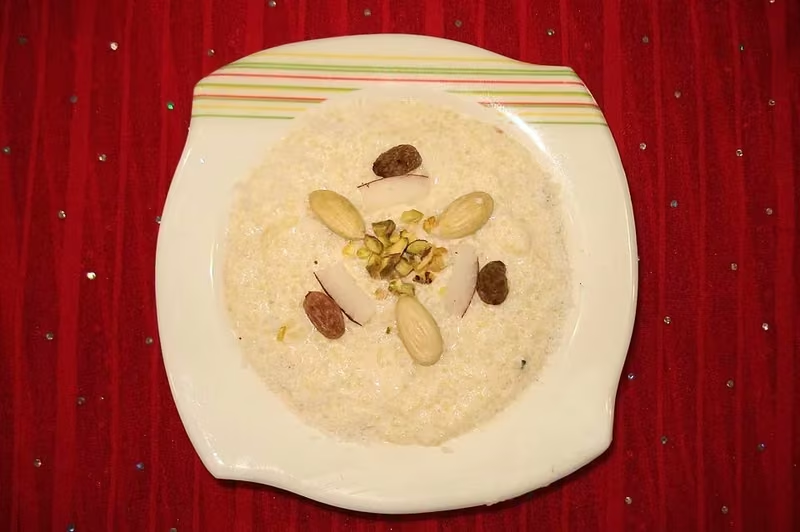
Kheer represents one of India's most ancient and cherished culinary traditions. This creamy, aromatic pudding, made by slowly simmering rice in sweetened milk and flavored with cardamom, saffron, and nuts, has been a cornerstone of Indian celebrations and religious observances for millennia. Known by various names across the Indian subcontinent—payasam in South India, payesh in Bengal, and kheer in the North—this dessert transcends regional boundaries while maintaining unique local characteristics.
The significance of kheer extends far beyond its role as a simple dessert. It occupies a sacred place in Indian culture, served as prasad (divine offering) in temples, prepared during major festivals, and featured prominently at weddings and celebrations. Its presence at religious ceremonies and auspicious occasions has made it an integral part of India's spiritual and cultural fabric. The dish's evolution from ancient times to modern kitchens tells the story of India's culinary continuity and regional diversity.
What makes kheer particularly fascinating is its ability to adapt while retaining its essence. From the traditional rice-based version to contemporary variations using vermicelli, tapioca, or even fruits like mango, kheer demonstrates the dynamic nature of Indian cuisine while honoring its ancient roots.
Etymology and Names
The word "kheer" is derived from the Sanskrit word "kshiram," which means milk. This etymological connection reflects the dish's primary ingredient and its ancient origins. In South India, the dessert is known as "payasam," derived from the Sanskrit "payas," which also means milk. The Bengali name "payesh" shares the same Sanskrit root, demonstrating the linguistic and cultural connections across the subcontinent.
Different regions have developed their own nomenclature for this beloved dessert. In Gujarat, it is called "doodhpak," literally meaning "milk dish." In some communities, it is referred to as "ksheeram," staying closer to the original Sanskrit term. The term "fenni" is used in certain regions, though less commonly. Another variation, "meetha bhat," literally translates to "sweet rice" in Hindi, describing the dish in its simplest form.
These various names not only reflect linguistic diversity but also hint at regional variations in preparation and presentation. Despite the different appellations, the core concept remains constant: a milk-based pudding that celebrates the simple combination of grain, milk, and sweetness, elevated with aromatic spices.
Historical Origins
Kheer's origins stretch back to ancient India, making it one of the oldest documented desserts in the world. While exact dating is difficult, references to rice pudding appear in ancient Indian texts, suggesting the dish has been part of Indian cuisine for at least 2,000 years. The combination of rice and milk, both considered auspicious in Hindu tradition, made this dessert particularly significant in religious and cultural contexts.
The ancient preparation of kheer was likely simpler than modern versions, consisting primarily of rice cooked in milk with natural sweeteners like jaggery or honey. Sugar, which became widely available later through trade and cultivation, eventually became the preferred sweetener in many regions. The addition of exotic spices like saffron and cardamom, along with nuts such as pistachios and almonds, reflected the wealth and sophistication of various royal courts and prosperous households.
Sacred Traditions
Kheer's association with religious practices dates back centuries. In Hindu temples across India, payasam or kheer has been offered as prasad to deities and then distributed to devotees. This practice continues to this day, with many temples having their own special recipes and preparation methods. The Jagannath Temple in Puri, for instance, includes various types of payasam in its daily offerings to Lord Jagannath.
The dish is considered satvik in Ayurvedic tradition, meaning it is pure, wholesome, and promotes mental clarity and spiritual harmony. This classification made it an appropriate offering for religious ceremonies and an ideal food for meditation and spiritual practices. The use of wholesome ingredients—milk, rice, and natural sweeteners—aligned with the satvik principle of consuming foods that are easy to digest and promote positive energy.
Cultural Evolution
Over centuries, kheer evolved from a simple temple offering and festive dish to become an integral part of everyday celebrations. Different communities developed their own variations, incorporating local ingredients and adapting preparation methods to regional tastes and available resources. The dish spread beyond religious contexts to become a staple at weddings, births, festivals, and family celebrations, cementing its place in the social and cultural life of the subcontinent.
Ingredients and Preparation
Key Ingredients
The traditional kheer recipe revolves around a few fundamental ingredients that create its distinctive character. Rice, typically short-grain or basmati, forms the base of the dessert. The rice is usually washed and sometimes partially crushed or broken to release starch, which helps thicken the pudding. Full-fat milk, the most crucial component, provides the creamy body and rich flavor that defines kheer. The quality and richness of the milk significantly impact the final result.
Sweeteners vary by region and preference. White sugar is commonly used in modern preparations, while traditional recipes often call for jaggery, which imparts a deeper, more complex sweetness and a slightly golden color. The aromatic elements—cardamom and saffron—are essential for authentic kheer. Cardamom adds a warm, sweet-spicy note, while saffron contributes a luxurious aroma, subtle flavor, and characteristic yellow-orange hue.
Nuts and dried fruits serve both as flavoring agents and garnish. Almonds, pistachios, cashews, and raisins are most commonly used. These are typically slivered or chopped and either cooked with the kheer or added as a final garnish. Some recipes also incorporate rose water or kewra (screwpine) water for additional fragrance.
Traditional Preparation
The traditional method of making kheer is a slow, patient process that cannot be rushed. The rice is first washed thoroughly and sometimes soaked briefly. Milk is brought to a boil in a heavy-bottomed vessel, traditionally a wide, shallow pot that allows for better evaporation and concentration of flavors. The rice is added to the boiling milk, and the heat is reduced to maintain a gentle simmer.
The crucial step is the slow cooking and constant stirring to prevent the milk from scorching and the rice from sticking to the bottom. As the mixture cooks, the milk gradually reduces and thickens, taking on a creamy consistency. This process can take anywhere from 45 minutes to over an hour, depending on the quantity and desired consistency. The rice grains soften and partially break down, releasing starch that further thickens the pudding.
Sugar or jaggery is added once the rice is fully cooked and the milk has reduced to about half its original volume. Cardamom powder and saffron, usually steeped in a small amount of warm milk, are stirred in toward the end of cooking. The kheer continues to thicken as it cools, so it's typically removed from heat when it reaches a slightly thinner consistency than desired in the final product. Nuts and dried fruits can be added during cooking or reserved for garnishing just before serving.
Regional Variations
The basic kheer formula has inspired numerous regional variations across the Indian subcontinent, each reflecting local tastes and available ingredients:
Bengali Payesh is known for its use of gobindobhog rice, a fragrant short-grain variety native to Bengal. The Bengali version often incorporates date palm jaggery (nolen gur), which gives the payesh a distinctive caramel-like flavor. A unique Bengali variation is chhanar payesh, made with freshly prepared chhana (paneer) instead of rice, resulting in a completely different texture and taste profile.
South Indian Payasam tends to have a thinner, more liquid consistency compared to northern kheer. Paal payasam, the most common variety, is often prepared in large quantities for temple offerings and festivals. Different grains and ingredients are used across South India—ada pradhaman uses rice ada (rice dumplings), while paruppu payasam incorporates moong dal.
Gujarati Doodhpak is typically richer and thicker, with generous amounts of nuts and dry fruits. It's often flavored with nutmeg and mace in addition to cardamom and saffron, reflecting Gujarat's historical trade connections and prosperous merchant class.
Modern Variations have expanded the kheer repertoire significantly. Semiya (vermicelli) kheer has become extremely popular due to its quicker cooking time. Sabudana (tapioca pearl) kheer is prepared during Hindu fasting periods when grains are avoided. Innovative versions include kaddu ki kheer (pumpkin kheer), carrot kheer, and even contemporary interpretations using quinoa or oats.
Cultural Significance
Festivals and Occasions
Kheer holds a privileged position in Indian festival celebrations across religions and regions. During Diwali, the Hindu festival of lights, kheer is prepared in millions of households as part of the festive menu. Similarly, during Eid celebrations, Muslims across the subcontinent prepare kheer or sheer khurma (a variation with vermicelli) as a traditional sweet dish to mark the end of Ramadan.
Regional festivals have their own kheer traditions. During Pongal in Tamil Nadu, sakkarai pongal (a version of payasam) is prepared as an offering to the sun god. Bengali households prepare payesh for Durga Puja, while Janmashtami celebrations across India feature kheer as an offering to Lord Krishna, who is said to have loved milk-based sweets. The ubiquity of kheer across diverse celebrations speaks to its universal appeal and cultural importance.
Social and Religious Context
Kheer's vegetarian nature and satvik qualities make it appropriate for all Hindu castes and communities, contributing to its widespread acceptance. Unlike some foods that carry caste or community restrictions, kheer transcends these boundaries, making it a truly pan-Indian dessert. This universal acceptability has helped kheer maintain its position as the dessert of choice for large gatherings and public celebrations.
In temple traditions, the preparation of kheer for prasad often follows strict guidelines regarding purity and ingredients. The cook must observe certain cleanliness protocols, and the ingredients must be of high quality and obtained through proper means. The blessed kheer is then distributed to devotees, carrying spiritual significance beyond its taste and nutritional value.
Family Traditions
In many Indian families, kheer recipes are passed down through generations, with each family having its own special version or secret ingredient. Grandmothers are often the keepers of these recipes, teaching younger generations not just the technique but the patience and care required to make perfect kheer. The act of preparing kheer for family celebrations becomes a ritual in itself, connecting present generations with their culinary heritage.
The dish often marks important family milestones—births, naming ceremonies, homecomings, and achievements. Its preparation for guests is considered a mark of hospitality and affection. In this way, kheer serves as both a food and a cultural practice, maintaining family bonds and traditions across time and distance.
Culinary Techniques
The art of making perfect kheer lies in mastering several key techniques. The most critical is maintaining the right temperature throughout the cooking process. The milk must simmer gently rather than boil vigorously, which can cause it to curdle or scorch. Constant stirring, especially in the initial stages, prevents the formation of a thick cream layer on top and ensures even cooking.
The reduction of milk is both an art and science. Traditional cooks judge the correct consistency by observing how the kheer coats the back of a spoon or by recognizing subtle changes in color and texture. Too much reduction makes the kheer too thick and can give it an overly concentrated, sometimes slightly burnt milk flavor. Too little reduction results in a watery consistency that lacks the characteristic creaminess.
The timing of adding different ingredients affects the final result significantly. Sugar added too early can prevent the rice from cooking properly, while saffron added too late won't infuse the kheer with its color and aroma. Many experienced cooks prepare saffron "milk" by steeping a few strands in warm milk, which helps distribute the saffron's color and flavor more evenly.
Traditional vessels, particularly heavy-bottomed brass or copper pots, are preferred by some cooks for their heat distribution properties, though modern stainless steel or non-stick pots work well when used carefully. The width of the pot also matters—wider pots allow faster evaporation and reduction, though they require more frequent stirring.
Evolution Over Time
While the basic concept of kheer has remained consistent for millennia, the dish has evolved in several ways. The introduction of refined white sugar during the colonial period changed the sweetness profile of kheer, making it lighter in color and sweeter than the jaggery-based versions. The availability of different types of rice, including basmati and specialty varieties, has given cooks more options for texture and flavor.
Modern conveniences have transformed kheer preparation in many households. Pressure cookers can reduce cooking time significantly, though purists argue this affects the texture and flavor. Condensed milk and evaporated milk have become popular shortcuts, dramatically reducing cooking time while producing a rich, creamy result. Some contemporary recipes even use techniques like baking kheer in the oven for a different texture.
The globalization of Indian cuisine has led to fusion versions of kheer in restaurants and home kitchens worldwide. Ingredients like chocolate, berries, and exotic nuts have been incorporated into modern interpretations. Vegan versions using plant-based milks (almond, coconut, cashew) cater to changing dietary preferences while attempting to maintain the essence of traditional kheer.
Health and Nutrition
Traditional Indian medicine and dietary wisdom have long recognized kheer as a nourishing, energy-giving food. Its satvik classification in Ayurveda indicates it is considered wholesome and beneficial for both physical and mental well-being. The combination of carbohydrates from rice, protein from milk, healthy fats from nuts, and the medicinal properties of spices like cardamom make it a nutritionally balanced dessert.
With approximately 249 calories per serving, kheer provides substantial energy, making it particularly suitable for festivals and celebrations when people need sustained energy for various activities. The milk provides calcium and protein, essential for bone health and muscle function. The rice offers easily digestible carbohydrates, while nuts contribute healthy fats, additional protein, and micronutrients.
However, modern nutritional awareness has highlighted concerns about the high sugar content in traditional kheer preparations. This has led to adaptations like using less sugar, substituting with natural sweeteners like dates or stevia, or incorporating healthier grains like quinoa or brown rice. Some health-conscious versions reduce the amount of rice and increase the proportion of nuts and dried fruits, changing the nutritional profile significantly.
Saffron, a key ingredient in kheer, is valued in traditional medicine for its antioxidant properties and mood-enhancing effects. Cardamom aids digestion and has anti-inflammatory properties. These spices transform kheer from a simple dessert into a food that offers both pleasure and health benefits, embodying the Ayurvedic principle that food should be both medicine and delight.
Modern Relevance
In contemporary India, kheer remains as popular as ever, though its preparation and consumption patterns have evolved. While it was once primarily made at home for special occasions, kheer is now available in sweet shops, restaurants, and even as a packaged dessert in supermarkets. Premium restaurants have elevated kheer to gourmet status, presenting it with creative garnishes and in sophisticated serveware.
The Indian diaspora has carried kheer traditions worldwide, introducing the dessert to global audiences. In Western countries, kheer appears on Indian restaurant menus alongside other traditional desserts, often described as "Indian rice pudding" to make it more accessible to unfamiliar diners. This global presence has sparked interest in Indian culinary traditions and encouraged cultural exchange through food.
Social media has given new life to traditional kheer recipes, with food bloggers and home cooks sharing family recipes, variations, and modern twists. YouTube videos demonstrating kheer preparation have millions of views, indicating sustained interest across generations. Hashtags related to kheer trend during major festivals, showing how traditional food practices adapt to digital age communication.
Despite modernization and changing lifestyles, kheer's emotional and cultural significance remains intact. For many Indians, the smell of kheer simmering on the stove evokes childhood memories of festivals and family gatherings. This nostalgic connection ensures that even as cooking methods evolve and variations proliferate, the tradition of making and sharing kheer continues to bind families and communities across the Indian subcontinent and beyond.