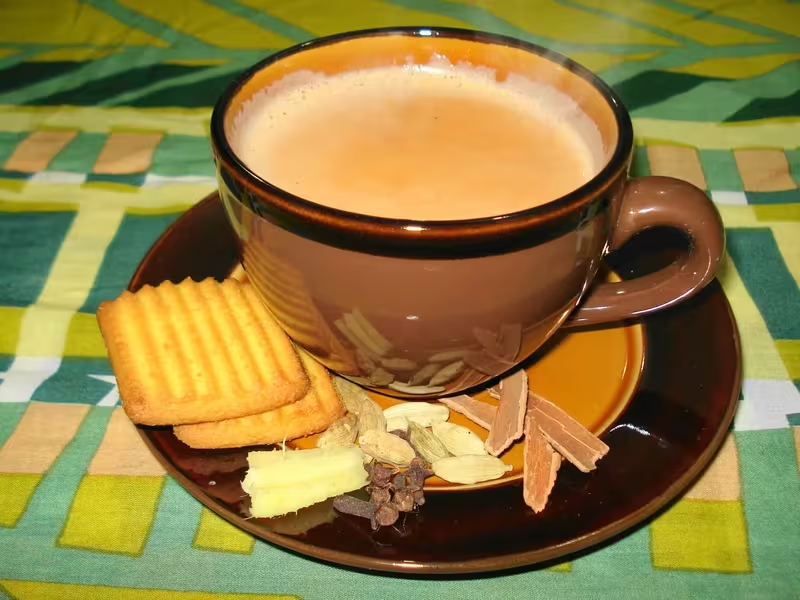


आढावा
मसाला चहा भारतातील सर्वात प्रतिष्ठित पेयांपैकी एक आहे, काळा चहा, दूध, साखर आणि गरम मसाल्यांचा एक सुगंधी स्वरमेळ जो दक्षिण आशियाई आदरातिथ्याचा आणि दैनंदिन जीवनाचा समानार्थी बनला आहे. हे चवदार चहाचे पेय केवळ ताजेपणाच्या पलीकडे जाते-हे एका सांस्कृतिक संस्थेचे प्रतिनिधित्व करते जी गर्दीच्या रस्त्यांपासून ते कौटुंबिक स्वयंपाकघरांपर्यंत, रेल्वे स्थानकांपासून ते कॉर्पोरेट कार्यालयांपर्यंत लोकांना सामाजिक सीमा ओलांडून एकत्र आणते.
मसाला चहा तयार करणे ही भारत, पाकिस्तान आणि बांगलादेशातीलाखो लोकांसाठी एक कला आणि दैनंदिन विधी आहे. सुगंधी औषधी वनस्पती आणि मसाल्यांचे काळजीपूर्वक केलेले मिश्रण हे या पेयाला सामान्य चहापेक्षा वेगळे करते, जे चहाच्या साध्या कपचे एका जटिल, उबदार अनुभवात रूपांतर करते. हे पेय सामान्यतः गरम सर्व्ह केले जाते, ज्यात प्रत्येक घोटात मजबूत काळा चहा, मलईयुक्त दूध आणि मसाल्यांचे विशिष्ट मिश्रण असते जे घराघरात आणि प्रदेशानुसार बदलते.
त्याच्या संवेदनात्मक आनंदाच्या पलीकडे, मसाला चहा परदेशी प्रभावांशी जुळवून घेण्याची आणि स्वदेशी करण्याची भारताची क्षमता दर्शवितो. हे पेय चहा पिण्याच्या दक्षिण आशियाई विशिष्ट व्याख्येचे प्रतिनिधित्व करते, ज्यात मसाल्यांच्या आरोग्यविषयक फायद्यांविषयी प्राचीन आयुर्वेदिक शहाणपणाचा समावेश आहे आणि काहीतरी पूर्णपणे नवीन आणि स्पष्टपणे भारतीय तयार केले आहे. आज, मसाला चहा त्याच्या प्रादेशिक उत्पत्तीच्या पलीकडे जाऊन एक जागतिक घटना बनली आहे, ज्यात जगभरातील कॅफे मेनूवर 'चाय लॅट्स' दिसतात.
व्युत्पत्ती आणि नावे
'चाय' हा शब्द 'चाय' या हिंदी शब्दावरून आला आहे, जो चीनमधून मध्य आशियातून भारताकडे जाणाऱ्या प्राचीन व्यापार मार्गांवरील चहाच्या ऐतिहासिक प्रवासाचे प्रतिबिंब असलेल्या 'चा' या चिनी शब्दापासून मागे जातो. विशेष म्हणजे, या भाषिक संबंधाचा अर्थ असा आहे की जेव्हा इंग्रजी भाषिक 'चाय चहा' चा संदर्भ देतात, तेव्हा ते 'चहा चहा' म्हणत अनावश्यकपणे गुंतलेले असतात
मसाला हा उपसर्ग हिंदी-उर्दू शब्द मसाला (मसाला) पासून आला आहे, ज्याचा अर्थ मसाल्यांचे मिश्रण असा होतो. अशा प्रकारे, 'मसाला चाय' चा शब्दशः अर्थ 'मसालेदार चहा' असा होतो, जो पेयाच्या परिभाषित वैशिष्ट्याचे अचूक वर्णन करतो. हे नामकरण त्याला साध्या 'दूध चहा' (दुधाचा चहा) किंवा दक्षिण आशियातील इतर चहाच्या पदार्थांपासून वेगळे करते.
वेगवेगळ्या प्रदेशांमध्ये आणि संदर्भांमध्ये, मसाला चहा वेगवेगळ्या नावांनी ओळखला जातो. पाश्चात्य कॉफी शॉप संस्कृतीत, याला अनेकदा "चाय लट्टे" म्हणतात, जरी ही तयारी सामान्यतः पारंपारिक भारतीय पद्धतींपेक्षा वेगळी असते. आखाती अरब राज्ये आणि दक्षिण आशियातील काही भागांमध्ये, एक मजबूत आवृत्ती "कराक" म्हणून ओळखली जाते, जी अरबी शब्दापासून मजबूत म्हणून ओळखली जाते. भारतातील रस्त्यावरील विक्रेत्यांना प्रेमाने 'चायवाले' (चहा-विक्रेते) म्हटले जाते आणि त्यांच्या पेयाला कधीकधी मुंबईत फक्त 'कटिंग चाय' असे संबोधले जाते-एक लहान, अर्धा भाग जे दिवसभर वारंवार चहाची विश्रांती देते.
ऐतिहासिक उत्पत्ती
मसाला चहाची कथा भारताच्या मसाल्यांशी असलेल्या दीर्घ संबंधांशी आणि चहा लागवडीच्या तुलनेने अलीकडील परिचयासह गुंफलेली आहे. भारताने पाककला आणि औषधी अशा दोन्ही संदर्भात हजारो वर्षांपासून सुगंधी मसाल्यांचा वापर केला आहे, तर भारतीय संस्कृतीत कॅमेलिया सिनेन्सिसचा (चहाची वनस्पती) समावेश प्रामुख्याने 19व्या आणि 20व्या शतकात झाला.
चहाच्या लागवडीतील ब्रिटिश वसाहतवादी स्वारस्यांमुळे 1800 च्या दशकात आसाम आणि दार्जिलिंगमध्ये चहाच्या मळ्यांची स्थापना झाली. सुरुवातीला, चहा प्रामुख्याने ब्रिटनला निर्यात करण्यासाठी पिकवला जात असे आणि भारतीय ांमध्ये चहाचे सेवन मर्यादित राहिले. ब्रिटीश मालकीच्या भारतीय चहा संघटनेने 20 व्या शतकाच्या सुरुवातीला भारतात देशांतर्गत चहाचा वापर वाढवण्यासाठी, कारखाने आणि कार्यालयांमध्ये चहाच्या सुट्ट्या स्थापित करण्यासह, प्रचार मोहिमा सुरू केल्या.
तथापि, भारतीय ांनी दूध, साखर आणि सर्वात महत्त्वाचे म्हणजे शतकानुशतके पारंपारिक आयुर्वेदिक औषधांमध्ये वापरल्या जाणाऱ्या देशी मसाल्यांचा समावेश करून चहा पिण्याचे रूपांतर त्यांच्या स्वतःच्या एखाद्या गोष्टीमध्ये केले. या रुपांतराने मसाला चहा तयार झाला-एक असे पेय जे भारतीय अभिरुची प्रतिबिंबित करते आणि त्यात आले, वेलदोडे आणि काळी मिरी यासारख्या मसाल्यांचे तापमानवाढ, पाचक आणि औषधी गुणधर्मांबद्दलचे स्थानिक ज्ञान समाविष्ट होते.
चायवाला परंपरा
मसाला चहाचा उदय भारताच्या विशिष्ट रस्त्यावरील चहा विक्रेत्या संस्कृतीच्या विकासाशी जुळला. रेल्वे स्थानकांवर, रस्त्यांच्या कोपऱ्यांवर, कारखान्यांच्या बाहेर आणि बाजारपेठांमध्ये चायवाला सर्वव्यापी व्यक्तिमत्व बनले. या विक्रेत्यांनी चहा पिण्याचे लोकशाहीकरण केले, ज्यामुळे ते सर्व सामाजिक वर्गांमध्ये सुलभ आणि परवडणारे झाले. सतत ज्वालेवर उकळत असलेल्या त्याच्या वैशिष्ट्यपूर्ण मोठ्या किटलीसह, चहाचा छोटासा स्टॉल, भारताच्या शहरी भूप्रदेशाचा आणि सामाजिक रचनेचा एक आवश्यक भाग बनला.
सांस्कृतिक एकात्मता
20 व्या शतकाच्या मध्यापर्यंत, मसाला चहा भारतीय दैनंदिन जीवनात पूर्णपणे समाकलित झाला होता, आतिथ्य आणि सामाजिक संबंधांचे प्रतीक बनला होता. 'चाय पे चर्चा' (चायवरील चर्चा) हा वाक्यांश पेय कसे संभाषण आणि समुदाय सुलभ करते हे दर्शवितो. पाहुण्यांना चहा अर्पण करणे हा स्वागताचा एक मूलभूत संकेत बनला, तर कार्यालयातील चहाची विश्रांती आणि रेल्वे प्लॅटफॉर्मवरील चहा हे भारतीय दिवसाला विराम देणारे विधी बनले.
साहित्य आणि तयारी
मुख्य घटक
मसाला चहाच्या पायामध्ये चार आवश्यक घटक असतातः
काळा चहा: सामान्यतः आसाम सी. टी. सी. (क्रश, टियर, कर्ल) चहासारखे मजबूत प्रकार, जे मजबूत चव प्रदान करतात जे दूध आणि मसाल्यांसाठी उभे राहू शकतात. काळ्या चहाचे ठळक स्वरूप हे सुनिश्चित करते की चहाची चव इतर घटकांद्वारे प्रभावित होत नाही.
दूध: जरी दूध-ते-पाणी गुणोत्तर प्रदेश आणि वैयक्तिक पसंतीनुसार बदलत असले, तरी संपूर्ण दुधाला त्याच्या क्रीमी समृद्धतेसाठी पारंपारिकपणे प्राधान्य दिले जाते. दूध नंतर घालण्याऐवजी चहासह उकळले जाते, ज्यामुळे पाश्चिमात्य शैलीतील दुधासह चहापेक्षा वेगळी चव तयार होते.
साखर: गोडवा चहाची कडकपणा आणि मसाल्यांची उष्णता संतुलित करतो. पारंपारिक मसाला चहा सामान्यतः खूप गोड दिला जातो, जरी प्राधान्ये वेगवेगळी असतात.
- मसाले **: मसाला चहाचा आत्मा त्याच्या सुगंधी मसाल्याच्या मिश्रणात आहे. पाककृती बदलत असताना, सामान्य मसाल्यांमध्ये हे समाविष्ट आहेः
- आले: आल्याच्या ताज्या मुळामुळे उष्णता वाढते आणि पचन होण्यास मदत होते
- वेलची **: वेलचीच्या हिरव्या शेंगांमध्ये गोड, सुगंधी जटिलता असते
- दालचिनी: गोड उष्णता आणि सखोलता वाढवते
- लवंग: तीव्र सुगंधी स्वरांचे योगदान द्या
- काळी मिरी: सौम्य उष्णता देते आणि इतर स्वाद वाढवते
- बडीशेप: सूक्ष्म गोडवा आणि पाचक गुणधर्म प्रदान करतात
पारंपरिक तयारी
मसाला चहाच्या अस्सल तयारीमध्ये एक विशिष्ट पद्धत समाविष्ट असते जी घटकांमधून जास्तीत जास्त चव काढतेः
मसाले बारीक चिरून: ताजे मसाले त्यांची आवश्यक तेले सोडण्यासाठी हलके चिरले जातात किंवा चिरले जातात. अनेकुटुंबे या उद्देशासाठी विशेष मोर्टार आणि पेस्टल ठेवतात.
उकळते पाणी आणि मसाले **: चिरलेल्या मसाल्यांसह पाणी उकळून आणले जाते, ज्यामुळे ते ओतले जाऊ शकतात. या टप्प्यावर अनेकदा ताजे आले मिसळले जाते.
चहा घालणे: काळ्या चहाची पाने किंवा सी. टी. सी. चहा मसालेदार पाण्यात मिसळला जातो आणि काही मिनिटे उकळू दिला जातो.
दूध समाविष्ट करणे: दूध ओतले जाते आणि मिश्रण पुन्हा उकळले जाते. चहा उकळू दिला जातो, तो वर चढताना काळजीपूर्वक पाहिला जातो आणि ओव्हरफ्लो होण्याची धमकी दिली जाते-हा एक गंभीर क्षण आहे जो चहा बनवणाऱ्याच्या लक्ष्याची चाचणी घेतो.
उकळणे: हे मिश्रण अनेक मिनिटे उकळत राहते, ज्यामुळे चव मिसळते आणि रंग गडद तपकिरी होतो.
गोडवा ** *: स्वयंपाक करताना साखर मिसळली जाते, नंतर नाही, कारण त्याचा स्वाद वाढण्यावर परिणाम होतो.
ताणणे ** *: चहाची पाने आणि मसाल्याचे अवशेष मागे सोडून, चहा एका बारीक जाळीतून कप किंवा ग्लासांमध्ये ताणला जातो.
संपूर्ण प्रक्रियेला सामान्यतः 10-15 मिनिटे लागतात आणि त्यासाठी लक्ष आणि वेळेची आवश्यकता असते-चांगला चहा बनवणे हे लागवडीचे कौशल्य मानले जाते.
प्रादेशिक भिन्नता
मसाला चहाच्या पाककृती भारतभर लक्षणीयरीत्या बदलतात, प्रत्येक प्रदेशात आणि बहुतेकदा प्रत्येक घराने वेगवेगळी प्राधान्ये ठेवली आहेतः
उत्तर भारतीय शैली: त्यात प्रमुख आले आणि वेलदोड्याची वैशिष्ट्ये आहेत, ज्यात काळी मिरी उष्णता वाढवते. मसाल्याचे मिश्रण अधिक ठाम असते, ज्यामुळे थंड हिवाळ्यात उष्णतेच्या गुणधर्मांसह चहा तयार होतो.
मुंबईची कटिंग चाय: लहान भागांमध्ये (बहुतेकदा अक्षरशः अर्धा कप) सर्व्ह केली जाते, ही आवृत्ती अधिक मजबूत आणि अधिक आले-पुढे असते. कॅफीनचे जास्त सेवन न करता दिवसभरात अनेक वेळा चहा सोडण्याची सोया लहान सेवनामुळे होते.
कोलकाता चाय: बऱ्याचदा थोड्या वेगळ्या तंत्राने तयार केले जाते, कधीकधी चव वाढवण्यासाठी चिमूटभर मीठ समाविष्ट केले जाते, जे बंगाली पाककला परंपरांना प्रतिबिंबित करते.
वेस्टर्न चाय लाट्टे: आंतरराष्ट्रीय कॅफे रूपांतर सामान्यतः पूर्व-मिश्रित मसाल्याची पूड वापरते आणि पारंपारिक तयारीच्या मजबूत मसाल्यांच्या नोटांवर मलई आणि गोडवा यावर जोर देते. हे सहसा वाफवलेल्या दुधात मिसळलेल्या एस्प्रेसो-शैलीच्या एकाग्र चहाने बनवले जाते.
पाकिस्तानी करक: पाकिस्तानमध्ये आणि आखाती राज्यांमधील दक्षिण आशियाई समुदायांमध्ये लोकप्रिय असलेली एक विशेषतः मजबूत, गोड आवृत्ती, ज्याचे वैशिष्ट्य त्याच्या तीव्रंगाने आणि दीर्घकाळ तयार करून मिळवलेल्या मजबूत चवीमुळे आहे.
सांस्कृतिक महत्त्व
दैनंदिन जीवन आणि सामाजिक विधी
मसाला चहा दक्षिण आशियाई दैनंदिन जीवनात मध्यवर्ती स्थान व्यापतो जो केवळ पेय पदार्थांच्या वापराच्या पलीकडे विस्तारतो. चहाचा विधी सकाळपासून रात्रीपर्यंत व्यापलेला असतो, संक्रमण चिन्हांकित करतो, सामाजिक संवाद सुलभ करतो आणि व्यस्त जीवनात विरामाचे क्षण प्रदान करतो.
सकाळचा चहाचा प्याला, जो अनेकदा बिस्किटे किंवा अल्पोपहारांसह घेतला जातो, तो अनेक भारतीय ांना त्यांच्या दिवसाची सुरुवात करण्यास मदत करतो. कार्यालयांमध्ये, कारखान्यांमध्ये किंवा घरांमध्ये दुपारच्या चहाच्या विरामांमध्ये कामाचे तास निश्चित केले जातात. संध्याकाळचा चहा कुटुंबासोबतच्या संभाषणासोबत किंवा शेजारी आणि मित्रांच्या भेटीसोबत येतो. चहा पिण्याची ही लय वेळ आणि सामाजिक परस्परसंवादाची रचना स्पष्टपणे भारतीय पद्धतीने करते.
आदरातिथ्य आणि स्वागत
पाहुण्यांना चहा अर्पण करणे हे भारतीय पाहुणचारातील सर्वात मूलभूत हावभावांपैकी एक आहे. देऊ केल्यावर चहा नाकारणे म्हणजे स्वतः आदरातिथ्य नाकारणे असे मानले जाऊ शकते. 'चाय पिलाओ' (चहा सर्व्ह करणे) हा वाक्यांश एखाद्याचे त्याच्या घरात किंवा जागेत स्वागत करण्याचा समानार्थी शब्द आहे. ही परंपरा आर्थिक आणि सामाजिक सीमा ओलांडते-जरी साहित्य आणि तयारीची गुणवत्ता भिन्न असू शकते, तरी चहा सामान्य घरांमध्ये आणि हवेल्यांमध्ये समानपणे दिला जातो.
रस्त्यावरील संस्कृती आणि लोकशाही
चायवाला आणि त्याचा रस्त्याच्या कडेलाचा स्टॉल भारतीय समाजात एक अद्वितीय लोकशाही स्थान दर्शवितो. येथे, विविध पार्श्वभूमी, व्यवसाय आणि सामाजिक वर्गातीलोक एकत्र येतात, लहान चष्मा किंवा कुल्हड (मातीचे कप) मधून चहा पितात, संभाषणात गुंततात किंवा फक्त रस्त्यावरील जीवन उलगडताना पाहतात. ही चहाची दुकाने अनौपचारिक सामुदायिकेंद्रे म्हणून काम करतात, जिथे बातम्यांची देवाणघेवाण होते, राजकारणावर चर्चा होते आणि सामाजिक बंध तयार होतात आणि टिकवून ठेवले जातात.
आर्थिक आणि सामाजिक रचना
चहा उद्योगात चहाच्या मळ्यातील कामगारांपासून ते चायवाल्यांपासून ते आदरातिथ्य क्षेत्रातीलोकांपर्यंत दक्षिण आशियातीलाखो लोकांना रोजगार मिळतो. चहाची परवडणारी किंमत-सामान्यतः रस्त्यावरील स्टॉल्समध्ये फक्त काही रुपये खर्च होते-यामुळे ती सर्व आर्थिक वर्गांमध्ये उपलब्ध होते, जे संपत्तीद्वारे स्तरीकृत केले जाऊ शकणारे इतर अनेक सुखांपेक्षा वेगळे आहे.
पाककला तंत्र
उकळण्याची कला
मसाला चहा तयार करण्याचा सर्वात विशिष्ट तांत्रिक पैलू म्हणजे नियंत्रित उकळण्याची प्रक्रिया. पाश्चिमात्य चहा परंपरांच्या उलट, ज्यात पाने उकळल्याशिवाय गरम पाण्यात बुडवण्यावर भर दिला जातो, मसाला चहासाठी दुधासह चहाचे वास्तविक उकळणे आवश्यक असते. हे तंत्र चहाच्या पानांमधून विविध संयुगे काढते आणि वैशिष्ट्यपूर्ण चव प्रोफाइल तयार करते.
चहा उठतो त्या क्षणाचे व्यवस्थापन करणे हे महत्त्वाचे कौशल्य आहे-जसे दूध उकळायला येते तसे ते ओव्हरफ्लो होण्याचा धोका निर्माण करते. अनुभवी चहा निर्मात्यांना उष्णता केव्हा कमी करायची किंवा ज्वालेतून थोडेसे भांडे काढून टाकायचे हे तंतोतंत माहित असते, नंतर ते परत करा जेणेकरून चहा पुन्हा वाढू शकेल. अनेक वेळा पुनरावृत्ती होणारी ही प्रक्रिया चव वाढवते आणि परिपूर्ण सुसंगतता निर्माण करते असे मानले जाते.
मसाल्याची तयारी
मसाले तयार केल्याने अंतिम चवीवर लक्षणीय परिणाम होतो. ताजे चिरलेले मसाले पूर्व-ग्राउंड पावडरपेक्षा अधिक आवश्यक तेले सोडतात. अनेकुटुंबे मसाल्याचे एक विशेष मिश्रण ठेवतात, विशिष्ट प्रमाणात मसाले दळतात जे पिढ्यानपिढ्या चालत आलेल्या कौटुंबिक प्राधान्यांचे प्रतिनिधित्व करतात. काहीजण शिजवताना उरलेले संपूर्ण मसाले पसंत करतात, तर काहीजण सर्व घनरूप पदार्थ काढून टाकतात.
तापमान आणि सेवा
मसाला चहा पारंपरिक रित्या खूप गरम सर्व्ह केला जातो, बहुतेकदा लहान काचेच्या किंवा गरम ठेवणाऱ्या कपमध्ये. कुल्हड (चकचकीत मातीचा कप) परंपरा चहामध्ये मातीची छटा जोडते आणि स्पर्शाला थंड राहते, ज्यामुळे मद्यपान करणाऱ्याला अतिशय गरम पेय धरून ठेवता येते. प्यायल्यानंतर, कुल्हाडची सहजपणे विल्हेवाट लावली जाते किंवा तोडली जाते, जी स्वच्छता आणि टिकाऊपणा (माती पृथ्वीवर परत येते म्हणून) या दोन्हींचे प्रतिनिधित्व करते.
आरोग्य आणि आयुर्वेदिक दृष्टीकोन
पारंपरिक औषधी गुणधर्म
मसाला चायमधील मसाले शतकानुशतके आयुर्वेदिक औषधांमध्ये वापरले जात आहेत, प्रत्येकाचे विशिष्ट आरोग्य फायदे आहेतः
आले पचनास मदत करते, जळजळ कमी करते आणि उष्णतेची ऊर्जा प्रदान करते, ज्यामुळे थंड हंगामात किंवा कमकुवत पाचक अग्नी (आयुर्वेदीक भाषेत अग्नी) असलेल्यांसाठी ते विशेषतः मौल्यवान ठरते.
वेलदोडा हा पाचक आणि श्वास ताजेतवाने करणारा मानला जातो, जो मानसिक स्पष्टता वाढवताना कॅफीनच्या उत्तेजक प्रभावांना निष्प्रभ करतो असे मानले जाते.
काळी मिरी इतर संयुगांची जैवउपलब्धता वाढवते, ज्यामुळे शरीराला इतर मसाल्यांमधून फायदेशीर घटक शोषून घेण्यास मदत होते. हे चयापचयास देखील मदत करते.
दालचिनी रक्तातील साखरेचे नियमन करण्यास मदत करते आणि प्रतिजैविक गुणधर्म प्रदान करते.
** लवंगामध्ये प्रतिजैविक आणि वेदनशामक असे दोन्ही गुणधर्म असतात आणि ते पारंपरिक पणे तोंडाच्या आरोग्यासाठी वापरले जातात.
आयुर्वेदिक वर्गीकरण
आयुर्वेदिक भाषेत, मसाला चहा कॅफीन आणि त्याच्या उत्तेजक मसाल्यांच्या उपस्थितीमुळे राजसिक (उत्तेजक) मानला जातो. तथापि, उबदार मसाले वात (हवा/अवकाश घटक) संतुलित करण्यास मदत करतात आणि वेगवेगळ्या संविधानांनुसार त्यात बदल केले जाऊ शकतात. हे दूध चहाच्या उत्तेजक परिणामांमध्ये समतोल साधणारे मूलभूत गुण प्रदान करते.
आधुनिक आरोग्य दृष्टीकोन
समकालीन संशोधनाने चाय मसाल्यांविषयीच्या अनेक पारंपारिक समजुतींना पुष्टी दिली आहे, ज्यात अँटीऑक्सिडंट, दाहक-विरोधी आणि प्रतिजैविक संयुगे ओळखली गेली आहेत. तथापि, पारंपरिक पदार्थांमध्ये साखरेचे प्रमाण जास्त असणे आणि कॅफीनचे अतिरीक्त सेवन करणे हे आरोग्याच्या दृष्टीने महत्त्वाचे आहे. आरोग्याबद्दल जागरूक असलेल्या अनेक भारतीय ांनी आवश्यक मसाल्याचे स्वरूप कायम ठेवत साखर कमी करण्यासाठी किंवा पर्यायांसह बदलण्यासाठी पाककृती स्वीकारल्या आहेत.
उत्क्रांती आणि आधुनिक संदर्भ
जागतिक प्रसार
20व्या शतकाच्या उत्तरार्धात आणि 21व्या शतकाच्या सुरुवातीस मसाला चहाचे प्रादेशिक दक्षिण आशियाई पेयातून जागतिक स्तरावर रूपांतर झाले. भारतीय डायस्पोराने नवीन देशांमध्ये चहाची ओळख करून दिली, तर विशेष कॉफी चळवळीने कॉफी-आधारित पेयांचा पर्याय म्हणून चहाचा स्वीकार केला.
1990 आणि 2000 च्या दशकात पाश्चिमात्य कॅफेमध्ये 'चाय लट्टे' उदयास आले आणि पारंपरिक मसाला चायला समकालीन कॉफी शॉप संस्कृतीशी जुळवून घेतले. शुद्धतावादी प्रामाणिक भारतीय चायपेक्षा लक्षणीय फरक लक्षात घेतात-ज्यात केंद्रित चाय मिश्रणांचा वापर, विविध तयारी पद्धती आणि मसाल्यापेक्षा मलईवर भर देणे समाविष्ट आहे-या रुपांतराने जगभरातीलाखो लोकांना चायच्या मूलभूत चव प्रोफाइलची ओळख करून दिली.
व्यावसायिक नवकल्पना
व्यावसायिक चहा उद्योगाने सुविधा-इच्छुक ग्राहकांना सेवा पुरविणारी असंख्य उत्पादने विकसित केली आहेतः झटपट चहाचे मिश्रण, केंद्रित द्रव चहा, चहाच्या पिशव्या आणि पिण्यासाठी तयार बाटलीबंद चहा. ही उत्पादने क्वचितच ताज्या तयार केलेल्या पारंपारिक चहाशी जुळतात, परंतु वेळ किंवा ज्ञान नसलेल्या लोकांना ते सुरवातीपासून तयार करण्यासाठी ते पेय उपलब्ध करून दिले आहे.
समकालीन भिन्नता
आधुनिक भारतीय कॅफे आणि उपाहारगृहांनी चॉकलेट चाय, ग्रीन टी चाय, हर्बल चाय (कॅफीन-मुक्त) आणि अगदी "डर्टी चाय" (एस्प्रेसोसह) या मिश्र आवृत्त्या तयार केल्या आहेत. काही आरोग्य-केंद्रित आस्थापना अतिरिक्त आरोग्य घटकांसह हळदीचा चहा किंवा अडॅप्टोजेनिक चहा देतात.
परंपरेचे जतन
जागतिक रुपांतर आणि व्यावसायिक उत्पादने असूनही, पारंपारिक मसाला चहाची तयारी भारतात उत्साहाने जिवंत आहे. घरगुती स्वयंपाकी सुरवातीपासून चहा बनवत राहतात आणि रस्त्यावरील चायवाले त्यांची कला टिकवून ठेवतात. पेयाचे सांस्कृतिक महत्त्व हे सुनिश्चित करते की तयार करण्याच्या अस्सल पद्धती पिढ्यानपिढ्या हस्तांतरित केल्या जातात, जरी नवीन विविधता उदयास येत असली तरी.
सामाजिक माध्यमे आणि चाय संस्कृती
समकालीन सामाजिक माध्यमांनी जगभरातील उत्साही लोकांना जोडणाऱ्या हॅशटॅग #ChaiLover सह चाय संस्कृती साजरी केली आहे. वाफवलेल्या चहाच्या कपांची छायाचित्रे, चहाच्या तंत्राचे व्हिडिओ आणि प्रादेशिक विविधतांच्या चर्चेमुळे चहाच्या कौतुकांभोवती डिजिटल समुदाय तयार झाले आहेत. या ऑनलाईन उपस्थितीमुळे पारंपरिक ज्ञान जतन झाले आहे आणि सांस्कृतिक देवाणघेवाण सुलभ झाली आहे.
प्रसिद्ध चाय गंतव्ये
प्रतिष्ठित चायवाला
काही चहा विक्रेत्यांनी भारतात महान स्थान मिळवले आहे. उदाहरणार्थ, जयपूरमधील गुलाब जी चायवाला हे प्रामाणिक तयारी तंत्र आणि दर्जेदार साहित्य शोधणाऱ्या चहा प्रेमींसाठी एक गंतव्यस्थान बनले आहे. रेल्वे स्थानकाचे चायवाले त्यांच्या वेग आणि सातत्यासाठी प्रसिद्ध आहेत, जे प्रवाशांना दररोज हजारो कप देतात.
प्रादेशिक चाय केंद्रे
कोलकाता त्याच्या चहा संस्कृतीसाठी प्रसिद्ध आहे, प्रत्येकोपऱ्यात रस्त्यावरील स्टॉल्स आणि ग्राहकांच्या पिढ्यांना सेवा देणाऱ्या प्रसिद्ध आस्थापनांसह. जुन्या दिल्लीच्या चांदनी चौक परिसरात ऐतिहासिक चहाची ठिकाणे आहेत जिथे तयारीच्या पद्धती अनेक दशकांपासून बदलत नाहीत. मुंबईची चहाची संस्कृती ही शहराच्या वेगवान जीवनशैलीचे प्रतिनिधित्व करते, ज्यात फक्त उभ्या खोल्यांच्या स्टॉल्समध्ये जाताना लोकांना जलद, मजबूत चहा दिला जातो.
आधुनिक प्रासंगिकता आणि सांस्कृतिक प्रभाव
मसाला चहा जोड, आराम आणि सांस्कृतिक ओळखीचे पेय म्हणून त्याचे आवश्यक स्वरूप टिकवून ठेवत विकसित होत आहे. जगभरातील भारतीय डायस्पोरासाठी, चहा घर आणि वारशाचे प्रतिनिधित्व करतो-एक चव स्मृती जी त्यांना त्यांच्या मुळांशी जोडते. चहा तयार करण्याची आणि वाटून घेण्याची कृती पिढ्यानपिढ्या आणि भौगोलिक अंतरावरील सांस्कृतिक परंपरा टिकवून ठेवण्यास मदत करते.
भारतातच, चहा त्याचे सामाजिक महत्त्व टिकवून ठेवून समकालीन जीवनशैलीशी जुळवून घेत नेहमीप्रमाणेच प्रासंगिक आहे. बंगळुरूमधील स्टार्टअप कार्यालय असो, ग्रामीण पंजाबमधील कौटुंबिक स्वयंपाकघर असो, किंवा मुंबईतील रस्त्याच्या कोपऱ्यातील असो, चहा लोकांना एकत्र आणत राहतो, संभाषण सुलभ करतो, आराम प्रदान करतो आणि दैनंदिन जीवनाची लय चिन्हांकित करतो.
वसाहतवादी चहाच्या मळ्यांपासून स्वदेशी रुपांतर होऊन जागतिक लोकप्रियतेपर्यंतचा या पेयाचा प्रवासांस्कृतिक घटक आत्मसात करण्याची, रूपांतरित करण्याची आणि सामायिक करण्याची भारताची क्षमता दर्शवितो. मसाला चहा दैनंदिन भारतीय पाककृतींच्या सर्जनशीलतेचा पुरावा म्हणून उभा आहे, जिथे पारंपारिक ज्ञान आणि काळजीपूर्वक तयारीद्वारे साध्या घटकांचे रूपांतर त्याच्या भागांच्या बेरीजपेक्षा खूप मोठ्या गोष्टीमध्ये केले जाते.