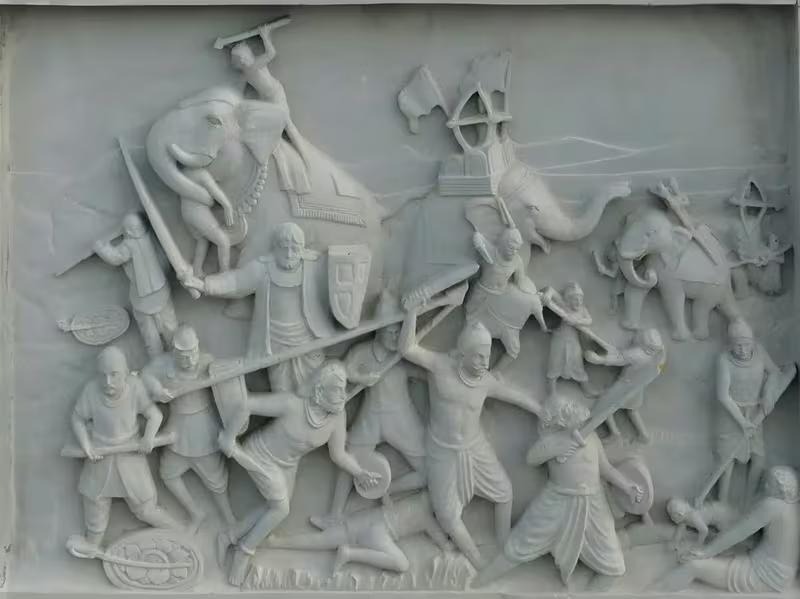
അവലോകനം
ബി. സി. ഇ. 261-ൽ നടന്ന കലിംഗ യുദ്ധം, പുരാതന ഇന്ത്യൻ ചരിത്രത്തിലെ ഏറ്റവും പ്രധാനപ്പെട്ട സൈനിക സംഘട്ടനങ്ങളിലൊന്നായി നിലകൊള്ളുന്നു-അതിന്റെ തന്ത്രപരമായ മിടുക്കിനോ പ്രാദേശിക നേട്ടങ്ങൾക്കോ അല്ല, മറിച്ച് വിജയികളിൽ അതിന്റെ അഗാധമായ മാനസികവും ആത്മീയവുമായ സ്വാധീനത്തിന്. ഇന്നത്തെ ഒഡീഷയിലും വടക്കൻ ആന്ധ്രാപ്രദേശിലും കിഴക്കൻ തീരത്ത് സ്ഥിതിചെയ്യുന്ന സ്വതന്ത്രാജ്യമായ കലിംഗയ്ക്കെതിരെ മൌര്യ സാമ്രാജ്യത്തിലെ മഹാനായ അശോക ചക്രവർത്തി ഈ ആക്രമണം നടത്തി. പുരാതന ലോകത്തിലെ ഏറ്റവും വലുതും രക്തരൂക്ഷിതവുമായ ഏറ്റുമുട്ടലുകളിലൊന്നായി മാറിയ ദയാ നദിയുടെ തീരത്തുള്ള ധൌലി കുന്നുകളിലാണ് യുദ്ധം നടന്നതെന്ന് വിശ്വസിക്കപ്പെടുന്നു.
മൌര്യ സൈന്യം സൈനിക വിജയം നേടുകയും കലിംഗയെ അവരുടെ സാമ്രാജ്യത്തിലേക്ക് വിജയകരമായി കൂട്ടിച്ചേർക്കുകയും ചെയ്തപ്പോൾ, സംഘർഷം മൂലമുണ്ടായ വലിയ ജീവഹാനിയും കഷ്ടപ്പാടുകളും അശോകനെ ആഴത്തിൽ ബാധിച്ചു. അദ്ദേഹത്തിന്റെ സ്വന്തം ശിലാശാസനങ്ങൾ അനുസരിച്ച്, 100,000-ത്തിലധികം ആളുകൾ കൊല്ലപ്പെടുകയും 150,000 പേർ പിടിക്കപ്പെടുകയോ കുടിയൊഴിപ്പിക്കപ്പെടുകയോ ചെയ്തു. യുദ്ധസമയത്തും അതിനുശേഷവും സാക്ഷ്യം വഹിച്ച കൂട്ടക്കൊലയുടെയും മനുഷ്യ ദുരിതത്തിന്റെയും തോത് ചക്രവർത്തിയിൽ അഗാധമായ പരിവർത്തനത്തിന് കാരണമാവുകയും ബുദ്ധമതം സ്വീകരിക്കാനും കൂടുതൽ സൈനിക അധിനിവേശം ഉപേക്ഷിക്കാനും അദ്ദേഹത്തെ പ്രേരിപ്പിക്കുകയും ചെയ്തു.
അശോകന്റെ ലോകവീക്ഷണത്തിലെ ഈ ആഭ്യന്തരവിപ്ലവത്തിന് യുദ്ധക്കളത്തിനപ്പുറത്തേക്ക് വ്യാപിച്ചുകിടക്കുന്ന ദൂരവ്യാപകമായ പ്രത്യാഘാതങ്ങൾ ഉണ്ടായിരുന്നു. ക്രൂരമായ വിപുലീകരണത്തിന് പേരുകേട്ട ചക്രവർത്തി പെട്ടെന്ന് ധമ്മ (നീതി), അഹിംസ, ബുദ്ധ തത്വങ്ങൾ എന്നിവയുടെ വക്താവായി. കളിംഗ യുദ്ധം മൌര്യരുടെ പ്രാദേശിക അഭിലാഷങ്ങളുടെ പൂർത്തീകരണം മാത്രമല്ല, സൈനിക സാമ്രാജ്യത്വത്തിൽ നിന്ന് ധാർമ്മിക നേതൃത്വത്തിലേക്കുള്ള ചരിത്രത്തിലെ ഏറ്റവും ശ്രദ്ധേയമായ പരിവർത്തനങ്ങളിലൊന്നിന്റെ തുടക്കവും വരും നൂറ്റാണ്ടുകളിൽ ഏഷ്യയുടെ ആത്മീയവും രാഷ്ട്രീയവുമായ ഭൂപ്രകൃതിയെ സ്വാധീനിക്കുകയും ചെയ്തു.
പശ്ചാത്തലം
ബിസി 268 ഓടെ അശോകൻ മൌര്യ സിംഹാസനത്തിൽ കയറുമ്പോഴേക്കും അദ്ദേഹത്തിൻ്റെ മുത്തച്ഛൻ ചന്ദ്രഗുപ്ത മൌര്യ സ്ഥാപിച്ച സാമ്രാജ്യം ഇന്ത്യൻ ഉപഭൂഖണ്ഡത്തിൻ്റെ ഭൂരിഭാഗത്തിൻ്റെയും നിയന്ത്രണം ഉറപ്പിച്ചിരുന്നു. ചന്ദ്രഗുപ്തന്റെയും അദ്ദേഹത്തിന്റെ പിൻഗാമിയായ ബിന്ദുസാരയുടെയും കീഴിൽ, മൌര്യർ സൈനിക അധിനിവേശത്തിലൂടെയും നയതന്ത്ര തന്ത്രങ്ങളിലൂടെയും തങ്ങളുടെ പ്രദേശം വ്യവസ്ഥാപിതമായി വിപുലീകരിക്കുകയും പുരാതന ലോകം കണ്ടിട്ടുള്ളതിൽ വച്ച് ഏറ്റവും വലിയ സാമ്രാജ്യങ്ങളിലൊന്ന് സൃഷ്ടിക്കുകയും ചെയ്തു.
എന്നിരുന്നാലും, മൌര്യ ആധിപത്യത്തിൽ കലിംഗ രാജ്യം ശ്രദ്ധേയമായ ഒരു അപവാദമായി തുടർന്നു. കിഴക്കൻ തീരത്ത് തന്ത്രപരമായി സ്ഥിതി ചെയ്യുന്ന കലിംഗ ഇന്ത്യയെ തെക്കുകിഴക്കൻ ഏഷ്യയുമായി ബന്ധിപ്പിക്കുന്ന പ്രധാന സമുദ്ര വ്യാപാര പാതകൾ നിയന്ത്രിച്ചിരുന്നു. മൌര്യ പ്രദേശങ്ങളാൽ ചുറ്റപ്പെട്ടിരുന്നിട്ടും മൌര്യ ആധിപത്യം അംഗീകരിക്കാൻ വിസമ്മതിച്ചുകൊണ്ട് രാജ്യം സ്വാതന്ത്ര്യം നിലനിർത്തിയിരുന്നു. ഈ സ്വാതന്ത്ര്യം കേവലം പ്രതീകാത്മകമായിരുന്നില്ല-കലിംഗയുടെ അഭിവൃദ്ധി അതിന്റെ അഭിവൃദ്ധി പ്രാപിക്കുന്ന വ്യാപാരത്തിൽ നിന്നും ശക്തമായ സൈനിക പാരമ്പര്യത്തിൽ നിന്നും ഉരുത്തിരിഞ്ഞതാണ്, ഇത് അതിനെ ഒരു മൂല്യവത്തായ സമ്മാനവും ശക്തനായ എതിരാളിയുമാക്കി മാറ്റി.
ഭൌമരാഷ്ട്രീയ സാഹചര്യം അനിവാര്യമായ ഒരു പിരിമുറുക്കം സൃഷ്ടിച്ചു. മൌര്യരുടെ വീക്ഷണകോണിൽ, കലിംഗയുടെ തുടർച്ചയായ സ്വാതന്ത്ര്യം ഒരു അപൂർണ്ണമായ സാമ്രാജ്യത്വ പദ്ധതിയെയും സുരക്ഷാ ഭീഷണിയെയും പ്രതിനിധീകരിക്കുന്നു. തീരദേശ വ്യാപാരത്തിന്മേലുള്ള രാജ്യത്തിന്റെ നിയന്ത്രണം അർത്ഥമാക്കുന്നത് മൌര്യ നിയന്ത്രണത്തിന് പുറത്താണ് ഗണ്യമായ വാണിജ്യ വരുമാനം ഒഴുകുന്നത് എന്നാണ്. കൂടാതെ, ഒരു സ്വതന്ത്ര കലിംഗത്തിന് മൌര്യ വിരുദ്ധ ശക്തികൾക്കോ മൌര്യ ആധിപത്യത്തെ വെല്ലുവിളിക്കാൻ ശ്രമിക്കുന്ന എതിരാളികൾക്കോ ഒരു അടിത്തറയായി പ്രവർത്തിക്കാൻ കഴിയും.
സിംഹാസനം അവകാശപ്പെടാൻ തൻ്റെ സഹോദരന്മാരുമായി പോരാടിയതായി പറയപ്പെടുന്ന അശോകനെ സംബന്ധിച്ചിടത്തോളം, കലിംഗ വിജയം ഒരു തന്ത്രപരമായ ആവശ്യമായും തൻ്റെ സാമ്രാജ്യത്വ യോഗ്യത തെളിയിക്കാനുള്ള അവസരമായും തോന്നിയിരിക്കാം. തന്റെ ഭരണത്തിന്റെ തുടക്കത്തിൽ, അശോകൻ തന്റെ മുൻഗാമികളുടെ ആക്രമണാത്മക വിപുലീകരണ നയങ്ങൾ തുടർന്നു, മൌര്യ ഹൃദയഭൂമിയുടെ പ്രായോഗികമായ ശ്രദ്ധേയമായ ദൂരത്തിനുള്ളിൽ കീഴടക്കാത്ത ഏറ്റവും പ്രധാനപ്പെട്ട പ്രദേശത്തെ കലിംഗ പ്രതിനിധീകരിച്ചു.
ആമുഖം
പരിമിതമായ സമകാലിക സ്രോതസ്സുകൾ കാരണം കലിംഗ യുദ്ധത്തിന് കാരണമായ കൃത്യമായ സാഹചര്യങ്ങൾ അവ്യക്തമായി തുടരുന്നു. അശോകന്റെ ഭരണത്തിന്റെ എട്ടാം വർഷത്തോടെ (ഏകദേശം 261 ബി. സി. ഇ) മൌര്യ സാമ്രാജ്യം "കലിംഗപ്രശ്നം" സൈനിക ശക്തിയിലൂടെ പരിഹരിക്കാൻ തീരുമാനിച്ചുവെന്ന് ഉറപ്പാണ്. കാലാൾപ്പട, കുതിരപ്പട, ആനകൾ, അത്യാധുനിക ലോജിസ്റ്റിക്സ് എന്നിവ ഉൾപ്പെടുന്ന മൌര്യ സംസ്ഥാനത്തിന്റെ വിശാലമായ സൈനിക വിഭവങ്ങൾ ഉപയോഗിച്ച് ചക്രവർത്തി ഒരു വലിയ സൈന്യത്തെ അണിനിരത്തി.
വരാനിരിക്കുന്ന ഭീഷണിയെക്കുറിച്ച് ബോധവാന്മാരായ കലിംഗന്മാർ സ്വന്തം പ്രതിരോധം ഒരുക്കി. മൌര്യ സാമ്രാജ്യത്തേക്കാൾ ചെറുതാണെങ്കിലും, കലിംഗയ്ക്ക് സൈനിക വൈദഗ്ധ്യത്തിലും കടുത്ത സ്വാതന്ത്ര്യത്തിലും പ്രശസ്തി ഉണ്ടായിരുന്നു. രാജ്യത്തെ യോദ്ധാക്കൾ അവരുടെ ധൈര്യത്തിനും മാതൃരാജ്യത്തെ സംരക്ഷിക്കാനുള്ള ദൃഢനിശ്ചയത്തിനും പേരുകേട്ടവരായിരുന്നു. തങ്ങൾ ഒരു അസ്തിത്വപരമായ ഭീഷണിയെ അഭിമുഖീകരിക്കുകയാണെന്ന് കലിംഗന്മാർ മനസ്സിലാക്കി-പരാജയം അർത്ഥമാക്കുന്നത് അവരുടെ സ്വാതന്ത്ര്യം അവസാനിക്കുകയും വിശാലമായ മൌര്യ സാമ്രാജ്യത്വ സംവിധാനത്തിലേക്ക് ആഗിരണം ചെയ്യപ്പെടുകയും ചെയ്യും.
ധൌലി കുന്നുകളുടെയും ദയാ നദീതടത്തിന്റെയും തന്ത്രപരമായ പ്രാധാന്യം പ്രചാരണത്തിന്റെ ആസൂത്രണത്തിൽ നിർണായക പങ്ക് വഹിച്ചിരിക്കാം. കലിംഗ ഹൃദയഭൂമിയിലേക്കും അതിന്റെ തീരപ്രദേശങ്ങളിലേക്കും പ്രവേശനം നിയന്ത്രിക്കുന്നതിന് ഈ ഭൂമിശാസ്ത്രപരമായ സവിശേഷതകൾ നിർണായകമാകുമായിരുന്നു. ഇരുപക്ഷവും തങ്ങളുടെ സൈന്യത്തെ ഈ മേഖലയിൽ കേന്ദ്രീകരിക്കുകയും തുടർന്നുള്ള വിനാശകരമായ ഏറ്റുമുട്ടലിന് വേദിയൊരുക്കുകയും ചെയ്തു.
പോരാട്ടം
കലിംഗ യുദ്ധത്തെക്കുറിച്ചുള്ള വിശദമായ തന്ത്രപരമായ വിവരണങ്ങൾ നിലനിൽക്കുന്നില്ലെങ്കിലും, ധൌലി കുന്നുകളിൽ നടന്ന യുദ്ധം പ്രകടമായി വളരെ വലുതും തീവ്രവുമായിരുന്നു. ഈ ഏറ്റുമുട്ടലിൽ ഇരുവശത്തുമുള്ള ലക്ഷക്കണക്കിന് പോരാളികൾ ഉൾപ്പെട്ടിരിക്കാം, മൌര്യ സൈന്യം എണ്ണത്തിൽ മേൽക്കോയ്മ ആസ്വദിക്കുന്നുണ്ടെങ്കിലും അവരുടെ മാതൃരാജ്യത്തിനായി പോരാടുന്ന കലിംഗൻ പ്രതിരോധക്കാരിൽ നിന്ന് നിശ്ചയദാർഢ്യമുള്ള പ്രതിരോധം നേരിടുന്നു.
ഈ കാലഘട്ടത്തിലെ പുരാതന ഇന്ത്യൻ യുദ്ധത്തിൽ സാധാരണയായി സങ്കീർണ്ണമായ സംയുക്ത ആയുധ തന്ത്രങ്ങൾ ഉൾപ്പെട്ടിരുന്നു, കാലാൾപ്പട രൂപീകരണങ്ങൾ, കുതിരപ്പടയുടെ ചാർജുകൾ, യുദ്ധ ആനകൾ, ഏകോപിത തന്ത്രങ്ങളിൽ വില്ലാളികൾ എന്നിവ ഉപയോഗിച്ചു. ധൌലി കുന്നുകളുടെ ഭൂപ്രദേശവും ദയാ നദിയുടെ സാന്നിധ്യവും തന്ത്രപരമായ തീരുമാനങ്ങളെ ഗണ്യമായി സ്വാധീനിക്കുകയും കലിംഗകൾ ചൂഷണം ചെയ്യാൻ ശ്രമിച്ച സ്വാഭാവിക പ്രതിരോധ സ്ഥാനങ്ങൾ സൃഷ്ടിക്കുകയും ചെയ്യുമായിരുന്നു.
പോരാട്ടം
പുരാതന മാനദണ്ഡങ്ങളാൽ പോലും ഈ യുദ്ധം അസാധാരണമായിരുന്നുവെന്ന് തോന്നുന്നു. കലിംഗൻ സൈന്യം ഉയർത്തിയ ചെറുത്തുനിൽപ്പ് ഉഗ്രമായിരുന്നു, ഇത് രാജ്യത്തിന്റെ സൈനിക പ്രശസ്തി അർഹമാണെന്ന് സൂചിപ്പിക്കുന്നു. എന്നിരുന്നാലും, മൌര്യ സാമ്രാജ്യത്തിന്റെ അമിതമായ വിഭവങ്ങൾ ഒടുവിൽ നിർണ്ണായകമാണെന്ന് തെളിഞ്ഞു. അശോകൻറെ സൈന്യത്തിൻറെ ഉയർന്ന എണ്ണം, ലോജിസ്റ്റിക്സ്, ഒരുപക്ഷേ മികച്ച ഓർഗനൈസേഷൻ എന്നിവ ക്രമേണ കലിംഗൻ പ്രതിരോധത്തെ കീഴടക്കി.
സംഘർഷത്തിൽ കലിംഗയിലെ സിവിലിയൻ ജനത വളരെയധികം ദുരിതമനുഭവിച്ചു. പുരാതന യുദ്ധത്തിൽ പോരാളികളും പോരാളികളല്ലാത്തവരും തമ്മിൽ വളരെ അപൂർവമായി മാത്രമേ വേർതിരിച്ചിരുന്നുള്ളൂ, കലിംഗ കീഴടക്കുന്നതിൽ രാജ്യത്തിന്റെ സൈന്യത്തെ പരാജയപ്പെടുത്തുക മാത്രമല്ല, മുഴുവൻ ജനങ്ങളെയും കീഴടക്കുകയും ചെയ്തു. ഗ്രാമങ്ങൾ നശിപ്പിക്കപ്പെട്ടു, ജനങ്ങൾ പലായനം ചെയ്യപ്പെട്ടു, കലിംഗൻ സമൂഹത്തിന്റെ സാമൂഹിക ഘടന തകർക്കപ്പെട്ടു.
നിർണ്ണായകമായ ഫലം
മൌര്യരുടെ വിജയം പൂർണ്ണമായിരുന്നുവെങ്കിലും അത് മനുഷ്യജീവിതത്തിലും കഷ്ടപ്പാടുകളിലും വലിയ വില നൽകി. കലിംഗൻ സൈന്യം ഒടുവിൽ പരാജയപ്പെടുകയും അവരുടെ രാജ്യം മൌര്യ സാമ്രാജ്യത്തിൽ ലയിക്കുകയും ചെയ്തു. എന്നിരുന്നാലും, ഈ വിജയത്തിന്റെ രീതികളും അനന്തരഫലങ്ങളും അശോകനെ വേട്ടയാടുകയും അദ്ദേഹത്തിന്റെ ഭരണത്തിന്റെയും ഇന്ത്യൻ ചരിത്രത്തിന്റെയും പാതയെ അടിസ്ഥാനപരമായി മാറ്റുകയും ചെയ്യും.
അനന്തരഫലങ്ങൾ
കലിംഗ യുദ്ധത്തിന്റെ തൊട്ടുപിന്നാലെ മൌര്യ സാമ്രാജ്യത്തിലേക്ക് രാജ്യം വിജയകരമായി കൂട്ടിച്ചേർക്കപ്പെടുകയും അശോകന്റെ പ്രദേശിക അഭിലാഷങ്ങൾ പൂർത്തീകരിക്കുകയും ചെയ്തു. കലിംഗയിലെ സമ്പന്നമായ തീരദേശ വ്യാപാര പാതകളും വിഭവങ്ങളും ഇപ്പോൾ മൌര്യരുടെ നിയന്ത്രണത്തിലാവുകയും കീഴടക്കിയ പ്രദേശങ്ങളിലുടനീളം സാമ്രാജ്യത്വ ഭരണം സ്ഥാപിക്കപ്പെടുകയും ചെയ്തു. തികച്ചും തന്ത്രപരമായ വീക്ഷണകോണിൽ, പ്രചാരണം അതിന്റെ ലക്ഷ്യങ്ങൾ കൈവരിച്ചു.
എന്നിരുന്നാലും, മനുഷ്യന്റെ ചെലവ് അമ്പരപ്പിക്കുന്നതായിരുന്നു. അശോകൻറെ ശിലാശാസനങ്ങളിലെ, പ്രത്യേകിച്ച് പതിമൂന്നാമൻ ശിലാശാസനത്തിലെ വിവരണങ്ങൾ അനുസരിച്ച്, പോരാട്ടത്തിൽ ഏകദേശം 100,000 ആളുകൾ കൊല്ലപ്പെടുകയും 150,000 പേർ പിടിക്കപ്പെടുകയോ കുടിയൊഴിപ്പിക്കപ്പെടുകയോ ചെയ്തു. ക്ഷാമം, രോഗം, അധിനിവേശത്തെ തുടർന്നുള്ള സാമൂഹിക്രമം എന്നിവയുടെ തകർച്ച എന്നിവയാൽ കൂടുതൽ പേർ മരിച്ചു. ഐതിഹ്യമനുസരിച്ച്, ദയാ നദി രക്തത്താൽ ചുവന്നിറത്തിൽ ഒഴുകി-അക്ഷരാർത്ഥത്തിൽ സത്യമോ പ്രതീകാത്മകമോ ആകട്ടെ, കൂട്ടക്കൊലയുടെ തോത് പിടിച്ചെടുക്കുന്ന ഒരു വിശദാംശം.
അശോകൻറെ പരിവർത്തനം
പുരാതന സൈനിക ചരിത്രത്തിൽ കലിംഗ യുദ്ധത്തെ സവിശേഷമാക്കുന്നത് അടുത്തതായി സംഭവിച്ചതാണ്. തൻ്റെ വിജയം ആഘോഷിക്കുന്നതിനുപകരം, താൻ അനുഭവിച്ച കഷ്ടപ്പാടുകളിൽ അശോകന് പശ്ചാത്താപവും ഭീതിയും തോന്നി. തന്റെ സാമ്രാജ്യത്തിലുടനീളമുള്ള ശിലാ സ്മാരകങ്ങളിൽ ആലേഖനം ചെയ്തിരിക്കുന്ന തന്റെ ശിലാശാസനം പതിമൂന്നാമൻ ചക്രവർത്തി അഭൂതപൂർവമായ ഒരു സ്വീകാര്യത നടത്തിഃ
കലിംഗയിലെ ജനങ്ങൾക്ക് സംഭവിച്ച മരണത്തിലും കഷ്ടപ്പാടുകളിലും ചക്രവർത്തി അഗാധമായ ഖേദം പ്രകടിപ്പിച്ചു. തകർന്ന കുടുംബങ്ങൾക്കും പ്രിയപ്പെട്ടവരെ നഷ്ടപ്പെട്ടവർക്കും യുദ്ധത്തിൻറെ നാശത്തിൽ കുടുങ്ങിയ നിരപരാധികളായ സാധാരണക്കാർക്കും ഉണ്ടായ വേദന അദ്ദേഹം അംഗീകരിച്ചു. വിജയിയായ ഒരു ഭരണാധികാരിയുടെ ഈ പരസ്യമായ പശ്ചാത്താപം പുരാതന ലോകത്ത് ഫലത്തിൽ അഭൂതപൂർവമായിരുന്നു.
ബുദ്ധമതത്തിലേക്കുള്ള പരിവർത്തനം
യുദ്ധത്തിന്റെ അനന്തരഫലങ്ങളാൽ ആഴത്തിൽ സ്വാധീനിക്കപ്പെട്ട അശോകൻ അഹിംസ (അഹിംസ), അനുകമ്പ, ആത്മീയ വികസനം എന്നിവയുടെ തത്വങ്ങൾ സ്വീകരിച്ച് ബുദ്ധമതത്തിലേക്ക് തിരിഞ്ഞു. താൻ ഇനി വാളുകൊണ്ട് കീഴടക്കാൻ ശ്രമിക്കുകയല്ലെന്നും പകരം "ധർമ്മത്താൽ കീഴടക്കുക" (ധർമ്മ-വിജയ)-നീതിയുടെയും ധാർമ്മിക തത്വങ്ങളുടെയും വ്യാപനം പിന്തുടരുമെന്നും അദ്ദേഹം പ്രഖ്യാപിച്ചു.
ഈ ആത്മീയ പരിവർത്തനം കേവലം വ്യക്തിപരമായിരുന്നില്ല, മറിച്ച് സംസ്ഥാന നയമായി മാറി. അശോകൻ കൂടുതൽ സൈനിക വിപുലീകരണം ഉപേക്ഷിക്കുകയും പകരം തന്റെ സാമ്രാജ്യത്തിലുടനീളം ബുദ്ധമത മൂല്യങ്ങൾ, സാമൂഹിക്ഷേമം, ധാർമ്മിക ഭരണം എന്നിവ പ്രോത്സാഹിപ്പിക്കുന്നതിന് തന്റെ വിഭവങ്ങൾ നീക്കിവയ്ക്കുകയും ചെയ്തു. അദ്ദേഹം മനുഷ്യർക്കും മൃഗങ്ങൾക്കുമായി ആശുപത്രികൾ സ്ഥാപിച്ചു, നിഴലിനായി റോഡുകളിൽ മരങ്ങൾ നട്ടുപിടിപ്പിച്ചു, കിണറുകൾ കുഴിച്ചു, മതപരമായ സഹിഷ്ണുതയും ധാർമ്മിക പെരുമാറ്റവും പ്രോത്സാഹിപ്പിച്ചു.
ചരിത്രപരമായ പ്രാധാന്യം
കലിംഗയുദ്ധത്തിൻറെ പ്രാധാന്യം അതിൻറെ സൈനികവും രാഷ്ട്രീയവുമായ പ്രത്യാഘാതങ്ങൾക്കപ്പുറത്തേക്ക് വ്യാപിക്കുന്നു. ഒരൊറ്റ സംഭവത്തിന് എങ്ങനെ ഒരു ശക്തനായ ഭരണാധികാരിയെ അടിസ്ഥാനപരമായി പരിവർത്തനം ചെയ്യാനും അവനിലൂടെ സംസ്കാരങ്ങളുടെ ഗതിയെ സ്വാധീനിക്കാനും കഴിയും എന്നതിന്റെ ചരിത്രത്തിലെ ഏറ്റവും ശ്രദ്ധേയമായ ഉദാഹരണങ്ങളിലൊന്നാണിത്.
സാമ്രാജ്യത്വ നയത്തിൻറെ പരിവർത്തനം
അശോകന്റെ കലിംഗാനന്തര നയങ്ങൾ സാധാരണ പുരാതന സാമ്രാജ്യത്വ ഭരണത്തിൽ നിന്നുള്ള സമൂലമായ വ്യതിചലനത്തെ അടയാളപ്പെടുത്തി. ബലപ്രയോഗത്തിലൂടെയും ഭയത്തിലൂടെയും ഭരിക്കുന്നതിനുപകരം ധാർമ്മിക പ്രേരണയിലൂടെയും ക്ഷേമത്തിലൂടെയും ഭരിക്കാൻ അദ്ദേഹം ശ്രമിച്ചു. സാമ്രാജ്യത്തിലുടനീളം സ്ഥാപിക്കപ്പെട്ട അദ്ദേഹത്തിന്റെ പാറയും തൂണും അദ്ദേഹത്തിന്റെ പ്രജകളിലേക്ക് ബുദ്ധ തത്വങ്ങളും ധാർമ്മിക ഭരണവും പ്രചരിപ്പിച്ചു. ദാർശനികവും ധാർമ്മികവുമായ ആശയങ്ങളുടെ ബഹുജന ആശയവിനിമയത്തിനായി ലിഖിതങ്ങൾ ഉപയോഗിച്ച ഒരു ഭരണാധികാരിയുടെ ആദ്യകാല ഉദാഹരണങ്ങളിലൊന്നാണിത്.
ബുദ്ധമതത്തിൻറെ വ്യാപനം
ഒരുപക്ഷേ ഏറ്റവും പ്രധാനമായി, അശോകന്റെ പരിവർത്തനം ബുദ്ധമതം ഒരു പ്രാദേശിക ഇന്ത്യൻ മതത്തിൽ നിന്ന് ഒരു ലോക മതത്തിലേക്ക് പരിവർത്തനം ചെയ്യുന്നതിലേക്ക് നയിച്ചു. ശ്രീലങ്ക, മധ്യേഷ്യ, ഒരുപക്ഷേ മെഡിറ്ററേനിയൻ ലോകം വരെ ഉൾപ്പെടെ തന്റെ സാമ്രാജ്യത്തിലുടനീളവും പുറത്തും ചക്രവർത്തി മിഷനറിമാരെ അയച്ചു. അദ്ദേഹത്തിന്റെ മകൻ മഹിന്ദയും മകൾ സംഘമിതയും ശ്രീലങ്കയിൽ ബുദ്ധമതം സ്ഥാപിക്കുന്നതിൽ പ്രധാന പങ്കുവഹിച്ചു, അവിടെ നിന്ന് അത് ഒടുവിൽ തെക്കുകിഴക്കൻ ഏഷ്യയിലേക്ക് വ്യാപിച്ചു.
ധാർമ്മിക ഭരണത്തിൻറെ മാതൃക
അശോകന്റെ കലിംഗാനന്തര ഭരണം ശുദ്ധമായ അധികാരാഷ്ട്രീയത്തേക്കാൾ ധാർമ്മിക തത്വങ്ങളെ അടിസ്ഥാനമാക്കിയുള്ള ഒരു ഭരണ മാതൃക നൽകി. അദ്ദേഹം തന്റെ ആദർശങ്ങൾ എത്രത്തോളം പൂർണ്ണമായും നടപ്പാക്കി എന്നതിനെക്കുറിച്ചുള്ള സംവാദങ്ങൾ തുടരുമ്പോഴും ധർമ്മം, മതപരമായ സഹിഷ്ണുത, സാമൂഹികക്ഷേമം, അഹിംസ എന്നിവയ്ക്ക് അദ്ദേഹം നൽകിയ ഊന്നൽ ഏഷ്യൻ ചരിത്രത്തിലുടനീളമുള്ള ഭരണ തത്ത്വചിന്തകളെ സ്വാധീനിച്ചു. വിവിധ ഏഷ്യൻ രാജ്യങ്ങളിലെ പിൽക്കാല ബുദ്ധ ഭരണാധികാരികൾ അശോകനെ പ്രബുദ്ധമായ രാജത്വത്തിന്റെ ആദർശമായി കണ്ടു.
സാമ്രാജ്യത്വ പശ്ചാത്താപത്തിൻറെ അപൂർവത
സൈനിക വിജയത്തോടുള്ള അശോകൻറെ പ്രതികരണത്തിൻറെ ചരിത്രപരമായ അപൂർവതയെ അമിതമായി കണക്കാക്കാൻ കഴിയില്ല. പുരാതന, മധ്യകാല ഭരണാധികാരികൾ സാധാരണയായി അനുഭവിച്ച കഷ്ടപ്പാടുകൾക്ക് പരസ്യമായി പശ്ചാത്താപം പ്രകടിപ്പിക്കാതെ വിജയങ്ങൾ ആഘോഷിച്ചു. തൻറെ വിജയത്തിൻറെ മാനുഷികമായ വില അംഗീകരിക്കാനും സൈനികവിജയത്തിൻറെ മൂല്യത്തെ അടിസ്ഥാനപരമായി ചോദ്യം ചെയ്യാനുമുള്ള അശോകൻറെ സന്നദ്ധത അദ്ദേഹത്തെ ലോകചരിത്രത്തിൽ വേർതിരിക്കുന്നു.
പാരമ്പര്യം
കലിംഗ യുദ്ധവും അതിന്റെ അനന്തരഫലങ്ങളും ഇന്ത്യൻ, ലോകചരിത്രത്തിൽ നിലനിൽക്കുന്ന ഒരു പാരമ്പര്യം അവശേഷിപ്പിക്കുന്നു, സൈനിക വിജയത്തിന് വേണ്ടിയല്ല, മറിച്ച് അത് പ്രചോദിപ്പിച്ച അഗാധമായ പരിവർത്തനത്തിന് ഓർമ്മിക്കപ്പെടുന്നു.
പുരാവസ്തു, സ്മാരക തെളിവുകൾ
ധൌലിയിലെ യുദ്ധസ്ഥലം ചരിത്രപരവും മതപരവുമായ പ്രാധാന്യമുള്ള സ്ഥലമായി തുടരുന്നു. ധൌലിയിൽ അശോകൻ ആലേഖനം ചെയ്ത ശിലാശാസനങ്ങൾ അദ്ദേഹത്തിന്റെ പരിവർത്തനത്തിന് നേരിട്ടുള്ള സാക്ഷ്യം നൽകുന്നു, ശിലാശാസനം പതിമൂന്നാമൻ അദ്ദേഹത്തിന്റെ പശ്ചാത്താപവും മതപരിവർത്തനവും വ്യക്തമായി വിവരിക്കുന്നു. ആധുനികാലത്ത്, ധൌലിയിൽ ഒരു സമാധാന പഗോഡ (ശാന്തി സ്തൂപം) നിർമ്മിച്ചിട്ടുണ്ട്, ഇത് ഒരു യുദ്ധക്കളത്തിൽ നിന്ന് സമാധാനത്തിലേക്കും അഹിംസയിലേക്കും ഒരു സ്മാരകമായി മാറിയതിന്റെ പ്രതീകമാണ്.
ചരിത്രപരമായ ഓർമ്മകൾ
ഇന്ത്യൻ ചരിത്രബോധത്തിൽ കലിംഗയുദ്ധത്തിന് സവിശേഷമായ സ്ഥാനമുണ്ട്. നിരവധി പുരാതന യുദ്ധങ്ങൾ ആയോധന മഹത്വത്തിനോ തന്ത്രപരമായ മിഴിവിനോ വേണ്ടി ഓർമ്മിക്കപ്പെടുന്നുണ്ടെങ്കിലും, കലിംഗ യുദ്ധം പ്രാഥമികമായി അശോകനെ സൈനികമായി നേടിയതിനേക്കാൾ ആകാൻ കാരണമായത് ഓർമ്മിക്കപ്പെടുന്നു. ഈ സംഭവം ചരിത്രപരമായി എങ്ങനെ മനസ്സിലാക്കപ്പെടുന്നു എന്നതിൽ അദ്ദേഹത്തിന്റെ പരിവർത്തനത്തിന്റെ അഗാധമായ സ്വാധീനം ഇത് പ്രതിഫലിപ്പിക്കുന്നു.
ആധുനിക പ്രസക്തി
20-ാം നൂറ്റാണ്ടിലും 21-ാം നൂറ്റാണ്ടിലും കലിംഗ യുദ്ധത്തോടുള്ള അശോകന്റെ പ്രതികരണം അഹിംസയുടെയും ധാർമ്മിക ഭരണത്തിന്റെയും വക്താക്കൾ അഭ്യർത്ഥിച്ചിട്ടുണ്ട്. മഹാത്മാഗാന്ധിയെപ്പോലുള്ള നേതാക്കൾ അശോകൻറെ അക്രമത്തിൻറെ ത്യാഗത്തിൽ നിന്നും ധാർമ്മിക തത്വങ്ങൾ സ്വീകരിക്കുന്നതിൽ നിന്നും പ്രചോദനം ഉൾക്കൊണ്ടിരുന്നു. ഇന്ത്യയുടെ ദേശീയ ചിഹ്നമായി അംഗീകരിച്ച അശോക സിംഹ തലസ്ഥാനം ഈ പുരാതന ചക്രവർത്തിയുടെ പാരമ്പര്യത്തിന്റെ ദൈനംദിന ഓർമ്മപ്പെടുത്തലായി വർത്തിക്കുന്നു.
പ്രാദേശിക വ്യക്തിത്വം
ഒഡീഷയിൽ (പുരാതന കലിംഗ ഉൾക്കൊള്ളുന്ന ആധുനിക സംസ്ഥാനം), യുദ്ധവും കലിംഗ പ്രതിരോധവും പ്രാദേശിക ചരിത്രത്തിന്റെയും സ്വത്വത്തിന്റെയും ഭാഗമായി ഓർമ്മിക്കപ്പെടുന്നു. സൈനിക പരാജയം പൂർത്തിയായപ്പോൾ, സാംസ്കാരിക ഓർമ്മ രാജ്യത്തിൻറെ കടുത്ത സ്വാതന്ത്ര്യവും അതിൻറെ പ്രതിരോധക്കാരുടെ ധൈര്യവും സംരക്ഷിക്കുന്നു.
ചരിത്രരേഖകൾ
ലഭ്യമായ സ്രോതസ്സുകളുടെ സ്വഭാവവും അവ ഉയർത്തുന്ന വ്യാഖ്യാനപരമായ ചോദ്യങ്ങളും കാരണം കലിംഗ യുദ്ധം രസകരമായ ചരിത്രപരമായ വെല്ലുവിളികൾ അവതരിപ്പിക്കുന്നു.
പ്രാഥമിക സ്രോതസ്സുകൾ
ഏറ്റവും പ്രധാനപ്പെട്ട പ്രാഥമിക ഉറവിടം അശോകന്റെ സ്വന്തം ശിലാശാസനങ്ങളാണ്, പ്രത്യേകിച്ച് ശിലാശാസനം പതിമൂന്നാമൻ. ഈ ലിഖിതങ്ങൾ യുദ്ധത്തെക്കുറിച്ചും അതിന്റെ അനന്തരഫലങ്ങളെക്കുറിച്ചും ചക്രവർത്തിയുടെ കാഴ്ചപ്പാട് നൽകുന്നു, മരണസംഖ്യയും തുടർന്നുള്ള പരിവർത്തനവും ഉൾപ്പെടെ. എന്നിരുന്നാലും, വിജയിയുടെ പ്രസ്താവനകൾ എന്നിലയിൽ അവ വിമർശനാത്മകമായി വായിക്കണം. ചില ചരിത്രകാരന്മാർ അശോകന്റെ യഥാർത്ഥ നയങ്ങളെ പൂർണ്ണമായും പ്രതിഫലിപ്പിക്കുന്നുണ്ടോ അതോ ആദർശപരമായ പ്രഖ്യാപനങ്ങളെ പ്രതിനിധീകരിക്കുന്നുണ്ടോ എന്ന് ചോദ്യം ചെയ്യുന്നു.
ഉറവിട പരിമിതികൾ
യുദ്ധത്തെ അവരുടെ വീക്ഷണകോണിൽ നിന്ന് വിവരിക്കുന്ന കലിംഗ സ്രോതസ്സുകളൊന്നും നിലനിൽക്കുന്നില്ല, മൌര്യ കാഴ്ചപ്പാട് മാത്രം അവശേഷിക്കുന്നു. ഇത് ചരിത്രപരമായ ധാരണയിലെ അന്തർലീനമായ അസന്തുലിതാവസ്ഥ സൃഷ്ടിക്കുന്നു. കൂടാതെ, യുദ്ധത്തെക്കുറിച്ചുള്ള വിശദമായ തന്ത്രപരമായ വിവരണങ്ങൾ കുറവാണ്, ഇത് ഏറ്റുമുട്ടലിനെക്കുറിച്ചുള്ള സമഗ്രമായ സൈനിക വിശകലനം തടയുന്നു.
വ്യാഖ്യാനപരമായ ചർച്ചകൾ
കലിംഗയുദ്ധത്തിൻറെ വിവിധ വശങ്ങളും അതിൻറെ അനന്തരഫലങ്ങളും ചരിത്രകാരന്മാർ ചർച്ചെയ്തിട്ടുണ്ട്ഃ
മതപരിവർത്തനത്തിൻറെ ആത്മാർത്ഥത: ചില പണ്ഡിതന്മാർ അശോകൻറെ പരിവർത്തനം യഥാർത്ഥമാണെന്ന് അംഗീകരിക്കുകയും യുദ്ധാനന്തര നയങ്ങളുടെ സ്ഥിരതയിലേക്ക് വിരൽ ചൂണ്ടുകയും ചെയ്യുന്നു. മറ്റുള്ളവർ കൂടുതൽ ദോഷകരമായ വ്യാഖ്യാനങ്ങൾ നിർദ്ദേശിക്കുന്നു, പൊതുജനങ്ങളുടെ പശ്ചാത്താപപ്രകടനങ്ങളെ പുതുതായി കീഴടക്കിയ പ്രദേശങ്ങളുടെ മേൽ ഭരണം നിയമവിധേയമാക്കുന്നതിന് രൂപകൽപ്പന ചെയ്ത രാഷ്ട്രീയ നാടകമായി കാണുന്നു.
ധമ്മത്തിൻറെ നടപ്പാക്കൽഃ അശോകൻറെ തത്വങ്ങൾ സാമ്രാജ്യത്തിലുടനീളം എത്രത്തോളം പൂർണ്ണമായും നടപ്പാക്കപ്പെട്ടു എന്നതിനെക്കുറിച്ചുള്ള ചോദ്യങ്ങൾ അവശേഷിക്കുന്നു. അദ്ദേഹത്തിന്റെ ധമ്മത്തെ അടിസ്ഥാനമാക്കിയുള്ള ഭരണം സാമ്രാജ്യത്വ സമ്പ്രദായത്തിലെ അടിസ്ഥാനപരമായ മാറ്റത്തെ പ്രതിനിധീകരിക്കുന്നുണ്ടോ, അതോ അത് യഥാർത്ഥത്തേക്കാൾ കൂടുതൽ അഭിലാഷമായിരുന്നോ?
അപകടങ്ങളുടെ കണക്കുകൾ: ശിലാശാസനങ്ങളിൽ നൽകിയിട്ടുള്ള സംഖ്യകൾ ആധുനിക നിലവാരത്തിൽ പോലും വളരെ വലുതാണ്. ചില ചരിത്രകാരന്മാർ ഈ കണക്കുകൾ കൃത്യമാണോ അതോ വാചാടോപ ഫലത്തിനായി അവ അതിശയോക്തിപരമാണോ എന്ന് ചോദ്യം ചെയ്യുന്നു.
സൈനിക വിശകലനം: വിശദമായ തന്ത്രപരമായ വിവരങ്ങളുടെ അഭാവം യുദ്ധം എങ്ങനെ നടന്നുവെന്നും ഉയർന്ന എണ്ണത്തിനും വിഭവങ്ങൾക്കും അപ്പുറം മൌര്യ വിജയത്തിലേക്ക് നയിച്ച ഘടകങ്ങൾ എന്താണെന്നും കൃത്യമായി മനസിലാക്കാൻ പ്രയാസകരമാക്കുന്നു.
ഈ സംവാദങ്ങൾ ഉണ്ടായിരുന്നിട്ടും, നിർദ്ദിഷ്ട വിശദാംശങ്ങളെയും വ്യാഖ്യാനങ്ങളെയും കുറിച്ചുള്ള ചോദ്യങ്ങൾ അവശേഷിക്കുന്നുണ്ടെങ്കിലും, അശോകന്റെ തുടർന്നുള്ള നയങ്ങളെ യഥാർത്ഥത്തിൽ ബാധിച്ച ഒരു യഥാർത്ഥവും സുപ്രധാനവുമായ സംഭവമായിരുന്നു കലിംഗയുദ്ധമെന്ന് വിശാലമായ ചരിത്രപരമായ സമവായം പറയുന്നു.
ടൈംലൈൻ
അശോകന്റെ കിരീടധാരണം
അശോകൻ മൌര്യ സാമ്രാജ്യത്തിൻറെ ചക്രവർത്തിയായി (ഏകദേശം)
കലിംഗയുദ്ധം ആരംഭിച്ചു
അശോകന്റെ ഭരണത്തിന്റെ എട്ടാം വർഷത്തിൽ മൌര്യ സൈന്യം കലിംഗ ആക്രമിച്ചു
ധൌലി യുദ്ധം
ദയാ നദിയുടെ തീരത്തുള്ള ധൌലി കുന്നുകളിൽ പ്രധാന ഇടപെടൽ
മൌര്യരുടെ വിജയം
കലിംഗ പരാജയപ്പെടുത്തുകയും മൌര്യ സാമ്രാജ്യത്തിൽ ചേരുകയും ചെയ്തു
അശോകൻറെ പരിവർത്തനം
ചക്രവർത്തി ബുദ്ധമതം സ്വീകരിക്കുകയും കൂടുതൽ സൈനിക അധിനിവേശം ഉപേക്ഷിക്കുകയും ചെയ്യുന്നു
പാറശാസനം പതിമൂന്നാമൻ
ധൌലിയിലും മറ്റ് സ്ഥലങ്ങളിലും അശോകൻ തന്റെ പശ്ചാത്താപവും മതപരിവർത്തനവും രേഖപ്പെടുത്തുന്നു
ധമ്മ നയം
സാമ്രാജ്യത്തിലുടനീളം ബുദ്ധമത തത്വങ്ങളെ അടിസ്ഥാനമാക്കിയുള്ള ഭരണം നടപ്പാക്കൽ
See Also
- Mauryan Empire - The dynasty under which the Kalinga War was fought
- Ashoka the Great - The emperor transformed by the war's consequences
- Chandragupta Maurya - Founder of the Mauryan Empire
- Dhauli - Site of the battle and Ashokan rock edicts
- Rock Edicts of Ashoka - Imperial inscriptions documenting the transformation