جائزہ
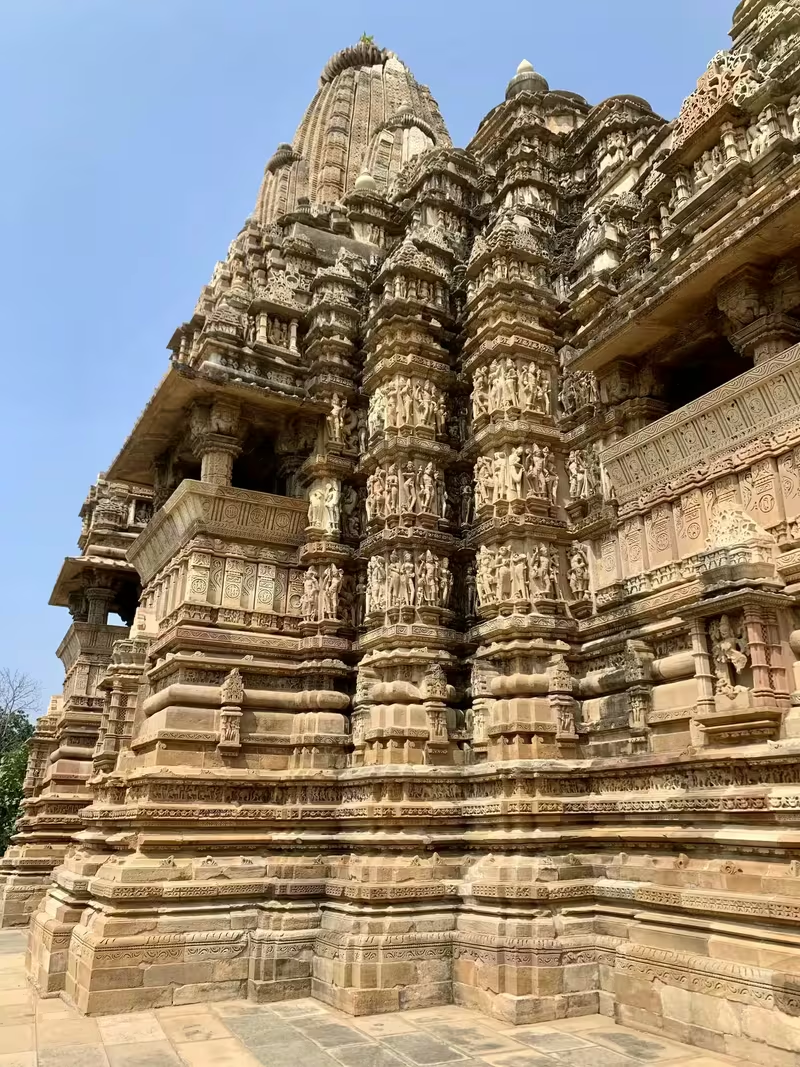
کھجوراہو گروپ آف مونیومنٹس ہندوستان کے سب سے مشہور تعمیراتی خزانوں میں سے ایک ہے، جو مدھیہ پردیش کے چھترپور ضلع میں واقع ہے۔ یہ قابل ذکر کمپلیکس ہندو اور دگمبر جین مندروں پر مشتمل ہے جو قرون وسطی کے ہندوستانی مندر فن تعمیر کے عروج کی علامت ہیں۔ تقریبا 950 اور 1050 عیسوی کے درمیان چندیل خاندان کے دور حکومت میں تعمیر کیے گئے یہ مندر اپنے نفیس ناگارا طرز کے تعمیراتی ڈیزائن اور غیر معمولی تفصیلی مجسمہ سازی کے کام کے لیے دنیا بھر میں مشہور ہیں۔
1986 میں یونیسکو کے عالمی ثقافتی ورثے کے طور پر تسلیم شدہ، کھجوراہو فنکارانہ اور تعمیراتی مہارت میں ایک شاندار کامیابی کی نمائندگی کرتا ہے۔ یہ مندر چھترپور شہر سے تقریبا 46 کلومیٹر کے فاصلے پر واقع ہیں، جو وسطی ہندوستان میں اسٹریٹجک طور پر واقع ہیں-جھانسی سے 175 کلومیٹر جنوب مشرق اور گوالیار سے 283 کلومیٹر دور۔ اگرچہ اس جگہ پر اصل میں 20 مربع کلومیٹر میں پھیلے ہوئے تقریبا 85 مندر تھے، لیکن صرف 25 وقت گزرنے کے بعد بچ گئے ہیں، پھر بھی یہ باقی ڈھانچے قرون وسطی کے ہندوستان کی فنکارانہ چمک کو شاندار طریقے سے ظاہر کرتے ہیں۔
ان یادگاروں نے نہ صرف اپنی تعمیراتی شان و شوکت کے لیے بلکہ زندگی کے مختلف پہلوؤں کی واضح اور فنکارانہ عکاسی کے لیے بھی بین الاقوامی توجہ حاصل کی، بشمول مشہور مجسمے جو وسیع مجسمہ سازی کے پروگرام کا ایک چھوٹا لیکن قابل ذکر حصہ ہیں۔ تاہم، زیادہ تر مجسمہ سازی میں دیوتاؤں، آسمانی مخلوقات، موسیقاروں، جنگجوؤں اور روزمرہ کی زندگی کے مناظر کو دکھایا گیا ہے، جو قرون وسطی کی ہندوستانی ثقافت، روحانیت اور جمالیات کے ایک جامع بصری انسائیکلوپیڈیا کی نمائندگی کرتے ہیں۔
تاریخ
کھجوراہو مندر چندیل راجپوت خاندان کے سنہری دور میں تعمیر کیے گئے تھے، جو ایک طاقتور حکمران قبیلہ تھا جس نے وسطی ہندوستان کے بندیل کھنڈ علاقے کو کنٹرول کیا تھا۔ چندیلوں نے 9 ویں صدی میں شہرت حاصل کی اور 10 ویں اور 11 ویں صدی کے درمیان اپنے عروج پر پہنچ گئے، بالکل اسی وقت جب یہ شاندار مندر تعمیر کیے گئے تھے۔ اس وسیع مندر کمپلیکس کی تعمیر خاندان کی سیاسی طاقت، مذہبی عقیدت اور فنون کی سرپرستی کی عکاسی کرتی ہے۔
تعمیرات
مندر کی تعمیر تقریبا ایک صدی پر محیط تھی، تقریبا 950 سے 1050 عیسوی تک، کئی چندیل حکمرانوں کے دور میں۔ معماروں نے انجینئرنگ کی قابل ذکر مہارت کا مظاہرہ کیا، اور ان وسیع ڈھانچوں کو مکمل طور پر بغیر مارٹر کے تعمیر کیا۔ اس کے بجائے، انہوں نے مارٹائز اور ٹینن جوڑوں کا استعمال کرتے ہوئے جدید ترین تکنیکوں کا استعمال کیا، جہاں عین مطابق کٹے ہوئے ریت کے پتھر کے بلاکس کو ایک ساتھ نصب کیا گیا تھا اور کشش ثقل اور انٹرلاکنگ ڈیزائن کے ذریعہ اس کی جگہ پر رکھا گیا تھا۔ یہ تعمیراتی طریقہ قابل ذکر طور پر پائیدار ثابت ہوا ہے، جس سے ڈھانچے صدیوں کے موسم کا مقابلہ کر سکتے ہیں۔
بنیادی تعمیراتی مواد مقامی ریت کا پتھر تھا، جس میں باریک دانے والے بف سے لے کر گلابی رنگ کی اقسام شامل تھیں، جو پیچیدہ نقاشی کی اجازت دیتی تھیں۔ کچھ مندروں نے اپنی بنیاد کے کام میں گرینائٹ کو بھی شامل کیا۔ تعمیر کے لیے نہ صرف ہنر مند معماروں اور انجینئروں کی ضرورت تھی بلکہ ماہر مجسمہ سازوں، پتھر کی نقاشی کرنے والوں اور متعدد کاریگروں کی بھی ضرورت تھی جنہوں نے ان مہتواکانکشی منصوبوں کو عملی جامہ پہنانے کے لیے مربوط ٹیموں میں کام کیا۔ ہر مندر نے منفرد اختراعات اور فنکارانہ تاثرات کی نمائش کرتے ہوئے کلاسیکی ناگارا آرکیٹیکچرل کینن کی پیروی کی۔
زمانوں کے ذریعے
بار حملوں کے بعد 13 ویں صدی میں چندیل خاندان کے زوال کے بعد، کھجوراہو نے آہستہ ایک مذہبی اور ثقافتی مرکز کے طور پر اپنی اہمیت کھو دی۔ مندروں کو بڑے پیمانے پر ترک کر دیا گیا تھا، اور یہ جگہ الگ تھلگ ہو گئی اور پودوں سے بھر گئی، جس نے ستم ظریفی کے طور پر انہیں جان بوجھ کر تباہی سے بچانے میں مدد کی جس نے بعد کے تنازعات کے دوران قرون وسطی کی بہت سی دوسری ہندوستانی یادگاروں کو متاثر کیا۔
1838 میں برطانوی انجینئر ٹی ایس برٹ کے ذریعہ ان کی "دوبارہ دریافت" ہونے تک یہ مندر وسیع تر دنیا کے لیے نسبتا نامعلوم رہے، جنہوں نے انہیں برطانوی انتظامیہ کے لیے دستاویزی شکل دی۔ اس نے کھجوراہو کو علمی توجہ دلائی، اور 19 ویں صدی کے آخر میں الیگزینڈر کننگھم اور دیگر آثار قدیمہ کے ماہرین کی طرف سے اس کے بعد کی دستاویزات نے ان کی تاریخی اور فنکارانہ اہمیت کو قائم کرنے میں مدد کی۔
ہندوستان کی آزادی کے بعد، آرکیالوجیکل سروے آف انڈیا (اے ایس آئی) نے 1951 میں منظم تحفظ کی کوششیں شروع کیں۔ علاقے کو صاف کر دیا گیا، آثار قدیمہ کی کھدائی کی گئی، اور بحالی کا جامع کام شروع ہوا۔ 1986 میں یونیسکو نے ان یادگاروں کی عالمی ثقافتی قدر کو تسلیم کرتے ہوئے انہیں عالمی ثقافتی ورثے کی فہرست میں شامل کیا، ان کے تحفظ کو یقینی بنایا اور عالمی سامعین تک ان کی اہمیت کو فروغ دیا۔
فن تعمیر
کھجوراہو مندر فن تعمیر کے ناگارا انداز کی مثال دیتے ہیں، جو شمالی ہندوستان کی غالب تعمیراتی روایت ہے۔ اس انداز کی خصوصیت اس کے مخصوص گھماؤ دار شکھر (مینار) سے ہے جو مقدس مقام سے اوپر اٹھتا ہے، جو ہندو اور جین کائنات میں کائناتی پہاڑ، ماؤنٹ میرو کی علامت ہے۔ مندر اونچے پلیٹ فارم (جگتی) پر بنائے جاتے ہیں اور داخلی دروازے سے لگاتار ہالوں سے اندرونی حرم (گربھ گرہ) تک ایک معیاری منصوبے پر عمل کرتے ہیں۔
کلیدی خصوصیات
مندر کا ہر بڑا کمپلیکس عام طور پر ایک داخلی پورچ (اردھ منڈپ)، ایک بڑا اسمبلی ہال (منڈپ)، ایک بنیان (انتارالا)، اور مقدس مقام (گربھ گرہ) پر مشتمل ہوتا ہے جس میں مرکزی دیوتا رہتا ہے۔ بیرونی دیواریں مجسمہ سازی کے فریز کے بینڈوں سے بھرپور طریقے سے آراستہ ہیں جو الگ سطحوں میں ترتیب دی گئی ہیں، جس سے زمینی سے آسمانی موضوعات تک عمودی ترقی ہوتی ہے۔ شیکھرا ٹاورز چوٹیوں اور ذیلی چوٹیوں (اروشرنگوں) کے سلسلے میں اٹھتے ہیں، جس سے ایک پہاڑ جیسی شکل پیدا ہوتی ہے جو اسکائی لائن پر حاوی ہے۔
مندروں کا رخ مشرق یا شمال مشرق کی طرف ہے، جو ہندو تعمیراتی روایات کے مطابق ہیں جو شمسی سمت پر زور دیتی ہیں۔ وہ عام طور پر ذیلی مزارات سے گھرا ہوا ہے اور وسیع و عریض صحنوں میں واقع ہے، جو اصل میں بڑے مندر کمپلیکس کا حصہ ہے۔ جدید ترین تعمیراتی منصوبہ بندی میں ریاضیاتی تناسب پر مبنی متوازن تناسب شامل ہے، جو ساختی استحکام اور جمالیاتی ہم آہنگی دونوں کو یقینی بناتا ہے۔
قابل ذکر انفرادی مندروں میں کنڈریا مہادیو مندر شامل ہے، جو سب سے بڑا اور سب سے زیادہ آراستہ سمجھا جاتا ہے ؛ لکشمن مندر، جو قدیم ترین اور بہترین طور پر محفوظ ہے ؛ اور وشوناتھ مندر، جو اپنی مجسمہ سازی کی عمدگی کے لیے مشہور ہے۔ جین مندروں میں، پارسواناتھ مندر خاص طور پر اپنے بہتر مجسمہ سازی کے کام کے لیے منایا جاتا ہے۔
آرائشی عناصر
کھجوراہو میں مجسمہ سازی کا پروگرام ہندوستانی آرٹ کی تاریخ میں سب سے زیادہ وسیع اور نفیس میں سے ایک کی نمائندگی کرتا ہے۔ بیرونی دیواروں میں مجسموں کے تقریبا تین افقی بینڈ دکھائے گئے ہیں جن میں دیوتاؤں، آسمانی مخلوقات (اپسرا اور گندھورا)، محبت کرنے والے جوڑے (متھونا)، جنگجوؤں، موسیقاروں، رقاصوں، جانوروں اور اساطیری مخلوقات کی عکاسی کی گئی ہے۔ یہ مجسمے غیر معمولی تکنیکی مہارت کا مظاہرہ کرتے ہیں، جس میں اعلی راحت میں کھدی ہوئی شخصیات قابل ذکر جسمانی درستگی، خوبصورت کرنسی اور اظہار خیال کے چہروں کو ظاہر کرتی ہیں۔
مشہور مجسمے، اگرچہ کل مجسمہ سازی کے کام کا 10 فیصد سے بھی کم ہیں، لیکن انہوں نے نمایاں توجہ اور مختلف تشریحات کو اپنی طرف متوجہ کیا ہے۔ اسکالرز نے ان کی موجودگی کے لیے متعدد وضاحتیں پیش کی ہیں، جن میں تانترک انجمنوں سے لے کر انسانی وجود کے جائز پہلو کے طور پر کام (خواہش) کی نمائندگی، بری قوتوں کو روکنے والے غیر معمولی افعال تک شامل ہیں۔ یہ مجسمے مذہبی منظر کشی کی طرح ہی فنکارانہ اتکرجتا ظاہر کرتے ہیں، اور انسان کو تخلیق کا ایک قدرتی اور جشن منانے والا پہلو سمجھتے ہیں۔
اندرونی جگہوں پر کھدی ہوئی کھمبے، ہندسی اور پھولوں کے نمونوں کے ساتھ سجائی ہوئی چھتیں، اور پیچیدہ آرائش کے ساتھ دروازے کے فریم (تورانے) ہیں۔ اگرچہ اصل پینٹ ورک کا زیادہ تر حصہ ختم ہو چکا ہے، لیکن نشانات سے پتہ چلتا ہے کہ مندروں کو کبھی بھرپور پولی کروم کیا گیا تھا، جس سے ان کے بصری اثرات میں ایک اور جہت کا اضافہ ہوا۔
ثقافتی اہمیت
کھجوراہو مندر ہندو اور جین مندر فن تعمیر اور مجسمہ سازی کی ترقی میں ایک اعلی مقام کی نمائندگی کرتے ہیں۔ وہ اپنی آرکیٹیکچرل شکل اور آئیکونگرافک پروگراموں کے ذریعے مذہبی تصورات کو مجسم بناتے ہیں، جو کائناتی اور فلسفیانہ اصولوں کی سہ جہتی نمائندگی کے طور پر کام کرتے ہیں۔ مندر نہ صرف عبادت گاہوں کے طور پر کام کرتے تھے بلکہ جامع فنکارانہ اور تعلیمی مراکز کے طور پر کام کرتے تھے جو عقیدت مندوں کو مذہبی بیانیے، اخلاقی تعلیمات اور ثقافتی اقدار سے آگاہ کرتے تھے۔
مجسمہ سازی کا کام قرون وسطی کے ہندوستان کی سماجی، ثقافتی اور مذہبی زندگی کے بارے میں انمول بصیرت فراہم کرتا ہے۔ روزمرہ کی سرگرمیوں، لباس کے انداز، زیورات، موسیقی کے آلات، اور سماجی تعاملات کی عکاسی اس دور کے بصری ریکارڈ کے طور پر کام کرتی ہے۔ قربت میں ہندو اور جین دونوں مندروں کی موجودگی مذہبی تکثیریت اور رواداری کو ظاہر کرتی ہے جو چندیل دور کی خصوصیت ہے۔
عصری ہندوستان کے لیے کھجوراہو ملک کے بھرپور ثقافتی ورثے اور فنکارانہ روایات کی ایک اہم علامت بن گیا ہے۔ مندر ہندوستانی تاریخ کے بارے میں سادہ بیانیے کو چیلنج کرتے ہیں اور قرون وسطی کی ہندوستانی تہذیب کی نفیس جمالیاتی حساسیت اور تکنیکی صلاحیتوں کا مظاہرہ کرتے ہیں۔
یونیسکو کے عالمی ثقافتی ورثے کی حیثیت
کھجوراہو گروپ آف مونیومنٹس کو 1986 میں تنظیم کے 10 ویں اجلاس کے دوران یونیسکو کے عالمی ثقافتی ورثے کی فہرست میں شامل کیا گیا تھا۔ کتبے نے اس جگہ کو معیار (1) اور (3) کے تحت تسلیم کیا، یادگاروں کو انسانی تخلیقی ذہانت کے شاہکار اور ثقافتی روایت کی غیر معمولی گواہی کے طور پر تسلیم کیا۔
معیار (i) کا اطلاق اس لیے کیا گیا کیونکہ کھجوراہو کے مندر ناگارا طرز کے مندر فن تعمیر کی سب سے بڑی کامیابی کی نمائندگی کرتے ہیں اور غیر معمولی مجسمہ سازی کی فنکارانہ صلاحیت کو ظاہر کرتے ہیں جس کی شاذ و نادر ہی برابری کی گئی ہے۔ معیار (3) نے مندروں کو چندیل ثقافتی روایت اور قرون وسطی کی ہندوستانی تہذیب کی شاندار گواہی کے طور پر تسلیم کیا۔ یونیسکو کے عہدہ نے تحفظ کی ضروریات پر بین الاقوامی توجہ کو یقینی بنانے میں مدد کی ہے اور کھجوراہو کو ہندوستان کے سب سے زیادہ دیکھے جانے والے تاریخی مقامات میں سے ایک بنا دیا ہے۔
عالمی ثقافتی ورثے کی حیثیت کے لیے تحفظ کی ضروریات کے ساتھ سیاحت کی ترقی کو متوازن کرتے ہوئے جاری تحفظ کے انتظام کی ضرورت ہے۔ آرکیالوجیکل سروے آف انڈیا، سائٹ مینجمنٹ اتھارٹی کے طور پر، یونیسکو اور بین الاقوامی تحفظ کے ماہرین کے ساتھ مل کر یادگاروں کی دیکھ بھال اور آنے والی نسلوں کے لیے ان کی حفاظت کے لیے کام کرتا ہے۔
مہمانوں کی معلومات
کھجوراہو سیاحوں کی جامع سہولیات کے ساتھ ایک سیاحتی مقام کے طور پر اچھی طرح سے ترقی یافتہ ہے۔ مندر کے اہم گروہوں کو مغربی، مشرقی اور جنوبی علاقوں میں تقسیم کیا گیا ہے، جس میں مغربی گروپ سب سے بڑے اور مشہور مندروں پر مشتمل ہے اور بنیادی ٹکٹ والے علاقے کی تشکیل کرتا ہے۔ یہ سائٹ طلوع آفتاب سے غروب آفتاب تک روزانہ کھلی رہتی ہے، جس میں آخری داخلے کی اجازت بند ہونے سے 30 منٹ پہلے دی جاتی ہے۔ داخلہ فیس عام طور پر ہندوستانی شہریوں کے لیے 40 روپے اور غیر ملکی شہریوں کے لیے 600 روپے ہوتی ہے، جس میں طلباء کے لیے رعایتی نرخ ہوتے ہیں۔
کیسے پہنچیں
کھجوراہو کا نسبتا دور دراز مقام ہونے کے باوجود اچھا رابطہ ہے۔ کھجوراہو ہوائی اڈہ (ایچ جے آر) دہلی، ممبئی اور وارانسی سمیت بڑے ہندوستانی شہروں سے باقاعدہ پروازیں چلاتا ہے۔ قریب ترین بڑا ریلوے اسٹیشن تقریبا 175 کلومیٹر دور جھانسی میں ہے، جو ہندوستان کے ریل نیٹ ورک سے اچھی طرح سے جڑا ہوا ہے۔ جھانسی سے کھجوراہو کے لیے بسیں اور ٹیکسیاں دستیاب ہیں۔ قریب ترین مقامی ریلوے اسٹیشن خود کھجوراہو ریلوے اسٹیشن ہے، حالانکہ اس کے محدود رابطے ہیں۔ چھترپور (46 کلومیٹر)، ستنا اور جھانسی سمیت قریبی شہروں سے باقاعدہ بس خدمات کے ساتھ سڑک تک رسائی اچھی ہے۔
قریبی پرکشش مقامات
کھجوراہو کے زائرین خطے کے کئی دیگر مقامات کو تلاش کر سکتے ہیں۔ پنا نیشنل پارک، تقریبا 45 کلومیٹر دور، جنگلی حیات کو دیکھنے کے مواقع فراہم کرتا ہے جس میں شیر، چیتے اور پرندوں کی مختلف اقسام کو دیکھنے کا موقع بھی شامل ہے۔ قریب ہی کین گھڑیال سینکچری انتہائی خطرے سے دوچار گھڑیال مگرمچھ کے تحفظ کے لیے وقف ہے۔ کھجوراہو سے تقریبا 20 کلومیٹر کے فاصلے پر واقع رانے آبشار میں ایک ڈرامائی وادی اور موسمی آبشار ہیں۔ صرف 10 کلومیٹر کے فاصلے پر واقع قریبی گاؤں کھجوا میں خطے کے تعمیراتی ورثے میں دلچسپی رکھنے والوں کے لیے دیکھنے کے قابل اضافی چھوٹے مندر ہیں۔
تحفظ
آرکیالوجیکل سروے آف انڈیا کھجوراہو یادگاروں کو اپنے تحفظ میں رکھتا ہے، جس کے تحفظ کی کوششیں 1951 سے جاری ہیں۔ مندر اپنی عمر کو مدنظر رکھتے ہوئے عام طور پر اچھی حالت میں ہیں، حالانکہ انہیں تحفظ کے کئی چیلنجوں کا سامنا کرنا پڑتا ہے۔ ماحولیاتی نمائش سے قدرتی موسمیاتی تبدیلی، خاص طور پر خطے کے درجہ حرارت میں نمایاں تغیرات اور موسمی بارش، ریت کے پتھر کی سطحوں کی بتدریج خرابی کا سبب بنتی ہے۔ سیاحوں کی آمد، اقتصادی طور پر فائدہ مند ہونے کے باوجود، جسمانی لباس اور ماحولیاتی اثرات کے لحاظ سے انتظامی چیلنجز بھی پیش کرتی ہے۔
تحفظ کے کام میں ساختی استحکام، پتھروں کو نقصان نہ پہنچانے والے مناسب طریقوں کا استعمال کرتے ہوئے مجسموں کی سائنسی صفائی، اور حیاتیاتی نشوونما اور پانی کے رساو کو کنٹرول کرنے کے لیے حفاظتی اقدامات پر توجہ مرکوز کی گئی ہے۔ بحالی کی بڑی مہمات وقتا فوقتا چلائی جاتی رہی ہیں، خاص طور پر 1950 کی دہائی میں جب اس جگہ کو پہلی بار منظم طریقے سے محفوظ کیا گیا تھا، اور 2010 کی دہائی میں جب جامع تحفظ کے کام نے جمع ہونے والی خرابی کو دور کیا۔
سائٹ مینجمنٹ کو تحفظ کے تقاضوں کے ساتھ عوامی رسائی اور سیاحت کی ترقی کو متوازن کرنے کے جاری چیلنج کا سامنا ہے۔ تحفظ کے جدید نقطہ نظر بحالی کے کسی بھی کام کی کم سے کم مداخلت اور واپسی پر زور دیتے ہیں۔ تھری ڈی لیزر اسکیننگ سمیت جدید ٹیکنالوجیز کا استعمال کرتے ہوئے دستاویزات نے تفصیلی ریکارڈ بنائے ہیں جو تحفظ کی منصوبہ بندی اور علمی تحقیق دونوں میں مدد کرتے ہیں۔
ٹائم لائن
تعمیر کا آغاز
چندیل خاندان نے مندر کی تعمیر کا پروگرام شروع کیا
تعمیر کی مدت ختم
مندر کی تعمیر کا بڑا مرحلہ مکمل
چندیل کا زوال
حملوں کے بعد شاہی خاندان کمزور ہوا ؛ مندر بتدریج ترک کیے گئے
برطانوی دوبارہ دریافت
ٹی ایس برٹ نے برطانوی انتظامیہ کے لیے مندروں کی دستاویز کی
اے ایس آئی تحفظ
آرکیالوجیکل سروے آف انڈیا نے منظم تحفظ کا آغاز کیا
یونیسکو کا عالمی ثقافتی ورثہ
یونیسکو کے عالمی ثقافتی ورثے کی فہرست میں شامل
بڑی بحالی
تحفظ اور تحفظ کا جامع کام شروع کیا گیا


