సారాంశం
సముద్రగుప్తుడు పురాతన భారతదేశంలోని అత్యంత గొప్ప చక్రవర్తులలో ఒకరిగా నిలిచాడు, ఆయన పాలన సుమారు క్రీ. శ. 335 నుండి క్రీ. శ. 375 వరకు భారత ఉపఖండం యొక్క రాజకీయ దృశ్యంలో కీలక మార్పును సూచించింది. గుప్త సామ్రాజ్యం యొక్క రెండవ చక్రవర్తిగా, అతను తన తండ్రి మొదటి చంద్రగుప్తుడి నుండి నిరాడంబరమైన రాజ్యాన్ని వారసత్వంగా పొందాడు మరియు అద్భుతమైన సైనిక వ్యూహం, పరిపాలనా చతురత మరియు సాంస్కృతిక పోషణ ద్వారా దానిని పురాతన భారత చరిత్రలో అత్యంత విస్తృతమైన సామ్రాజ్యాలలో ఒకటిగా మార్చాడు. అతని సైనిక విజయాలు అతన్ని నెపోలియన్ బోనాపార్టేతో పోల్చడానికి చరిత్రకారుడు వి. ఎ. స్మిత్ను సంపాదించాయి, అతను అతన్ని "భారతదేశపు నెపోలియన్" గా అభివర్ణించాడు
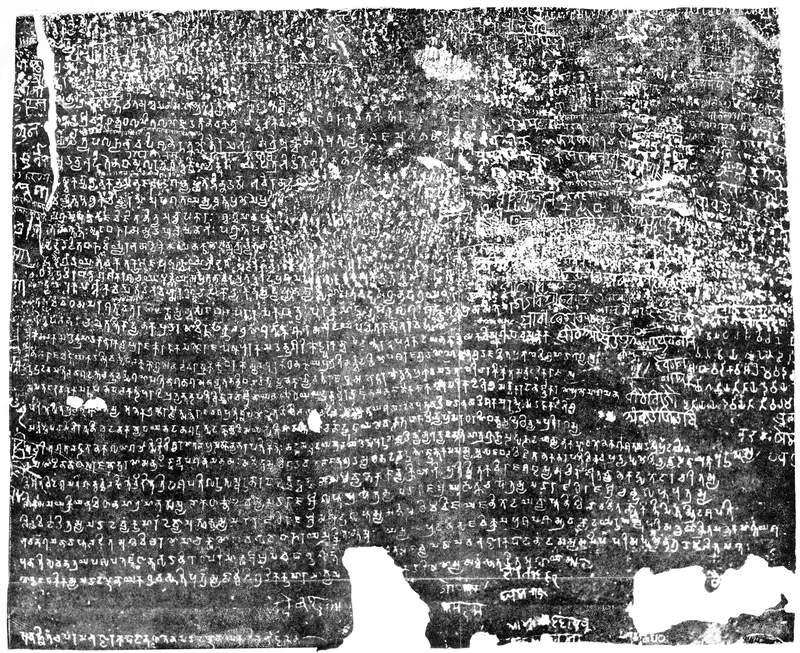
క్రీ. శ. 318 లో మొదటి చంద్రగుప్తుడు, లిచ్ఛవి యువరాణి కుమారదేవి దంపతులకు జన్మించిన సముద్రగుప్తుడు గుప్తుల యుద్ధ సంప్రదాయాలను పురాతన భారతదేశంలోని అత్యంత గౌరవనీయమైన గణతంత్ర వంశాలలో ఒకటైన లిచ్ఛవిల ప్రతిష్టాత్మక వంశంతో మిళితం చేశాడు. చట్టబద్ధత మరియు సామర్ధ్యం యొక్క ఈ శక్తివంతమైన కలయిక, ఇండో-గంగా మైదానాల నుండి దక్కన్ పీఠభూమి వరకు మరియు తూర్పు తీరం నుండి పశ్చిమ భారతదేశం వరకు గుప్త ఆధిపత్యాన్ని విస్తరించే వరుసైనిక దాడులను ప్రారంభించడానికి అతనికి వీలు కల్పించింది. ఆయన పాలన ప్రధానంగా ఆయన ఆస్థాన కవి హరిసేన రచించిన ప్రసిద్ధ అలహాబాద్ స్థంభ శాసనం ద్వారా నమోదు చేయబడింది, ఇది ఆయన సైనిక విజయాలు మరియు పరిపాలనా విధానాలపై అమూల్యమైన అంతర్దృష్టులను అందిస్తుంది.
తన సైనిక పరాక్రమానికి మించి, సముద్రగుప్తుడి పాలన చరిత్రకారులు "భారతదేశ స్వర్ణయుగం" అని పిలిచే సాంస్కృతిక, పరిపాలనా పునాదులను స్థాపించడంలో కీలకమైన కాలాన్ని సూచిస్తుంది. సంస్కృత సాహిత్యానికి ఆయన ఇచ్చిన ప్రోత్సాహం, వైష్ణవ హిందూ ఆచారాలకు మద్దతు, సమర్థవంతమైన పరిపాలనా వ్యవస్థలు కళలు, విజ్ఞాన శాస్త్రాలు, వాణిజ్యం అభివృద్ధి చెందిన వాతావరణాన్ని సృష్టించాయి. అతని విజయాలు తీసుకువచ్చిన స్థిరత్వం మరియు శ్రేయస్సు అతని వారసులకు, ముఖ్యంగా అతని కుమారుడు రెండవ చంద్రగుప్తుడికి, గుప్త సామ్రాజ్యం యొక్క సాంస్కృతిక విజయాలను మరింత పెంచడానికి పునాది వేసింది.
ప్రారంభ జీవితం
సముద్రగుప్తుడు క్రీ. శ. 318 లో జన్మించాడు, అయితే ఈ తేదీ చారిత్రక ఆధారాలలో అనిశ్చితితో గుర్తించబడింది, చక్రవర్తి మొదటి చంద్రగుప్తుడు మరియు రాణి కుమారదేవి. ఆయన జన్మస్థలం సాంప్రదాయకంగా ఇంద్రప్రస్థంగా గుర్తించబడింది, ఇది ఆధునిక ఢిల్లీ ప్రాంతంలో ఉన్న మహాభారత ఇతిహాసానికి సంబంధించిన పురాతన నగరం. ఈ జననం అతన్ని రెండు శక్తివంతమైన వంశాలతో అనుసంధానించిందిః మగధ ప్రాంతంలో ప్రధాన శక్తిగా స్థిరపడిన అతని తండ్రి గుప్త రాజవంశం, వైశాలి ప్రాంతానికి చెందిన పురాతన, ప్రతిష్టాత్మక గణతంత్ర వంశమైన అతని తల్లి లిచ్ఛవి వంశం.
మొదటి చంద్రగుప్తుడు మరియు కుమారదేవి మధ్య వివాహ బంధం గుప్త రాజవంశం యొక్క చట్టబద్ధతను మరియు శక్తిని గణనీయంగా పెంచిన వ్యూహాత్మక మాస్టర్ స్ట్రోక్. లిచ్ఛావిలు, వారి దీర్ఘకాల కీర్తి, ప్రాదేశిక నియంత్రణతో, గుప్తులకు రాజకీయ ప్రతిష్ట, ఆచరణాత్మక సైనిక, ఆర్థిక వనరులు రెండింటినీ అందించారు. సముద్రగుప్తుడి ద్వంద్వారసత్వం సార్వత్రిక సార్వభౌమత్వంపై అతని తరువాతి వాదనలో కీలకమైనదిగా నిరూపించబడింది, ఎందుకంటే ఇది యుద్ధ పరాక్రమాన్ని కులీన చట్టబద్ధతతో కలిపింది.
అప్పటి పురాతన భారతదేశంలోని గొప్ప నగరాల్లో ఒకటైన పాటలీపుత్ర (ఆధునిక పాట్నా) లోని గుప్త ఆస్థానంలో పెరిగిన సముద్రగుప్తుడు యువరాజుకు తగిన సమగ్ర విద్యను పొందాడు. నాణేలు, శాసనాల నుండి చారిత్రక ఆధారాలు అతను సైనిక కళలు, ప్రభుత్వ నైపుణ్యాలలో మాత్రమే కాకుండా సంగీతం, కవిత్వం, మత అధ్యయనాలలో కూడా శిక్షణ పొందాడని సూచిస్తున్నాయి. అతని కొన్ని నాణేలు అతను వీణ వాయించడాన్ని వర్ణిస్తాయి, ఇది లలిత కళలలో అతని సాధనను సూచించే శాస్త్రీయ భారతీయ తీగ వాయిద్యం. యుద్ధ మరియు సాంస్కృతిక విద్యొక్క ఈ కలయిక తరువాత అతని పాలనను నిర్వచించింది, ఎందుకంటే అతను భయంకరమైన విజేతగా మరియు కళలు మరియు అభ్యాసానికి జ్ఞానోదయమైన పోషకుడిగా ప్రసిద్ధి చెందాడు.
అధికారంలోకి ఎదగండి
సముద్రగుప్తుడి వారసత్వ పరిస్థితులు చారిత్రక రికార్డులలో కొంతవరకు అస్పష్టంగా ఉన్నాయి, ఆయన సింహాసనం కోసం పోటీని ఎదుర్కొన్నారా అనే దానిపై పండితులు చర్చించారు. కొన్ని ఆధారాలు కచ అనే పాత యువరాజు ఉనికిని సూచిస్తున్నాయి, అతను వారసత్వాన్ని క్లుప్తంగా పరిపాలించి ఉండవచ్చు లేదా పోటీ చేసి ఉండవచ్చు. ఏదేమైనా, సాక్ష్యాల బరువు సముద్రగుప్తుడిని మొదటి చంద్రగుప్తుడు తన వారసుడిగా ఎన్నుకున్నట్లు సూచిస్తుంది, బహుశా క్రీ. శ. 335 లో అధికారిక హోదా వేడుక ద్వారా.
సంభావ్య సవాళ్లు ఉన్నప్పటికీ వారసత్వం సాపేక్షంగా సజావుగా ఉన్నట్లు తెలుస్తోంది. అలహాబాద్ స్తంభ శాసనం సముద్రగుప్తుడిని అతని తండ్రి తన సోదరులలో నుండి ప్రత్యేకంగా ఎంచుకున్నాడని నొక్కి చెబుతుంది, ఇది ఇతర సంభావ్య వారసులు ఉన్నారని మరియు ఉద్దేశపూర్వక ఎంపిక ప్రక్రియ జరిగిందని రెండింటినీ సూచిస్తుంది. ఈ ఎంపిక బహుశా సముద్రగుప్తుడు ప్రదర్శించిన సైనిక సామర్ధ్యం మరియు పరిపాలనా సామర్థ్యం, ఇంకా యువ గుప్త రాజ్యాన్ని ఏకీకృతం చేయడానికి మరియు విస్తరించడానికి అవసరమైన లక్షణాలపై ఆధారపడి ఉండవచ్చు.
క్రీ. శ. 335 లో సింహాసనాన్ని అధిష్టించిన తరువాత, సముద్రగుప్తుడు మగధ ప్రాంతాన్ని, మధ్య గంగా మైదానాలలోని కొన్ని భాగాలను నియంత్రించే రాజ్యాన్ని వారసత్వంగా పొందాడు. గణనీయమైనప్పటికీ, ఈ భూభాగం విస్తారమైన గుప్త సామ్రాజ్యంగా మారిన దానిలో కొంత భాగాన్ని మాత్రమే సూచిస్తుంది. తన రాజవంశం యొక్క భవిష్యత్తును భద్రపరచడానికి మరియు నిజమైన సామ్రాజ్య ఆధిపత్యాన్ని స్థాపించడానికి, అతను క్రమబద్ధమైన సైనిక విస్తరణను చేపట్టాల్సిన అవసరం ఉందని యువ చక్రవర్తి వెంటనే గుర్తించాడు. ఆయన పట్టాభిషేకం ప్రాచీన భారతదేశం యొక్క అత్యంత ప్రతిష్టాత్మకమైన మరియు విజయవంతమైన సైనిక ప్రచారాలలో ఒకటిగా మారింది.
సైనిక దాడులు మరియు విజయాలు
ఉత్తర దండయాత్రలు మరియు ఆర్యవర్తను జయించడం
సముద్రగుప్తుడి మొదటి ప్రధాన సైనిక లక్ష్యం ఇండో-ఆర్యన్ నాగరికతకు కేంద్రంగా పరిగణించబడే ఉత్తర భారత మైదాన ప్రాంతమైన ఆర్యవర్తను జయించడం. గంగా పరీవాహక ప్రాంతం అంతటా విస్తరించి ఉన్న ఈ ప్రాంతం వివిధ రాజ్యాలు, గణతంత్రాజ్యాల మధ్య విభజించబడింది. అలహాబాద్ స్థంభ శాసనం సముద్రగుప్తుడు ఓడించిన తొమ్మిది మంది రాజులను, వారి భూభాగాలను నేరుగా గుప్త సామ్రాజ్యంలో విలీనం చేసినట్లు జాబితా చేస్తుంది.
ఆయన ఉత్తరాది విజయాలలో రుద్రదేవ, మాటిలా, నాగదత్త, చంద్రవర్మన్, గణపతినాగ, నాగసేన, అచ్యుత, నందిన్, బాలవర్మన్ వంటి శక్తివంతమైన పాలకులపై విజయాలు ఉన్నాయి. ఈ విజయాలు గుప్త సామ్రాజ్యానికి ముఖ్యమైన వాణిజ్య మార్గాలు, వ్యవసాయ ప్రాంతాలతో సహా కీలకమైన ఉత్తర మైదానాలపై పూర్తి నియంత్రణను ఇచ్చాయి. సముద్రగుప్తుడు ఉత్తర భారతదేశంలోని వివిధ ప్రాంతాలలో తమను తాము స్థాపించుకున్నాగా పాలకులను కూడా ఓడించి, రిపబ్లికన్ సమాఖ్య అయిన అర్జునయనాలను, వంగ (బెంగాల్) రాజ్యాన్ని అధిగమించి, గుప్తుల నియంత్రణను తూర్పు ప్రాంతాలకు విస్తరించాడు.
దక్షిణ దండయాత్ర
బహుశా సముద్రగుప్తుడి అత్యంత ప్రసిద్ధ సైనిక విజయం అతని దక్షిణపథ లేదా దక్షిణ దండయాత్ర. నేరుగా భూభాగాలను స్వాధీనం చేసుకున్న తన ఉత్తర విజయాల మాదిరిగా కాకుండా, సముద్రగుప్తుడు దక్షిణాన భిన్నమైన విధానాన్ని అవలంబించాడు. అలహాబాద్ శాసనం పన్నెండు మంది దక్షిణాది రాజులను ప్రస్తావించింది, వీరిని ఆయన ఓడించి, తరువాత సహాయక పాలకులగా తిరిగి నియమించారు. ఈ ఆచరణాత్మక విధానం సుదూర దక్షిణ భూభాగాలను నేరుగా పరిపాలించే పరిపాలనా భారం లేకుండా గుప్త ప్రభావాన్ని విస్తరించడానికి అతనికి వీలు కల్పించింది.
దక్షిణ దండయాత్రలో దక్షిణ భారతదేశంలోని అత్యంత శక్తివంతమైన రాజ్యాలలో ఒకటైన పల్లవ రాజవంశం రాజధాని అయిన కంచి (ఆధునికాంచీపురం) యొక్క ప్రసిద్ధ ముట్టడి ఉంది. అతను కర్ణాటకలోని కదంబులను కూడా లొంగదీసుకుని, తూర్పు తీరంలో కళింగ (ఒడిశా) పై ఆధిపత్యాన్ని స్థాపించాడు. ఈ దండయాత్ర సముద్రగుప్తుడి వ్యూహాత్మక అధునాతనతను ప్రదర్శించింది-సుదూర దక్షిణ భూభాగాలపై ప్రత్యక్ష నియంత్రణను కొనసాగించడం కష్టమని అతను అర్థం చేసుకున్నాడు, కాబట్టి అతను స్థానిక స్వయంప్రతిపత్తిని అనుమతిస్తూ గుప్త ఆధిపత్యాన్ని అంగీకరించే ఉపనది సంబంధాల వ్యవస్థను స్థాపించాడు.
పశ్చిమ మరియు తూర్పు ప్రచారాలు
పశ్చిమాన సముద్రగుప్తుడు ఆధునిక గుజరాత్, రాజస్థాన్, మహారాష్ట్రలోని కొన్ని ప్రాంతాలతో సహా పశ్చిమ భారతదేశంలోని ముఖ్యమైన భూభాగాలను నియంత్రించిన ఇండో-సిథియన్ పాలకులైన పశ్చిమ క్షత్రపాలకు వ్యతిరేకంగా గుప్త-శక యుద్ధాలలో పాల్గొన్నాడు. అతని పాలనలో పూర్తి విజయం సాధించబడకపోయినా, అతను పశ్చిమ క్షత్రప శక్తిని గణనీయంగా బలహీనపరిచి, ఈ ప్రాంతంలో గుప్త ప్రభావాన్ని స్థాపించాడు. అతను అభిరాలకు వ్యతిరేకంగా కూడా పోరాడి, వాకాటక రాజవంశంతో విభేదాలలో పాల్గొన్నాడు, అయితే వాకాటకులతో సంబంధాలు తరువాత మరింత దౌత్యపరంగా మారాయి.
ఆయన తూర్పు దండయాత్రలు మధ్య భారతదేశంలోని అటవీ రాజ్యాలను గుప్త ఆధిపత్యంలోకి తీసుకువచ్చి, కామరూప (అస్సాం), దేవకతో సహా సరిహద్దు ప్రాంతాలపై ఆధిపత్యాన్ని స్థాపించి, నేపాల్ నుండి కప్పం కూడా పొందాయి. వాయువ్య దిశలో, అతను గాంధార (ఆధునిక ఆఫ్ఘనిస్తాన్-పాకిస్తాన్ సరిహద్దు ప్రాంతం) లోని కొన్ని ప్రాంతాలను, సస్సానియన్ పర్షియన్ దండయాత్రల ద్వారా బలహీనపడిన ఒకప్పుడు శక్తివంతమైన కుషాన్ సామ్రాజ్యం యొక్క అవశేషాలు అయిన కుషానో-సస్సానియన్లను లొంగదీసుకున్నారు.
పరిపాలనా విజయాలు మరియు పాలన
సైనిక విజయానికి మించి, సముద్రగుప్తుడు తన విస్తారమైన సామ్రాజ్యాన్ని నిర్వహించడంలో, పరిపాలించడంలో విశేషమైన పరిపాలనా సామర్థ్యాన్ని ప్రదర్శించాడు. హిమాలయాల నుండి దక్కన్ పీఠభూమి వరకు భూభాగాలను నిర్వహించగల సమర్థవంతమైన బ్యూరోక్రాటిక్ వ్యవస్థను ఆయన స్థాపించారు. ఈ సామ్రాజ్యం గవర్నర్లచే పరిపాలించబడే ప్రావిన్సులుగా (భుక్తి) విభజించబడింది, అదే సమయంలో ఉపనది రాజ్యాలలో స్థానిక పరిపాలనా నిర్మాణాలను నిర్వహించింది.
సముద్రగుప్తుడి దౌత్యపరమైనైపుణ్యం స్వాధీనం చేసుకున్న భూభాగాల పట్ల అతని విభిన్న విధానాలలో స్పష్టంగా కనిపిస్తుంది. ఉత్తరాన ప్రత్యక్ష విలీనం, దక్షిణాన ఉపనది సంబంధాలు, సరిహద్దులలో దౌత్య వివాహాలు, పొత్తులు సౌకర్యవంతమైన సామ్రాజ్య వ్యవస్థను సృష్టించాయి. సరిహద్దు రాజ్యాలు (ప్రత్యాంత), గిరిజన అధిపతులు (అటవికా) ఆయన ఆధిపత్యాన్ని అంగీకరించి కప్పం చెల్లించారని అలహాబాద్ శాసనం పేర్కొంది. సుదూర ప్రాంతాలు కూడా రాయబార కార్యాలయాలను పంపాయి-శ్రీలంక రాయబార కార్యాలయాలను పంపిందని, దైవపుత్ర-షాహి-షహనుషాహి (బహుశా కుషానో-సస్సానియన్లు) ఆయనకు నివాళులర్పించారని శాసనం పేర్కొంది.
ఆయన పరిపాలనా సామర్థ్యం ఆర్థిక నిర్వహణకు విస్తరించింది. గుప్త నాణేల నాణ్యత మరియు ప్రామాణీకరణ అతని పాలనలో గణనీయంగా మెరుగుపడి, సామ్రాజ్యం అంతటా వాణిజ్యం మరియు ఆర్థిక సమైక్యతను సులభతరం చేసింది. ఆయన కాలానికి చెందిన బంగారు నాణేలు విశేషమైన కళాత్మక నాణ్యత మరియు సాంకేతిక అధునాతనతను చూపుతాయి, ఆయనను వివిధ పాత్రలలో-యోధుడిగా, వేద ఆచారాలను ప్రదర్శించే త్యాగం చేసే వ్యక్తిగా మరియు సంగీతకారుడిగా, ఆయన రాజత్వం యొక్క బహుముఖ స్వభావాన్ని ప్రతిబింబిస్తాయి.
సాంస్కృతిక పోషణ మరియు మతపరమైన విధానం
సముద్రగుప్తుడి పాలన గుప్తుల కాలాన్ని వర్గీకరించే సాంస్కృతిక అభివృద్ధికి నాంది పలికింది. అతను సంస్కృత సాహిత్యం మరియు విద్యకు అంకితమైన పోషకుడు, పండితులు, కవులు మరియు కళాకారులను ఆకర్షించే ఆస్థానాన్ని నిర్వహించాడు. అలహాబాద్ స్తంభ శాసనాన్ని రచించిన ఆయన ఆస్థాన కవి హరిసేన స్వయంగా విశిష్ట సంస్కృత పండితుడు, ఆయన ప్రసాదం (ప్రశంస) శాస్త్రీయ సంస్కృత సాహిత్యంలో ఒక కళాఖండంగా పరిగణించబడుతుంది.
గుప్త సంస్కృతి యొక్క లక్షణంగా మారిన యోధుడు-విద్వాంసుడి ఆదర్శాన్ని చక్రవర్తి వ్యక్తిగతంగా సాకారం చేశాడు. సమకాలీన ఆధారాలు ఆయనను సైనిక మేధావిగా మాత్రమే కాకుండా, నిష్ణాత కవి మరియు సంగీతకారుడిగా కూడా వర్ణించాయి. ఆయన నాణేలలో కొన్ని "కవుల రాజు" (కవిరాజ్య) అనే పురాణాన్ని కలిగి ఉన్నాయి, ఇది సాహిత్య వర్గాలలో ఆయన ఖ్యాతిని సూచిస్తుంది. నాణేలపై ఆయన వీణ వాయించడాన్ని చిత్రీకరించడం ఆయన సంగీత సాధనలు సుపరిచితమైనవి మరియు ప్రసిద్ధి చెందినవి అని సూచిస్తుంది.
సముద్రగుప్తుడు విష్ణువు ఆరాధనపై దృష్టి సారించిన ప్రధాన హిందూ సంప్రదాయాలలో ఒకటైన వైష్ణవ మతానికి అంకితమైన అనుచరుడు. అతను విశ్వ సార్వభౌమత్వానికి సంబంధించిన పురాతన ఆచారమైన ప్రతిష్టాత్మక అశ్వమేధ (గుర్రపు బలి) తో సహా వేద బలులను ప్రదర్శించాడు. అయితే, ఆయన మతపరమైన విధానం విశేషమైన సహనాన్ని చూపించింది. అతను బౌద్ధ సంస్థలు మరియు పండితులకు ఉదారంగా నిధులు ఇచ్చాడు, మరియు ప్రసిద్ధ బౌద్ధ తత్వవేత్త వాసుబంధు అతని ప్రోత్సాహాన్ని పొందాడని నమ్ముతారు. ఈ మతపరమైన సహనం గుప్త పరిపాలన యొక్క ముఖ్య లక్షణంగా మారుతుంది.
వ్యక్తిగత జీవితం మరియు పాత్ర
చారిత్రక ఆధారాలు సముద్రగుప్తుడి వ్యక్తిగత జీవితం గురించి పరిమితమైన కానీ మనోహరమైన సంగ్రహావలోకనం అందిస్తాయి. అతను దత్తాదేవిని వివాహం చేసుకున్నాడు, అతని గురించి సామ్రాజ్ఞిగా మరియు అతని వారసులకు తల్లిగా ఆమె హోదా తప్ప ఖచ్చితంగా తెలియదు. క్రమబద్ధమైన వారసత్వ ప్రణాళిక అతని కుటుంబ జీవితం యొక్క స్థిరత్వాన్ని సూచిస్తుంది, అయినప్పటికీ అతని కుమారులలో వారసత్వపు ఖచ్చితమైన క్రమం గురించి ప్రశ్నలు మిగిలి ఉన్నాయి.
సమకాలీన వివరణలు అతన్ని యుద్ధ క్రూరత్వాన్ని సాంస్కృతిక మెరుగుదలతో కలిపే సంక్లిష్ట వ్యక్తిత్వంగా చిత్రీకరించాయి. అలహాబాద్ శాసనం విస్తృతమైన సంస్కృత కవితా సంప్రదాయాలను ఉపయోగించి అతని సద్గుణాలను ప్రశంసించింది, అతను ధర్మం (ధర్మం) ను కలిగి ఉన్నాడని, అసాధారణ బలం మరియు తెలివితేటలను కలిగి ఉన్నాడని మరియు ఓడిపోయిన శత్రువుల పట్ల కూడా తగిన కరుణను చూపించాడని వివరించింది. ఇటువంటి వివరణలను అధికారిక ప్రచారంగా విమర్శనాత్మకంగా చదవవలసి ఉన్నప్పటికీ, పరిపాలనా స్థిరత్వంతో అతని సైనిక విజయం యొక్క స్థిరత్వం నిజమైన సామర్థ్యాన్ని సూచిస్తుంది.
చురుకుగా ప్రచారం చేస్తున్నప్పుడు కళలకు ఆయన ఇచ్చిన ప్రోత్సాహం విశేషమైన శక్తిని, సంస్థాగత సామర్థ్యాన్ని సూచిస్తుంది. అతను విస్తృతమైన సైనికార్యకలాపాలను నిర్వహిస్తున్నప్పుడు కూడా పాండిత్య మరియు కళాత్మక సాధనలను కొనసాగించాడు, సాంస్కృతికార్యకలాపాలకు సమయం ఇచ్చే అసాధారణ వ్యక్తిగత సామర్థ్యం లేదా అద్భుతమైన పరిపాలనా ప్రతినిధి బృందాన్ని సూచించాడు.
వారసత్వం మరియు తరువాతి సంవత్సరాలు
సముద్రగుప్తుడి పాలన చివరి సంవత్సరాలు చారిత్రక ఆధారాలలో కొంతవరకు అస్పష్టంగా ఉన్నాయి. సుమారు నలభై సంవత్సరాలు పాలించిన ఆయన క్రీ. శ. 375 లో పాటలీపుత్రలో మరణించాడు. ఆయన మరణం వారసత్వం గురించి ప్రశ్నలను లేవనెత్తింది, చరిత్రకారులు దానిపై చర్చ కొనసాగిస్తున్నారు. అతని కుమారుడు రెండవ చంద్రగుప్తుడు నేరుగా అతని తరువాత వచ్చాడని సాంప్రదాయ అభిప్రాయం ఉన్నప్పటికీ, కొన్ని శాసనాలు మరియు మూలాలు రామగుప్తుడు అనే మధ్యంతర పాలకుడు వారి మధ్య కొంతకాలం పాలించి ఉండవచ్చని సూచిస్తున్నాయి.
గుప్తుల చరిత్రలో కొనసాగుతున్న రహస్యాలలో రామగుప్తుడి ప్రశ్న ఒకటిగా మిగిలిపోయింది. కొన్ని ఆధారాలు రామగుప్తుడిని కొంతకాలం పాలించిన పెద్ద కుమారుడిగా వర్ణించాయి, కాని అసమర్థత లేదా పిరికితనం కారణంగా అతని తమ్ముడు రెండవ చంద్రగుప్తుడు అతనిని పడగొట్టాడు. ఏదేమైనా, చారిత్రక ఆధారాలు పరిమితమైనవి మరియు అస్పష్టమైనవి, మరియు చాలా మంది పండితులు రామగుప్తుడు వాస్తవానికి ఉనికిలో ఉన్నాడా లేదా తరువాతి సాహిత్య ఆవిష్కరణ కాదా అని ప్రశ్నిస్తున్నారు.
సముద్రగుప్తుడు నిర్మించిన సామ్రాజ్యం సమర్థుల చేతుల్లోకి వెళ్లిందని ఖచ్చితంగా చెప్పవచ్చు. నేరుగా రెండవ చంద్రగుప్తుడికి అయినా లేదా మధ్యంతర పాలకుడి ద్వారా అయినా, సముద్రగుప్తుడు స్థాపించిన పరిపాలనా మరియు సైనిక పునాదులు పరివర్తన నుండి మనుగడ సాగించడానికి మరియు అతని వారసుల ఆధ్వర్యంలో మరింత విస్తరణకు మద్దతు ఇవ్వడానికి తగినంత బలంగా నిరూపించబడ్డాయి.
వారసత్వం మరియు చారిత్రక ప్రభావం
సముద్రగుప్తుడి వారసత్వం ప్రాథమికంగా భారత చరిత్ర పథాన్ని రూపొందించింది. ఆయన గుప్త రాజవంశాన్ని ప్రాంతీయ శక్తి నుండి పురాతన భారతదేశ స్వర్ణయుగంగా చరిత్రకారులు భావించే దానికి అధ్యక్షత వహించే సామ్రాజ్యంగా మార్చాడు. అతని సైనిక విజయాలు ప్రాదేశిక పరిధిని మరియు రాజకీయ స్థిరత్వాన్ని స్థాపించాయి, ఇది అతని వారసుల ఆధ్వర్యంలో, ముఖ్యంగా రెండవ చంద్రగుప్తుడి ఆధ్వర్యంలో సాంస్కృతిక అభివృద్ధికి దోహదపడింది.
ప్రధాన భూభాగాలలో ప్రత్యక్ష పాలన యొక్క అనువైన వ్యవస్థతో సహా అతని పరిపాలనా ఆవిష్కరణలు, పరిధీయ ప్రాంతాలలో ఉపనదుల సంబంధాలతో కలిపి, స్థిరమైన సామ్రాజ్య నిర్మాణాన్ని సృష్టించాయి. ఈ నమూనా శతాబ్దాలుగా భారత రాజకీయ సంస్థను ప్రభావితం చేస్తుంది. వివిధ స్వాధీనం చేసుకున్న ప్రాంతాల పట్ల తన విభిన్న విధానాలలో చూపిన అతని దౌత్యపరమైన అధునాతనత, కేవలం సైనిక విజయాన్ని అధిగమించిన రాజకీయ వాస్తవికతను ప్రదర్శించింది.
సముద్రగుప్తుడు ప్రారంభించిన సాంస్కృతిక ప్రోత్సాహం అతని వారసుల ఆధ్వర్యంలో దాని పూర్తి వ్యక్తీకరణకు చేరుకుంది, కానీ అతని విజయాలు స్థాపించిన ఆర్థిక శ్రేయస్సు మరియు రాజకీయ స్థిరత్వంపై ఆధారపడింది. ఆయన వేసిన పునాదులపై గుప్తుల కాలం నాటి ప్రఖ్యాత సంస్కృత సాహిత్యం, శాస్త్రీయ పురోగతులు, కళాత్మక విజయాలు నిర్మించబడ్డాయి. యోధుడు-విద్వాంసుడి ఆదర్శం యొక్క ఆయన వ్యక్తిగత స్వరూపం శతాబ్దాలుగా ఆదర్శవంతమైన రాజత్వం యొక్క భారతీయ భావనలను ప్రభావితం చేసింది.
నెపోలియన్తో పోలిక, కాలక్రమానుసారం కాకపోయినా, సముద్రగుప్తుడి చారిత్రక పాత్ర గురించి ముఖ్యమైన విషయాలను సంగ్రహిస్తుంది. నెపోలియన్ మాదిరిగానే, అతను క్రమబద్ధమైన విజయం ద్వారా తన వారసత్వంగా వచ్చిన రాజ్యాన్ని సామ్రాజ్యంగా మార్చిన సైనిక మేధావి. నెపోలియన్ మాదిరిగానే, అతను సైనిక పరాక్రమాన్ని పరిపాలనా సామర్థ్యం మరియు సాంస్కృతిక ప్రోత్సాహంతో మిళితం చేశాడు. ఈ పోలిక సముద్రగుప్తుడు భారతీయ చారిత్రక స్పృహలో అత్యంత ప్రసిద్ధి చెందిన వ్యక్తులలో ఒకరిగా నిలిచాడని నిర్ధారించింది.
చారిత్రక ఆధారాలు మరియు జ్ఞాపకాలు
సముద్రగుప్తుడి గురించి మన జ్ఞానం ప్రధానంగా ఆయన ఆస్థాన కవి హరిసేన రచించిన అలహాబాద్ స్థంభ శాసనం నుండి వచ్చింది. అశోక స్తంభంపై చెక్కబడిన ఈ శాసనం, అతని విజయాలు, విధానాలు మరియు స్వభావం గురించి వివరణాత్మక సమాచారాన్ని అందిస్తుంది. చక్రవర్తిని మహిమపరచడానికి రూపొందించిన ప్రచారం స్పష్టంగా ఉన్నప్పటికీ, జాగ్రత్తగా చారిత్రక విశ్లేషణ పురావస్తు మరియు నాణేల ఆధారాల ద్వారా దాని అనేక వాదనలను ధృవీకరించింది.
సముద్రగుప్తుడి నాణేలు మరో కీలకమైన సమాచార వనరును అందిస్తాయి. వారు అతనిని యోధుడు, త్యాగం చేసేవాడు, సంగీతకారుడు వంటి వివిధ పాత్రలలో చిత్రీకరించారు మరియు అతని బిరుదులు మరియు వాదనలను బహిర్గతం చేసే పురాణాలను కలిగి ఉన్నారు. ఈ నాణేల యొక్క అధిక నాణ్యత అతని పాలన యొక్క ఆర్థిక శ్రేయస్సు మరియు సాంకేతిక అధునాతనతను ప్రదర్శిస్తుంది. నాణేల రకాల వైవిధ్యం ప్రచారం మరియు ప్రజా ప్రాతినిధ్యం గురించి అధునాతన అవగాహనను సూచిస్తుంది.
చారిత్రక ఖచ్చితత్వం కోసం వీటిని జాగ్రత్తగా అంచనా వేయవలసి ఉన్నప్పటికీ, నాటకాలు, కవితలతో సహా తరువాతి సాహిత్య వనరులు సముద్రగుప్తుడిని సూచిస్తాయి. బౌద్ధ పండితుడు వసుబంధుకు గుప్త ఆస్థానంతో ఉన్న సంబంధాలు, చైనీస్ బౌద్ధ యాత్రికుల వృత్తాంతాల మాదిరిగానే, మరొక సమాచార వనరును అందిస్తాయి, అయితే ఇవి ఆయన పాలన తరువాత నాటివి.
ఆధునిక భారతీయ చరిత్ర రచన సముద్రగుప్తుడిని పురాతన భారతదేశపు గొప్ప చక్రవర్తులలో ఒకరిగా జరుపుకుంటుంది. అతను పాఠశాల పాఠ్యాంశాల్లో మరియు ప్రజాదరణ పొందిన చారిత్రక చైతన్యంలో ప్రముఖంగా కనిపిస్తాడు. పురావస్తు త్రవ్వకాలు అతని పాలనకు సంబంధించిన ఆధారాలను వెలికితీస్తూనే ఉన్నాయి, మరియు అతని విజయాలు మరియు వారసత్వివరాల గురించి పండితుల చర్చలు చురుకుగా ఉన్నాయి. యోధుడిగా మరియు అభ్యాసానికి పోషకుడిగా ఆయన వారసత్వం సమకాలీన భారతీయ సాంస్కృతిక విలువలతో ప్రతిధ్వనిస్తుంది, చారిత్రక జ్ఞాపకంలో ఆయన నిరంతర ప్రాముఖ్యతను నిర్ధారిస్తుంది.
కాలక్రమం
జననం
మొదటి చంద్రగుప్తుడు, రాణి కుమారదేవి దంపతులకు ఇంద్రప్రస్థ (సుమారు తేదీ) లో జన్మించారు
సింహాసనానికి ఆరోహణ
తన తండ్రి హోదాను అనుసరించి గుప్త సామ్రాజ్యంలో రెండవ చక్రవర్తి అయ్యాడు
ఆర్యవర్తను జయించడం
తొమ్మిది మంది రాజులను ఓడించి, వారి భూభాగాలను స్వాధీనం చేసుకుని, ఉత్తర భారత మైదానాలను జయించడం పూర్తి చేశారు
నాగా పాలకుల ఓటమి
ఉత్తర భారతదేశంలోని కొన్ని ప్రాంతాలను నియంత్రిస్తున్న వివిధ నాగా రాజవంశాలను ఓడించారు
దక్షిణ దండయాత్ర
కంచి ముట్టడితో సహా పన్నెండు మంది దక్షిణాది రాజులను ఓడించి విస్తృతమైన దక్షిణపథ దండయాత్రను ప్రారంభించింది
తూర్పు రాజ్యాలొంగుబాటు
కామరూప, నేపాల్, తూర్పు సరిహద్దు ప్రాంతాలపై ఆధిపత్యం స్థాపించబడింది
అలహాబాద్ స్తంభం శాసనం
ఆస్థాన కవి హరిసేన తన విజయాలు, విజయాలను నమోదు చేస్తూ ప్రసిద్ధ శాసనాన్ని రచించాడు
పాశ్చాత్య ప్రచారాలు
పశ్చిమ క్షత్రపాలకు వ్యతిరేకంగా గుప్త-శక యుద్ధాలలో పాల్గొని, పశ్చిమ భారతదేశంలోకి ప్రభావాన్ని విస్తరించారు
అశ్వమేధ త్యాగాలు
సార్వత్రిక సార్వభౌమత్వాన్ని నొక్కి చెబుతూ ప్రతిష్టాత్మక వేద గుర్రపు బలి అర్పించారు
మరణం
సుమారు నలభై సంవత్సరాల పాలన తరువాత పాటలీపుత్రలో మరణించాడు, అతని కుమారుడు విజయం సాధించాడు