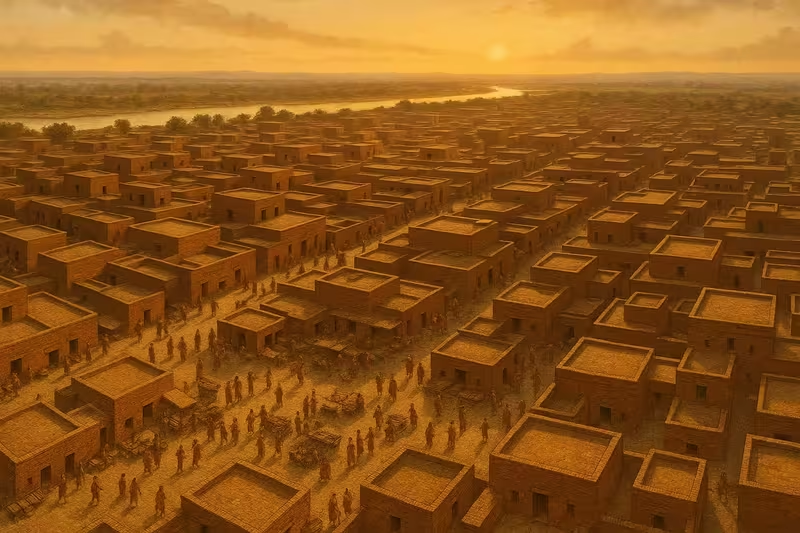

সিন্ধু নদের হারিয়ে যাওয়া শহরগুলিঃ যখন সভ্যতা বিলুপ্ত হয়েছিল
প্রত্নতাত্ত্বিকের পা পাকিস্তানের মাটির নিচে শক্ত কিছুর উপর ছিটকে পড়ে। 1920 সালের সেই সকালে এটিই প্রথম ইট নয় যা তিনি খুঁজে পেয়েছিলেন, তবে এটি ছিল আলাদা। নিখুঁতভাবে নিক্ষেপ করা, উল্লেখযোগ্যভাবে অভিন্ন, একটি প্রাচীরের অংশ যা পৃথিবীর নীচে একটি সরলরেখায় প্রসারিত। তাঁর দল সতর্কতার সাথে খনন করার সাথে সাথে আরও দেয়াল আবির্ভূত হয়-সুনির্দিষ্ট গ্রিডে নির্মিত রাস্তাগুলি, পরিশীলিত প্রকৌশলের নিষ্কাশন ব্যবস্থা, কেন্দ্রীয় পরিকল্পনা এবং শহুরে দক্ষতার কথা বলা একটি মানককরণের সাথে নির্মিত ভবন। কিন্তু নির্মাণকারীদের চিহ্নিত করার জন্য কোনও শিলালিপি ছিল না, তাদের দেবতাদের ঘোষণা করার জন্য কোনও স্মৃতিসৌধ ছিল না, তাদেরাজাদের ঘোষণা করার জন্য কোনও রাজকীয় সমাধি ছিল না। শুধু নীরবতা, এবং একটি সভ্যতার রহস্যা এতটাই সম্পূর্ণরূপে অদৃশ্য হয়ে গিয়েছিল যে এমনকি তার নামও ভুলে গিয়েছিল।
তারা যা আবিষ্কার করেছিল তা শেষ পর্যন্ত সিন্ধু সভ্যতা হিসাবে স্বীকৃত হবে, যা হরপ্পা সভ্যতা নামেও পরিচিত, যা প্রাচীন মিশর এবং মেসোপটেমিয়ার পাশাপাশি বিশ্বের তিনটি প্রাচীনতম সভ্যতার মধ্যে একটি। কিন্তু সেই সমসাময়িক সংস্কৃতিগুলির মতো নয়, যাদের গল্পগুলি গ্রন্থ এবং ঐতিহ্যের মাধ্যমে প্রেরণ করা হয়েছিল, সিন্ধু সভ্যতা এত গভীর অস্পষ্টতার মধ্যে অদৃশ্য হয়ে গিয়েছিল যে সহস্রাব্দ পেরিয়ে গেছে যে কেউ তার অস্তিত্ব জানেও না। শহরগুলি খালি হয়ে গিয়েছিল, সময়ের সাথে সাথে তাদেরাস্তাগুলি ধীরে ধীরে চাপা পড়ে গিয়েছিল, তাদের লোকেরা অজানা গন্তব্যে ছড়িয়ে ছিটিয়ে ছিল, তাদের লিখিত ভাষা কখনই বোঝা যায়নি, তাদের ভাগ্য অজানা ছিল।
খননকার্যগুলি একটি বিস্ময়কর সত্য প্রকাশ করবেঃ এটি কোনও ছোট সংস্কৃতি ছিল না যা সংক্ষিপ্তভাবে ঝাঁপিয়ে পড়েছিল এবং মারা গিয়েছিল। সিন্ধু সভ্যতা ব্রোঞ্জ যুগের তিনটি মহান সভ্যতার মধ্যে সবচেয়ে বিস্তৃত ছিল, যা পাকিস্তান, উত্তর-পশ্চিম ভারত এবং এমনকি উত্তর-পূর্ব আফগানিস্তানেও বিস্তৃত ছিল। এটি প্রায় দুই হাজার বছর ধরে, 3300 খ্রিষ্টপূর্বাব্দ থেকে 1300 খ্রিষ্টপূর্বাব্দ পর্যন্ত বিকশিত হয়েছিল এবং 2600 খ্রিষ্টপূর্বাব্দ থেকে 1900 খ্রিষ্টপূর্বাব্দ পর্যন্তার পরিপক্ক শহুরে শিখরে পৌঁছেছিল। সাতশো বছরেরও বেশি সময় ধরে, এর শহরগুলি জনসংখ্যা, বাণিজ্য, পরিশীলিত নগর পরিকল্পনা এবং জীবনযাত্রার মানের সাথে সমৃদ্ধ হয়েছিল যা পতনের পরে সহস্রাব্দ ধরে এই অঞ্চলে মেলেনি। এবং তারপর, 1900 খ্রিষ্টপূর্বাব্দের দিকে, কিছু একটা ঘটেছিল। কী কারণে এই বিশাল সভ্যতা ভেঙে পড়ে এবং অদৃশ্য হয়ে যায় তার গল্প্রত্নতত্ত্বের অন্যতম ভয়ঙ্কর রহস্য হিসাবে রয়ে গেছে।
আগের জগৎ
ব্রোঞ্জ যুগ ছিল মানবজাতির শহরগুলির প্রথম যুগ, যখন ছড়িয়ে ছিটিয়ে থাকা কৃষি গ্রামগুলি হাজার হাজার জনসংখ্যার সাথে শহুরে কেন্দ্রগুলিতে একত্রিত হতে শুরু করে। প্রায় 3300 খ্রিষ্টপূর্বাব্দে, প্রাচীন বিশ্বের তিনটি পৃথক অঞ্চলে, এই রূপান্তরটি একটি সমালোচনামূলক ভর পৌঁছেছিল যা সত্যিকারের সভ্যতার সৃষ্টি করেছিল-বিশেষ শ্রম, সামাজিক শ্রেণিবিন্যাস, দীর্ঘ দূরত্বের বাণিজ্য, স্মৃতিসৌধ স্থাপত্য এবং লেখার ব্যবস্থা সহ জটিল সমাজ। নীল উপত্যকায়, মিশরীয় সভ্যতা তার প্রথম ফারাওদের অধীনে আকার ধারণ করছিল। মেসোপটেমিয়ায়, টাইগ্রিস এবং ইউফ্রেটিস নদীর মধ্যে, সুমেরীয় নগর-রাজ্যগুলি কিউনিফর্ম লেখার বিকাশ করছিল এবং তাদের দেবতাদের জন্য জিগ্গুরাট তৈরি করছিল। এবং দক্ষিণ এশিয়ায়, সিন্ধু নদীর উর্বর প্লাবনভূমি এবং তার উপনদী ব্যবস্থা বরাবর, একটি তৃতীয় মহান সভ্যতার উত্থান ঘটছিল।
এই তৃতীয় সভ্যতার ভূগোল তার বিস্তৃতি এবং বৈচিত্র্যের দিক থেকে উল্লেখযোগ্য ছিল। সিন্ধু নদী পাকিস্তানের দৈর্ঘ্যের মধ্য দিয়ে প্রবাহিত হয়, উত্তরে হিমালয় থেকে দক্ষিণে আরব সাগর পর্যন্ত, যা একটি বিশাল পাললিক সমভূমি তৈরি করে। কিন্তু এখানে যে সভ্যতা গড়ে উঠেছিল তা এই একক নদী ব্যবস্থার মধ্যে সীমাবদ্ধ ছিল না। এটি বহুবর্ষজীবী মৌসুমী-পুষ্ট নদীগুলির একটি নেটওয়ার্ক বরাবরও বিকশিত হয়েছিল যা একসময় উত্তর-পশ্চিম ভারত এবং পূর্ব পাকিস্তানের মৌসুমী নদী ঘগ্গর-হাকড়ার আশেপাশে প্রবাহিত হত। এই দ্বৈত নদী ব্যবস্থা সভ্যতাকে বিস্তৃত কৃষিজমি, নির্ভরযোগ্য জলের উৎস এবং পরিবহন ও বাণিজ্যের জন্য প্রাকৃতিক মহাসড়ক সরবরাহ করেছিল।
এই যুগের পরিবেশগত পরিস্থিতি আজকের তুলনায় বেশি অনুকূল ছিল। বর্ষার ধরণ আরও শক্তিশালী এবং আরও নির্ভরযোগ্য ছিল, নদীগুলি পূর্ণ ছিল, গাছপালা আরও প্রচুর ছিল। 3300 খ্রিষ্টপূর্বাব্দের দিকে যারা এখানে বসতি স্থাপন করেছিল তারা বিশাল, স্থায়ী জনগোষ্ঠীকে সমর্থন করতে সক্ষম একটি প্রাকৃতিক দৃশ্য খুঁজে পেয়েছিল। তাঁরা জলবায়ুর সঙ্গে মানানসই ফসল চাষ করতেন, সেচের কৌশল গড়ে তোলেন এবং স্থায়ী বসতি নির্মাণের ক্রমান্বয়ে প্রক্রিয়া শুরু করেন।
2600 খ্রিষ্টপূর্বাব্দের মধ্যে, এই বসতিগুলি দক্ষিণ এশিয়ার ইতিহাসে অভূতপূর্ব কিছুতে বিকশিত হয়েছিলঃ প্রকৃত শহরগুলি। এগুলি কেবল বড় গ্রামই ছিল না, লক্ষ লক্ষ জনসংখ্যার পরিকল্পিত নগর কেন্দ্রও ছিল। বিক্ষিপ্ত কৃষি সম্প্রদায় থেকে পরিশীলিত শহুরে সভ্যতায় রূপান্তর প্রত্নতাত্ত্বিক দিক থেকে তুলনামূলকভাবে দ্রুত ঘটেছিল, যা দ্রুত দেশীয় বিকাশ, মেসোপটেমিয়া এবং মিশরের সাথে সাংস্কৃতিক বিনিময় বা সম্ভবত উভয়ের সংমিশ্রণের পরামর্শ দেয়।
2600 খ্রিষ্টপূর্বাব্দের বিশ্ব ক্রমবর্ধমান আন্তঃসংযোগগুলির মধ্যে একটি ছিল। দূরবর্তী সভ্যতাগুলিকে সংযুক্ত করে বাণিজ্য পথগুলি প্রসারিত হচ্ছিল। মিশরীয় জাহাজগুলি লেভান্টের দিকে যাত্রা করেছিল; মেসোপটেমিয়ার বণিকরা পারস্য উপসাগরের শহরগুলির সাথে বাণিজ্য করত। এই নেটওয়ার্কে সিন্ধু সভ্যতা নিজেকে অন্তর্ভুক্ত করে, মেসোপটেমিয়ারৌপ্য, টিন এবং অন্যান্য পণ্যের জন্য তার পণ্য-সুতির বস্ত্র, আধা-মূল্যবান পাথর, তামা এবং বিলাসবহুল পণ্য-বাণিজ্য করে। মেসোপটেমিয়ার স্থানগুলি থেকে প্রাপ্ত প্রত্নতাত্ত্বিক প্রমাণের মধ্যে রয়েছে অবিশ্বাস্য সিন্ধু উৎসের সীলমোহর এবং নিদর্শন, যা প্রমাণ করে যে হাজার হাজার মাইল দ্বারা বিচ্ছিন্ন এই সভ্যতাগুলি বাণিজ্যিক যোগাযোগে ছিল।
তবুও সিন্ধু সভ্যতা তার নিজস্ব স্বতন্ত্র গতিপথ ধরে বিকশিত হয়েছিল। দেবতা-রাজা এবং বিশাল পিরামিডের সাথে মিশর বা প্রতিদ্বন্দ্বী নগর-রাজ্য এবং সুউচ্চ জিগ্গুরাত সহ মেসোপটেমিয়ার বিপরীতে, সিন্ধু শহরগুলি বিশাল দূরত্ব জুড়ে উল্লেখযোগ্যভাবে অভিন্ন সংস্কৃতি, রাজতন্ত্রের শক্তির সামান্য প্রমাণ এবং শহুরে প্রাকৃতিক দৃশ্যে কোনও স্পষ্ট মন্দির বা প্রাসাদ আধিপত্য দেখায়নি। তাদের শহরগুলি ব্যবহারিক নগর পরিকল্পনা, দক্ষ নিষ্কাশন ব্যবস্থা, মানসম্মত ইট এবং তুলনামূলকভাবে সাম্যবাদী সামাজিকাঠামো দ্বারা চিহ্নিত করা হয়েছিল-অন্তত সমসাময়িক মিশর এবং মেসোপটেমিয়ায় দৃশ্যমান সম্পূর্ণ শ্রেণিবিন্যাসের তুলনায়।
শহরগুলির উত্থান

2600 খ্রিষ্টপূর্বাব্দ থেকে 1900 খ্রিষ্টপূর্বাব্দ পর্যন্ত সিন্ধু সভ্যতার পরিপক্ক পর্যায় মানব ইতিহাসের অন্যতম সফল শহুরে পরীক্ষার প্রতিনিধিত্ব করে। প্রত্নতাত্ত্বিক প্রমাণগুলি উল্লেখযোগ্য পরিশীলিত শহরগুলি প্রকাশ করে, যা পরিকল্পনা এবং প্রকৌশলের একটি স্তরের সাথে নির্মিত যা হাজার হাজার বছর ধরে দক্ষিণ এশিয়ায় আর দেখা যাবে না।
সভ্যতার বিশাল অঞ্চল জুড়ে তাদের অবস্থানির্বিশেষে শহরগুলি একই নিদর্শন অনুসরণ করেছিল। এগুলি মূলত প্রমিত চালিত ইট দিয়ে তৈরি করা হয়েছিল, যার মাত্রা বিভিন্ন স্থান জুড়ে সামঞ্জস্যপূর্ণ ছিল-একটি অভিন্নতা যা কেন্দ্রীভূত মান বা ব্যাপক সাংস্কৃতিক বিনিময়ের কথা বলে। রাস্তাগুলি সুনির্দিষ্ট গ্রিড প্যাটার্নে স্থাপন করা হয়েছিল, প্রধান রাস্তাগুলি উত্তর-দক্ষিণ এবং পূর্ব-পশ্চিমে সমকোণে ছেদ করে। এই অর্থোগোনাল পরিকল্পনা নিয়মিত নগর ব্লক তৈরি করেছিল, যা মিশর এবং মেসোপটেমিয়ার সমসাময়িক শহরগুলি অর্জন করতে পারেনি।
সম্ভবত সবচেয়ে চিত্তাকর্ষক ছিল স্যানিটেশন এবং জল ব্যবস্থাপনার প্রতি মনোযোগ। শহরগুলিতে অত্যাধুনিক নিষ্কাশন ব্যবস্থা ছিল, যার মধ্যে রাস্তা বরাবর প্রবাহিত আবৃত নালা, পৃথক বাড়ি থেকে ব্যক্তিগত নালার সাথে সংযুক্ত ছিল। আবাসিক এলাকা জুড়ে কূপ নির্মাণ করা হয়েছিল, যা বিশুদ্ধ জলের বিকেন্দ্রীভূত প্রবেশাধিকার প্রদান করে। জনসাধারণের স্নান হিসাবে চিহ্নিত কিছু কাঠামো এমন একটি সংস্কৃতির ইঙ্গিত দেয় যা পরিষ্কার-পরিচ্ছন্নতা এবং সম্ভবত আনুষ্ঠানিক স্নানকে মূল্যবান বলে মনে করে। শহুরে পরিকাঠামোর মান ছিল অসাধারণ-এই শহরগুলি কেবল স্মৃতিসৌধ এবং প্রাসাদগুলির জন্যই নয়, সাধারণ বাসিন্দাদের ব্যবহারিক প্রয়োজনের জন্যও তৈরি করা হয়েছিল।
বস্তুগত সংস্কৃতি দক্ষ কারিগর এবং বিস্তৃত বাণিজ্য নেটওয়ার্ক সহ একটি সমাজকে প্রকাশ করে। কারিগররা সূক্ষ্মৃৎশিল্প, স্টিটাইট (একটি নরম পাথর) থেকে খোদাই করা সীল তৈরি করত, কার্নেলিয়ান এবং ল্যাপিস লাজুলির মতো আধা-মূল্যবান পাথর থেকে গহনা তৈরি করত, তামা ও ব্রোঞ্জের কাজ করত এবং সুতির বস্ত্র বুনত করত। বিখ্যাত সিলগুলি, সাধারণত বর্গাকার বা আয়তক্ষেত্রাকার, প্রাণীদের জটিল খোদাই-ষাঁড়, হাতি, বাঘ, গণ্ডার-এবং একটি অব্যক্ত লিপি থেকে প্রতীক বহন করে। এই সিলগুলি সম্ভবত বাণিজ্যে ব্যবহৃত হত, মালিকানা চিহ্নিত করতে বা পণ্যগুলিকে প্রত্যয়িত করার জন্য কাদামাটিতে চাপা দেওয়া হত।
সভ্যতার কৃষি ভিত্তি ছিল মজবুত। বার্ষিক বন্যায় পুনরুজ্জীবিত উর্বর পলি মাটি গম, যব, মটর, তিল এবং তুলোর চাষকে সমর্থন করেছিল। প্রমাণ থেকে জানা যায় যে, সিন্ধুবাসীরা বস্ত্রের জন্য প্রথম তুলো চাষ করত, যে ফসল পরে ভারতীয় অর্থনীতির কেন্দ্রবিন্দুতে পরিণত হয়েছিল। তারা গবাদি পশু, ভেড়া, ছাগল এবং সম্ভবত মুরগি পালন করত। নির্ভরযোগ্য কৃষি এবং ব্যাপক বাণিজ্যের সংমিশ্রণে বৃহৎ শহুরে জনসংখ্যা এবং বিশেষ কারিগরদের সহায়তার জন্য প্রয়োজনীয় অর্থনৈতিক উদ্বৃত্তৈরি হয়েছিল।
তবুও তাদের সমস্ত কৃতিত্বের জন্য, সিন্ধু শহরগুলি রহস্যময় রয়ে গেছে। স্মৃতিসৌধ মন্দির এবং রাজকীয় শিলালিপি সহ মেসোপটেমিয়ার শহরগুলি বা মন্দির এবং ফারাওদের সমাধি দ্বারা প্রভাবিত মিশরীয় শহরগুলির বিপরীতে, সিন্ধু শহরগুলি কেন্দ্রীভূত ধর্মীয় বা রাজনৈতিক শক্তির উল্লেখযোগ্যভাবে খুব কম সুস্পষ্ট প্রমাণ দেখায়। এমন কিছু কাঠামো রয়েছে যা প্রশাসনিকেন্দ্র বা মন্দির হতে পারে, তবে মেসোপটেমিয়ার জিগ্গুরাত বা মিশরীয় পিরামিডের মতো কিছু নয়। গুপ্তধনে ভরা কোনও রাজকীয় সমাধি পাওয়া যায়নি। কোনও শিলালিপি রাজা বা পুরোহিতদের কাজের কথা ঘোষণা করে না।
এই অনুপস্থিতি সিন্ধু সমাজের প্রকৃতি সম্পর্কে পাণ্ডিত্যপূর্ণ বিতর্কের জন্ম দিয়েছে। এটি কি রাজাদের পরিবর্তে বণিক পরিষদ দ্বারা পরিচালিত হত? পুরোহিতদের দ্বারা যারা কোনও স্মৃতিসৌধের চিহ্ন রেখে যাননি? কেন্দ্রীভূত ক্ষমতার পরিবর্তে একাধিক ছোট কর্তৃপক্ষের দ্বারা? এটি কি উল্লেখযোগ্যভাবে সাম্যবাদী ছিল, নাকি আমরা এখনও তাদের শ্রেণিবিন্যাসের চিহ্নিতকারীকে চিনতে পারি না? অস্পষ্ট লিপিটি কোনও উত্তর দেয় না; যতক্ষণ না এটি অনুবাদ করা হয়, যদি কখনও হয়, সিন্ধু জনগণেরাজনৈতিক ও ধর্মীয় জীবন মূলত রহস্যময় রয়ে গেছে।
যা স্পষ্ট তা হল সাতশো বছরেরও বেশি সময় ধরে, প্রায় 2600 খ্রিষ্টপূর্বাব্দ থেকে 1900 খ্রিষ্টপূর্বাব্দ পর্যন্ত, এই শহুরে সভ্যতা বিকশিত হয়েছিল। শহরগুলি বজায় রাখা হয়েছিল, বাণিজ্য অব্যাহত ছিল, শত মাইল জুড়ে মানসম্মত সংস্কৃতি অব্যাহত ছিল। এটি ছিল দক্ষিণ এশিয়ার প্রাগৈতিহাসিক যুগে অতুলনীয় স্থিতিশীলতা ও সমৃদ্ধির সময়কাল। এবং তারপর, খ্রিষ্টপূর্ব দ্বিতীয় সহস্রাব্দ শুরু হওয়ার সাথে সাথে কিছু বদলে যায়।
সমস্যার লক্ষণ
1900 খ্রিষ্টপূর্বাব্দের সময়কালের প্রত্নতাত্ত্বিক নথি রূপান্তর ও পতনের গল্প বলে, যদিও বিস্তারিত বিষয় নিয়ে বিতর্ক রয়েছে এবং কারণগুলি অনিশ্চিত। যা স্পষ্ট তা হল পরিপক্ক সিন্ধু সভ্যতা, তার চরিত্রগত শহুরে বৈশিষ্ট্য সহ, খণ্ডিত হতে শুরু করে এবং শেষ পর্যন্ত অদৃশ্য হয়ে যায়।
প্রমাণ থেকে জানা যায় যে সভ্যতার বিশাল অঞ্চল জুড়ে পরিবর্তনগুলি হঠাৎ বা অভিন্ন ছিল না। বিভিন্ন শহর বিভিন্নিদর্শন দেখিয়েছে। রক্ষণাবেক্ষণ ও জনসংখ্যা হ্রাসের লক্ষণ সহ কয়েকটি ধীরে ধীরে পরিত্যক্ত হয়েছিল। যে রাস্তাগুলি শত বছর ধরে যত্ন সহকারে পরিষ্কারাখা হয়েছিল সেগুলিতে ধ্বংসাবশেষ জমা হতে শুরু করে। নিষ্কাশন ব্যবস্থা বিপর্যস্ত হয়ে পড়ে। বিল্ডিংয়ের মান হ্রাস পেয়েছে, ক্রাডার নির্মাণ পূর্ববর্তী সময়ের যত্নশীল ইটের কাজকে প্রতিস্থাপন করেছে। এগুলি বিপর্যয়কর ধ্বংসের লক্ষণ নয়, বরং ধীরে ধীরে ক্ষয়ের লক্ষণ-একটি সভ্যতা তার শহুরে পরিকাঠামো বজায় রাখার জন্য সাংগঠনিক্ষমতা বা সম্পদ হারাচ্ছে।
কিছু জায়গায়, প্রত্নতাত্ত্বিক প্রমাণ দেখায় যা পণ্ডিতরা "ডি-আরবানাইজেশন" প্রক্রিয়া বলে। শহুরে জীবনের বৈশিষ্ট্য-গ্রিড-প্যাটার্ন রাস্তা, সরকারি পরিকাঠামো, মানসম্মত ভবন-আরও বেশি এলোমেলো নির্মাণের পথ তৈরি করেছে। পূর্বে জনসাধারণের জায়গাগুলিতে ছোট ছোট কাঠামো তৈরি করা হত। সতর্ক নগর পরিকল্পনা যা বহু শতাব্দী ধরে সভ্যতাকে সংজ্ঞায়িত করেছিল তা পরিত্যক্ত হয়েছিল। এটি বাহ্যিক আক্রমণ বা প্রাকৃতিক বিপর্যয়ের ইঙ্গিত দেয় না, বরং শহুরে জীবন বজায় রাখা ব্যবস্থাগুলির অভ্যন্তরীণ ভাঙ্গনের ইঙ্গিত দেয়।
গুরুত্বপূর্ণভাবে, প্রধান সিন্ধু স্থানে হিংসাত্মক ধ্বংসের প্রমাণ খুব কমই পাওয়া যায়। যুদ্ধে বিজিত শহরগুলির মতো, পোড়ানো থেকে ছাইয়ের কোনও স্তর নেই, কোনও গণকবর নেই, রাস্তায় ছড়িয়ে ছিটিয়ে কোনও অস্ত্র নেই, দুর্গ লঙ্ঘনের কোনও চিহ্নেই। সিন্ধু সভ্যতা যদি আক্রমণের মুখে পড়ে, তবে আক্রমণকারীরা প্রত্নতাত্ত্বিক নিদর্শন উল্লেখযোগ্যভাবে সামান্য রেখে গেছে। হিংসার এই অনুপস্থিতি থেকে বোঝা যায় যে যুদ্ধ, যদিও সম্ভব, সভ্যতার অবসানের প্রাথমিকারণ ছিল না।
জনসংখ্যার ধরণও পরিবর্তিত হয়েছে। কিছু শহর পুরোপুরি পরিত্যক্ত হয়ে যায়, তাদের বাসিন্দারা অজানা গন্তব্যে চলে যায়। কিন্তু জনসংখ্যা কেবল অদৃশ্য হয়ে যায়নি-প্রত্নতাত্ত্বিক প্রমাণ অভিবাসন এবং ছড়িয়ে পড়ার ইঙ্গিত দেয়। কিছু অঞ্চলে, বিশেষ করে পূর্ব ও দক্ষিণে, আরও ছোট, আরও বেশি গ্রামীণ বসতি বৃদ্ধি পায়। মনে করা হয় যে, ধ্বংস হওয়ার পরিবর্তে, শহুরে জনসংখ্যা খণ্ডিত এবং স্থানান্তরিত হয়ে, ছোট আকারের, গ্রাম-ভিত্তিক জীবনে ফিরে আসে।
মেসোপটেমিয়া এবং অন্যান্য দূরবর্তী অঞ্চলের সঙ্গে সিন্ধুকে সংযুক্ত করা বাণিজ্য নেটওয়ার্কগুলি সংকুচিত বা বন্ধ হয়ে গেছে বলে মনে করা হয়। মেসোপটেমিয়ার যে গ্রন্থগুলি পূর্বে সিন্ধু সভ্যতার অঞ্চলগুলির সাথে বাণিজ্যের কথা উল্লেখ করেছিল, সেগুলি নীরব হয়ে যায়। মেসোপটেমিয়ার প্রত্নতাত্ত্বিক স্থানগুলি থেকে স্বতন্ত্র সিন্ধু সীল অদৃশ্য হয়ে যায়। এর থেকে বোঝা যায় যে, সিন্ধু সভ্যতা আর দীর্ঘ দূরত্বের বাণিজ্যে অংশগ্রহণ করতে পারত না, অথবা বাণিজ্য পথগুলি নিজেই ব্যাহত হয়েছিল।
এই সভ্যতা আবিষ্কারের পর থেকে প্রত্নতাত্ত্বিকদের যে প্রশ্নটি জর্জরিত করেছে তা সহজ অথচ গভীরঃ কেন? কী এমন একটি বিশাল, সফল, দীর্ঘস্থায়ী সভ্যতার পতন এবং খণ্ডিত হওয়ার কারণ হতে পারে? কোন শক্তি বা শক্তির সংমিশ্রণ দুই সহস্রাব্দের সাংস্কৃতিক ধারাবাহিকতা এবং শহুরে জীবনের অবসান ঘটাতে পারে?
পতনের তত্ত্ব

সিন্ধু সভ্যতার পতনের রহস্য অসংখ্য তত্ত্ব তৈরি করেছে, প্রত্যেকে কীভাবে এবং কেন এই শহরগুলি পরিত্যক্ত হয়েছিল তা ব্যাখ্যা করার চেষ্টা করেছে। চ্যালেঞ্জটি হ 'ল ঐতিহাসিক নথি ছাড়াই, প্রত্নতাত্ত্বিকদের অবশ্যই উপাদানের অবশিষ্টাংশ থেকে গল্পটি পুনর্গঠন করতে হবে-কয়েক দশক বা শতাব্দী ধরে প্রকাশিত প্রক্রিয়াগুলি বোঝার চেষ্টা করার সময় একটি কঠিন কাজ।
একটি প্রাথমিক তত্ত্ব, যা এখন মূলত অসম্মানিত, ইন্দো-আর্য জনগণের দ্বারা মধ্য এশিয়া থেকে এই অঞ্চলে প্রবেশের প্রস্তাবিত আক্রমণ। এই তত্ত্বটি আংশিকভাবে পরবর্তী বৈদিক গ্রন্থগুলির উপর ভিত্তি করে তৈরি হয়েছিল যা সুরক্ষিত শহরগুলির বিজয়ের বর্ণনা দিয়েছিল এবং আংশিকভাবে প্রত্নতাত্ত্বিক প্রমাণের উপর ভিত্তি করে যা প্রাথমিকভাবে সহিংসতার লক্ষণ হিসাবে ভুল ব্যাখ্যা করা হয়েছিল। যাইহোক, আরও যত্নশীল বিশ্লেষণে দেখা গেছে যে সময়সীমার সাথে মিল নেই-ইন্দো-আর্য অভিবাসনের প্রস্তাবিতারিখের আগে সিন্ধু শহরগুলি হ্রাস পেয়েছিল। উপরন্তু, ধ্বংস্তরগুলির অনুপস্থিতি এবং পতনের ক্রমবর্ধমান প্রকৃতি আকস্মিক সামরিক বিজয়ের বিরুদ্ধে যুক্তি দেয়। যদিও জনসংখ্যার আন্দোলন সভ্যতারূপান্তরের ক্ষেত্রে কিছু ভূমিকা পালন করেছে, তবে আক্রমণ শহুরে পতনের প্রাথমিকারণ বলে মনে হয় না।
জলবায়ু পরিবর্তন আরও জোরালো ব্যাখ্যা উপস্থাপন করে। খ্রিষ্টপূর্ব 1-এর কাছাকাছি সময়কাল দক্ষিণ এশিয়ার পরিচিত জলবায়ু পরিবর্তনের সাথে মিলে যায়। গবেষণা থেকে জানা যায় যে, বর্ষার ধরণ যা সভ্যতার কৃষিকে টিকিয়ে রেখেছিল তা দুর্বল হয়ে পড়েছিল বা আরও অনিয়মিত হয়ে পড়েছিল। সিন্ধু এবং এর উপনদীগুলি সম্ভবত কম জল বহন করত। সবচেয়ে উল্লেখযোগ্যভাবে, ঘগ্গর-হাকড়ার সাথে যুক্ত নদী ব্যবস্থা এই সময়ের মধ্যে শুকিয়ে গেছে বা নাটকীয়ভাবে প্রবাহ্রাস করেছে বলে মনে হয়, সম্ভবত টেকটোনিক পরিবর্তনের কারণে যা নিষ্কাশনের ধরণ পরিবর্তন করেছিল।
নির্ভরযোগ্য জলের উৎস এবং উৎপাদনশীল কৃষির উপর নির্ভরশীল একটি সভ্যতার জন্য এই ধরনের পরিবেশগত পরিবর্তন বিপর্যয়কর হত। ফসলের ব্যর্থতার ফলে খাদ্যের ঘাটতি দেখা দিত। নদীর প্রবাহ্রাস কৃষি ও বাণিজ্য উভয়কেই প্রভাবিত করত, কারণ নদীগুলি পরিবহণের পথ হিসাবে কাজ করত। যে শহরগুলি কৃষি উদ্বৃত্তের উপর ভিত্তি করে বড় হয়ে উঠেছিল তারা তাদের জনসংখ্যাকে খাওয়ানোর জন্য সংগ্রাম করত। ক্রমহ্রাসমান শহুরে পরিকাঠামো এবং রক্ষণাবেক্ষণের প্রত্নতাত্ত্বিক প্রমাণগুলি ক্রমবর্ধমান পরিবেশগত চাপের মধ্যে একটি সমাজকে প্রতিফলিত করতে পারে, যা শহুরে জীবনের জটিলতা বজায় রাখতে অক্ষম।
নদীগুলির শুকিয়ে যাওয়া জনগণকে জল এবং কৃষিযোগ্য জমির সন্ধানে স্থানান্তরিত হতে বাধ্য করত। এটি শহুরে পরিত্যাগের ধরণ এবং পূর্বে গাঙ্গেয় সমভূমির দিকে এবং দক্ষিণে গুজরাটের দিকে জনসংখ্যার চলাচলকে ব্যাখ্যা করতে পারে, যে অঞ্চলগুলি উন্নত পরিবেশগত অবস্থার প্রস্তাব দিতে পারে। এটি আরও ব্যাখ্যা করতে পারে যে কেন এই পতন হঠাৎ না হয়ে ধীরে ধীরে হয়েছিল-কারণ কয়েক দশক ধরে পরিবেশগত অবস্থার অবনতি ঘটেছিল, জনসংখ্যা ধীরে ধীরে ছড়িয়ে পড়েছিল, এমন শহরগুলি পরিত্যাগ করেছিল যা আর টিকিয়ে রাখা যায় না।
আরেকটি কারণ হতে পারে বাণিজ্য ব্যবস্থার ভাঙন। সিন্ধু অঞ্চলের বাইরের অঞ্চলে পরিবেশগত পরিবর্তন যদি বাণিজ্য অংশীদারদের প্রভাবিত করত, অথবা নদীর প্রবাহ্রাস যদি পরিবহণকে আরও কঠিন করে দিত, তবে শহুরে কেন্দ্রগুলির অর্থনৈতিক ভিত্তি ক্ষয় হত। যে শহরগুলি ধাতুর মতো প্রয়োজনীয় সম্পদের জন্য বাণিজ্যের উপর নির্ভরশীল ছিল, বা যেগুলি পণ্য উৎপাদন ও রপ্তানি থেকে সম্পদ অর্জন করত, বাণিজ্য চুক্তিবদ্ধ হওয়ার সাথে সাথে তা হ্রাস পেত।
রোগ আরেকটি সম্ভাবনা যা উড়িয়ে দেওয়া যায় না। কাছাকাছি এলাকায় বসবাসকারী বৃহৎ শহুরে জনগোষ্ঠী মহামারীর ঝুঁকিতে রয়েছে এবং ব্রোঞ্জ যুগের জনসংখ্যার অনেক সংক্রামক রোগের বিরুদ্ধে কোনও প্রতিরক্ষা ছিল না। যাইহোক, রোগ সাধারণত গণকবরে বা অস্বাভাবিক সমাধি নিদর্শনগুলিতে প্রমাণ রেখে যায়, যা সিন্ধু স্থানে স্পষ্টভাবে চিহ্নিত করা হয়নি। যদি রোগ একটি ভূমিকা পালন করে, তবে এটি একটি গৌণ কারণ হিসাবে থাকতে পারে, যা পরিবেশগত এবং অর্থনৈতিক চাপের কারণে ইতিমধ্যে দুর্বল হয়ে পড়া জনগোষ্ঠীকে প্রভাবিত করে।
সত্যটি সম্ভবত এই কারণগুলির কিছু সংমিশ্রণ। জলবায়ু পরিবর্তন পরিবেশগত অবস্থার পরিবর্তন ঘটিয়েছে যা সভ্যতাকে টিকিয়ে রেখেছিল। কৃষি উৎপাদনশীলতা হ্রাস পেয়েছে। বাণিজ্য নেটওয়ার্কগুলি চুক্তিবদ্ধ হয়েছে। শহরগুলির রক্ষণাবেক্ষণ ও সরবরাহ করা কঠিন হয়ে পড়ে। জনসংখ্যা ধীরে ধীরে ছড়িয়ে পড়ে, অন্য কোথাও উন্নত অবস্থার সন্ধান করে। শহুরে সভ্যতা আবার ছোট আকারের গ্রামীণ সমাজে রূপান্তরিত হয়। এই প্রক্রিয়াটি সম্ভবত বেশ কয়েক প্রজন্ম সময় নিয়েছিল, বিভিন্ন অঞ্চল বিভিন্ন হারে এবং বিভিন্ন উপায়ে পতনের সম্মুখীন হয়েছিল।
যে বিষয়টি সিন্ধুর পতনকে বিশেষভাবে মর্মস্পর্শী করে তোলে তা হল কোনও পুনরুদ্ধার হয়নি। মেসোপটেমিয়া এবং মিশরে, শহুরে সভ্যতা ভেঙে পড়েছিল কিন্তু শেষ পর্যন্ত পুনর্নির্মাণ করা হয়েছিল। একসময় হারিয়ে যাওয়া সিন্ধু নগর ঐতিহ্য পুনরুদ্ধার করা যায়নি। এই অঞ্চলের পরবর্তী সংস্কৃতিগুলি গ্রিড-প্যাটার্ন শহরগুলি, পরিশীলিত নিষ্কাশন ব্যবস্থা, মানসম্মত ইট উৎপাদন, স্বতন্ত্র সিল এবং লিপি পুনরুজ্জীবিত করতে পারেনি। যে জ্ঞান ও সাংগঠনিক ব্যবস্থা এতদিন ধরে শহুরে জীবনকে টিকিয়ে রেখেছিল তা শহরগুলির সাথে অদৃশ্য হয়ে যায়।
দীর্ঘ ভুলে যাওয়া

1900 খ্রিষ্টপূর্বাব্দের পর, প্রত্নতাত্ত্বিক নথিগুলি সিন্ধু সভ্যতার প্রাক্তন অঞ্চলগুলিতে একটি নাটকীয় রূপান্তর দেখায়। বৈশিষ্ট্যপূর্ণ শহুরে বৈশিষ্ট্যগুলি অদৃশ্য হয়ে যায়। স্বতন্ত্র মৃৎশিল্পের শৈলী পরিবর্তিত হয়েছে। স্ক্রিপ্টটি, যাই রেকর্ড করা হোক না কেন, ব্যবহার করা বন্ধ হয়ে যায় বা ভুলে যায়। সিলগুলি আর তৈরি করা হত না। সভ্যতা কেবল ভেঙে পড়েনি, বরং সাংস্কৃতিক স্মৃতি থেকে অনেকাংশে অদৃশ্য হয়ে গিয়েছিল।
কিছু এলাকায় ছোট ছোট গ্রামীণ বসতি অব্যাহত ছিল এবং কিছু পণ্ডিত নির্দিষ্ট অনুশীলন বা বিশ্বাসের সাংস্কৃতিক ধারাবাহিকতার পক্ষে যুক্তি দিয়েছিলেন যা পরবর্তী সময় পর্যন্ত টিকে থাকতে পারে। যে জনগোষ্ঠী একসময় শহরগুলিতে বাস করত সম্ভবত তাদের সংস্কৃতির কিছু দিককে এগিয়ে নিয়ে গিয়ে কোথাও অস্তিত্ব বজায় রেখেছিল। কিন্তু শহুরে সভ্যতা নিজেই-শহর, বাণিজ্য নেটওয়ার্ক, বস্তুগত সংস্কৃতি, সাংগঠনিক ব্যবস্থা-চলে গেছে।
পরবর্তী শতাব্দী এবং সহস্রাব্দ ধরে, পরিত্যক্ত শহরগুলি বন্যা এবং সময়ের দ্বারা জমা হওয়া মাটির স্তরের নিচে ধীরে ধীরে অদৃশ্য হয়ে যায়। ইটের ভবনগুলি, যা কখনও পুনর্নির্মাণ বা রক্ষণাবেক্ষণ করা হয়নি, ধীরে ধীরে ক্ষয় হয়ে যায়। ধ্বংসাবশেষের উপর গাছপালা বেড়ে ওঠে। অবশেষে, স্থানগুলি প্রাকৃতিক দৃশ্যে ঢিবি হয়ে ওঠে, যা মানব নির্মাণের অবশিষ্টাংশের পরিবর্তে প্রাকৃতিক পাহাড় হিসাবে মনে রাখা হয়। কিছু স্থান স্থানীয় ঐতিহ্যের প্রাচীনত্বের সাথে অস্পষ্ট সম্পর্ক বজায় রাখতে পারে, তবে যে সভ্যতা তাদের তৈরি করেছিল তার স্মৃতি হারিয়ে গেছে।
ভুলে যাওয়া এতটাই সম্পূর্ণ ছিল যে, সিন্ধু নগরগুলির বিকাশের 1,500 বছরেরও বেশি সময় পরে, খ্রিষ্টপূর্ব 4র্থ শতাব্দীতে আলেকজান্ডার দ্য গ্রেট যখন এই অঞ্চলের মধ্য দিয়ে যাত্রা করেছিলেন, তখন তিনি বা তাঁর ইতিহাসবিদরা কেউই প্রাচীন ধ্বংসাবশেষের কথা উল্লেখ করেননি। মধ্যযুগে যখন আরব ভূগোলবিদ এবং ইতিহাসবিদরা এই অঞ্চলে ভ্রমণ করেছিলেন, তখন তারা সাম্প্রতিক যুগের স্মৃতিসৌধ এবং শহরগুলি উল্লেখ করেছিলেন কিন্তু ব্রোঞ্জ যুগের সভ্যতা সম্পর্কে কোনও সচেতনতা দেখাননি। মুঘল সাম্রাজ্য যখন এই অঞ্চল শাসন করত, তখন কোনও গ্রন্থে এমন কোনও মহান প্রাচীন সভ্যতার কথা উল্লেখ করা হয়নি যার শহরগুলি পৃথিবীর নিচে ছিল।
এটি অন্যান্য প্রাচীন সভ্যতার সম্পূর্ণ বিপরীত। মিশরের স্মৃতিসৌধগুলি প্রাচীনকাল এবং মধ্যযুগীয় সময় জুড়ে দৃশ্যমান ছিল; তাদের স্কেল তাদের মূল উদ্দেশ্য ভুলে যাওয়ার পরেও উপেক্ষা করা অসম্ভব করে তুলেছিল। মেসোপটেমিয়ার স্থানগুলি, যদিও সমাহিত করা হয়েছিল, বাইবেল এবং শাস্ত্রীয় গ্রন্থে উল্লিখিত শহরগুলির সাথে যুক্ত ছিল, যা স্মৃতির কিছু ধারাবাহিকতা প্রদান করে। কিন্তু সিন্ধু সভ্যতায় এমন কোনও গ্রন্থ অবশিষ্ট ছিল না যা পরবর্তী ঐতিহ্যে সংরক্ষিত ছিল, এমন কোনও স্মৃতিসৌধ ছিল না যার স্কেল ভুলে যাওয়া অস্বীকার করেছিল, পরবর্তী ঐতিহাসিক সংস্কৃতির সাথে কোনও স্পষ্ট সংযোগ ছিল না।
19শ এবং 20শ শতাব্দীর গোড়ার দিক পর্যন্ত আধুনিক পাণ্ডিত্যের কাছে সিন্ধু সভ্যতার পরিচয় অজানা ছিল। ব্রিটিশ ঔপনিবেশিক জরিপকারী এবং প্রত্নতাত্ত্বিকরা, ভারত জুড়ে স্মৃতিসৌধ এবং প্রত্নতাত্ত্বিক স্থানগুলি নথিভুক্ত করে, পাঞ্জাব এবং সিন্ধু অঞ্চলে কৌতূহলী ইটের কাঠামো এবং নিদর্শনগুলি লক্ষ্য করতে শুরু করেন। প্রাথমিকভাবে, এগুলি কোনও প্রাচীন সভ্যতার প্রমাণ হিসাবে স্বীকৃত ছিল না। কিছু ধ্বংসাবশেষ এমনকি রেলপথ নির্মাণের জন্য ইটের উৎস হিসাবে ব্যবহার করা হয়েছিল, অমূল্য প্রত্নতাত্ত্বিক প্রমাণ ধ্বংস করে।
1920-এর দশকে এই সাফল্য আসে যখন নিয়মতান্ত্রিক খননকার্যগুলি স্থানগুলির প্রকৃত প্রকৃতি এবং বয়স প্রকাশ করে। এই আবিষ্কারটি পাণ্ডিত্যপূর্ণ বিশ্বকে বিস্মিত করেছিল। এখানে মিশর এবং মেসোপটেমিয়ার মতো প্রাচীন ব্রোঞ্জ যুগের সভ্যতা ছিল, যা সম্পূর্ণরূপে বিস্মৃত হয়ে গিয়েছিল, এর অস্তিত্বই সন্দেহজনক ছিল। পরবর্তী দশকগুলিতে খননকার্য অব্যাহত থাকায়, সভ্যতার ব্যাপ্তি ও পরিশীলিততা স্পষ্ট হয়ে ওঠে। এটি বিংশ শতাব্দীর সবচেয়ে উল্লেখযোগ্য প্রত্নতাত্ত্বিক আবিষ্কারগুলির মধ্যে একটি ছিল-বিস্মৃতি থেকে একটি সমগ্র সভ্যতার পুনরুদ্ধার।
ধ্বংসাবশেষের কণ্ঠস্বর
এমনকি ব্যাখ্যা করা গ্রন্থগুলি ছাড়াই, প্রত্নতাত্ত্বিক ধ্বংসাবশেষ সহস্রাব্দ জুড়ে আমাদের কাছে কথা বলে, যা চার হাজার বছর আগে এই শহরগুলিতে বসবাসকারী মানুষের দৈনন্দিন জীবনের ঝলক দেয়।
মানসম্মত ইটগুলি আমাদের এমন একটি সমাজের কথা বলে যা অভিন্নতা এবং পরিকল্পনাকে মূল্যবান বলে মনে করত, যেখানে বিশাল দূরত্ব জুড়ে নির্মাণের মান বজায় রাখা হত। এটি হয় শক্তিশালী সাংস্কৃতিক নিয়ম বা উৎপাদনের উপর কেন্দ্রীভূত নিয়ন্ত্রণের কোনও রূপের পরামর্শ দেয়, যদিও সেই নিয়ন্ত্রণের প্রকৃতি নিয়ে বিতর্ক রয়েছে। যে ব্যক্তি একটি শহরে ইট তৈরি করতেন তিনি সেগুলিকে শত মাইল দূরে অন্য শহরে ইট-প্রস্তুতকারকের মতো একই মাত্রায় তৈরি করছিলেন-একটি উল্লেখযোগ্য সামঞ্জস্যার জন্য ভাগ করা মান এবং সম্ভবত ভাগ করা পরিমাপ ব্যবস্থার প্রয়োজন ছিল।
নিষ্কাশন ব্যবস্থা এবং কূপগুলি স্বাস্থ্য এবং জল ব্যবস্থাপনার বিষয়ে উদ্বেগের কথা বলে। এই লোকেরা বুঝতে পেরেছিল যে মানুষের বর্জ্য বাসস্থান থেকে সরিয়ে নিয়ে যাওয়া দরকার, যারা নিষ্কাশন পরিকাঠামো নির্মাণ ও রক্ষণাবেক্ষণে যথেষ্ট শ্রম বিনিয়োগ করেছিল। প্রতিটি বাড়ির নালার সঙ্গে সংযুক্ত রাস্তা বরাবর প্রবাহিত আবৃত নালাগুলি শহুরে স্যানিটেশনের একটি স্তরের প্রতিনিধিত্ব করে যা আধুনিক সময় পর্যন্ত এই অঞ্চলে মেলেনি। এটি কেবল ইঞ্জিনিয়ারিং জ্ঞানই নয়, জনসাধারণের পরিকাঠামো প্রকল্পগুলির সমন্বয় করতে সক্ষম সামাজিক সংগঠনেরও পরামর্শ দেয়।
সীলগুলি, তাদের জটিল প্রাণী খোদাই এবং অব্যক্ত লিপি সহ, বাণিজ্যিক ব্যবস্থা এবং সম্ভবত আমলাতান্ত্রিক রেকর্ড-রক্ষণের ইঙ্গিত দেয়। প্রতিটি সিল অনন্য, যা বোঝায় যে তারা পৃথক মালিকানা বা পরিচয় চিহ্নিত করেছে। এগুলি তৈরিতে যে যত্নেওয়া হয়েছে-বিস্তারিত খোদাই, নির্দিষ্ট প্রাণী বা প্রতীকগুলির নির্বাচন-ইঙ্গিত দেয় যে এগুলি গুরুত্বপূর্ণ বস্তু ছিল, সম্ভবত তাদের ব্যবহারিকার্যকারিতার বাইরে নিজেদের মধ্যে মূল্যবান ছিল। হাজার হাজার মাইল দূরে মেসোপটেমিয়ার স্থানগুলিতে এগুলি পাওয়া গেছে, যা নিশ্চিত করে যে এগুলি দীর্ঘ দূরত্বের বাণিজ্যে ব্যবহৃত হয়েছিল, সম্ভবত প্রমাণীকরণ বা গুণমানের চিহ্ন হিসাবে।
সুস্পষ্ট প্রাসাদ, স্মৃতিসৌধ এবং রাজকীয় সমাধিসৌধের অনুপস্থিতি সামাজিক সংগঠন সম্পর্কে এমন কিছু ইঙ্গিত দেয় যা সিন্ধু সভ্যতাকে তার সমসাময়িকদের থেকে আলাদা করে। এই সমাজগুলি কি কম শ্রেণিবদ্ধ ছিল? তাদের নেতারা কি ক্ষমতার বিশাল প্রদর্শনের ব্যাপারে কম উদ্বিগ্ন ছিলেন? নাকি তাদের ধর্মীয় ও রাজনৈতিকাঠামো কেবল নিজেদের এমনভাবে প্রকাশ করেছিল যা আমরা এখনও স্বীকার করি না? সমসাময়িক মিশরীয় এবং মেসোপটেমিয়ার শহরগুলিতে অভিজাত এবং সাধারণ আবাসগুলির মধ্যে সম্পূর্ণ বৈপরীত্যের তুলনায় সিন্ধু শহরগুলিতে বাড়ির তুলনামূলকভাবে অভিন্ন আকার, কম চরম সম্পদের বৈষম্য সহ একটি সমাজের পরামর্শ দেয়, যদিও এই ব্যাখ্যাটি বিতর্কিত রয়ে গেছে।
কারুশিল্পের জিনিসগুলি-গয়না, মৃৎশিল্প, তামা এবং ব্রোঞ্জের সরঞ্জাম-দক্ষ কারিগরদের ব্যবহারিক এবং আলংকারিক উভয় আইটেম উত্পাদন করে। সুতির বস্ত্র, যদিও সংরক্ষিত নয়, স্পিন্ডল ঘূর্ণ এবং পরবর্তী বাণিজ্য রেফারেন্স দ্বারা প্রমাণিত হয়। এরা ছিল এমন লোক যারা বোনা কাপড় পরেছিল, যারা নিজেদেরকে পুঁতি এবং অলঙ্কার দিয়ে সজ্জিত করত, যারা তাদের বস্তুগত পণ্যগুলিতে কার্যকারিতা এবং সৌন্দর্য উভয়কেই মূল্যবান বলে মনে করত।
কিছু জায়গায় পাওয়া শিশুদের খেলনা-চাকা, হুইসেল, পাশা সহ ছোট গাড়ি-আমাদের মনে করিয়ে দেয় যে এগুলি ছিল জীবন্ত সম্প্রদায় যেখানে শিশুরা খেলত, যেখানে লোকেরা তাদের দৈনন্দিন শ্রমের মধ্যেও অবসরের মুহূর্ত খুঁজে পেত। এটি একটি মানবিক বিবরণ, নগর পরিকল্পনা এবং বাণিজ্য পথের আলোচনায় উপেক্ষা করা সহজ, তবে মনে রাখা অপরিহার্যঃ এরা ছিল প্রকৃত মানুষ, পরিবার এবং ভয়, আশা এবং হতাশা সহ, আমরা যেমন আমাদের জীবনযাপন করি তেমন সম্পূর্ণরূপে তাদের জীবনযাপন করে।
অনুপস্থিতিতে উত্তরাধিকার
সিন্ধু সভ্যতার কোনও সাম্রাজ্য অবশিষ্ট ছিল না, এমন কোনও ধর্ম প্রতিষ্ঠা করেনি যা আজ সেই নামে টিকে আছে, এমন কোনও গ্রন্থ তৈরি করেনি যা পরবর্তী সভ্যতাগুলি পড়তে এবং প্রভাবিত হতে পারে। ইতিহাসে এর অবদান বৈপরীত্যপূর্ণভাবে এর অনুপস্থিতিতে পাওয়া যায়-এটি অদৃশ্য হয়ে যাওয়ার পরে যা হারিয়ে গিয়েছিল এবং এর ধ্বংসাবশেষগুলি সভ্যতা সম্পর্কে প্রশ্ন উত্থাপন করে।
সহস্রাব্দ ধরে দক্ষিণ এশিয়ায় সিন্ধু শহরগুলির নগর পরিকল্পনা ও স্যানিটেশন ব্যবস্থা মিলবে না। সতর্ক গ্রিড বিন্যাস, পরিশীলিত নিষ্কাশন, মানসম্মত নির্মাণ-এই উদ্ভাবনগুলি সভ্যতার সাথে অদৃশ্য হয়ে যায় এবং অনেক পরে পুনরায় উদ্ভাবন করতে হয়। সিন্ধু নগরবাদের বৈশিষ্ট্যযুক্ত নিয়মতান্ত্রিক পরিকল্পনা ছাড়াই এই অঞ্চলের ভবিষ্যতের শহরগুলি আরও জৈবিকভাবে বৃদ্ধি পেয়েছিল। এই ক্ষতি শহুরে উন্নয়নে একটি বিপর্যয়ের প্রতিনিধিত্ব করে, ব্যবহারিক জ্ঞানের একটি অংশ যা অদৃশ্য হয়ে যায় এবং পুনরায় শিখতে হয়।
কিছু পণ্ডিত সিন্ধু সভ্যতা এবং পরবর্তীকালের ভারতীয় সংস্কৃতির মধ্যে সাংস্কৃতিক ধারাবাহিকতার পক্ষে যুক্তি দেখান, যদিও পাঠ্যের ব্যাখ্যা ছাড়া এই সংযোগগুলি নিশ্চিতভাবে প্রমাণ করা কঠিন। সিন্ধু মুদ্রায় পাওয়া কিছু ধর্মীয় চিত্র-ধ্যানের ভঙ্গিতে মূর্তি, প্রতীক যা পরবর্তী হিন্দু ধারণার প্রাথমিক রূপগুলির প্রতিনিধিত্ব করতে পারে-সম্ভাব্য সংযোগের পরামর্শ দেয়, তবে এগুলি অনুমানমূলক রয়ে গেছে। কৃষি অনুশীলন, কারুশিল্পের ঐতিহ্য, সম্ভবত এমনকি ভাষাগত উপাদানগুলিও শহুরে পতনের পরে ছড়িয়ে ছিটিয়ে থাকা জনসংখ্যার মাধ্যমে বেঁচে থাকতে পারে। কিন্তু শতাব্দীর পর শতাব্দী ধরে এই সংযোগগুলি খুঁজে বের করা চ্যালেঞ্জিং এবং সরাসরি ধারাবাহিকতার দাবিগুলি অবশ্যই সতর্কতার সাথে বিবেচনা করা উচিত।
সিন্ধু সভ্যতা যা নিশ্চিতভাবে প্রদর্শন করে তা হল দক্ষিণ এশিয়ার শহুরে সভ্যতা প্রাচীন, দেশীয় এবং পরিশীলিত। আধুনিক ইতিহাসের বেশিরভাগ সময় ধরে, দক্ষিণ এশীয় সভ্যতা প্রাথমিকভাবে বৈদিক সংস্কৃতি এবং পরবর্তী বিকাশের লেন্সের মাধ্যমে বোঝা যেত। সিন্ধু সভ্যতার আবিষ্কার প্রমাণ করে যে এই অঞ্চলের শহুরে জীবন ব্রোঞ্জ যুগ পর্যন্ত প্রসারিত, মিশর এবং মেসোপটেমিয়ার আরও বিখ্যাত সভ্যতার সমসাময়িক এবং পরিশীলিত। এটি দক্ষিণ এশিয়ার জটিল সমাজের সময়কে সহস্রাব্দের মধ্যে পিছনে ঠেলে দেয় এবং এটিকে মানব সভ্যতার অন্যতম জন্মস্থান হিসাবে প্রতিষ্ঠিত করে।
এই পতন নিজেই সভ্যতার ভঙ্গুরতা সম্পর্কে শিক্ষা প্রদান করে। সিন্ধু শহরগুলি বহু শতাব্দী ধরে বিকশিত হয়েছিল, স্থিতিশীল এবং স্থায়ী বলে মনে হয়েছিল। তবুও তারা পরিবেশগত পরিবর্তনের জন্য ঝুঁকিপূর্ণ ছিল, কৃষি, বাণিজ্যিক, সাংগঠনিক ব্যবস্থার উপর নির্ভরশীল ছিল যা ভেঙে যেতে পারে। যখন এই ব্যবস্থাগুলি ব্যর্থ হয়, তখন বিস্তৃত নগর কাঠামো বজায় রাখা যায় না। যে সভ্যতা এত সফল বলে মনে হয়েছিল তা কয়েক প্রজন্মের মধ্যে উন্মোচিত হয়েছিল।
পরিবেশগত পরিবর্তনের প্রতি এই দুর্বলতার আজ বিশেষ অনুরণন রয়েছে। সিন্ধু সভ্যতা নির্ভরযোগ্য জলের উৎস এবং জলবায়ু স্থিতিশীলতার উপর নির্ভরশীল ছিল। যখন জলবায়ুর ধরণ পরিবর্তিত হয় এবং নদীগুলি হ্রাস পায়, তখন শহুরে কেন্দ্রগুলি মানিয়ে নিতে এবং ভেঙে পড়তে পারেনি। নৃতাত্ত্বিক জলবায়ু পরিবর্তনের যুগে, সিন্ধু উদাহরণ সভ্যতা এবং পরিবেশের মধ্যে সম্পর্ক সম্পর্কে একটি সতর্কতামূলক গল্প হিসাবে কাজ করে, আমাদের নিয়ন্ত্রণের বাইরে পরিবর্তিত হতে পারে এমন অবস্থার উপর নির্ভর করার ঝুঁকি সম্পর্কে।
রহস্য নিজেই-অব্যক্ত লিপি, পতনের অনিশ্চিত কারণ, সামাজিক সংগঠন সম্পর্কে প্রশ্ন-সিন্ধু সভ্যতাকে পাণ্ডিত্যপূর্ণ কল্পনায় জীবন্ত রাখে। প্রতিটি নতুন আবিষ্কার, প্রতিটি নতুন বিশ্লেষণাত্মক কৌশল, উত্তরের সম্ভাবনা নিয়ে আসে। জেনেটিক বিশ্লেষণ, জলবায়ু বিজ্ঞান এবং প্রত্নতাত্ত্বিক পদ্ধতির সাম্প্রতিক অগ্রগতি নতুন অন্তর্দৃষ্টি প্রদান করে চলেছে। সভ্যতা সম্পূর্ণ নীরব থাকতে অস্বীকার করে, রোগীর খনন ও বিশ্লেষণের মাধ্যমে ধীরে ধীরে তার রহস্য প্রকাশ করে।
অমীমাংসিত প্রশ্ন
এর আবিষ্কারের এক শতাব্দীরও বেশি সময় পরেও, সিন্ধু সভ্যতা তার গোপনীয়তা রক্ষা করে চলেছে। বিভিন্ন পন্থা ব্যবহার করে পণ্ডিতদের অসংখ্য প্রচেষ্টা সত্ত্বেও লিপিটি অস্পষ্ট রয়ে গেছে। মিশরীয় হায়ারোগ্লিফিক্সের বিপরীতে, যা পরিচিত ভাষায় সমান্তরাল পাঠ্যের সাথে রোসেটা স্টোন ব্যবহার করে ডিকোড করা হয়েছিল, বা মেসোপটেমিয়ান কিউনিফর্ম, যা সম্পর্কিত ভাষার মাধ্যমে যোগাযোগ করা যেতে পারে, সিন্ধু লিপিতে এমন কোনও কী নেই। শিলালিপিগুলি সাধারণত ছোট, সিল এবং মৃৎশিল্পে পাওয়া যায়, যা ভাষাগত বিশ্লেষণের জন্য সীমিত উপাদান সরবরাহ করে। সিন্ধুবাসীরা কী লিখেছিল তা পড়তে সক্ষম না হয়ে আমরা তাদের শহরগুলির জন্য তাদের নিজস্ব নাম, তাদের ইতিহাস সম্পর্কে তাদের বিবরণ, তাদের বিশ্ব সম্পর্কে তাদের বোধগম্যতা জানতে পারি না।
সভ্যতারাজনৈতিক সংগঠন এখনও অনিশ্চিত। সমগ্র সভ্যতাকে পরিচালনা করার জন্য কি একটি কেন্দ্রীভূত রাষ্ট্র ছিল, নাকি একটি সাধারণ সংস্কৃতির অংশীদার স্বাধীন শহরগুলির একটি নেটওয়ার্ক ছিল? সেখানে কি রাজা, পরিষদ, পুরোহিত বা অন্য কোনও ধরনের নেতৃত্ব ছিল? এই বিশাল দূরত্ব জুড়ে আপাত অভিন্নতা সাংস্কৃতিক সংহতির কিছু প্রক্রিয়া নির্দেশ করে, তবে এটি রাজনৈতিক, ধর্মীয়, অর্থনৈতিক বা কেবল সাংস্কৃতিক আত্মীয়তা ছিল কিনা তা অজানা।
সিন্ধু জনগণের ধর্মীয় বিশ্বাস ও অনুশীলনগুলি মূলত রহস্যময় রয়ে গেছে। যদিও কিছু কাঠামো মন্দির হতে পারে, এবং কিছু মূর্তিতত্ত্বের ধর্মীয় তাৎপর্য থাকতে পারে, আমরা নিশ্চিতভাবে বলতে পারি না যে তারা কোন দেবতাদের পূজা করত, কী পৌরাণিকাহিনী বলেছিল, কী আচার-অনুষ্ঠান করত। এটি আমাদের বোঝার ক্ষেত্রে একটি গভীর ব্যবধান, কারণ ধর্ম সাধারণত প্রাচীন সভ্যতায় কেন্দ্রীয় ভূমিকা পালন করে।
পতনের কারণ নিয়ে এখনও বিতর্ক রয়েছে। জলবায়ু পরিবর্তন এবং পরিবেশগত কারণগুলি সম্ভবত একটি গুরুত্বপূর্ণ ভূমিকা পালন করেছে বলে মনে হলেও, বিভিন্ন কারণের আপেক্ষিক গুরুত্ব-পরিবেশগত পরিবর্তন, সামাজিক ভাঙ্গন, অর্থনৈতিক ব্যাঘাত, রোগ, অভিবাসন-নিশ্চিতভাবে নির্ধারণ করা যায় না। বিভিন্ন সাইট বিভিন্ন কারণে পতনের সম্মুখীন হতে পারে, যা যে কোনও সমন্বিত ব্যাখ্যায় জটিলতা যোগ করে।
শহুরে পতনের পর জনসংখ্যার ভাগ্য অস্পষ্ট। শহরের অধিবাসীরা কোথায় গেল? উত্তর-শহুরে যুগে অব্যাহত বা গঠিত সম্প্রদায়গুলিতে তাদের সংস্কৃতির কতটা বেঁচে ছিল? তারা কি তাদের শহুরে অতীতের কোনও স্মৃতি বজায় রেখেছিল, নাকি এক বা দুই প্রজন্মের মধ্যে তা ভুলে গিয়েছিল?
এই প্রশ্নগুলি সিন্ধু সভ্যতাকে তার ভয়ঙ্কর গুণ প্রদান করে। আমরা খনন করা রাস্তাগুলিতে হাঁটতে পারি, চার হাজার বছর আগে হাতে রাখা ইটগুলি স্পর্শ করতে পারি, এত যত্ন সহকারে খোদাই করা সিলগুলি পরীক্ষা করতে পারি, দক্ষ নিষ্কাশন ব্যবস্থার সন্ধান করতে পারি-তবে আমরা এই শহরগুলিতে নির্মিত এবং বসবাসকারী লোকদের কণ্ঠস্বর শুনতে পাই না। তারা তাদের বস্তুগত সংস্কৃতিতে দৃশ্যমান হলেও তাদের নিজস্ব ভাষায় নীরব থেকে যায়, কিন্তু শেষ পর্যন্ত কাছাকাছি থেকে যায়।
হয়তো একদিন স্ক্রিপ্টের অর্থোদ্ধার হবে, এবং সভ্যতা তার নিজস্ব কণ্ঠে কথা বলবে। তখন পর্যন্ত, এটি তার পুনরায় আবিষ্কারের পর থেকে যা ছিল তা রয়ে গেছেঃ ইতিহাসের সবচেয়ে আকর্ষণীয় রহস্যগুলির মধ্যে একটি, মানুষের অর্জন এবং ভঙ্গুরতা উভয়েরই একটি প্রমাণ, একটি অনুস্মারক যে এমনকি মহান সভ্যতাও এতটাই সম্পূর্ণরূপে অদৃশ্য হয়ে যেতে পারে যে তাদের অস্তিত্বই ভুলে যায়।
খনন করা শহরগুলির ফাঁকা রাস্তাগুলি, অস্পষ্ট সিলগুলির নীরবতা, উত্তরহীন প্রশ্নগুলি-এগুলিই সিন্ধু সভ্যতার অবশিষ্টাংশ। এটি শহুরে জীবনের সাথে মানবতার প্রথম পরীক্ষাগুলির মধ্যে একটি ছিল এবং এক সহস্রাব্দেরও বেশি সময় ধরে এটি উজ্জ্বলভাবে সফল হয়েছিল। তারপর এটি শেষ হয়, নাটকীয় বিজয় বা বিপর্যয়কর ধ্বংসের সাথে নয়, বরং ধীরে ধীরে পরিত্যাগের সাথে, শহরগুলি ধীরে ধীরে খালি হয়ে যায় এবং মেরামতের মধ্যে পড়ে যায়, একটি মহান সভ্যতা নীরবতা এবং ভুলে যাওয়ার মধ্যে ম্লান হয়ে যায়। কেন-এবং এর অর্থ কী-এর রহস্য সহস্রাব্দ জুড়ে প্রতিধ্বনিত হতে থাকে।