
रात्री अकबराने धर्मावर वादविवाद केलाः ज्या सम्राटाने धर्मांना एकत्र आणण्याचा प्रयत्न केला
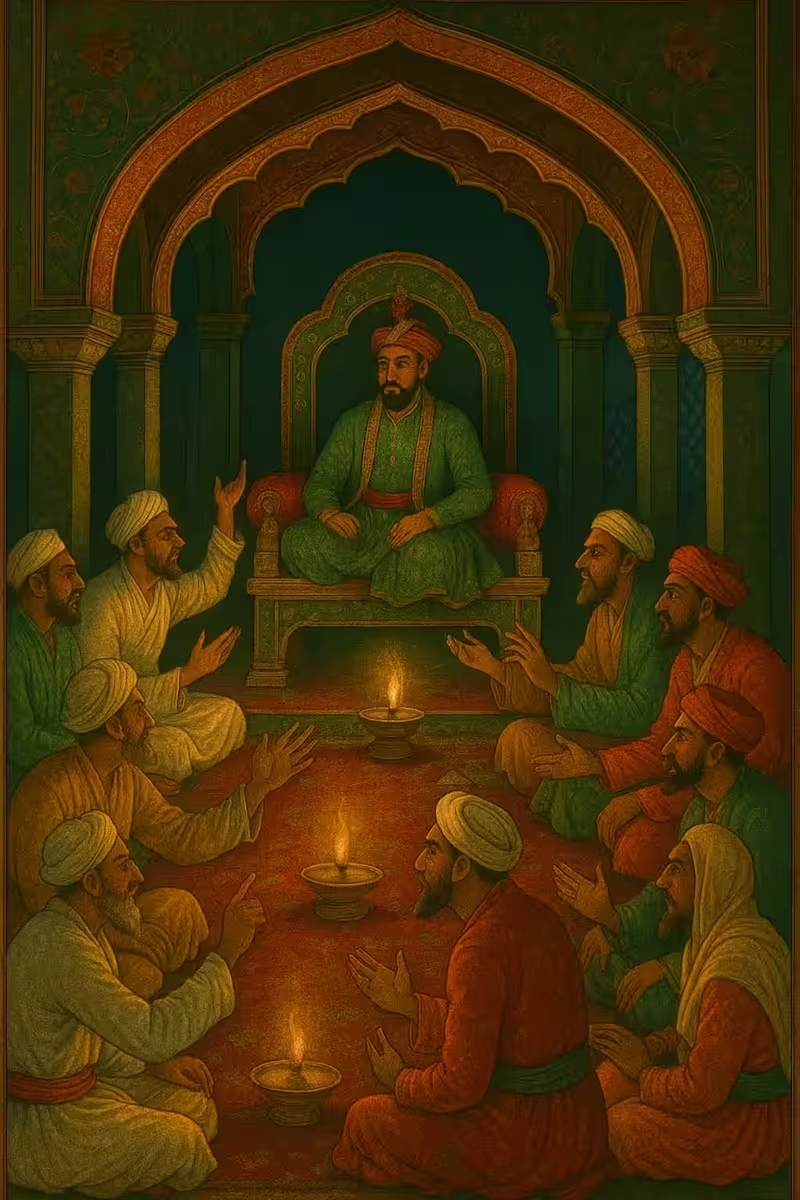
असहमतीचे आवाज उठल्याने चेंबरमध्ये तेलाचे दिवे चमकले. फतेहपूर सिक्री येथील इबादतखान्यात, सोळाव्या शतकातील भारतातील सर्वात विलक्षण चर्चा तापाच्या पातळीवर पोहोचत होती. सम्राटाच्या उजवीकडे मुस्लिम विद्वान बसले होते, त्यांच्या पगडी पूर्णपणे जखमा झालेल्या होत्या, त्यांच्या जिभेवर कुराणातील वचने तयार होती. त्यांच्या डाव्या बाजूला, हिंदू पंडित्यांच्या पवित्र धाग्यांमध्ये धर्माच्या मुद्द्यांवर चर्चा करत असत. गोव्यातील ख्रिश्चन पुजारी त्यांच्या लॅटिन ग्रंथांसह पुढे झुकले. झोरोस्ट्रियन पुजारी प्राचीन डोळ्यांनी पाहत होते. आणि या सगळ्याच्या केंद्रस्थानी मुघल सम्राट अकबर बसला होता, ज्याने इतिहासामध्ये प्रतिध्वनित होणारा प्रश्न विचारण्याचे धाडस केले होतेः जर सर्व धर्म एकाच सत्याबद्दल वेगवेगळ्या भाषा बोलत असतील तर काय?
फतेहपूर सिक्रीच्या लाल वालुकाश्म वाहिन्यांमधून रात्रीची हवा धूप आणि दिव्याच्या तेलाचा सुगंध घेऊन जात होती. बाहेर, मुघल साम्राज्याची सर्वात नवीन राजधानी झोपली होती, त्यांना हे माहीत नव्हते की या भिंतींच्या आत, त्यांचा सम्राट अशा कल्पनांचा विचार करत होता ज्यामुळे धार्मिक रुढीवादाचा पाया हादरेल. 1575 मध्ये अकबराने पहिल्यांदा ही दारे उघडली तेव्हापासून अनेक वर्षांपासून वादविवाद सुरू होते. पण आजची रात्र वेगळी वाटली. आज रात्री, सम्राट या चर्चेचा तार्किक निष्कर्ष अशा ठिकाणी नेण्यास तयार दिसत होता ज्याची कोणीही अपेक्षा केली नव्हती-अगदी त्याच्या जवळच्या लोकांनीही नाही.
ज्यावेळी एक जेसुइट धर्मगुरू त्रिमूर्तीबद्दल एक मुद्दा मांडत होता, तेव्हा एका मुल्लाने जोरदार आक्षेप घेतला. पंडितांनी उपनिषदांमधील निरीक्षणांसह हस्तक्षेप केला. अकबराने त्या सर्वांचे म्हणणे ऐकले, त्याचे डोळे वक्त्याकडून वक्त्याकडे वळत होते, ते आत्मसात करत होते, प्रश्न विचारत होते, त्यांना केवळ त्यांचा काय विश्वास आहे हेच नव्हे तर का हे स्पष्ट करण्यास भाग पाडत होते. सात वर्षे, या चर्चा सुरू होत्या आणि त्यांनी त्यांच्या केंद्रस्थानी बसलेल्या माणसाला मूलभूतपणे बदलले होते. एका साम्राज्याचा वारसा मिळालेला रुढीवादी मुस्लिम राजकुमार एका अभूतपूर्व गोष्टीमध्ये विकसित होत होताः एक असा शासक ज्याने आपल्या प्रजेच्या विविध धर्मांकडे दडपण्याचा किंवा सहन करण्याचा धोका म्हणून नव्हे तर एका मोठ्या कोडेचे तुकडे म्हणून पाहिले, ज्याचे निराकरण्याचा त्याचा निर्धार होता.
आधीचे जग
सोळाव्या शतकाच्या उत्तरार्धातील मुघल साम्राज्य हे विलक्षण गुंतागुंतीचे चित्र होते, जे विजय, धर्मांतर आणि सांस्कृतिक संघर्षाच्या धाग्यांपासून विणलेले होते. 1556 मध्ये वयाच्या तेराव्या वर्षी जेव्हा अकबर सिंहासनावर बसला, तेव्हा त्याला एक साम्राज्य वारशाने मिळाले, जे त्याचे आजोबा बाबर यांनी स्थापन केले होते आणि त्याचे वडील हुमायून जवळजवळ हरले होते. ज्या भारतावर त्याने राज्य केले तो सखोल धार्मिक विविधतेचा उपखंड होता, जिथे हिंदू राज्ये हजारो वर्षांपासून भरभराटीला आली होती, जिथे एकेकाळी बौद्ध आणि जैन धर्माने वर्चस्व राखले होते आणि अजूनही अनुयायांना आज्ञा दिली होती, जिथे सुफी संत दर्ग्यांमध्ये उपदेश देत असत, जिथे रूढीवादी इस्लामिक विद्वान कायदा आणि श्रद्धेच्या त्यांच्या व्याख्यांचे रक्षण करत असत आणि जेथे युरोपमधून ख्रिश्चन धर्मप्रचारक येऊ लागले होते.
दिल्ली सल्तनतीच्या स्थापनेपासून शतकानुशतके मुस्लिम सत्ताधारी वर्ग आणि प्रामुख्याने हिंदू लोकसंख्या यांच्यातील संबंधांवर विविध मार्गांनी वाटाघाटी केल्या गेल्या होत्या. गैर-मुस्लिमांवर जिझिया कर लादत आणि मंदिरे उद्ध्वस्त करत, काही सुलतानांनी कठोरूढीवादी पद्धतीने राज्य केले होते. इतर लोक अधिक व्यावहारिक होते, त्यांना हे समजले होते की भारतावर राज्य करण्यासाठी सध्याच्या धार्मिक परिस्थितीशी जुळवून घेणे आवश्यक आहे. मुघल साम्राज्याने, इस्लामिक पाया असूनही, जैन, शीख, ख्रिश्चन, झोरोस्ट्रियन आणि इतरांच्या मोठ्या लोकसंख्येसह बहुसंख्य हिंदू लोकांवर राज्य केले.
1570 च्या दशकात अकबर बौद्धिक परिपक्वता गाठत असताना, भारतातील राजकीय परिदृश्य हे सांप्रदायिक तणावाच्या नियतकालिक उद्रेकांसह मिश्रित धार्मिक व्यावहारिकता असलेले एक होते. पश्चिम आणि दक्षिणेकडील राजपूत राज्ये शक्तिशाली हिंदू लष्करी परंपरांचे प्रतिनिधित्व करत होती जी एकतर मौल्यवान मित्र किंवा धोकादायक शत्रू असू शकतात. दख्खन सल्तनतींनी हिंदू प्रशासक आणि सैनिकांच्या सहभागासह इस्लामी शासन एकत्रित केले. बंगालमध्ये सुफी गूढवादाने इस्लामी आणि स्थानिक परंपरांमध्ये अद्वितीय संश्लेषण निर्माण केले होते. पोर्तुगीजांनी गोवा ताब्यात घेतला आणि व्यापार आणि अतिरेकी ख्रिश्चन धर्म दोन्ही भारतीय किनाऱ्यांवर आणले.
इस्लाममध्येच, साम्राज्यात बहुसंख्य लोक होते. सुन्नी ऑर्थोडॉक्सने शिया हेटेरोडॉक्सशी स्पर्धा केली. चिश्ती आणि नक्शबंदीसारख्या सुफी पंथांनी गूढ मार्ग दिले जे कधीकधी रूढीवादी उलामांना चिंतेत टाकायचे. समरकंद येथून राज्य करणाऱ्या अकबराच्या पूर्वजांच्या तैमुरीद वारशाच्या स्मृतीमध्ये मध्य आशियातील इस्लामच्या आगमनापूर्वीच्या सार्वभौमत्व आणि वैधतेच्या संकल्पना होत्या. यापैकी चंगेज खानचा कायदा 'यासा-ए-चंगेझी' ही कल्पना होती, जी तैमुरी लोकांनी इस्लामिकायद्याबरोबरच कायम ठेवली होती. या परंपरेनुसार, शासनाची स्वतःची दैवी मान्यता होती, जी पूर्णपणे धार्मिक अधिकारापासून स्वतंत्र होती-ही कल्पना अकबराच्या नंतरच्या विचारांसाठी महत्त्वपूर्ण ठरली.
त्या काळातील बौद्धिक वातावरण हे कठोर विद्वत्तावाद आणि चैतन्यदायी देवाणघेवाण या दोन्हींपैकी एक होते. भारतातील दरबारांमध्ये आणि शहरांमध्ये, विद्वानांनी धर्मशास्त्र आणि कायद्याच्या सूक्ष्मुद्द्यांवर चर्चा केली. हिंदू संस्थांमध्ये संस्कृत शिक्षणाची भरभराट झाली. मुघल दरबारात पर्शियन ही प्रशासन आणि उच्च संस्कृतीची भाषा राहिली. अरबी ही इस्लामी विद्वत्तेची भाषा होती. आणि वाढत्या प्रमाणात, अकबराचे राज्य जसजसे पुढे सरकत गेले, तसतसे हे प्रवाह अभूतपूर्व मार्गांनी एकत्र वाहू लागले. अनुवाद प्रकल्पांनी हिंदू ग्रंथ पर्शियनमध्ये आणले. मुस्लिम विद्वानांनी संस्कृतचा अभ्यास केला. 1570 च्या दशकात अकबर बांधत असलेल्या फतेहपूर सिक्री या नवीन राजधानीच्या वास्तुकलेतूनच इस्लामिक, हिंदू आणि जैन वास्तुकलेच्या घटकांचे एकत्रीकरण करून विशिष्ट मुघल रचनेमध्ये हे संश्लेषण प्रतिबिंबित झाले.
या गुंतागुंतीच्या जगात अकबराने 1575 मध्ये आपल्या इबादत खानाची ओळख करून दिली. ही संकल्पना पूर्णपणे क्रांतिकारी नव्हती-मुस्लिम शासकांनी बऱ्याच काळापासून मजलिस किंवा मेळावे आयोजित केले होते जेथे विद्वान धार्मिक प्रश्नांवर चर्चा करत असत. पण अकबराने नाटकीयरित्या व्याप्ती वाढवली. वेगवेगळ्या शाळांमधील मुस्लिम विद्वानांमध्ये चर्चा सुरू झाली आणि लवकरच त्यात पूर्णपणे भिन्न धार्मिक परंपरांमधील आवाजांचा समावेश करण्यात आला. ही क्रांतीकारी गोष्ट होती. हिंदू पंडित किंवा ख्रिश्चन पुजारीकडे सम्राटाच्या उपस्थितीत ऐकण्याजोगी अंतर्दृष्टी असू शकते, इस्लामिक विद्वानांच्या बरोबरीने, या सूचनेने राजकीय सत्ता आणि धार्मिक सत्यांच्यातील संबंधांबद्दलच्या मूलभूत समजुतींना आव्हान दिले.
खेळाडूंनी

अकबर स्वतः या नाटकातील मध्यवर्ती व्यक्ती होता आणि काय घडले हे समजून घेण्यासाठी त्याचे पात्र समजून घेणे आवश्यक आहे. 1542 मध्ये त्याचे वडील हुमायून यांच्या हद्दपारीच्या काळात जन्मलेल्या अकबराचे सुरुवातीचे जीवन अस्थिरता आणि संघर्षाने भरलेले होते. तो अशिक्षित होता-एक अशी वस्तुस्थिती जी त्याच्या बौद्धिक विकासाला अनपेक्षित मार्गांनी आकार देईल. स्वतः ग्रंथ वाचू न शकल्याने, अकबर एक परिपूर्ण श्रोता बनला, त्याला पुस्तके वाचून दाखवली, एकाकी अभ्यास करण्याऐवजी संवादाद्वारे विद्वान आणि शिक्षकांशी थेट संवाद साधला. यामुळे, विरोधाभासीपणे, त्याच्या अनेक साक्षर समकालीनांपेक्षा मौखिक परंपरा आणि वादविवादासाठी तो अधिक खुला झाला, जे मजकूरूढीवादाचे कैदी बनू शकत होते.
तरुण सम्राटाकडे एक अस्वस्थ, शोधक बुद्धिमत्ता होती. ऐतिहासिक नोंदी त्याचे वर्णन अत्यंत जिज्ञासू, रूढीवादी विद्वानांना अस्वस्थ करणारे प्रश्न विचारण्याची प्रवृत्ती असलेले म्हणून करतात. त्यांना केवळ नियम म्हणजे काय हे जाणून घ्यायचे नव्हते, तर ते अस्तित्वात का होते, त्यांचा उद्देश काय होता, ते खरोखर दैवी होते की केवळ मानवी रचना होते हे जाणून घ्यायचे होते. हा प्रश्न त्याच्या स्वतःच्या धर्मापर्यंत विस्तारला. मुसलमान चार किंवा सहा ऐवजी दिवसातून पाच वेळा प्रार्थना का करत असत? प्रार्थनेसाठी अरबी ही एकमेव स्वीकारार्ह भाषा का होती? जर देव खरोखरच सार्वत्रिक होता, तर तो इतरांपेक्षा एका भाषेला किंवा एका लोकांना का प्राधान्य देईल?
अकबराचा आध्यात्मिक शोध खरा होता, परंतु तो तीव्राजकीय गणनेबरोबरच अस्तित्वात होता. मुघल साम्राज्याची स्थिरता ही त्याच्या हिंदू प्रजेची निष्ठा जिंकण्यावर अवलंबून आहे, ज्याची संख्या मुस्लिमांपेक्षा खूप जास्त आहे, हे सम्राटाला समजले. राजपूत राजकुमारींबरोबरचे त्याचे विवाहबंध, त्याने हिंदूंवरील तीर्थयात्रा कर रद्द करणे आणि शेवटी जिझ्याचे निर्मूलन ही सर्व राजकीयदृष्ट्या चतुर पावले होती. परंतु ते विकसनशील जागतिक दृष्टिकोनाशी सुसंगत होते ज्यात धार्मिक विविधतेकडे कमकुवतपणाऐवजी एक सामर्थ्य म्हणून पाहिले गेले आणि ज्याने प्रश्न विचारला की देवाने खरोखरच मानवाने लढलेल्या सांप्रदायिक विभाजनांची काळजी घेतली आहे का.
इबादत खानामध्ये एकत्र आलेल्या विद्वानांनी सोळाव्या शतकाच्या उत्तरार्धात भारतात उपलब्ध असलेल्या धार्मिक विचारांच्या संपूर्ण श्रेणीचे प्रतिनिधित्व केले. मुस्लिम सहभागींमध्ये रुढीवादी उलमा आणि गूढ सूफी हे दोघेही होते. काहींनी, सुरुवातीच्या प्रभावशाली मखदुम-उल-मुल्कप्रमाणे, इस्लामी कायद्याच्या कठोर व्याख्येचे प्रतिनिधित्व केले. इतरांनी सुफी प्रथेच्या अधिक लवचिक आणि आनंदी परंपरांद्वारे आकार दिलेला दृष्टीकोन आणला, ज्यांना बऱ्याच काळापासून हिंदू भक्ती चळवळींमध्ये समान आधार मिळाला होता.
हिंदू सहभागींमध्ये वेदांत तत्त्वज्ञानाचे जाणकार पंडित, धर्म आणि कर्माच्या उत्तम मुद्द्यांवर चर्चा करू शकणारे विद्वान, विविध भक्ती परंपरांचे भक्त यांचा समावेश होता. काहीजण राजपूत दरबारातून आले होते, ज्यांच्याशी अकबराने मैत्री केली होती. त्यांनी वेद, उपनिषद, पुराण आणि महान महाकाव्यांमधून दृष्टीकोन आणला. या वादविवादांमध्ये त्यांची उपस्थिती स्वतःच उल्लेखनीय होती-हिंदू शिक्षणाला मूल्य आहे आणि हिंदू विद्वान हे अंतिम सत्याच्या प्रश्नांवर योग्य संवादक आहेत हे मुघल दरबाराने मान्य केले.
ख्रिश्चन धर्मप्रचारकांनी, विशेषतः गोव्यातील जेसुईट्सनी देखील या चर्चांमध्ये भाग घेतला. ते शतकानुशतके युरोपियन विद्वत्तापूर्ण परंपरेद्वारे परिष्कृत केलेल्या धार्मिक युक्तिवादांनी सुसज्ज होऊन, सम्राटाचे ख्रिस्ती धर्मात धर्मांतर करण्याच्या आशेने आले. ते त्यांच्याबरोबर केवळ धार्मिक ग्रंथच नव्हे तर वैज्ञानिक ज्ञान, युरोपियन कला आणि हिंद महासागराच्या पलीकडच्या जगाचा दृष्टीकोन देखील घेऊन आले. युरोपला पाठवलेल्या पत्रांमध्ये लिहिलेले त्यांचे वृत्तांत, अकबराच्या दरबारात काय घडले यावर अमूल्य बाह्य दृष्टीकोन प्रदान करतात.
जैन विद्वानांनी त्यांची तात्विक कठोरतेची प्राचीन परंपरा आणि त्यांचे अनेकांतवादाचे तत्त्व-सत्य बहुआयामी आहे आणि अनेक दृष्टीकोनातून पाहिले जाऊ शकते ही कल्पना आणली. झोरोस्ट्रियन पुजारी जगातील सर्वात जुन्या एकेश्वरवादी परंपरांपैकी एक, इस्लामच्या आगमनापूर्वी एकेकाळी पर्शियावर्चस्व गाजवणाऱ्या श्रद्धेचे पालनकर्ते होते. त्यांची उपस्थिती हे सर्वात अल्पसंख्याक आवाजांसाठीही अकबराच्या उल्लेखनीय मोकळेपणाचे प्रतीक होती.
अकबराच्या दरबारी आणि सल्लागारांमध्ये, या वादविवादांबद्दलच्या प्रतिक्रिया नाटकीयरीत्या भिन्न होत्या. काहींना, विशेषतः अधिक रूढीवादी इस्लामी दृष्टिकोन असलेल्यांना, सम्राट खऱ्या श्रद्धेपासून दूर जात असल्याचे त्यांना जे दिसले त्यामुळे त्यांना खूप त्रास झाला. इतरांनी, विशेषतः त्यांच्या काही राजपूत सरदारांसारख्या हिंदू पार्श्वभूमीच्या लोकांनी, त्यांच्या परंपरांना दिली जाणारी मान्यता आणि आदर यांचे स्वागत केले. तरीही इतर लोकेवळ व्यावहारिक होते, त्यांच्या सम्राटाने स्वीकारलेल्या कोणत्याही धोरणाला अनुसरण्यास तयार होते.
काय विकसित झाले हे समजून घेण्यासाठी एक महत्त्वाची व्यक्ती म्हणजे अकबराला त्याच्या तैमुरी पूर्वजांकडून वारशाने मिळालेली बौद्धिक परंपरा. तैमूरांनी चंगेज खान आणि तामेरलेन या दोघांचे वंशज म्हणून मध्य आशियावर राज्य केले होते. मध्य आशियातील इस्लामच्या पूर्वीच्या सार्वभौमत्वाच्या संकल्पना ते त्यांच्यासोबत घेऊन गेले. यापैकी 'यासा-ए-चंगेझी'-चंगेज खानची संहिता होती-ज्यामध्ये असे म्हटले गेले होते की धार्मिक ायद्यापासून स्वतंत्रपणे अस्तित्वात असलेल्या त्यांच्या अधिकारासाठी शासकांना दैवी मंजुरी आहे. या परंपरेने अकबराला त्याच्या स्वतःच्या आध्यात्मिक अधिकाराचा दावा करण्यासाठी एक संकल्पनात्मक चौकट दिली, असा दावा करण्यासाठी की सम्राट म्हणून त्याला कोणत्याही एका धार्मिक परंपरेच्या पलीकडे असलेल्या दैवी इच्छेबद्दल विशेष अंतर्दृष्टी होती.
वाढता तणाव

1575 मध्ये सुरू झालेल्या इबादत खानामधील वादविवादांची सुरुवात पारंपरिक रित्या झाली. सुरुवातीला, ते विविध विचारधारांचे प्रतिनिधित्व करणाऱ्या मुस्लिम विद्वानांमधील चर्चेपुरते मर्यादित होते. अकबर इस्लामी कायदा आणि धर्मशास्त्राच्या मुद्द्यांविषयी प्रश्न विचारायचा आणि जमलेले उलेमा त्यांच्या प्रतिसादांवर चर्चा करायचे. शतकानुशतके इस्लामी न्यायालयांमध्ये होत असलेल्या विद्वत्तापूर्ण चर्चांचे हे प्रकार होते. पण हळूहळू, पद्धतशीरपणे, अकबराने या वादविवादांची व्याप्ती वाढवली.
प्रथम सुफी गूढवाद्यांचा समावेश करण्यात आला, ज्यांच्या इस्लामच्या दृष्टिकोनामध्ये कायदेशीर औपचारिकतेपेक्षा थेट आध्यात्मिक अनुभवावर भर देण्यात आला. सूफींनी वादविवादात एक वेगळी ऊर्जा आणली-ज्यात दैवी शिक्षेच्या भीतीपेक्षा दैवी प्रेमावर भर देण्यात आला, जे केवळ आज्ञाधारकपणा करण्याऐवजी देवाशी एकरूप होण्याविषयी बोलले गेले. त्यांच्या उपस्थितीमुळे चर्चेचा सूर बदलू लागला आणि रूढीवादी विद्वानांना अस्वस्थ करणाऱ्या संकल्पनांचा परिचय होऊ लागला.
त्यानंतर अकबराने आपले क्रांतिकारी पाऊल उचललेः त्याने गैर-मुस्लिम विद्वानांसाठी वादविवाद उघडले. हिंदू पंडितांना आमंत्रित करण्यात आले होते. त्यानंतर जैन. मग झोरोस्ट्रियन. त्यानंतर ख्रिश्चन मिशनरी. इबादत खाना एक अभूतपूर्व गोष्ट बनत होती-एक अशी जागा जिथे वेगवेगळ्या धर्मांनी दावा केलेल्या मूलभूत सत्यांवर उघडपणे वादविवाद केला जाऊ शकत होता, जिथे कोणत्याही एका परंपरेला विशेषाधिकार नव्हता, जिथे सम्राट स्वतः न्यायाधीश आणि मध्यस्थ म्हणून काम करत होता.
रूढीवादी मुस्लिम विद्वान भयभीत झाले. यामुळे त्यांच्या मते मूलभूत इस्लामी तत्त्वांचे उल्लंघन झाले. कुराणात प्रकट केल्याप्रमाणे देवाच्या वचनावर वादविवाद कसा होऊ शकतो, जणू ते अनेकांमध्ये केवळ एक मत आहे? मुसलमान सम्राटाच्या उपस्थितीत काफिरांना विद्वान इस्लामी विद्वानांच्या बरोबरीचा दर्जा कसा दिला जाऊ शकतो? काहींनी चर्चांवर बहिष्कार टाकण्यासुरुवात केली. इतर उपस्थित होते परंतु अकबरावर अधिकाधिक टीका करू लागले आणि सम्राट इस्लामचा त्याग करत असल्याची बातमी पसरवली.
वादविवाद स्वतःच उग्र असू शकतात. ख्रिश्चन धर्मप्रचारक ख्रिस्ताच्या देवत्वासाठी युक्तिवाद करतील, केवळ मुस्लिम विद्वानांकडून त्रिमूर्तीच्या तर्कशास्त्रावर आव्हान दिले जाईल. हिंदू पंडित अवतार आणि पुनर्जन्माच्या संकल्पना समजावून सांगतील, ज्यामुळे त्यांचा इस्लामी किंवा ख्रिश्चन धर्मशास्त्राशी कसा मेळ बसू शकतो याबद्दल प्रश्निर्माण होतील. जैन विद्वान त्यांच्या अहिंसेच्या तत्त्वावर चर्चा करतील-अहिंसा-युद्ध मूल्ये स्वीकारणाऱ्या किंवा अगदी साजरी करणाऱ्या धार्मिक परंपरांविषयी अस्वस्थ करणारे प्रश्न उपस्थित करतात.
अकबराने हे सर्व आत्मसात केले. तो सतत प्रश्न विचारत असे. वेगवेगळ्या परंपरांमध्ये आहाराबाबत असे वेगवेगळे नियम का होते? त्या सर्व दैवी आज्ञा असू शकतात की काही केवळ मानवी चालीरीती असू शकतात? जर मुसलमान ख्रिस्ती आणि यहुद्यांना त्यांच्या स्वतःच्या वैध प्रकटीकरणांसह 'ग्रंथाचे लोक' मानत असतील, तर ज्या हिंदूंना तितकेच प्राचीन धर्मग्रंथ होते, त्यांना तीच मान्यता का दिली जाऊ नये? जर देव सर्वशक्तिमान आणि सर्वज्ञ असेल, तर दैवी प्रकटीकरण एका विशिष्ट वेळेपर्यंत, ठिकाणापर्यंत आणि भाषेपर्यंत मर्यादित का असेल?
सत्तेचे संकट
1580 च्या दशकाच्या सुरुवातीपर्यंत तणाव संपुष्टात आला होता. त्याच्या धार्मिक शोधांना पाखंड म्हणून पाहत, उलामांचा एक महत्त्वपूर्ण गट अकबराच्या विरोधात गेला होता. सम्राट आता केवळ धर्मशास्त्राचा जिज्ञासू विद्यार्थी राहिला नव्हता; तो सक्रियपणे इस्लामी रुढीवादाला आव्हान देत होता. त्याने मशिदीत शुक्रवारी नमाज पढणे बंद केले होते. प्रेषित महंमद यांच्या काही कथित विधानांबद्दल त्यांनी शंका व्यक्त केली होती. मुसलमानांनी हिंदू प्रथांमधून शिकावे, असे त्यांनी सुचवले होते.
1579 मध्ये प्रकरणांमध्ये उलथापालथ झाली. अकबराने 'मजहर' हा हुकूम जारी केला, ज्यामध्ये असे म्हटले गेले होते की ज्या बाबींमध्ये इस्लामी विद्वान असहमत आहेत, त्या बाबींमध्ये एक न्याय्य शासक म्हणून स्वतः सम्राटाला स्पर्धात्मक अन्वयार्थांपैकी एक निवडण्याचा अधिकार आहे. ही क्रांतीकारी गोष्ट होती. त्याने शाही अधिकाराला धार्मिक अधिकारापेक्षा वर ठेवले, असे सूचित करते की सम्राटाच्या निर्णयाला उलामांच्या निर्णयापेक्षा प्राधान्य होते. हुकूमाने सार्वभौमत्वाच्या तैमुरी परंपरेच्या संदर्भात अंशतः या स्थितीचे समर्थन केले, ज्याने "यासा-ए-चंगेझी" च्या वारशाचे आवाहन केले ज्याने राज्यकर्त्यांना स्वर्गातून त्यांचा स्वतःचा आदेश प्राप्त करण्यास भाग पाडले.
रुढीवादी विद्वानांनी हे त्यांच्या अधिकारासाठी एक धोका म्हणून योग्यच पाहिले. जर सम्राट त्यांच्या इस्लामी कायद्याच्या व्याख्येला मागे टाकू शकला, तर त्यांच्याकडे कोणते अधिकाराहिले? काहींनी बंडाचा कट रचायला सुरुवात केली. खऱ्या इस्लामचा त्याग केलेल्या एका सम्राटाच्या विरोधात जिहादची गर्जना होत होती. अकबराला आपले स्थान टिकवून ठेवण्यासाठी राजकीय कौशल्य आणि लष्करी शक्ती या दोन्हींचा वापर करून काळजीपूर्वक कृती करावी लागली.
संश्लेषण उदयास येते
पण जेव्हा अकबर या राजकीय धोक्यांना तोंड देत होता, तेव्हा त्याचे विचार अधिक मूलगामी निष्कर्षाकडे वळत होते. या वादविवादांमुळे त्यांना एका गहन गोष्टीची खात्री पटली होतीः की वेगवेगळ्या धर्मांमध्ये शेवटी संघर्ष नव्हता, तर ते एकाच सत्याच्या दिशेने जाणारे वेगवेगळे मार्ग होते. त्यांच्या मते, त्यांच्यामधील विरोधाभास हे मुख्यत्वे त्यांच्या मूलभूत अंतर्दृष्टींच्या मूलभूत विसंगतीपेक्षा मानवी व्याख्या, सांस्कृतिक परिस्थिती आणि ऐतिहासिक अपघाताचा परिणाम होते.
हा केवळ सापेक्षतावाद नव्हता-सर्व धार्मिक दावे तितकेच खोटे किंवा तितकेच अर्थहीन होते असा दृष्टिकोन. त्याऐवजी, अकबर ज्याला आपण बारमाही तत्त्वज्ञान म्हणू शकतो ते विकसित करत होताः असा विश्वास की विधी आणि शिकवणीच्या पृष्ठभागाच्या फरकांखाली, सर्व प्रामाणिक धार्मिक परंपरा एकाच दैवी वास्तविकतेची जाणीव करत होत्या, फक्त वेगवेगळ्या सांस्कृतिक आणि भाषिक दृष्टीकोनातून. हिंदू धर्माचे अनेक देव, ख्रिश्चन धर्माचे त्रिमूर्ती, इस्लामचा तडजोड न करणारा एकेश्वरवाद-हे अकबरच्या उदयोन्मुख जागतिक दृष्टिकोनात, दैवी स्वरूपाची संकल्पना आखण्याचे वेगवेगळे मानवी प्रयत्न होते.
वळण बिंदू
1582 या वर्षी अकबराच्या धार्मिक दृष्टिकोनाचे काहीतरी ठोस रुपांतर झालेः दीन-ए-इलाहीचा औपचारिक प्रतिपादन. नाव स्वतःच उघड करत आहे. या धर्मशास्त्राला समकालीन काळात 'तौहिद-ए-इलाही'-दैवी एकेश्वरवाद असे संबोधले जात असताना, ते 'दीन-ए-इलाही' म्हणून ओळखले जाऊ लागले, ज्याचे भाषांतर 'देवाचा धर्म' किंवा 'दैवी श्रद्धा' असे केले जाऊ शकते. त्याच नामकरणाने त्याची महत्त्वाकांक्षा सूचित केलीः इतरांबरोबरच एक नवीन धर्म नाही, तर इतर सर्व अपूर्णपणे व्यक्त केलेला अंतर्निहित धर्म.
अलीगढ मुस्लिम विद्यापीठाचे प्राध्यापक इक्तिदार आलम खान यांच्या विद्वत्तापूर्ण विश्लेषणानुसार, दिन-ए-इलाही ही तैमुरी लोकांमध्ये 'यासा-ए-चंगेझी' म्हणून ओळखल्या जाणाऱ्या संकल्पनेवर आधारित होती. या तैमुरी वारशाने संकल्पनात्मक चौकट प्रदान केली ज्यामुळे अकबराला कोणत्याही एका धार्मिक परंपरेपासून स्वतंत्र आध्यात्मिक अधिकार मिळवता आला. सर्व पंथांना आणि धर्मांना त्यांच्या विशिष्ट प्रथा सोडून देण्यास भाग पाडून नव्हे, तर त्यांच्या मूलभूत ऐक्याला सखोल स्तरावर मान्यता देऊन, सर्व पंथांचा आणि धर्मांचा एक म्हणून विचार करणे हे खान यांचे उद्दिष्ट होते.
दिन-ए-इलाहीचे मुख्य घटक एका विलक्षण संश्लेषणातून काढले गेले होते. इस्लाम आणि इतर अब्राहमिक धर्मांमधून एकेश्वरवादाची बांधिलकी आली, जो विश्वाचा निर्माता आणि पालनकर्ता असलेल्या एकाच, दिव्य देवावरील विश्वास होता. अनेक धार्मिक धर्मांमधून-हिंदू धर्म, बौद्ध धर्म, जैन धर्म-आध्यात्मिक शिस्त, ध्यान, अहिंसा आणि सत्याकडे अनेक मार्गांनी जाता येते या संकल्पनांचा उदय झाला. झोरोस्ट्रियन धर्मातून उपासनेच्या प्राचीन पर्शियन परंपरा आणि प्रकाश आणि अंधार, सत्य आणि असत्यांच्यातील शाश्वत संघर्षाच्या संकल्पना आल्या.
धर्मशास्त्र हा विशिष्टतावादी असण्याचा हेतू नव्हता. दीन-ए-इलाही स्वीकारण्यासाठी त्याच्या प्रजेने त्यांचे विद्यमान धर्म सोडून द्यावे अशी मागणी अकबराने केली नाही. खरे तर, फार कमी लोकांनी तो औपचारिकपणे स्वीकारला-मुख्यतः दरबारी आणि सरदार जे सम्राटाला संतुष्ट करू इच्छितात. त्याऐवजी, दीन-ए-इलाही हा एक प्रकारचा मेटा-धर्म्हणून अभिप्रेत होता, एक अशी चौकट जी इतरांना सामावून घेऊ शकते आणि त्यांचा सन्मान करू शकते आणि त्यांच्या अंतर्निहित एकतेकडे निर्देश करू शकते.
दीन-ए-इलाहीशी संबंधित विधी आणि प्रथांमध्ये हे समन्वयात्मक स्वरूप्रतिबिंबित होते. सूर्याला दैवी प्रकाशाचे प्रतीक म्हणून ओळखणाऱ्या पर्शियन आणि हिंदू या दोन्ही परंपरांचा प्रभाव असलेला एक सूर्यपूजेचा घटक होता. ध्यान आणि चिंतन करण्याच्या पद्धती होत्या. धार्मिक औपचारिकतेपेक्षा नैतिक वर्तन आणि वैयक्तिक भक्तीवर भर देण्यात आला. जैन आणि हिंदू प्रभाव प्रतिबिंबित करणाऱ्या प्राण्यांच्या कत्तलीसह अकबराला आक्षेपार्ह वाटणाऱ्या काही प्रथांवर बंदी होती.
1582 मध्ये दीन-ए-इलाहीच्या औपचारिक प्रस्तावाचा क्षण इबादत खानामधील सात वर्षांच्या सखोल आंतरधर्मीय संवादाची पराकाष्ठा दर्शवितो. ते सर्वादविवाद, ते सर्व प्रश्न, रुढीवादीपणासमोरील ती सर्व आव्हाने येथे पुढे नेत होतीः पंथीय विभाजनांच्या पलीकडे उभा राहून, सम्राट स्वतः त्या सर्वांच्या पलीकडे असलेल्या धार्मिक दृष्टिकोनाची जाणीव आणि अभिव्यक्ती करू शकत होता या दाव्याकडे.
सम्राटाची दृष्टी
दीन-ए-इलाहीची स्थापना करताना अकबर अनेक धाडसी दावे करत होता. प्रथम, अस्तित्वात असलेल्या धर्मांमध्ये, त्यांचे स्पष्ट विरोधाभास असूनही, सर्वांमध्ये सत्याचे घटक होते. दुसरे म्हणजे, या सत्यांचे एका सुसंगत संपूर्णामध्ये संश्लेषण केले जाऊ शकते. तिसरे म्हणजे, सम्राट म्हणून त्याच्याकडे हे संश्लेषण पूर्ण करण्याचा अधिकार आणि अंतर्दृष्टी होती. चौथे, आणि कदाचित सर्वात क्रांतिकारी, ते धार्मिक सत्य पूर्वीच्या काही प्रकटीकरणात निश्चित आणि पूर्ण नव्हते, परंतु मानवी आध्यात्मिक शोध आणि दैवी मार्गदर्शनाद्वारे विकसित आणि विकसित होत राहू शकते.
हा शेवटचा मुद्दा कदाचित धार्मिक रुढीवादासाठी सर्वात धोकादायक होता. कुराणातील इस्लाम, बायबलमधील ख्रिश्चन धर्म, वेदांमधील हिंदू धर्म अशा इबादत खानातील प्रत्येक प्रमुख धर्माकडे संपूर्ण दैवी प्रकटीकरण असल्याचा दावा केला जातो. परंतु अकबर असे सुचवत होता की प्रकटीकरण चालू आहे, दैवी सत्य नव्याने जाणवले जाऊ शकते, आध्यात्मिक अंतर्दृष्टी ही प्राचीन संदेष्टे आणि ऋषींची एकमेव मालमत्ता नाही तर सध्याच्या क्षणी प्रामाणिक साधकाद्वारे प्राप्त केली जाऊ शकते.
दीन-ए-इलाहीच्या संरचनेत सम्राट आणि आध्यात्मिक नेता म्हणून अकबराचे स्थान प्रतिबिंबित होते. जे औपचारिकपणे सामील झाले ते अकबराचे आध्यात्मिक अधिकार ओळखून त्याचे शिष्य झाले असे म्हटले जाते. राजकीय आणि धार्मिक अधिकाराचे हे मिश्रण नेमके तेच होते ज्याची रूढीवादी उलामांना भीती होती. दैवी इच्छेबद्दल थेट अंतर्दृष्टी असल्याचा दावा करत अकबराने स्वतःला संदेष्टे आणि संतांप्रमाणेच आध्यात्मिक मार्गदर्शक म्हणून प्रभावीपणे घोषित केले होते.
परिणाम
दीन-ए-इलाहीच्या स्थापनेचे तात्काळ परिणाम राजकीयदृष्ट्या गुंतागुंतीचे परंतु धार्मिक दृष्ट्या हवामानविरोधी होते. अकबराच्या दूरदृष्टीचे मूलगामी स्वरूप असूनही ती लोकचळवळ झाली नाही. अकबराच्या बहुतेक प्रजेने त्यांच्या विद्यमान धर्मांचे पालन करणे सुरू ठेवले. सम्राटाने जबरदस्तीने धर्मांतर केले नाही किंवा विशेषतः सामूहिक दत्तक घेण्यास प्रोत्साहन दिले नाही. दीन-ए-इलाही मुख्यत्वे शाही दरबारापुरते मर्यादित राहिले, जे कदाचित काही डझनभर कुलीन आणि दरबारी लोकांनी स्वीकारले, बहुधा अनेकजण आध्यात्मिक विश्वासापेक्षा राजकीय निष्ठेने अधिक प्रेरित झाले.
रुढीवादी मुस्लिम विरोध कधीही पूर्णपणे दडपला गेला नसला तरी राजकीयदृष्ट्या उपेक्षित होता. अकबराच्या लष्करी सामर्थ्याने आणि राजकीय कौशल्याने काही उलामांना भडकवण्याची आशा असलेले बंड रोखले. सम्राटाने प्रभावीपणे दाखवून दिले होते की त्याच्या साम्राज्यातील धार्मिक अधिकार धार्मिक आस्थापनेकडून नव्हे तर सिंहासनातून वाहतात. मुघल प्रशासनावर याचे प्रचंड परिणाम झाले, ज्यामुळे राजवंशाच्या संपूर्ण इतिहासात टिकून राहिलेल्या धार्मिक संस्थांवर शाही वर्चस्वाचा एक दाखला स्थापित झाला.
हिंदू, जैन, ख्रिश्चन आणि झोरोस्ट्रियन समुदायांसाठी, अकबराच्या दरबारातील धार्मिक प्रयोगांनी जरी त्यांनी स्वतः दीन-ए-इलाही स्वीकारले नसले तरी मूर्त लाभ आणले. सम्राटाच्या धार्मिक मोकळेपणाचे सहिष्णुता आणि सन्मानाच्या धोरणांमध्ये रूपांतर झाले. धर्मांतर करण्याचा दबाव न आणता हिंदूंनी सरकार आणि लष्करात उच्च पदांवर काम केले. मंदिरांचे संरक्षण करण्यात आले. दरबारात सर्व समुदायांचे धार्मिक सण साजरे केले जात असत. प्रशासनातील अभूतपूर्व बहुलतावादाचे वातावरण होते.
दीन-ए-इलाहीच्या औपचारिक स्थापनेनंतरही इबादत खानामधील वादविवाद काहीसे कमी तीव्रतेने आणि नाटकीयरित्या चालू राहिले. अकबराने आयुष्यभर विविध परंपरांमधून आध्यात्मिक ज्ञान मिळवणे सुरू ठेवले. मुघल दरबारात विविध धर्मांच्या विद्वानांची उपस्थिती सामान्य झाली. यामुळे एक बौद्धिक वातावरण निर्माण झाले जे स्वतः दीन-ए-इलाही लुप्त झाल्यानंतरही पिढ्यानपिढ्या मुघल संस्कृतीवर प्रभाव टाकेल.
वारसा

एक औपचारिक धर्मशास्त्र म्हणून दीन-ए-इलाही अल्पकाळ टिकला. त्याने त्याच्या संस्थापकाला मागे टाकले नाही. 1605 मध्ये जेव्हा अकबराचा मृत्यू झाला, तेव्हा मूठभर अनुयायांनी हळूहळू धर्म सोडला. त्याचा मुलगा जहांगीरने त्याच्या वडिलांचा धार्मिक प्रकल्प सुरू ठेवण्यात रस दाखवला नाही. त्याचा नातू शाहजहान आणि नातू औरंगजेब हे दोघेही अधिक रुढीवादी इस्लामी प्रथेकडे परतले, विशेषतः औरंगजेबाने अकबराच्या धार्मिक सहिष्णुतेच्या अनेक धोरणांना उलट केले.
तरीही दीन-ए-इलाहीचा वारसा आणि त्यातूनिर्माण झालेल्या वादविवादांचा विस्तार धर्मशास्त्राच्या संक्षिप्त अस्तित्वाच्या पलीकडे आहे. हा प्रसंग भारतीय इतिहासातील अभूतपूर्व गोष्टीचे प्रतिनिधित्व करतोः एका मुस्लिम शासकाने अनेक धार्मिक परंपरांना समान मूल्य देणारे धार्मिक संश्लेषण निर्माण करण्याचा पद्धतशीर प्रयत्न केला. इस्लाम, हिंदू धर्म, ख्रिश्चन धर्म, जैन धर्म आणि पारशी धर्म या सर्वांकडे एकाच अंतर्निहित सत्याची अभिव्यक्ती म्हणून पाहिले जाऊ शकते ही कल्पना सोळाव्या शतकासाठी मूलगामी होती-आणि आजही आव्हानात्मक आहे.
ज्या चौकटीने या प्रयोगाला अनुमती दिली-"यासा-ए-चंगेझी" ची तैमुरी संकल्पना ज्याने शासकाला धार्मिक आस्थापनांपासून स्वतंत्र आध्यात्मिक अधिकार दिला-त्याचे कायमस्वरूपी राजकीय परिणाम होते. त्याने त्यानंतरच्या मुघल सम्राटांना धार्मिक अधिकाऱ्यांवर शाही वर्चस्व गाजवण्याची पूर्वअट दिली. जरी नंतरच्या सम्राटांना अकबराच्या धार्मिक समन्वयात सहभागीता नव्हती, तरीही त्यांना वारशाने मिळाले आणि सम्राटाचा अधिकार सांप्रदायिक धार्मिक शक्तीच्या पलीकडे होता हे तत्त्व त्यांनी कायम ठेवले.
इस्लाम आणि इतर अब्राहमिक धर्मांच्या पैलूंना अनेक धार्मिक धर्म आणि झोरोस्ट्रियनवादाच्या पैलूंशी जोडून, दीन-ए-इलाहीमध्ये केलेल्या संश्लेषणाच्या प्रयत्नांमुळे नंतरच्या बौद्धिक चळवळींचे पूर्वदर्शन झाले. एकोणिसाव्या आणि विसाव्या शतकात, भारतीय पुनर्जागरण काळात, राममोहन रॉय, स्वामी विवेकानंद आणि अगदी महात्मा गांधी यांच्यासारख्या विचारवंतांनी वेगवेगळ्या धार्मिक परंपरांमध्ये अंतर्भूत असलेल्या मूलभूत एकतेबद्दल अशाच कल्पना शोधल्या. जिथे धार्मिक विविधता ही कमकुवतपणाऐवजी शक्तीचा स्रोत होती, असे ठिकाण म्हणून संघर्षापेक्षा आध्यात्मिक संश्लेषणाने वैशिष्ट्यीकृत केलेली संस्कृती म्हणून भारताची कल्पना, अकबराने स्थापित केलेल्या उदाहरणाला काहीतरी ऋणी आहे.
दीन-ए-इलाहीचे आधुनिक विद्वत्तापूर्ण मूल्यांकन बदलते. प्राध्यापक इक्तिदार आलम खान यांच्यासारखे काही इतिहासकार, तैमुरी राजकीय सिद्धांतातील त्याच्या मुळांवर आणि सर्व पंथ आणि धर्मांना एक मानण्याच्या त्याच्या ध्येयावर जोर देतात-त्याला अनेक परंपरांशी सखोल संबंध ठेवून माहिती देणारा एक गंभीर बौद्धिक प्रकल्प म्हणून पाहतात. इतर लोक याला अधिक निंदनीयपणे पाहतात, प्रामुख्याने दोन्ही परंपरांच्या पलीकडे जाण्याचा दावा करून हिंदू आणि मुस्लिम या दोन्ही प्रजेवर अकबराचे अधिकार बळकट करण्यासाठी तयार केलेले एक राजकीय साधन म्हणून.
सत्यामध्ये बहुधा दोन्ही अन्वयार्थांचे घटक आहेत. अकबर एकाच वेळी खरा आध्यात्मिक साधक आणि चतुराजकीय संचालक होता. त्यांची धार्मिक दृष्टी प्रामाणिक आणि सोयीस्कर दोन्ही होती. इबादत खानामधील वादविवाद हे दोन्ही प्रामाणिक बौद्धिकार्ये आणि राजकीय रंगभूमी होते. ही गुंतागुंत कदाचित या प्रकरणाला इतके आकर्षक बनवते-ती एकतर शुद्ध आध्यात्मिकता किंवा केवळ राजकारण म्हणून साध्या वर्गीकरणाचा प्रतिकार करते.
इतिहास काय विसरत आहे
दिन-ए-इलाहीच्या चर्चांमध्ये अनेकदा जे हरवते ते म्हणजे अकबराने जे प्रयत्न केले त्याची निव्वळ धिटाई. धार्मिक युद्धाच्या युगात, जेव्हा प्रोटेस्टंट रिफॉर्मेशन युरोपला फाडून टाकत होते, जेव्हा स्पॅनिश इन्क्विझिशन त्याच्या शिखरावर होते, जेव्हा ऑट्टोमन आणि सफाविद साम्राज्ये सांप्रदायिक वर्चस्वासाठी लढत होती, तेव्हा अकबर धार्मिक संश्लेषण करण्याच्या उद्देशाने आंतरधर्मीय संवाद आयोजित करत होता. ख्रिश्चन आणि मुसलमानांनी भूमध्यसागरामध्ये एकमेकांची हत्या केली, तर त्यांनी फतेहपूर सिक्री येथे धर्मशास्त्रावर चर्चा केली.
अकबराने केलेल्या वैयक्तिक परिवर्तनाचेही कधीकधी कमी कौतुकेले जाते. 1556 मध्ये सम्राट बनलेला तरुण एक पारंपरिक सुन्नी मुस्लिम राजकुमार होता. 1580 च्या दशकातील परिपक्व सम्राट पूर्णपणे वेगळा होता-एक धार्मिक साधक जो त्याच्या संगोपनाच्या रुढीवादीपणाच्या पलीकडे गेला होता, जो हिंदू ग्रंथांना इस्लामी ग्रंथांप्रमाणेच सहजपणे उद्धृत करू शकत होता, ज्याने सत्याला एकवचनी नसून बहुआयामी म्हणून पाहिले. ही उत्क्रांती दृष्टिकोनांद्वारे किंवा गूढ अनुभवांद्वारे झाली नाही (जरी अकबरालाही ते होते) परंतु संभाषणाद्वारे, ज्यांचे जागतिक दृष्टिकोन त्याच्या स्वतःच्यापेक्षा वेगळे होते अशा लोकांशी निरंतर बौद्धिक सहभागाद्वारे झाली.
या वादविवादांमध्ये सहभागी झालेल्या बिगर-मुस्लिम विद्वानांचा अनुभव लक्ष देण्याजोगा आहे. मुघल सम्राटाच्या उपस्थितीत हिंदू पंडितांना आमंत्रित करणे, त्यांच्या संस्कृत शिक्षणाला अरबी किंवा पर्शियन विद्वत्तेप्रमाणेच आदर देणे, अंतिम सत्याविषयी त्यांची मते विचारणे-हे अभूतपूर्व होते. हे विद्वान सर्वोच्च स्तरावर इस्लामिक आणि ख्रिश्चन विचारांशी संलग्न होऊन नवीन अनुभव घेऊन त्यांच्या समुदायांमध्ये परतले. काहींनी निःसंशयपणे अकबराप्रमाणेच त्यांच्या स्वतःच्या विचारांना आव्हान दिले आणि त्यांचा विस्तार केला.
या वादविवादांची वास्तुशास्त्रीय मांडणी देखील महत्त्वाची आहे. 1570 च्या दशकात बांधलेली फतेहपूर सिक्री ही अकबराची उद्देशाने बांधलेली राजधानी होती. त्याच्या इमारतींनी मुघल, हिंदू आणि जैन स्थापत्यशास्त्रीय घटकांना एका अद्वितीय सौंदर्यात मिसळले. इबादत खाना या संश्लेषित वातावरणात उभा राहिला, त्याचे दगडच वादविवादात समाविष्ट असलेल्या धार्मिक बहुलतावादाला प्रतिबिंबित करतात. जेव्हा आपण रात्रीच्या वेळी होणाऱ्या या चर्चेची कल्पना करतो, तेव्हा आपण त्या अशा जागेत घडताना दाखवल्या पाहिजेत, जिच्या वास्तुकलेनेच परंपरांमध्ये सुसंवाद साधण्याचा दृष्टीकोन जाहीर केला आहे.
शेवटी, दीन-ए-इलाहीच्या सहन करण्याच्या अपयशाबद्दल काहीतरी मार्मिक आहे. अकबराची दृष्टी त्याच्या काळाच्या खूपुढे होती, त्याच्या वैयक्तिक अधिकारावर खूप अवलंबून होती आणि प्रस्थापित धार्मिक संस्थांना देखील धोका होता. तरीही त्याचा प्रयत्न केला गेला ही वस्तुस्थिती धार्मिक संवाद आणि संश्लेषणाच्या शक्यतेची साक्ष म्हणून उभी राहते, अगदी युगांमध्येही आपण सामान्यतः असहिष्णु म्हणून वैशिष्ट्यीकृत करतो. या प्रयत्नाने, त्याचा परिणाम काहीही असो, धर्मांमधील संबंधांमध्ये कल्पना करण्यायोग्य असलेल्या सीमांचा विस्तार केला.
शेवटी, इबादत खानातील चर्चेच्या रात्री आणि त्यातून उदयास आलेले दीन-ए-इलाहीचे धर्मशास्त्र, भारतीय इतिहासातील संभाव्यतेचा एक उल्लेखनीय क्षण दर्शवतात. थोड्या काळासाठी, फतेहपूर सिक्रीच्या लाल वालुकाश्म कक्षांमध्ये, तेलाच्या दिव्यांनी प्रकाशित आणि उत्कट युक्तिवादाने प्रेरित, मानवतेच्या प्रमुख धार्मिक परंपरांचे प्रतिनिधी समान म्हणून एकत्र जमले, जे त्यांच्या मतभेदांपलीकडे एकतेच्या दृष्टिकोनासाठी एकत्र संघर्ष करत होते. कायमस्वरूपी नवीन विश्वास निर्माण करण्याते यशस्वी झाले नाहीत हे त्यांनी केलेल्या प्रयत्नांपेक्षा कमी महत्त्वाचे आहे-आणि प्रयत्न करताना त्यांनी हे दाखवून दिले की असे प्रयत्न शक्य होते. या वादविवादांचे अध्यक्षपद भूषवणारा सम्राट, ज्याने 1582 मध्ये सर्व धार्मिक सत्याचे संश्लेषण म्हणून दीन-ए-इलाहीचा प्रस्ताव मांडला होता, तो त्याचे अंतिम ध्येय साध्य करण्यात अयशस्वी ठरला असावा. परंतु सर्व धर्मांकडे एक म्हणून पाहिले जाऊ शकते अशी कल्पना करण्याचे धाडस करत अकबराने एक असा वारसा निर्माण केला जो येणाऱ्या शतकांपर्यंत धार्मिक सलोख्याच्या साधकांना प्रेरणा देईल.