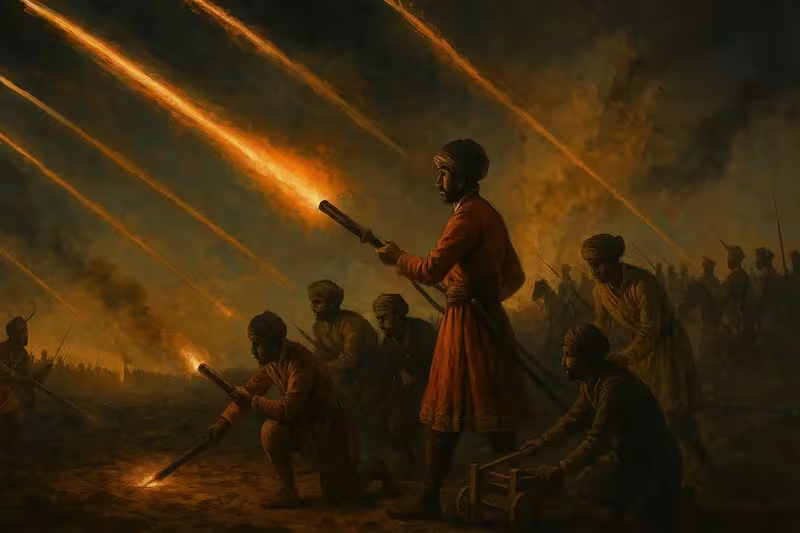

ದಕ್ಷಿಣದಿಂದ ಗುಡುಗುಃ ಮೈಸೂರಿನ ಕಬ್ಬಿಣದ ಡ್ರ್ಯಾಗನ್ಗಳು ಯುದ್ಧವನ್ನು ಶಾಶ್ವತವಾಗಿ ಹೇಗೆ ಬದಲಾಯಿಸಿದವು
ದಖ್ಖನ್ ಪ್ರಸ್ಥಭೂಮಿಯ ಮೇಲೆ ರಾತ್ರಿಯ ಆಕಾಶವು ಬೆಂಕಿಯ ಹಾದಿಗಳಲ್ಲಿ ಸ್ಫೋಟಿಸಿತು. ಬ್ರಿಟಿಷ್ ಸೈನಿಕರು ಮೊದಲು ಎದುರಿಸಿದ ವಸ್ತುಗಳಿಗಿಂತ ಭಿನ್ನವಾದ ವಸ್ತುಗಳು ಕತ್ತಲಿನಲ್ಲಿ ಕೂಗುತ್ತಾ ಬಂದವು-ಕಬ್ಬಿಣದ ಸಿಲಿಂಡರ್ಗಳು ಬೆಲ್ಶಿಂಗ್ ಜ್ವಾಲೆಗಳು, ನೂರಾರು ಗಜಗಳಷ್ಟು ಉದ್ದಕ್ಕೂ ವಿನಾಶಕಾರಿ ನಿಖರತೆಯೊಂದಿಗೆ. ಕೆಲವು ಸ್ಫೋಟದಲ್ಲಿ ಸ್ಫೋಟಗೊಂಡವು. ಇತರರು ಶ್ರೇಣಿಯ ಮೂಲಕ ವಿಪರೀತವಾಗಿ ಕಾಳಜಿ ವಹಿಸಿದರು, ಭೀತಿ ಮತ್ತು ಅವ್ಯವಸ್ಥೆಯನ್ನು ಹರಡಿದರು. ಸಾಂಪ್ರದಾಯಿಕ ಯುದ್ಧಕ್ಕೆ ಒಗ್ಗಿಕೊಂಡಿರುವ ಬ್ರಿಟಿಷ್ ಈಸ್ಟ್ ಇಂಡಿಯಾ ಕಂಪನಿಯ ಪಡೆಗಳು, ಸಂಪೂರ್ಣವಾಗಿ ಬೇರೆ ಯುಗಕ್ಕೆ ಸೇರಿದ ಆಯುಧವನ್ನು ಎದುರಿಸುತ್ತಿರುವುದನ್ನು ಕಂಡುಕೊಂಡವು. ಇವು ಮೈಸೂರಿನ ಕ್ಷಿಪಣಿಗಳಾಗಿದ್ದವು ಮತ್ತು ಅವು ಪ್ರಪಂಚದಾದ್ಯಂತ ಯುದ್ಧದಲ್ಲಿ ಕ್ರಾಂತಿಯನ್ನುಂಟು ಮಾಡಲಿವೆ.
ಆ ವರ್ಷವು 1780ರ ದಶಕದಲ್ಲಿತ್ತು, ಮತ್ತು ಮೈಸೂರು ಸಾಮ್ರಾಜ್ಯವು ಅಂತಿಮವಾಗಿ ದಕ್ಷಿಣ ಭಾರತದಿಂದ ಯುರೋಪಿನ ಯುದ್ಧಭೂಮಿಗಳವರೆಗೆ, ಭಾರತೀಯ ಕುಶಲಕರ್ಮಿಗಳ ಕಾರ್ಯಾಗಾರಗಳಿಂದ ಹಿಡಿದು ನೆಪೋಲಿಯನ್ನ ಶತ್ರುಗಳ ಶಸ್ತ್ರಾಸ್ತ್ರಗಳವರೆಗೆ ಪ್ರಯಾಣಿಸುವ ತಂತ್ರಜ್ಞಾನವನ್ನು ಹೊರತಂದಿತ್ತು. ಆದರೆ ಆ ರಾತ್ರಿ, ಕ್ಷಿಪಣಿಗಳು ತಲೆಯ ಮೇಲೆ ಕೂಗುತ್ತಿದ್ದಂತೆ, ತಮ್ಮ ಸ್ಥಾನಗಳಲ್ಲಿ ಹೆದರುತ್ತಿದ್ದ ಬ್ರಿಟಿಷ್ ಸೈನಿಕರಿಗೆ ಒಂದೇ ಒಂದು ವಿಷಯ ತಿಳಿದಿತ್ತುಃ ಅವರು ಅಭೂತಪೂರ್ವವಾದದ್ದನ್ನು ಎದುರಿಸುತ್ತಿದ್ದಾರೆ, ಇದು ಮುಂದಿನ ಪೀಳಿಗೆಗೆ ಮಿಲಿಟರಿ ತಂತ್ರಜ್ಞರನ್ನು ಕಾಡುತ್ತದೆ.
ಅನುಭವಿ ಪಡೆಗಳನ್ನು ಸಹ ಗಾಬರಿಗೊಳಿಸಲು ಕೇವಲ ಆ ಧ್ವನಿಯೇ ಸಾಕಾಗಿತ್ತು. ಒಂದು ಶಿಳ್ಳೆಯ ಉತ್ತುಂಗವು ದೂರದ ಕೂಗಿನಿಂದ ಘರ್ಜನೆಯ ಕೂಗುವಿಕೆಯವರೆಗೆ ನಿರ್ಮಿಸಿತು, ನಂತರ ಪರಿಣಾಮವು-ಕೆಲವೊಮ್ಮೆ ಸ್ಫೋಟಕ, ಕೆಲವೊಮ್ಮೆ ಕೇವಲ ಚಲನಶೀಲ, ಆದರೆ ಯಾವಾಗಲೂ ಭಯಾನಕವಾಗಿರುತ್ತದೆ. ಮಾನಸಿಕ ಪರಿಣಾಮವು ದೈಹಿಕ ಹಾನಿಯಷ್ಟೇ ವಿನಾಶಕಾರಿಯಾಗಿತ್ತು. ಕುದುರೆಗಳು ಬಡಿಯತೊಡಗಿದವು. ರಚನೆಗಳು ಮುರಿದುಬಿದ್ದವು. ಅಧಿಕಾರಿಗಳು ಗದ್ದಲದಲ್ಲಿ ಕೇಳದ ಆದೇಶಗಳನ್ನು ಕೂಗಿದರು. ಮತ್ತು ಈ ಎಲ್ಲದರ ಮೂಲಕ, ಹೆಚ್ಚು ರಾಕೆಟ್ಗಳು ಬಂದವು, ರಾತ್ರಿಯನ್ನು ಹಗಲಾಗಿ ಮತ್ತು ಯುದ್ಧಭೂಮಿಯನ್ನು ನರಕವಾಗಿ ಪರಿವರ್ತಿಸಿದ ವಾಲಿಗಳಲ್ಲಿ ಉಡಾಯಿಸಲಾಯಿತು.
ಇದು ಕುತೂಹಲಭರಿತ ಸಂಶೋಧಕರ ತಾತ್ಕಾಲಿಕ ಪ್ರಯೋಗವಾಗಿರಲಿಲ್ಲ. ಹಲವಾರು ವರ್ಷಗಳ ಅಭಿವೃದ್ಧಿ ಮತ್ತು ಯುದ್ಧಭೂಮಿಯ ಪರೀಕ್ಷೆಗಳಲ್ಲಿ ಅದರ ಬಳಕೆಯನ್ನು ಪರಿಪೂರ್ಣಗೊಳಿಸಿದ ಸೇನೆಯು ನಿಯೋಜಿಸಿದ ವ್ಯವಸ್ಥಿತ ಮಿಲಿಟರಿ ತಂತ್ರಜ್ಞಾನವನ್ನು ಇದು ಸಂಘಟಿಸಿತು. ಮೈಸೂರಿನ ಕ್ಷಿಪಣಿಗಳು ಅಸಾಧಾರಣವಾದದ್ದನ್ನು ಪ್ರತಿನಿಧಿಸಿದವುಃ ವಿಶ್ವದ ಮೊದಲ ಯಶಸ್ವಿ ಕಬ್ಬಿಣದ ಕವಚದ ಕ್ಷಿಪಣಿಗಳು, ಮತ್ತು ಅವುಗಳನ್ನು ನವೀನತೆ ಅಥವಾ ಪ್ರದರ್ಶನಗಳಾಗಿ ಬಳಸಲಾಗುತ್ತಿರಲಿಲ್ಲ, ಆದರೆ ಅತ್ಯಾಧುನಿಕ ಮಿಲಿಟರಿ ಕಾರ್ಯತಂತ್ರದ ಅವಿಭಾಜ್ಯ ಘಟಕಗಳಾಗಿ ಬಳಸಲಾಗುತ್ತಿತ್ತು.
ಹಿಂದಿನ ಜಗತ್ತು
ಮೈಸೂರಿನ ಕ್ಷಿಪಣಿಗಳ ಕ್ರಾಂತಿಕಾರಿ ಸ್ವರೂಪವನ್ನು ಅರ್ಥಮಾಡಿಕೊಳ್ಳಲು, 18ನೇ ಶತಮಾನದ ಉತ್ತರಾರ್ಧದಲ್ಲಿ ಯುದ್ಧದ ಸ್ಥಿತಿಯನ್ನು ಮೊದಲು ಅರ್ಥಮಾಡಿಕೊಳ್ಳಬೇಕು. ಭಾರತೀಯ ಉಪಖಂಡವು ಅಧಿಕಾರ, ಭೂಪ್ರದೇಶ ಮತ್ತು ಉಳಿವಿಗಾಗಿ ಪೈಪೋಟಿ ನಡೆಸುತ್ತಿದ್ದ ರಾಜ್ಯಗಳ ಸಂಕೀರ್ಣವಾಗಿತ್ತು. ಒಂದು ಕಾಲದಲ್ಲಿ ಭಾರತದ ಹೆಚ್ಚಿನ ಭಾಗವನ್ನು ತನ್ನ ಆಳ್ವಿಕೆಯಲ್ಲಿ ಒಗ್ಗೂಡಿಸಿದ್ದ ಪ್ರಬಲ ಶಕ್ತಿಯಾಗಿದ್ದ ಮೊಘಲ್ ಸಾಮ್ರಾಜ್ಯವು ಕೊನೆಯ ಹಂತಕ್ಕೆ ಕುಸಿಯುತ್ತಿತ್ತು. ಈ ನಿರ್ವಾತವನ್ನು ತುಂಬಲು ಪ್ರಾದೇಶಿಕ ಶಕ್ತಿಗಳು ಉದಯಿಸಿದ್ದವು ಮತ್ತು ದಕ್ಷಿಣ ಭಾರತದ ಮೈಸೂರು ಸಾಮ್ರಾಜ್ಯವು ಅತ್ಯಂತ ಪ್ರಬಲವಾದದ್ದಾಗಿತ್ತು.
ಈ ಯುಗದ ಸಾಂಪ್ರದಾಯಿಕ ಯುದ್ಧವು ಪದಾತಿದಳ ರಚನೆಗಳು, ಅಶ್ವದಳದ ದಾಳಿಗಳು ಮತ್ತು ಫಿರಂಗಿದಳದ ತುಂಡುಗಳ ಮೇಲೆ ಅವಲಂಬಿತವಾಗಿತ್ತು, ಅವು ಭಾರವಾಗಿದ್ದವು, ಚಲಿಸಲು ನಿಧಾನವಾಗಿದ್ದವು ಮತ್ತು ಮರುಲೋಡ್ ಮಾಡಲು ಗಮನಾರ್ಹ ಸಮಯ ಬೇಕಾಗಿತ್ತು. ಫಿರಂಗಿಗಳು ಅಪಾರ ಹಾನಿಯನ್ನುಂಟುಮಾಡಬಹುದಾದರೂ ಅವುಗಳ ಚಲನಶೀಲತೆ ಸೀಮಿತವಾಗಿತ್ತು. ಒಮ್ಮೆ ಸ್ಥಾನ ಪಡೆದ ನಂತರ, ಅವು ಸ್ಥಿರವಾದ ಸ್ಥಳಗಳಾಗಿದ್ದವು ಮತ್ತು ಅವುಗಳ ಸುತ್ತಲೂ ಯುದ್ಧಗಳು ನಡೆಯುತ್ತಿದ್ದವು. ಅಶ್ವದಳವು ವೇಗ ಮತ್ತು ಆಘಾತದ ಮೌಲ್ಯವನ್ನು ಒದಗಿಸಿತು ಆದರೆ ಶಿಸ್ತಿನ ಪದಾತಿದಳ ಗುಂಡಿನ ದಾಳಿಗೆ ಗುರಿಯಾಗುತ್ತಿತ್ತು. ಯುದ್ಧದ ತಾಂತ್ರಿಕ ಸಮತೋಲನವು ದಶಕಗಳಿಂದ ತುಲನಾತ್ಮಕವಾಗಿ ಸ್ಥಿರವಾಗಿತ್ತು.
ಕ್ರಮೇಣ ತನ್ನನ್ನು ತಾನು ಮಿಲಿಟರಿ ಮತ್ತು ರಾಜಕೀಯ ಶಕ್ತಿಯಾಗಿ ಪರಿವರ್ತಿಸಿಕೊಂಡಿದ್ದ ಬ್ರಿಟಿಷ್ ಈಸ್ಟ್ ಇಂಡಿಯಾ ಕಂಪನಿ ಈ ಜಗತ್ತಿನಲ್ಲಿ ಬಂದಿತ್ತು. ವ್ಯಾಪಾರ ಕೇಂದ್ರಗಳು ಮತ್ತು ಕಾರ್ಖಾನೆಗಳಾಗಿ ಪ್ರಾರಂಭವಾದವು ಕೋಟೆಯ ವಸಾಹತುಗಳಾಗಿ, ನಂತರ ಪ್ರಾದೇಶಿಕ ಹಿಡುವಳಿಗಳಾಗಿ, ಮತ್ತು ಅಂತಿಮವಾಗಿ ಭಾರತೀಯ ರಾಜ್ಯಗಳನ್ನು ಸವಾಲು ಮಾಡುವ ಮತ್ತು ಸೋಲಿಸುವ ಸಾಮರ್ಥ್ಯವಿರುವ ಶಕ್ತಿಯಾಗಿ ವಿಕಸನಗೊಂಡವು. ಕಂಪನಿಯ ಮಿಲಿಟರಿ ಶಕ್ತಿ ಯುರೋಪಿಯನ್ ಮಿಲಿಟರಿ ಶಿಸ್ತು, ಉನ್ನತ ಶಸ್ತ್ರಾಸ್ತ್ರ ಮತ್ತು-ಹೆಚ್ಚೆಚ್ಚು-ಯುರೋಪಿಯನ್ ತಂತ್ರಗಳಲ್ಲಿ ಭಾರತೀಯ ಸಿಪಾಯಿಗಳನ್ನು ನೇಮಿಸಿಕೊಳ್ಳುವ ಮತ್ತು ತರಬೇತಿ ನೀಡುವ ಅವರ ಸಾಮರ್ಥ್ಯದ ಮೇಲೆ ಅವಲಂಬಿತವಾಗಿತ್ತು.
ದಕ್ಷಿಣದ ರಾಜ್ಯಗಳು ಈ ವಿಸ್ತರಣೆಯನ್ನು ಹೆಚ್ಚುತ್ತಿರುವ ಎಚ್ಚರಿಕೆಯೊಂದಿಗೆ ವೀಕ್ಷಿಸಿದವು. ವ್ಯೂಹಾತ್ಮಕವಾಗಿ ನೆಲೆಗೊಂಡಿದ್ದ ಮತ್ತು ಆರ್ಥಿಕವಾಗಿ ಸಮೃದ್ಧವಾಗಿದ್ದ ಮೈಸೂರು ಸಾಮ್ರಾಜ್ಯವು ನೇರವಾಗಿ ಬ್ರಿಟಿಷರ ವಿಸ್ತರಣೆಯ ಹಾದಿಯಲ್ಲಿ ತನ್ನನ್ನು ತಾನು ಕಂಡುಕೊಂಡಿತು. ಮೈಸೂರು ಮತ್ತು ಬ್ರಿಟಿಷ್ ಈಸ್ಟ್ ಇಂಡಿಯಾ ಕಂಪನಿಯ ನಡುವಿನ ಸಂಬಂಧವು ಸಂಕೀರ್ಣವಾಗಿತ್ತು ಮತ್ತು ಹೆಚ್ಚೆಚ್ಚು ಪ್ರತಿಕೂಲವಾಗಿತ್ತು. ವ್ಯಾಪಾರ ಸಂಬಂಧಗಳು ಪ್ರಾದೇಶಿಕ ವಿವಾದಗಳಿಗೆ ದಾರಿ ಮಾಡಿಕೊಟ್ಟಿದ್ದವು. ರಾಜತಾಂತ್ರಿಕ ಉದ್ವಿಗ್ನತೆಗಳು ಮಿಲಿಟರಿ ಘರ್ಷಣೆಗಳಾಗಿ ಉಲ್ಬಣಗೊಂಡವು. ಆಂಗ್ಲೋ-ಮೈಸೂರು ಯುದ್ಧಗಳು ಎಂದು ಕರೆಯಲ್ಪಡುವ ಸಂಘರ್ಷಗಳ ಸರಣಿಗೆ ವೇದಿಕೆಯನ್ನು ಸಿದ್ಧಪಡಿಸಲಾಯಿತು.
ಆದರೆ ಮೈಸೂರು ಬ್ರಿಟಿಷ್ ವಿಸ್ತರಣೆಯನ್ನು ಎದುರಿಸುತ್ತಿರುವ ಇತರ ಭಾರತೀಯ ರಾಜ್ಯಗಳಿಗಿಂತ ಭಿನ್ನವಾದದ್ದನ್ನು ಹೊಂದಿತ್ತುಃ ಮಿಲಿಟರಿ ನಾವೀನ್ಯತೆಗೆ ಬದ್ಧತೆ ಮತ್ತು ಹೊಸ ತಂತ್ರಜ್ಞಾನಗಳನ್ನು ಅಳವಡಿಸಿಕೊಳ್ಳುವ ಮತ್ತು ಸುಧಾರಿಸುವ ಇಚ್ಛೆ. ಬ್ರಿಟಿಷ್ ರೆಜಿಮೆಂಟ್ ಅನ್ನು ರೆಜಿಮೆಂಟ್ಗೆ ಹೊಂದಿಸುವುದು, ಒಂದೇ ರೀತಿಯ ತಂತ್ರಗಳನ್ನು ಬಳಸುವುದು, ಅಂತಿಮವಾಗಿ ಸೋಲಿನ ಮಾರ್ಗವಾಗಿದೆ ಎಂದು ಸಾಮ್ರಾಜ್ಯದ ಆಡಳಿತಗಾರರು ಅರ್ಥಮಾಡಿಕೊಂಡರು. ಅವರಿಗೆ ಬೇರೆ ಏನಾದರೂ ಬೇಕಾಗಿತ್ತು, ಅದು ಬ್ರಿಟಿಷರ ಅನುಕೂಲಗಳನ್ನು ಸರಿದೂಗಿಸುತ್ತದೆ ಮತ್ತು ಬ್ರಿಟಿಷರ ದೌರ್ಬಲ್ಯಗಳನ್ನು ಬಳಸಿಕೊಳ್ಳುತ್ತದೆ.
ಭಾರತದಲ್ಲಿ ಕ್ಷಿಪಣಿ ತಂತ್ರಜ್ಞಾನವು ಅಪರಿಚಿತವಾಗಿರಲಿಲ್ಲ. ರಾಕೆಟ್ಗಳನ್ನು ಶತಮಾನಗಳಿಂದ ಯುದ್ಧದಲ್ಲಿ ವಿವಿಧ ರೂಪಗಳಲ್ಲಿ ಬಳಸಲಾಗುತ್ತಿತ್ತು, ಆದರೂ ಪ್ರಾಥಮಿಕವಾಗಿ ಯುದ್ಧದ ನಿಖರವಾದ ಸಾಧನಗಳಿಗಿಂತ ಬೆಂಕಿಯಿಡುವ ಸಾಧನಗಳು ಅಥವಾ ಮಾನಸಿಕ ಶಸ್ತ್ರಾಸ್ತ್ರಗಳಾಗಿ ಬಳಸಲಾಗುತ್ತಿತ್ತು. ನಿರ್ಣಾಯಕ ಮಿತಿಯು ಯಾವಾಗಲೂ ಕವಚವಾಗಿತ್ತು. ಕಾಗದ ಅಥವಾ ಬಟ್ಟೆಯಲ್ಲಿ ಸುತ್ತುವ ಅಥವಾ ಬಿದಿರಿನಿಂದ ನಿರ್ಮಿಸಲಾದ ರಾಕೆಟ್ಗಳು ಸೀಮಿತ ವ್ಯಾಪ್ತಿಯನ್ನು, ಅನಿರೀಕ್ಷಿತ ಪಥಗಳನ್ನು ಮತ್ತು ಕನಿಷ್ಠ ವಿನಾಶಕಾರಿ ಶಕ್ತಿಯನ್ನು ಹೊಂದಿದ್ದವು. ಅವು ಅದ್ಭುತವಾಗಿದ್ದವು ಆದರೆ ವ್ಯೂಹಾತ್ಮಕವಾಗಿ ಮಹತ್ವದ್ದಾಗಿರಲಿಲ್ಲ.
ಮೈಸೂರಿಗೆ ರಾಕೆಟ್ ಅನ್ನು ಹೊಸತನದಿಂದ ಶಸ್ತ್ರಾಸ್ತ್ರ ವ್ಯವಸ್ಥೆಯಾಗಿ ಪರಿವರ್ತಿಸುವ ಮಾರ್ಗ ಬೇಕಾಗಿತ್ತು. ಅವರಿಗೆ ವಿಶ್ವಾಸಾರ್ಹತೆ, ವ್ಯಾಪ್ತಿ ಮತ್ತು ಶಕ್ತಿಯ ಅಗತ್ಯವಿತ್ತು. ಅವರಿಗೆ ಪ್ರಮಾಣದಲ್ಲಿ ಉತ್ಪಾದಿಸಬಹುದಾದ, ವ್ಯವಸ್ಥಿತವಾಗಿ ನಿಯೋಜಿಸಬಹುದಾದ ಮತ್ತು ನಿಜವಾದ ಮಿಲಿಟರಿ ಪರಿಣಾಮಕ್ಕೆ ಬಳಸಬಹುದಾದ ಏನಾದರೂ ಬೇಕಾಗಿತ್ತು. ಪರಿಹಾರವು ಅಸಂಭವವಾದ ಮೂಲದಿಂದ ಬರುತ್ತದೆಃ ಕಬ್ಬಿಣ.
ಆಟಗಾರರು

ಮೈಸೂರಿನ ಕ್ಷಿಪಣಿಗಳ ಅಭಿವೃದ್ಧಿಯು ಇಬ್ಬರು ಗಮನಾರ್ಹ ಆಡಳಿತಗಾರರೊಂದಿಗೆ ಬೇರ್ಪಡಿಸಲಾಗದಷ್ಟು ಸಂಬಂಧ ಹೊಂದಿದೆಃ ಹೈದರ್ ಅಲಿ ಮತ್ತು ಅವನ ಮಗ ಟಿಪ್ಪು ಸುಲ್ತಾನ್. ಅವರ ದೂರದೃಷ್ಟಿ, ಮಿಲಿಟರಿ ನಾವೀನ್ಯತೆಗೆ ಅವರ ಬದ್ಧತೆ ಮತ್ತು ಸಾಂಪ್ರದಾಯಿಕ ಚಿಂತನೆಯನ್ನು ಪ್ರಶ್ನಿಸುವ ಅವರ ಇಚ್ಛೆಯು ಈ ಕ್ರಾಂತಿಕಾರಿ ತಂತ್ರಜ್ಞಾನವು ಹೊರಹೊಮ್ಮುವ ಪರಿಸ್ಥಿತಿಗಳನ್ನು ಸೃಷ್ಟಿಸಿತು.
ಹೈದರ್ ಅಲಿಯು ಮಿಲಿಟರಿ ಪರಾಕ್ರಮ ಮತ್ತು ರಾಜಕೀಯ ಬುದ್ಧಿವಂತಿಕೆಯ ಮೂಲಕ ಮೈಸೂರಿನಲ್ಲಿ ಅಧಿಕಾರಕ್ಕೆ ಬಂದನು. ಅವರ ಹಿನ್ನೆಲೆಯು ಸಾಂಪ್ರದಾಯಿಕ ರಾಜಮನೆತನದವರಾಗಿರಲಿಲ್ಲ, ಬದಲಿಗೆ ಯುದ್ಧಭೂಮಿಯಲ್ಲಿ ಮತ್ತು ಆಡಳಿತದಲ್ಲಿ ತಮ್ಮ ಯೋಗ್ಯತೆಯನ್ನು ಸಾಬೀತುಪಡಿಸಿದ ನುರಿತ ಕಮಾಂಡರ್ ಆಗಿದ್ದರು. ಈ ಹೊರಗಿನ ದೃಷ್ಟಿಕೋನವು ನಾವೀನ್ಯತೆಗೆ ಅವರ ಮುಕ್ತತೆಗೆ ಕೊಡುಗೆ ನೀಡಿರಬಹುದು. ಆತ ಸಂಪ್ರದಾಯಕ್ಕೆ ಬದ್ಧನಾಗಿರಲಿಲ್ಲ ಅಥವಾ ಯುದ್ಧವನ್ನು ಎಂದಿನಂತೆ ನಡೆಸಬೇಕು ಎಂಬ ಊಹೆಗೆ ಬದ್ಧನಾಗಿರಲಿಲ್ಲ. ಮೈಸೂರು ಎದುರಿಸುತ್ತಿರುವ ಮಿಲಿಟರಿ ಸವಾಲುಗಳನ್ನು ನೋಡಿದಾಗ, ಅವರು ದುಸ್ತರವಾದ ಅಡೆತಡೆಗಳನ್ನು ಕಾಣಲಿಲ್ಲ, ಆದರೆ ಸೃಜನಶೀಲ ಪರಿಹಾರಗಳ ಅಗತ್ಯವಿರುವ ಸಮಸ್ಯೆಗಳನ್ನು ಕಂಡರು.
ಹೈದರ್ ಅಲಿಯ ಆಳ್ವಿಕೆಯಲ್ಲಿ, ಮೈಸೂರು ಮಿಲಿಟರಿ ತಂತ್ರಜ್ಞಾನದ ಪ್ರಯೋಗಾಲಯವಾಯಿತು. ಸಾಮ್ರಾಜ್ಯದ ಉಳಿವು ತನ್ನ ಶತ್ರುಗಳ ಸಾಮರ್ಥ್ಯಗಳಿಗೆ ಹೊಂದಿಕೆಯಾಗುವ ಅಥವಾ ಮೀರಬಹುದಾದ ಪಡೆಗಳನ್ನು ನಿಯೋಜಿಸುವ ಸಾಮರ್ಥ್ಯದ ಮೇಲೆ ಅವಲಂಬಿತವಾಗಿದೆ ಎಂದು ಆತ ಅರ್ಥಮಾಡಿಕೊಂಡನು. ಅವರು ಫಿರಂಗಿದಳದಲ್ಲಿ ಹೂಡಿಕೆ ಮಾಡಿದರು, ತಮ್ಮ ಪದಾತಿದಳದ ತರಬೇತಿ ಮತ್ತು ಸಂಘಟನೆಯನ್ನು ಸುಧಾರಿಸಿದರು ಮತ್ತು ಹೊಸ ತಂತ್ರಜ್ಞಾನಗಳು ಮತ್ತು ತಂತ್ರಗಳನ್ನು ಎಲ್ಲಿ ಕಂಡುಬರಬಹುದೋ ಅಲ್ಲಿಂದ ಹುಡುಕಿದರು. ಆತನ ಆಶ್ರಯದಲ್ಲಿಯೇ ಕಬ್ಬಿಣದ ಕವಚದ ಕ್ಷಿಪಣಿಗಳ ವ್ಯವಸ್ಥಿತ ಅಭಿವೃದ್ಧಿಯು ಪ್ರಾರಂಭವಾಯಿತು.
ತಾಂತ್ರಿಕ ಸವಾಲು ಪ್ರಬಲವಾಗಿತ್ತು. ಕಬ್ಬಿಣದ ಎರಕವು ಒಂದು ಪ್ರಸಿದ್ಧ ತಂತ್ರಜ್ಞಾನವಾಗಿತ್ತು, ಆದರೆ ರಾಕೆಟ್ನ ಪ್ರೊಪೆಲ್ಲೆಂಟ್ನಿಂದ ಉಂಟಾಗುವ ಪ್ರಚಂಡ ಒತ್ತಡಗಳನ್ನು ತಡೆದುಕೊಳ್ಳುವಂತಹ ಕವಚವನ್ನು ರಚಿಸುವುದು ಹಾರಾಟವನ್ನು ತಡೆಗಟ್ಟುವಷ್ಟು ಭಾರವಾಗಿರದೆ ನಿಖರವಾದ ಲೋಹಶಾಸ್ತ್ರದ ಅಗತ್ಯವಿತ್ತು. ಅಕಾಲಿಕವಾಗಿ ಸ್ಫೋಟಗೊಳ್ಳದಂತೆ ನಿರಂತರವಾದ ಒತ್ತಡವನ್ನು ಒದಗಿಸಲು ಪುಡಿ ಸಂಯೋಜನೆಯನ್ನು ಎಚ್ಚರಿಕೆಯಿಂದ ರೂಪಿಸಬೇಕಾಗಿತ್ತು. ಸ್ಥಿರವಾದ ಹಾರಾಟವನ್ನು ಸಾಧಿಸಲು ರಾಕೆಟ್ನಿಷ್ಕಾಸ ನಳಿಕೆಯ ವಿನ್ಯಾಸವು ನಿರ್ಣಾಯಕವಾಗಿತ್ತು. ಮಾರ್ಗದರ್ಶಿ ಕೋಲು ಲಗತ್ತಿಸಲು ನಿಖರವಾದ ಸಮತೋಲನದ ಅಗತ್ಯವಿತ್ತು.
ಐತಿಹಾಸಿಕ ದಾಖಲೆಗಳು ಈ ಸಮಸ್ಯೆಗಳನ್ನು ಪರಿಹರಿಸಿದ ಪ್ರತ್ಯೇಕುಶಲಕರ್ಮಿಗಳು ಮತ್ತು ಎಂಜಿನಿಯರ್ಗಳ ಹೆಸರುಗಳನ್ನು ಒದಗಿಸುವುದಿಲ್ಲ, ಆದರೆ ಅವರ ಸಾಧನೆಯು ಗಮನಾರ್ಹವಾಗಿದೆ. ಅವರು ಸ್ಥಿರವಾಗಿ ತಯಾರಿಸಬಹುದಾದ ಕಬ್ಬಿಣದ ಕವಚಗಳೊಂದಿಗೆ ರಾಕೆಟ್ಗಳನ್ನು ರಚಿಸಿದರು, ವಿಶ್ವಾಸಾರ್ಹವಾಗಿ ಸುಡುವ ಪ್ರೊಪೆಲ್ಲೆಂಟ್ನಿಂದ ತುಂಬಿದರು ಮತ್ತು ತಂತ್ರಗಾರಿಕೆಯಲ್ಲಿ ಉಪಯುಕ್ತವಾಗಲು ಸಾಕಷ್ಟು ನಿಖರತೆಯೊಂದಿಗೆ ಉಡಾಯಿಸಿದರು. ಕ್ಷಿಪಣಿಗಳು ಗಾತ್ರದಲ್ಲಿ ಬದಲಾಗಿದ್ದವು, ಕೆಲವು ಖಾತೆಗಳು ಕೆಲವು ಇಂಚುಗಳಿಂದ ಹಲವಾರು ಅಡಿ ಉದ್ದದ ಶಸ್ತ್ರಾಸ್ತ್ರಗಳನ್ನು ಉಲ್ಲೇಖಿಸಿ, ವಿಭಿನ್ನ ಯುದ್ಧತಂತ್ರದ ಅನ್ವಯಗಳಿಗೆ ಅವಕಾಶ ಮಾಡಿಕೊಟ್ಟವು.
ತನ್ನ ತಂದೆಯ ನಂತರ ಮೈಸೂರಿನ ಆಡಳಿತಗಾರನಾದ ಟಿಪ್ಪು ಸುಲ್ತಾನ್, ರಾಜ್ಯ ಮತ್ತು ಮಿಲಿಟರಿ ನಾವೀನ್ಯತೆಯ ಬದ್ಧತೆ ಎರಡನ್ನೂ ಆನುವಂಶಿಕವಾಗಿ ಪಡೆದನು. ಟಿಪ್ಪು ಸುಲ್ತಾನ್ ತನ್ನ ತಂದೆಯವರಿಗಿಂತ ರಾಕೆಟ್ ತಂತ್ರಜ್ಞಾನದ ಬಗ್ಗೆ ಹೆಚ್ಚು ಉತ್ಸುಕನಾಗಿದ್ದನು. ಅವರು ರಾಕೆಟ್ ಪಡೆಗಳನ್ನು ವಿಸ್ತರಿಸಿದರು, ಅವುಗಳ ನಿಯೋಜನೆಯ ತಂತ್ರಗಳನ್ನು ಪರಿಷ್ಕರಿಸಿದರು ಮತ್ತು ವಿಶೇಷವಾಗಿ ರಾಕೆಟ್ ಯುದ್ಧದಲ್ಲಿ ತರಬೇತಿ ಪಡೆದ ಗಣನೀಯ ಸಂಖ್ಯೆಯ ಸೈನಿಕರನ್ನು ಮೈಸೂರು ಸೇನೆಯು ಒಳಗೊಂಡಿರುವುದನ್ನು ಖಾತ್ರಿಪಡಿಸಿದರು.
ಟಿಪ್ಪು ಸುಲ್ತಾನ್ ಕ್ಷಿಪಣಿಗಳ ಬಹುಮುಖಿ ಮೌಲ್ಯವನ್ನು ಅರ್ಥಮಾಡಿಕೊಂಡನು. ಅವರು ಸಾಂಪ್ರದಾಯಿಕ ಫಿರಂಗಿದಳದ ಚಲನಶೀಲತೆಯ ಮಿತಿಗಳಿಲ್ಲದೆ ದೀರ್ಘ-ಶ್ರೇಣಿಯ ದಾಳಿ ಸಾಮರ್ಥ್ಯವನ್ನು ಒದಗಿಸಿದರು. ಅವುಗಳನ್ನು ತುಲನಾತ್ಮಕವಾಗಿ ತ್ವರಿತವಾಗಿ ಹೆಚ್ಚಿನ ಸಂಖ್ಯೆಯಲ್ಲಿ ನಿಯೋಜಿಸಬಹುದು. ಸಾಂಪ್ರದಾಯಿಕ ಫಿರಂಗಿಗಳನ್ನು ಪರಿಣಾಮಕಾರಿಯಾಗಿ ಬಳಸಲು ಅವರಿಗೆ ಕಡಿಮೆ ತರಬೇತಿಯ ಅಗತ್ಯವಿತ್ತು. ಮತ್ತು ವಿಮರ್ಶಾತ್ಮಕವಾಗಿ, ಅವರು ಶತ್ರು ಪಡೆಗಳ ಮೇಲೆ ಆಳವಾದ ಮಾನಸಿಕ ಪರಿಣಾಮವನ್ನು ಬೀರಿದರು. ರಾಕೆಟ್ ಅಣೆಕಟ್ಟಿನ ದೃಶ್ಯ ಮತ್ತು ಶಬ್ದವು 18ನೇ ಶತಮಾನದ ಯುದ್ಧದಲ್ಲಿ ಬೇರೆ ಯಾವುದಕ್ಕಿಂತಲೂ ಭಿನ್ನವಾಗಿತ್ತು, ಮತ್ತು ಅದು ಪ್ರೇರೇಪಿಸಿದ ಭಯೋತ್ಪಾದನೆಯು ಸ್ವತಃ ಒಂದು ಅಸ್ತ್ರವಾಗಿತ್ತು.
ರಾಕೆಟ್ ಕಾರ್ಪ್ಸ್ನ ಸಂಘಟನೆಯು ಅತ್ಯಾಧುನಿಕ ಮಿಲಿಟರಿ ಚಿಂತನೆಯನ್ನು ಪ್ರತಿಬಿಂಬಿಸಿತು. ರಾಕೆಟ್ಗಳನ್ನು ಕೇವಲ ಪಡೆಗಳ ನಡುವೆ ಯಾದೃಚ್ಛಿಕವಾಗಿ ವಿತರಿಸಲಾಗುತ್ತಿರಲಿಲ್ಲ, ಆದರೆ ತರಬೇತಿ ಪಡೆದ ನಿರ್ವಾಹಕರೊಂದಿಗೆ ವಿಶೇಷ ಘಟಕಗಳಲ್ಲಿ ಕೇಂದ್ರೀಕರಿಸಲಾಗಿತ್ತು. ಈ ಘಟಕಗಳನ್ನು ಸಾಂಪ್ರದಾಯಿಕ ಪಡೆಗಳಿಗೆ ಬೆಂಬಲ ನೀಡುವ ಬೆಂಕಿಯನ್ನು ಒದಗಿಸಲು ಇರಿಸಬಹುದು ಅಥವಾ ಶತ್ರುಗಳ ರಚನೆಗಳಿಗೆ ಕಿರುಕುಳ ನೀಡಲು ಮತ್ತು ಅವರ ಕಾರ್ಯಾಚರಣೆಗಳನ್ನು ಅಡ್ಡಿಪಡಿಸಲು ಸ್ವತಂತ್ರವಾಗಿ ಬಳಸಬಹುದು. ಸಾಂಪ್ರದಾಯಿಕ ಪದಾತಿದಳ ಮತ್ತು ಅಶ್ವದಳದೊಂದಿಗೆ ರಾಕೆಟ್ ಪಡೆಗಳ ಏಕೀಕರಣವು ಭಾರತೀಯ ಮಿಲಿಟರಿ ಸಾಮರ್ಥ್ಯಗಳ ಬಗ್ಗೆ ಯುರೋಪಿಯನ್ ಊಹೆಗಳನ್ನು ನಿರಾಕರಿಸಿದ ಯುದ್ಧತಂತ್ರದ ಉತ್ಕೃಷ್ಟತೆಯನ್ನು ಪ್ರದರ್ಶಿಸಿತು.
ಹೆಚ್ಚುತ್ತಿರುವ ಉದ್ವಿಗ್ನತೆ

1780 ಮತ್ತು 1790ರ ದಶಕಗಳಲ್ಲಿ ಮೈಸೂರು ಸಾಮ್ರಾಜ್ಯವು ಬ್ರಿಟಿಷ್ ಈಸ್ಟ್ ಇಂಡಿಯಾ ಕಂಪನಿಯೊಂದಿಗೆ ಸರಣಿ ಸಂಘರ್ಷಗಳಿಗೆ ಒಳಗಾಯಿತು. ಈ ಆಂಗ್ಲೋ-ಮೈಸೂರು ಯುದ್ಧಗಳು ಕೇವಲ ಮೈಸೂರು ಮತ್ತು ಬ್ರಿಟಿಷರನ್ನು ಒಳಗೊಂಡ ಸಂಕೀರ್ಣ ವ್ಯವಹಾರಗಳಾಗಿದ್ದವು, ಆದರೆ ಇತರ ಭಾರತೀಯ ರಾಜ್ಯಗಳು ಮತ್ತು ಯುರೋಪಿಯನ್ ಶಕ್ತಿಗಳೊಂದಿಗೆ ವಿವಿಧ ಮೈತ್ರಿಗಳನ್ನು ಹೊಂದಿದ್ದವು. ಈ ಯುದ್ಧಗಳು ಭೂಪ್ರದೇಶಕ್ಕಾಗಿ, ರಾಜಕೀಯ ಪ್ರಾಬಲ್ಯಕ್ಕಾಗಿ ಮತ್ತು ಅಂತಿಮವಾಗಿ ಸ್ವತಂತ್ರಾಜ್ಯವಾಗಿ ಮೈಸೂರಿನ ಉಳಿವಿಗಾಗಿ ನಡೆದವು.
ಈ ಯುದ್ಧಗಳ ಸಂದರ್ಭದಲ್ಲಿಯೇ ಮೈಸೂರಿನ ಕ್ಷಿಪಣಿಗಳು ತಮ್ಮೌಲ್ಯವನ್ನು ಸಾಬೀತುಪಡಿಸಿದವು. ಯುದ್ಧದಲ್ಲಿ ಅವುಗಳ ಮೊದಲ ಬಳಕೆಯ ನಿಖರವಾದ ವಿವರಗಳನ್ನು ಇತಿಹಾಸಕಾರರಲ್ಲಿ ಚರ್ಚಿಸಲಾಗಿದೆ, ಆದರೆ ಅನೇಕ ಮೂಲಗಳಿಂದ ಸ್ಪಷ್ಟವಾದ ಸಂಗತಿಯೆಂದರೆ, ಕ್ಷಿಪಣಿಗಳನ್ನು 1780 ಮತ್ತು 1790ರ ದಶಕಗಳಲ್ಲಿ ಪರಿಣಾಮಕಾರಿಯಾಗಿ ನಿಯೋಜಿಸಲಾಗಿತ್ತು. ಬ್ರಿಟಿಷ್ ಪಡೆಗಳು ತಮ್ಮನ್ನು ತಾವು ರಾಕೆಟ್ ಬ್ಯಾರೇಜ್ಗಳಿಗೆ ಒಳಪಡಿಸಿಕೊಂಡವು, ಅದು ಅವರ ರಚನೆಗಳನ್ನು ಅಡ್ಡಿಪಡಿಸಿತು, ಅವರ ಅಶ್ವದಳವನ್ನು ಗಾಬರಿಗೊಳಿಸಿತು ಮತ್ತು ಅವರ ತಂತ್ರಗಳನ್ನು ಅಳವಡಿಸಿಕೊಳ್ಳುವಂತೆ ಒತ್ತಾಯಿಸಿತು.
ಬ್ರಿಟಿಷ್ ವೀಕ್ಷಕನಾದ ಜೇಮ್ಸ್ ಫೋರ್ಬ್ಸ್, ಮೈಸೂರಿನ ಕ್ಷಿಪಣಿಗಳ ಕೆಲವು ಅತ್ಯಂತ ವಿವರವಾದ ಸಮಕಾಲೀನ ವಿವರಣೆಗಳನ್ನು ಒದಗಿಸಿದನು, ಅವರ ಬಳಕೆಯನ್ನು ನೇರವಾಗಿ ನೋಡಿದನು. ಇವು ತಾತ್ಕಾಲಿಕವಾಗಿ ಪ್ರಯೋಗಿಸಲಾಗುತ್ತಿದ್ದ ಪ್ರಾಯೋಗಿಕ ಶಸ್ತ್ರಾಸ್ತ್ರಗಳಲ್ಲ, ಬದಲಿಗೆ ವ್ಯವಸ್ಥಿತವಾಗಿ ಮತ್ತು ಗಣನೀಯ ಪರಿಣಾಮಕ್ಕೆ ನಿಯೋಜಿಸಲಾಗಿದ್ದ ಮೈಸೂರಿನ ಮಿಲಿಟರಿ ಶಸ್ತ್ರಾಗಾರದ ಸ್ಥಾಪಿತ ಘಟಕಗಳಾಗಿದ್ದವು ಎಂದು ಅವರ ಅವಲೋಕನಗಳು ಸ್ಪಷ್ಟಪಡಿಸುತ್ತವೆ.
ಯುದ್ಧಭೂಮಿಯ ಪರಿವರ್ತನೆ
ರಾಕೆಟ್ಗಳ ಬಳಕೆಯು ಬ್ರಿಟಿಷ್ ಯುದ್ಧತಂತ್ರದ ಊಹೆಗಳನ್ನು ಪ್ರಶ್ನಿಸುವ ರೀತಿಯಲ್ಲಿ ಯುದ್ಧಭೂಮಿಯ ಚಲನಶೀಲತೆಯನ್ನು ಪರಿವರ್ತಿಸಿತು. ಈ ಅವಧಿಯ ಸಾಂಪ್ರದಾಯಿಕ ಯುದ್ಧವು ಚಲನೆ ಮತ್ತು ನಿಶ್ಚಿತಾರ್ಥದ ತುಲನಾತ್ಮಕವಾಗಿ ಊಹಿಸಬಹುದಾದ ಮಾದರಿಗಳನ್ನು ಒಳಗೊಂಡಿತ್ತು. ಫಿರಂಗಿದಳವನ್ನು ನಿಯೋಜಿಸಲಾಗಿತ್ತು, ಪದಾತಿದಳವನ್ನು ಮುಂದೂಡಲಾಯಿತು ಅಥವಾ ರಕ್ಷಿಸಲಾಯಿತು, ಅಶ್ವದಳವನ್ನು ದೌರ್ಬಲ್ಯಗಳನ್ನು ಬಳಸಿಕೊಳ್ಳಲು ಕುಶಲತೆಯಿಂದ ಬಳಸಲಾಯಿತು. ಆದರೆ ರಾಕೆಟ್ಗಳು ಅವ್ಯವಸ್ಥೆ ಮತ್ತು ಅನಿರೀಕ್ಷಿತತೆಯ ಅಂಶವನ್ನು ಪರಿಚಯಿಸಿದವು.
ಸಾಂಪ್ರದಾಯಿಕ ಫಿರಂಗಿದಳಕ್ಕೆ ಅಸಾಧ್ಯವಾದ ಸ್ಥಾನಗಳಿಂದ ರಾಕೆಟ್ ಅಣೆಕಟ್ಟನ್ನು ಉಡಾಯಿಸಬಹುದು. ರಾಕೆಟ್ಗಳ ಸಾಪೇಕ್ಷ ಒಯ್ಯುವಿಕೆಯು ಅವುಗಳನ್ನು ಫಿರಂಗಿಗಳಿಗಿಂತ ಹೆಚ್ಚು ವೇಗವಾಗಿ ಚಲಿಸಬಹುದು ಮತ್ತು ಮರುಸ್ಥಾಪಿಸಬಹುದು ಎಂದರ್ಥ. ಮತ್ತು ತುಲನಾತ್ಮಕವಾಗಿ ಸಮತಟ್ಟಾದ ಪಥಗಳಲ್ಲಿ ಗುಂಡು ಹಾರಿಸಿದ ಮತ್ತು ಗುರಿಗಳಿಗೆ ನೇರ ದೃಷ್ಟಿಯ ಅಗತ್ಯವಿರುವ ಫಿರಂಗಿದಳಕ್ಕಿಂತ ಭಿನ್ನವಾಗಿ, ರಾಕೆಟ್ಗಳು ಗಾಳಿಯಲ್ಲಿ ಎತ್ತರಕ್ಕೆ ಬಾಗಬಹುದು, ಕವರ್ ಅಥವಾ ಕೋಟೆಯ ಹಿಂದಿನ ಗುರಿಗಳನ್ನು ತಲುಪಬಹುದು.
ರಾಕೆಟ್ ಬೆದರಿಕೆಗೆ ಬ್ರಿಟಿಷರ ಪ್ರತಿಕ್ರಿಯೆಯು ಕಾಲಾನಂತರದಲ್ಲಿ ವಿಕಸನಗೊಂಡಿತು. ಆರಂಭದಲ್ಲಿ ಗೊಂದಲ ಮತ್ತು ಅವ್ಯವಸ್ಥೆ ಇತ್ತು. ಸಾಂಪ್ರದಾಯಿಕ ರಕ್ಷಣಾತ್ಮಕ ರಚನೆಗಳು ಕಡಿದಾದ ಕೋನಗಳಲ್ಲಿ ಆಕಾಶದಿಂದ ಬೀಳಬಹುದಾದ ಶಸ್ತ್ರಾಸ್ತ್ರಗಳ ವಿರುದ್ಧ ಸೀಮಿತ ರಕ್ಷಣೆಯನ್ನು ನೀಡುತ್ತಿದ್ದವು. ರಾಕೆಟ್ಗಳ ಶಬ್ದ ಮತ್ತು ಅನಿರೀಕ್ಷಿತ ಹಾರಾಟದ ಮಾರ್ಗಗಳಿಂದ ಕುದುರೆಗಳು ಭಯಭೀತರಾಗಿದ್ದರಿಂದ, ಸಾಮಾನ್ಯವಾಗಿ ಹೆಚ್ಚು ಚಲನಶೀಲ ಮತ್ತು ಹೊಂದಿಕೊಳ್ಳುವ ಬಲವಾದ ಅಶ್ವದಳವು ವಿಶೇಷವಾಗಿ ದುರ್ಬಲವೆಂದು ಸಾಬೀತಾಯಿತು.
ಕಾಲಾನಂತರದಲ್ಲಿ, ಬ್ರಿಟಿಷ್ ಕಮಾಂಡರ್ಗಳು ಪ್ರತಿದಾಳಿಗಳನ್ನು ಅಭಿವೃದ್ಧಿಪಡಿಸಿದರು. ಚದುರಿದ ರಚನೆಗಳು ಒಂದೇ ರಾಕೆಟ್ ಹೊಡೆತಕ್ಕೆ ಗುರಿಯಾಗುವ ಸೈನಿಕರ ಸಾಂದ್ರತೆಯನ್ನು ಕಡಿಮೆ ಮಾಡಿದವು. ರಾಕೆಟ್ಗಳನ್ನು ಹಾರಿಸುವ ಮೊದಲು ಸಾಂಪ್ರದಾಯಿಕ ಫಿರಂಗಿಗಳಿಂದ ರಾಕೆಟ್ ಉಡಾವಣಾ ಸ್ಥಾನಗಳನ್ನು ಗುರಿಯಾಗಿಸಲು ಪ್ರಯತ್ನಗಳನ್ನು ಮಾಡಲಾಯಿತು. ನಿರಂತರವಾದ ರಾಕೆಟ್ ಬ್ಯಾರೇಜ್ಗಳನ್ನು ಆಯೋಜಿಸುವ ಮೊದಲು ಕೆಲವೊಮ್ಮೆ ದೂರವನ್ನು ಮುಚ್ಚಲು ಮತ್ತು ಮೈಸೂರಿನ ಪಡೆಗಳನ್ನು ತೊಡಗಿಸಿಕೊಳ್ಳಲು ತ್ವರಿತ ಪ್ರಗತಿಯನ್ನು ಬಳಸಲಾಗುತ್ತಿತ್ತು.
ಆದರೆ ಬ್ರಿಟಿಷರು ಹೊಸ ತಂತ್ರಗಳು ಮತ್ತು ಪ್ರತಿಕ್ರಮಗಳನ್ನು ಅಭಿವೃದ್ಧಿಪಡಿಸಬೇಕಾಯಿತು ಎಂಬ ಅಂಶವು ಮೈಸೂರಿನ ಕ್ಷಿಪಣಿಗಳ ಮಹತ್ವವನ್ನು ತೋರಿಸುತ್ತದೆ. ಇದು ನಿರ್ಲಕ್ಷಿಸಬಹುದಾದ ಅಥವಾ ವಜಾಗೊಳಿಸಬಹುದಾದ ಆಯುಧವಾಗಿರಲಿಲ್ಲ. ಇದು ನಿಜವಾದ ಮಿಲಿಟರಿ ಆವಿಷ್ಕಾರವಾಗಿದ್ದು, ಆ ಯುಗದ ಅತ್ಯಂತ ಶಕ್ತಿಶಾಲಿ ಮಿಲಿಟರಿ ಸಂಸ್ಥೆಗಳಲ್ಲಿ ಒಂದನ್ನು ಹೊಂದಿಕೊಳ್ಳಲು ಮತ್ತು ವಿಕಸನಗೊಳ್ಳಲು ಒತ್ತಾಯಿಸಿತು.
ತಾಂತ್ರಿಕ ಸಾಧನೆ
ಕಬ್ಬಿಣದ ಕವಚದ ಕ್ಷಿಪಣಿಗಳ ಯಶಸ್ವಿ ಅಭಿವೃದ್ಧಿಯು ವಸ್ತು ವಿಜ್ಞಾನ ಮತ್ತು ಎಂಜಿನಿಯರಿಂಗ್ನಲ್ಲಿ ಗಮನಾರ್ಹ ಸಾಧನೆಯನ್ನು ಪ್ರತಿನಿಧಿಸುತ್ತದೆ. ಸವಾಲುಗಳು ಕೇವಲ ಸೈದ್ಧಾಂತಿಕವಾಗಿರಲಿಲ್ಲ, ಆದರೆ ತೀವ್ರವಾಗಿ ಪ್ರಾಯೋಗಿಕವಾಗಿದ್ದವು. ಬಿರುಕು ಬಿಡದೆ ರಾಕೆಟ್ನ ಪ್ರೊಪೆಲ್ಲೆಂಟ್ನ ಒತ್ತಡ ಮತ್ತು ಶಾಖವನ್ನು ತಡೆದುಕೊಳ್ಳುವ ಕಬ್ಬಿಣದ ಕೊಳವೆಯನ್ನು ನೀವು ಹೇಗೆ ರಚಿಸುತ್ತೀರಿ? ವಿಸ್ತರಿಸುವ ಅನಿಲಗಳು ವಿನ್ಯಾಸಗೊಳಿಸಿದ ನಿಷ್ಕಾಸದ ಮೂಲಕ ಮಾತ್ರ ನಿರ್ಗಮಿಸುವಂತೆ, ಸ್ಫೋಟವನ್ನು ಉಂಟುಮಾಡುವ ಬದಲು ಒತ್ತಡವನ್ನು ಒದಗಿಸುವಂತೆ ನೀವು ಆವರಣವನ್ನು ಹೇಗೆ ಮುಚ್ಚುತ್ತೀರಿ? ರಾಕೆಟ್ನ ವಾಯುಬಲವಿಜ್ಞಾನದಲ್ಲಿ ಹಸ್ತಕ್ಷೇಪ ಮಾಡದೆ ಹಾರಾಟದ ಸಮಯದಲ್ಲಿ ಸುರಕ್ಷಿತವಾಗಿ ಉಳಿಯಲು ನೀವು ಮಾರ್ಗದರ್ಶಿ ಸ್ಟಿಕ್ ಅನ್ನು ಹೇಗೆ ಲಗತ್ತಿಸುತ್ತೀರಿ?
ಮೈಸೂರಿನ ಕುಶಲಕರ್ಮಿಗಳು ಅಭಿವೃದ್ಧಿಪಡಿಸಿದ ಪರಿಹಾರಗಳು ಲೋಹಶಾಸ್ತ್ರ, ರಸಾಯನಶಾಸ್ತ್ರ ಮತ್ತು ಭೌತಶಾಸ್ತ್ರದ ಅತ್ಯಾಧುನಿಕ ತಿಳುವಳಿಕೆಯನ್ನು ಪ್ರದರ್ಶಿಸಿದವು. ಆವರಣಗಳಿಗೆ ಬಳಸುವ ಕಬ್ಬಿಣವು ಸಾಕಷ್ಟು ಗುಣಮಟ್ಟದ್ದಾಗಿರಬೇಕು ಮತ್ತು ವಿಶ್ವಾಸಾರ್ಹ ಧಾರಕಗಳನ್ನು ರಚಿಸಲು ಸಾಕಷ್ಟು ನಿಖರತೆಯಿಂದ ಕೆಲಸ ಮಾಡಬೇಕಾಗಿತ್ತು. ಪ್ರಣೋದಕ ಸಂಯೋಜನೆಯನ್ನು ಸ್ಫೋಟಕ ಸ್ಫೋಟದ ಬದಲು ನಿರಂತರ ಸುಡುವಿಕೆಯನ್ನು ಒದಗಿಸಲು ರೂಪಿಸಬೇಕಾಗಿತ್ತು-ಇದು ಗಣನೀಯ ಸಂಕೀರ್ಣತೆಯ ರಾಸಾಯನಿಕ ಸವಾಲಾಗಿದೆ.
ಕ್ಷಿಪಣಿಗಳ ವಿನ್ಯಾಸವು ವ್ಯವಸ್ಥಿತ ಪರಿಷ್ಕರಣೆ ಮತ್ತು ಸುಧಾರಣೆಯ ಪುರಾವೆಗಳನ್ನು ಸಹ ತೋರಿಸಿದೆ. ಗಾತ್ರ ಮತ್ತು ಸಂರಚನೆಯಲ್ಲಿನ ವ್ಯತ್ಯಾಸಗಳು ವಿವಿಧ ರೀತಿಯ ಕ್ಷಿಪಣಿಗಳನ್ನು ವಿವಿಧ ಯುದ್ಧತಂತ್ರದ ಉದ್ದೇಶಗಳಿಗಾಗಿ ಅಭಿವೃದ್ಧಿಪಡಿಸಲಾಗಿದೆ ಎಂದು ಸೂಚಿಸುತ್ತವೆ. ಸಣ್ಣ ರಾಕೆಟ್ಗಳನ್ನು ಕಿರುಕುಳ ಮತ್ತು ಅಡ್ಡಿಗಾಗಿ ಬಳಸಬಹುದಾಗಿತ್ತು, ಆದರೆ ದೊಡ್ಡದಾದವುಗಳು ಹೆಚ್ಚು ಗಮನಾರ್ಹವಾದ ಸ್ಫೋಟಕ ಪೇಲೋಡ್ಗಳನ್ನು ತಲುಪಿಸಬಲ್ಲವು. ಅನೇಕ ರೂಪಾಂತರಗಳ ಅಸ್ತಿತ್ವವು ಒಂದೇ ಆವಿಷ್ಕಾರವನ್ನು ಸೂಚಿಸುವುದಿಲ್ಲ, ಆದರೆ ಅಭಿವೃದ್ಧಿ ಮತ್ತು ವರ್ಧನೆಯ ನಿರಂತರ ಕಾರ್ಯಕ್ರಮವನ್ನು ಸೂಚಿಸುತ್ತದೆ.
ದಿ ಟರ್ನಿಂಗ್ ಪಾಯಿಂಟ್
ಆಂಗ್ಲೋ-ಮೈಸೂರು ಯುದ್ಧಗಳು ಅಂತಿಮವಾಗಿ 1799ರಲ್ಲಿ ಟಿಪ್ಪು ಸುಲ್ತಾನನ ಸೋಲಿನೊಂದಿಗೆ ಕೊನೆಗೊಂಡವು, ಆದರೆ ಮೈಸೂರಿನ ಕ್ಷಿಪಣಿಗಳ ಪರಂಪರೆಯು ರಾಜ್ಯದ ಮಿಲಿಟರಿ ಹಣೆಬರಹವನ್ನು ಮೀರಿ ವಿಸ್ತರಿಸಿತು. ಯುದ್ಧದಲ್ಲಿ ಈ ಶಸ್ತ್ರಾಸ್ತ್ರಗಳನ್ನು ಎದುರಿಸಿದ ಬ್ರಿಟಿಷ್ ಪಡೆಗಳು ಅವುಗಳನ್ನು ಸುಮ್ಮನೆ ಮರೆತುಬಿಡಲಿಲ್ಲ. ಇದಕ್ಕೆ ವಿರುದ್ಧವಾಗಿ, ಕ್ಷಿಪಣಿ ದಾಳಿಯನ್ನು ಸ್ವೀಕರಿಸುವ ಅನುಭವವು ಬ್ರಿಟಿಷ್ ಮಿಲಿಟರಿ ಚಿಂತನೆಯ ಮೇಲೆ ಆಳವಾದ ಪ್ರಭಾವ ಬೀರಿತು.
ಮೈಸೂರಿನೊಂದಿಗಿನ ಸಂಘರ್ಷಗಳು ಬ್ರಿಟಿಷ್ ಈಸ್ಟ್ ಇಂಡಿಯಾ ಕಂಪನಿಗೆ-ಮತ್ತು ಅದರ ಮೂಲಕ, ವಿಶಾಲವಾದ ಬ್ರಿಟಿಷ್ ಮಿಲಿಟರಿ ಸ್ಥಾಪನೆಗೆ-ರಾಕೆಟ್ ತಂತ್ರಜ್ಞಾನವನ್ನು ನಿರ್ಲಕ್ಷಿಸಲಾಗದ ರೀತಿಯಲ್ಲಿ ಬಹಿರಂಗಪಡಿಸಿದವು. ಇವು ವರದಿಗಳು ಅಥವಾ ಗ್ರಂಥಗಳಲ್ಲಿ ವಿವರಿಸಲಾದ ಸೈದ್ಧಾಂತಿಕ ಶಸ್ತ್ರಾಸ್ತ್ರಗಳಾಗಿರಲಿಲ್ಲ. ಅವು ಯುದ್ಧದಲ್ಲಿ ಬ್ರಿಟಿಷ್ ಸೈನಿಕರು ಎದುರಿಸಿದ ಶಸ್ತ್ರಾಸ್ತ್ರಗಳು, ಬ್ರಿಟಿಷ್ ಪಡೆಗಳನ್ನು ಕೊಂದು ಗಾಯಗೊಳಿಸಿದ ಶಸ್ತ್ರಾಸ್ತ್ರಗಳು, ಬ್ರಿಟಿಷ್ ಮಿಲಿಟರಿ ಕಾರ್ಯಾಚರಣೆಗಳನ್ನು ಅಡ್ಡಿಪಡಿಸಿದ ಶಸ್ತ್ರಾಸ್ತ್ರಗಳು.
ಮೈಸೂರಿನ ಪತನದ ನಂತರ, ಬ್ರಿಟಿಷ್ ಪಡೆಗಳು ಮೈಸೂರಿನ ಕ್ಷಿಪಣಿಗಳ ಉದಾಹರಣೆಗಳನ್ನು ವಶಪಡಿಸಿಕೊಂಡವು. ವಶಪಡಿಸಿಕೊಂಡ ಈ ಶಸ್ತ್ರಾಸ್ತ್ರಗಳನ್ನು ತೀವ್ರವಾಗಿ ಅಧ್ಯಯನ ಮಾಡಲಾಯಿತು. ಕಬ್ಬಿಣದ ಕವಚಗಳನ್ನು ಪರೀಕ್ಷಿಸಲಾಯಿತು. ಪ್ರೊಪೆಲ್ಲೆಂಟ್ ಸಂಯೋಜನೆಯನ್ನು ವಿಶ್ಲೇಷಿಸಲಾಗಿದೆ. ವಿನ್ಯಾಸದ ತತ್ವಗಳನ್ನು ಹಿಮ್ಮುಖವಾಗಿ ವಿನ್ಯಾಸಗೊಳಿಸಲಾಗಿದೆ. ಭಾರತೀಯ ಮಿಲಿಟರಿ ಆವಿಷ್ಕಾರವಾಗಿ ಪ್ರಾರಂಭವಾದದ್ದು ಯುರೋಪಿಯನ್ ರಾಕೆಟ್ ಅಭಿವೃದ್ಧಿಗೆ ಅಡಿಪಾಯವಾಯಿತು.
ಈ ತಾಂತ್ರಿಕ ವರ್ಗಾವಣೆಯೊಂದಿಗೆ ಹೆಚ್ಚು ಸಂಬಂಧ ಹೊಂದಿದ್ದ ವ್ಯಕ್ತಿ ಬ್ರಿಟಿಷ್ ಫಿರಂಗಿ ಅಧಿಕಾರಿ ಮತ್ತು ಆವಿಷ್ಕಾರಕ ವಿಲಿಯಂ ಕಾಂಗ್ರೇವ್. ಕಾಂಗ್ರೆವ್ ಮೈಸೂರಿನ ಕ್ಷಿಪಣಿಗಳನ್ನು ಅಧ್ಯಯನ ಮಾಡಿದರು ಮತ್ತು ಅವುಗಳನ್ನು ಕಾಂಗ್ರೆವ್ ಕ್ಷಿಪಣಿಗಳೆಂದು ಕರೆಯಲಾಗುವ ಕ್ಷಿಪಣಿಗಳನ್ನು ಅಭಿವೃದ್ಧಿಪಡಿಸಲು ಆಧಾರವಾಗಿ ಬಳಸಿದರು. ಮೊದಲ ಯಶಸ್ವಿ ಕಾಂಗ್ರೆಸ್ ರಾಕೆಟ್ಗಳನ್ನು 1805ರಲ್ಲಿ ಅಭಿವೃದ್ಧಿಪಡಿಸಲಾಯಿತು-ವಿಶೇಷವಾಗಿ, ಬ್ರಿಟಿಷರು ರಾಜ್ಯದೊಂದಿಗಿನ ಸಂಘರ್ಷಗಳ ಮೂಲಕ ಮೈಸೂರಿನ ರಾಕೆಟ್ ತಂತ್ರಜ್ಞಾನಕ್ಕೆ ಒಡ್ಡಿಕೊಂಡ ನಂತರ.
ನೆಪೋಲಿಯನ್ ಯುದ್ಧಗಳು ಮತ್ತು 1812ರ ಯುದ್ಧ ಸೇರಿದಂತೆ ವಿವಿಧ ಸಂಘರ್ಷಗಳಲ್ಲಿ ಬ್ರಿಟಿಷ್ ಪಡೆಗಳು ಕಾಂಗ್ರೆವ್ ರಾಕೆಟ್ಗಳನ್ನು ವ್ಯಾಪಕವಾಗಿ ಬಳಸುತ್ತಿದ್ದವು. 1814ರಲ್ಲಿ ಬ್ರಿಟಿಷ್ ಪಡೆಗಳು ಬಾಲ್ಟಿಮೋರ್ನಲ್ಲಿರುವ ಫೋರ್ಟ್ ಮೆಕ್ಹೆನ್ರಿಯ ಮೇಲೆ ಬಾಂಬ್ ದಾಳಿ ಮಾಡಿದಾಗ, ಅಮೆರಿಕದ ರಾಷ್ಟ್ರಗೀತೆಯಲ್ಲಿ ಅಮರವಾದ "ಕ್ಷಿಪಣಿಗಳ ಕೆಂಪು ಹೊಳಪನ್ನು" ಒದಗಿಸಿದ್ದು ಕಾಂಗ್ರೆವ್ ರಾಕೆಟ್ಗಳು. ಮೈಸೂರಿನ ಕಾರ್ಯಾಗಾರಗಳಿಂದ ಹಿಡಿದು ಅಮೆರಿಕಾದ ಕೋಟೆಯೊಂದರ ಮೇಲೆ ಬಾಂಬ್ ದಾಳಿ ನಡೆಸುವವರೆಗಿನ ತಾಂತ್ರಿಕ ಪರಂಪರೆಯು ತಂತ್ರಜ್ಞಾನ ವರ್ಗಾವಣೆಯ ಇತಿಹಾಸದ ಅತ್ಯಂತ ಗಮನಾರ್ಹ ಉದಾಹರಣೆಗಳಲ್ಲಿ ಒಂದನ್ನು ಪ್ರತಿನಿಧಿಸುತ್ತದೆ.
ಮನ್ನಣೆ ಮತ್ತು ವ್ಯಂಗ್ಯ
ಬ್ರಿಟಿಷ್ ಮಿಲಿಟರಿಯು ಭಾರತೀಯ ನಾವೀನ್ಯತೆಯ ಆಧಾರದ ಮೇಲೆ ರಾಕೆಟ್ ತಂತ್ರಜ್ಞಾನವನ್ನು ಅಳವಡಿಸಿಕೊಳ್ಳುವುದು ವಸಾಹತುಶಾಹಿ ಮುಖಾಮುಖಿಗಳು ತಾಂತ್ರಿಕ ಅಭಿವೃದ್ಧಿಯ ಮೇಲೆ ಹೇಗೆ ಪ್ರಭಾವ ಬೀರಿವೆ ಎಂಬುದಕ್ಕೆ ಒಂದು ಗಮನಾರ್ಹ ಉದಾಹರಣೆಯಾಗಿದೆ. ವಸಾಹತುಶಾಹಿ ಸಿದ್ಧಾಂತದ ಕೇಂದ್ರಬಿಂದುವಾಗಿದ್ದ ಯುರೋಪಿಯನ್ ತಾಂತ್ರಿಕ ಶ್ರೇಷ್ಠತೆಯ ನಿರೂಪಣೆಯು ಒಂದು ವಾಸ್ತವವನ್ನು ಎದುರಿಸಿತು, ಇದರಲ್ಲಿ ಗಮನಾರ್ಹ ಮಿಲಿಟರಿ ನಾವೀನ್ಯತೆಯು ಭಾರತೀಯ ಸಾಮ್ರಾಜ್ಯದಲ್ಲಿ ಹುಟ್ಟಿಕೊಂಡಿತು ಮತ್ತು ತರುವಾಯುರೋಪಿಯನ್ ಶಕ್ತಿಗಳು ಅದನ್ನು ಅಳವಡಿಸಿಕೊಂಡವು.
ಮೈಸೂರಿನ ಕ್ಷಿಪಣಿಗಳಿಗೆ ಸಾಕ್ಷಿಯಾದ ಜೇಮ್ಸ್ ಫೋರ್ಬ್ಸ್ ಮತ್ತು ಇತರ ಬ್ರಿಟಿಷ್ ವೀಕ್ಷಕರು ಅವುಗಳ ಮಹತ್ವವನ್ನು ಗುರುತಿಸಿದರು. ಇವು ನಿಜವಾದ ಮಿಲಿಟರಿ ಮೌಲ್ಯವನ್ನು ಹೊಂದಿದ್ದ ಪ್ರಭಾವಶಾಲಿ ಶಸ್ತ್ರಾಸ್ತ್ರಗಳಾಗಿದ್ದವು ಎಂದು ಫೋರ್ಬ್ಸ್ನ ದಾಖಲೆಗಳು ಸ್ಪಷ್ಟಪಡಿಸುತ್ತವೆ. ರಿವರ್ಸ್-ಇಂಜಿನಿಯರ್ ಮತ್ತು ತಂತ್ರಜ್ಞಾನವನ್ನು ಅಳವಡಿಸಿಕೊಳ್ಳುವ ನಿರ್ಧಾರವು ಬ್ರಿಟಿಷ್ ಮಿಲಿಟರಿ ತಂತ್ರಜ್ಞಾನದ ಕೊರತೆಯಿರುವ ಯಾವುದನ್ನಾದರೂ ಮೈಸೂರು ಅಭಿವೃದ್ಧಿಪಡಿಸಿದೆ ಎಂಬ ಸೂಚ್ಯ ಅಂಗೀಕಾರವಾಗಿತ್ತು.
ಕಾಂಗ್ರೆಸ್ ರಾಕೆಟ್ನ ಅಭಿವೃದ್ಧಿಯು ಕೇವಲ ಮೈಸೂರಿನ ವಿನ್ಯಾಸವನ್ನು ನಕಲು ಮಾಡುವಿಷಯವಾಗಿರಲಿಲ್ಲ. ಬ್ರಿಟಿಷ್ ಎಂಜಿನಿಯರ್ಗಳು ನಿರೀಕ್ಷಿಸಿದಂತೆ ಮಾರ್ಪಾಡುಗಳನ್ನು ಮತ್ತು ಸುಧಾರಣೆಗಳನ್ನು ಮಾಡಿದರು. ಕಾಂಗ್ರೆವ್ ಕ್ಷಿಪಣಿಗಳು ತಮ್ಮ ಹಿಂದಿನ ಮೈಸೂರಿನ ಕ್ಷಿಪಣಿಗಳಿಗಿಂತ ವಿನ್ಯಾಸ ಮತ್ತು ಕಾರ್ಯಕ್ಷಮತೆಯಲ್ಲಿ ಸ್ವಲ್ಪ ಭಿನ್ನವಾಗಿದ್ದವು. ಆದರೆ ಮೂಲಭೂತ ಪರಿಕಲ್ಪನೆ-ಮಿಲಿಟರಿ ಶಸ್ತ್ರಾಸ್ತ್ರವಾಗಿ ಬಳಸಲಾಗುವ ಕಬ್ಬಿಣದ ಕವಚದ ರಾಕೆಟ್-ಭಾರತೀಯ ಮೂಲದ್ದಾಗಿತ್ತು. ಬ್ರಿಟಿಷರು ಈ ತಂತ್ರಜ್ಞಾನವನ್ನು ತಮ್ಮ ಸ್ವಂತ ಸಂಶೋಧನೆಯ ಮೂಲಕ ಅಥವಾ ದೂರದ ಪ್ರಯೋಗಗಳ ಬಗ್ಗೆ ಓದುವ ಮೂಲಕ ಪರಿಚಯಿಸಲಿಲ್ಲ, ಆದರೆ ಯುದ್ಧಭೂಮಿಯಲ್ಲಿ ಅದರಿಂದಾಳಿಗೊಳಗಾದರು.
ನಂತರದ ಪರಿಣಾಮಗಳು
ಟಿಪ್ಪು ಸುಲ್ತಾನನ ಮರಣದ ತಕ್ಷಣದ ಪರಿಣಾಮ ಮತ್ತು 1799ರಲ್ಲಿ ಮೈಸೂರಿನ ಪತನವು ರಾಜ್ಯದ ಹೆಚ್ಚಿನ ಮಿಲಿಟರಿ ತಂತ್ರಜ್ಞಾನ ಮತ್ತು ಪರಿಣತಿಯ ಪ್ರಸರಣವನ್ನು ಕಂಡಿತು. ಬ್ರಿಟಿಷರು ಈ ಪ್ರದೇಶದ ಮೇಲೆ ತಮ್ಮ ನಿಯಂತ್ರಣವನ್ನು ಬಲಪಡಿಸಿಕೊಂಡರು ಮತ್ತು ಸ್ವತಂತ್ರ ಮೈಸೂರು ಸಾಮ್ರಾಜ್ಯವು ಗಮನಾರ್ಹ ಮಿಲಿಟರಿ ಶಕ್ತಿಯಾಗಿ ಅಸ್ತಿತ್ವದಲ್ಲಿರಲಿಲ್ಲ. ಮೈಸೂರು ಮಿಲಿಟರಿ ಸಂಸ್ಥೆಯ ಅಂತಹ ನವೀನ ಲಕ್ಷಣವಾಗಿದ್ದ ರಾಕೆಟ್ ಕಾರ್ಪ್ಸ್ ಅನ್ನು ವಿಸರ್ಜಿಸಲಾಯಿತು.
ಆದರೆ ರಾಕೆಟ್ಗಳು ಬ್ರಿಟಿಷರು ಸೆರೆಹಿಡಿದ ಭೌತಿಕ ಕಲಾಕೃತಿಗಳಾಗಿ ಮತ್ತು ಯುರೋಪ್ನಲ್ಲಿ ಮಿಲಿಟರಿ ತಂತ್ರಜ್ಞಾನವನ್ನು ರೂಪಿಸುವ ಜ್ಞಾನವಾಗಿ ಬದುಕಿದವು. ವಶಪಡಿಸಿಕೊಂಡ ಮೈಸೂರಿನ ಕ್ಷಿಪಣಿಗಳ ವ್ಯವಸ್ಥಿತ ಅಧ್ಯಯನವು ಸಾಮಾನ್ಯ ಮಾದರಿಯಾಗುವ ಮೊದಲ ನಿದರ್ಶನಗಳಲ್ಲಿ ಒಂದನ್ನು ಪ್ರತಿನಿಧಿಸುತ್ತದೆಃ ವಸಾಹತುಶಾಹಿ ಪ್ರದೇಶಗಳಿಂದ ವಸಾಹತುಶಾಹಿ ಶಕ್ತಿಗಳಿಗೆ ತಂತ್ರಜ್ಞಾನದ ವರ್ಗಾವಣೆ, ನಂತರ ಆ ತಂತ್ರಜ್ಞಾನದ ಪರಿಷ್ಕರಣೆ ಮತ್ತು ಮರು ನಿಯೋಜನೆ, ಸಾಮಾನ್ಯವಾಗಿ ಇತರ ವಸಾಹತುಶಾಹಿ ಜನರ ವಿರುದ್ಧ.
ಬ್ರಿಟಿಷ್ ಎಂಜಿನಿಯರ್ಗಳು ಮೈಸೂರಿನ ಉದಾಹರಣೆಗಳು ಮತ್ತು ವಿನ್ಯಾಸ ತತ್ವಗಳಿಗೆ ಪ್ರವೇಶವನ್ನು ಪಡೆದ ನಂತರ ಕಾಂಗ್ರೆವ್ ರಾಕೆಟ್ನ ಅಭಿವೃದ್ಧಿಯು ವೇಗವಾಗಿ ಮುಂದುವರಿಯಿತು. ವಿಲಿಯಂ ಕಾಂಗ್ರೇವ್ ಅವರು ರಾಕೆಟ್ಗಳ ಮೇಲಿನ ಅವರ ಕೆಲಸಕ್ಕೆ ಗಣನೀಯ ಮನ್ನಣೆ ಮತ್ತು ಮನ್ನಣೆಯನ್ನು ಪಡೆದರು, ಆದರೂ ಭಾರತೀಯ ನಾವೀನ್ಯತೆಗೆ ಸಾಲವನ್ನು ಕನಿಷ್ಠ ಕೆಲವು ಸಮಕಾಲೀನ ವೀಕ್ಷಕರು ಒಪ್ಪಿಕೊಂಡಿದ್ದಾರೆ. ಕಾಂಗ್ರೆವ್ ಕ್ಷಿಪಣಿಗಳನ್ನು ಪರೀಕ್ಷಿಸಲಾಯಿತು, ಪರಿಷ್ಕರಿಸಲಾಯಿತು ಮತ್ತು ಅಂತಿಮವಾಗಿ ಬ್ರಿಟಿಷ್ ಮಿಲಿಟರಿಯು ಪ್ರಮಾಣಿತ ಶಸ್ತ್ರಾಸ್ತ್ರ ವ್ಯವಸ್ಥೆಯಾಗಿ ಅಳವಡಿಸಿಕೊಂಡಿತು.
ರಾಕೆಟ್ಗಳ ಬಳಕೆಯು ಬ್ರಿಟಿಷ್ ಮಿಲಿಟರಿಯನ್ನು ಮೀರಿ ಹರಡಿತು. ಇತರ ಯುರೋಪಿಯನ್ ಶಕ್ತಿಗಳು ಈ ಹೊಸ ಶಸ್ತ್ರಾಸ್ತ್ರ ತಂತ್ರಜ್ಞಾನವನ್ನು ಗಮನಿಸಿ ತಮ್ಮದೇ ಆದ ಆವೃತ್ತಿಗಳನ್ನು ಅಭಿವೃದ್ಧಿಪಡಿಸಲು ಪ್ರಾರಂಭಿಸಿದವು. 18ನೇ ಶತಮಾನದ ಕೊನೆಯಲ್ಲಿ ಮೈಸೂರಿನಲ್ಲಿ ಆರಂಭವಾದ ಯುದ್ಧದ ಅಸ್ತ್ರವಾಗಿ ರಾಕೆಟ್, 19ನೇ ಶತಮಾನದ ಆರಂಭದ ಯುರೋಪಿಯನ್ ಮಿಲಿಟರಿ ಶಸ್ತ್ರಾಸ್ತ್ರಗಳ ಒಂದು ಭಾಗವಾಯಿತು.
ಪರಂಪರೆ

ಮೈಸೂರು ರಾಕೆಟ್ಗಳು ಮಿಲಿಟರಿ ತಂತ್ರಜ್ಞಾನದ ಇತಿಹಾಸದಲ್ಲಿ ಗಮನಾರ್ಹವಾದ ಆದರೆ ಆಗಾಗ್ಗೆ ಕಡಿಮೆ ಮೆಚ್ಚುಗೆಯನ್ನು ಪಡೆದಿವೆ. ಅವು ವಿಶ್ವದ ಮೊದಲ ಯಶಸ್ವಿ ಕಬ್ಬಿಣ-ಕವಚದ ರಾಕೆಟ್ಗಳನ್ನು ಪ್ರತಿನಿಧಿಸುತ್ತವೆ-ಇದು ಭಾರತೀಯ ಲೋಹಶಾಸ್ತ್ರದ ಪರಿಣತಿ, ರಾಸಾಯನಿಕ ಜ್ಞಾನ ಮತ್ತು ಮಿಲಿಟರಿ ಅವಶ್ಯಕತೆಯಿಂದ ಹೊರಹೊಮ್ಮಿದ ನಿಜವಾದ ಆವಿಷ್ಕಾರವಾಗಿದೆ. 18 ನೇ ಶತಮಾನದ ಉತ್ತರಾರ್ಧದಲ್ಲಿ ಅವುಗಳನ್ನು ಭಾರತೀಯ ಸಾಮ್ರಾಜ್ಯದಲ್ಲಿ ಅಭಿವೃದ್ಧಿಪಡಿಸಲಾಯಿತು ಎಂಬ ಅಂಶವು ಯುರೋಪಿನಿಂದ ವಿಶ್ವದ ಇತರ ಭಾಗಗಳಿಗೆ ಏಕಮುಖವಾಗಿ ಹರಿಯುವ ತಾಂತ್ರಿಕ ಪ್ರಗತಿಯ ಬಗ್ಗೆ ಸರಳವಾದ ನಿರೂಪಣೆಗಳಿಗೆ ಸವಾಲು ಹಾಕುತ್ತದೆ.
ತಾಂತ್ರಿಕ ಪರಂಪರೆ ಸ್ಪಷ್ಟವಾಗಿದೆಃ ಮೈಸೂರು ರಾಕೆಟ್ಗಳು ಕಾಂಗ್ರೀವ್ ರಾಕೆಟ್ಗಳ ಅಭಿವೃದ್ಧಿಯ ಮೇಲೆ ಪ್ರಭಾವ ಬೀರಿದವು, ಇದು ಯುರೋಪ್ ಮತ್ತು ಅಮೆರಿಕಾದಲ್ಲಿ ನಂತರದ ರಾಕೆಟ್ ಅಭಿವೃದ್ಧಿಯ ಮೇಲೆ ಪ್ರಭಾವ ಬೀರಿತು. ಆಯುಧ ವ್ಯವಸ್ಥೆಯಾಗಿ ಕಬ್ಬಿಣದ ಕವಚದ ರಾಕೆಟ್ ತನ್ನ ಮೂಲವನ್ನು ನೇರವಾಗಿ ಮೈಸೂರು ಸಾಮ್ರಾಜ್ಯದ ಕಾರ್ಯಾಗಾರಗಳು ಮತ್ತು ಶಸ್ತ್ರಾಸ್ತ್ರಗಳಿಗೆ ಪತ್ತೆಹಚ್ಚಬಹುದು. ಇದು ಊಹಾಪೋಹ ಅಥವಾ ರಾಷ್ಟ್ರೀಯತಾವಾದಿ ಪುರಾಣಗಳ ವಿಷಯವಲ್ಲ, ಆದರೆ ಸಮಕಾಲೀನ ವೀಕ್ಷಕರು ಮತ್ತು ನಂತರದ ಇತಿಹಾಸಕಾರರು ಒಪ್ಪಿಕೊಂಡ ದಾಖಲಿತ ಐತಿಹಾಸಿಕ ಸತ್ಯವಾಗಿದೆ.
ಮೈಸೂರಿನ ಕ್ಷಿಪಣಿಗಳ ವಿಶಾಲವಾದ ಪ್ರಾಮುಖ್ಯತೆಯು ಅವುಗಳ ನಿರ್ದಿಷ್ಟ ತಾಂತ್ರಿಕ ಆವಿಷ್ಕಾರಗಳನ್ನು ಮೀರಿ ವಿಸ್ತರಿಸಿದೆ. 18ನೇ ಶತಮಾನದ ಕೊನೆಯ ಭಾರತೀಯ ಸಾಮ್ರಾಜ್ಯಗಳು ತಾಂತ್ರಿಕವಾಗಿ ಸ್ಥಿರವಾಗಿರಲಿಲ್ಲ ಅಥವಾ ಹಿಂದುಳಿದಿರಲಿಲ್ಲ, ಆದರೆ ಮಿಲಿಟರಿ ಮತ್ತು ಕಾರ್ಯತಂತ್ರದ ಸವಾಲುಗಳಿಗೆ ಪ್ರತಿಕ್ರಿಯೆಯಾಗಿ ಅತ್ಯಾಧುನಿಕ ನಾವೀನ್ಯತೆಯ ಸಾಮರ್ಥ್ಯವನ್ನು ಹೊಂದಿದ್ದವು ಎಂಬುದನ್ನು ಅವು ತೋರಿಸುತ್ತವೆ. ವ್ಯವಸ್ಥಿತ ರಾಕೆಟ್ ಅಭಿವೃದ್ಧಿ, ಉತ್ಪಾದನೆ ಮತ್ತು ನಿಯೋಜನೆಯ ವಾಸ್ತವತೆಯನ್ನು ಎದುರಿಸುವಾಗ ವಸಾಹತುಶಾಹಿ-ಪೂರ್ವ ಭಾರತೀಯುದ್ಧದ ಪ್ರಾಚೀನ ಅಥವಾ ಬದಲಾಗದ ರೂಢಮಾದರಿಯನ್ನು ಉಳಿಸಿಕೊಳ್ಳಲು ಸಾಧ್ಯವಿಲ್ಲ.
ಮೈಸೂರು ರಾಕೆಟ್ಗಳ ಕಥೆಯು ವಸಾಹತುಶಾಹಿ ಅವಧಿಯಲ್ಲಿನ ತಾಂತ್ರಿಕ ವರ್ಗಾವಣೆಯ ಸಂಕೀರ್ಣ ಚಲನಶೀಲತೆಯನ್ನು ಸಹ ಬೆಳಗಿಸುತ್ತದೆ. ತಂತ್ರಜ್ಞಾನ ಮತ್ತು ಜ್ಞಾನದ ಹರಿವು ಕೇವಲ ಯುರೋಪಿನಿಂದ ಭಾರತಕ್ಕೆ ಮಾತ್ರವಲ್ಲ, ಅನೇಕ ದಿಕ್ಕುಗಳಲ್ಲಿಯೂ ಇತ್ತು. ಯುರೋಪಿಯನ್ ಶಕ್ತಿಗಳು ಯುರೋಪಿಯನ್ ಶ್ರೇಷ್ಠತೆಗೆ ಸೈದ್ಧಾಂತಿಕ ಬದ್ಧತೆಗಳನ್ನು ಉಳಿಸಿಕೊಂಡಿದ್ದರೂ ಸಹ, ತಮ್ಮ ವಸಾಹತುಶಾಹಿ ಉದ್ಯಮಗಳಲ್ಲಿ ಅವರು ಎದುರಿಸಿದ ತಂತ್ರಜ್ಞಾನಗಳಿಂದ ಕಲಿತರು ಮತ್ತು ಅಳವಡಿಸಿಕೊಂಡರು. ಬ್ರಿಟಿಷ್ ನಾವೀನ್ಯತೆಯೆಂದು ಆಚರಿಸಲಾಗುವ ಕಾಂಗ್ರೀವ್ ರಾಕೆಟ್, ಭಾರತೀಯ ಬೇರುಗಳನ್ನು ಹೊಂದಿದ್ದು, ಅವು ಜನಪ್ರಿಯ ಐತಿಹಾಸಿಕ ಸ್ಮರಣೆಯಲ್ಲಿ ಅಸ್ಪಷ್ಟವಾಗಿದ್ದರೂ ಸಹ ಸಮಕಾಲೀನ ವೀಕ್ಷಕರಿಗೆ ತಿಳಿದಿತ್ತು.
ವಾಸ್ತವಿಕ ಯುದ್ಧದಲ್ಲಿ ಮೈಸೂರಿನ ಕ್ಷಿಪಣಿಗಳ ಪರಿಣಾಮಕಾರಿತ್ವವನ್ನು ಅನೇಕ ಮೂಲಗಳು ದೃಢೀಕರಿಸುತ್ತವೆ. ಅವು ಕೇವಲ ಅದ್ಭುತ ಪ್ರದರ್ಶನಗಳಾಗಿರಲಿಲ್ಲ, ಆದರೆ ನಿಜವಾದ ಮಿಲಿಟರಿ ಪ್ರಭಾವವನ್ನು ಹೊಂದಿರುವ ಶಸ್ತ್ರಾಸ್ತ್ರಗಳಾಗಿದ್ದವು. ಅವರು ಬ್ರಿಟಿಷ್ ಕಮಾಂಡರ್ಗಳನ್ನು ತಮ್ಮ ತಂತ್ರಗಳನ್ನು ಅಳವಡಿಸಿಕೊಳ್ಳುವಂತೆ ಒತ್ತಾಯಿಸಿದರು. ಅವರು ಬ್ರಿಟಿಷ್ ಪಡೆಗಳ ಮೇಲೆ ಸಾವುನೋವುಗಳನ್ನು ಮತ್ತು ಅಡೆತಡೆಗಳನ್ನು ಉಂಟುಮಾಡಿದರು. ಭಾರತೀಯ ಮಿಲಿಟರಿ ತಂತ್ರಜ್ಞಾನವು ಯುರೋಪಿಯನ್ ಮಿಲಿಟರಿ ಪ್ರಾಬಲ್ಯಕ್ಕೆ ಸವಾಲೆಸೆಯುವ ರೀತಿಯಲ್ಲಿ ಹೊಸತನವನ್ನು ತರಬಲ್ಲದು ಎಂಬುದನ್ನು ಅವರು ಪ್ರದರ್ಶಿಸಿದರು.
ಇತಿಹಾಸ ಏನು ಮರೆತುಬಿಡುತ್ತದೆ
ಮೈಸೂರಿನ ಕ್ಷಿಪಣಿಗಳ ಕಥೆಯು ಅದರ ಪ್ರಾಮುಖ್ಯತೆಯ ಹೊರತಾಗಿಯೂ, ಅದು ಅರ್ಹವಾಗಿರುವುದಕ್ಕಿಂತ ಕಡಿಮೆ ಪ್ರಸಿದ್ಧವಾಗಿದೆ. ಈ ಸಾಪೇಕ್ಷ ಅಸ್ಪಷ್ಟತೆಗೆ ಕಾರಣಗಳು ಸಂಕೀರ್ಣ ಮತ್ತು ಬಹುಮುಖಿಗಳಾಗಿವೆ. ವಿವರಣೆಯ ಒಂದು ಭಾಗವು ವಸಾಹತುಶಾಹಿ ಇತಿಹಾಸವನ್ನು ಹೇಗೆ ಬರೆಯಲಾಗಿದೆ ಮತ್ತು ನೆನಪಿಸಿಕೊಳ್ಳಲಾಗಿದೆ ಎಂಬುದರ ವಿಶಾಲ ಮಾದರಿಗಳಲ್ಲಿದೆ. ವಸಾಹತುಶಾಹಿ ಪ್ರದೇಶಗಳ ತಂತ್ರಜ್ಞಾನಗಳು ಮತ್ತು ನಾವೀನ್ಯತೆಗಳಿಗೆ ಆಗಾಗ್ಗೆ ಕಡಿಮೆ ಒತ್ತು ನೀಡಲಾಗಿದೆ ಅಥವಾ ಸಾಮ್ರಾಜ್ಯಶಾಹಿ ದೃಷ್ಟಿಕೋನಗಳಿಂದ ಬರೆಯಲಾದ ಐತಿಹಾಸಿಕ ದಾಖಲೆಗಳಲ್ಲಿ ಇತರ ಮೂಲಗಳಿಗೆ ಕಾರಣವಾಗಿದೆ.
ವಾಸ್ತವವಾಗಿ ಮೈಸೂರಿನ ಕ್ಷಿಪಣಿಗಳನ್ನು ವಿನ್ಯಾಸಗೊಳಿಸಿದ ಮತ್ತು ತಯಾರಿಸಿದ ವೈಯಕ್ತಿಕುಶಲಕರ್ಮಿಗಳು ಮತ್ತು ಎಂಜಿನಿಯರ್ಗಳು ಅನಾಮಧೇಯರಾಗಿ ಉಳಿದಿದ್ದಾರೆ. ಐತಿಹಾಸಿಕ ದಾಖಲೆಗಳು ರಾಜರು ಮತ್ತು ಮಿಲಿಟರಿ ಕಮಾಂಡರ್ಗಳ ಹೆಸರುಗಳನ್ನು ಸಂರಕ್ಷಿಸುತ್ತವೆ, ಆದರೆ ಕಬ್ಬಿಣದ ಕವಚದ ರಾಕೆಟ್ ನಿರ್ಮಾಣದ ತಾಂತ್ರಿಕ ಸವಾಲುಗಳನ್ನು ಪರಿಹರಿಸಿದ ನುರಿತ ಕಾರ್ಮಿಕರು ಇತಿಹಾಸದಲ್ಲಿ ಕಳೆದುಹೋಗಿದ್ದಾರೆ. ಐತಿಹಾಸಿಕ ದಾಖಲೆಯಲ್ಲಿ ಇದು ಸಾಮಾನ್ಯ ಮಾದರಿಯಾಗಿದೆ-ನಿಜವಾದ ತಯಾರಕರು ಮತ್ತು ಆವಿಷ್ಕಾರಕರು ಸಾಮಾನ್ಯವಾಗಿ ಅಗೋಚರರಾಗಿರುತ್ತಾರೆ, ಆದರೆ ಆಡಳಿತಗಾರರು ಮತ್ತು ಪೋಷಕರಿಗೆ ಮನ್ನಣೆ ಮತ್ತು ಮನ್ನಣೆ ಹರಿಯುತ್ತದೆ.
18ನೇ ಶತಮಾನದ ಕೊನೆಯಲ್ಲಿ ರಾಕೆಟ್ ದಾಳಿಯನ್ನು ಎದುರಿಸಿದ ಮಾನಸಿಕ ಮತ್ತು ಸಾಂಸ್ಕೃತಿಕ ಪರಿಣಾಮವನ್ನು ಐತಿಹಾಸಿಕ ಮೂಲಗಳಿಂದ ಸಂಪೂರ್ಣವಾಗಿ ಮರುಪಡೆಯುವುದು ಕಷ್ಟ. ಮಿಲಿಟರಿ ದಾಖಲೆಗಳು ಗುಂಡಿನ ದಾಳಿಯಲ್ಲಿರುವ ಸೈನಿಕರ ವ್ಯಕ್ತಿನಿಷ್ಠ ಅನುಭವಗಳ ಮೇಲೆ ಕೇಂದ್ರೀಕರಿಸುವ ಬದಲು ಯುದ್ಧತಂತ್ರದ ವಿವರಗಳು ಮತ್ತು ಫಲಿತಾಂಶಗಳ ಮೇಲೆ ಕೇಂದ್ರೀಕರಿಸುತ್ತವೆ. ಆದರೆ ಸಮಕಾಲೀನ ದಾಖಲೆಗಳು ರಾಕೆಟ್ ಬ್ಯಾರೇಜ್ಗಳ ಪರಿಣಾಮವು ಆಳವಾಗಿತ್ತು ಎಂದು ಸೂಚಿಸುತ್ತವೆ. ರಾಕೆಟ್ ದಾಳಿಯ ಕೂಗುವ, ಅನಿರೀಕ್ಷಿತ ಸ್ವರೂಪವು ನಿಜವಾದೈಹಿಕ ಸಾವುನೋವುಗಳನ್ನು ಮೀರಿದ ಒತ್ತಡ ಮತ್ತು ಭಯದ ಮಟ್ಟವನ್ನು ಸೃಷ್ಟಿಸಿತು.
ಪರಿಣಾಮಕಾರಿ ಕಬ್ಬಿಣದ ಕವಚದ ಕ್ಷಿಪಣಿಗಳನ್ನು ರಚಿಸಲು ಅಗತ್ಯವಾದ ತಾಂತ್ರಿಕ ಉತ್ಕೃಷ್ಟತೆಯನ್ನು ಸಹ ಸಾಮಾನ್ಯವಾಗಿ ಕಡಿಮೆ ಅಂದಾಜು ಮಾಡಲಾಗುತ್ತದೆ. ಮಾರ್ಗದರ್ಶಿ ಕ್ಷಿಪಣಿಗಳು ಮತ್ತು ಬಾಹ್ಯಾಕಾಶ ರಾಕೆಟ್ಗಳ ಯುಗದಲ್ಲಿ ವಾಸಿಸುತ್ತಿರುವ ಆಧುನಿಕ ಓದುಗರು, 18ನೇ ಶತಮಾನದ ಅಂತ್ಯದ ತಂತ್ರಜ್ಞಾನವನ್ನು ಬಳಸಿಕೊಂಡು ವಿಶ್ವಾಸಾರ್ಹ ಕಬ್ಬಿಣ-ಕವಚದ ರಾಕೆಟ್ಗಳನ್ನು ರಚಿಸುವುದು ಎಷ್ಟು ಗಮನಾರ್ಹ ಸಾಧನೆಯಾಗಿದೆ ಎಂಬುದನ್ನು ಪ್ರಶಂಸಿಸಲು ವಿಫಲರಾಗಬಹುದು. ಲೋಹಶಾಸ್ತ್ರದ ನಿಖರತೆ, ರಾಸಾಯನಿಕ ಜ್ಞಾನ ಮತ್ತು ವಿನ್ಯಾಸದ ಪರಿಣತಿಯೆಲ್ಲವೂ ಯುದ್ಧಭೂಮಿಯ ಪರಿಸ್ಥಿತಿಗಳಲ್ಲಿ ನಿಜವಾಗಿ ಕಾರ್ಯನಿರ್ವಹಿಸುವ ಶಸ್ತ್ರಾಸ್ತ್ರವನ್ನು ಉತ್ಪಾದಿಸಲು ಒಗ್ಗೂಡಬೇಕಾಗಿತ್ತು.
ಮೈಸೂರು ರಾಕೆಟ್ಗಳ ವಿಷಯದಲ್ಲಿ ಭಾರತೀಯ ನಾವೀನ್ಯತೆ ಮತ್ತು ಯುರೋಪಿಯನ್ ಅಳವಡಿಕೆಯ ನಡುವಿನ ಸಂಬಂಧವು ವಸಾಹತುಶಾಹಿ ಅವಧಿಯಲ್ಲಿ ತಂತ್ರಜ್ಞಾನ ವರ್ಗಾವಣೆಯು ನಿಜವಾಗಿ ಹೇಗೆ ಕಾರ್ಯನಿರ್ವಹಿಸಿತು ಎಂಬುದರ ಕುರಿತು ಒಂದು ಅಧ್ಯಯನವನ್ನು ಒದಗಿಸುತ್ತದೆ. ಭಾರತಕ್ಕೆ ವರ್ಗಾಯಿಸಲಾಗುತ್ತಿರುವ ಯುರೋಪಿಯನ್ ತಂತ್ರಜ್ಞಾನದ ಸರಳ ಮಾದರಿಯು ಮೈಸೂರು ರಾಕೆಟ್ಗಳಂತಹ ಉದಾಹರಣೆಗಳಿಂದ ಸಂಕೀರ್ಣವಾಗಿದೆ, ಅಲ್ಲಿ ತಂತ್ರಜ್ಞಾನದ ಹರಿವು ವಿರುದ್ಧ ದಿಕ್ಕಿನಲ್ಲಿತ್ತು. ಬ್ರಿಟಿಷರು ಭಾರತದಲ್ಲಿ ತಾವು ಎದುರಿಸಿದ್ದರಿಂದ ಕಲಿತರು, ಅದನ್ನು ಅಳವಡಿಸಿಕೊಂಡರು, ಅದನ್ನು ಅಳವಡಿಸಿಕೊಂಡರು ಮತ್ತು ಅಂತಿಮವಾಗಿ ಅದನ್ನು ಬ್ರಿಟಿಷ್ ಮಿಲಿಟರಿ ಶಕ್ತಿಯನ್ನು ಹೆಚ್ಚಿಸುವ ರೀತಿಯಲ್ಲಿ ನಿಯೋಜಿಸಿದರು.
ಮೈಸೂರಿನ ಮಿಲಿಟರಿ ನಾವೀನ್ಯತೆಗಳ ವಿಶಾಲವಾದ ಸನ್ನಿವೇಶವು ಸಾಮ್ರಾಜ್ಯದ ಅಂತಿಮ ಸೋಲಿನಿಂದ ಮರೆಮಾಚಲ್ಪಟ್ಟಿದೆ. ಐತಿಹಾಸಿಕ ನಿರೂಪಣೆಗಳು ಆಗಾಗ್ಗೆ ದಾರಿಯುದ್ದಕ್ಕೂ ಸಂಭವಿಸಿದ ನಾವೀನ್ಯತೆಗಳು ಮತ್ತು ರೂಪಾಂತರಗಳ ಬದಲಿಗೆ-ಯಾರು ಗೆದ್ದರು ಮತ್ತು ಯಾರು ಸೋತರು-ಫಲಿತಾಂಶಗಳ ಮೇಲೆ ಕೇಂದ್ರೀಕರಿಸುತ್ತವೆ. ಮೈಸೂರು ಆಂಗ್ಲೋ-ಮೈಸೂರು ಯುದ್ಧಗಳನ್ನು ಕಳೆದುಕೊಂಡಿತು ಮತ್ತು ಸ್ವತಂತ್ರ ಶಕ್ತಿಯಾಗಿ ಅಸ್ತಿತ್ವವನ್ನು ಕಳೆದುಕೊಂಡಿತು, ಆದರೆ ಆ ಮಿಲಿಟರಿ ಸೋಲು ಸಾಮ್ರಾಜ್ಯವು ತನ್ನ ಉಳಿವಿಗಾಗಿ ನಡೆಸಿದ ಹೋರಾಟದಲ್ಲಿ ಸಾಧಿಸಿದ ತಾಂತ್ರಿಕ ಸಾಧನೆಗಳನ್ನು ಮರೆಮಾಚಬಾರದು.
ಮೈಸೂರು ರಾಕೆಟ್ಗಳು ಮಿಲಿಟರಿ ತಂತ್ರಜ್ಞಾನವು ಹೇಗೆ ವಿಕಸನಗೊಳ್ಳುತ್ತದೆ ಎಂಬುದರ ಬಗ್ಗೆ ಆಸಕ್ತಿದಾಯಕ ಪ್ರಶ್ನೆಗಳನ್ನು ಹುಟ್ಟುಹಾಕುತ್ತವೆ. ನಾವೀನ್ಯತೆಯು ಯಾವಾಗಲೂ ಅತ್ಯಂತ ಶಕ್ತಿಶಾಲಿ ಅಥವಾ ಪ್ರಬಲ ಮಿಲಿಟರಿ ಪಡೆಗಳಿಂದ ಬರುವುದಿಲ್ಲ. ಕೆಲವೊಮ್ಮೆ ಇದು ಸವಾಲಿನ ಶಕ್ತಿಗಳಿಂದ ಹೊರಹೊಮ್ಮುತ್ತದೆ ಮತ್ತು ತಮ್ಮ ಎದುರಾಳಿಗಳ ಅನುಕೂಲಗಳನ್ನು ಸರಿದೂಗಿಸಲು ಮಾರ್ಗಗಳನ್ನು ಕಂಡುಕೊಳ್ಳಬೇಕಾಗುತ್ತದೆ. ಮೈಸೂರಿನ ರಾಕೆಟ್ ತಂತ್ರಜ್ಞಾನದ ಅಭಿವೃದ್ಧಿಯು ಕಾರ್ಯತಂತ್ರದ ಅವಶ್ಯಕತೆಯಿಂದ ಪ್ರೇರಿತವಾಗಿತ್ತು-ಅವರಿಗೆ ಬ್ರಿಟಿಷ್ ಮಿಲಿಟರಿ ಸಾಮರ್ಥ್ಯವನ್ನು ಎದುರಿಸಬಲ್ಲ ಶಸ್ತ್ರಾಸ್ತ್ರಗಳ ಅಗತ್ಯವಿತ್ತು. ಪ್ರಾಬಲ್ಯದ ಸ್ಥಾನಗಳಿಗಿಂತ ಕಾರ್ಯತಂತ್ರದ ಒತ್ತಡದಿಂದ ಹೊರಹೊಮ್ಮುವ ಈ ನಾವೀನ್ಯತೆಯ ಮಾದರಿಯು ಮಿಲಿಟರಿ ಇತಿಹಾಸದಲ್ಲಿ ಪುನರಾವರ್ತಿತ ವಿಷಯವಾಗಿದೆ.
18ನೇ ಶತಮಾನದ ಉತ್ತರಾರ್ಧದಲ್ಲಿ ಭಾರತದಲ್ಲಿ ಅಭಿವೃದ್ಧಿಗೊಂಡ ರಾಕೆಟ್ ತಂತ್ರಜ್ಞಾನವು ನಂತರ ಯುರೋಪಿಗೆ ಹರಡಿತು ಎಂಬ ಅಂಶವು ತಂತ್ರಜ್ಞಾನದ ಇತಿಹಾಸವು ಯಾವುದೇ ಒಂದು ಪ್ರದೇಶ ಅಥವಾ ನಾಗರಿಕತೆಗೆ ಸೀಮಿತವಾಗಿರುವುದಕ್ಕಿಂತ ಜಾಗತಿಕವಾಗಿದೆ ಎಂಬುದನ್ನು ನೆನಪಿಸುತ್ತದೆ. ಕಲ್ಪನೆಗಳು, ತಂತ್ರಗಳು ಮತ್ತು ನಾವೀನ್ಯತೆಗಳು ಯಾವಾಗಲೂ ಪ್ರಯಾಣಿಸಿವೆ, ಅಳವಡಿಸಿಕೊಳ್ಳಲ್ಪಟ್ಟಿವೆ ಮತ್ತು ಸ್ಥಳೀಯ ಜ್ಞಾನ ಮತ್ತು ಸಾಮರ್ಥ್ಯಗಳೊಂದಿಗೆ ಸಂಯೋಜಿಸಲ್ಪಟ್ಟಿವೆ. ಮೈಸೂರಿನ ಕ್ಷಿಪಣಿಗಳು ತಾಂತ್ರಿಕ ವಿನಿಮಯ ಮತ್ತು ಅಭಿವೃದ್ಧಿಯ ಈ ದೊಡ್ಡ ಕಥೆಯ ಭಾಗವಾಗಿವೆ.
ದಕ್ಷಿಣ ಭಾರತದ 18ನೇ ಶತಮಾನದ ಯುದ್ಧಭೂಮಿಯಲ್ಲಿ ರಾಕೆಟ್ ದಾಳಿಯಿಂದ ಬೆಳಗಿದ ರಾತ್ರಿಯ ಆಕಾಶವನ್ನು ನೋಡಿದಾಗ, ನಾವು ಕೇವಲ ಮಿಲಿಟರಿ ಕಾರ್ಯಾಚರಣೆಗೆ ಮಾತ್ರವಲ್ಲ, ಖಂಡಗಳು ಮತ್ತು ಶತಮಾನಗಳಾದ್ಯಂತ ಪ್ರತಿಧ್ವನಿಸುವ ತಾಂತ್ರಿಕ ನಾವೀನ್ಯತೆಯ ಕ್ಷಣಕ್ಕೂ ಸಾಕ್ಷಿಯಾಗಿದ್ದೇವೆ. ಮೈಸೂರಿನ ಕಾರ್ಯಾಗಾರಗಳಲ್ಲಿ ರಚಿಸಲಾದ ಕಬ್ಬಿಣದ ಕವಚಗಳು, ಅದರ ರಸಾಯನಶಾಸ್ತ್ರಜ್ಞರು ಅಭಿವೃದ್ಧಿಪಡಿಸಿದ ಪ್ರೊಪೆಲ್ಲೆಂಟ್ ಸೂತ್ರಗಳು ಮತ್ತು ಅದರ ಮಿಲಿಟರಿ ಕಮಾಂಡರ್ಗಳು ರಚಿಸಿದ ಯುದ್ಧತಂತ್ರದ ಸಿದ್ಧಾಂತಗಳು ಮೈಸೂರು ಮತ್ತು ಬ್ರಿಟಿಷ್ ಈಸ್ಟ್ ಇಂಡಿಯಾ ಕಂಪನಿಯ ನಡುವಿನ ತಕ್ಷಣದ ಸಂಘರ್ಷಗಳನ್ನು ಮೀರಿ ಯುದ್ಧದಲ್ಲಿ ಪರಿವರ್ತನೆಗೆ ಕಾರಣವಾದವು.
ಮೈಸೂರಿನ ಕ್ಷಿಪಣಿಗಳು ಭಾರತೀಯ ತಾಂತ್ರಿಕ ಸಾಮರ್ಥ್ಯಕ್ಕೆ, ನಮಗೆ ಇನ್ನು ಮುಂದೆ ತಿಳಿದಿಲ್ಲದ ಕುಶಲಕರ್ಮಿಗಳ ಸೃಜನಶೀಲತೆ ಮತ್ತು ಪರಿಣತಿಗೆ ಮತ್ತು ಮಿಲಿಟರಿ ಅವಶ್ಯಕತೆಯು ನಾವೀನ್ಯತೆಯನ್ನು ಪ್ರೇರೇಪಿಸುವಿಧಾನಗಳಿಗೆ ಸಾಕ್ಷಿಯಾಗಿವೆ. ತಾಂತ್ರಿಕ ಶ್ರೇಷ್ಠತೆ ಅಥವಾ ಹಿಂದುಳಿದಿರುವಿಕೆಯ ಸರಳ ನಿರೂಪಣೆಗಳಿಗಿಂತ ಇತಿಹಾಸವು ಹೆಚ್ಚು ಸಂಕೀರ್ಣವಾಗಿದೆ ಮತ್ತು ಮಾನವರು ಯುದ್ಧದ ಸಾಧನಗಳನ್ನು ಹೇಗೆ ಅಭಿವೃದ್ಧಿಪಡಿಸಿದ್ದಾರೆ ಎಂಬುದರ ಕಥೆಯು ಸಂಸ್ಕೃತಿಗಳು, ಖಂಡಗಳು ಮತ್ತು ಶತಮಾನಗಳನ್ನು ವ್ಯಾಪಿಸಿರುವ ಕಥೆಯಾಗಿದೆ ಎಂದು ಅವು ನಮಗೆ ನೆನಪಿಸುತ್ತವೆ.
ಕೊನೆಯಲ್ಲಿ, 1780 ಮತ್ತು 1790ರ ದಶಕಗಳಲ್ಲಿ ದಕ್ಷಿಣ ಭಾರತದ ಯುದ್ಧಭೂಮಿಗಳಲ್ಲಿ ಪ್ರತಿಧ್ವನಿಸುತ್ತಿದ್ದ ಗುಡುಗು ಭವಿಷ್ಯದ ಆಗಮನದ ಧ್ವನಿಯಾಗಿತ್ತು. ಇದು ಸ್ಥಾಪಿತ ಶಕ್ತಿಗೆ ಸವಾಲೊಡ್ಡುವ ನಾವೀನ್ಯತೆಯ ಧ್ವನಿಯಾಗಿತ್ತು. ರಾತ್ರಿಯ ಆಕಾಶದಲ್ಲಿ ಕೂಗುವ ಕಬ್ಬಿಣದ ಸಿಲಿಂಡರ್ಗಳ ಶಬ್ದವು ಪ್ರಪಂಚದಾದ್ಯಂತ ಯುದ್ಧವನ್ನು ಪರಿವರ್ತಿಸುವ ಜ್ಞಾನವನ್ನು ಹೊತ್ತೊಯ್ಯುತ್ತಿತ್ತು. ವಿಶ್ವದ ಮೊದಲ ಯಶಸ್ವಿ ಕಬ್ಬಿಣ-ಕವಚದ ರಾಕೆಟ್ಗಳಾದ ಮೈಸೂರಿನ ರಾಕೆಟ್ಗಳು ಜಾಗತಿಕ ಮಿಲಿಟರಿ ತಂತ್ರಜ್ಞಾನಕ್ಕೆ ಭಾರತದ ಕೊಡುಗೆಯಾಗಿದ್ದು, ಇದು ಗಮನಾರ್ಹ ಸಾಧನೆಯಾಗಿ ನೆನಪಿನಲ್ಲಿಟ್ಟುಕೊಳ್ಳಲು ಮತ್ತು ಆಚರಿಸಲು ಅರ್ಹವಾಗಿದೆ.