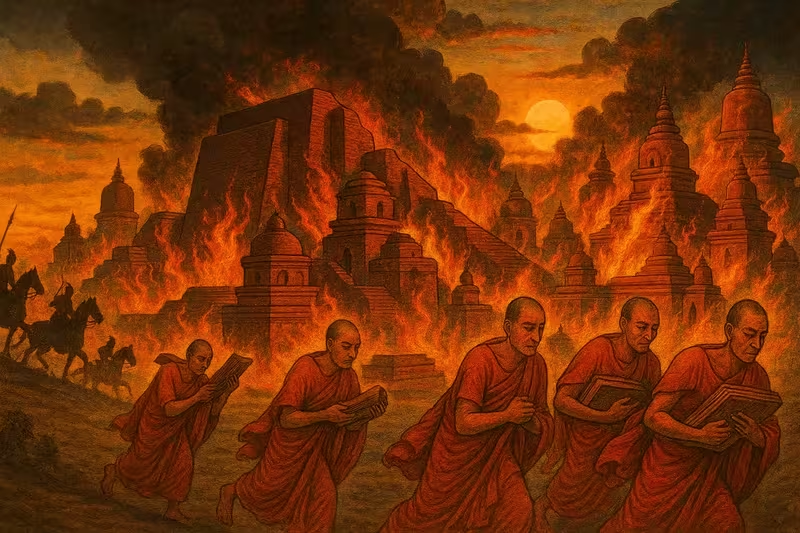

जब नालंदा जलायाः प्राचीन दुनिया के सबसे महान विश्वविद्यालय का पतन
मगध के मैदानी इलाकों में मीलों तक धुआं देखा जा सकता था। यह घने काले स्तंभों में उभरा, जो कुछ ही घंटे पहले था, प्राचीन दुनिया को अब तक ज्ञात सीखने का सबसे शानदार केंद्र था। नालंदा महाविहार के प्रांगण में, जहां हजारों विद्वानों ने कभी दर्शन पर बहस की थी और पवित्र ग्रंथों की नकल की थी, आग की लपटों ने अब एक हजार साल के संचित ज्ञान को भस्म कर दिया। ताड़ के पत्ते की पांडुलिपियाँ, जो भिक्षुओं की पीढ़ियों द्वारा बड़ी मेहनत से उत्कीर्ण की गई थीं, गर्मी में मुड़े और काली हो गईं। जलते हुए कागज और चंदन की गंध कुछ और भयानक के साथ मिल गई-विचारों की एक पूरी दुनिया का विनाश, एक ही विनाशकारी दिन में राख में बदल गया।
लगभग एक सहस्राब्दी के लिए, नालंदा एक प्रकाशस्तंभ के रूप में खड़ा था। 427 ईस्वी के बाद से, इसने पूरे एशिया से ज्ञान के साधकों को आकर्षित किया था। तिब्बत, चीन, कोरिया, जापान, इंडोनेशिया, फारस और तुर्की से छात्र अध्ययन करने के लिए आए, जिसे बाद में कई लोग "दुनिया का पहला आवासीय विश्वविद्यालय" कहेंगे। इसकी दीवारों के भीतर, उन्होंने बौद्ध दर्शन, तर्क, व्याकरण, चिकित्सा, गणित और खगोल विज्ञान का अध्ययन किया। वे एक साथ रहते थे, एक साथ खाते थे, और अपनी समझ को बदल देते थे। यह संस्था राजवंशों के उदय और पतन के दौरान, राजनीतिक उथल-पुथल और धार्मिक परिवर्तनों के माध्यम से लगातार काम करती रही, जो तब तक कायम रही जब तक साम्राज्य ऐसा नहीं कर सके।
अब, जैसे-जैसे 12वीं शताब्दी अपने अंत की ओर बढ़ती गई, वह निरंतरता टूट गई। खुर की आवाज़ ने विद्वानों के प्रवचन की जगह ले ली थी। हथियारों के टकराव ने सूत्रों के जाप को डुबो दिया। और एक ही छापे की अवधि में, एक पूरी सभ्यता के शैक्षिक हृदय ने धड़कना बंद कर दिया।
इससे पहले की दुनिया
यह समझने के लिए कि नालंदा के जलने पर क्या खो गया था, पहले यह समझना होगा कि वह क्या था-और उन दुर्भाग्यपूर्ण वर्षों में मध्ययुगीन भारत ने क्या प्रतिनिधित्व किया जब पुरानी व्यवस्था उपमहाद्वीप में व्यापक परिवर्तन की ताकतों से टकरा गई।
नालंदा के विनाश के समय तक, महाविहार लगभग 800 वर्षों के निरंतर संचालन को देख चुका था। इसकी स्थापना 427 ईस्वी में पूर्वी भारत में मगध के प्राचीन क्षेत्र में, पाटलिपुत्र से लगभग 90 किलोमीटर दक्षिण-पूर्व में की गई थी-वह महान राजधानी जिसमें कभी मौर्य और गुप्त सम्राट रहते थे। यह स्थान स्वयं राजगृह शहर के पास बौद्ध महत्व में डूबा हुआ था, जहाँ बुद्ध ने स्वयं शिक्षण में काफी समय बिताया था।
यह संस्थान 5वीं और 6वीं शताब्दी ईस्वी के दौरान सबसे शानदार ढंग से फला-फूला था, एक ऐसी अवधि जिसे विद्वान बाद में "भारत के स्वर्ण युग" के रूप में वर्णित करेंगे। इन शताब्दियों के दौरान, गुप्त साम्राज्य ने सापेक्ष शांति और समृद्धि की स्थिति पैदा की थी जिसने कला, विज्ञान और धार्मिक विचारों को पनपने दिया। नालंदा इस बौद्धिक पुनर्जागरण का मुकुट रत्न बन गया। महाविहार को शाही संरक्षण मिला और उन्होंने प्रतिभाशाली लोगों को आकर्षित किया। यह केवल एक ऐसा स्थान नहीं था जहाँ मौजूदा ज्ञान को संरक्षित किया गया था-यह वह स्थान था जहाँ नई समझ बनाई गई थी, जहाँ बहस ने दर्शन को नया रूप दिया, जहाँ मानव ज्ञान की सीमाओं को हमेशा बाहर की ओर धकेल दिया गया था।
भौतिक परिसर अपने आप में असाधारण था। महाविहार एक आवासीय परिसर के रूप में कार्य करता था जहाँ भिक्षु दोनों रहते थे और अध्ययन करते थे, जिससे एक तल्लीन शैक्षिक वातावरण का निर्माण होता था। इस आवासीय चरित्र-सीखने के एक समर्पित समुदाय में एक साथ रहने वाले विद्वानों-ने बाद के कई पर्यवेक्षकों को आधुनिक विश्वविद्यालयों के साथ समानताएं आकर्षित करने के लिए प्रेरित किया, हालांकि इस तरह की तुलना को विद्वानों द्वारा चुनौती दी गई है जो तर्क देते हैं कि तुलना ऐतिहासिक रूप से अस्पष्ट है। मध्यकालीन भारतीय मठ आधुनिक पश्चिमी शैक्षणिक संस्थानों की तुलना में विभिन्न संगठनात्मक सिद्धांतों के तहत संचालित होते थे, भले ही वे कुछ कार्यात्मक समानताएं साझा करते थे।
लेकिन 12वीं शताब्दी तक, नालंदा के आसपास की दुनिया नाटकीय रूप से बदल गई थी। बौद्ध धर्म का समर्थन करने वाले महान हिंदू राजवंश लंबे समय से चले गए थे या परिवर्तित हो गए थे। जिस धर्म ने कभी पूरे उत्तरी भारत में शाही संरक्षण का दावा किया था, वह धीरे-धीरे कम हो गया था, हालांकि यह मगध जैसे क्षेत्रों में महत्वपूर्ण बना रहा और एशिया के अन्य हिस्सों में अपनी ताकत बनाए रखी। राजनीतिक परिदृश्य प्रतिस्पर्धी राज्यों में विभाजित हो गया था, जिनमें से प्रत्येक सत्ता और क्षेत्र के लिए लड़ रहा था।
इससे भी महत्वपूर्ण बात यह है कि उपमहाद्वीप में नई सेनाएँ आई थीं। दिल्ली सल्तनत की स्थापना ने उत्तरी भारत में निरंतर इस्लामी राजनीतिक शक्ति की शुरुआत को चिह्नित किया। मुस्लिम शासक और सैन्य कमांडर, शुरू में हमलावरों के रूप में और फिर विजेताओं के रूप में पहुंचे, नई प्रशासनिक प्रणालियों, नई सांस्कृतिक प्रथाओं और नए धार्मिक दृष्टिकोण लाए। इन आने वाली ताकतों और स्थापित भारतीय संस्थानों के बीच टकराव उपमहाद्वीप को रचनात्मक और विनाशकारी दोनों तरीकों से नया रूप देगा।
खिलाड़ियों ने

नालंदा के विनाश में कई अभिनेता शामिल थे, लेकिन ऐतिहासिक स्रोत मुख्य रूप से रक्षकों के बजाय हमलावर बलों पर ध्यान केंद्रित करते हैं। दिल्ली सल्तनत से जुड़ी सेनाओं द्वारा सैन्य विस्तार की अवधि के दौरान एक कार्यशील शैक्षणिक संस्थान के रूप में नालंदा की दौड़ को समाप्त करने वाली छापेमारी हुई।
बख्तियार खिलजी कथा के केंद्र में खड़ा है, हालांकि उस अवधि के ऐतिहासिक स्रोत सीमित और अक्सर विरोधाभासी हैं। 12वीं शताब्दी के अंत और 13वीं शताब्दी की शुरुआत के दौरान पूर्वी भारत में काम करने वाले एक सैन्य कमांडर, खिलजी ने अभियानों का नेतृत्व किया जिससे बंगाल और बिहार के बड़े हिस्से सल्तनत के नियंत्रण में आ गए। उनके अभियानों की विशेषता तेजी से घुड़सवार सेना के हमले थे जो अप्रस्तुत रक्षकों को अभिभूत कर देते थे।
इसके विपरीत, नालंदा के भिक्षु हथियारों के बजाय विचारों की दुनिया में रहते थे। सदियों से, महाविहार ने विद्वता और चिंतन के स्थान के रूप में कार्य किया था। हजारों निवासियों-सटीक संख्या ऐतिहासिक विवरणों में भिन्न होती है-ने अध्ययन, शिक्षण और ज्ञान के संरक्षण के लिए अपना जीवन समर्पित किया। उन्होंने पांडुलिपियों की नकल की, दार्शनिक बहसों में लगे रहे, खगोलीय अवलोकन किए और छात्रों की अगली पीढ़ियों को पढ़ाया। वे विद्वान थे, सैनिक नहीं। महाविहार अपनी सुरक्षा के लिए राजनीतिक स्थिरता और सहानुभूतिपूर्ण शासकों की सुरक्षा पर निर्भर था।
हालाँकि, खिलजी के छापे के समय तक, इस तरह की सुरक्षा समाप्त हो गई थी। जिन स्थानीय शासकों ने कभी नालंदा की रक्षा की थी, उनके पास या तो ऐसा करने की शक्ति नहीं थी या आगे बढ़ रही सल्तनत सेनाओं द्वारा उन्हें हटा दिया गया था। महाविहार ने खुद को उजागर पाया, एक समृद्ध और प्रतिष्ठित लक्ष्य जिसके पास कोई सार्थक सैन्य रक्षा नहीं थी।
व्यापक संदर्भ में दिल्ली सल्तनत की जटिल राजनीति शामिल थी। खिलजी जैसे सैन्य कमांडर केंद्रीय सल्तनत प्राधिकरण से अलग-अलग डिग्री की स्वायत्तता के साथ काम करते थे। उन्होंने सल्तनत नियंत्रण का विस्तार करने के लिए आंशिक रूप से अभियान चलाया, आंशिक रूप से अपने लिए धन और क्षेत्र हासिल करने के लिए। राजनीतिक महत्वाकांक्षा और साधारण अवसरवाद के साथ धार्मिक उत्साह मिला हुआ है। अपनी प्रतिष्ठा स्थापित करने और अपने खजाने को भरने की इच्छा रखने वाले एक कमांडर के लिए, एक समृद्ध मठ एक अप्रतिरोध्य लक्ष्य का प्रतिनिधित्व करता था-इसके सांस्कृतिक या शैक्षिक महत्व की परवाह किए बिना।
बढ़ता तनाव
नालंदा के विनाश की ओर ले जाने वाले वर्षों में पूर्वी भारत में सल्तनत सत्ता का लगातार अतिक्रमण देखा गया। बंगाल और बिहार, जो उत्तर भारत के अन्य हिस्सों को प्रभावित करने वाली राजनीतिक उथल-पुथल से अपेक्षाकृत अछूते रहे थे, ने खुद को तेजी से दबाव में पाया।
इस क्षेत्र में खिलजी के अभियान अलग-अलग घटनाएं नहीं थीं, बल्कि सैन्य विस्तार के एक व्यापक पैटर्न का हिस्सा थीं। ऐतिहासिक विवरण, हालांकि खंडित, छापे और विजयों की एक श्रृंखला का सुझाव देते हैं जो धीरे-धीरे इस क्षेत्र को सल्तनत के नियंत्रण में ले आए। प्रत्येक सफल अभियाने आगे बढ़ने का साहस बढ़ाया। जब्त किए गए प्रत्येक धनी लक्ष्य ने अगले अभियान के लिए संसाधन प्रदान किए।
नालंदा के लिए, आसन्न खतरा स्पष्ट रहा होगा, भले ही भिक्षु इसे रोकने के लिए बहुत कम कर सकते थे। अन्य मठों पर छापे मारे जाने या नष्ट किए जाने की खबर छपी होगी। अन्य बौद्ध समुदायों के शरणार्थियों ने नालंदा की दीवारों के भीतर शरण ली होगी, जिससे तबाही की कहानियां सामने आई होंगी। सदियों के संरक्षण और दान के माध्यम से संचित महाविहार की संपत्ति ने इसे एक स्पष्ट लक्ष्य बना दिया। इसके व्यापक पुस्तकालय, अपनी प्रकाशित पांडुलिपियों और पवित्र ग्रंथों के साथ, न केवल बौद्धिक खजाने बल्कि मूर्त संपत्ति का प्रतिनिधित्व करते थे जिन्हें लूटा जा सकता था।
दृष्टिकोण
जब खिलजी की सेना अंततः नालंदा के पास पहुंची, तो हमला विशिष्ट तेजी के साथ हुआ। मध्यकालीन घुड़सवार सेना के हमले गति और आश्चर्य पर निर्भर थे। घेराबंदी युद्ध के विपरीत, जिसमें विस्तृतैयारी और लंबी नाकाबंदी शामिल थी, घुड़सवार सेना के हमलों का उद्देश्य संगठित प्रतिरोध बनने से पहले रक्षकों को अभिभूत करना था।
नालंदा का भौतिक लेआउट, शैक्षिक उद्देश्यों के लिए प्रभावशाली होने के बावजूद, बहुत कम सैन्य रक्षा प्रदान करता था। महाविहार का निर्माण एक मठ के रूप में किया गया था, किले के रूप में नहीं। इसकी दीवारों ने आंगन और अध्ययन कक्षों को घेर लिया, न कि रक्षात्मक स्थितियों को। इसके निवासियों ने अपना जीवन संस्कृत व्याकरण और बौद्ध दर्शन में महारत हासिल करने में बिताया था, न कि तलवारबाजी और सैन्य रणनीति में।
वास्तविक हमले के ऐतिहासिक विवरण सीमित हैं और उन्हें सावधानी के साथ देखा जाना चाहिए, क्योंकि वे घटनाओं के बाद और अक्सर विशेष पूर्वाग्रहों के साथ लिखे गए स्रोतों से आते हैं। जो बात स्पष्ट प्रतीत होती है वह यह है कि महाविहार घुड़सवार, सशस्त्र योद्धाओं को कोई प्रभावी सैन्य प्रतिरोध प्रदान नहीं कर सका।
संपर्का क्षण
विद्वान समुदाय और सैन्य बल के बीच संघर्ष उतना ही एकतरफा था जितना कि यह दुखद था। बहस में प्रशिक्षित भिक्षु घुड़सवार सेना के आरोपों के साथ बहस नहीं कर सकते थे। पांडुलिपियाँ, चाहे कितनी भी कीमती क्यों न हों, तीरों को विचलित नहीं कर सकीं। सदियों के संचित ज्ञाने तत्काल, भारी बल के खिलाफ कोई बचाव नहीं किया।
कुछ निवासी संभवतः आसपास के ग्रामीण इलाकों में भाग गए। अन्य लोगों ने सबसे मूल्यवान ग्रंथों और कलाकृतियों को छिपाने या संरक्षित करने का प्रयास किया होगा। फिर भी अन्य लोगों ने शायद बातचीत करने या दया की अपील करने की कोशिश की। इन रणनीतियों में से कोई भी आगे आने वाली चीज़ों को रोक नहीं सका।
द टर्निंग प्वाइंट

नालंदा का विनाश भयानक दक्षता के साथ हुआ। एक बार जब हमलावर बलों ने जो भी न्यूनतम सुरक्षा मौजूद थी, उसका उल्लंघन किया, तो महाविहार पूरी तरह से उनकी दया पर निर्भर था-और दया आने वाली नहीं थी।
आग विनाश का प्राथमिक साधन बन गया। मध्यकालीन युद्ध में अक्सर आग को एक हथियार के रूप में इस्तेमाल किया जाता था और नालंदा में इसे प्रचुर मात्रा में ईंधन मिलता था। महाविहार की इमारतें, हालांकि ईंट और पत्थर से बनी थीं, उनमें लकड़ी के तत्व थे-बीम, फर्श, दरवाजे, खिड़की के फ्रेम। इससे भी महत्वपूर्ण बात यह है कि उनमें विशाल पुस्तकालय थे जिनके लिए नालंदा प्रसिद्ध था।
पुस्तकालयों को जलाना शायद विनाश का सबसे विनाशकारी पहलू है। सदियों से, भिक्षुओं ने बड़ी मेहनत से ताड़ के पत्तों पर ग्रंथों की नकल की थी, पांडुलिपियों का निर्माण किया था जो बौद्ध शिक्षाओं, दार्शनिक ग्रंथों, वैज्ञानिक टिप्पणियों और साहित्यिकार्यों को संरक्षित करते थे। लकड़ी की अलमारियों और अलमारियों में संग्रहीत ये पांडुलिपियाँ आग के लिए असाधारण रूप से असुरक्षित थीं। एक बार जब आग की लपटें पुस्तकालय के कक्षों में पहुंच गईं, तो ज्ञान का विनाश रुकने वाला नहीं था।
ऐतिहासिक परंपरा, हालांकि सटीकता के साथ सत्यापित करना मुश्किल है, यह बताती है कि पुस्तकालयों को लंबे समय तक जला दिया गया था। सामग्री की सरासर मात्रा-लगभग एक सहस्राब्दी में जमा हजारों पांडुलिपियों पर हजारों-ने आग के लिए ईंधन प्रदान किया, जो कुछ विवरणों के अनुसार, महीनों तक सुलगती रही। चाहे अवधि हफ्तों की हो या महीनों की, प्रतीकात्मक महत्व वही रहता हैः यह केवल विनाश नहीं था, बल्कि विनाश था। न केवल एक छापा बल्कि एक सांस्कृतिक विलोपन।
भौतिक संरचनाओं को भी इसी तरह का नुकसान हुआ। जबकि ईंट और पत्थर की दीवारें आग से बच सकती हैं, लकड़ी की छत की संरचनाएं ढह गईं। आंगन मलबे से भरे हुए हैं। महाविहार परिसर के भीतर स्तूपों और मंदिरों को क्षतिग्रस्त या नष्ट कर दिया गया था। जिन आवासीय आवासों में हजारों भिक्षु रहते और अध्ययन करते थे, वे निर्जन खंडहर बन गए।
मानव संख्या, हालांकि महत्वपूर्ण है, उपलब्ध सीमित ऐतिहासिक स्रोतों से इसकी मात्रा निर्धारित करना मुश्किल है। कुछ भिक्षु निश्चित रूप से हमले में मारे गए-चाहे वे प्रारंभिक हमले के दौरान मारे गए हों, जलती हुई इमारतों में फंस गए हों या बाद में मारे गए हों। अन्य लोग भाग गए, शरणार्थी बन गए जो पूरे भारत और उसके बाहर तितर-बितर हो गए, जो ज्ञान वे ले जा सकते थे, लेकिन संस्थागत संरचना को पीछे छोड़ दिया जो उनके विद्वानों के काम का समर्थन करता था।
हमलावरों ने महाविहार पर हावी होने के बाद, संभवतः जो भी धन उन्हें मिल सकता था, उसे लूट लिया। सदियों के दान में खजाने जमा हुए थे-सोने के गहने, मूल्यवान धार्मिक कलाकृतियाँ, रत्नों से सजी मूर्तियाँ। ये पोर्टेबल आइटम गायब हो गए, या तो नष्ट हो गए या ले जाए गए। जिसे आसानी से ले जाया नहीं जा सकता था, वह अक्सर क्षतिग्रस्त हो जाता था या सड़ने के लिए छोड़ दिया जाता था।
इसके बाद
विनाश के तुरंत बाद, नालंदा ने शिक्षा के एक प्रमुख केंद्र के रूप में काम करना बंद कर दिया। भौतिक विनाश बहुत पूर्ण था, विद्वान समुदाय भी तितर-बितर हो गया था, संचित ग्रंथों का नुकसान जल्दी ठीक होने के लिए बहुत विनाशकारी था।
कुछ विवरणों से पता चलता है कि प्रारंभिक विनाश के बाद कुछ समय तक इस स्थल पर छोटे पैमाने पर बौद्ध गतिविधि जारी रही, लेकिन एक संपन्न, प्रभावशाली शैक्षणिक संस्थान के रूप में महाविहार प्रभावी रूप से समाप्त हो गया था। निरंतर संचालन जो 427 ईस्वी में शुरू हुआ था और आठ शताब्दियों में अनगिनत राजनीतिक परिवर्तनों से बचा था, आखिरकार टूट गया।
नालंदा के विद्वान समुदाय के फैलाव का प्रभाव पूरे बौद्ध एशिया में पड़ा। बच निकले भिक्षु अपने ज्ञान को अन्य क्षेत्रों में ले गए, लेकिन वे उस संस्थागत बुनियादी ढांचे को फिर से नहीं बना सके जिसने नालंदा को इतना महत्वपूर्ण बना दिया था। मध्यकालीन भारत और एशिया में अन्य बौद्ध केंद्र मौजूद थे, लेकिन कोई भी नालंदा के व्यापक पुस्तकालयों, स्थापित विद्वानों की परंपराओं और विद्वान शिक्षकों और छात्रों के महत्वपूर्ण समूह के अद्वितीय संयोजन को तुरंत प्रतिस्थापित नहीं कर सका।
यह विनाश भारतीय उपमहाद्वीप में बौद्ध पतन की एक व्यापक अवधि के दौरान हुआ। बौद्ध धर्म, जिसे कभी भारत के अधिकांश हिस्सों में शाही संरक्षण और लोकप्रिय समर्थन प्राप्त था, सदियों से हिंदू भक्ति आंदोलनों के कारण धीरे-धीरे जमीन खो रहा था। नालंदा जैसी प्रमुख बौद्ध संस्थाओं के विनाश ने इस प्रवृत्ति को गति दी। जबकि बौद्ध धर्म एशिया के अन्य हिस्सों-तिब्बत, चीन, दक्षिण पूर्व एशिया और अन्य जगहों में फलता-फूलता रहा-यह अपने जन्म के देश में तेजी से एक अल्पसंख्यक परंपरा बन गई।
नालंदा के पुस्तकालयों में संरक्षित ज्ञान आंशिक रूप से था लेकिन पूरी तरह से नष्ट नहीं हुआ था। बौद्ध ग्रंथों को सदियों से एशिया भर के अन्य मठों में कॉपी और वितरित किया गया था, इसलिए कई शिक्षाएं कहीं और संरक्षित संस्करणों में बची रहीं। चीनी तीर्थयात्री जो पिछली शताब्दियों में नालंदा गए थे, वे ग्रंथों की प्रतियां वापस चीन ले गए थे। तिब्बती अनुवादकों ने कई संस्कृत कृतियों को तिब्बती में प्रस्तुत किया था। लेकिन अद्वितीय टिप्पणियाँ, स्थानीय परंपराएँ और कार्य जो केवल एक या कुछ प्रतियों में मौजूद थे, आग की लपटों में हमेशा के लिए गायब हो गए।
यह स्थल धीरे-धीरे प्रकृति में लौट आया। इमारतों और मैदानों को बनाए रखने के लिए भिक्षुओं के समुदाय के बिना, संरचनाएं बिगड़ गईं। दीवारें उखड़ गईं। आंगन वनस्पतियों से भरे हुए हैं। जिस महान महाविहार में हजारों लोग रहते थे, वह एक खंडहर बन गया, फिर एक स्मृति, फिर अंततः एक ऐसा स्थान जिसका सटीक इतिहास आंशिक रूप से भुला दिया गया था।
विरासत

नालंदा के विनाश ने भारतीय सांस्कृतिक और शैक्षिक इतिहास में एक ऐतिहासिक ्षण को चिह्नित किया। यह उस युग के अंत का प्रतीक था जब बौद्ध मठ उपमहाद्वीप के उच्च शिक्षा के प्राथमिकेंद्रों के रूप में कार्य करते थे।
भौतिक स्थल परित्यक्त था और सदियों से काफी हद तक भुला दिया गया था। यात्रियों ने कभी-कभी इस क्षेत्र में खंडहरों का उल्लेख किया, लेकिन प्रसिद्ध महाविहार से संबंध हमेशा नहीं बनाया गया था। नालंदा की संस्थागत स्मृति धीरे-धीरे फीकी पड़ गई। बाद की पीढ़ियाँ इसे मुख्य रूप से ग्रंथों के माध्यम से जानती थीं-चीनी तीर्थयात्रियों के विवरण जो पिछली शताब्दियों में आए थे, बौद्ध साहित्य में संदर्भ और बिखरे हुए ऐतिहासिक उल्लेख।
इस स्थल की आधुनिक पुनः खोज और खुदाई 19वीं शताब्दी में शुरू हुई, जब ब्रिटिश पुरातात्विक सर्वेक्षणों ने खंडहरों की पहचान प्राचीनालंदा के अवशेषों के रूप में की। 20वीं शताब्दी में व्यवस्थित खुदाई से मूल परिसर की सीमा का पता चला-विशाल आंगन, कई मंदिर और मठ, विस्तृत स्तूप, जल निकासी प्रणाली और पक्की सड़कों सहित परिष्कृत बुनियादी ढांचे के प्रमाण। इन पुरातात्विक निष्कर्षों ने नालंदा के एक विशाल शैक्षणिक संस्थान के रूप में पाठ्य वर्णन की पुष्टि की।
पुनः खोज ने नालंदा के ऐतिहासिक महत्व के लिए नए सिरे से सराहना को जन्म दिया। विद्वानों ने इसे एक ऐसे शैक्षिक मॉडल का प्रतिनिधित्व करने के रूप में मान्यता दी जिसका मध्ययुगीन यूरोप में कोई समानांतर नहीं था-एक आवासीय संस्थान जो उच्च शिक्षा के लिए समर्पित था, जिसमें स्थापित पाठ्यक्रम, प्रसिद्ध शिक्षक, विविध पृष्ठभूमि के छात्र और छात्रवृत्ति के लिए व्यवस्थित दृष्टिकोण थे। नालंदा का "दुनिया का पहला आवासीय विश्वविद्यालय" के रूप में वर्णन इस मान्यता से उभरा, हालांकि विद्वान इस बात पर बहस करना जारी रखते हैं कि क्या इस तरह की तुलना ऐतिहासिक रूप से उपयुक्त है या क्या वे उन संस्थानों पर आधुनिक श्रेणियां लागू करते हैं जो मौलिक रूप से अलग सिद्धांतों के तहत काम करते हैं।
आधुनिक भारत में, नालंदा देश की प्राचीन शैक्षिक उत्कृष्टता और बौद्धिक विरासत का प्रतीक बन गया है। यह स्थल अब एक प्रमुख पुरातात्विक आकर्षण और यूनेस्को की विश्व धरोहर स्थल है। 2014 में, प्राचीन खंडहरों के पास एक नया नालंदा विश्वविद्यालय स्थापित किया गया था, जो मूल महाविहार की शैक्षिक विरासत को सचेत रूप से पुनर्जीवित करने का प्रयास कर रहा था। यह आधुनिक संस्थान, पूरी तरह से अलग संगठनात्मक सिद्धांतों के तहत काम करते हुए, समकालीन उच्च शिक्षा को प्राचीन परंपराओं से जोड़ने के प्रयास का प्रतिनिधित्व करता है।
नालंदा का विनाश सांस्कृतिक संस्थानों की नाजुकता और विनाशकारी परिणामों के बारे में एक चेतावनी देने वाली कहानी के रूप में भी कार्य करता है जब सैन्य संघर्ष शिक्षा के केंद्रों को लक्षित करता है। पुस्तकालयों और विश्वविद्यालयों को पनपने के लिए शांति, स्थिरता और सामाजिक समर्थन की आवश्यकता होती है। जब वे स्थितियाँ गायब हो जाती हैं, तो संचित ज्ञान चौंकाने वाली गति से गायब हो सकता है-एक ऐसा सबक जो वहां प्रासंगिक रहता है जहां युद्ध, धार्मिक उग्रवाद या राजनीतिक उथल-पुथल से शैक्षणिक संस्थानों को खतरा होता है।
नालंदा के पुस्तकालयों का नुकसान इतिहास की महान सांस्कृतिक त्रासदियों में से एक है, जिसकी तुलना अलेक्जेंड्रिया के पुस्तकालय के विनाश या माया संहिताओं के नुकसान से की जा सकती है। इस तरह की प्रत्येक घटना ने अद्वितीय दृष्टिकोण को समाप्त कर दिया, बौद्धिक परंपराओं को बाधित किया और मानव ज्ञान को कमजोर कर दिया। नालंदा में जलाए गए ग्रंथों में न केवल बौद्धार्मिक शिक्षाएं थीं, बल्कि वैज्ञानिक अवलोकन, गणितीय ग्रंथ, चिकित्सा ज्ञान, दार्शनिक बहस और साहित्यिकार्य भी थे-एक पूरी सभ्यता का बौद्धिक उत्पादन, जो राख में बदल गया।
इतिहास क्या भूल जाता है
विनाश की नाटकीय कथा से परे एक अधिक सूक्ष्म वास्तविकता निहित है जिसे अक्सर नालंदा के पतन की लोकप्रिय पुनरावृत्तियों में अनदेखा कर दिया जाता है। महाविहार अलग-थलग नहीं था, और इसका विनाश एक अलग घटना नहीं थी, बल्कि मध्ययुगीन भारत को फिर से आकार देने वाली व्यापक ऐतिहासिक धाराओं का हिस्सा था।
इस अवधि के दौरान पूरे उत्तर भारत में बौद्ध मठों को इसी तरह के दबावों का सामना करना पड़ा। नालंदा सबसे प्रसिद्ध था, लेकिन वह अकेला नहीं था। मध्ययुगीन काल के दौरान अन्य महत्वपूर्ण बौद्ध केंद्रों में भी गिरावट आई या गायब हो गए, कभी-कभी सैन्य विनाश के माध्यम से, कभी-कभी संरक्षण और समर्थन के क्रमिक नुकसान के माध्यम से। नालंदा के संस्थागत जीवन को समाप्त करने वाली ताकतों ने पूरे क्षेत्र में बौद्ध समुदायों को प्रभावित किया।
आने वाली सल्तनत सेनाओं और मौजूदा धार्मिक संस्थानों के बीच संबंध साधारण विरोध की तुलना में अधिक जटिल थे। जबकि बख्तियार खिलजी के हमले ने नालंदा को नष्ट कर दिया, भारत में अन्य इस्लामी शासकों ने कभी-कभी गैर-मुस्लिम समुदायों और संस्थानों के प्रति सहिष्णुता या संरक्षण का प्रदर्शन किया। दिल्ली सल्तनत और बाद में भारत में मुस्लिम राजवंशों में ऐसे शासक शामिल थे जो हिंदू मंदिरों की रक्षा करते थे, हिंदू प्रशासकों को नियुक्त करते थे और अपेक्षाकृत बहुलवादी समाजों को बनाए रखते थे। नालंदा का विनाश एक अपरिहार्य पैटर्न के बजाय संभावित बातचीत के एक चरम का प्रतिनिधित्व करता है।
इसी तरह, भारत में बौद्ध धर्म के पतन को केवल बाहरी विनाश के लिए जिम्मेदार नहीं ठहराया जा सकता है। दिल्ली सल्तनत की स्थापना से पहले सदियों से यह धर्म हिंदू भक्ति आंदोलनों के कारण जमीन खो रहा था। संरक्षण स्वरूपों में परिवर्तन, लोकप्रिय धार्मिक भावनाओं में परिवर्तन, आध्यात्मिकता के अधिक सुलभ रूपों की पेशकश करने वाले भक्ति आंदोलनों का उदय, हिंदू दार्शनिक विद्यालयों से प्रतिस्पर्धा-इन सभी कारकों ने बख्तियार खिलजी की सेनाओं के आने से बहुत पहले अपनी मूल भूमि में बौद्ध धर्म के प्रभाव को कम करने में योगदान दिया।
नालंदा के भिक्षु और विद्वान समय के साथ जमे हुए निष्क्रिय पीड़ित नहीं थे। वे अपनी परंपराओं को बदलती परिस्थितियों के अनुकूल बनाते हुए चल रही धर्मशास्त्रीय और दार्शनिक बहसों में सक्रिय भागीदार थे। अपनी अंतिम शताब्दियों में महाविहार संभवतः 5वीं शताब्दी के शिखर पर स्थित संस्थान से अलग दिखता था। पाठ्यक्रम विकसित हुआ, नए ग्रंथों का अध्ययन किया गया, विभिन्न बौद्ध विद्यालयों के बीच संतुलन बदल गया। नालंदा महत्वपूर्ण बना रहा क्योंकि यह केवल प्राचीन परंपराओं को अपरिवर्तित रखने के बजाय विकसित होता रहा।
नालंदा में संरक्षित ज्ञान, महत्वपूर्ण होने के बावजूद, मध्ययुगीन भारतीय बौद्धिक जीवन में कई लोगों के बीच एक परंपरा का प्रतिनिधित्व करता था। हिंदू दार्शनिक स्कूल, जैन समुदाय, क्षेत्रीय साहित्यिक परंपराएं, बौद्ध संस्थानों के बाहर किए गए वैज्ञानिक और गणितीय कार्य-इन सभी ने भारत की बौद्धिक जीवंतता में योगदान दिया। नालंदा का विनाश एक विनाशकारी क्षति थी, लेकिन इसने भारतीय विद्वता या सांस्कृतिक उत्पादन को समाप्त नहीं किया। अन्य परंपराएं जारी रहीं, अन्य संस्थान उभरे और बौद्धिक जीवन तब भी बना रहा जब इसका एक सबसे बड़ा केंद्र गिर गया।
नालंदा के पुरातात्विक अवशेष एक जटिल संस्था को प्रकट करते हैं जो सदियों से विकसित हुई है। यह स्थल कई निर्माण चरणों, वास्तुकला शैली में परिवर्तन, विभिन्न बौद्ध परंपराओं के समावेश के प्रमाण दिखाता है। यह भौतिक साक्ष्य हमें यादिलाता है कि 12वीं शताब्दी में जलाया गया महाविहार 427 ईस्वी में स्थापित संस्था के समान नहीं था। यह लगभग एक सहस्राब्दी में विकसित, परिवर्तित और अनुकूलित हुआ था। इस विकास को समझने से हमें यह समझने में मदद मिलती है कि क्या खो गया था और यह कितना उल्लेखनीय था कि कोई भी संस्थान इतने लंबे समय तक निरंतरता बनाए रख सकता था।
अंत में, यह याद रखने योग्य है कि हम जानते हैं कि नालंदा का निरंतर संचालन कब समाप्त हुआ, हम सभी परिस्थितियों को सटीक रूप से नहीं जानते हैं। इस अवधि के ऐतिहासिक स्रोत सीमित हैं, जो अक्सर घटनाओं के लंबे समय बाद लिखे जाते हैं, और कभी-कभी विरोधाभासी होते हैं। विनाश के लिए अक्सर दी जाने वाली तारीख निश्चित होने के बजाय अनुमानित होती है। घटनाओं का सटीक्रम, विभिन्न कर्ताओं का निर्णय लेना, भिक्षुओं की तत्काल प्रतिक्रिया-ये सभी विवरण समय बीतने और ऐतिहासिक स्रोतों की सीमाओं के कारण आंशिक रूप से अस्पष्ट रहते हैं। हम निश्चित रूप से जानते हैं कि एक महान संस्थान गिर गया और इसके साथ ही मानव सांस्कृतिक विरासत का एक अपरिवर्तनीय हिस्सा खो गया। हालाँकि, उस नुकसान के सटीक तंत्र पूर्ण निश्चितता के बजाय विद्वानों की बहस और पुनर्निर्माण के मामले बने हुए हैं।
नालंदा के जलने की कहानी हमें यादिलाती है कि सभ्यता नाजुक है, कि एक बार खोए हुए ज्ञान को कभी भी पुनर्प्राप्त नहीं किया जा सकता है, और शिक्षण संस्थानों को भौतिक संरचनाओं से अधिकी आवश्यकता होती है-उन्हें शांतिपूर्ण परिस्थितियों, सामाजिक समर्थन और पीढ़ियों में समझ को संरक्षित करने और प्रसारित करने के लिए प्रतिबद्धता की आवश्यकता होती है। जब वे स्थितियाँ विफल हो जाती हैं, तो सीखने के सबसे बड़े केंद्र भी खंडहर हो सकते हैं, उनका संचित ज्ञान बिखरा हुआ या नष्ट हो जाता है, केवल टुकड़ों और यादों को छोड़ देता है जो एक बार था।