
Economic History of India Timeline
Comprehensive timeline of 45 major economic events spanning over 4,500 years, from the Indus Valley Civilisation's agricultural foundations to modern India's economic liberalization.

Indus Valley Civilisation Agricultural Foundation
The Indus Valley Civilisation established sophisticated agricultural systems including wheat and barley cultivation, irrigation networks, and standardized weights and measures. This agricultural surplus enabled urban development and craft specialization, creating one of the world's earliest complex economies with extensive trade networks reaching Mesopotamia and Central Asia.
Establishment of Maritime Trade with Mesopotamia
Indus Valley merchants established regular maritime trade routes with Mesopotamia, exporting cotton textiles, precious stones, ivory, and timber. Archaeological evidence from Mesopotamian sites reveals extensive trading relationships, with references to 'Meluhha' (likely the Indus region) appearing in cuneiform texts. This marked the beginning of India's long tradition as a major trading civilization.
Vedic Period Cattle-Based Economy
During the early Vedic period, cattle became the primary measure of wealth and medium of exchange. Agricultural settlements expanded across the Indo-Gangetic plain, with the economy centered on pastoral activities, barley cultivation, and craft production. The concept of 'gotra' and cattle-based wealth calculations laid foundations for later economic systems.
Iron Technology Revolution
The introduction of iron technology revolutionized agriculture, enabling clearing of dense forests in the Gangetic plain and increased agricultural productivity. Iron ploughshares, axes, and tools facilitated expansion of settled agriculture and population growth, creating economic surplus that supported the rise of mahajanapadas and urban centers.
Introduction of Punch-Marked Coinage
The mahajanapadas introduced standardized punch-marked silver coins (karshapanas), marking the transition from barter to monetary economy. These coins facilitated long-distance trade, tax collection, and economic integration across regions. The standardization of currency represented a major advancement in economic organization and state formation.
Rise of Merchant Guilds and Trade Associations
Buddhist texts describe the flourishing of merchant guilds (shrenis) that organized trade, provided banking services, and regulated craft production. These guilds accumulated significant capital, made loans, and financed trade expeditions, creating sophisticated commercial institutions that would characterize Indian economic organization for centuries.
Mauryan Empire's Centralized Economic Administration
The Mauryan Empire established a sophisticated centralized economic system with standardized taxation, state-controlled industries, and regulated trade. Kautilya's Arthashastra outlined detailed economic policies including price controls, quality standards, and state monopolies on key industries like mining and armaments, creating one of the ancient world's most organized economies.
Integration into Silk Road Trade Network
Indian merchants established regular connections with the Silk Road, exporting precious stones, spices, ivory, textiles, and Buddhist texts while importing silk, horses, and Central Asian goods. This integration made India a crucial node in transcontinental trade networks linking the Mediterranean, Middle East, Central Asia, and China.
Indo-Roman Maritime Trade Expansion
Following discovery of monsoon wind patterns, direct maritime trade between India and the Roman Empire flourished. Indian ports like Muziris and Arikamedu became wealthy trading centers exporting spices, pearls, textiles, and precious stones. Roman writers complained about gold drain to India, with Pliny estimating annual trade at 50 million sesterces, highlighting India's favorable trade balance.
Gupta Economic Prosperity and Urbanization
The Gupta period witnessed remarkable economic prosperity with flourishing urban centers, advanced metallurgy (including the rust-resistant Iron Pillar of Delhi), extensive trade networks, and patronage of arts and sciences. Agricultural productivity increased through land grants and irrigation projects. India's GDP share during this period is estimated at 30-35% of world GDP, marking a golden age of economic development.
Indian Merchants Dominate Indian Ocean Trade
Indian merchants and sailors established dominant positions in Indian Ocean trade networks, with Indian vessels regularly sailing to Southeast Asia, East Africa, and the Arabian Peninsula. Indian trading communities settled across maritime Asia, spreading Indian cultural influences alongside commercial activities. This maritime expansion created vast wealth and cultural exchange.
Temples Emerge as Major Economic Institutions
Large Hindu temples developed into major economic centers, accumulating vast land holdings, organizing agricultural production, financing trade, and functioning as banks. Temples like those at Thanjavur owned thousands of acres, employed numerous workers, and played crucial roles in regional economies, combining religious and economic functions.
Delhi Sultanate's Monetary Reforms
The Delhi Sultanate introduced significant monetary innovations including the silver tanka and copper jital, standardizing currency across North India. Ala-ud-Din Khalji implemented ambitious price controls and market regulations, though with mixed results. The Sultanate also established iqta system of land revenue collection that shaped economic administration.
Mongol Invasions Disrupt Central Asian Trade
Mongol invasions temporarily disrupted overland trade routes through Central Asia but ultimately led to the Pax Mongolica, which facilitated safer transcontinental trade. Indian merchants adapted by strengthening maritime routes and developing new commercial relationships with the Mongol successor states, demonstrating economic resilience.
Vijayanagara Empire's Commercial Success
The Vijayanagara Empire created one of medieval India's most prosperous economies, with its capital city housing an estimated 500,000 inhabitants. The empire controlled lucrative spice trade, diamond mines, and cotton production. Foreign travelers like Abdur Razzaq and Domingo Paes described the extraordinary wealth, bustling markets, and sophisticated administration of this Hindu empire.
Bengal Emerges as Major Textile Manufacturing Center
Bengal developed into the world's leading producer of fine cotton textiles, particularly muslin. The region's textile industry employed millions and exported products across Asia, Europe, and Africa. Bengali cotton goods were so prized that they became a form of currency in some regions, establishing Bengal as the 'workshop of the world' before industrialization.
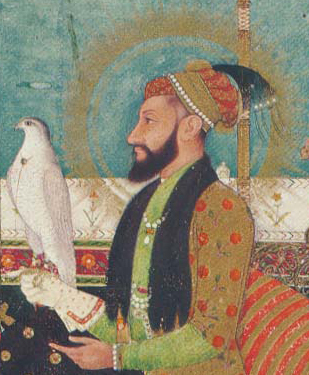
Mughal Empire Reaches Economic Zenith
Under Akbar and his successors, the Mughal Empire controlled approximately 25% of world GDP, making it one of history's wealthiest states. Akbar's land revenue reforms (zabt system), standardized currency, and efficient administration created a prosperous economy. Agricultural productivity, handicraft production, and both domestic and international trade flourished, attracting merchants from across the world.
Establishment of European Trading Companies
Portuguese, Dutch, British, and French trading companies established posts along Indian coasts, initially as minor participants in existing trade networks. These companies sought Indian textiles, spices, and indigo, paying primarily in silver. Their early presence had limited economic impact but planted seeds for later colonial exploitation.
Surat Becomes World's Premier Trading Port
Surat emerged as one of the world's busiest and wealthiest ports, handling massive volumes of trade between India, the Middle East, Europe, and Southeast Asia. The city's merchant communities, including Gujarati, Armenian, and Jewish traders, conducted sophisticated banking and insurance operations, making Surat a truly global commercial center.
Mughal Revenue Collection Reaches Peak
During Aurangzeb's reign, despite constant military campaigns, the Mughal Empire's land revenue collection reached unprecedented levels. However, high taxation to fund military expansion began straining the economy. The empire's GDP remained substantial, but the economic burden on peasantry increased, creating tensions that contributed to later instability.
Maratha Chauth Tax System
The Marathas established the chauth system, collecting 25% of land revenue from territories as protection money. This decentralized fiscal system, while effective for Maratha expansion, created complex economic relationships and multiple layers of taxation that affected trade and agriculture across large parts of India.
Battle of Plassey and East India Company's Economic Dominance Begins
Following the Battle of Plassey, the East India Company gained control over Bengal's revenues, marking the beginning of systematic economic exploitation. The Company used Bengal's wealth to finance further conquests and purchase Indian goods for export without paying in silver, fundamentally altering India's economic position from creditor to tributary.
Great Bengal Famine
The Great Bengal Famine killed an estimated 10 million people (one-third of Bengal's population), largely due to Company policies that prioritized revenue collection over famine relief. This catastrophe marked the devastating human cost of colonial economic policies and began the systematic impoverishment of one of the world's richest regions.
British Industrial Revolution Destroys Indian Manufacturing
British industrial production of cheap machine-made textiles destroyed India's handicraft industries. Tariff policies favored British imports while restricting Indian exports, reversing centuries of trade surplus. India transformed from a major manufacturing economy to a raw material supplier, with textile employment collapsing and millions of artisans impoverished.
Permanent Settlement Land Revenue System
The Permanent Settlement in Bengal fixed land revenue demands, creating a new class of zamindars with permanent property rights. While providing revenue stability for the Company, it disconnected landowners from cultivation, leading to rack-renting, peasant indebtedness, and agricultural stagnation. This system profoundly impacted Bengal's agrarian economy.

First Railway Line Opens
India's first railway line opened between Bombay and Thane, beginning massive railway construction that would create the world's fourth-largest network. While facilitating trade and administration, railways were built primarily for British economic interests - moving raw materials to ports and manufactured goods inland - with construction costs borne by Indian revenues.
Telegraph System Established
The introduction of telegraph communications revolutionized administrative control and commercial operations in India. While facilitating British governance and military control, it also enabled faster business communications, integration of regional markets, and eventually contributed to nationalist coordination. The technology had mixed economic impacts.
Suez Canal Opening Transforms Indian Trade
The Suez Canal's opening dramatically reduced sailing time between India and Europe, intensifying British economic exploitation. While facilitating trade, it strengthened colonial ties by making India more accessible to British manufactures and easier to administer. Indian raw materials reached British factories faster, but the canal's benefits flowed primarily to colonial interests.
Great Famine of 1876-1878
The Great Famine killed between 5.5 and 10 million people, exacerbated by colonial policies that continued exporting grain during the crisis and refused to implement effective relief. This and subsequent famines demonstrated how colonial economic policies prioritizing revenue extraction over welfare caused repeated humanitarian catastrophes, undermining India's economic resilience.
Swadeshi Movement Launched
In response to Bengal's partition, the Swadeshi Movement promoted Indian-made goods and boycott of British products, marking economic nationalism's emergence. Indian entrepreneurs established textile mills, banks, and insurance companies. Though limited in immediate economic impact, the movement planted seeds for post-independence economic self-reliance and demonstrated India's potential for industrial development.
World War I Economic Exploitation
India contributed £146 million to Britain's war effort, plus troops and materials. The war caused inflation, increased taxation, and economic disruption while India received nothing in return. This massive wealth transfer and postwar economic difficulties fueled nationalist sentiment and demands for economic justice, exposing the exploitative nature of colonial economics.
Reserve Bank of India Established
The Reserve Bank of India was founded as the central bank, initially functioning under colonial administration. Despite limited independence, it marked an important step toward modern monetary institutions. After independence, RBI would become crucial for economic policy implementation, monetary management, and banking regulation.
World War II Creates Sterling Balances
India's massive contributions to World War II created £1.3 billion in sterling balances owed by Britain. India provided troops, materials, and financing while suffering the Bengal Famine of 1943. These forced contributions represented enormous wealth transfer, though the sterling balances became a complex post-independence economic issue.
Bengal Famine of 1943
The Bengal Famine killed approximately 3 million people, caused by a combination of wartime policies, hoarding, and British indifference. Churchill's government refused to divert food supplies, prioritizing war efforts over Indian lives. This final major colonial famine exemplified how British economic policies systematically valued Indian lives less than colonial interests.
Independence and Partition's Economic Impact
Independence was accompanied by Partition, which divided economic assets, infrastructure, and industrial capacity between India and Pakistan. India inherited only 3% of manufacturing capacity in what became Pakistan, while managing massive refugee rehabilitation costs. Despite challenges, India emerged with functioning administrative structures and diverse economic resources to begin building a new economy.
First Five-Year Plan Launched
India's First Five-Year Plan emphasized agricultural development and irrigation, achieving significant success with 3.6% annual growth. Inspired by Soviet planning but adapting to democratic context, this marked the beginning of planned economic development. The plan prioritized building institutional capacity and addressing immediate food security concerns.
Industrial Policy Resolution
The Industrial Policy Resolution of 1956 established the framework for India's mixed economy, reserving key industries for public sector while allowing private enterprise in others. This policy shaped India's economic structure for decades, emphasizing import substitution industrialization and state-led development, though it later faced criticism for inefficiency.
Green Revolution Transforms Agriculture
Introduction of high-yielding wheat and rice varieties, along with fertilizers and irrigation, dramatically increased agricultural production. India achieved food self-sufficiency, ending chronic famines. While the Green Revolution saved millions from starvation and boosted rural incomes, it also created regional disparities and environmental concerns.
Nationalization of Major Banks
Indira Gandhi's government nationalized 14 major commercial banks, aiming to expand rural credit and reduce concentration of economic power. While nationalization increased banking coverage and directed credit to priority sectors, it also created efficiency issues and political interference that persisted until liberalization. This remains one of independent India's most debated economic policies.
Operation Flood White Revolution
Operation Flood created a national milk grid connecting producers with consumers, making India the world's largest milk producer. This cooperative movement empowered rural producers, particularly women, created rural employment, and demonstrated successful bottom-up development. It became a model for agricultural cooperatives worldwide.
Balance of Payments Crisis
India faced a severe balance of payments crisis with foreign exchange reserves covering only two weeks of imports. The crisis, triggered by Gulf War oil price shocks and fiscal mismanagement, forced fundamental economic reforms. India airlifted gold to pledge as collateral, marking a humiliating low point that catalyzed transformative liberalization.
Historic Economic Liberalization Reforms
Finance Minister Manmohan Singh's budget speech launched comprehensive economic reforms: dismantling industrial licensing, reducing tariffs, opening to foreign investment, and liberalizing trade. These reforms ended the License Raj, integrated India into global economy, and unleashed private sector entrepreneurship. The 1991 liberalization marked India's most significant economic transformation since independence.

IT Services Industry Emergence
Indian IT services companies like Infosys, TCS, and Wipro emerged as global leaders in software services and business process outsourcing. Leveraging English-speaking talent and lower costs, India became the world's back office. The IT boom created millions of jobs, transformed Bangalore and other cities, and established India's brand as a knowledge economy.
Telecommunications Revolution
Telecom sector reforms and competition led to mobile phone adoption exploding from less than 1 million to over 1 billion subscribers within two decades. Cheap mobile connectivity transformed commerce, banking, and communication, particularly in rural areas. This digital revolution created new business models and connected millions to the formal economy.
India Joins World Trade Organization
As a founding member of WTO, India integrated deeper into global trade system while negotiating protections for agriculture and services. WTO membership forced further economic reforms, reduced tariffs, and increased trade volumes. India emerged as a significant voice for developing countries in global trade negotiations.
Financial Inclusion Initiatives
Multiple initiatives aimed to bring banking to the unbanked, culminating in the Jan Dhan Yojana which opened hundreds of millions of bank accounts. Combined with Aadhaar biometric identity and mobile payments, financial inclusion efforts aimed to create a digital payment infrastructure and deliver welfare benefits efficiently.
Digital India Initiative
The Digital India program aimed to transform India into a digitally empowered society through expanding internet connectivity, digital infrastructure, and e-governance. Combined with startup initiatives, it positioned India to leverage technology for development, though digital divide challenges persist between urban and rural areas.
Goods and Services Tax Implementation
GST replaced multiple central and state taxes with a unified national tax system, creating a common Indian market. Despite implementation challenges, GST represented India's most significant tax reform since independence, simplifying compliance and reducing barriers to interstate commerce. The reform's full economic impact continues to evolve.

India Becomes World's Fifth Largest Economy
India overtook the United Kingdom to become the world's fifth largest economy by nominal GDP, with projections to become third largest by 2030. This milestone reflected decades of economic growth averaging 6-7% annually since liberalization. However, per capita income remains modest, highlighting continuing development challenges.