
Indian Rebellion of 1857 Timeline
Comprehensive timeline of 45 major events spanning the Indian Rebellion of 1857-58, from the initial sepoy mutiny at Meerut to the formal end of hostilities and the transfer of power to the British Crown.
Greased Cartridge Controversy Begins
Rumors spread among sepoys that the new Enfield rifle cartridges are greased with cow and pig fat, offending both Hindu and Muslim religious beliefs. Soldiers must bite the cartridges to load them, creating widespread anxiety and anger across Company regiments. This becomes the immediate trigger for broader grievances about Company rule.
Mangal Pandey's Revolt at Barrackpore
Sepoy Mangal Pandey of the 34th Bengal Native Infantry attacks British officers at Barrackpore near Calcutta, refusing to use the controversial cartridges. He wounds Lieutenant Baugh and attempts to incite other sepoys to rebellion. Though subdued and later executed, his actions inspire wider resistance and he becomes a martyr for the rebel cause.
Disbanding of 34th Bengal Native Infantry
In response to Mangal Pandey's rebellion and growing unrest, the British disband the entire 34th Bengal Native Infantry regiment. This harsh collective punishment further inflames tensions across other regiments, as sepoys see their comrades punished for the actions of one man and fear similar treatment.
Imprisonment of 85 Sepoys at Meerut
Eighty-five cavalry troopers of the 3rd Bengal Light Cavalry at Meerut refuse to use the new cartridges and are court-martialed. They are publicly stripped of their uniforms, shackled in irons, and sentenced to ten years of hard labor in a humiliating ceremony witnessed by their comrades. This degrading punishment proves to be the final provocation.

Outbreak of Mutiny at Meerut
Sepoys at Meerut garrison rise in violent rebellion, breaking open the jail to free their imprisoned comrades. They kill several British officers and civilians in an explosion of rage against Company authority. The mutiny spreads rapidly through the cantonment as three native infantry regiments join the uprising, marking the formal beginning of the great rebellion.
Rebel Sepoys March to Delhi
After the Meerut uprising, mutinous sepoys march 40 miles through the night to Delhi, the symbolic heart of Mughal power. They arrive at dawn on May 11, seeking legitimacy for their rebellion by rallying to the aged Mughal Emperor Bahadur Shah Zafar. This strategic move transforms a military mutiny into a broader political uprising against British rule.
Delhi Falls to Rebel Forces
Rebel sepoys enter Delhi and seize control of the city after fierce street fighting. British officers and civilians are killed, and the small British garrison is overwhelmed. The rebels proclaim the reluctant Mughal Emperor Bahadur Shah Zafar as their leader, giving the rebellion imperial legitimacy and making Delhi the symbolic capital of the uprising.
Bahadur Shah Zafar Proclaimed Emperor of India
The rebel forces formally proclaim the 82-year-old Mughal Emperor Bahadur Shah Zafar as Shahenshah-e-Hindustan (Emperor of India), seeking to restore Mughal authority. Though largely a figurehead, his involvement gives the rebellion political legitimacy and frames it as a war against foreign occupation rather than mere military mutiny.
Rebellion Spreads to Awadh
The uprising rapidly spreads to Awadh (Oudh), recently annexed by the British in 1856. Sepoys in Lucknow, Kanpur, and other cities mutiny, with deep resentment over the annexation fueling civilian support. The dispossessed Awadh nobility and displaced officials join the rebellion, adding aristocratic leadership to the sepoy revolt.

Siege of Lucknow Begins
British residents, troops, and loyal Indians in Lucknow retreat to the heavily fortified Residency compound as rebel forces surround the city. The siege becomes one of the most famous episodes of the rebellion, with approximately 3,000 people enduring months of bombardment, disease, and starvation while awaiting relief.
Siege of Kanpur and Wheeler's Entrenchment
General Hugh Wheeler's small British garrison at Kanpur is besieged by forces under Nana Sahib, the adopted son of the last Peshwa. After three weeks of bombardment in scorching June heat with dwindling supplies, Wheeler negotiates a safe passage to Allahabad. The garrison, including women and children, faces dire conditions in makeshift barracks.
Satichaura Ghat Massacre
As British forces and civilians board boats at Satichaura Ghat on the Ganges following the negotiated surrender at Kanpur, rebel forces open fire, killing most of the men. Women and children are taken captive. This controversial incident, whether planned or spontaneous, becomes a rallying cry for British forces and justifies brutal reprisals.
Bibighar Massacre at Kanpur
Following the approach of British relief forces under General Havelock, approximately 120 British women and children held captive at Bibighar (Ladies' House) in Kanpur are killed on Nana Sahib's orders. Their bodies are thrown into a nearby well. This atrocity inflames British opinion and leads to severe retaliatory violence against Indians.
Havelock's Forces Recapture Kanpur
Major General Henry Havelock's relief column fights through rebel forces and recaptures Kanpur. Upon discovering the massacre site at Bibighar, British troops exact terrible vengeance on the city's population, executing suspected rebels and innocent civilians alike. The recapture is a pyrrhic victory that further brutalizes the conflict.
British Siege of Delhi Begins
British forces establish siege positions on the Delhi Ridge overlooking the city, beginning a months-long effort to recapture the rebel capital. Despite being outnumbered by the garrison inside, the British maintain their precarious position through fierce fighting, disease, and scorching summer heat. Control of Delhi becomes the symbolic crux of the entire rebellion.
Jhansi Fort Massacre
Rebel sepoys massacre the British garrison at Jhansi fort after they surrender. The Rani of Jhansi, Lakshmibai, later becomes a rebel leader, though her involvement in the massacre remains disputed. The incident draws central India deeper into the rebellion and creates one of its most iconic figures.
Battle of Badli-ki-Serai
British forces defeat a rebel army at Badli-ki-Serai, six miles north of Delhi, in the first major engagement of the Delhi campaign. The victory allows the British to establish their siege positions on the ridge overlooking the city. Despite heavy casualties in the summer heat, British morale is boosted by this tactical success.
First Relief of Lucknow
General Havelock and Colonel James Outram fight their way into the besieged Lucknow Residency with a relief force, bringing supplies and reinforcements. However, lacking sufficient strength to evacuate the garrison or secure the city, they become besieged themselves. The garrison now swells to 5,000 people, awaiting further relief.
British Assault on Delhi Begins
After months of siege and the arrival of heavy siege guns, British forces launch their final assault on Delhi. Engineers blow breaches in the massive walls, and troops storm through into intense street fighting. The assault is desperate and bloody, with both sides suffering heavy casualties in house-to-house combat.
Delhi Recaptured by British Forces
After six days of brutal street fighting, British forces finally secure control of Delhi. The recapture of the symbolic Mughal capital marks a turning point in the rebellion, dealing a severe blow to rebel morale. The city endures wholesale looting and indiscriminate killing as British troops exact revenge.
Capture of Bahadur Shah Zafar
The last Mughal Emperor, Bahadur Shah Zafar, is captured by British forces under Captain William Hodson at Humayun's Tomb where he has taken refuge. His capture symbolically marks the end of Mughal authority in India. The aged emperor is later tried for rebellion and treason.
Execution of Mughal Princes
Captain Hodson summarily executes Bahadur Shah's sons and grandson at the Khooni Darwaza (Bloody Gate) in Delhi. This extrajudicial killing eliminates potential rallying points for continued resistance but also demonstrates the brutal nature of British reprisals. The bodies are publicly displayed as a warning.
Second Relief of Lucknow
Sir Colin Campbell leads a larger relief force to Lucknow and successfully evacuates the besieged garrison from the Residency. Women, children, and wounded are brought to safety after five months of siege. However, rebel forces still control most of the city, requiring a future campaign to fully recapture Lucknow.
Complete Evacuation of Lucknow Residency
Campbell completes the evacuation of all British personnel from the Lucknow Residency complex. The successful withdrawal ends one of the war's most famous sieges, though it temporarily cedes the city to rebel control. The evacuated defenders are celebrated as heroes throughout the British Empire.
Tantia Tope Defeated at Kanpur
The rebel commander Tantia Tope attempts to recapture Kanpur with a large force but is decisively defeated by Sir Colin Campbell's army. This victory secures British control over the vital communication and supply route through the Ganges valley, enabling further operations against remaining rebel strongholds.
Proclamation Transferring India to Crown
Queen Victoria issues a proclamation announcing the British government's intention to assume direct control of India from the East India Company. This marks the beginning of the end of Company rule and promises reforms, religious tolerance, and equal treatment of Indian subjects, though implementation will be gradual.
Final British Assault on Lucknow
Sir Colin Campbell launches the final campaign to recapture Lucknow with overwhelming force, including Gurkha and Sikh regiments. After weeks of intense fighting through fortified palaces and gardens, British forces systematically clear the city of rebels. The campaign demonstrates British determination to crush all remaining resistance.
Lucknow Fully Recaptured
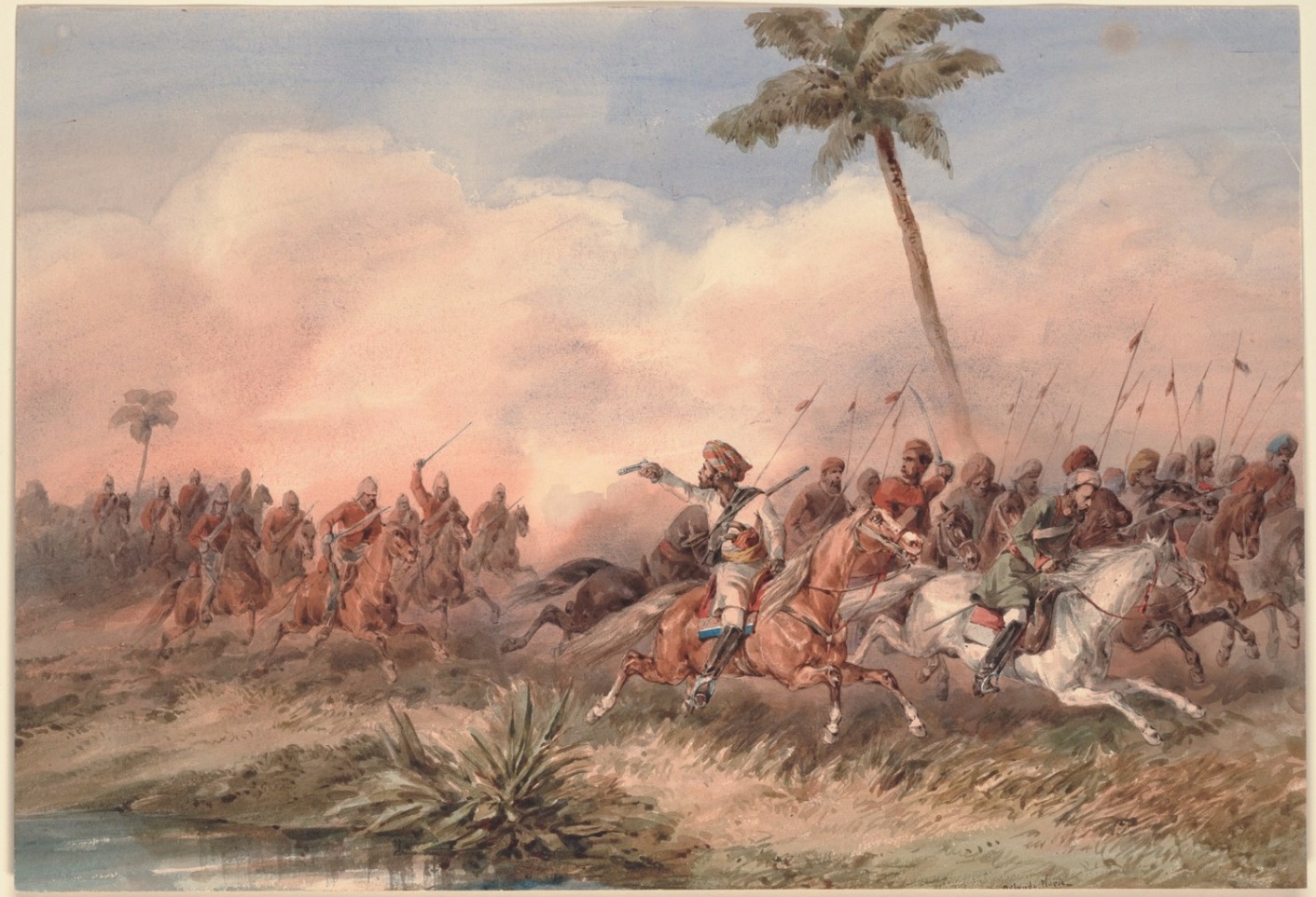
British forces complete the recapture of Lucknow after brutal street-by-street fighting. The fall of Lucknow, the last major rebel stronghold in Awadh, marks the effective end of organized resistance in northern India. Rebel forces scatter into the countryside or flee to neighboring regions.
Siege of Jhansi Begins
British forces under Sir Hugh Rose besiege Jhansi, now defended by the legendary Rani Lakshmibai. The Rani has emerged as one of the rebellion's most capable military leaders, organizing the city's defenses and inspiring fierce resistance. The siege becomes a test of British resolve in central India.
Fall of Jhansi
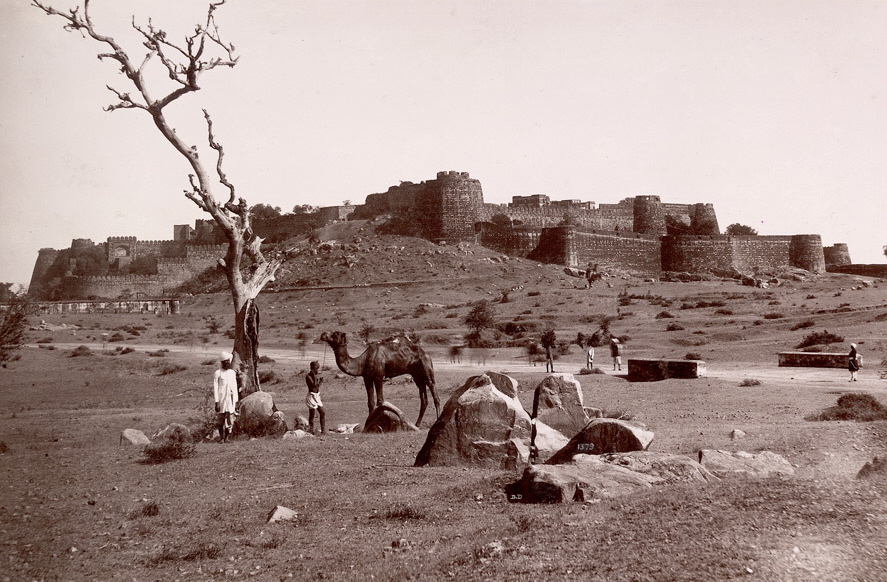
After a fierce defense, Jhansi falls to British forces. The Rani of Jhansi escapes the fallen city with a small band of followers, riding through British lines in a daring nighttime breakout. The fall of Jhansi eliminates a major rebel center in central India, but the Rani's escape maintains rebel morale.
Battle of Kalpi
British forces under Sir Hugh Rose defeat rebel armies including forces led by the Rani of Jhansi and Tantia Tope at Kalpi on the Yamuna River. Despite outnumbering the British, rebel forces are outmaneuvered and outgunned. The defeat forces surviving rebels to retreat toward Gwalior.
Rebels Seize Gwalior
Rebel forces led by Tantia Tope and the Rani of Jhansi seize the strategic fortress city of Gwalior, forcing the pro-British Maharaja Scindia to flee. The capture gives rebels temporary control of one of central India's most powerful states and provides access to its treasury and arsenal.
Death of Rani Lakshmibai at Gwalior
The Rani of Jhansi, Lakshmibai, is killed in battle during the British assault on Gwalior, fighting dressed as a male cavalry soldier. Her death at age 29 makes her a martyr and symbol of Indian resistance. According to British accounts, she fought fiercely until the end, embodying the rebellion's defiant spirit.
British Recapture Gwalior
Sir Hugh Rose's Central India Field Force recaptures Gwalior after fierce fighting, defeating the rebel army in the war's last major engagement. Tantia Tope and other surviving leaders escape, but organized rebel resistance effectively ends. The victory secures central India and marks the rebellion's military conclusion.
Trial of Bahadur Shah Zafar
The captured Mughal Emperor Bahadur Shah Zafar is tried by British authorities in Delhi on charges of rebellion, conspiracy, and murder. The trial is largely symbolic, as the outcome is predetermined. The proceedings formally mark the end of the Mughal dynasty's political power after three centuries.
Bahadur Shah Zafar Exiled to Burma
Following his conviction, Bahadur Shah Zafar is exiled to Rangoon (Yangon) in Burma with several family members. The 83-year-old emperor, once the symbolic head of the rebellion, will spend his remaining years in captivity far from Delhi. His exile marks the final end of the Mughal Empire.
British Grant General Amnesty
The British government issues a proclamation granting amnesty to all rebels not directly involved in the murder of British subjects. This marks the official policy shift from brutal reprisals to reconciliation, though sporadic violence and guerrilla warfare continues in some regions.
Capture of Tantia Tope
Tantia Tope, one of the rebellion's most effective military leaders, is betrayed and captured by British forces in the Paron forests of central India. He has evaded capture for months through brilliant guerrilla tactics, but treachery by Man Singh, a supposed ally, leads to his arrest.
Execution of Tantia Tope
Tantia Tope is executed by hanging in Shivpuri after a brief trial. His death removes one of the last major rebel leaders still at large. A brilliant strategist and loyal commander, his execution symbolizes the British determination to eliminate all significant rebel leadership.
Execution of Prince Firoz Shah
Prince Firoz Shah, a grandson of Bahadur Shah Zafar who led rebel forces in several engagements, is captured and executed. His death closes one of the final chapters of organized resistance under Mughal leadership and reinforces British control.
Formal End of Hostilities Declared
The British government formally declares the end of hostilities in India, over two years after the rebellion began. Though scattered resistance continues in remote areas, organized opposition has been crushed. The proclamation allows reconstruction and the transition to direct Crown rule to begin in earnest.
Dissolution of East India Company Rule
The British Parliament passes the Government of India Act, formally dissolving the East India Company's administrative and military authority. India becomes a Crown possession directly governed by the British government. This constitutional transformation is the rebellion's most lasting consequence, ending over 250 years of Company rule.
Reorganization of Indian Army
British authorities undertake massive reorganization of the Indian Army based on lessons from the rebellion. The new structure reduces the ratio of Indian to British troops, excludes high-caste groups from sensitive positions, and emphasizes recruitment from 'martial races' like Sikhs, Gurkhas, and Pathans deemed more loyal.
Death of Bahadur Shah Zafar in Exile
The last Mughal Emperor, Bahadur Shah Zafar, dies in exile in Rangoon at age 87. He is buried in an unmarked grave, denied return to his beloved Delhi even in death. His death in obscurity marks the final extinction of the once-mighty Mughal dynasty that had ruled India for over three centuries.
Formal Establishment of British Raj
Queen Victoria is proclaimed Empress of India, formally establishing the British Raj that will last until 1947. The new administration promises reform, modernization, and equal treatment under law, though practice often diverges from promise. The rebellion's failure ensures British dominance for nearly another century.