

సారాంశం
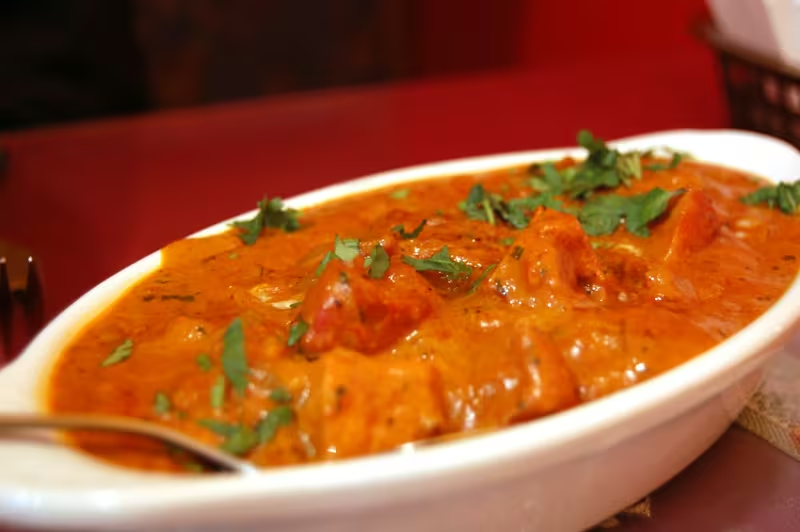
హిందీలో ముర్ఘ్ మఖానీ అని పిలువబడే బటర్ చికెన్, భారతదేశపు అత్యంత ప్రియమైన మరియు అంతర్జాతీయంగా గుర్తింపు పొందిన కూర వంటకాల్లో ఒకటిగా నిలుస్తుంది. ఢిల్లీలో ఉద్భవించిన ఈ ఐకానిక్ తయారీలో విలాసవంతమైన క్రీము, మసాలా దినుసులు కలిగిన టమోటా మరియు వెన్న ఆధారిత గ్రేవీలో స్నానం చేసిన లేత చికెన్ ముక్కలు ఉంటాయి. ఈ వంటకం దాని గొప్ప, వెల్వెట్ ఆకృతి మరియు విలక్షణమైనారింజ-ఎరుపు రంగుతో వర్గీకరించబడుతుంది, ఇది టమోటాలు, వెన్న, క్రీమ్ మరియు సుగంధ సుగంధ ద్రవ్యాల సామరస్యపూర్వక కలయిక ద్వారా సాధించబడుతుంది.
కుందన్ లాల్ గుజ్రాల్ మరియు కుందన్ లాల్ జగ్గీ అనే వినూత్న ద్వయం రూపొందించిన బటర్ చికెన్ ఉత్తర భారత రెస్టారెంట్ వంటకాల పరిణామంలో ఒక మైలురాయిని సూచిస్తుంది. మిగిలిపోయిన తందూరి చికెన్ను పునరుద్ధరించడానికి ఆచరణాత్మక పరిష్కారంగా ప్రారంభమైనది భారతీయ పాక కళలకు ప్రపంచ రాయబారిగా మారింది, వీధి-ప్రక్కన ఉన్న ఢాబాల నుండి ప్రపంచవ్యాప్తంగా చక్కటి భోజన సంస్థల వరకు మెనూలను అలంకరించింది. ఈ వంటకం ఢిల్లీ ఆహార సంస్కృతి యొక్క సారాంశాన్ని సంపూర్ణంగా కలిగి ఉంది-గొప్ప, ఆహ్లాదకరమైన మరియు లోతుగా సంతృప్తికరంగా ఉంటుంది.
భారతీయ వంటకాల భూభాగంలో, బటర్ చికెన్ దాని తేలికపాటి మసాలా దినుసులు మరియు విశ్వవ్యాప్తంగా ఆకర్షణీయమైన క్రీము ఆకృతికి కృతజ్ఞతలు తెలుపుతూ, భారతీయ ఆహారాన్ని మొదటిసారిగా అన్వేషించే చాలా మందికి ప్రవేశ ద్వారం వంటకంగా ప్రత్యేక స్థానాన్ని కలిగి ఉంది. అయినప్పటికీ ఈ రుచులతో పెరిగిన వారు దీనిని సమానంగా ఆదరిస్తారు, ప్రత్యేకుటుంబ భోజనం మరియు వేడుకల జ్ఞాపకాలను రేకెత్తించే సౌకర్యవంతమైన ఆహారంగా పనిచేస్తుంది. దాని శాశ్వతమైన ప్రజాదరణ దాని సృష్టి యొక్క మేధావిని మరియు దాని సంపూర్ణ సమతుల్య రుచుల యొక్కాలాతీత ఆకర్షణను సూచిస్తుంది.
వ్యుత్పత్తి శాస్త్రం మరియు పేర్లు
ఈ వంటకాన్ని దాని ముఖ్యమైన స్వభావాన్ని ప్రతిబింబించే రెండు ప్రాథమిక పేర్లతో పిలుస్తారు. ఆంగ్లంలో, దీనిని "బటర్ చికెన్" అని పిలుస్తారు, ఇది తయారీలో వెన్నను ఉదారంగా ఉపయోగించడాన్ని నొక్కి చెప్పే సరళమైన అనువాదం. "ముర్ఘ్ మఖనీ" అనే హిందీ పేరు అదే అర్ధాన్ని కలిగి ఉంది-"ముర్ఘ్" అంటే చికెన్ మరియు "మఖనీ" అనేది వెన్న కోసం హిందీ పదం "మఖన్" నుండి ఉద్భవించింది. ఈ నామకరణ సంప్రదాయం వెంటనే భోజనం చేసేవారికి ఈ వంటకం యొక్క గొప్ప, ఆహ్లాదకరమైన స్వభావాన్ని సూచిస్తుంది.
"మఖనీ" అనే పదం భారతీయ వంటకాలలో దాని స్వంత పాక హోదాగా మారింది, వెన్న మరియు క్రీమ్-సుసంపన్నమైన టమోటా గ్రేవీని కలిగి ఉన్న తయారీలను వివరించడానికి ఉపయోగిస్తారు. వెన్న చికెన్ కాకుండా, ఈ సాస్ తయారీ శైలిని ఇతర ప్రోటీన్లు మరియు కూరగాయల కోసం స్వీకరించారు, అన్నీ వాటి క్రీమీ, వెన్న స్వభావాన్ని సూచించడానికి "మఖనీ" ప్రత్యయాన్ని కలిగి ఉంటాయి. ఈ పేరు కేవలం ఒక వంటకాన్ని మాత్రమే కాకుండా, గొప్ప, రెస్టారెంట్-శైలి గ్రేవీలను సృష్టించే మొత్తం విధానాన్ని సూచిస్తుంది.
వివిధ ప్రాంతాలు మరియు రెస్టారెంట్లలో, ఈ వంటకాన్ని కేవలం "చికెన్ మఖనీ" లేదా అప్పుడప్పుడు "మఖన్వాలా" అని పిలుస్తారు, అయితే ఇవన్నీ ఒకే క్లాసిక్ తయారీని సూచించే వైవిధ్యాలు. హిందీ మరియు ఆంగ్లంలో పేరు యొక్క స్థిరత్వం ఈ ఢిల్లీ సృష్టి భారతీయ వంటకాల యొక్క విస్తృత నిఘంటువులో ఎంత సమగ్రంగా విలీనం చేయబడిందో ప్రతిబింబిస్తుంది, భాషా నేపథ్యంతో సంబంధం లేకుండా ఆహార ప్రేమికులు వెంటనే గుర్తించారు.
చారిత్రక మూలాలు
బటర్ చికెన్ స్వాతంత్య్రానంతర ఢిల్లీ యొక్క శక్తివంతమైన పాక దృశ్యంలో ఉద్భవించింది, ఇది భారతీయ రెస్టారెంట్ వంటలో సృజనాత్మక ఆవిష్కరణలతో గుర్తించబడిన కాలం. ఈ వంటకాన్ని కుందన్ లాల్ గుజ్రాల్ మరియు కుందన్ లాల్ జగ్గీ రూపొందించారు, వారి పేర్లు ఈ ఐకానిక్ తయారీతో ఎప్పటికీ ముడిపడి ఉన్నాయి. ఖచ్చితమైన కాలక్రమం 20వ శతాబ్దం మధ్యకాలంలో దాని సృష్టిని సూచిస్తుంది, ఢిల్లీ పాక రాజధానిగా స్థిరపడిన యుగంలో మరియు రెస్టారెంట్ సెట్టింగులలో తందూరి వంట ప్రాముఖ్యతను పొందుతోంది.
బటర్ చికెన్ యొక్క ఆవిర్భావం ఆచరణాత్మక అవసరం మరియు పాక చాతుర్యం మీద ఆధారపడి ఉంటుంది. ఆ రోజు సేవ నుండి మిగిలిపోయిన తందూరి చికెన్ కొన్నిసార్లు ఎండిపోయి, వినియోగదారులకు అందించడం తక్కువ ఆకర్షణీయంగా ఉంటుందని కథ చెబుతుంది. ఈ సంపూర్ణంగా వండిన మాంసాన్ని వృధా చేయడానికి బదులు, ఆవిష్కర్తలు ఒక పరిష్కారాన్ని అభివృద్ధి చేశారుః మిగిలిన చికెన్ను ఉడకబెట్టడానికి టమోటాలు, వెన్న మరియు క్రీమ్ యొక్క గొప్ప, రుచికరమైన గ్రేవీని సృష్టించారు. ఇది మాంసాన్ని పునరుద్ధరించడమే కాకుండా, పురాణ హోదాను సాధించడానికి పూర్తిగా కొత్త వంటకాన్ని సృష్టించింది.
ఈ సృష్టి కథ భారతీయ రెస్టారెంట్ వంటను వర్గీకరించిన వినూత్న స్ఫూర్తికి ఉదాహరణగా నిలుస్తుంది, ఇక్కడ ఆచరణాత్మక పరిష్కారాలు తరచుగా పాక పురోగతికి దారితీస్తాయి. పట్టణ భారతదేశంలో, ముఖ్యంగా ఢిల్లీ మరియు పంజాబ్లలో తందూరి వంటకు పెరుగుతున్న ప్రజాదరణతో ఈ వంటకం అభివృద్ధి జరిగింది. రెస్టారెంట్లలో తందూర్ ఎక్కువగా ప్రాచుర్యం పొందింది, మరియు తందూరి చికెన్ అప్పటికే అభిమానంగా స్థిరపడింది. ఈ విధంగా వెన్న చికెన్ తందూరి సాంకేతికత మరియు గొప్ప, గ్రేవీ ఆధారిత వంటకాలకు ఉత్తర భారత ప్రాధాన్యత కలిసే చోట ఉద్భవించింది.
రెస్టారెంట్ సంస్కృతిలో పరిణామం
బటర్ చికెన్ పెరుగుదల స్వాతంత్ర్యం తరువాత దశాబ్దాలలో భారతదేశ రెస్టారెంట్ సంస్కృతి పెరుగుదలకు సమాంతరంగా ఉంది. ఎక్కువ మంది భారతీయులు బయట తినడం ప్రారంభించడంతో, భారతీయ వంటకాలకు అంతర్జాతీయ బహిర్గతం పెరగడంతో, బటర్ చికెన్ ఉత్తర భారత వంటల యొక్క ఆడంబరం మరియు గొప్పతనాన్ని సూచించే ప్రధాన వంటకంగా మారింది. దాని రెస్టారెంట్ మూలాలు అంటే ప్రామాణికమైన రుచులు మరియు వంట పద్ధతులను కొనసాగిస్తూనే విస్తృత ప్రేక్షకులను ఆకర్షించడానికి ఇది మొదటి నుండి రూపొందించబడింది.
రెస్టారెంట్లలో ఈ వంటకం విజయానికి అనేక అంశాలు కారణమని చెప్పవచ్చుః శక్తివంతమైనారింజ-ఎరుపు గ్రేవీతో దృశ్యపరంగా ఆకర్షణీయమైన ప్రదర్శన, విభిన్న అంగిలిని ఆకర్షించే దాని క్రీమీ ఆకృతి మరియు విపరీతమైన వేడి లేకుండా రుచిని అందించే సమతుల్య మసాలా దినుసులు. ఈ లక్షణాలు భారతీయ వంటకాలకు భోజనాన్ని పరిచయం చేయడానికి అనువైన వంటకంగా మారాయి, అదే సమయంలో సౌకర్యం మరియు ఆనందం కోరుకునే సాధారణ పోషకులకు సంతృప్తికరంగా ఉన్నాయి.
చికెన్ టిక్కా మసాలాతో సంబంధం
బటర్ చికెన్ తరచుగా పక్కపక్కనే ప్రస్తావించబడుతుంది మరియు కొన్నిసార్లు మరొక ప్రసిద్ధ టమోటా ఆధారిత చికెన్ కూర అయిన చికెన్ టిక్కా మసాలాతో అయోమయం చెందుతుంది. రెండు వంటకాలు సారూప్యతలను పంచుకున్నప్పటికీ, ఒకదానికొకటి అభివృద్ధిని ప్రభావితం చేసి ఉండవచ్చు, అవి వాటి తయారీ పద్ధతుల్లో భిన్నంగా ఉంటాయి. వెన్న చికెన్ క్రీమ్తో టమోటా మరియు వెన్న ఆధారిత గ్రేవీని ఉపయోగిస్తుంది, అయితే చికెన్ టిక్కా మసాలా సాంప్రదాయకంగా దాని సాస్ తయారీలో టమోటా పేస్ట్ను ఉపయోగిస్తుంది, ఫలితంగా భిన్నమైన ఆకృతి మరియు రుచి ప్రొఫైల్ వస్తుంది. రెండు వంటకాలు తందూర్-వండిన చికెన్ యొక్క అనుకూలతను మరియు గొప్ప, టమోటా ఆధారిత గ్రేవీల యొక్క ఉత్తర భారతీయ నైపుణ్యాన్ని హైలైట్ చేస్తాయి.
పదార్థాలు మరియు తయారీ
ముఖ్య పదార్థాలు
వెన్న చికెన్ యొక్క గుండె వద్ద వంటకానికి దాని పేరు మరియు లక్షణాన్ని ఇచ్చే మూడు ప్రాథమిక పదార్థాలు ఉంటాయిః వెన్న, టమోటాలు మరియు చికెన్. చికెన్ సాంప్రదాయకంగా తందూర్-వండిన తయారీ నుండి వస్తుంది, అయితే ఆధునిక హోమ్ వెర్షన్లు కాల్చిన లేదా పాన్-వండిన చికెన్ను ఉపయోగించవచ్చు. ఈ ప్రధాన పదార్ధాల నాణ్యత తుది వంటకం యొక్క రుచి మరియు ఆకృతిని గణనీయంగా ప్రభావితం చేస్తుంది.
ఈ తయారీలో వెన్న ద్వంద్వ ప్రయోజనాన్ని అందిస్తుంది-ఇది సమృద్ధిని అందిస్తుంది మరియు గ్రేవీ యొక్క మృదువైన, వెల్వెట్ ఆకృతిని సృష్టించడానికి సహాయపడుతుంది. సాంప్రదాయ వంటకాలు ఉదారంగా వెన్నను ఉపయోగిస్తాయి, ఇది రుచి ప్రొఫైల్ మరియు విలాసవంతమైనోటి అనుభూతి రెండింటికీ దోహదం చేస్తుంది. టమోటాలు గ్రేవీ యొక్క పునాదిని ఏర్పరుస్తాయి, ఇది సమృద్ధిని సమతుల్యం చేయడానికి ఆమ్లత్వాన్ని అందిస్తుంది మరియు వంటకం యొక్క సంతకం రంగుకు దోహదం చేస్తుంది. వీటిని సాధారణంగా మృదువైన సాస్ను తయారు చేయడానికి శుద్ధి చేస్తారు.
క్రీమ్ అనేది మరొక ముఖ్యమైన పాల భాగం, ఇది గ్రేవీకి దాని లక్షణమైన లేత రంగు మరియు సిల్కీ స్థిరత్వాన్ని ఇవ్వడానికి వంట ముగింపులో జోడించబడుతుంది. వెన్న మరియు క్రీమ్ కలయిక వంటకాన్ని నిర్వచించే "మఖనీ" నాణ్యతను సృష్టిస్తుంది. ఈ ప్రాథమిక అంశాలకు మించి, అల్లం మరియు వెల్లుల్లి వంటి సుగంధాలు రుచి పునాదిని ఏర్పరుస్తాయి, అయితే ఉల్లిపాయలను తరచుగా గ్రేవీకి శరీరాన్ని జోడించడానికి ఉపయోగిస్తారు.
స్పైస్ ఆర్సెనల్
బటర్ చికెన్లోని మసాలా మిశ్రమం అధిక వేడి లేకుండా లోతును సృష్టించడానికి జాగ్రత్తగా క్రమాంకనం చేయబడుతుంది. ప్రధాన సుగంధ ద్రవ్యాలలో దాల్చినచెక్క, ఏలకులు మరియు లవంగాలతో సహా మసాలా దినుసుల వేడి మిశ్రమం గరం మసాలా; మట్టి నోట్ల కోసం జీలకర్ర మరియు కొత్తిమీర; రంగు మరియు తేలికపాటి వేడి కోసం కాశ్మీరీ ఎర్ర మిరపకాయ; మరియు అనేక ఉత్తర భారత రెస్టారెంట్-శైలి వంటకాల లక్షణమైన విలక్షణమైన కొంచెం చేదు, సుగంధ నోట్ల కోసం కసూరి మెంతి (ఎండిన మెంతి ఆకులు) ఉన్నాయి.
తాజా అల్లం మరియు వెల్లుల్లిని ఉదారంగా ఉపయోగిస్తారు, తరచుగా పేస్ట్ రూపంలో, ఘాటైన మరియు లోతును అందిస్తుంది. కొన్ని వంటలలో వంట ప్రక్రియలో తులసి ఆకులు, దాల్చినచెక్క కర్రలు మరియు ఆకుపచ్చ ఏలకులు వంటి మొత్తం సుగంధ ద్రవ్యాలు ఉంటాయి. వెన్న చికెన్ యొక్క మాయాజాలం ఈ సుగంధ ద్రవ్యాలను సమతుల్యం చేయడంలో ఉంది, తద్వారా ఏ ఒక్క రుచి ఆధిపత్యం చెలాయించదు, బదులుగా గొప్పాడి పునాదిని పూర్తి చేసే శ్రావ్యమైన మిశ్రమాన్ని సృష్టిస్తుంది.
సాంప్రదాయ తయారీ
ప్రామాణికమైన బటర్ చికెన్ తయారీ రెండు దశల ప్రక్రియను అనుసరిస్తుంది. మొదట, చికెన్ను పెరుగు మరియు ఎర్ర మిరపకాయ పొడి, గరం మసాలా మరియు అల్లం-వెల్లుల్లి పేస్ట్తో సహా సుగంధ ద్రవ్యాలతో మెరినేట్ చేస్తారు. ఈ మెరినేషన్ మాంసాన్ని మృదువుగా చేసి, రుచితో నింపుతుంది. మెరినేడ్ చేసిన చికెన్ను తందూర్లో వండుతారు లేదా తక్కువ మంట మీద కాల్చవచ్చు లేదా కాల్చవచ్చు. ఈ తందూరి వంట దశ కీలకం, ఎందుకంటే ఇది చివరి వంటకానికి పొగతో కూడిన లోతును జోడిస్తుంది.
రెండవ దశలో మఖనీ గ్రేవీని తయారు చేయడం ఉంటుంది. వెన్నను భారీ దిగువన ఉన్న పాన్లో కరిగించి, అల్లం, వెల్లుల్లి వంటి సుగంధ ద్రవ్యాలను వేయిస్తారు. టొమాటో పురీని జోడించి, పచ్చి టొమాటో రుచి మెత్తబడే వరకు మరియు మిశ్రమం చిక్కగా అయ్యే వరకు ఉడికిస్తారు. మసాలా దినుసులు వివిధ దశలలో జోడించబడతాయి, కొన్ని వెన్నలో వికసిస్తాయి మరియు మరికొన్ని తరువాత జోడించబడతాయి. గ్రేవీ కావలసిన స్థిరత్వాన్ని చేరుకునే వరకు ఉడకబెట్టబడుతుంది, తరువాత సంతకం రంగు మరియు ఆకృతిని సృష్టించడానికి క్రీమ్ను కదిలిస్తారు.
వండిన తందూరి చికెన్ ముక్కలను గ్రేవీకి జోడించి, కొద్దిసేపు ఉడకబెట్టి, మాంసం మెత్తగా ఉండగానే రుచులను గ్రహించడానికి వీలు కల్పిస్తుంది. ఈ వంటకాన్ని అదనపు సమృద్ధి కోసం వెన్న మరియు క్రీమ్ను చివరిగా జోడించి, తాజా క్రీమ్ స్విర్ల్స్ మరియు కొన్నిసార్లు తరిగిన కొత్తిమీరతో అలంకరిస్తారు. ఫలితంగా మృదువైన చికెన్ ముక్కలను విలాసవంతమైన మృదువైన, సుగంధ గ్రేవీలో ఉంచుతారు.
ప్రాంతీయ వైవిధ్యాలు
బటర్ చికెన్ ప్రత్యేకంగా ఢిల్లీ సృష్టించినప్పటికీ, ఈ వంటకం భారతదేశం అంతటా సూక్ష్మ వైవిధ్యాలతో స్వీకరించబడింది. దాని సొంత ప్రాంతమైన ఢిల్లీ మరియు పంజాబ్లలో, వెన్న, క్రీమ్ మరియు సుగంధ ద్రవ్యాల సమతుల్యతను జాగ్రత్తగా నిర్వహించడంతో క్లాసిక్ తయారీ అత్యంత ప్రాచుర్యం పొందింది. కొన్ని పంజాబ్-శైలి సంస్కరణలు కొంచెం కారంగా ఉండవచ్చు, ఇది మరింత బలమైన వేడి కోసం ప్రాంతీయ ప్రాధాన్యతను ప్రతిబింబిస్తుంది.
భారతదేశం అంతటా రెస్టారెంట్ వంటశాలలలో, చెఫ్లు వంటకం యొక్క ప్రధాన లక్షణాలను కొనసాగిస్తూ వారి స్వంత వివరణలను అభివృద్ధి చేశారు. కొన్ని వైవిధ్యాలలో సూక్ష్మమైన తీపి కోసం తేనె లేదా చక్కెరను కలపడం, అదనపు తేమ కోసం జీడిపప్పు వంటి గ్రౌండ్ నట్స్ను చేర్చడం లేదా క్రీమ్కు వెన్న యొక్క వివిధ నిష్పత్తులను ఉపయోగించడం వంటివి ఉన్నాయి. ఈ వైవిధ్యాలు ఉన్నప్పటికీ, వంటకం యొక్క ప్రాథమిక గుర్తింపు-రిచ్, క్రీమీ, టమోటా-బటర్ గ్రేవీలో లేత చికెన్-స్థిరంగా ఉంటుంది.
సాంస్కృతిక ప్రాముఖ్యత
ఉత్తర భారత రెస్టారెంట్ వంటకాల చిహ్నం
బటర్ చికెన్ ఉత్తర భారత రెస్టారెంట్ వంటకు చిహ్నంగా మారింది, ఇది ఢిల్లీ మరియు పంజాబీ ఆహార సంస్కృతిని వర్గీకరించే గొప్ప, ఆహ్లాదకరమైన వంటకాల వర్గాన్ని సూచిస్తుంది. ఇది ఉత్తర భారతదేశంలో ప్రత్యేక సందర్భాలలో భోజనాన్ని నిర్వచించే ఔదార్యం మరియు వేడుకల స్ఫూర్తిని కలిగి ఉంటుంది, ఇక్కడ గొప్ప, పాడి ఆధారిత గ్రేవీలు సమృద్ధిని మరియు పండుగను సూచిస్తాయి. ఈ వంటకం యొక్క రెస్టారెంట్ మూలాలు దీనిని చాలా మంది భారతీయులకు, ముఖ్యంగా పట్టణ కేంద్రాలలో భోజనానికి పర్యాయపదంగా మార్చాయి.
బటర్ చికెన్ యొక్క ప్రజాదరణ కేవలం రుచికి మించి ఒక నిర్దిష్ట శైలి ఆతిథ్యం మరియు పాక నైపుణ్యానికి ప్రాతినిధ్యం వహిస్తుంది. సమావేశాలలో బటర్ చికెన్ను అందించడం అతిథులకు ప్రత్యేకమైన మరియు సంతృప్తికరమైన వాటిని అందించే ఉద్దేశ్యాన్ని సూచిస్తుంది. మెనూలో దాని ఉనికి ఉత్తర భారత క్లాసిక్ల పట్ల రెస్టారెంట్ యొక్క నిబద్ధతను సూచిస్తుంది, మరియు దాని నాణ్యత తరచుగా స్థాపన యొక్క మొత్తం వంట ప్రమాణాలను నిర్ణయించడానికి ఒక ప్రమాణంగా పనిచేస్తుంది.
భారతీయ వంటకాలకు ప్రవేశ ద్వారం
మొట్టమొదటిసారిగా భారతీయ ఆహారాన్ని అనుభవిస్తున్న చాలా మందికి, ముఖ్యంగా అంతర్జాతీయంగా, బటర్ చికెన్ వంటకాల రుచులు మరియు అల్లికలకు పరిచయంగా పనిచేస్తుంది. దాని క్రీమీ, తేలికపాటి మసాలా దినుసుల ప్రొఫైల్ భారతీయ ఆహారం గురించి తెలియని వారికి అందుబాటులో ఉండేలా చేస్తుంది, అదే సమయంలో ప్రామాణికమైన రుచులు మరియు సుగంధ సంక్లిష్టతను అందిస్తుంది. "గేట్వే డిష్" గా ఈ పాత్ర భారతీయ వంటకాలను ప్రపంచవ్యాప్తంగా ప్రాచుర్యం పొందడంలో మరియు భారతీయ వంటల వైవిధ్యాన్ని అంతర్జాతీయ ప్రేక్షకులకు పరిచయం చేయడంలో కీలక పాత్ర పోషించింది.
ఈ వంటకం యొక్క ఆకర్షణ సాంస్కృతిక మరియు జనాభా సరిహద్దులను దాటి, విభిన్న వయస్సు సమూహాలు మరియు పాక ప్రాధాన్యతలలో అభిమానంగా మారుతుంది. పిల్లలు తరచుగా దాని తేలికపాటి మసాలా దినుసులు మరియు గొప్ప ఆకృతి కోసం ఆనందిస్తారు, అయితే పెద్దలు దాని అధునాతన రుచి పొరలను మెచ్చుకుంటారు. ఈ సార్వత్రిక ఆకర్షణ ప్రపంచవ్యాప్తంగా భారతీయ రెస్టారెంట్లలో అత్యధికంగా ఆర్డర్ చేయబడిన వంటకాల్లో ఒకటిగా బటర్ చికెన్ యొక్క హోదాకు దోహదపడింది.
సందర్భాలు మరియు సామాజిక సందర్భం
బటర్ చికెన్ను ఎప్పుడైనా ఆస్వాదించవచ్చు, అయితే ఇది ప్రత్యేకుటుంబ భోజనం, వేడుకలు మరియు సామాజిక సమావేశాలకు బాగా ప్రాచుర్యం పొందింది. వంటకం యొక్క సమృద్ధి మరియు తయారీ సమయం రోజువారీ వంట కంటే సందర్భాలకు మరింత అనుకూలంగా ఉంటాయి, అయినప్పటికీ దాని ప్రజాదరణ అనేక శీఘ్ర వంట గృహ సంస్కరణలకు దారితీసింది. ఇది సాధారణంగా పార్టీలలో, వివాహాలలో (పెద్ద మెనూలో భాగంగా) మరియు విస్తృతమైన భోజనం తయారుచేసే పండుగల సమయంలో వడ్డిస్తారు.
రెస్టారెంట్ సెట్టింగులలో, బటర్ చికెన్ అనేది డైనింగ్-అవుట్ అనుభవంలో ప్రధానమైనది, తరచుగా మొదటి తేదీలు, కుటుంబ వేడుకలు మరియు వ్యాపార విందుల కోసం ఆర్డర్ చేయబడుతుంది. ఈ వంటకం వివిధ భారతీయ రొట్టెలతో, ముఖ్యంగా వెన్నాన్తో అందంగా జతచేయబడి, దానిలోనే ఐకానిక్గా మారిన కలయికను సృష్టిస్తుంది. అతిథులకు వడ్డించేటప్పుడు, బటర్ చికెన్ దాని విలాసవంతమైన పదార్థాలు మరియు జాగ్రత్తగా తయారీ ద్వారా ఆతిథ్యాన్ని ప్రదర్శిస్తుంది.
వంట పద్ధతులు
తందూరి వంట కళ
చివరి వంటకం కూర అయినప్పటికీ, బటర్ చికెన్ తయారీలో తందూరి వంట పద్ధతి ప్రదర్శించబడుతుంది. చాలా ఎక్కువ ఉష్ణోగ్రతలకు చేరుకునే స్థూపాకార బంకమట్టి పొయ్యి అయిన తందూర్, చికెన్కు విలక్షణమైన స్మోకీ రుచిని మరియు కొంచెం చారును ఇస్తుంది, ఇది వంటకం యొక్క రుచి ప్రొఫైల్లో అంతర్భాగంగా మారుతుంది. ఈ అధిక వేడి వంట పద్ధతి చికెన్ రసాలను మూసివేయడానికి కూడా సహాయపడుతుంది, గ్రేవీకి జోడించిన తర్వాత కూడా దానిని మృదువుగా ఉంచుతుంది.
తందూర్ అందుబాటులో లేని ఇంటి వంటవాళ్ళకు, అధిక ఉష్ణోగ్రతల వద్ద మెరినేడ్ చికెన్ను గ్రిల్లింగ్ లేదా బేక్ చేయడం వల్ల దాని ప్రభావాన్ని అంచనా వేయవచ్చు. లోపలి భాగాన్ని తేమగా ఉంచుతూ ఉపరితలంపై కొంత కారమెలైజేషన్ను సాధించడం కీలకం. ఈ ప్రారంభ వంట దశ వెన్న చికెన్ను ఇతర కూరల నుండి వేరు చేస్తుంది, ఇక్కడ ముడి మాంసాన్ని నేరుగా గ్రేవీలో వండుతారు, ఇది దాని ప్రత్యేకమైన రుచి మరియు ఆకృతికి దోహదం చేస్తుంది.
మఖనీ గ్రేవీలో ప్రావీణ్యం పొందడం
ఖచ్చితమైన మఖనీ గ్రేవీని రూపొందించడానికి టమోటాలు, వెన్న మరియు క్రీమ్ యొక్క పరస్పర చర్యను అర్థం చేసుకోవడం అవసరం. టమోటాలు వాటి ప్రకాశవంతమైన రుచిని నిలుపుకుంటూ వాటి ముడి రుచిని తొలగించడానికి తగినంతగా ఉడికించాలి. వంట చేసేటప్పుడు రుచులను తీసుకువెళ్ళడానికి మరియు చివరికి సమృద్ధి కోసం వెన్నను కలుపుతారు. సాధారణంగా గ్రేవీ దాని అత్యధిక వంట ఉష్ణోగ్రత నుండి కొద్దిగా చల్లబడిన తర్వాత, పెరుగు నిరోధించడానికి క్రీమ్ను జాగ్రత్తగా కలుపుతారు.
గ్రేవీ యొక్క స్థిరత్వం కీలకం-ఇది చికెన్ ముక్కలను ఉదారంగా పూయడానికి తగినంత మందంగా ఉండాలి, కానీ సాస్గా పనిచేయడానికి తగినంత ద్రవంగా ఉండాలి. ఈ ఆకృతిని సాధించడంలో రుచులను తగ్గించడానికి మరియు కేంద్రీకరించడానికి రోగి వంట ఉంటుంది, కొన్నిసార్లు శరీరానికి అందించడానికి జీడిపప్పు పేస్ట్ లేదా గ్రౌండ్ నట్స్ జోడించడం జరుగుతుంది. చివరి వంటకం నిగనిగలాడే రూపాన్ని కలిగి ఉండాలి, ఇది టమోటా బేస్ లోకి వెన్న మరియు క్రీమ్ యొక్క సరైన ఎమల్సిఫికేషన్ను సూచిస్తుంది.
రుచులను సమతుల్యం చేయండి
అద్భుతమైన బటర్ చికెన్ యొక్క ముఖ్య లక్షణం సమృద్ధి, ఆమ్లత, మసాలా దినుసులు మరియు తీపి మధ్య సమతుల్యత. వెన్న మరియు క్రీమ్ సమృద్ధిని అందిస్తాయి, టమోటాలు ఆమ్లతకు దోహదం చేస్తాయి, సుగంధ ద్రవ్యాలు వెచ్చదనం మరియు సంక్లిష్టతను జోడిస్తాయి మరియు కొన్నిసార్లు చక్కెర లేదా తేనె యొక్క స్పర్శ ప్రతిదీ సమతుల్యం చేస్తుంది. నైపుణ్యం కలిగిన వంటవాళ్ళు తయారీ, రుచి మరియు చక్కటి ట్యూనింగ్ అంతటా ఈ అంశాలను సర్దుబాటు చేస్తారు, సిగ్నేచర్ రుచిని సాధించే వరకు-క్రీమీ మరియు సౌకర్యవంతమైన కానీ ఆసక్తికరంగా ఉండటానికి తగినంత సంక్లిష్టతతో.
కాలక్రమేణా పరిణామం
మిగిలిపోయిన పరిష్కారం నుండి పాక ఐకాన్ వరకు
మిగిలిపోయిన తందూరి చికెన్ కోసం సృజనాత్మక ఉపయోగంగా ప్రారంభమైనది భారతదేశంలోని అత్యంత ప్రసిద్ధ వంటకాల్లో ఒకటిగా అభివృద్ధి చెందింది. ఆచరణాత్మక వంటగది పరిష్కారం నుండి కావలసిన మెనూ వస్తువుకు మారడం అనేది అసలు సృష్టి యొక్క తేజస్సు మరియు భోజన ప్రియుల అభివృద్ధి చెందుతున్న అభిరుచులు రెండింటినీ ప్రతిబింబిస్తుంది. బటర్ చికెన్ ప్రజాదరణ పొందడంతో, ఇది కేవలం మిగిలిపోయిన వస్తువుల వాహనంగా ఆగిపోయింది మరియు దాని కోసం ప్రత్యేకంగా తయారుచేసిన వంటకంగా మారింది, చికెన్ ఖచ్చితంగా ఈ ప్రయోజనం కోసం వండుతారు.
దశాబ్దాలుగా, ఈ వంటకం శుద్ధి చేయబడింది మరియు ప్రామాణికం చేయబడింది, అయితే వివిధ రెస్టారెంట్లు మరియు ప్రాంతాలలో వైవిధ్యాలు కొనసాగుతున్నాయి. ప్రధాన సూత్రాలు స్థిరంగా ఉంటాయిః గొప్ప, క్రీము టమోటా-వెన్న గ్రేవీలో తందూర్-వండిన చికెన్. ఈ స్థిరత్వం దాని ఢిల్లీ మూలాలకు దూరంగా వ్యాపించినప్పటికీ వంటకం యొక్క గుర్తింపును కొనసాగించడానికి సహాయపడింది.
అనుసరణ మరియు ఆవిష్కరణ
ఆధునిక వంటవాళ్ళు మరియు ఇంటి వంటవాళ్ళు క్లాసిక్ బటర్ చికెన్ థీమ్పై అనేక వైవిధ్యాలను సృష్టించారు. ఆరోగ్య-చేతన సంస్కరణలు లక్షణ రుచి మరియు ఆకృతిని నిర్వహించడానికి ప్రయత్నిస్తున్నప్పుడు వెన్న మరియు క్రీమ్ కంటెంట్ను తగ్గిస్తాయి. ఫ్యూజన్ వివరణలు వెన్న చికెన్ను పిజ్జాలు, చుట్టలు, పైస్ మరియు పాస్తా వంటలలో కూడా చేర్చాయి, ఇది రుచి ప్రొఫైల్ యొక్క బహుముఖ ప్రజ్ఞను ప్రదర్శిస్తుంది.
రెస్టారెంట్ ఆవిష్కరణలు సాంప్రదాయ రాగి గిన్నెలలో (హండి) అందించడం నుండి ఆధునిక పూత పద్ధతుల వరకు ప్రదర్శనలకు దారితీశాయి. కొన్ని సంస్థలు మసాలా స్థాయిలను అందిస్తాయి, వంటకం యొక్క ముఖ్యమైన స్వభావాన్ని కొనసాగిస్తూ వివిధ వేడి ప్రాధాన్యతలకు అనుగుణంగా ఉంటాయి. ఈ అనుసరణలు ఉన్నప్పటికీ, సాంప్రదాయ సంస్కరణ అత్యంత ప్రాచుర్యం పొందింది, అసలు సృష్టికర్తలు సంతృప్తికరంగా కొనసాగుతున్న ఖచ్చితమైన సమతుల్యతను సాధించారని సూచిస్తుంది.
ప్రపంచ వ్యాప్తం
20వ శతాబ్దం చివరి నుండి భారతీయ రెస్టారెంట్లు ప్రపంచవ్యాప్తంగా విస్తరించడంతో, బటర్ చికెన్ అంతర్జాతీయ మెనూలలో అత్యంత ప్రాచుర్యం పొందిన వంటకాల్లో ఒకటిగా మారింది. దాని తేలికపాటి మసాలా దినుసులు మరియు క్రీము ఆకృతి పాశ్చాత్య మార్కెట్లలో ముఖ్యంగా విజయవంతమయ్యేలా చేసింది, ఇక్కడ ఇది తరచుగా భారతీయ వంటకాలకు పరిచయంగా పనిచేస్తుంది. నేడు, బటర్ చికెన్ను సూపర్మార్కెట్లలో సిద్ధంగా తయారు చేసిన భోజనంగా, అంతర్జాతీయ ఫుడ్ కోర్టులలో మరియు ప్రపంచవ్యాప్తంగా ఫ్యూజన్ రెస్టారెంట్ల మెనూలలో చూడవచ్చు, అయినప్పటికీ ప్రామాణికమైన సంస్కరణలు ఇప్పటికీ ఉత్తర భారత రెస్టారెంట్లలో ఉత్తమంగా కనిపిస్తాయని ప్యూరిస్టులు వాదిస్తున్నారు.
ప్రసిద్ధ సంస్థలు
బటర్ చికెన్ యొక్క అసలు సృష్టికర్తలు, కుందన్ లాల్ గుజ్రాల్ మరియు కుందన్ లాల్ జగ్గీ, ఢిల్లీ రెస్టారెంట్ దృశ్యంలో ఈ వంటకం అభివృద్ధితో సంబంధం కలిగి ఉన్నారు. బటర్ చికెన్ మొదట సృష్టించబడినిర్దిష్ట స్థాపన ఢిల్లీ పాక శాస్త్రంలో భాగమైనప్పటికీ, ఢిల్లీ మరియు ఉత్తర భారతదేశంలోని అనేక రెస్టారెంట్లు ఇప్పుడు ఈ క్లాసిక్ వంటకం యొక్క ప్రామాణికమైన వెర్షన్లను అందిస్తున్నట్లు పేర్కొంటున్నాయి. బటర్ చికెన్ జన్మస్థలంగా ఢిల్లీ నగరం అత్యంత సాంప్రదాయ వంటకాలను కోరుకునే ఆహార ఔత్సాహికులకు తీర్థయాత్రగా మిగిలిపోయింది.
ఢిల్లీ వెలుపల, బటర్ చికెన్ దేశవ్యాప్తంగా మరియు ప్రపంచవ్యాప్తంగా ఉన్న భారతీయ రెస్టారెంట్లలో ఒక ముఖ్యమైన వంటకంగా మారింది. ఉన్నత స్థాయి భోజన సంస్థలు మరియు సాధారణ ఢాబాలు రెండూ వాటి వివరణలను కలిగి ఉంటాయి, ప్రతి ఒక్కటి వారి సంస్కరణను వేరుగా ఉంచే ప్రత్యేక లక్షణాలను కలిగి ఉంటాయి. ఈ వంటకం యొక్క సర్వవ్యాప్తి దీనిని ఒక ప్రమాణంగా మార్చింది, దీని ద్వారా చాలా మంది భారతీయ రెస్టారెంట్ యొక్క మొత్తం నాణ్యతను నిర్ణయిస్తారు.
ఆరోగ్యం మరియు పోషణ
సాంప్రదాయ దృక్పథం
ఆయుర్వేద ఆహార వర్గీకరణ సందర్భంలో, బటర్ చికెన్ను రాజసిక ఆహారంగా పరిగణిస్తారు-ఇది సమృద్ధిగా, ఉత్తేజపరిచేదిగా మరియు కార్యాచరణ మరియు అభిరుచితో ముడిపడి ఉంటుంది. వెన్న, క్రీమ్ మరియు సుగంధ ద్రవ్యాల ఉదార వినియోగం దానిని రోజువారీ జీవనోపాధి కంటే ఆహ్లాదకరమైన, వేడుకల ఆహారాల విభాగంలో దృఢంగా ఉంచుతుంది. సాంప్రదాయ జ్ఞానం అటువంటి గొప్ప వంటకాలను మితంగా మరియు కూరగాయలు మరియు తేలికపాటి తయారీలతో కూడిన సమతుల్య భోజనంలో భాగంగా తినాలని సూచిస్తుంది.
వెన్న చికెన్లో ఉపయోగించే వేడి మసాలా దినుసులు-అల్లం, వెల్లుల్లి, జీలకర్ర మరియు దాల్చినచెక్క-వాటి జీర్ణ మరియు శోథ నిరోధక లక్షణాల కోసం సాంప్రదాయ భారతీయ వైద్యంలో విలువైనవి. ఈ సుగంధ ద్రవ్యాలు భారతీయ వంట సంప్రదాయాలలో పొందుపరచబడిన సహజమైన ఆహార జ్ఞానాన్ని ప్రదర్శిస్తూ, గొప్ప వంటకాన్ని మరింత జీర్ణం చేయడానికి సహాయపడతాయి.
ఆధునిక పోషకాహార దృక్పథం
సమకాలీన పోషక దృక్పథం నుండి, బటర్ చికెన్ దాని వెన్న మరియు క్రీమ్ కంటెంట్ కారణంగా కేలరీలు-దట్టంగా ఉంటుంది, ఇది చాలా మందికి రోజువారీ భోజనం కంటే అప్పుడప్పుడు ఆనందంగా ఉంటుంది. ఈ వంటకం చికెన్ నుండి గణనీయమైన ప్రోటీన్ మరియు సుగంధ ద్రవ్యాల నుండి యాంటీఆక్సిడెంట్లు మరియు యాంటీ ఇన్ఫ్లమేటరీ ఏజెంట్లతో సహా వివిధ ప్రయోజనకరమైన సమ్మేళనాలను అందిస్తుంది. టమోటాలు విటమిన్లు మరియు లైకోపీన్లను అందిస్తాయి, అయితే పాల ఉత్పత్తులు కాల్షియంను అందిస్తాయి.
ఆరోగ్య-చేతన అనుసరణలు తరచుగా వెన్న మరియు క్రీమ్ కంటెంట్ను తగ్గిస్తాయి, కొన్ని లేదా మొత్తం క్రీమ్కు పెరుగు ప్రత్యామ్నాయంగా ఉంటాయి లేదా మసాలా దినుసుల ప్రొఫైల్ను నిర్వహిస్తూ వెన్నకు బదులుగా నూనెను ఉపయోగిస్తాయి. ఈ మార్పులు కేలరీలను గణనీయంగా తగ్గించగలవు, అదే సమయంలో చాలా రుచిని సంరక్షించగలవు. ఏదేమైనా, సంప్రదాయవాదులు ఇటువంటి మార్పులు వంటకం యొక్క ముఖ్యమైన స్వభావాన్ని రాజీ చేస్తాయని, మరియు వెన్న చికెన్ అప్పుడప్పుడు దాని పూర్తి, ఆహ్లాదకరమైన రూపంలో ఆస్వాదించడానికి ఉద్దేశించబడింది అని వాదించారు.
ఆధునిక ఔచిత్యం
సమకాలీన ప్రజాదరణ
బటర్ చికెన్ ప్రపంచవ్యాప్తంగా భారతీయ రెస్టారెంట్లలో అత్యధికంగా ఆర్డర్ చేయబడిన వంటకాల్లో ఒకటిగా తన స్థానాన్ని నిలుపుకుంది. కొత్త తరాలు ఈ క్లాసిక్ తయారీని కనుగొని స్వీకరించడంతో, దాని ఆకర్షణ క్షీణించే సంకేతాలను చూపించదు. ఆహార బ్లాగర్లు మరియు ఇంటి వంటవాళ్ళు వంటకాలు మరియు వైవిధ్యాలను పంచుకోవడంతో, సోషల్ మీడియా దాని ప్రజాదరణను పెంచింది, ఈ వంటకాన్ని ఎల్లప్పుడూ విస్తృత ప్రేక్షకులకు పరిచయం చేసింది. వివిధ వేదికలపై బటర్ చికెన్తో అనుబంధించబడిన హ్యాష్ట్యాగ్లు సమకాలీన ఆహార సంస్కృతిలో దాని నిరంతర ఔచిత్యాన్ని ప్రదర్శిస్తాయి.
పట్టణ భారతదేశంలో, బటర్ చికెన్ రెస్టారెంట్ భోజనానికి మరియు ప్రత్యేక సందర్భాలలో ఇంటి వంటకు ఇష్టమైనదిగా ఉంది. చాలా మంది ఇప్పటికీ ముఖ్యమైన సమావేశాల కోసం మొదటి నుండి సిద్ధం చేయడానికి ఇష్టపడుతున్నప్పటికీ, సిద్ధంగా తయారు చేసిన సాస్ లు మరియు భోజన వస్తు సామగ్రి ఇంటి వంటవాళ్ళకు మరింత అందుబాటులో ఉండేలా చేశాయి. ఈ వంటకం సంప్రదాయం మరియు అనుకూలత రెండింటినీ సూచిస్తుంది, ఆధునిక వంట పద్ధతులు మరియు ఆహార ప్రాధాన్యతలకు అనుగుణంగా దాని క్లాసిక్ ఆకర్షణను కొనసాగిస్తుంది.
భారతీయ వంటకాలకు చిహ్నం
బటర్ చికెన్ దాని మూలాలను దాటి అంతర్జాతీయంగా భారతీయ వంటకాలకు చిహ్నంగా మారింది. బిర్యానీ మరియు టిక్కా మసాలా వంటి వంటకాలతో పాటు, ఇది ప్రపంచైతన్యంలో భారతీయ ఆహారాన్ని సూచిస్తుంది. ఈ ప్రతీకాత్మక హోదా ప్రయోజనాలు మరియు సవాళ్లు రెండింటినీ కలిగి ఉంటుంది-ఇది భారతీయ వంటకాలకు ప్రజలను పరిచయం చేస్తుంది, కానీ కొన్నిసార్లు ప్రాంతీయ భారతీయ వంట సంప్రదాయాల యొక్క అద్భుతమైన వైవిధ్యాన్ని కప్పివేస్తుంది.
ఈ వంటకం విజయం భారతీయులలో గర్వాన్ని ప్రేరేపించింది, అదే సమయంలో ప్రామాణికత మరియు అనుసరణ గురించి చర్చలను కూడా రేకెత్తించింది. బటర్ చికెన్ ఆహార ట్రక్కుల నుండి చక్కటి భోజనాల వరకు, సాంప్రదాయ రెస్టారెంట్ల నుండి ఫ్యూజన్ సంస్థల వరకు వివిధ సందర్భాల్లో కనిపిస్తున్నందున, "నిజమైన" బటర్ చికెన్ అంటే ఏమిటి మరియు వంటకం యొక్క గుర్తింపును కొనసాగిస్తూ ఎంత వైవిధ్యం ఆమోదయోగ్యమైనది అనే దానిపై చర్చలు కొనసాగుతున్నాయి.
సంప్రదాయ పరిరక్షణ
దాని పరిణామం మరియు ప్రపంచ వ్యాప్తి ఉన్నప్పటికీ, సాంప్రదాయ వెన్న చికెన్ తయారీ పద్ధతులను పరిరక్షించే ప్రయత్నాలు కొనసాగుతున్నాయి. వంట పాఠశాలలు, పాక వారసత్వ కార్యక్రమాలు మరియు ప్రామాణికమైన ఉత్తర భారత వంటకాలలో ప్రత్యేకత కలిగిన రెస్టారెంట్లు క్లాసిక్ వంటకాన్ని నిర్వచించే ప్రమాణాలు మరియు పద్ధతులను నిర్వహించడానికి పనిచేస్తాయి. ఆహార చరిత్రకారులు మరియు పాక మానవ శాస్త్రవేత్తలు వంటకం యొక్క చరిత్ర మరియు సాంప్రదాయ తయారీ పద్ధతులను డాక్యుమెంట్ చేస్తారు, భవిష్యత్ తరాలు ప్రామాణికమైన వంటకాలను పొందగలవని మరియు ఈ ఐకానిక్ తయారీ యొక్క సాంస్కృతిక సందర్భాన్ని అర్థం చేసుకోగలవని నిర్ధారిస్తుంది.
బటర్ చికెన్ యొక్క శాశ్వతమైన ప్రజాదరణ బాగా రూపొందించిన సాంప్రదాయ వంటకాలు వాటి ముఖ్యమైన స్వభావాన్ని కోల్పోకుండా ఆధునిక పాక ప్రకృతి దృశ్యంలో వృద్ధి చెందగలవని నిరూపిస్తుంది. టండూర్లు కాల్చడం మరియు వెన్నలో టమోటాలు ఉడికించినంత కాలం, బటర్ చికెన్ ఉత్తర భారత రెస్టారెంట్ వంటలలో ఉత్తమమైనవి-ఉదారంగా, రుచికరంగా మరియు లోతుగా సంతృప్తికరంగా ఉంటుంది.
ఇవి కూడా చూడండి
- Delhi - Birthplace of butter chicken
- North Indian Cuisine - Culinary tradition context
- Tandoori Cooking - Essential preparation technique
- Indian Restaurant Culture - Social and culinary context