

ಅವಲೋಕನ
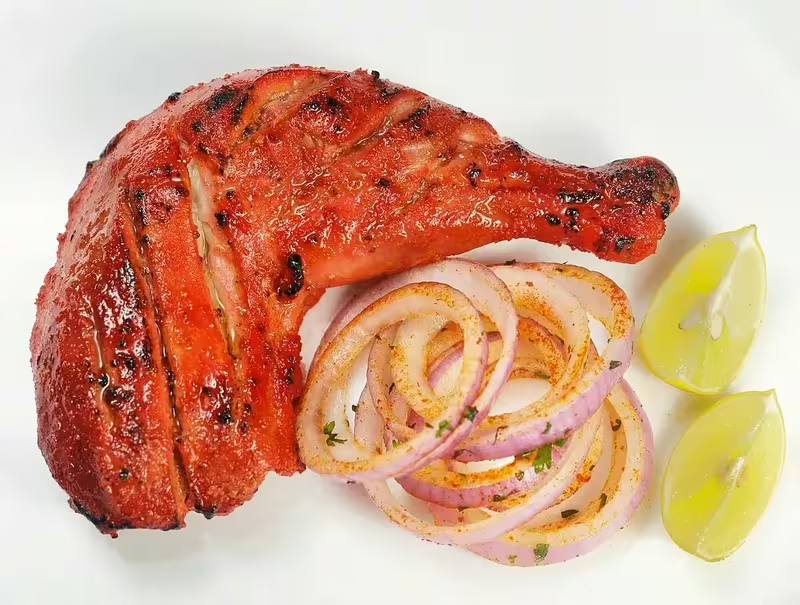
ತಂದೂರಿ ಚಿಕನ್ ವಿಶ್ವದ ಪಾಕಪದ್ಧತಿಗೆ ಭಾರತದ ಅತ್ಯಂತ ಅಪ್ರತಿಮ ಪಾಕಶಾಲೆಯ ಕೊಡುಗೆಗಳಲ್ಲಿ ಒಂದಾಗಿದೆ, ಇದು ಪ್ರಾಚೀನ ಅಡುಗೆ ತಂತ್ರಗಳು ಮತ್ತು ಆಧುನಿಕ ಪಾಕಶಾಲೆಯ ನಾವೀನ್ಯತೆಯ ಪರಿಪೂರ್ಣ ಸಂಯೋಜನೆಯನ್ನು ಪ್ರತಿನಿಧಿಸುತ್ತದೆ. ಈ ವಿಶಿಷ್ಟ ಖಾದ್ಯವು ಚಿಕನ್ ಅನ್ನು ಮೊಸರು ಮತ್ತು ಸಂಬಾರ ಪದಾರ್ಥಗಳ ರುಚಿಯಾದ ಮಿಶ್ರಣದಲ್ಲಿ ಮ್ಯಾರಿನೇಟ್ ಮಾಡಿ, ನಂತರ ಸಾಂಪ್ರದಾಯಿಕ ತಂದೂರಿನಲ್ಲಿ ಹುರಿಯಲಾಗುತ್ತದೆ-ಇದು ಭಾರತೀಯ ಉಪಖಂಡದಲ್ಲಿ ಸಹಸ್ರಮಾನಗಳಿಂದ ಬಳಸಲ್ಪಡುತ್ತಿರುವ ಸಿಲಿಂಡರಾಕಾರದ ಮಣ್ಣಿನ ಒವನ್ ಆಗಿದೆ. ಇದರ ಪರಿಣಾಮವಾಗಿ ವಿಶಿಷ್ಟವಾದ ಹೊಗೆಯ ಸುವಾಸನೆ, ನವಿರಾದ ಮಾಂಸ ಮತ್ತು ರೋಮಾಂಚಕ ಕೆಂಪು-ಕಿತ್ತಳೆ ಬಣ್ಣದ ಹೊರಭಾಗವನ್ನು ಹೊಂದಿರುವ ಖಾದ್ಯವು ವಿಶ್ವಾದ್ಯಂತ ಭಾರತೀಯ ರೆಸ್ಟೋರೆಂಟ್ ಪಾಕಪದ್ಧತಿಗೆ ಸಮಾನಾರ್ಥಕವಾಗಿದೆ.
ತಂದೂರಿ ಕೋಳಿಮಾಂಸದ ಆಧುನಿಕ ಅವತಾರವು ಸ್ವಾತಂತ್ರ್ಯದ ನಂತರದ ಭಾರತದಲ್ಲಿ ಹೊರಹೊಮ್ಮಿತು, ನಿರ್ದಿಷ್ಟವಾಗಿ 1940 ರ ದಶಕದ ಕೊನೆಯಲ್ಲಿ ನವದೆಹಲಿಯ ಪ್ರಸಿದ್ಧ ಮೋತಿ ಮಹಲ್ ರೆಸ್ಟೋರೆಂಟ್ ಇದನ್ನು ಜನಪ್ರಿಯಗೊಳಿಸಿತು. ತಂದೂರ್ ಅಡುಗೆಯು ಪಂಜಾಬ್ ಮತ್ತು ವಿಶಾಲ ಪ್ರದೇಶದಲ್ಲಿ ಪ್ರಾಚೀನ ಬೇರುಗಳನ್ನು ಹೊಂದಿದ್ದರೂ, ಮೋತಿ ಮಹಲ್ನ ನವೀನ ಬಾಣಸಿಗರು ಈ ಪಾಕವಿಧಾನವನ್ನು ಪರಿಷ್ಕರಿಸಿದರು ಮತ್ತು ಪ್ರಮಾಣೀಕರಿಸಿದರು, ಇದು ಜಾಗತಿಕ ಕಲ್ಪನೆಯನ್ನು ಸೆರೆಹಿಡಿಯುತ್ತದೆ. ಈ ಖಾದ್ಯವು ತ್ವರಿತವಾಗಿ ಉತ್ತರ ಭಾರತದ ಪಾಕಪದ್ಧತಿಯ ಸಂಕೇತವಾಯಿತು ಮತ್ತು ಭಾರತೀಯ ಅಡುಗೆಯ ಅತ್ಯಾಧುನಿಕ ರುಚಿಗಳನ್ನು ಅಂತರರಾಷ್ಟ್ರೀಯ ಪ್ರೇಕ್ಷಕರಿಗೆ ಪರಿಚಯಿಸುವಲ್ಲಿ ನಿರ್ಣಾಯಕ ಪಾತ್ರ ವಹಿಸಿತು.
ಇಂದು, ತಂದೂರಿ ಚಿಕನ್ ಭಾರತೀಯ ಪಾಕಪದ್ಧತಿಯಲ್ಲಿ ಅಚ್ಚುಮೆಚ್ಚಿನ ಮುಖ್ಯ ತಿನಿಸಾಗಿ ಮತ್ತು ಬಹುಮುಖ ಅಪೆಟೈಸರ್ ಆಗಿ ಕಾರ್ಯನಿರ್ವಹಿಸುತ್ತದೆ. ಇದರ ಪ್ರಭಾವವು ರೆಸ್ಟೋರೆಂಟ್ ಮೆನುಗಳನ್ನು ಮೀರಿ ವಿಸ್ತರಿಸಿದೆ-ಇದು ಲೆಕ್ಕವಿಲ್ಲದಷ್ಟು ವ್ಯತ್ಯಾಸಗಳು, ಅಡುಗೆ ತಂತ್ರಗಳು ಮತ್ತು ಸಮ್ಮಿಳನ ಭಕ್ಷ್ಯಗಳನ್ನು ಪ್ರೇರೇಪಿಸಿದೆ, ಇದು ಸಮಕಾಲೀನ ಭಾರತೀಯ ಪಾಕಶಾಲೆಯ ಗುರುತಿನ ಮೂಲಾಧಾರವಾಗಿದೆ ಮತ್ತು ಆಧುನಿಕ ಪಾಕಶಾಸ್ತ್ರದಲ್ಲಿ ಸಾಂಪ್ರದಾಯಿಕ ಅಡುಗೆ ವಿಧಾನಗಳ ನಿರಂತರ ಆಕರ್ಷಣೆಗೆ ಸಾಕ್ಷಿಯಾಗಿದೆ.
ವ್ಯುತ್ಪತ್ತಿ ಮತ್ತು ಹೆಸರುಗಳು
"ತಂದೂರಿ" ಎಂಬ ಹೆಸರು ಸಾಂಪ್ರದಾಯಿಕವಾಗಿ ಖಾದ್ಯವನ್ನು ತಯಾರಿಸುವ ಮಣ್ಣಿನ ಒವನ್ "ತಂದೂರ್" (ಹಿಂದಿ/ಉರ್ದುವಿನಲ್ಲಿ ತಂದೂರ್) ನಿಂದ ನೇರವಾಗಿ ಬಂದಿದೆ. ತಂದೂರ್ ಎಂಬ ಪದವು ಪ್ರಾಚೀನ ಪರ್ಷಿಯನ್ ಮೂಲಗಳನ್ನು ಹೊಂದಿದೆ, ಇದು "ತನೂರ್" (ತನೂರ್) ನಿಂದ ಬಂದಿದೆ, ಇದು ಶತಮಾನಗಳ ಸಂವಹನದ ಮೂಲಕ, ವಿಶೇಷವಾಗಿ ಮೊಘಲ್ ಅವಧಿಯಲ್ಲಿ, ಪರ್ಷಿಯನ್ ಮತ್ತು ಭಾರತೀಯ ಪಾಕಪದ್ಧತಿಗಳ ನಡುವಿನ ಐತಿಹಾಸಿಕ ಸಾಂಸ್ಕೃತಿಕ ಸಂಪರ್ಕವನ್ನು ಪ್ರತಿಬಿಂಬಿಸುತ್ತದೆ.
ಭಾರತೀಯ ಉಪಖಂಡದ ವಿವಿಧ ಪ್ರದೇಶಗಳಲ್ಲಿ, ಈ ಖಾದ್ಯವನ್ನು ಹಲವಾರು ಹೆಸರುಗಳಿಂದ ಕರೆಯಲಾಗುತ್ತದೆ. "ಮುರ್ಘ ತಂದೂರಿ" ಅನ್ನು ಸಾಮಾನ್ಯವಾಗಿ ಹಿಂದಿ ಮತ್ತು ಉರ್ದು ಮಾತನಾಡುವ ಪ್ರದೇಶಗಳಲ್ಲಿ ಬಳಸಲಾಗುತ್ತದೆ, "ಮುರ್ಘ್" ಎಂದರೆ ಕೋಳಿ. "ಚಿಕನ್ ತಂದೂರಿ" ಎಂಬ ಆಂಗ್ಲೀಕೃತ ಆವೃತ್ತಿಯು ಅಂತರರಾಷ್ಟ್ರೀಯ ಸಂದರ್ಭಗಳಲ್ಲಿ ವ್ಯಾಪಕವಾಗಿ ಅಂಗೀಕರಿಸಲ್ಪಟ್ಟಿದೆ, ಆದರೂ ಶುದ್ಧತಾವಾದಿಗಳು ಮೂಲ ಹೆಸರಿಸುವ ಸಂಪ್ರದಾಯಕ್ಕೆ ಹೆಚ್ಚು ನಿಷ್ಠಾವಂತವಾದ ವಿಶೇಷಣ-ನಾಮಪದ ರಚನೆಯನ್ನು ಕಾಪಾಡಿಕೊಳ್ಳಲು "ತಂದೂರಿ ಚಿಕನ್" ಅನ್ನು ಬಯಸುತ್ತಾರೆ.
ಐತಿಹಾಸಿಕ ಮೂಲಗಳು
ತಂದೂರ್ ಸ್ವತಃ ಪಂಜಾಬ್ ಪ್ರದೇಶ ಮತ್ತು ಮಧ್ಯ ಏಷ್ಯಾದಲ್ಲಿ ಸಾವಿರಾರು ವರ್ಷಗಳ ಹಿಂದಿನ ಮೂಲವನ್ನು ಹೊಂದಿರುವ ಪ್ರಾಚೀನ ಅಡುಗೆ ಉಪಕರಣವಾಗಿದ್ದರೂ, ತಂದೂರಿ ಕೋಳಿ ಅದರ ಗುರುತಿಸಬಹುದಾದ ಆಧುನಿಕ ರೂಪದಲ್ಲಿ ತುಲನಾತ್ಮಕವಾಗಿ ಇತ್ತೀಚಿನ ಆವಿಷ್ಕಾರವಾಗಿದೆ. ಇಂದು ನಮಗೆ ತಿಳಿದಿರುವ ಈ ಖಾದ್ಯವನ್ನು 1940 ರ ದಶಕದ ಕೊನೆಯಲ್ಲಿ ನವದೆಹಲಿಯ ಮೋತಿ ಮಹಲ್ ರೆಸ್ಟೋರೆಂಟ್ ಜನಪ್ರಿಯಗೊಳಿಸಿತು, ಇದು ಭಾರತದ ಸ್ವಾತಂತ್ರ್ಯ ಮತ್ತು 1947 ರ ವಿಭಜನೆಯ ನಂತರದ ಪ್ರಚಂಡ ಬದಲಾವಣೆಯ ಅವಧಿಯಾಗಿದೆ.
ವಿಭಜನೆಯ ನಂತರದ ಆವಿಷ್ಕಾರ
ಆಧುನಿಕ ತಂದೂರಿ ಕೋಳಿಮಾಂಸದ ಹೊರಹೊಮ್ಮುವಿಕೆಯು ವಿಭಜನೆಯ ಸಮಯದಲ್ಲಿ ಬೃಹತ್ ಜನಸಂಖ್ಯೆಯ ಚಳುವಳಿಗಳೊಂದಿಗೆ ಹೊಂದಿಕೆಯಾಯಿತು. ನುರಿತ ಬಾಣಸಿಗರು ಮತ್ತು ರೆಸ್ಟೋರೆಂಟ್ ಮಾಲೀಕರು ಸೇರಿದಂತೆ ಅನೇಕ ಪಂಜಾಬಿ ನಿರಾಶ್ರಿತರು ದೆಹಲಿ ಮತ್ತು ಇತರ ಪ್ರಮುಖ ನಗರಗಳಿಗೆ ಸ್ಥಳಾಂತರಗೊಂಡು ತಮ್ಮ ಪಾಕಶಾಲೆಯ ಸಂಪ್ರದಾಯಗಳನ್ನು ತಮ್ಮೊಂದಿಗೆ ತಂದರು. ಈ ಸ್ಥಳಾಂತರಗೊಂಡ ಸಮುದಾಯಗಳು ಹೊಸ ಜೀವನೋಪಾಯವನ್ನು ಸ್ಥಾಪಿಸುವ ಅಗತ್ಯವಿತ್ತು, ಮತ್ತು ರೆಸ್ಟೋರೆಂಟ್ ವ್ಯವಹಾರವು ನೈಸರ್ಗಿಕ ಮಾರ್ಗವಾಯಿತು. ಪಂಜಾಬಿ ಉದ್ಯಮಿಗಳು ಸ್ಥಾಪಿಸಿದ ಮೋತಿ ಮಹಲ್, ಸಾಂಪ್ರದಾಯಿಕ ತಂದೂರ್ ತಂತ್ರಗಳನ್ನು ಸಂಸ್ಕರಿಸಿದ ಮತ್ತು ರೆಸ್ಟೋರೆಂಟ್ ಸೆಟ್ಟಿಂಗ್ಗಾಗಿ ಪ್ರಮಾಣೀಕರಿಸಿದ ಶಿಲುಬೆಯಾಯಿತು.
1940ರ ದಶಕದ ಕೊನೆಯಲ್ಲಿ ತಂದೂರಿ ಕೋಳಿಮಾಂಸದ ಆವೃತ್ತಿಯು ಹಿಂದಿನ ಸಿದ್ಧತೆಗಳಿಂದ ನಿರ್ಗಮನವನ್ನು ಪ್ರತಿನಿಧಿಸಿತು. ಬಾಣಸಿಗರು ಮೊಸರನ್ನು ಎಚ್ಚರಿಕೆಯಿಂದ ಸಮತೋಲಿತವಾದ ಮಸಾಲೆಗಳ ಮಿಶ್ರಣದೊಂದಿಗೆ ಸಂಯೋಜಿಸುವ ನಿರ್ದಿಷ್ಟ ಮ್ಯಾರಿನೇಡ್ ಸೂತ್ರವನ್ನು ಅಭಿವೃದ್ಧಿಪಡಿಸಿದರು, ಇದರಲ್ಲಿ ಈಗ ಸಹಿ ಹಾಕಿದ ಕಾಶ್ಮೀರಿ ಕೆಂಪು ಮೆಣಸಿನ ಪುಡಿ ಸೇರಿದೆ, ಇದು ಅತಿಯಾದ ಶಾಖವಿಲ್ಲದೆ ಖಾದ್ಯಕ್ಕೆ ಅದರ ವಿಶಿಷ್ಟ ಬಣ್ಣವನ್ನು ನೀಡುತ್ತದೆ. ಈ ನಾವೀನ್ಯತೆಯು ಖಾದ್ಯವನ್ನು ಅದರ ಅಧಿಕೃತ ರುಚಿಯ ಪ್ರೊಫೈಲ್ ಅನ್ನು ಕಾಪಾಡಿಕೊಳ್ಳುವುದರೊಂದಿಗೆ ವಿಶಾಲ ಪ್ರೇಕ್ಷಕರಿಗೆ ಹೆಚ್ಚು ಸುಲಭವಾಗಿ ಲಭ್ಯವಾಗುವಂತೆ ಮಾಡಿತು.
ರೆಸ್ಟೋರೆಂಟ್ ಸಂಸ್ಕೃತಿಯ ವಿಕಸನ
ತಂದೂರಿ ಕೋಳಿಮಾಂಸದ ಬೆಳವಣಿಗೆಯು ಹೊಸದಾಗಿ ಸ್ವತಂತ್ರವಾದ ಭಾರತದಲ್ಲಿ ಆಧುನಿಕ ಭಾರತೀಯ ರೆಸ್ಟೋರೆಂಟ್ ಸಂಸ್ಕೃತಿಯ ಬೆಳವಣಿಗೆಗೆ ಸಮಾನಾಂತರವಾಗಿದೆ. ನಗರ ಕೇಂದ್ರಗಳು ಬೆಳೆದಂತೆ ಮತ್ತು ಹೊರಗಿನ ಊಟವು ಉದಯೋನ್ಮುಖ ಮಧ್ಯಮ ವರ್ಗದಲ್ಲಿ ಹೆಚ್ಚು ಸಾಮಾನ್ಯವಾಗುತ್ತಿದ್ದಂತೆ, ರೆಸ್ಟೋರೆಂಟ್ಗಳಿಗೆ ಪ್ರಮಾಣವನ್ನು ತಯಾರಿಸಲು ಪ್ರಭಾವಶಾಲಿ ಮತ್ತು ಪ್ರಾಯೋಗಿಕವಾದ ಸಿಗ್ನೇಚರ್ ಭಕ್ಷ್ಯಗಳು ಬೇಕಾಗಿದ್ದವು. ತಂದೂರಿ ಚಿಕನ್ ಈ ಅಗತ್ಯಕ್ಕೆ ಸಂಪೂರ್ಣವಾಗಿ ಹೊಂದಿಕೊಳ್ಳುತ್ತದೆ-ಇದು ದೃಷ್ಟಿಗೋಚರವಾಗಿ ಆಕರ್ಷಕವಾಗಿತ್ತು, ರೆಸ್ಟೋರೆಂಟ್ ಟಂಡೂರ್ಗಳಲ್ಲಿ ಪರಿಣಾಮಕಾರಿಯಾಗಿ ತಯಾರಿಸಬಹುದು ಮತ್ತು ಹೊರಗೆ ಊಟ ಮಾಡುವುದನ್ನು ಸಮರ್ಥಿಸುವಿಶಿಷ್ಟವಾದ ತಿನ್ನುವ ಅನುಭವವನ್ನು ನೀಡುತ್ತದೆ.
ಪದಾರ್ಥಗಳು ಮತ್ತು ಸಿದ್ಧತೆ
ಪ್ರಮುಖ ಪದಾರ್ಥಗಳು
ಅಧಿಕೃತಂದೂರಿ ಕೋಳಿಮಾಂಸದ ಅಡಿಪಾಯವು ಅದರ ಮ್ಯಾರಿನೇಡ್ನಲ್ಲಿದೆ, ಇದು ಸಾಂಪ್ರದಾಯಿಕವಾಗಿ ಮೊಸರು (ಮೊಸರು) ಅನ್ನು ಬೇಸ್ ಆಗಿ ಹೊಂದಿರುತ್ತದೆ, ಇದು ತಂದೂರಿ ಮಸಾಲಾ ಎಂದು ಕರೆಯಲ್ಪಡುವ ಮಸಾಲೆಗಳ ಸಂಕೀರ್ಣ ಮಿಶ್ರಣದೊಂದಿಗೆ ಸಂಯೋಜಿಸಲ್ಪಡುತ್ತದೆ. ಮೊಸರು ಅನೇಕ ಉದ್ದೇಶಗಳನ್ನು ಪೂರೈಸುತ್ತದೆಃ ಇದು ಅದರ ಲ್ಯಾಕ್ಟಿಕ್ ಆಮ್ಲದ ಅಂಶದ ಮೂಲಕ ಕೋಳಿಗಳನ್ನು ಮೃದುಗೊಳಿಸುತ್ತದೆ, ಮಾಂಸಕ್ಕೆ ಅಂಟಿಕೊಳ್ಳಲು ಮಸಾಲೆ ಪದಾರ್ಥಗಳಿಗೆ ಮಾಧ್ಯಮವನ್ನು ಒದಗಿಸುತ್ತದೆ ಮತ್ತು ತಂದೂರ್ ಅಡುಗೆಯ ತೀವ್ರವಾದ ಶಾಖದ ಸಮಯದಲ್ಲಿ ರಕ್ಷಣಾತ್ಮಕ ಲೇಪನವನ್ನು ಸೃಷ್ಟಿಸುತ್ತದೆ.
ಸಂಬಾರ ಪದಾರ್ಥಗಳ ಮಿಶ್ರಣವು ಸಾಮಾನ್ಯವಾಗಿ ಕೆಂಪು ಮೆಣಸಿನ ಪುಡಿ (ವಿಶೇಷವಾಗಿ ಬಣ್ಣದ ಕಾಶ್ಮೀರಿ ವಿಧ), ಬಣ್ಣ ಮತ್ತು ಮಣ್ಣಿನ ಅರಿಶಿನ, ಆರೊಮ್ಯಾಟಿಕ್ ಉಷ್ಣತೆಗಾಗಿ ಗರಂ ಮಸಾಲಾ, ಆಳಕ್ಕಾಗಿ ಜೀರಿಗೆ ಮತ್ತು ಕೊತ್ತಂಬರಿ, ಮತ್ತು ತೀಕ್ಷ್ಣತೆಗಾಗಿ ತಾಜಾ ಶುಂಠಿ-ಬೆಳ್ಳುಳ್ಳಿ ಪೇಸ್ಟ್ ಅನ್ನು ಒಳಗೊಂಡಿರುತ್ತದೆ. ಕೆಲವು ಪಾಕವಿಧಾನಗಳು ಶಾಖವನ್ನು ಸಮತೋಲನಗೊಳಿಸಲು ಮತ್ತು ಕ್ಯಾರಮೆಲೈಸೇಶನ್ಗೆ ಸಹಾಯ ಮಾಡಲು ಜೇನುತುಪ್ಪ ಅಥವಾ ಇತರ ಸಿಹಿಕಾರಕಗಳನ್ನು ಒಳಗೊಂಡಿರುತ್ತವೆ. ವಿಶಿಷ್ಟವಾದ ಕೆಂಪು-ಕಿತ್ತಳೆ ಬಣ್ಣವು ಪ್ರಾಥಮಿಕವಾಗಿ ಕಾಶ್ಮೀರಿ ಕೆಂಪು ಮೆಣಸಿನಕಾಯಿಯಿಂದ ಬರುತ್ತದೆ, ಆದರೂ ಕೆಲವು ಆಧುನಿಕ ಸಿದ್ಧತೆಗಳು ಹೆಚ್ಚು ರೋಮಾಂಚಕ ನೋಟವನ್ನು ಸಾಧಿಸಲು ಆಹಾರ ಬಣ್ಣವನ್ನು ಬಳಸುತ್ತವೆ.
ಸಾಂಪ್ರದಾಯಿಕ ಸಿದ್ಧತೆ
ತಂದೂರಿ ಚಿಕನ್ ತಯಾರಿಕೆಯು ಒಂದು ಕ್ರಮಬದ್ಧವಾದ ಪ್ರಕ್ರಿಯೆಯನ್ನು ಅನುಸರಿಸುತ್ತದೆ, ಇದು ಅಡುಗೆ ಮಾಡುವ ಹಲವಾರು ಗಂಟೆಗಳ ಮೊದಲು ಪ್ರಾರಂಭವಾಗುತ್ತದೆ. ಚಿಕನ್ ತುಂಡುಗಳನ್ನು ಸಾಮಾನ್ಯವಾಗಿ ಆಳವಾದ ಮ್ಯಾರಿನೇಡ್ ನುಗ್ಗುವಿಕೆಯನ್ನು ಅನುಮತಿಸಲು ಸ್ಕೋರ್ ಮಾಡಲಾಗುತ್ತದೆ, ನಂತರ ಮಸಾಲೆ-ಮೊಸರು ಮಿಶ್ರಣದೊಂದಿಗೆ ಸಂಪೂರ್ಣವಾಗಿ ಲೇಪಿಸಲಾಗುತ್ತದೆ. ಸಾಂಪ್ರದಾಯಿಕ ಪಾಕವಿಧಾನಗಳು 3-4 ಗಂಟೆಗಳಿಂದ ರಾತ್ರಿಯವರೆಗೆ ಮ್ಯಾರಿನೇಷನ್ ಅವಧಿಗಳನ್ನು ಕರೆಯುತ್ತವೆ, ಇದು ಮಾಂಸ ಮತ್ತು ಮೊಸರಿನ ಕಿಣ್ವಗಳನ್ನು ಸಂಪೂರ್ಣವಾಗಿ ತುಂಬಲು ಸುವಾಸನೆಗಳಿಗೆ ಅವಕಾಶ ನೀಡುತ್ತದೆ.
ಅಡುಗೆ ಸ್ವತಃ ತಂದೂರಿನಲ್ಲಿ ನಡೆಯುತ್ತದೆ, ಇದು ಅತ್ಯಂತ ಹೆಚ್ಚಿನ ತಾಪಮಾನವನ್ನು ತಲುಪುತ್ತದೆ-ಸಾಮಾನ್ಯವಾಗಿ 480-500 °C (900-930 °F) ನಡುವೆ. ಕೋಳಿ ತುಂಡುಗಳನ್ನು ತಿರುಗಿಸಲಾಗುತ್ತದೆ ಮತ್ತು ತಂದೂರ್ಗೆ ಇಳಿಸಲಾಗುತ್ತದೆ, ಅಲ್ಲಿ ಅವು ಜೇಡಿಮಣ್ಣಿನ ಗೋಡೆಗಳಿಂದ ವಿಕಿರಣ ಶಾಖ ಮತ್ತು ಕೆಳಭಾಗದಲ್ಲಿರುವ ಇದ್ದಿಲು ಅಥವಾ ಮರದ ಬೆಂಕಿಯಿಂದ ನೇರ ಶಾಖದ ಸಂಯೋಜನೆಯ ಮೂಲಕ ಬೇಯಿಸಲಾಗುತ್ತದೆ. ಈ ತೀವ್ರವಾದ ಶಾಖವು ಒಳಭಾಗವನ್ನು ತೇವಾಂಶದಿಂದ ಮತ್ತು ನವಿರಾಗಿ ಇಟ್ಟುಕೊಂಡು ಸುಟ್ಟುಹೋದ ಹೊರಭಾಗವನ್ನು ಸೃಷ್ಟಿಸುತ್ತದೆ. ಅಡುಗೆ ಮಾಡುವ ಸಮಯವು ತುಲನಾತ್ಮಕವಾಗಿ ಕಡಿಮೆ, ಸಾಮಾನ್ಯವಾಗಿ 15-20 ನಿಮಿಷಗಳು, ಚಿಕನ್ ಅನ್ನು ಸಾಂದರ್ಭಿಕವಾಗಿ ತುಪ್ಪ (ಸ್ಪಷ್ಟೀಕರಿಸಿದ ಬೆಣ್ಣೆ) ಅಥವಾ ಎಣ್ಣೆಯಿಂದ ಬೇಯಿಸಲಾಗುತ್ತದೆ.
ಪ್ರಾದೇಶಿಕ ವ್ಯತ್ಯಾಸಗಳು
ಮೋತಿ ಮಹಲ್ ಜನಪ್ರಿಯಗೊಳಿಸಿದೆಹಲಿ ಶೈಲಿಯು ಮಾನದಂಡವಾಗಿ ಉಳಿದಿದ್ದರೂ, ಭಾರತೀಯ ಉಪಖಂಡದಾದ್ಯಂತ ಮತ್ತು ಅದರಾಚೆಗೂ ಪ್ರಾದೇಶಿಕ ವ್ಯತ್ಯಾಸಗಳು ಹೊರಹೊಮ್ಮಿವೆ. ಪಾಕಿಸ್ತಾನಿ ಆವೃತ್ತಿಗಳು ಸಾಮಾನ್ಯವಾಗಿ ಹೆಚ್ಚುವರಿ ಹಸಿರು ಮೆಣಸಿನಕಾಯಿಗಳು ಮತ್ತು ಹೆಚ್ಚು ಆಕ್ರಮಣಕಾರಿ ಮಸಾಲೆಗಳೊಂದಿಗೆ ಮಸಾಲೆಯುಕ್ತ ಮ್ಯಾರಿನೇಡ್ಗಳನ್ನು ಹೊಂದಿರುತ್ತವೆ. ಕೆಲವು ಪ್ರದೇಶಗಳು ಸ್ಥಳೀಯ ಸಂಬಾರ ಪದಾರ್ಥಗಳ ಮಿಶ್ರಣಗಳನ್ನು ಅಳವಡಿಸಿಕೊಳ್ಳುತ್ತವೆ ಅಥವಾ ಪ್ರಾದೇಶಿಕ ಆದ್ಯತೆಗಳ ಆಧಾರದ ಮೇಲೆ ಮೊಸರು ಮತ್ತು ಸಂಬಾರ ಪದಾರ್ಥಗಳ ಅನುಪಾತವನ್ನು ಸರಿಹೊಂದಿಸುತ್ತವೆ.
ಈ ತಂತ್ರವನ್ನು ಸಸ್ಯಾಹಾರಿ ಆಹಾರಕ್ಕೂ ಅಳವಡಿಸಿಕೊಳ್ಳಲಾಗಿದೆ, ಇದು ತಂದೂರಿ ಪನೀರ್ಗೆ ಕಾರಣವಾಗುತ್ತದೆ, ಅಲ್ಲಿ ಪನೀರ್ ಚೀಸ್ನ ತುಂಡುಗಳನ್ನು ಮ್ಯಾರಿನೇಟ್ ಮಾಡಲಾಗುತ್ತದೆ ಮತ್ತು ಅದೇ ವಿಧಾನವನ್ನು ಬಳಸಿ ಬೇಯಿಸಲಾಗುತ್ತದೆ. ಅಂತೆಯೇ, ಸಮುದ್ರಾಹಾರಕ್ಕೆ ತಂದೂರ್ ತಂತ್ರವನ್ನು ಅನ್ವಯಿಸುವ ತಂದೂರಿ ಮೀನು ಕರಾವಳಿ ಪ್ರದೇಶಗಳಲ್ಲಿ ಜನಪ್ರಿಯವಾಗಿದೆ. ಈ ವ್ಯತ್ಯಾಸಗಳು ಅಡುಗೆ ವಿಧಾನದ ಬಹುಮುಖತೆಯನ್ನು ಪ್ರದರ್ಶಿಸುತ್ತವೆ ಮತ್ತು ತಂದೂರಿ ಸಿದ್ಧತೆಗಳನ್ನು ವಿಶಿಷ್ಟವಾಗಿಸುವ ಪ್ರಮುಖ ತತ್ವಗಳನ್ನು ಕಾಪಾಡಿಕೊಳ್ಳುತ್ತವೆ.
ಸಾಂಸ್ಕೃತಿಕ ಮಹತ್ವ
ಹಬ್ಬಗಳು ಮತ್ತು ಸಂದರ್ಭಗಳು
ಉತ್ತರ ಭಾರತ ಮತ್ತು ವಿಶಾಲವಾದ ಭಾರತೀಯ ಉಪಖಂಡದಾದ್ಯಂತ ಸಂಭ್ರಮಾಚರಣೆಯ ಊಟದಲ್ಲಿ ತಂದೂರಿ ಕೋಳಿ ವಿಶೇಷ ಸ್ಥಾನವನ್ನು ಹೊಂದಿದೆ. ಅದರ ಮಾಂಸದ ಅಂಶದಿಂದಾಗಿ ನಿರ್ದಿಷ್ಟ ಧಾರ್ಮಿಕ ಹಬ್ಬಗಳಿಗೆ ಸಂಬಂಧಿಸಿರದಿದ್ದರೂ, ಇದು ವಿಶೇಷ ಸಂದರ್ಭಗಳು, ಕುಟುಂಬ ಕೂಟಗಳು ಮತ್ತು ಆಚರಣೆಗಳ ಪ್ರಧಾನ ಭಾಗವಾಗಿ ಮಾರ್ಪಟ್ಟಿದೆ, ಅಲ್ಲಿ ವಿಸ್ತಾರವಾದ ಊಟವನ್ನು ನಿರೀಕ್ಷಿಸಲಾಗುತ್ತದೆ. ಇದರ ಪ್ರಭಾವಶಾಲಿ ಪ್ರಸ್ತುತಿ ಮತ್ತು ಸಮೃದ್ಧ ರುಚಿಗಳು ಅತಿಥಿಗಳನ್ನು ಮನರಂಜಿಸಲು ಮತ್ತು ಜೀವನದ ಪ್ರಮುಖ ಘಟನೆಗಳನ್ನು ಗುರುತಿಸಲು ನೈಸರ್ಗಿಕ ಆಯ್ಕೆಯಾಗಿದೆ.
ರೆಸ್ಟೋರೆಂಟ್ ಸಂಸ್ಕೃತಿಯಲ್ಲಿ, ತಂದೂರಿ ಚಿಕನ್ ಹಸಿವನ್ನು ಹೆಚ್ಚಿಸುವ ಮತ್ತು ಮುಖ್ಯ ಆಹಾರವಾಗಿ ಕಾರ್ಯನಿರ್ವಹಿಸುತ್ತದೆ, ಆಗಾಗ್ಗೆ ಪುದೀನಾ ಚಟ್ನಿ, ಕತ್ತರಿಸಿದ ಈರುಳ್ಳಿ (ಲಚ್ಛಾ ಪ್ಯಾಝ್) ಮತ್ತು ನಿಂಬೆ ತುಂಡುಗಳೊಂದಿಗೆ ಇರುತ್ತದೆ. ಇದು ಜಾಗತಿಕ ಕಲ್ಪನೆಯಲ್ಲಿ ಭಾರತೀಯ ಪಾಕಪದ್ಧತಿಯ ಸಂಕೇತವಾಗಿದೆ, ಆಗಾಗ್ಗೆ ಅಂತರರಾಷ್ಟ್ರೀಯ ಭೋಜನಗಾರರಿಗೆ ಭಾರತೀಯ ಆಹಾರದ ಪರಿಚಯವಾಗಿ ಕಾರ್ಯನಿರ್ವಹಿಸುತ್ತಿದೆ.
ಸಾಮಾಜಿಕ ಮತ್ತು ಧಾರ್ಮಿಕ ಸನ್ನಿವೇಶ
ಮಾಂಸದ ಖಾದ್ಯವಾಗಿ, ತಂದೂರಿ ಚಿಕನ್ ಅನ್ನು ಮುಖ್ಯವಾಗಿ ಭಾರತದ ಮಾಂಸಾಹಾರಿ ಸಮುದಾಯಗಳು ಸೇವಿಸುತ್ತವೆ. ಇದು ಪಂಜಾಬಿನ ಮುಸ್ಲಿಂ ಮತ್ತು ಸಿಖ್ ಸಮುದಾಯಗಳ ಪಾಕಶಾಲೆಯ ಸಂಪ್ರದಾಯಗಳನ್ನು ಪ್ರತಿನಿಧಿಸುತ್ತದೆ, ಆದರೂ ಇದನ್ನು ದೇಶದಾದ್ಯಂತ ಮಾಂಸ ತಿನ್ನುವ ಜನರು ಧಾರ್ಮಿಕ ಗಡಿಗಳನ್ನು ಮೀರಿ ಸ್ವೀಕರಿಸಿದ್ದಾರೆ. ಈ ಖಾದ್ಯವು ಮುಸ್ಲಿಂ ಸಂಸ್ಥೆಗಳಲ್ಲಿ ಬಡಿಸಿದಾಗ ಹಲಾಲ್ ತಯಾರಿಕೆಯ ವಿಧಾನಗಳನ್ನು ಗೌರವಿಸುತ್ತದೆ, ಇದು ವ್ಯಾಪಕ ಶ್ರೇಣಿಯ ಊಟಗಾರರಿಗೆ ಲಭ್ಯವಾಗುವಂತೆ ಮಾಡುತ್ತದೆ.
ಭಾರತೀಯ ರೆಸ್ಟೋರೆಂಟ್ ಸಂಸ್ಕೃತಿಯಲ್ಲಿ ತಂದೂರಿ ಕೋಳಿಮಾಂಸದ ಪ್ರಾಮುಖ್ಯತೆಯು ಅಂತರರಾಷ್ಟ್ರೀಯ ಮಟ್ಟದಲ್ಲಿ ಭಾರತೀಯ ಪಾಕಪದ್ಧತಿಯ ಗ್ರಹಿಕೆಗಳನ್ನು ರೂಪಿಸುವಲ್ಲಿ ಪಾತ್ರ ವಹಿಸಿದೆ. ಇದು ಹೆಚ್ಚು ಮಸಾಲೆಯುಕ್ತ ಮೇಲೋಗರಗಳಿಗೆ ಹೋಲಿಸಿದರೆ ಭಾರತೀಯ ರುಚಿಗಳಿಗೆ ಹೆಚ್ಚು ಪ್ರವೇಶವನ್ನು ಪ್ರತಿನಿಧಿಸುತ್ತದೆ, ಇದು ಜಾಗತಿಕ ಪ್ರೇಕ್ಷಕರಿಗೆ ಭಾರತೀಯ ಅಡುಗೆಯ ಉತ್ಕೃಷ್ಟತೆ ಮತ್ತು ವೈವಿಧ್ಯತೆಯನ್ನು ಪರಿಚಯಿಸಲು ಸಹಾಯ ಮಾಡುತ್ತದೆ.
ಪಾಕಶಾಸ್ತ್ರದ ತಂತ್ರಗಳು
ತಂದೂರ್ ಅಡುಗೆ ತಂತ್ರವು ತಂದೂರಿ ಚಿಕನ್ ಅನ್ನು ವಿಶ್ವಾದ್ಯಂತ ಇತರ ಹುರಿದ ಅಥವಾ ಬೇಯಿಸಿದ ಚಿಕನ್ ತಯಾರಿಕೆಗಳಿಂದ ಪ್ರತ್ಯೇಕಿಸುತ್ತದೆ. ಸಿಲಿಂಡರಾಕಾರದ ಜೇಡಿಮಣ್ಣಿನ ಒವನ್ ಸಹಸ್ರಮಾನಗಳ ಹಿಂದಿನ ತತ್ವಗಳ ಮೇಲೆ ಕಾರ್ಯನಿರ್ವಹಿಸುತ್ತದೆ-ಜೇಡಿಮಣ್ಣಿನ ಗೋಡೆಗಳು ತೀವ್ರವಾದ ಶಾಖವನ್ನು ಉಳಿಸಿಕೊಳ್ಳುತ್ತವೆ ಮತ್ತು ಹೊರಸೂಸುತ್ತವೆ, ಆದರೆ ಮೇಲ್ಭಾಗದಲ್ಲಿರುವ ಕಿರಿದಾದ ತೆರೆಯುವಿಕೆಯು ಪರಿಣಾಮಕಾರಿ ಶಾಖ ಪರಿಚಲನೆಯನ್ನು ಸೃಷ್ಟಿಸುತ್ತದೆ. ಈ ವಿನ್ಯಾಸವು ಆಹಾರದಲ್ಲಿ ತೇವಾಂಶವನ್ನು ಕಾಪಾಡಿಕೊಳ್ಳುವಾಗ ಅತ್ಯಂತ ಹೆಚ್ಚಿನ ಅಡುಗೆ ತಾಪಮಾನವನ್ನು ಅನುಮತಿಸುತ್ತದೆ.
ಸ್ಕ್ಯೂರಿಂಗ್ ವಿಧಾನವು ಅಷ್ಟೇ ಮುಖ್ಯವಾಗಿದೆ-ಉದ್ದವಾದ ಲೋಹದ ಸ್ಕ್ಯೂವರ್ಗಳು ಕೋಳಿಗಳನ್ನು ತಂದೂರಿನಲ್ಲಿ ಲಂಬವಾಗಿ ತೂಗುಹಾಕಲು ಅವಕಾಶ ಮಾಡಿಕೊಡುತ್ತವೆ, ಇದು ಎಲ್ಲಾ ಕಡೆಗಳಲ್ಲೂ ಶಾಖಕ್ಕೆ ಒಡ್ಡಿಕೊಳ್ಳುವುದನ್ನು ಖಾತ್ರಿಪಡಿಸುತ್ತದೆ. ಕೆಳಭಾಗದಲ್ಲಿರುವ ಶಾಖದ ಮೂಲಕ್ಕೆ ಸಾಮೀಪ್ಯವು ವಿಶಿಷ್ಟವಾದ ಚಾರ್ ಗುರುತುಗಳನ್ನು ಸೃಷ್ಟಿಸುತ್ತದೆ, ಆದರೆ ಗೋಡೆಗಳಿಂದ ಹೊರಹೊಮ್ಮುವಿಕಿರಣ ಶಾಖವು ಮಾಂಸವನ್ನು ಬೇಯಿಸುತ್ತದೆ. ನೇರ ಮತ್ತು ವಿಕಿರಣ ಶಾಖದ ಈ ಸಂಯೋಜನೆಯನ್ನು ಸಾಂಪ್ರದಾಯಿಕ ಓವನ್ಗಳಲ್ಲಿ ಪುನರಾವರ್ತಿಸುವುದು ಕಷ್ಟ, ಆದರೂ ಹೆಚ್ಚಿನ-ಶಾಖದ ಗ್ರಿಲ್ಲಿಂಗ್ ಅಥವಾ ಬ್ರಾಯಿಲಿಂಗ್ ಅನ್ನು ಬಳಸುವ ಆಧುನಿಕ ರೂಪಾಂತರಗಳು ಪರಿಣಾಮವನ್ನು ಅಂದಾಜು ಮಾಡಬಹುದು.
ಮ್ಯಾರಿನೇಷನ್ ಪ್ರಕ್ರಿಯೆಯು ಮತ್ತೊಂದು ನಿರ್ಣಾಯಕ ತಂತ್ರವನ್ನು ಪ್ರತಿನಿಧಿಸುತ್ತದೆ. ಮೊಸರು ಆಧಾರಿತ ಮ್ಯಾರಿನೇಡ್ ಮಾಂಸಕ್ಕೆ ರುಚಿಯನ್ನು ನೀಡುವುದು ಮಾತ್ರವಲ್ಲದೆ ಕಿಣ್ವ ಕ್ರಿಯೆಯ ಮೂಲಕ ಮೃದುವಾದ ಪ್ರಕ್ರಿಯೆಯನ್ನು ಪ್ರಾರಂಭಿಸುತ್ತದೆ. ಮೊಸರಿನಲ್ಲಿರುವ ಆಮ್ಲಗಳು ಕೋಳಿಮಾಂಸದಲ್ಲಿನ ಪ್ರೋಟೀನ್ಗಳನ್ನು ಒಡೆಯುತ್ತವೆ, ಇದು ಹೆಚ್ಚು ನವಿರಾದ ರಚನೆಗೆ ಕಾರಣವಾಗುತ್ತದೆ. ಮ್ಯಾರಿನೇಡ್ನಲ್ಲಿರುವ ಎಣ್ಣೆ ಅಥವಾ ತುಪ್ಪವು ಶಾಖವನ್ನು ನಿರ್ವಹಿಸಲು ಸಹಾಯ ಮಾಡುತ್ತದೆ ಮತ್ತು ತೀವ್ರವಾದ ಅಡುಗೆ ಪ್ರಕ್ರಿಯೆಯಲ್ಲಿ ಹೊರಭಾಗವು ಒಣಗುವುದನ್ನು ತಡೆಯುತ್ತದೆ.
ಕಾಲಾನಂತರದಲ್ಲಿ ವಿಕಸನ
1940ರ ದಶಕದ ಅಂತ್ಯದಲ್ಲಿ ಜನಪ್ರಿಯವಾದಾಗಿನಿಂದ, ತಂದೂರಿ ಚಿಕನ್ ತನ್ನ ಪ್ರಮುಖ ಗುರುತನ್ನು ಉಳಿಸಿಕೊಂಡು ಗಮನಾರ್ಹ ವಿಕಸನಕ್ಕೆ ಒಳಗಾಗಿದೆ. ಮೂಲ ಮೋತಿ ಮಹಲ್ ಪಾಕವಿಧಾನವನ್ನು ಲೆಕ್ಕವಿಲ್ಲದಷ್ಟು ಬಾರಿ ಅಳವಡಿಸಿಕೊಳ್ಳಲಾಗಿದೆ, ಮಾರ್ಪಡಿಸಲಾಗಿದೆ ಮತ್ತು ಮರು ವ್ಯಾಖ್ಯಾನಿಸಲಾಗಿದೆ, ಇದು ನಿಕಟವಾದ ಸಾಂಪ್ರದಾಯಿಕದಿಂದ ಹಿಡಿದು ವಿಪರೀತ ಪ್ರಾಯೋಗಿಕ ಸಮ್ಮಿಳನ ಆವೃತ್ತಿಗಳವರೆಗೆ ವ್ಯತ್ಯಾಸಗಳಿಗೆ ಕಾರಣವಾಗುತ್ತದೆ.
ಭಾರತದಲ್ಲಿ, ತಂದೂರಿ ಚಿಕನ್ ಒಂದು ವಿಶೇಷ ರೆಸ್ಟೋರೆಂಟ್ ಖಾದ್ಯದಿಂದ ಉತ್ತರ ಭಾರತದ ಪಾಕಪದ್ಧತಿಯ ಪ್ರಧಾನ ಖಾದ್ಯವಾಗಿ ವಿಕಸನಗೊಂಡಿತು, ಇದು ಉನ್ನತ ಮಟ್ಟದ ಸಂಸ್ಥೆಗಳಿಂದ ಹಿಡಿದು ಪೋರ್ಟಬಲ್ ಟಂಡೂರ್ಗಳೊಂದಿಗೆ ಬೀದಿ ಆಹಾರ ಮಳಿಗೆಗಳವರೆಗೆ ಎಲ್ಲೆಡೆ ಕಾಣಿಸಿಕೊಳ್ಳುತ್ತದೆ. 1970 ಮತ್ತು 1980 ರ ದಶಕಗಳಲ್ಲಿ ಭಾರತೀಯ ವಲಸಿಗ ಸಮುದಾಯಗಳು ವಿದೇಶಗಳಲ್ಲಿ ರೆಸ್ಟೋರೆಂಟ್ಗಳನ್ನು ಸ್ಥಾಪಿಸಿದವು, ಇದು ತಂದೂರಿ ಚಿಕನ್ ಅನ್ನು ಜಾಗತಿಕವಾಗಿ ಅತ್ಯಂತ ಗುರುತಿಸಬಹುದಾದ ಭಾರತೀಯ ಭಕ್ಷ್ಯಗಳಲ್ಲಿ ಒಂದನ್ನಾಗಿ ಮಾಡಿತು.
ಆಧುನಿಕ ವ್ಯಾಖ್ಯಾನಗಳು ಮನೆಯ ಅಡುಗೆಯ ಪಾಕವಿಧಾನವನ್ನು ಅಳವಡಿಸಿಕೊಂಡಿವೆ, ಓವನ್ ಆಧಾರಿತ ವಿಧಾನಗಳನ್ನು ಮತ್ತು ಸಾಂಪ್ರದಾಯಿಕ ಗ್ರಿಲ್ಲಿಂಗ್ಗಾಗಿ ತಂದೂರಿ-ರುಚಿಯ ಮ್ಯಾರಿನೇಡ್ಗಳನ್ನು ಸಹ ಅಭಿವೃದ್ಧಿಪಡಿಸಿವೆ. ಆರೋಗ್ಯ ಪ್ರಜ್ಞೆಯ ಆವೃತ್ತಿಗಳು ತೈಲವನ್ನು ಕಡಿಮೆ ಮಾಡುತ್ತವೆ ಮತ್ತು ಗ್ರೀಕ್ ಮೊಸರನ್ನು ಬಳಸುತ್ತವೆ, ಆದರೆ ಸಮ್ಮಿಳನ ರೂಪಾಂತರಗಳು ತಂದೂರಿ ಚಿಕನ್ ಪಿಜ್ಜಾ, ಸ್ಯಾಂಡ್ವಿಚ್ಗಳು ಮತ್ತು ಹೊದಿಕೆಗಳನ್ನು ಸೃಷ್ಟಿಸಿವೆ. ಈ ನಾವೀನ್ಯತೆಗಳ ಹೊರತಾಗಿಯೂ, ಸಾಂಪ್ರದಾಯಿಕ ತಯಾರಿಕೆಯು ಹೆಚ್ಚು ಮೌಲ್ಯಯುತವಾಗಿ ಉಳಿದಿದೆ, ಅಧಿಕೃತಂದೂರ್ ಅಡುಗೆಯನ್ನು ಚಿನ್ನದ ಗುಣಮಟ್ಟವೆಂದು ಪರಿಗಣಿಸಲಾಗಿದೆ.
ಪ್ರಸಿದ್ಧ ಸಂಸ್ಥೆಗಳು
ನವದೆಹಲಿಯ ಮೋತಿ ಮಹಲ್ ಆಧುನಿಕ ತಂದೂರಿ ಕೋಳಿಮಾಂಸದ ಜನ್ಮಸ್ಥಳವೆಂದು ಪ್ರಸಿದ್ಧ ಸ್ಥಾನಮಾನವನ್ನು ಹೊಂದಿದೆ. ವಿಭಜನೆಯ ನಂತರದ ಯುಗದಲ್ಲಿ ಸ್ಥಾಪನೆಯಾದ ಈ ರೆಸ್ಟೋರೆಂಟ್ ತಂದೂರಿ ಪಾಕಪದ್ಧತಿಗೆ ಸಮಾನಾರ್ಥಕವಾಯಿತು ಮತ್ತು ತಂದೂರಿ ಚಿಕನ್ ಮಾತ್ರವಲ್ಲದೆ ಇತರ ಉತ್ತರ ಭಾರತದ ಕ್ಲಾಸಿಕ್ಗಳನ್ನು ಜನಪ್ರಿಯಗೊಳಿಸುವಲ್ಲಿ ಪ್ರಮುಖ ಪಾತ್ರ ವಹಿಸಿತು. ರೆಸ್ಟೋರೆಂಟ್ನ ಯಶಸ್ಸು ಲೆಕ್ಕವಿಲ್ಲದಷ್ಟು ಅನುಕರಣಕಾರರನ್ನು ಪ್ರೇರೇಪಿಸಿತು ಮತ್ತು ತಂದೂರಿ ಅಡುಗೆಯನ್ನು ಭಾರತೀಯ ರೆಸ್ಟೋರೆಂಟ್ ಪಾಕಪದ್ಧತಿಯ ಮೂಲಾಧಾರವಾಗಿ ಸ್ಥಾಪಿಸಲು ಸಹಾಯ ಮಾಡಿತು.
ಭಾರತದಾದ್ಯಂತ ಮತ್ತು ಜಾಗತಿಕವಾಗಿ ವಲಸೆ ಬಂದ ಭಾರತೀಯರು, ಹಲವಾರು ರೆಸ್ಟೋರೆಂಟ್ಗಳು ತಂದೂರಿ ವಿಶೇಷತೆಗಳ ಮೇಲೆ ತಮ್ಮ ಖ್ಯಾತಿಯನ್ನು ಬೆಳೆಸಿಕೊಂಡಿವೆ. ಈ ಖಾದ್ಯದ ಜನಪ್ರಿಯತೆಯು ಪ್ರಪಂಚದಾದ್ಯಂತದ ಭಾರತೀಯ ರೆಸ್ಟೋರೆಂಟ್ಗಳಲ್ಲಿ ತಂದೂರ್ ಓವನ್ಗಳನ್ನು ಒಂದು ಪ್ರಮಾಣಿತ ಅಂಗವಾಗಿಸಿದೆ, ಅನೇಕ ಸಂಸ್ಥೆಗಳು ತೆರೆದ ಅಡಿಗೆಮನೆಗಳಲ್ಲಿ ತಂದೂರ್ ಅನ್ನು ಪ್ರಮುಖವಾಗಿ ಒಳಗೊಂಡಿದ್ದು, ಊಟ ಮಾಡುವವರಿಗೆ ಅಡುಗೆ ಪ್ರಕ್ರಿಯೆಯನ್ನು ವೀಕ್ಷಿಸಲು ಅವಕಾಶ ಮಾಡಿಕೊಟ್ಟಿದೆ.
ಆರೋಗ್ಯ ಮತ್ತು ಪೋಷಣೆ
ಪೌಷ್ಟಿಕಾಂಶದ ದೃಷ್ಟಿಯಿಂದ, ತಂದೂರಿ ಚಿಕನ್ ಪ್ರೋಟೀನ್ನ ಮೂಲವಾಗಿ ಹಲವಾರು ಪ್ರಯೋಜನಗಳನ್ನು ನೀಡುತ್ತದೆ. ತಂದೂರ್ ಅಡುಗೆ ವಿಧಾನಕ್ಕೆ ಆಳವಾದ ಹುರಿಯಲು ಹೋಲಿಸಿದರೆ ಕನಿಷ್ಠ ಹೆಚ್ಚುವರಿ ಕೊಬ್ಬಿನ ಅಗತ್ಯವಿರುತ್ತದೆ ಮತ್ತು ಲಂಬವಾದ ಅಡುಗೆ ಪ್ರಕ್ರಿಯೆಯಲ್ಲಿ ಹೆಚ್ಚುವರಿ ಕೊಬ್ಬುಗಳು ತೊಟ್ಟಿಕ್ಕುತ್ತವೆ. ಮೊಸರು ಮ್ಯಾರಿನೇಡ್ ಪ್ರೋಬಯಾಟಿಕ್ಗಳು ಮತ್ತು ಕ್ಯಾಲ್ಸಿಯಂ ಅನ್ನು ಒದಗಿಸುತ್ತದೆ, ಆದರೆ ಮಸಾಲೆಗಳು ವಿವಿಧ ಉತ್ಕರ್ಷಣ ನಿರೋಧಕಗಳು ಮತ್ತು ಉರಿಯೂತದ ಸಂಯುಕ್ತಗಳನ್ನು ನೀಡುತ್ತವೆ.
ಸಾಂಪ್ರದಾಯಿಕ ಭಾರತೀಯ ಆಹಾರದ ಬುದ್ಧಿವಂತಿಕೆಯು ತಂದೂರಿ ಸಿದ್ಧತೆಗಳನ್ನು ಹೆಚ್ಚು ಗ್ರೇವ್ಡ್ ಮೇಲೋಗರಗಳಿಗಿಂತ ಹಗುರವೆಂದು ಗುರುತಿಸುತ್ತದೆ, ಇದು ರುಚಿಯಾದ ಆದರೆ ಕಡಿಮೆ ಸಮೃದ್ಧ ಆಯ್ಕೆಗಳನ್ನು ಬಯಸುವವರಿಗೆ ಸೂಕ್ತವಾಗಿದೆ. ಹೆಚ್ಚಿನ ಶಾಖದ ಅಡುಗೆಯು ಭಾರೀ ಸಾಸ್ಗಳ ಅಗತ್ಯವಿಲ್ಲದೇ ತೇವಾಂಶವನ್ನು ಉಳಿಸಿಕೊಳ್ಳುವ ಮೊಹರು ಮಾಡಿದ ಹೊರಭಾಗವನ್ನು ಸೃಷ್ಟಿಸುತ್ತದೆ. ಆದಾಗ್ಯೂ, ಮ್ಯಾರಿನೇಡ್ ಅನ್ನು ಅವಲಂಬಿಸಿ ಸೋಡಿಯಂನ ಅಂಶವು ಹೆಚ್ಚಾಗಿರಬಹುದು, ಮತ್ತು ಕೆಲವು ರೆಸ್ಟೋರೆಂಟ್ ಆವೃತ್ತಿಗಳನ್ನು ಬೆಣ್ಣೆ ಅಥವಾ ಎಣ್ಣೆಯಿಂದ ಅತಿಯಾಗಿ ಬೇಯಿಸಬಹುದು.
ಆಧುನಿಕ ಪೌಷ್ಟಿಕಾಂಶದ ವಿಶ್ಲೇಷಣೆಯು ತಂದೂರಿ ಕೋಳಿಮಾಂಸದ ಪ್ರೋಟೀನ್ನಲ್ಲಿ ತುಲನಾತ್ಮಕವಾಗಿ ಹೆಚ್ಚಿನ ಪ್ರಮಾಣ ಮತ್ತು ಕಾರ್ಬೋಹೈಡ್ರೇಟ್ಗಳಲ್ಲಿ ಕಡಿಮೆ ಪ್ರಮಾಣವಿದೆ ಎಂದು ಖಚಿತಪಡಿಸುತ್ತದೆ, ಇದು ವಿವಿಧ ಆಹಾರ ಪದ್ಧತಿಗಳಿಗೆ ಚೆನ್ನಾಗಿ ಹೊಂದಿಕೊಳ್ಳುತ್ತದೆ. ಮ್ಯಾರಿನೇಡ್ನಲ್ಲಿ ಬಳಸುವ ಮಸಾಲೆ ಮಿಶ್ರಣವು ಪರಿಮಳವನ್ನು ಮಾತ್ರವಲ್ಲದೆ ಸಂಭಾವ್ಯ ಆರೋಗ್ಯ ಪ್ರಯೋಜನಗಳನ್ನು ಸಹ ಒದಗಿಸುತ್ತದೆ, ಅರಿಶಿನ, ಶುಂಠಿ ಮತ್ತು ಬೆಳ್ಳುಳ್ಳಿಯನ್ನು ಸಾಂಪ್ರದಾಯಿಕ ಔಷಧ ವ್ಯವಸ್ಥೆಗಳಲ್ಲಿ ಅವುಗಳ ಔಷಧೀಯ ಗುಣಗಳಿಗೆ ಗುರುತಿಸಲಾಗಿದೆ.
ಆಧುನಿಕ ಪ್ರಸ್ತುತತೆ
ತಂದೂರಿ ಚಿಕನ್ ಸಮಕಾಲೀನ ಭಾರತೀಯ ಪಾಕಪದ್ಧತಿಯಲ್ಲಿ ಗಮನಾರ್ಹ ಪ್ರಸ್ತುತತೆಯನ್ನು ಕಾಪಾಡಿಕೊಳ್ಳುತ್ತದೆ, ಇದು ಸಾಂಪ್ರದಾಯಿಕ ಅಡುಗೆ ವಿಧಾನಗಳು ಮತ್ತು ಆಧುನಿಕ ಊಟದ ಆದ್ಯತೆಗಳ ನಡುವೆ ಸೇತುವೆಯಾಗಿ ಕಾರ್ಯನಿರ್ವಹಿಸುತ್ತದೆ. ಇದರ ಜಾಗತಿಕ ಜನಪ್ರಿಯತೆಯು ಇದನ್ನು ಭಾರತೀಯ ಪಾಕಪದ್ಧತಿಯ ರಾಯಭಾರಿಯನ್ನಾಗಿ ಮಾಡಿದೆ, ಇದು ಸಾಮಾನ್ಯವಾಗಿ ಅಂತರರಾಷ್ಟ್ರೀಯ ಪ್ರೇಕ್ಷಕರಿಗೆ ಭಾರತೀಯ ರುಚಿಗಳನ್ನು ಪರಿಚಯಿಸುವ ಗೇಟ್ವೇ ಖಾದ್ಯವಾಗಿ ಕಾರ್ಯನಿರ್ವಹಿಸುತ್ತದೆ. ಈ ಖಾದ್ಯದ ಹೊಂದಿಕೊಳ್ಳುವಿಕೆಯು ಅದನ್ನು ಪ್ರಸ್ತುತವಾಗಿ ಉಳಿಯಲು ಅವಕಾಶ ಮಾಡಿಕೊಟ್ಟಿದೆ-ಆಹಾರ ಟ್ರಕ್ಗಳು, ಸಮ್ಮಿಳನ ರೆಸ್ಟೋರೆಂಟ್ಗಳು ಮತ್ತು ಉತ್ತಮ ಊಟದ ಸಂಸ್ಥೆಗಳಲ್ಲಿ ಸಮಾನವಾಗಿ ಸುಲಭವಾಗಿ ಕಾಣಿಸಿಕೊಳ್ಳುತ್ತದೆ.
ಭಾರತದಲ್ಲಿ, ತಂದೂರಿ ಚಿಕನ್ ಸಂಪ್ರದಾಯ ಮತ್ತು ನಾವೀನ್ಯತೆ ಎರಡನ್ನೂ ಪ್ರತಿನಿಧಿಸುತ್ತದೆ. ಶುದ್ಧತಾವಾದಿಗಳು ಸ್ಥಾಪಿತ ರೆಸ್ಟೋರೆಂಟ್ಗಳಲ್ಲಿ ಅಧಿಕೃತ ಸಿದ್ಧತೆಗಳನ್ನು ಹುಡುಕುತ್ತಿದ್ದರೆ, ಯುವ ಪೀಳಿಗೆಯು ಹೊಸಂದರ್ಭಗಳಲ್ಲಿ ತಂದೂರಿ-ಪ್ರೇರಿತ ಸುವಾಸನೆಗಳನ್ನು ಪ್ರಯೋಗಿಸುತ್ತದೆ. ವಿಶ್ವದಾದ್ಯಂತ ಭಾರತೀಯ ರೆಸ್ಟೋರೆಂಟ್ಗಳಲ್ಲಿ ಈ ಖಾದ್ಯದ ಪ್ರಾಮುಖ್ಯತೆಯು ಅಸಂಖ್ಯಾತ ಕುಟುಂಬಗಳಿಗೆ ಆರ್ಥಿಕ ಅವಕಾಶಗಳನ್ನು ಸೃಷ್ಟಿಸಿದೆ ಮತ್ತು ಭಾರತೀಯ ಪಾಕಕಲೆಗಳ ಬಗ್ಗೆ ಜಾಗತಿಕ ಗ್ರಹಿಕೆಗಳನ್ನು ರೂಪಿಸಲು ಸಹಾಯ ಮಾಡಿದೆ.
ಸಾಂಪ್ರದಾಯಿಕ ತಂದೂರ್ ಅಡುಗೆ ತಂತ್ರಗಳ ಸಂರಕ್ಷಣೆ, ಹೆಚ್ಚಾಗಿ ತಂದೂರಿ ಕೋಳಿಮಾಂಸದ ನಿರಂತರ ಜನಪ್ರಿಯತೆಯ ಮೂಲಕ, ಪ್ರಾಚೀನ ಪಾಕಶಾಸ್ತ್ರದ ಜ್ಞಾನವು ಹೊಸ ಪೀಳಿಗೆಗೆ ಹಾದುಹೋಗುವುದನ್ನು ಖಾತ್ರಿಪಡಿಸುತ್ತದೆ. ಅಡುಗೆ ಶಾಲೆಗಳು ಮತ್ತು ಪಾಕಶಾಲೆಯ ಕಾರ್ಯಕ್ರಮಗಳು ತಮ್ಮ ಪಠ್ಯಕ್ರಮದಲ್ಲಿ ತಂದೂರಿ ತಂತ್ರಗಳನ್ನು ಒಳಗೊಂಡಿದ್ದು, ಈ ಅಡುಗೆ ವಿಧಾನದ ಐತಿಹಾಸಿಕ ಮಹತ್ವ ಮತ್ತು ಪ್ರಸ್ತುತತೆ ಎರಡನ್ನೂ ಗುರುತಿಸುತ್ತವೆ. ಭಾರತೀಯ ಪಾಕಪದ್ಧತಿಯು ವಿಶ್ವೇದಿಕೆಯಲ್ಲಿ ಮನ್ನಣೆ ಪಡೆಯುತ್ತಲೇ ಇರುವುದರಿಂದ, ತಂದೂರಿ ಚಿಕನ್ ಅದರ ಅತ್ಯಂತ ಪ್ರಸಿದ್ಧ ಮತ್ತು ನಿರಂತರ ಪ್ರತಿನಿಧಿಗಳಲ್ಲಿ ಒಂದಾಗಿದೆ.
ಇವನ್ನೂ ನೋಡಿ
- Delhi - The city where modern tandoori chicken was popularized
- Punjabi Cuisine - The broader culinary tradition from which tandoori cooking emerged
- Mughlai Cuisine - Historical influence on North Indian cooking techniques