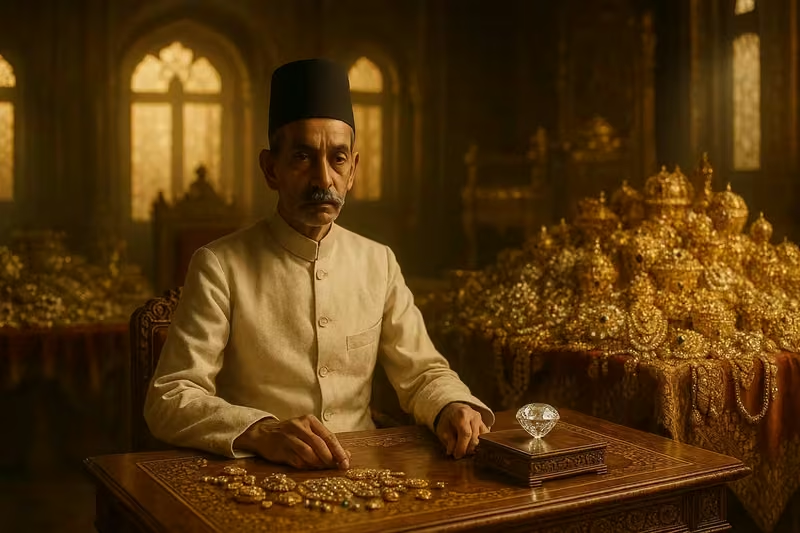

मीर उस्मान अली खान का खजानाः जब हीरा सिर्फ एक कागजी था
विशाल रत्न एक असाधारण महल में एक साधारण मेज पर प्रशासनिकागजों के ढेर के ऊपर बैठा था। राजा कोठी महल की मेहराबदार खिड़कियों से सुबह की रोशनी बहती थी, जो जैकब हीरे की सतह से टकराती थी और पूरे कमरे में इंद्रधनुष बिखेरती थी। किसी भी आगंतुके लिए, दृश्य लुभावनी रहा होगा-एक पत्थर जिसका मूल्य £50 मिलियन है जिसका उपयोग सांसारिक पत्राचार और सरकारी दस्तावेजों को रखने के लिए किया जा रहा है। लेकिन हैदराबाद के सातवें निजामीर उस्मान अली खान के लिए, यह बस व्यावहारिक था। उन्हें एक कागजी भार की आवश्यकता थी, और यह विशेष हीरा पहुंच के भीतर था।
यह कोई प्रभाव या शक्ति का प्रदर्शन नहीं था। ऐसा लगता था कि निजाम वास्तव में अपनी संपत्ति की असाधारण प्रकृति से अनजान थे-या कम से कम उनकी परवाह नहीं करते थे। उनके महलों के नीचे के तहखानों में सोने और चांदी के सर्राफा में 10 करोड़ पाउंड रखे हुए थे। सुरक्षित कक्षों में बंद अनुमानित £400 मिलियन मूल्य के गहने थे। उनके राज्य ने गोलकोंडा खदानों को नियंत्रित किया, जो उस समय पूरी दुनिया में हीरे का एकमात्र आपूर्तिकर्ता था। और फिर भी शासक स्वयं अपनी व्यक्तिगत मितव्ययिता के लिए जाने जाते थे, जो अक्सर एक ही धागे के कपड़े पहनते थे और अनावश्यक खर्च पर विस्मय व्यक्त करते थे।
यह विरोधाभास था-व्यक्तिगत विलक्षणता के साथ अकल्पनीय धन-जिसने मीर उस्मान अली खान को बीसवीं शताब्दी के भारत की सबसे आकर्षक हस्तियों में से एक बना दिया। जब टाइम पत्रिका ने 1937 में अपने मुखपृष्ठ पर उनका चित्र रखा, तो वे स्वीकार कर रहे थे कि वित्तीय विशेषज्ञ पहले से ही क्या जानते थेः वे संभवतः दुनिया के सबसे अमीर व्यक्ति थे, कुछ अनुमानों के अनुसार उनकी व्यक्तिगत संपत्ति पूरे संयुक्त राज्य अमेरिका के सकल घरेलू उत्पाद का लगभग 2 प्रतिशत थी। वह केवल भारतीय मानकों या औपनिवेशिक ुलीनता के मानकों से धनी नहीं थे। वह किसी भी पैमाने पर अमीर था जो मानवता ने कभी भी तैयार किया था।
निज़ाम के खजाने की कहानी केवल संचित धन की कहानी नहीं है। यह ब्रिटिश भारत की रियासतों की विचित्र दुनिया में एक खिड़की है, जहां अर्ध-स्वायत्त सम्राटों ने साम्राज्य की जटिल राजनीति को नेविगेट करते हुए अपने स्वयं के दरबारों, सेनाओं और खजाने को बनाए रखते हुए लगभग पूर्ण शक्ति के साथ विशाल क्षेत्रों पर शासन किया। यह एक लुप्त होती दुनिया की भी कहानी है, क्योंकि जब 1948 में मीर उस्मान अली खान का शासनकाल समाप्त हुआ, तो शासन की एक पूरी प्रणाली-जो सदियों से मौजूद थी-लगभग रातोंरात गायब हो जाएगी।
इससे पहले की दुनिया
जब मीर उस्मान अली खान 29 अगस्त 1911 को सिंहासन पर बैठे, तो उन्हें न केवल एक राज्य बल्कि एक कालातीत विरासत मिली। पँचिश साल की उम्र में वे भारतीय साम्राज्य की सबसे बड़ी रियासत हैदराबाद राज्य के शासक बन गए। हैदराबाद कई यूरोपीय देशों की तुलना में बड़ा था, इसका क्षेत्र दक्कन पठार के विशाल हिस्सों को शामिल करता था। इसकी आबादी लाखों में थी, और इसकी संपत्ति-विशेष रूप से गोलकोंडा की प्रसिद्ध हीरे की खदानें-सदियों से प्रसिद्ध थीं।
1911 का भारत गहरे विरोधाभासों का देश था। ब्रिटिश राज ने एक विस्तृत औपनिवेशिक प्रशासन के माध्यम से शासन करते हुए उपमहाद्वीप के विशाल हिस्से पर प्रत्यक्ष नियंत्रण का प्रयोग किया। लेकिन पूरे ब्रिटिश भारत में फैले हुए रियासतें थीं-562 राज्य, बड़े और छोटे, जिनके शासकों ने शाही शक्ति के साथ स्वायत्तता के विभिन्न स्तरों पर बातचीत की थी। इन राजकुमारों ने अपने दरबार, अपने कानून और अपनी परंपराओं को बनाए रखा। वे ब्रिटिश अधिकारी नहीं थे बल्कि संप्रभु सम्राट थे जिन्होंने क्राउन के साथ संधि संबंध बनाए थे।
हैदराबाद रियासतों के बीच भी एक अद्वितीय स्थान पर था। इसके निजाम भारतीय राजकुमारों के विस्तृत पदानुक्रम में सर्वोच्च पद पर थे, जो सम्मानित "महामहिम" के हकदार थे-एक ऐसा सम्मान जो किसी अन्य शासक द्वारा साझा नहीं किया गया था। राज्य का प्रशासन परिष्कृत और जटिल था, जिसकी अपनी नागरिक सेवा, न्यायिक प्रणाली और सैन्य बल थे। सबसे महत्वपूर्ण बात यह है कि निजाम ने अपने खजाने पर पूरा नियंत्रण रखा। ब्रिटिश नियंत्रित क्षेत्रों के विपरीत, जहां औपनिवेशिक सरकार को राजस्व प्रवाहित होता था, हैदराबाद राज्य के भीतर उत्पन्न प्रत्येक रुपया निजाम का था।
यह वित्तीय स्वतंत्रता निजाम की पौराणिक संपत्ति की नींव थी। गोलकोंडा खदानें सदियों से दुनिया को हीरे की आपूर्ति कर रही थीं। प्रलेखित इतिहास वाला प्रत्येक प्रसिद्ध हीरा-कोह-ए-नूर, होप डायमंड, रीजेंट डायमंड-इन खानों में अपनी उत्पत्ति का पता लगा सकता है। बीसवीं शताब्दी की शुरुआत तक, जबकि खदानों का उत्पादन अपने ऐतिहासिक शिखर से कम हो गया था, वे अत्यधिक लाभदायक बने रहे। इससे भी महत्वपूर्ण बात यह है कि पिछले निजामों की संचित संपत्ति, जिसे पीढ़ियों से सावधानीपूर्वक संरक्षित और निवेश किया गया था, ने लगभग समझ से बाहर आकार का खजाना बनाया।
निज़ाम के अपने टकसाल में छपा हैदराबादी रुपया पूरे राज्य में कानूनी निविदा के रूप में प्रसारित हुआ, जो संप्रभुता का एक ठोस प्रतीक था। अपनी खुद की मुद्रा बनाने की क्षमता शायद निजाम की अर्ध-स्वायत्त स्थिति की स्पष्ट अभिव्यक्ति थी। जबकि ब्रिटिश साम्राज्य ने भौगोलिक रूप से हैदराबाद को घेर लिया था, व्यावहारिक रूप से, निजाम ने अपने राज्य पर एक ऐसी स्वतंत्रता के साथ शासन किया जिससे यूरोप के अधिकांश मुकुटधारी प्रमुखों को ईर्ष्या हुई होगी।
फिर भी यह दुनिया पहले से ही दबाव में थी जब मीर उस्मान अली खाने सत्ता संभाली। भारत में परिवर्तन की हवाएँ चलने लगी थीं। राष्ट्रवादी आंदोलन ताकत हासिल कर रहे थे, ब्रिटिश ासन और इसे बनाए रखने वाली रियासत प्रणाली दोनों पर सवाल उठा रहे थे। वंशानुगत राजतंत्र की अवधारणा को लोकतंत्र और आत्मनिर्णय के विचारों द्वारा चुनौती दी जा रही थी। निजाम का हैदराबाद एक पुरानी व्यवस्था का प्रतिनिधित्व करता था, जो बीसवीं शताब्दी की राजनीतिक धाराओं के साथ तेजी से कदम से बाहर लग रहा था।
खिलाड़ियों ने

मीर उस्मान अली खान शासन करने की उम्मीद में पैदा नहीं हुए थे। छोटे बेटे के रूप में, सिंहासन तक उनका रास्ता निश्चित नहीं था। यह शायद उनकी बाद की कुछ विशेषताओं की व्याख्या करता है-एक व्यक्ति जो पूर्ण शक्ति की धारणा के साथ जन्म से नहीं उठाया गया है, वह बचपन से राजत्व के लिए तैयार किए गए व्यक्ति की तुलना में अलग-अलग आदतें विकसित कर सकता है। ऐतिहासिक विवरणों से पता चलता है कि वह अध्ययनशील थे और कुछ हद तक स्वभाव से सेवानिवृत्त थे, दरबारी जीवन की भव्यता की तुलना में प्रशासनिक विवरणों के साथ अधिक सहज थे।
जब वे 1911 में सिंहासन पर बैठे, तो उन्हें विरासत में एक अच्छी तरह से काम करने वाला राज्य तंत्र मिला, लेकिन महत्वपूर्ण चुनौतियों का भी सामना करना पड़ा। इतने विशाल क्षेत्र के प्रशासन पर लगातार ध्यान देने की आवश्यकता थी। धार्मिक और सांप्रदायिक तनाव सतह के नीचे उबल गए-हैदराबाद के मुस्लिम शासक वर्ग ने मुख्य रूप से हिंदू आबादी पर शासन किया, एक ऐसी स्थिति जिसके लिए सावधानीपूर्वक प्रबंधन की आवश्यकता थी। ब्रिटिश भारत के साथ राज्य के संबंध जटिल थे और संचालन के लिए राजनयिकौशल की आवश्यकता थी।
निजाम की व्यक्तिगत आदतें जल्दी ही प्रसिद्ध हो गईं, हालांकि आम तौर पर राजघराने से जुड़ी नहीं थीं। अपनी असाधारण संपत्ति के बावजूद, वह कथितौर पर अपने व्यक्तिगत खर्चों में दयनीय होने तक मितव्ययी थे। कार्यात्मक वस्त्रों के नियमित प्रतिस्थापन की अवधारणा पर विस्मय व्यक्त करते हुए, वे तब तक एक ही कपड़े पहनते थे जब तक कि वे धागे से बने नहीं हो जाते थे। उन्होंने महल के रखरखाव और राज्य समारोहों पर खर्च पर सवाल उठाया, यह समझने में विफल रहे कि ऐसी चीजें क्यों आवश्यक थीं, जबकि मौजूदा व्यवस्थाएं पर्याप्त लग रही थीं।
यह मितव्ययिता राज्य में ही नहीं फैली। निजाम ने बुनियादी ढांचे, शिक्षा और अपने क्षेत्रों के आधुनिकीकरण में भारी निवेश किया। वह समझते थे कि उनकी संपत्ति उनके राज्य की समृद्धि से प्राप्त होती है और उस समृद्धि को बनाए रखने के लिए निवेश की आवश्यकता होती है। लेकिन व्यक्तिगत रूप से, वह विलासिता के प्रति वास्तव में उदासीन लग रहे थे। जैकब हीरे का कागजी भार के रूप में उपयोग किए जाने की प्रसिद्ध कहानी अप्रामाणिक नहीं थी-यह संपत्ति के प्रति उनके वास्तविक दृष्टिकोण का प्रतिनिधित्व करती थी। हीरा, उनके लिए, केवल एक विशेष रूप से भारी और स्थिर वस्तु थी, जो कागज को हवा में बिखेरने से रोकने के लिए अच्छी तरह से अनुकूल थी।
निज़ाम के आसपास के लोग-उनके मंत्री, सलाहकार और दरबारी अधिकारी-इस अजीब माहौल में काम करते थे जहाँ अकल्पनीय धन व्यक्तिगत तपस्या के साथ सह-अस्तित्व में था। हैदराबाद राज्य का प्रशासनिक तंत्र परिष्कृत था, जिसमें सक्षम अधिकारी कार्यरत थे, जो कर संग्रह से लेकर न्यायिक प्रशासन तक सब कुछ संभालते थे। शासन में निज़ाम की अपनी भागीदारी उनकी व्यक्तिगत विलक्षणताओं के बावजूद विस्तृत और व्यावहारिक थी।
महल की दीवारों से परे, हैदराबाद की आबादी इस विशिष्ट प्रणाली के तहत अपना जीवन व्यतीत करती थी। राज्य के नागरिक निजाम की सरकार द्वारा बनाए गए कानूनों के तहत रहते थे, उनके खजाने में करों का भुगतान करते थे और उनकी मुहर वाली मुद्रा का उपयोग करते थे। कई लोगों के लिए, विशेष रूप से राजधानी से दूर ग्रामीण क्षेत्रों में, निजाम एक दूर की हस्ती थे, जो व्यक्ति से अधिक प्रतीक थे। लेकिन हैदराबाद शहर में ही निजाम की उपस्थिति अपरिहार्य थी-उनके महल, उनके जुलूस, उनके प्रशासन ने शहरी जीवन के हर पहलू को छुआ।
ब्रिटिश भारत के व्यापक संदर्भ ने भी निजाम की दुनिया को आकार दिया। ब्रिटिश निवासी-रियासतों के दरबारों में तैनात औपनिवेशिक अधिकारी-राजकुमारों और शाही सरकार के बीच संपर्के रूप में कार्य करते थे। जबकि सैद्धांतिक रूप से सलाहकार, इन निवासियों का महत्वपूर्ण प्रभाव था, और इस संबंध को प्रबंधित करने के लिए निरंतर राजनयिक प्रयास की आवश्यकता थी। निजाम को स्वायत्तता की अपनी इच्छा को इस व्यावहारिक वास्तविकता के साथ संतुलित करना पड़ा कि ब्रिटिश सैन्य शक्ति ने अंततः उनके सिंहासन की गारंटी दी।
बढ़ता तनाव

मीर उस्मान अली खान के शासनकाल को परिभाषित करने वाली संपत्ति उनकी सबसे बड़ी संपत्ति थी और अंततः, गहरी जटिलताओं का स्रोत थी। हैदराबाद राज्य का निजी खजाना पूरे भारत और उसके बाहर प्रसिद्ध था। महलों के नीचे बंद तहखानों में पीढ़ियों की संचित संपत्ति थी-साफ-सुथरी पंक्तियों में रखा सोना, कीमती रत्नों से भरे खजाने, अतुलनीय मूल्य की ऐतिहासिक कलाकृतियाँ। सटीक सामग्री केवल निजाम और उनके सबसे भरोसेमंद राजकोषीय अधिकारियों को ही पता थी, जिससे पहले से ही असाधारण स्थिति में रहस्य की हवा फैल गई।
गोलकोंडा की खदानें इस धन की नींव बनी रहीं। यद्यपि ऐतिहासिक शिखरों से उनके उत्पादन में गिरावट आई, उन्होंने असाधारण गुणवत्ता के हीरे का उत्पादन जारी रखा। इस स्रोत पर निजाम के एकाधिकार ने उन्हें उन रत्नों तक पहुंच प्रदान की जो खुले बाजार में अमूल्य होते। कई कभी भी बाजार नहीं पहुंचे, इसके बजाय ट्रेजरी वॉल्ट में लगातार बढ़ते संग्रह में शामिल हो गए। जैकब डायमंड, वह प्रसिद्ध पेपरवेट, एक इन्वेंट्री में सिर्फ एक वस्तु थी जो मात्रा में भरी हुई थी।
जैसे-जैसे दशक बीतते गए और बीसवीं शताब्दी आगे बढ़ती गई, एक व्यक्ति के हाथों में धन का यह केंद्रीकरण तेजी से विसंगत होता गया। 1920 और 1930 के दशक में दुनिया भर में नाटकीय परिवर्तन देखे गए-रूसी क्रांति ने उस विशाल साम्राज्य में पूरी तरह से राजशाही को समाप्त कर दिया था, आर्थिक अवसाद ने राष्ट्रों को गरीब बना दिया था, और नए राजनीतिक दर्शन ने वंशानुगत शासन और केंद्रित धन की वैधता पर सवाल उठाया था। इस पृष्ठभूमि में, निज़ाम का भाग्य स्पष्ट रूप से अलग था।
1937 में टाइम पत्रिका के मुखपत्र ने निजाम की संपत्ति की ओर अंतर्राष्ट्रीय ध्यान आकर्षित किया। लेख में उनके धन की सीमा, उनके शासन की अर्ध-स्वायत्त प्रकृति और उनके व्यक्तिगत जीवन के विशिष्ट विरोधाभासों का विवरण दिया गया है। दुनिया भर के कई पाठकों के लिए, यह भारत की रियासतों की अवधारणा और उन्हें बनाए रखने वाली असाधारण प्रणाली के साथ उनकी पहली मुलाकात थी। इस प्रचार ने कुछ लोगों को आकर्षित किया और दूसरों को परेशान किया-बढ़ते आर्थिक लोकलुभावनवाद के युग में, इस तरह की केंद्रित निजी संपत्ति का अस्तित्व लगभग अश्लील लग रहा था।
स्वतंत्रता का भार
जैसे-जैसे भारत के स्वतंत्रता आंदोलन ने गति पकड़ी, रियासतों का सवाल तेजी से जरूरी होता गया। जब ब्रिटिश ासन समाप्त हो जाएगा तो इन राज्यों का क्या होगा? स्वतंत्रता की दिशा में काम करने वाली हस्तियों के नेतृत्व में भारतीय राष्ट्रीय कांग्रेस ने एकीकृत भारत के अपने दृष्टिकोण को स्पष्ट कर दिया था। लेकिनिजाम सहित राजकुमारों के अपने विचार थे। तकनीकी रूप से, उनकी संधियाँ ब्रिटिश क्राउन के साथीं, भारत के साथ नहीं। अगर अंग्रेज चले गए तो इन समझौतों का क्या होगा?
हैदराबाद के निजाम ने अपने राज्य के आकार, धन और रणनीतिक स्थिति को देखते हुए खुद को इन चर्चाओं के केंद्र में पाया। कुछ सलाहकारों ने सुझाव दिया कि हैदराबाद एक संप्रभु राष्ट्र बनने के लिए पूर्ण स्वतंत्रता की घोषणा कर सकता है। राजकोष में निश्चित रूप से इस तरह के उद्यम का समर्थन करने के लिए संसाधन थे। राज्य का आकार और जनसंख्या कई मान्यता प्राप्त देशों की तुलना में अधिक थी। हैदराबाद को दुनिया के देशों में अपनी जगह क्यों नहीं लेनी चाहिए?
यह केवल कल्पना नहीं थी। निजाम ने ब्रिटिश अधिकारियों और अंतर्राष्ट्रीय राजनयिकों के साथ चर्चा करते हुए इस संभावना पर गंभीरता से विचार किया। उनकी अर्ध-स्वायत्त स्थिति, उनकी वित्तीय स्वतंत्रता और अपने स्वयं के प्रशासन और सैन्य बलों पर उनके नियंत्रण ने इस विचार को एक निश्चित संभाव्यता दी। सवाल यह नहीं था कि क्या हैदराबाद सैद्धांतिक रूप से एक स्वतंत्राष्ट्र के रूप में काम कर सकता है-यह स्पष्ट रूप से कर सकता है-लेकिन क्या भूगोल और राजनीति की व्यावहारिक वास्तविकताएं इसकी अनुमति देंगी।
नजदीक आ रहा तूफान
द्वितीय विश्व युद्ध ने सब कुछ जटिल कर दिया। हैदराबाद सहित रियासतों ने ब्रिटिश युद्ध के प्रयासों में महत्वपूर्ण योगदान दिया। निजाम ने क्राउन के प्रति अपनी वफादारी का प्रदर्शन करते हुए संघर्ष के दौरान ब्रिटेन का समर्थन करने के लिए अपने व्यक्तिगत खजाने से पर्याप्त राशि दान की। लेकिन युद्ध ने भारतीय स्वतंत्रता की ओर समयरेखा को तेज कर दिया, और इसके साथ, राजकुमारों की स्थिति को हल करने की तात्कालिकता।
1940 के दशक के मध्य तक, यह स्पष्ट था कि भारत में ब्रिटिश ासन समाप्त हो जाएगा। केवल सवाल यह था कि कब और कैसे। निजाम के लिए, इसने एक कठिन स्थिति पैदा कर दी। उनकी संपत्ति और उनके राज्य के संसाधनों ने उन्हें सौदेबाजी करने की शक्ति दी, लेकिन भूगोल ने उनके खिलाफ बताया-हैदराबाद पूरी तरह से ऐसे क्षेत्रों से घिरा हुआ था जो भारत का हिस्सा बन जाएंगे। एक स्वतंत्र हैदराबाद एक संभावित शत्रु राष्ट्र के बीच में एक द्वीप होगा।
निज़ाम की व्यक्तिगत सनक, जो ब्रिटिश ासन के स्थिर वर्षों के दौरान केवल मनोरंजक लग रही थी, अब एक अलग जाति पर हावी हो गई। निर्णय लेने में उनकी अनिच्छा, टालने और देरी करने की उनकी प्रवृत्ति, टकराव के साथ उनकी बेचैनी-इन लक्षणों ने तेजी से विकसित हो रही राजनीतिक स्थिति में उनकी बहुत मदद की। हैदराबाद के भविष्य के सवाल पर निर्णायक कार्रवाई की आवश्यकता थी, लेकिनिर्णायक कार्रवाई निजाम की ताकत नहीं थी।
द टर्निंग प्वाइंट
वर्ष 1947 ने भारत को स्वतंत्रता दिलाई, लेकिन हैदराबाद के लिए संकल्प नहीं। जैसे ही अंग्रेज चले गए, रियासतों के सामने एक विकल्प थाः भारत में शामिल होना, पाकिस्तान में शामिल होना, या स्वतंत्रता का प्रयास करना। अधिकांश राज्यों ने वास्तविक स्वतंत्रता की व्यावहारिक असंभवताओं को पहचानते हुए परिग्रहण को चुना। जवाहरलाल नेहरू के नेतृत्व में और सरदार वल्लभभाई पटेल द्वारा रियासतों के एकीकरण का प्रबंधन करने के साथ भारत सरकार ने अपनी अपेक्षा स्पष्ट कर दी कि भारत की भौगोलिक सीमाओं के भीतर सभी राज्यों को शामिल होना चाहिए।
निजाम हिचकिचाए। उनका राज्य भौगोलिक रूप से भारत से घिरा हुआ था और पाकिस्तान तक कोई सीमा पहुंच नहीं थी, लेकिन उन्होंने विलय के लिए हर संभव विकल्प की खोज की। उन्होंने ब्रिटिश राष्ट्रमंडल के भीतर कनाडा या ऑस्ट्रेलिया के समान प्रभुत्व की स्थिति का प्रस्ताव रखा, लेकिन ब्रिटेन के बजाय भारत के साथ। उन्होंने सुझाव दिया कि हैदराबाद घनिष्ठ संधि संबंधों के साथ स्वतंत्रता बनाए रख सकता है। उन्होंने देरी की, बातचीत की और हैदराबाद की संप्रभुता के लिए अंतर्राष्ट्रीय मान्यता की मांग की।
इन वार्ताओं में निजाम की संपत्ति एक कारक बन गई। उनका खजाना एक सेना को धन दे सकता था, एक प्रशासन को बनाए रख सकता था, और संभावित रूप से आर्थिक नाकाबंदी के तहत भी वर्षों तक एक स्वतंत्राज्य को बनाए रख सकता था। यह एक दिवालिया राज्य नहीं था जो सुरक्षा की मांग कर रहा था-यह एक ऐसा राज्य था जिसमें ऐसे संसाधन थे जिनसे कई स्थापित राष्ट्र ईर्ष्या करेंगे। भारत सरकार हैदराबाद को नजरअंदाज नहीं कर सकती थी या अनुपालन के लिए अनिश्चित काल तक इंतजार नहीं कर सकती थी।
1947 और 1948 तक गतिरोध जारी रहा। निजाम ने औपचारिक रूप से भारत में प्रवेश नहीं किया, लेकिन ही उन्हें एक स्वतंत्र संप्रभु के रूप में अंतर्राष्ट्रीय मान्यता मिली। उनका राज्य एक अजीब उलझन में था, जो अनिवार्य रूप से हमेशा की तरह काम कर रहा था, जबकि कानूनी और राजनीतिक प्रश्न अनसुलझे रहे। प्रशासन जारी रहा, हैदराबादी रुपया अभी भी चल रहा था, और निजाम अभी भी अपने महलों से शासन कर रहे थे, लेकिन स्थिति अनिश्चित काल तक बनी नहीं रह सकी।
हैदराबाद के भीतर सांप्रदायिक तनाव बढ़ गया। मुख्य रूप से हिंदू आबादी ने भारत के साथ एकीकरण का तेजी से समर्थन किया, जबकि कुछ मुस्लिम अभिजात वर्ग ने भौगोलिक असंभवता के बावजूद स्वतंत्रता या पाकिस्तान में विलय को पसंद किया। सशस्त्र समूह राज्य की मंजूरी के विभिन्न स्तरों के साथ काम करते थे, और समुदायों के बीच हिंसा बढ़ गई। भारत सरकार ने इस अस्थिरता को इस बात के प्रमाण के रूप में उद्धृत किया कि स्थिति के समाधान की आवश्यकता थी।
अंतरराष्ट्रीय स्तर पर सैन्य उपकरण खरीदने के निजाम के प्रयासों को हैदराबाद तक पहुँच मार्गों पर भारत सरकार के नियंत्रण ने अवरुद्ध कर दिया था। उनका राज्य प्रभावी रूप से नाकाबंदी के तहत था-आधिकारिक रूप से नहीं, बल्कि व्यावहारिक रूप से। स्वतंत्रता को बनाए रखने की क्षमता, चाहे खजाना कितना भी विशाल क्यों न हो, बाहरी दुनिया तक पहुंच पर निर्भर थी और भारत ने ऐसी सभी पहुंच को नियंत्रित किया।
सितंबर 1948 में, भारत सरकार ने ऑपरेशन पोलो शुरू किया, जो हैदराबाद को भारतीय संघ में एकीकृत करने के लिए एक सैन्य कार्रवाई थी। निज़ाम की सेना, अपनी संख्या और उपकरणों के बावजूद, भारतीय सेना का विरोध नहीं कर सकी। कुछ ही दिनों में यह खत्म हो गया। 17 सितंबर, 1948 को हैदराबाद राज्य ने निजाम के पूर्ण शासन को समाप्त करते हुए औपचारिक रूप से भारत में विलय कर लिया। विलय पूरा हो गया था।
इसके बाद
भारत में हैदराबाद के एकीकरण ने एक युग के अंत को चिह्नित किया, लेकिनिजाम के जीवन या उनकी प्रमुखता का अंत नहीं हुआ। मीर उस्मान अली खान हैदराबाद में बने रहे, पूर्ण सम्राट से संवैधानिक व्यक्ति के रूप में परिवर्तित हो गए क्योंकि भारतीय संघ के भीतर राज्य का पुनर्गठन किया गया था। उन्होंने जो व्यक्तिगत संपत्ति जमा की थी, वह काफी हद तक बरकरार रही-भारत सरकार ने राज्य की संपत्ति, जिसे राष्ट्रीय ढांचे में समाहित किया गया था, और निजाम की निजी संपत्ति, जिसे उनके व्यक्तिगत कब्जे के रूप में मान्यता दी गई थी, के बीच अंतर किया।
यह अंतर महत्वपूर्ण और असामान्य था। निजाम शासन की पीढ़ियों में जमा हुए सोने और चांदी के सर्राफा के साथ हैदराबाद राज्य का खजाना राज्य की संपत्ति माना जाता था और भारत सरकार के नियंत्रण में आ जाता था। लेकिन महान जैकब डायमंड सहित कई रत्नों को निजाम की व्यक्तिगत संपत्ति के रूप में मान्यता दी गई थी। सटीक विभाजन जटिल और विवादास्पद था, जिसमें वर्षों की बातचीत और कानूनी कार्यवाही शामिल थी।
निजाम ने अपनी बदली हुई परिस्थितियों के साथ उसी विशिष्ट अलगाव के साथ अनुकूलन किया जो उन्होंने अपने पूरे जीवन में दिखाया था। अब एक पूर्ण सम्राट नहीं रहे, उन्होंने अपना ध्यान धर्मार्थ कार्यों और परोपकार पर केंद्रित किया। एकीकरण के बाद भी उनकी संपत्ति महत्वपूर्ण परियोजनाओं के वित्तपोषण के लिए पर्याप्त रही। उन्होंने शैक्षणिक संस्थानों, अस्पतालों और धार्मिक दानों का समर्थन किया, अपने भाग्य के कुछ हिस्सों को ऐसे तरीकों से वितरित किया जो निज़ामों की पिछली पीढ़ियों के लिए अकल्पनीय लग रहे थे जिन्होंने संचय पर ध्यान केंद्रित किया था।
रियासतों की प्रणाली, जिसने सदियों से भारतीय शासन को परिभाषित किया था, को व्यवस्थित रूप से समाप्त कर दिया गया था। शासकों ने अपनी उपाधियों को बनाए रखा और प्रिवी पर्स प्राप्त किए-उनकी पूर्व स्थिति को मान्यता देने के लिए भारत सरकार से वार्षिक भुगतान-लेकिन उनकी राजनीतिक शक्ति चली गई। हैदराबाद के निजाम, अन्य सभी राजकुमारों की तरह, एक प्रभावशाली उपाधि के साथ एक निजी नागरिक बन गए, लेकिन कोई राज्य नहीं था।
निज़ाम की शक्ति का प्रतीक खजाने के तहखाने खोले गए और उनका आविष्कार किया गया। सामग्री उतनी ही असाधारण साबित हुई जितनी अफवाहों ने सुझाव दिया था-हालाँकि सटीक विवरण दशकों तक आंशिक रूप से गुप्त रहे। कुछ वस्तुओं को संग्रहालयों में प्रदर्शित किया गया था, अन्य बंद कर दिए गए थे, और विशेष टुकड़ों के स्वामित्व पर विवाद वर्षों तक जारी रहे। जैकब हीरा स्वयं कानूनी दावों और प्रतिवादों का विषय बन गया, जो निजाम की संपत्ति की जटिल विरासत का प्रतीक था।
विरासत

मीर उस्मान अली खान और उनके खजाने की कहानी इतिहास की सबसे असामान्य सरकारी प्रणालियों में से एक के अंत का प्रतिनिधित्व करती है। भारत की रियासतों का आधुनिक दुनिया में कहीं और कोई वास्तविक समानांतर नहीं था-एक औपनिवेशिक साम्राज्य के भीतर अंतर्निहित अर्ध-स्वायत्त राज्य, जो शाही शक्ति की मांगों को पूरा करते हुए अपनी परंपराओं को बनाए रखते थे। निजाम का हैदराबाद इन राज्यों में सबसे बड़ा और सबसे धनी था, और इसके एकीकरण ने एकीकृत राष्ट्र के रूप में भारत के अंतिम एकीकरण को चिह्नित किया।
धन स्वयं-वे असाधारण अनुमान जो निज़ाम के भाग्य को यू. एस. जी. डी. पी. के 2 प्रतिशत पर रखते हैं-इस बात के एक माप के रूप में कार्य करता है कि रियासत प्रणाली के तहत कितना आर्थिक एकाग्रता संभव थी। गोलकोंडा हीरे पर एकाधिकार, सदियों के संचय और शासक के निजी खजाने पर किसी भी वास्तविक निरीक्षण या सीमा के अभाव ने एक ऐसा भाग्य बनाया था जिसे आज दोहराना असंभव होगा। आधुनिक कराधान, बैंकिंग नियम और सरकारी संरचनाएँ निजी हाथों में धन के इस तरह के केंद्रीकरण की अनुमति नहीं देती हैं।
निज़ाम की व्यक्तिगत सनकीपनियाँ किंवदंती का सामान बन गई हैं-हीरे का कागजी भार सबसे प्रसिद्ध उदाहरण है, लेकिन शायद ही एकमात्र। ये कहानियाँ एक ऐसे व्यक्ति को मानवीय बनाती हैं जो अन्यथा असंभव रूप से दूरस्थ लग सकता है। वे हमें यादिलाते हैं कि विशाल धन आवश्यक रूप से संतुष्टि या आराम भी नहीं लाता है, और व्यक्तिगत मूल्य भौतिक परिस्थितियों से जिद्दी रूप से स्वतंत्र रह सकते हैं। सर्राफा और रत्नों में सैकड़ों करोड़ के ऊपर बैठे हुए अनावश्यक खर्च पर सवाल उठाने वाले निजाम, अपने तरीके से, किसी भी सरल कथन की तुलना में अधिक जटिल थे।
हैदराबाद के एकीकरण ने भारत के विकास के लिए महत्वपूर्ण उदाहरण स्थापित किए। वास्तविक एकीकरण के दौरान कुछ हिंसक घटनाओं के बावजूद, भारतीय संघ में पूर्व रियासतों के शांतिपूर्ण संक्रमण ने प्रदर्शित किया कि नया राष्ट्र विभिन्न सरकारी प्रणालियों और परंपराओं को सफलतापूर्वक शामिल कर सकता है। राज्य की संपत्तियों का राष्ट्रीय करण करते समय भी कुछ निजी संपत्ति अधिकारों की मान्यता ने केवल जब्त करने के बजाय बातचीत करने की इच्छा दिखाई-एक ऐसा विकल्प जिसने कई लोगों की नजर में एकीकरण प्रक्रिया को वैध बनाने में मदद की, जिन्होंने अन्यथा विरोध किया होगा।
गोलकोंडा की खदानें, उनके रहस्य और एकाधिकार का दर्जा छीनकर, भारत के खनिज संसाधनों का एक और हिस्सा बन गईं। हीरे का खनन जारी रहा, लेकिन शाही धन के स्रोत के बजाय एक उद्योग के रूप में। रत्नों के व्यापार में गोलकोंडा हीरे की प्रसिद्धि बनी रही, जहां प्रलेखित गोलकोंडा स्रोत वाले पत्थरों की कीमत अधिक थी, लेकिनिजाम के खजाने से संबंध टूट गया था।
1937 से टाइम पत्रिका का आवरण, निजाम को उनकी संपत्ति और शक्ति की ऊंचाई पर पकड़ना, एक ऐतिहासिक कलाकृति बन गई-एक ऐसी दुनिया की खिड़की जो एक दशक के भीतर गायब हो जाएगी। एक साधारण कपड़े पहने व्यक्ति की वह एकल छवि, जिसके भाग्य का अनुमान एक प्रमुख राष्ट्र के सकल घरेलू उत्पाद के प्रतिशत के रूप में लगाया गया था, रियासत प्रणाली के सभी विरोधाभासों को समाहित करती है।
इतिहास क्या भूल जाता है
निज़ाम की संपत्ति की शानदार कहानियों में जो अक्सर खो जाता है वह शासन की सांसारिक वास्तविकता है। हैदराबाद राज्य केवल एक शासक के साथ एक खजाना नहीं था-यह अदालतों, स्कूलों, बुनियादी ढांचे और सामान्य जीवन जीने वाले लाखों विषयों के साथ एक कार्यशील प्रशासनिक इकाई थी। निजाम ने अपनी व्यक्तिगत सनक के बावजूद, एक परिष्कृत नौकरशाही को बनाए रखा जिसने दशकों तक इस विशाल क्षेत्र को प्रभावी ढंग से प्रबंधित किया।
हैदराबादी रुपया, जो निजाम की मौद्रिक स्वतंत्रता का प्रतीक था, एकीकरण के बाद वर्षों तक प्रचलन में रहा क्योंकि मुद्रा को धीरे-धीरे भारतीय रुपये के पक्ष में हटा दिया गया था। आम नागरिकों के लिए, दैनिक जीवन का यह व्यावहारिक विवरण-जो मुद्रा मजदूरी और खरीद के लिए स्वीकार की जाती थी-महलों में नाटकीय राजनीतिक घटनाओं की तुलना में कहीं अधिक महत्वपूर्ण था।
हैदराबाद के एकीकरण में हिंसा शामिल थी जिसे आधिकारिक इतिहास कभी-कभी कम कर देता है। ऑपरेशन पोलो एक रक्तहीन संक्रमण नहीं था, और इस अवधि के दौरान सांप्रदायिक तनाव के कारण सभी तरफ से हताहत हुए। निज़ाम के खजाने पर ध्यान केंद्रित करना और भारत सरकार के साथ उनका अंततः शांतिपूर्ण समझौता एकीकरण प्रक्रिया की मानवीय लागत को कम कर सकता है।
निजाम के प्रशासन, सेना और घरेलू प्रतिष्ठानों में कार्यरत हजारों लोगों के भाग्य पर शायद ही कभी विस्तार से चर्चा की जाती है। जब एक पूर्ण राजशाही एक लोकतांत्रिक राष्ट्र का हिस्सा बन जाती है, तो नौकरशाही संरचनाओं में सुधार किया जाना चाहिए, सैन्य इकाइयों को भंग या एकीकृत किया जाना चाहिए, और पारंपरिक पदों को समाप्त किया जाना चाहिए। जिन लोगों की आजीविका पुरानी व्यवस्था पर निर्भर थी, उनके लिए एकीकरण का मतलब राजनीतिक गुणों की परवाह किए बिना व्यवधान पैदा करना था।
जैकब डायमंड का अंतिम भाग्य आज भी कुछ हद तक अस्पष्ट है। जबकि इसका उपयोग कागजी भार के रूप में किया गया था और इसका मूल्य लगभग 50 मिलियन पाउंड था, इसका वर्तमान स्थान और स्वामित्विवाद और मुकदमेबाजी का विषय रहा है। यह एकल पत्थर, असाधारण धन और विरासत की जटिलताओं दोनों का प्रतिनिधित्व करता है, उन अनसुलझे प्रश्नों का प्रतीक है जो निजाम के शासन के समाप्त होने के दशकों बाद भी बने हुए हैं।
निज़ाम ने अपने बाद के वर्षों में धर्मार्थ कार्यों में अपनी शेष संपत्ति का महत्वपूर्ण हिस्सा शैक्षणिक और चिकित्सा संस्थानों में वितरित किया। एक अमीर निजी नागरिके रूप में जीवन के अनुकूल होने वाले एक पूर्व पूर्ण सम्राट द्वारा किए गए इन योगदानों ने प्रदर्शित किया कि शासक से विषय में संक्रमण, राजनीतिक रूप से पूर्ण होने के बावजूद, व्यक्तिगत रूप से जटिल था। जिस व्यक्ति ने कभी कार्यालय की आपूर्ति के रूप में अमूल्य हीरे का उपयोग किया था, उसने अपने अंतिम दशकों में अपनी संपत्ति का उपयोग उन तरीकों से करने की कोशिश की जिससे उस समाज को लाभ हो सकता है जिस पर वह अब शासन नहीं कर रहा था।
सबसे बुनियादी रूप से, जो इतिहास कभी-कभी भूल जाता है वह यह है कि निजाम, अपनी सारी संपत्ति और शक्ति के बावजूद, अंततः एक ऐसा व्यक्ति था जो युगों के बीच फंस गया था। 1886 में जन्मे, वे औपनिवेशिक ाल के अंत में बड़े हुए जब रियासतें भारतीय जीवन की स्थायी जुड़ाव प्रतीत होती थीं। उन्होंने बीसवीं शताब्दी की शुरुआत में उथल-पुथल के दौरान शासन किया, अंतर्राष्ट्रीय पत्रिकाओं के मुखपृष्ठ पर उनका चित्र देखा और 1967 में स्वतंत्र भारत में एक निजी नागरिके रूप में उनकी मृत्यु हो गई। उनका जीवन साम्राज्य से राष्ट्र में, राजतंत्र से लोकतंत्र में, एक ऐसी दुनिया से जहाँ व्यक्ति राष्ट्रीय सकल घरेलू उत्पाद के प्रतिशत के रूप में मापा जाने वाला भाग्य प्राप्त कर सकते थे, जहाँ धन का ऐसा केंद्रीकरण असंभव हो गया था।
मीर उस्मान अली खान का खजाना अंततः सोने, चांदी और हीरे से भी अधिक था। यह एक ऐसी प्रणाली का संचित विशेषाधिकार और शक्ति थी जो सदियों से विकसित हुई थी-एक ऐसी प्रणाली जो ऐसे शासकों का निर्माण कर सकती थी जो राष्ट्रों की तुलना में अधिक धनी थे लेकिन जो उनके शासन को समाप्त करने वाली ऐतिहासिक ताकतों को रोक नहीं सकते थे। 1948 में हैदराबाद के एकीकरण ने न केवल एक राज्य का अंत किया, बल्कि भारतीय उपमहाद्वीप में शक्ति और धन को संगठित करने के एक पूरे तरीके का समापन किया।
आज, जब इतिहासकार अंतिम निजाम की बात करते हैं, तो वे एक ऐसे व्यक्ति का आह्वान करते हैं जो लगभग पौराणिक प्रतीत होता है-एक ऐसा व्यक्ति जिसने 50 मिलियन पाउंड के हीरे का उपयोग कागजी भार के रूप में किया था, जिसका भाग्य पूरी राष्ट्रीय अर्थव्यवस्थाओं के खिलाफ मापा गया था, जिसने लाखों पर पूर्ण शक्ति के साथ शासन किया था। लेकिन वह एक ऐसे व्यक्ति भी थे जो कपड़े पहनते थे, अनावश्यक खर्चों पर सवाल उठाते थे, और अंततः इतिहास की अटूट प्रगति के कारण अपना राज्य खो देते थे। असाधारण परिस्थिति और सामान्य मानवता के उस संयोजन में उनकी कहानी का स्थायी आकर्षण निहित है।