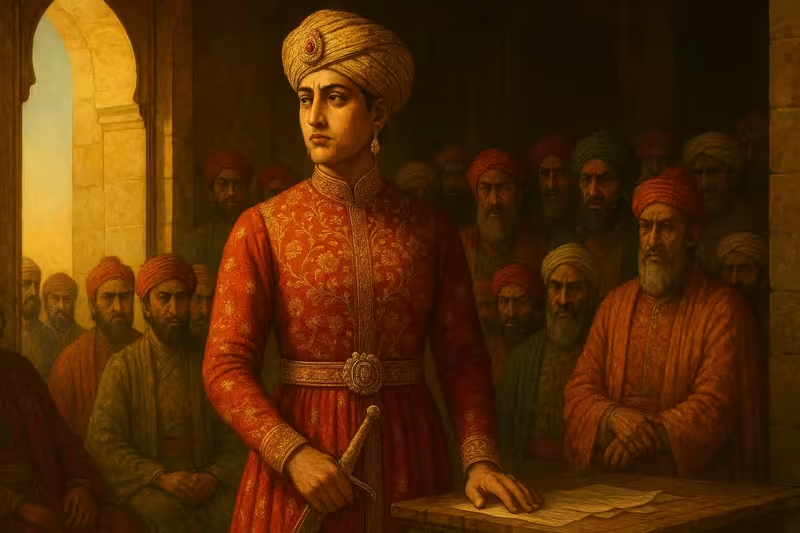

ഡൽഹി ഭരിച്ച സ്ത്രീഃ റസിയ സുൽത്താന്റെ അസാധ്യമായ സിംഹാസനം
സഭാംഗങ്ങൾ അവളുടെ കണ്ണുകളെ കണ്ടുമുട്ടിയില്ല. അധികാരം എല്ലായ്പ്പോഴും ഒരു പുരുഷ സംരക്ഷണമായിരുന്ന ഡൽഹി സുൽത്താനേറ്റിന്റെ ഗ്രേറ്റ് ഹാളിൽ, തലപ്പാവ് ധരിച്ച പ്രഭുക്കന്മാർ തലമുറകളായി പുരുഷ ഭരണാധികാരികളോട് മാത്രം മുട്ടുകുത്തി നിന്നപ്പോൾ, അന്തരീക്ഷം നീരസം കൊണ്ട് നിറഞ്ഞിരുന്നു. റസിയ സുൽത്താൻ-റസിയത്ത്-ഉദ്-ദുനിയ വ-ഉദ്-ദിൻ, "ലോകത്തിന്റെയും വിശ്വാസത്തിന്റെയും പ്രിയപ്പെട്ടവൾ"-അവളുടെ പിതാവ് അവൾക്കായി ഉദ്ദേശിച്ച സിംഹാസനത്തിൽ ഇരുന്നു, ആ അറയിലെ ഓരോ പുരുഷനും അത് വെറുപ്പുളവാക്കുന്നതായി കണക്കാക്കി.
അവൾ മൂടുപടം വലിച്ചെറിഞ്ഞു. അവൾ ഒരു സുൽത്താന്റെ അടിവസ്ത്രവും തലപ്പാവും ധരിച്ചിരുന്നു, സെനാനയിൽ ഒതുങ്ങുന്ന ഒരു പ്രഭുവിൻറെ ഒഴുകുന്ന വസ്ത്രങ്ങളല്ല. അവൾ സംസാരിക്കുമ്പോൾ, അവളുടെ ശബ്ദം സമ്പൂർണ്ണ രാജവാഴ്ചയുടെ അധികാരം വഹിച്ചിരുന്നു, എന്നിട്ടും സുൽത്താനേറ്റിന്റെ സൈനിക പ്രഭുക്കന്മാരുടെ നട്ടെല്ലായ തുർക്കി പ്രഭുക്കന്മാർക്ക്, ഓരോ വാക്കും പ്രപഞ്ചത്തെ ഭരിക്കുന്നുവെന്ന് അവർ വിശ്വസിച്ചിരുന്ന സ്വാഭാവിക്രമത്തിന് അപമാനമായിരുന്നു. ഒരു സ്ത്രീ പുരുഷന്മാരെ ഭരിക്കുന്നുണ്ടോ? സൈന്യത്തെ നയിക്കുന്ന, നീതി നടപ്പാക്കുന്ന, കോടതി നടത്തുന്ന ഒരു സ്ത്രീ? അവരെ സംബന്ധിച്ചിടത്തോളം അത് പ്രകൃതിയുടെയും വിശ്വാസത്തിൻറെയും നിയമങ്ങൾക്ക് വിരുദ്ധമായിരുന്നു.
എന്നാൽ റസിയ സുൽത്താൻ അവരുടെ അനുമതി ചോദിച്ചിരുന്നില്ല. തൻ്റെ അവകാശമെന്താണെന്ന് അവൾ അവകാശപ്പെട്ടിരുന്നു, തൻ്റെ പുത്രന്മാരിൽ താൻ കണ്ടിട്ടില്ലെന്ന് അവളുടെ പിതാവ് സുൽത്താൻ ഇൽതുത്മിഷ് അവളിൽ തിരിച്ചറിഞ്ഞത്-ഭരിക്കാനുള്ള കഴിവ്. പതിമൂന്നാം നൂറ്റാണ്ടിലെ ഒരു ഹ്രസ്വവും അസാധാരണവുമായ നിമിഷം, ഇന്ത്യൻ ഉപഭൂഖണ്ഡത്തിന്റെ വടക്കൻ ഭാഗങ്ങളിൽ, മധ്യകാലോകത്തിന് അറിയാവുന്ന ഏറ്റവും പുരുഷാധിപത്യ സമൂഹങ്ങളിലൊന്നിൽ ഒരു സ്ത്രീ സമ്പൂർണ്ണ അധികാരം വഹിച്ചിരുന്നു.
അവൾ എങ്ങനെ ഉയർന്നു, അവൾ എങ്ങനെ ഭരിച്ചു, അവൾ തന്റെ ഭരണം കെട്ടിപ്പടുത്ത അടിത്തറ-അവളുടെ ലിംഗം-അവളുടെ നാശത്തിന്റെ ഉപകരണമായി മാറിയതിന്റെ കഥയാണിത്.
മുമ്പത്തെ ലോകം
പതിമൂന്നാം നൂറ്റാണ്ടിന്റെ തുടക്കത്തിൽ ഡൽഹി സുൽത്താനേറ്റ് അക്രമത്തിൽ കെട്ടിച്ചമച്ചതും സൈനിക ശക്തിയാൽ നിലനിൽക്കുന്നതുമായ ഒരു സ്ഥാപനമായിരുന്നു. റസിയ സുൽത്താൻ അധികാരത്തിൽ വന്നപ്പോൾ, തുർക്കി യോദ്ധാക്കൾ ഉത്തരേന്ത്യയിൽ നിന്ന് ഒരു ഇസ്ലാമിക രാജ്യം രൂപീകരിച്ചപ്പോൾ പതിറ്റാണ്ടുകൾക്ക് മുമ്പ് സ്ഥാപിതമായ സുൽത്താനേറ്റ് താരതമ്യേന ചെറുപ്പമായിരുന്നു. ഹിന്ദു രാജ്യങ്ങളാൽ ചുറ്റപ്പെട്ട ഒരു അതിർത്തി സംസ്ഥാനമായിരുന്നു അത്, അവരുടെ നഷ്ടപ്പെട്ട പ്രദേശങ്ങൾ ഓർമ്മിക്കുകയും, പ്രധാനമായും അമുസ്ലിം ജനസംഖ്യയുള്ളവരും, മറ്റെല്ലാറ്റിനുമുപരിയായി സൈനിക വീര്യത്തെ വിലമതിക്കുന്ന ഒരു സൈനിക പ്രഭുക്കന്മാർ ഭരിക്കുകയും ചെയ്തു.
സ്പെയിൻ മുതൽ മധ്യേഷ്യ വരെ വ്യാപിച്ചുകിടക്കുന്ന ഒരു വലിയ ഇസ്ലാമിക ലോകത്തിന്റെ ഭാഗമായിരുന്നു സുൽത്താനേറ്റ്, എന്നിട്ടും അത് നിയമസാധുതയുടെ വെല്ലുവിളിയെ നിരന്തരം അഭിമുഖീകരിച്ച് ഈ ലോകത്തിന്റെ അറ്റത്ത് തന്നെ നിന്നു. രാജസഭയിൽ പേർഷ്യൻ സംസാരിക്കുകയും ഹിന്ദി സംസാരിക്കുന്ന ജനങ്ങളെ ഭരിക്കുകയും ചെയ്യുന്ന തുർക്കി യോദ്ധാക്കൾക്ക് എങ്ങനെ ഇസ്ലാമിക രാജത്വത്തിന്റെ മുഖംമൂടി അവകാശപ്പെടാൻ കഴിയും? മുസ്ലീങ്ങൾ ഒരു ചെറിയ ന്യൂനപക്ഷമായിരുന്ന ഒരു വിശാലമായ പ്രദേശം ഭരിക്കുമ്പോൾ അവർക്ക് എങ്ങനെ ഗസികൾ-വിശ്വാസത്തിന്റെ യോദ്ധാക്കൾ എന്നിലയിൽ അവരുടെ വ്യക്തിത്വം നിലനിർത്താൻ കഴിയും?
അതിനുള്ള ഉത്തരം അതിലോലമായ ഒരു സന്തുലിതാവസ്ഥയിലായിരുന്നു. ഡൽഹിയിലെ സുൽത്താൻമാർ ഒന്നിലധികം സ്രോതസ്സുകളിൽ നിന്ന് അവരുടെ നിയമസാധുത നേടിഃ ഇസ്ലാമിന്റെ സംരക്ഷകർ, പ്രചാരകർ എന്നീ നിലകളിൽ അവരുടെ പങ്ക്, അബ്ബാസിദ് ഖലീഫയോടുള്ള നാമമാത്രമായ കൂറ് (അപ്പോഴേക്കും ഖലീഫമാർ ശക്തിയില്ലാത്ത വ്യക്തികളായിരുന്നുവെങ്കിലും), അവരുടെ സൈനിക വൈദഗ്ദ്ധ്യം, ഇസ്ലാമിക നിയമമനുസരിച്ച് ക്രമസമാധാനം നിലനിർത്താനും നീതി നൽകാനുമുള്ള കഴിവ് എന്നിവയിൽ നിന്ന്. എന്നാൽ എല്ലാറ്റിനുമുപരിയായി, അവരുടെ അധികാരം തുർക്കി പ്രഭുക്കന്മാരുടെയും അടിമ സൈനികരുടെയും അവരുടെ പിൻഗാമികളുടെയും വിശ്വസ്തതയിൽ അധിഷ്ഠിതമായിരുന്നു, അവർ ഒരു പ്രത്യേക സൈനിക ജാതി രൂപീകരിച്ചു.
കർക്കശമായ ശ്രേണികളുടെ ഒരു ലോകമായിരുന്നു അത്. അധികാരസ്ഥാനങ്ങളിലേക്ക് ഉയരുന്നതിന് മുമ്പ് പലരും അടിമകളായിരുന്ന തുർക്കി പ്രഭുക്കന്മാർ അവരുടെ പദവികൾ അസൂയയോടെ കാത്തുസൂക്ഷിച്ചു. അവർ ഒരു സുൽത്താനോട് വിശ്വസ്തത പുലർത്തിയിരുന്നുവെങ്കിലും സുൽത്താൻ തങ്ങളുടേതായ ഒരാളായിരിക്കുമെന്ന് അവർ പ്രതീക്ഷിച്ചു-യുദ്ധത്തിൽ സ്വയം തെളിയിച്ച, സൈനിക സാഹോദര്യത്തിന്റെ ബന്ധങ്ങൾ മനസ്സിലാക്കിയ, വിജയത്തിലേക്ക് നയിക്കാനും കൊള്ളയടിക്കപ്പെട്ടവർക്ക് പ്രതിഫലം നൽകാനും കഴിയുന്ന ഒരു യോദ്ധാവ്. ഈ സുൽത്താൻ ഒരു സ്ത്രീയായിരിക്കാം എന്ന ആശയം തന്നെ അധികാരം, അധികാരം, സമൂഹത്തിന്റെ ശരിയായ ക്രമം എന്നിവയെക്കുറിച്ച് അവർ വിശ്വസിച്ച എല്ലാത്തിനും വിരുദ്ധമായിരുന്നു.
എന്നിട്ടും ഡൽഹി സുൽത്താനേറ്റ് ശ്രദ്ധേയമായ ദ്രാവകത്വമുള്ള ഒരു ലോകമായിരുന്നു. അടിമ വംശജരായ പുരുഷന്മാർക്ക് സുൽത്താന്മാരാകാൻ കഴിയും. കൊട്ടാര അട്ടിമറികളിലൂടെ ഒറ്റരാത്രികൊണ്ട് രാജവംശങ്ങൾ മാറിയേക്കാം. പിന്തുടർച്ചയുടെ നിയമങ്ങൾ അനിശ്ചിതത്വത്തിലായിരുന്നു, പാരമ്പര്യത്തിന്റെ ഏതെങ്കിലും നിശ്ചിത തത്വത്തേക്കാൾ ആയുധബലത്താൽ കൂടുതൽ നിർണ്ണയിക്കപ്പെട്ടു. ഈ അസ്ഥിരമായ രാഷ്ട്രീയ അന്തരീക്ഷത്തിൽ കഴിവ് പ്രധാനമായിരുന്നു. ക്രമസമാധാനം നിലനിർത്താൻ കഴിയാത്ത, യഥാർത്ഥ പ്രഭുക്കന്മാരെ നിയന്ത്രിക്കാൻ കഴിയാത്ത, ബാഹ്യ ശത്രുക്കളിൽ നിന്ന് രാജ്യത്തെ പ്രതിരോധിക്കാൻ കഴിയാത്ത ഒരു ഭരണാധികാരി, അവരുടെ രക്തരേഖ പരിഗണിക്കാതെ തന്നെ ദീർഘകാലം നിലനിൽക്കില്ല.
സാമൂഹിക ശ്രേണിയിൽ കർക്കശവും എന്നാൽ രാഷ്ട്രീയ ക്രമീകരണങ്ങളിൽ ദ്രാവകവും പാരമ്പര്യത്താൽ ബന്ധിക്കപ്പെട്ടതും എന്നാൽ നിരന്തരമായ പ്രക്ഷോഭങ്ങളാൽ രൂപപ്പെട്ടതുമായ ഈ വൈരുദ്ധ്യാത്മക ലോകത്താണ് റസിയ സുൽത്താൻ അധികാരത്തിന്റെ അവകാശവാദിയായി ഉയർന്നുവന്നത്. പാരമ്പര്യവുമായുള്ള സമൂലമായ തകർച്ചയെയും സുൽത്താനേറ്റിന്റെ സ്വന്തം പ്രായോഗിക തത്വങ്ങളുടെ യുക്തിസഹമായ വിപുലീകരണത്തെയും അവർ പ്രതിനിധീകരിച്ചു. ആരാണ് ഭരിക്കേണ്ടതെന്ന് ജനനമല്ല, ശേഷിയാണ് നിർണ്ണയിക്കുന്നതെങ്കിൽ, ലിംഗഭേദം പ്രധാനമായിരിക്കുന്നത് എന്തുകൊണ്ട്? എന്നാൽ പതിമൂന്നാം നൂറ്റാണ്ടിൽ ഡൽഹിയിൽ ലിംഗഭേദം വളരെ പ്രധാനമായിരുന്നു. ആ പിരിമുറുക്കം റസിയയുടെ ഭരണത്തിന്റെ ഓരോ നിമിഷത്തെയും നിർവചിക്കും.
ഡൽഹി സുൽത്താനേറ്റ് ആധിപത്യം അവകാശപ്പെട്ടിരുന്ന ഉത്തരേന്ത്യൻ ഭൂപ്രകൃതി അസാധാരണമായ വൈവിധ്യമുള്ളതായിരുന്നു. ഡൽഹി പോലുള്ള പുരാതന നഗരങ്ങൾ പുതിയ വാസസ്ഥലങ്ങൾക്കരികിലായിരുന്നു. വ്യാപാര പാതകൾ സുൽത്താനേറ്റിനെ മധ്യേഷ്യയുമായും പേർഷ്യയുമായും അതിനപ്പുറവുമായും ബന്ധിപ്പിക്കുകയും ചരക്കുകൾ മാത്രമല്ല, ആശയങ്ങളും കലാശൈലികളും മതപരമായ സ്വാധീനങ്ങളും കൊണ്ടുവരികയും ചെയ്തു. ഗ്രാമപ്രദേശങ്ങളിൽ ഹിന്ദു ക്ഷേത്രങ്ങൾ ഇപ്പോഴും ആധിപത്യം പുലർത്തിയിരുന്നു, അവരുടെ ഗോപുരങ്ങൾ ഗ്രാമങ്ങൾക്ക് മുകളിൽ ഉയർന്നു, അവിടെ നൂറ്റാണ്ടുകളായി ജീവിതം തുടർന്നു, വിദൂര തലസ്ഥാനത്തെ മുസ്ലീം ഭരണാധികാരികൾ സ്പർശിച്ചിരുന്നില്ല.
നഗരങ്ങളിൽ, പ്രത്യേകിച്ച് ഡൽഹിയിൽ, ഒരു പുതിയ ഇന്തോ-ഇസ്ലാമിക് സംസ്കാരം രൂപം കൊള്ളാൻ തുടങ്ങി. ഭരണത്തിന്റെയും ഉയർന്ന സംസ്കാരത്തിന്റെയും ഭാഷയായിരുന്നു പേർഷ്യൻ, പക്ഷേ അത് പ്രാദേശിക ഭാഷകളുമായി സഹവർത്തിച്ചിരുന്നു. സൂഫി സന്യാസിമാർ ഖാൻഖാകൾ സ്ഥാപിക്കുകയായിരുന്നു-ആത്മീയ കേന്ദ്രങ്ങൾ-അത് മുസ്ലിം, ഹിന്ദു അനുയായികളെ ആകർഷിച്ചു. വാസ്തുവിദ്യ ഇസ്ലാമിക രൂപങ്ങളെ ഇന്ത്യൻ സാങ്കേതികവിദ്യകളുമായും സൌന്ദര്യശാസ്ത്രവുമായും സംയോജിപ്പിക്കാൻ തുടങ്ങിയിരുന്നു. സുൽത്താനേറ്റ് ഇന്ത്യയിൽ ഒരു വിദേശ സംസ്കാരം അടിച്ചേൽപ്പിക്കുക മാത്രമല്ല ചെയ്തത്; ഇന്ത്യ അതിന്റെ സാന്നിധ്യത്താൽ പരിവർത്തനം ചെയ്യപ്പെടുമ്പോഴും അത് ഇന്ത്യക്കാരായി മാറുകയായിരുന്നു.
എന്നാൽ ഈ സാംസ്കാരിക സമന്വയം ഇതുവരെ ലിംഗപരമായ ബന്ധങ്ങളിലേക്ക് വ്യാപിച്ചിട്ടില്ല. ഈ മേഖലയിൽ, ഇസ്ലാമിക നിയമത്തിന്റെയും തുർക്കി സാംസ്കാരിക പാരമ്പര്യങ്ങളുടെയും വ്യാഖ്യാനങ്ങൾ പാലിച്ചുകൊണ്ട് സുൽത്താനേറ്റ് ആഴത്തിൽ യാഥാസ്ഥിതികമായി തുടർന്നു, അത് സ്ത്രീകളെ കീഴുദ്യോഗസ്ഥരാക്കി. പ്രഭുക്കന്മാരായ സ്ത്രീകൾ കർശനമായ ഏകാന്തതയിൽ ജീവിച്ചു. അവർക്ക് തിരശ്ശീലയ്ക്ക് പിന്നിൽ ശക്തരായിരിക്കാം-അവരുടെ ഭർത്താക്കന്മാരെ ഉപദേശിക്കുക, രാഷ്ട്രീയ ഗൂഢാലോചനയുടെ കേന്ദ്രങ്ങളായ കുടുംബങ്ങൾ കൈകാര്യം ചെയ്യുക-എന്നാൽ അവർ നേരിട്ടോ പരസ്യമായോ അധികാരം പ്രയോഗിക്കുമെന്ന് പ്രതീക്ഷിച്ചിരുന്നില്ല.
കളിക്കാർ

സുൽത്താൻ ഷംസുദ്ദീൻ ഇൽതുത്മിഷ് സ്വന്തം നിലയിൽ അസാധാരണനായ ഒരു വ്യക്തിയായിരുന്നു, അദ്ദേഹത്തിന്റെ മകൾക്ക് സിംഹാസനം അവകാശപ്പെടാൻ പോലും എങ്ങനെ കഴിയുമെന്ന് മനസിലാക്കാൻ അദ്ദേഹത്തെ മനസ്സിലാക്കേണ്ടത് അത്യാവശ്യമാണ്. അദ്ദേഹം സ്വയം ഒരു അടിമയായിരുന്നു, മധ്യേഷ്യയിലെ ഒരു മാർക്കറ്റിൽ നിന്ന് വാങ്ങുകയും മംലൂക്ക് രാജവംശത്തിന്റെ സ്ഥാപകനായ കുതുബ് അൽ-ദിൻ ഐബക്കിന്റെ സേവനത്തിനായി ഇന്ത്യയിലേക്ക് കൊണ്ടുവരികയും ചെയ്തു. സൈനിക വൈദഗ്ധ്യത്തിലൂടെയും രാഷ്ട്രീയ വൈദഗ്ധ്യത്തിലൂടെയും ഇൽതുത്മിഷ് 1211 മുതൽ 1236 വരെ ഭരിച്ച് ദുർബലമായ ഡൽഹി സുൽത്താനേറ്റിനെ ഏകീകരിച്ച് സുൽത്താനായിത്തീർന്നു.
ഇൽതുത്മിഷ് ഒരു പ്രായോഗികവാദിയായിരുന്നു. സുൽത്താനേറ്റിന്റെ നിലനിൽപ്പ് ഫലപ്രദമായ ഭരണത്തെ ആശ്രയിച്ചിരിക്കുന്നുവെന്ന് അദ്ദേഹം തിരിച്ചറിഞ്ഞു, അല്ലാതെ സ്വന്തം ആവശ്യത്തിനായി പാരമ്പര്യം പാലിക്കുന്നതിലല്ല. തൻ്റെ മക്കളെ നോക്കിയപ്പോൾ, വിശേഷാവകാശമുള്ള യുവത്വത്തിൻ്റെ എല്ലാ തിന്മകളും-അഹങ്കാരം, കഴിവില്ലായ്മ, ആനന്ദത്തോടുള്ള ആസക്തി-തൻ്റെ മക്കളിൽ അദ്ദേഹം കണ്ടു, തൻ്റെ മകൾ റസിയയിൽ അദ്ദേഹം വ്യത്യസ്തമായ എന്തോ ഒന്ന് കണ്ടു. തൻറെ പുത്രന്മാർക്ക് ഇല്ലാത്ത നേതൃത്വഗുണങ്ങൾ അവളിൽ അദ്ദേഹം തിരിച്ചറിഞ്ഞതായി ചരിത്ര വിവരണങ്ങൾ സൂചിപ്പിക്കുന്നു.
എന്നാൽ ഈ ഗുണങ്ങൾ തിരിച്ചറിയുന്നതും ആ അംഗീകാരത്തിന്മേൽ പ്രവർത്തിക്കുന്നതും രണ്ട് വ്യത്യസ്ത കാര്യങ്ങളായിരുന്നു. റസിയയെ തന്റെ പിൻഗാമിയായി ഇൽതുത്മിഷ് എപ്പോൾ അല്ലെങ്കിൽ എത്ര കൃത്യമായി നിശ്ചയിച്ചു എന്നതിനെക്കുറിച്ച് ഉറവിടങ്ങൾ പൂർണ്ണമായും വ്യക്തമല്ല. ഒരു സ്ത്രീക്ക് അസാധാരണമായ ഉത്തരവാദിത്തങ്ങൾ അദ്ദേഹം നൽകി എന്നതാണ് വ്യക്തമായത്. കോടതി നടത്താനും നീതി നടപ്പാക്കാനും രാജ്യത്തെ ബാധിക്കുന്ന തീരുമാനങ്ങൾ എടുക്കാനും അനുവദിച്ചുകൊണ്ട് അദ്ദേഹം തന്റെ അഭാവത്തിൽ ഭരണം അവളെ ഏൽപ്പിച്ചു. ഇത് കേവലം പ്രതീകാത്മകമായിരുന്നില്ല; അത് രാജത്വകലയിലെ പ്രായോഗിക പരിശീലനമായിരുന്നു.
ചരിത്ര സ്രോതസ്സുകളിൽ നിന്ന് റസിയ തന്നെ ശ്രദ്ധേയമായ നിശ്ചയദാർഢ്യത്തിന്റെയും കഴിവുകളുടെയും വ്യക്തിയായി ഉയർന്നുവരുന്നു. തന്റെ ലിംഗഭേദം തന്നെ അധികാരത്തിൽ നിന്ന് അയോഗ്യയാക്കിയെന്ന് ഓരോ ഘട്ടത്തിലും അവളോട് പറഞ്ഞ ഒരു ലോകത്തേക്ക് ജനിച്ച അവർ, എന്നിരുന്നാലും തനിക്ക് അവകാശവും ഭരിക്കാനുള്ള കഴിവും ഉണ്ടെന്ന് വിശ്വസിച്ചു. അവൾക്ക് ബുദ്ധിശക്തിയും ഭരണപരമായ വൈദഗ്ധ്യവും മാത്രമല്ല, അസാധാരണമായ ധൈര്യവും ഇച്ഛാശക്തിയും ഉണ്ടായിരിക്കണം. പതിമൂന്നാം നൂറ്റാണ്ടിൽ ഒരു സ്ത്രീയായി ഡൽഹിയുടെ സിംഹാസനം അവകാശപ്പെടുന്നത് എതിർപ്പിനെയും ശത്രുതയെയും അപകടത്തെയും ക്ഷണിച്ചുവരുത്തുന്നതായിരുന്നു. എന്തായാലും അവൾ അത് ചെയ്തു.
അവളുടെ വ്യക്തിത്വത്തിന്റെ കൃത്യമായ വിശദാംശങ്ങൾ സ്രോതസ്സുകളിൽ നിന്ന് തിരിച്ചറിയാൻ പ്രയാസമാണ്, അവ പലപ്പോഴും ശത്രുതയുള്ളതോ അല്ലെങ്കിൽ അവളുടെ നിലനിൽപ്പിൽ തന്നെ ആശയക്കുഴപ്പമുണ്ടാക്കുന്നതോ ആണ്. എന്നാൽ അവളുടെ പ്രവൃത്തികൾ വ്യക്തമായി സംസാരിക്കുന്നു. മൂടുപടത്തിന് പിന്നിൽ നിന്നോ പുരുഷ ഇടനിലക്കാർ വഴിയോ ഭരിക്കാൻ അവർ വിസമ്മതിച്ചു. സുൽത്താന്മാരെപ്പോലെ പരസ്യമായി പ്രത്യക്ഷപ്പെടാൻ അവർ നിർബന്ധിച്ചു, പുരുഷ വസ്ത്രം ധരിച്ച്, കുതിരസവാരി നടത്തി, തുറന്ന കോർട്ട് നടത്തി. ഇവ വെറും പ്രതീകാത്മക ആംഗ്യങ്ങളായിരുന്നില്ല; പുരുഷ ഭരണാധികാരികളെപ്പോലെ നേരിട്ട് അധികാരം പ്രയോഗിക്കാനുള്ള അവളുടെ അവകാശത്തെക്കുറിച്ചുള്ള അവകാശവാദങ്ങളായിരുന്നു അവ.
ഡൽഹി സുൽത്താനേറ്റിന്റെ സൈനിക പ്രഭുക്കന്മാർ രൂപീകരിച്ച തുർക്കി പ്രഭുക്കന്മാർ കൂട്ടായി "നാൽപ്പത്" അല്ലെങ്കിൽ ചിഹാൽഗാനി എന്നറിയപ്പെട്ടു. ഇവർ സുൽത്താനേറ്റിന്റെ സൈന്യത്തിന്റെ കമാൻഡർമാരും പ്രവിശ്യകളുടെ ഗവർണർമാരും ഒരു സുൽത്താന് ഫലപ്രദമായി ഭരിക്കാൻ കഴിയുമോ എന്ന് നിർണ്ണയിച്ച വിശ്വസ്തതയോ അഭാവമോ ഉള്ള ആളുകളുമായിരുന്നു. അവർ അഭിമാനിക്കുകയും പലപ്പോഴും വഴക്കിടുകയും അവരുടെ പദവികളിൽ അസൂയപ്പെടുകയും അടിമത്തത്തിൽ നിന്ന് അപാരമായ അധികാരസ്ഥാനങ്ങളിലേക്ക് ഉയരാൻ അവരെ അനുവദിച്ച നിലവിലുള്ള സാമൂഹിക്രമത്തിൽ ആഴത്തിൽ നിക്ഷേപിക്കുകയും ചെയ്തു.
ഈ പ്രഭുക്കന്മാരിൽ, റസിയയെക്കുറിച്ചുള്ള അഭിപ്രായം ഏകകണ്ഠമായിരുന്നില്ല, പക്ഷേ പ്രധാന വികാരം വ്യക്തമായിരുന്നുഃ ഒരു സ്ത്രീ ഭരിക്കരുത്. ഇസ്ലാമിക നിയമം സ്ത്രീ പരമാധികാരത്തെ വിലക്കുന്നുവെന്ന് വിശ്വസിച്ച് ആത്മാർത്ഥമായ മതവിശ്വാസം കാരണം ചിലർ അവരെ എതിർത്തു. മറ്റുള്ളവർ കൂടുതൽ പ്രായോഗികാരണങ്ങളാൽ അവളെ എതിർത്തു-അവളുടെ ലിംഗഭേദം സുൽത്താനേറ്റിനെ ബാഹ്യ ശത്രുക്കളോട് ദുർബലമായി കാണപ്പെടുമെന്ന് അവർ ഭയപ്പെട്ടു, അല്ലെങ്കിൽ വിദേശ ഭരണാധികാരികൾ അവളുടെ അധികാരം അംഗീകരിക്കാൻ വിസമ്മതിക്കുമെന്ന് അവർ ഭയപ്പെട്ടു. മറ്റുള്ളവർ അവരുടെ സ്വന്തം താൽപ്പര്യങ്ങൾ മുന്നോട്ട് കൊണ്ടുപോകാനുള്ള അവസരം കണ്ടതുകൊണ്ട് അവരെ എതിർത്തു; പിന്തുടർച്ചയുടെ പ്രതിസന്ധി അഭിലഷണീയരായ പുരുഷന്മാർക്ക് രാഷ്ട്രീയ അവസരങ്ങൾ നൽകി.
എന്നാൽ പ്രഭുക്കന്മാർ ഏകശിലാരൂപമായിരുന്നില്ല. റസിയയ്ക്ക് തുടക്കത്തിൽ പിന്തുണക്കാർ ഉണ്ടായിരിക്കണം, അല്ലെങ്കിൽ അവൾക്ക് ഒരിക്കലും സിംഹാസനം അവകാശപ്പെടാൻ കഴിയുമായിരുന്നില്ല. ചില പ്രഭുക്കന്മാർ അവളുടെ പിതാവിന്റെ ആഗ്രഹങ്ങളോട് വിശ്വസ്തത പുലർത്തിയിരിക്കാം. അവൾ ബദൽ മാർഗങ്ങളേക്കാൾ കഴിവുള്ളവളാണെന്ന് മറ്റുള്ളവർ ആത്മാർത്ഥമായി വിശ്വസിച്ചിരിക്കാം. ശക്തനായ ഒരു പുരുഷ സുൽത്താനേക്കാൾ എളുപ്പത്തിൽ ഒരു വനിതാ ഭരണാധികാരിയെ കൈകാര്യം ചെയ്യാനോ നിയന്ത്രിക്കാനോ കഴിയുമെന്ന് മറ്റുള്ളവർ കണക്കാക്കിയിരിക്കാം. ഈ അവസാനത്തെ സംഘം നിലവിലുണ്ടെങ്കിൽ അവർ വല്ലാതെ നിരാശരാകുമായിരുന്നു.
ഈ നാടകത്തിലെ മറ്റൊരു നിർണായക കളിക്കാരൻ, സ്രോതസ്സുകൾ അദ്ദേഹത്തെക്കുറിച്ച് നിരാശാജനകമായ വിവരങ്ങൾ നൽകുന്നുണ്ടെങ്കിലും, റസിയയുടെ ഏറ്റവും അടുത്ത ഉപദേഷ്ടാക്കളിൽ ഒരാളും വിശ്വസ്തനുമായിത്തീർന്ന അബിസീനിയൻ അടിമയായി വിശേഷിപ്പിക്കപ്പെടുന്ന മാലിക് ജമാൽ-ഉദ്-ദിൻ യാക്കൂട്ട് ആയിരുന്നു. റസിയയും യാക്കൂത്തും തമ്മിലുള്ള ബന്ധം അവളുടെ ശത്രുക്കൾക്ക് ഒരു കേന്ദ്രബിന്ദുവായി മാറും, അവർ അത് അനുചിതവും അപകീർത്തികരവുമാണെന്ന് ആരോപിച്ചു. ഈ ആരോപണങ്ങളിൽ എന്തെങ്കിലും സത്യമുണ്ടോ, അതോ അവരുടെ അധികാരത്തെ ദുർബലപ്പെടുത്താൻ ഉപയോഗിച്ച സൌകര്യപ്രദമായ അപവാദങ്ങളാണോ എന്ന് വ്യക്തമല്ല. ഡൽഹി സുൽത്താനേറ്റിന്റെ ആഴത്തിലുള്ള ശ്രേണിപരവും പുരുഷാധിപത്യപരവുമായ സമൂഹത്തിൽ, ഒരു മുൻ അടിമയെ വിശ്വസിച്ചിരുന്ന ഒരു വനിതാ ഭരണാധികാരി സ്ഥാപിത മാനദണ്ഡങ്ങൾക്ക് വിരുദ്ധമായി ഒന്നിലധികം ലംഘനങ്ങൾ നടത്തുകയായിരുന്നു എന്നത് വ്യക്തമാണ്.
ഉയർന്നുവരുന്ന പിരിമുറുക്കം
1236-ൽ പിതാവിന്റെ മരണശേഷം റസിയ സുൽത്താൻ നേരിട്ട് സിംഹാസനത്തിൽ കയറിയില്ല. ഇൽതുത്മിഷ് അവളെ തന്റെ പിൻഗാമിയായി നിയോഗിച്ചിരുന്നുവെങ്കിലും തുർക്കി പ്രഭുക്കന്മാർക്ക് മറ്റ് ആശയങ്ങളുണ്ടായിരുന്നു. പകരം അവർ അവരുടെ സഹോദരൻ റുഖ്നുദ്ദീൻ ഫിറൂസിനെ സിംഹാസനത്തിൽ ഇരുത്തി. അവരുടെ പ്രതീക്ഷകൾക്ക് അനുസൃതമായ ഒരു മനുഷ്യൻ ഇവിടെയുണ്ടായിരുന്നു-യുദ്ധത്തിൽ പരിശീലനം നേടിയ പുരുഷൻ, രക്തത്തിലൂടെയും സൈനിക സേവനത്തിലൂടെയും യോദ്ധാവായ പ്രഭുക്കന്മാരുമായി ബന്ധപ്പെട്ടിരിക്കുന്നു.
എന്നാൽ ഇൽതുത്മിഷ് ഭയപ്പെട്ടിരുന്നതെല്ലാം റുഖ്നുദ്ദീൻ ആണെന്ന് തെളിഞ്ഞു. ഭരണത്തേക്കാൾ ആനന്ദത്തിൽ കൂടുതൽ താൽപ്പര്യമുള്ള കഴിവില്ലാത്തവനും ദുഷിച്ചവനുമായി ചരിത്രരേഖകൾ അദ്ദേഹത്തെ വിശേഷിപ്പിക്കുന്നു. അതിലും മോശമായി, പ്രഭുക്കന്മാരുടെ വീക്ഷണകോണിൽ നിന്ന് നോക്കുമ്പോൾ, അദ്ദേഹം തന്റെ അമ്മ ഷാ തുർക്കാനെ അധികാരം പ്രയോഗിക്കാൻ അനുവദിക്കുകയും അവർ പ്രതികാരപരവും രാഷ്ട്രീയമായി കഴിവില്ലാത്തവരുമാണെന്ന് തെളിയിക്കുകയും ചെയ്തു. ഒരു സ്ത്രീ ഭരിക്കണമെന്ന് അവർ ആഗ്രഹിക്കാത്തതിനാൽ പ്രഭുക്കന്മാർ റസിയയെ നിരസിച്ചുവെങ്കിലും റസിയയുടെ കഴിവുകളില്ലാത്ത ഒരു സ്ത്രീയാണ് അവരെ ഭരിക്കുന്നതെന്ന് അവർ കണ്ടെത്തി.
റുഖ്നുദ്ദീന്റെയും ഷാ തുർക്കാന്റെയും ഭരണം ഒരു വർഷത്തിൽ താഴെ മാത്രമേ നീണ്ടുനിന്നുള്ളൂ. അവരുടെ പതനത്തിലേക്ക് നയിച്ച സംഭവങ്ങളുടെ കൃത്യമായ ക്രമം ചരിത്രകാരന്മാർ ചർച്ചെയ്യുന്നുണ്ടെങ്കിലും ഫലം വ്യക്തമാണ്ഃ റസിയ അധികാരം പിടിച്ചെടുത്തു, ഒരുപക്ഷേ പ്രഭുക്കന്മാരുടെ ചില വിഭാഗങ്ങളുടെ പിന്തുണയും ഡൽഹിയിലെ ജനങ്ങളുടെ ജനകീയ പിന്തുണയും കൊണ്ടാണ്. 1236-ൽ അവൾ സുൽത്താനായി പ്രഖ്യാപിക്കപ്പെട്ടു-സുൽത്താനയല്ല, മറിച്ച് പദവിയുടെ പുല്ലിംഗ രൂപമായ സുൽത്താനാണ്.
അവളുടെ ഭരണകാലത്തെ ആദ്യത്തെ വലിയ പ്രതിസന്ധിയായിരുന്നു ഇത്. അവൾ സിംഹാസനം അവകാശപ്പെട്ടിരുന്നു, എന്നാൽ ഏത് അടിസ്ഥാനത്തിലാണ് അവൾ തന്റെ ഭരണത്തെ ന്യായീകരിച്ചത്? പിതാവിൻ്റെ ആഗ്രഹങ്ങൾ, അദ്ദേഹത്തിൻ്റെ ജീവിതകാലത്ത് പ്രകടിപ്പിച്ച ഭരണപരമായ കഴിവ്, സഹോദരൻ്റെ പ്രകടമായ പരാജയങ്ങൾ എന്നിവ അവർ അഭ്യർത്ഥിച്ചതായി സ്രോതസ്സുകൾ സൂചിപ്പിക്കുന്നു. എന്നാൽ കൂടുതൽ അടിസ്ഥാനപരമായി, ആർക്കാണ് ഫലപ്രദമായി ഭരിക്കാൻ കഴിയുക എന്ന ചോദ്യത്തിന് ലിംഗഭേദം അപ്രസക്തമാണെന്ന് അവർ വാദിച്ചതായി തോന്നുന്നു. നേരെമറിച്ച് വിശ്വസിക്കുന്ന ഒരു ലോകത്തിൽ, ഇത് ഒരു വിപ്ലവകരമായ അവകാശവാദമായിരുന്നു.
പുരുഷ വസ്ത്രധാരണത്തെക്കുറിച്ചുള്ള അവളുടെ ധാരണയും സുൽത്താൻ എന്ന പുരുഷ പദവിയും പ്രതീകാത്മകതയേക്കാൾ കൂടുതലായിരുന്നു. മധ്യകാല ഇസ്ലാമിക രാഷ്ട്രീയ സിദ്ധാന്തത്തിൽ, ഭരണാധികാരിയുടെ ശരീരം അവരുടെ രാഷ്ട്രീയ അധികാരത്തിൽ നിന്ന് വ്യത്യസ്തമായിരുന്നില്ല. ഒരു സുൽത്താന്റെ പൊതുദർശനം, അവർ വസ്ത്രം ധരിച്ച രീതി, അവർ നടത്തിയ ചടങ്ങുകൾ എന്നിവയെല്ലാം പരമാധികാരം എങ്ങനെ പ്രകടിപ്പിക്കുകയും നിയമവിധേയമാക്കുകയും ചെയ്തു എന്നതിന്റെ ഭാഗമായിരുന്നു. പുരുഷ സുൽത്താന്മാരുടെ വേഷം ധരിച്ച് പരസ്യമായി പ്രത്യക്ഷപ്പെടുന്നതിലൂടെയും ഡൽഹിയിലെ തെരുവുകളിലൂടെ കുതിരപ്പുറത്ത് കയറുന്നതിലൂടെയും സിംഹാസനത്തിൽ അനാച്ഛാദനം ചെയ്ത് ഇരിക്കുന്നതിലൂടെയും റസിയ ഏതൊരു പുരുഷ സുൽത്താന്റെയും അതേ അധികാരം തനിക്കുണ്ടെന്ന് ഉറപ്പിച്ചു പറയുകയായിരുന്നു.
പ്രഭുക്കന്മാരുടെ പ്രതികരണം സങ്കീർണ്ണമായിരുന്നു. ചിലർ അവളുടെ ഭരണം സ്വീകരിച്ചു, ഒരുപക്ഷേ അവൾ തീർച്ചയായും ബദലുകളേക്കാൾ കൂടുതൽ കഴിവുള്ളവളാണെന്ന് വിശ്വസിച്ചിരിക്കാം, അല്ലെങ്കിൽ അവളെ പിന്തുണയ്ക്കുന്നത് അവർക്ക് നേട്ടങ്ങൾ നൽകുമെന്ന് കണക്കാക്കിയേക്കാം. മറ്റുള്ളവർ തുടക്കം മുതൽ അവളെ എതിർക്കുകയും അവർക്കെതിരെ നിരന്തരം ഗൂഢാലോചന നടത്തുകയും തന്ത്രങ്ങൾ പ്രയോഗിക്കുകയും ചെയ്തു. മറ്റുള്ളവർ കാത്തിരിക്കുകയും കാണുകയും ചെയ്യുന്ന മനോഭാവം സ്വീകരിച്ചു, അവൾ ഫലപ്രദമാണെന്ന് തെളിയിക്കുന്നിടത്തോളം കാലം അവളുടെ അധികാരം സ്വീകരിക്കാൻ തയ്യാറായിരുന്നു, പക്ഷേ ബലഹീനതയുടെ ആദ്യ അടയാളത്തിൽ അവളെ ഉപേക്ഷിക്കാൻ തയ്യാറായിരുന്നു.
നിയമസാധുതയുടെ വെല്ലുവിളി
റസിയയുടെ ഭരണത്തിന്റെ ഓരോ ദിവസവും നിയമസാധുത സ്ഥാപിക്കുന്നതിനും നിലനിർത്തുന്നതിനുമുള്ള പോരാട്ടമായിരുന്നു. അവൾ അങ്ങനെയായിരുന്നെങ്കിലും അവൾക്ക് ഒരു യോഗ്യതയുള്ള ഭരണാധികാരിയാകാൻ കഴിഞ്ഞില്ല. നീതിപൂർവ്വം നീതി നടപ്പാക്കാൻ അവൾക്ക് കഴിഞ്ഞില്ലെങ്കിലും അവളും അങ്ങനെ ചെയ്തതായി വൃത്തങ്ങൾ സൂചിപ്പിക്കുന്നു. ഒരു പുരുഷ സുൽത്താന് ചെയ്യാൻ കഴിയുന്നതെല്ലാം ഒരു സ്ത്രീക്ക് ചെയ്യാൻ കഴിയുമെന്ന് അവൾക്ക് നിരന്തരം തെളിയിക്കേണ്ടിവന്നു, അത്തരമൊരു കാര്യം അസാധ്യമാണെന്ന് വിശ്വസിക്കുന്ന ഒരു സമൂഹത്തിൽ അവൾക്ക് ഇത് ചെയ്യേണ്ടിവന്നു.
അവർ പൊതു പ്രേക്ഷകരെ ആകർഷിച്ചു, അത് അവരുടെ പദവിയിലുള്ള ഒരു സ്ത്രീയെ സംബന്ധിച്ചിടത്തോളം വളരെ അസാധാരണമായിരുന്നു. അവൾ ഹർജികൾ കേട്ടു, നീതി വിതരണം ചെയ്തു, നിയമനങ്ങൾ നടത്തി, ഉത്തരവുകൾ പുറപ്പെടുവിച്ചു-പരമാധികാരത്തിന്റെ എല്ലാ പ്രവർത്തനങ്ങളും-തന്റെ പ്രജകൾക്ക് തന്നെ നേരിട്ട് സമീപിക്കാമെന്ന് നിർബന്ധിച്ചുകൊണ്ട് അവൾ അത് പരസ്യമായി ചെയ്തു. ജനകീയ പിന്തുണ കെട്ടിപ്പടുക്കുന്നതിനുള്ള ഒരു ആസൂത്രിത തന്ത്രമായിരുന്നു ഇത്. തങ്ങളുടെ ഭരണാധികാരിയുടെ ലിംഗഭേദത്തേക്കാൾ ഫലപ്രദമായ ഭരണത്തിൽ കൂടുതൽ ശ്രദ്ധ ചെലുത്തിയ സാധാരണക്കാർ അവരുടെ പ്രവേശനക്ഷമതയെയും നീതിയോടുള്ള അവരുടെ പ്രതിബദ്ധതയെയും അഭിനന്ദിച്ചതായി തോന്നുന്നു.
എന്നാൽ പ്രഭുക്കന്മാരുമായുള്ള പോരാട്ടം കൂടുതൽ തീവ്രമായിരുന്നു. ഒരു സ്ത്രീയെ വണങ്ങേണ്ടി വന്നതിൽ അവർക്ക് അമർഷം തോന്നി. അവരുടെ നിയമനങ്ങളെ അവർ എതിർത്തു, പ്രത്യേകിച്ചും തുർക്കിഷ് ഇതര വംശജരായ അല്ലെങ്കിൽ താഴ്ന്ന പദവിയിലുള്ള പുരുഷന്മാരെ-യാക്കൂത്തിനെപ്പോലുള്ള പുരുഷന്മാരെ-അധികാരസ്ഥാനങ്ങളിലേക്ക് ഉയർത്തിയപ്പോൾ. ഈ നിയമനങ്ങൾ തുർക്കി സൈനിക പ്രഭുക്കന്മാരുടെ പ്രത്യേകാവകാശങ്ങൾക്കെതിരായ ആക്രമണങ്ങളായി കാണപ്പെട്ടു. റസിയ എടുക്കുന്ന ഓരോ തീരുമാനവും അതിന്റെ രാഷ്ട്രീയമോ സൈനികമോ ആയ ഗുണങ്ങൾക്ക് മാത്രമല്ല, ഒരു സ്ത്രീയെന്നിലയിൽ ഭരിക്കാനുള്ള അവളുടെ "അയോഗ്യത" യെക്കുറിച്ച് അത് വെളിപ്പെടുത്തിയ കാര്യങ്ങൾക്കും സൂക്ഷ്മപരിശോധന നടത്തി.
യാക്കുത്തുമായുള്ള അവരുടെ ബന്ധം എതിർപ്പിന്റെ ഒരു പ്രത്യേകേന്ദ്രമായി മാറി. അവരുടെ ശത്രുക്കൾ ആരോപിക്കുന്നതുപോലെ, ഈ ബന്ധം റൊമാന്റിക് ആയിരുന്നോ അതോ അവരുടെ പ്രതിരോധക്കാർ അവകാശപ്പെടുന്നതുപോലെ രാഷ്ട്രീയ വിശ്വാസമായിരുന്നോ എന്ന് ഉറവിടങ്ങളിൽ നിന്ന് നിർണ്ണയിക്കാൻ കഴിയില്ല. എന്നാൽ ആരോപണങ്ങൾ വ്യക്തമായ ഒരു രാഷ്ട്രീയ ഉദ്ദേശ്യം നിറവേറ്റിഃ റസിയയെ നിയന്ത്രിക്കുന്നത് യുക്തിയും രാഷ്ട്രീയ വിധിയും മൂലമല്ല, മറിച്ച് അനുചിതമായ സ്ത്രീ വികാരങ്ങളാണെന്ന് അവർ അഭിപ്രായപ്പെട്ടു. യുക്തിസഹമായ ഭരണത്തിനുള്ള സ്ത്രീകളുടെ കഴിവിനെക്കുറിച്ചുള്ള ആഴത്തിൽ വേരൂന്നിയ മുൻവിധികളിലാണ് അവർ കളിച്ചത്.
ആദ്യത്തെ കലാപങ്ങൾ
റസിയയ്ക്കെതിരായ വിവിധ കലാപങ്ങളുടെ കൃത്യമായ കാലഗണനയും വിശദാംശങ്ങളും ഉറപ്പോടെ പുനർനിർമ്മിക്കാൻ പ്രയാസമാണ്, കാരണം ചരിത്ര സ്രോതസ്സുകൾ പലപ്പോഴും പരസ്പരവിരുദ്ധമോ അവ്യക്തമോ ആണ്. എന്നാൽ അവളുടെ അധികാരത്തിന് നിരന്തരമായ വെല്ലുവിളികൾ, അവളുടെ ഭരണം അംഗീകരിക്കാൻ വിസമ്മതിച്ച വിവിധ പ്രവിശ്യകളിലെ ഗവർണർമാരുടെ കലാപങ്ങൾ, ഡൽഹിയിലെ പ്രഭുക്കന്മാർക്കിടയിലെ ഗൂഢാലോചനകൾ എന്നിവ അവളുടെ ഭരണത്തെ അടയാളപ്പെടുത്തിയിരുന്നു എന്നതാണ് വ്യക്തമായത്.
ഈ കലാപങ്ങൾ ഒരു ഭരണാധികാരിയെന്നിലയിൽ റസിയയുടെ കഴിവിനെക്കുറിച്ചായിരിക്കണമെന്നില്ല. അവൾ യഥാർത്ഥത്തിൽ വളരെ കഴിവുള്ളവളായിരുന്നുവെന്ന് നിരവധി സ്രോതസ്സുകൾ സൂചിപ്പിക്കുന്നു-പ്രതിസന്ധിയിൽ നിർണ്ണായകവും ന്യായമായ വിധിയും അവളുടെ സാമ്രാജ്യത്തിന്റെ ഭരണത്തിൽ ശ്രദ്ധയുള്ളവളുമായിരുന്നു. എന്നാൽ അവളുടെ ലിംഗഭേദം ഒരു പുരുഷ സുൽത്താനായിരിക്കാത്ത വിധത്തിൽ അവളെ ദുർബലയാക്കി. ഓരോ കലാപവും പരാജയപ്പെട്ടാലും അവളുടെ അധികാരത്തെ ദുർബലപ്പെടുത്തി. ഓരോ തവണയും അവൾക്ക് തന്റെ ഭരണത്തെ വെല്ലുവിളിക്കേണ്ടിവന്നപ്പോൾ, പ്രഭുക്കന്മാരിൽ ഗണ്യമായ ഭാഗവും പ്രവിശ്യാ ഗവർണർമാരും അവളുടെ നിയമസാധുത അംഗീകരിച്ചില്ലെന്ന് അത് തെളിയിച്ചു.
പാറ്റേൺ പ്രവചിക്കാവുന്നതും വിനാശകരവുമായിരുന്നു. ഒരു സ്ത്രീയുടെ ഭരണം ഇസ്ലാമിക നിയമത്തിന് വിരുദ്ധമോ അസ്വീകാര്യമോ ആണെന്ന് അവകാശപ്പെട്ട് ഒരു ഗവർണർ കലാപം നടത്തുമായിരുന്നു. കലാപം അടിച്ചമർത്താൻ റസിയയ്ക്ക് സൈന്യത്തെ അണിനിരത്തേണ്ടിവരും. ഏതൊരു പ്രവിശ്യാ ഗവർണർക്കും ശേഖരിക്കാൻ കഴിയുന്നതിനേക്കാൾ ശക്തമായിരുന്നു കേന്ദ്ര സൈന്യം എന്നതിനാൽ അവർ വിജയിക്കും. കലാപകാരിയെ ശിക്ഷിക്കുകയോ കൊല്ലുകയോ ചെയ്യും. പിന്നെ, ഒരു കാലയളവിനുശേഷം, മറ്റൊരു കലാപം മറ്റെവിടെയെങ്കിലും പൊട്ടിപ്പുറപ്പെടും.
കലാപത്തിന്റെയും അടിച്ചമർത്തലിന്റെയും ഈ നിരന്തരമായ ചക്രം സുൽത്താനേറ്റിന്റെ വിഭവങ്ങൾ വറ്റിക്കുകയും മറ്റ് പ്രധാന ആശങ്കകളിൽ നിന്ന് വ്യതിചലിക്കുകയും ചെയ്തു. സുൽത്താനേറ്റ് ബാഹ്യ ഭീഷണികൾ നേരിട്ടു-നഷ്ടപ്പെട്ട പ്രദേശങ്ങൾ വീണ്ടെടുക്കാൻ ശ്രമിച്ചേക്കാവുന്ന ഹിന്ദു രാജ്യങ്ങൾ, വടക്ക് നിന്ന് മംഗോളിയൻ കടന്നുകയറ്റങ്ങൾ-എന്നാൽ റസിയയ്ക്ക് ആഭ്യന്തര വിയോജിപ്പുകൾ കൈകാര്യം ചെയ്യാൻ തന്റെ ഊർജ്ജത്തിന്റെ ഭൂരിഭാഗവും ചെലവഴിക്കേണ്ടിവന്നു. വിരോധാഭാസം കയ്പേറിയതായിരുന്നുഃ സുൽത്താനേറ്റിന്റെ ശക്തിയെക്കുറിച്ചും നിയമസാധുതയെക്കുറിച്ചും ആശങ്കയുണ്ടെന്ന് അവകാശപ്പെട്ട പ്രഭുക്കന്മാർ തന്നെ ഇരുവർക്കും ഏറ്റവും വലിയ ഭീഷണിയായിരുന്നു.
ദി ടേണിംഗ് പോയിന്റ്

റസിയയുടെ ഭരണത്തിൻറെ നാല് വർഷമായ 1240ലാണ് അവസാനത്തിൻറെ തുടക്കം. കൃത്യമായ വിശദാംശങ്ങൾ അവ്യക്തമാണ്, നൂറ്റാണ്ടുകളായി അവ്യക്തമാണ്, പലപ്പോഴും റസിയയോട് ശത്രുത പുലർത്തുന്ന അല്ലെങ്കിൽ ആശയക്കുഴപ്പമുണ്ടാക്കുന്ന സ്രോതസ്സുകളാൽ. എന്നാൽ വിശാലമായ രൂപരേഖ വളരെ വ്യക്തമാണ്ഃ ഏറ്റവും ശക്തരായ ചില തുർക്കി പ്രഭുക്കന്മാരുടെ നേതൃത്വത്തിൽ ഒരു കലാപം പൊട്ടിപ്പുറപ്പെട്ടു, ഇത്തവണ അത് വിജയിച്ചു.
ഭട്ടിൻഡ ഗവർണർ മാലിക് അൽതൂണിയയുടെ കലാപം അടിച്ചമർത്താൻ റസിയ ഒരു സൈനിക പര്യവേഷണത്തിന് നേതൃത്വം നൽകിയപ്പോഴാണ് കലാപം പൊട്ടിപ്പുറപ്പെട്ടതെന്ന് ഒരു വിവരണം സൂചിപ്പിക്കുന്നു. ഈ പ്രചാരണ വേളയിൽ, അവരുടെ ഭരണത്തെ ദീർഘകാലമായി എതിർത്തിരുന്ന ശക്തരായ പ്രഭുക്കന്മാരുടെ നേതൃത്വത്തിൽ ഡൽഹിയിലെ അവരുടെ ശത്രുക്കൾ അവർക്കെതിരെ നീങ്ങാനുള്ള അവസരം ഉപയോഗിച്ചു. അവളുടെ വിശ്വസ്ത ഉപദേഷ്ടാവും ഒരുപക്ഷേ അവളുടെ ഏറ്റവും അടുത്ത സഖ്യകക്ഷിയുമായാക്കൂത്ത് കൊല്ലപ്പെട്ടു-റസിയയുടെ താഴ്ന്ന പദവിയിലുള്ള പുരുഷന്മാരെ അനുചിതമായി ഉയർത്തിയതിൻറെയും അധികാരത്തിൻറെ എതിരാളിയെന്നിലയിലും അദ്ദേഹത്തെ കണ്ടവർ അദ്ദേഹത്തെ കൊലപ്പെടുത്തി.
റസിയ തന്നെ പിടികൂടപ്പെട്ടു. രാജഭരണത്തിൽ ഡൽഹിയിലൂടെ സഞ്ചരിച്ച, രാജസഭ നടത്തുകയും നീതി നടപ്പാക്കുകയും ചെയ്ത, സൈന്യത്തിന് നേതൃത്വം നൽകുകയും ഒരു സാമ്രാജ്യം ഭരിക്കുകയും ചെയ്ത സുൽത്താൻ ഇപ്പോൾ തടവുകാരനാണ്. അവളെ പിടികൂടിയ പ്രഭുക്കന്മാർ ഒരു ധർമ്മസങ്കടം നേരിട്ടുഃ സ്ഥാനഭ്രഷ്ടയായ ഒരു വനിതാ സുൽത്താനെ എന്തുചെയ്യണം? നിശ്ശബ്ദമായി വിരമിക്കാൻ അവർക്ക് അവളെ അനുവദിക്കാൻ കഴിഞ്ഞില്ല, കാരണം അത് അവൾക്ക് പിന്തുണ സമാഹരിക്കാനും അവളുടെ സിംഹാസനം വീണ്ടെടുക്കാൻ ശ്രമിക്കാനും അവസരം നൽകും. എന്നാൽ അവളെ പൂർണ്ണമായും വധിക്കുന്നത് അവളെ രക്തസാക്ഷിയാക്കുകയും ജനകീയ കലാപത്തിന് പ്രേരിപ്പിക്കുകയും ചെയ്തേക്കാം.
റസിയയ്ക്കെതിരെ കലാപം നടത്തിയ ഗവർണർ മാലിക് അൽതൂണിയയെ വിവാഹം കഴിക്കാൻ റസിയ നിർബന്ധിതയായെന്ന് ചരിത്രപരമായ പാരമ്പര്യം പറയുന്നു. ഈ ക്രമീകരണത്തിന്റെ യുക്തി, അത് യഥാർത്ഥത്തിൽ സംഭവിച്ചതാണെങ്കിൽ, പാഴ്സ് ചെയ്യാൻ പ്രയാസമാണ്. ഒരുപക്ഷേ അവളെ ഒരു ശക്തനായ പ്രഭുവുമായി ബന്ധിപ്പിച്ച് ഒരു രാഷ്ട്രീയ ഭീഷണിയായി നിർവീര്യമാക്കാനുള്ള ശ്രമമായിരിക്കാം അത്. ഒരുപക്ഷേ അത് ഒരു അപമാനമായി ഉദ്ദേശിച്ചിരിക്കാം-ഏറ്റവും പരമ്പരാഗതമായ സ്ത്രീ വേഷങ്ങളിലേക്ക് നിർബന്ധിതമായി സ്ത്രീ മാനദണ്ഡങ്ങൾ പാലിക്കാൻ വിസമ്മതിച്ച സുൽത്താൻ. അല്ലെങ്കിൽ ഒരുപക്ഷേ അൽതൂണിയയ്ക്ക് തന്നെ റസിയയോട് ചില യഥാർത്ഥ ആകർഷണമോ ബഹുമാനമോ ഉണ്ടായിരുന്നു, കൂടാതെ അധികാരത്തിനായുള്ള സ്വന്തം അവകാശവാദം നിയമവിധേയമാക്കാനുള്ള ഒരു മാർഗ്ഗം വിവാഹത്തിൽ കണ്ടു.
ഉദ്ദേശ്യം എന്തുതന്നെയായാലും, വിവാഹം നടന്നുവെങ്കിൽ അത് രാഷ്ട്രീയത്തിൽ നിന്ന് സമാധാനപരമായ വിരമിക്കലിലേക്ക് നയിച്ചില്ല. പാരമ്പര്യമനുസരിച്ച്, റസിയയും അൽതൂണിയയും അവരുടെ സിംഹാസനം വീണ്ടെടുക്കാൻ ശ്രമിച്ചു. അവർ ഒരു സൈന്യം രൂപീകരിക്കുകയും ഡൽഹിയിലേക്ക് മുന്നേറുകയും ചെയ്തു. അവളുടെ അധികാരത്തിന്റെ ആത്യന്തിക പരീക്ഷണം ഇതായിരുന്നുഃ ഡൽഹിയിലെ ജനങ്ങളും സൈന്യവും അവളുടെ പുനഃസ്ഥാപനത്തെ പിന്തുണയ്ക്കുമോ അതോ അവളെ സ്ഥാനഭ്രഷ്ടനാക്കിയ പ്രഭുക്കന്മാരുടെ ഭരണം അവർ അംഗീകരിക്കുമോ?
അവസാന പോരാട്ടം
അവസാന ഏറ്റുമുട്ടലിന്റെ വിശദാംശങ്ങൾ അവ്യക്തമാണ്. റസിയയോടും അൽതൂണിയയോടും വിശ്വസ്തത പുലർത്തുന്ന സൈന്യം പുതിയ സുൽത്താനായ അവളുടെ സഹോദരൻ മുയിസ്-ഉദ്-ദിൻ ബഹ്റാമിന്റെ സൈന്യത്തെ കണ്ടുമുട്ടിയെന്ന് നമുക്കറിയാം. റസിയയുടെ സൈന്യം പരാജയപ്പെട്ടുവെന്ന് നമുക്കറിയാം. അതിനപ്പുറം, സ്രോതസ്സുകൾ വേർതിരിക്കുന്നു, അനുരഞ്ജനം ചെയ്യാൻ പ്രയാസമുള്ള വ്യത്യസ്ത അക്കൌണ്ടുകൾ വാഗ്ദാനം ചെയ്യുന്നു.
റസിയ സുൽത്താൻ 1240-ൽ മരിച്ചുവെന്ന് ഉറപ്പാണ്. നാല് വർഷത്തിൽ താഴെ മാത്രം ഭരിച്ച അവൾക്ക് ഒരുപക്ഷേ മുപ്പതുകളിലായിരിക്കാം പ്രായം. അവളുടെ മരണത്തിന്റെ സാഹചര്യങ്ങൾ തർക്കവിഷയമാണ്. അവസാനം വരെ പോരാടിയ അവർ യുദ്ധത്തിൽ മരിച്ചുവെന്ന് ചില സ്രോതസ്സുകൾ സൂചിപ്പിക്കുന്നു. പരാജയത്തിന് ശേഷം ഓടിപ്പോകുന്നതിനിടെയാണ് അവർ കൊല്ലപ്പെട്ടതെന്ന് മറ്റുള്ളവർ അവകാശപ്പെടുന്നു. സൈന്യത്തിന്റെ പരാജയത്തിന് ശേഷം ഉപേക്ഷിക്കപ്പെട്ട അവർ ക്ഷീണവും ദാരിദ്ര്യവും മൂലം മരിച്ചുവെന്ന് മറ്റുള്ളവർ അഭിപ്രായപ്പെടുന്നു. സത്യം ചരിത്രത്തിൽ നഷ്ടപ്പെട്ടു.
എന്നാൽ അവളുടെ മരണത്തിൻറെ രീതി, ചില വിധങ്ങളിൽ, അതിൻറെ വസ്തുതയേക്കാൾ കുറവാണ്. ഇന്ത്യൻ ഉപഭൂഖണ്ഡത്തിലെ ആദ്യത്തെ മുസ്ലീം വനിതാ ഭരണാധികാരിയായിരുന്ന ഡൽഹി ഭരിച്ച ഏക മുസ്ലീം വനിത റസിയ സുൽത്താൻ മരിച്ചു. മധ്യകാല ഇസ്ലാമിക സമൂഹത്തിലെ ലിംഗഭേദം, അധികാരം, അധികാരം എന്നിവയെക്കുറിച്ചുള്ള അടിസ്ഥാന അനുമാനങ്ങളെ വെല്ലുവിളിച്ച അവരുടെ ഭരണം അവസാനിച്ചു.
അനന്തരഫലങ്ങൾ
റസിയയുടെ മരണത്തിന് തൊട്ടുപിന്നാലെ, അവരെ എതിർത്ത പ്രഭുക്കന്മാർ അവരുടെ അധികാരം ശക്തിപ്പെടുത്തുന്നതിനും അവരുടെ ഭരണം പോലുള്ള ഒന്നും വീണ്ടും സംഭവിക്കില്ലെന്ന് ഉറപ്പാക്കുന്നതിനും വേഗത്തിൽ നീങ്ങി. അവർ സിംഹാസനത്തിൽ ഇരുത്തിയ അവളുടെ സഹോദരൻ ബഹ്റാം ഒരു ദുർബലനായ ഭരണാധികാരിയാണെന്ന് തെളിഞ്ഞു, തുർക്കി പ്രഭുക്കന്മാർ എളുപ്പത്തിൽ കൈകാര്യം ചെയ്തു. സ്വയം സ്ഥാനഭ്രഷ്ടനാക്കപ്പെടുന്നതിനുമുമ്പ് ഏതാനും വർഷങ്ങൾ മാത്രമേ അദ്ദേഹം ഭരിച്ചിരുന്നുള്ളൂ, യഥാർത്ഥ അധികാരം സുൽത്താനിലല്ല, മറിച്ച് സൈനിക പ്രഭുക്കന്മാരിലാണെന്ന് അദ്ദേഹം തെളിയിച്ചു.
നിരവധി രാജവംശങ്ങളിലൂടെ കടന്നുപോയ ഡൽഹി സുൽത്താനേറ്റ് മൂന്ന് നൂറ്റാണ്ടുകൾ കൂടി തുടർന്നു. എന്നാൽ ഇനി ഒരിക്കലും ഒരു സ്ത്രീ ഡൽഹിയുടെ സിംഹാസനത്തിൽ ഇരിക്കില്ല. റസിയയുടെ ഭരണം സവിശേഷമായിരുന്നു, ആ ഭരണത്തിന്റെ പരാജയം അവൾ ഒരു വ്യതിയാനമായിരുന്നുവെന്നതിൻറെ തെളിവായി തുടർന്നുള്ള തലമുറകൾ വ്യാഖ്യാനിച്ചു, ശരിയായി തിരുത്തപ്പെട്ട പ്രകൃതിദത്തവും ദൈവികവുമായ നിയമത്തിൻറെ ലംഘനമായിരുന്നു അത്.
റസിയയുടെ ഭരണത്തെയും അതിന്റെ അനന്തരഫലങ്ങളെയും വിവരിക്കുന്ന ചരിത്ര സ്രോതസ്സുകളെല്ലാം എഴുതിയത് പുരുഷന്മാരാണ്, പലപ്പോഴും അവരെ എതിർത്ത പ്രഭുക്കന്മാരെ സേവിച്ചവരോ അല്ലെങ്കിൽ ആ പ്രഭുക്കന്മാരുടെ മുൻവിധികൾ പങ്കിടുന്ന സമൂഹങ്ങളിൽ ജീവിച്ചവരോ ആയിരുന്നു. ഈ സ്രോതസ്സുകൾ പലപ്പോഴും അവരുടെ ഭരണപരമായ കഴിവും വ്യക്തിപരമായ ധൈര്യവും അംഗീകരിക്കുന്നുണ്ടെങ്കിലും അവരുടെ ലിംഗഭേദം കാരണം അവരുടെ ഭരണം തുടക്കം മുതൽ തന്നെ നശിപ്പിക്കപ്പെട്ടുവെന്ന് അവർ മിക്കവാറും എല്ലായ്പ്പോഴും നിഗമനം ചെയ്യുന്നു. അടിസ്ഥാന അനുമാനം വ്യക്തമാണ്ഃ അവളുടെ വ്യക്തിഗത യോഗ്യതകൾ എന്തുതന്നെയായാലും, ഒരു സ്ത്രീക്ക് മധ്യകാല ഇസ്ലാമിക രാഷ്ട്രത്തിൽ വിജയകരമായി ഭരിക്കാൻ കഴിയില്ല.
ഈ വ്യാഖ്യാനം കാനോനിക്കലായി മാറി. ഡൽഹി സുൽത്താനേറ്റിന്റെ പിൽക്കാല ചരിത്രകാരന്മാർ പേർഷ്യൻ ഭാഷയിലും പിന്നീട് മറ്റ് ഭാഷകളിലും എഴുതിയത് റസിയയുടെ ഭരണത്തെ ഒരു വിചിത്രമായ അപാകതയായി കണക്കാക്കുന്നു. ചിലർ അവളുടെ ധൈര്യത്തെയും കഴിവിനെയും പ്രശംസിക്കും. സ്വാഭാവിക ശ്രേണികൾ തടസ്സപ്പെടുമ്പോൾ എന്താണ് സംഭവിക്കുന്നത് എന്നതിനെക്കുറിച്ചുള്ള ഒരു മുന്നറിയിപ്പ് കഥയായി മറ്റുള്ളവർ അവളുടെ കഥ ഉപയോഗിക്കും. എന്നാൽ അവൾ ഒരു അപവാദമായിരുന്നുവെന്നും അവളുടെ പരാജയം ഭരണം തെളിയിച്ചുവെന്നും എല്ലാവരും സമ്മതിക്കും.
എന്നിട്ടും ഈ വ്യാഖ്യാനം നിർണായകമായ ഒരു കാര്യം നഷ്ടപ്പെടുത്തുന്നു. റസിയയുടെ ഭരണം പരാജയപ്പെട്ടത് അവൾ കഴിവില്ലാത്തവളായതുകൊണ്ടോ അല്ലെങ്കിൽ ഒരു സ്ത്രീക്ക് അന്തർലീനമായി ഭരിക്കാൻ കഴിവില്ലാത്തതുകൊണ്ടോ ആയിരുന്നില്ല. ശക്തരായ പുരുഷന്മാർ അവരുടെ അധികാരം അംഗീകരിക്കാൻ വിസമ്മതിച്ചതിനാൽ അത് പരാജയപ്പെട്ടു, കാരണം അവർ നിരന്തരം കലാപം നടത്തി, കാരണം അവർ അവരുടെ സ്വന്തം മുൻവിധികളെയും സിംഹാസനത്തിന്മേലുള്ള അവരുടെ നിയന്ത്രണത്തെയും ഫലപ്രദമായ ഭരണത്തെയോ രാഷ്ട്രീയ സ്ഥിരതയെയോ വിലമതിക്കുന്നതിനേക്കാൾ വിലമതിച്ചു. മറ്റൊരു വിധത്തിൽ പറഞ്ഞാൽ, റസിയയുടെ ഭരണം പരാജയപ്പെട്ടത് അവളുടെ ദൌർബല്യങ്ങൾ കൊണ്ടല്ല, മറിച്ച് അവൾ ഭരിക്കാൻ ശ്രമിച്ച സമൂഹത്തിന്റെ ദൌർബല്യങ്ങളും പരിമിതികളും കാരണമാണ്.
പാരമ്പര്യം

റസിയ സുൽത്താന്റെ കഥ അവരുടെ മരണത്തിന് ശേഷമുള്ള നൂറ്റാണ്ടുകളിലുടനീളം പ്രതിധ്വനിക്കുന്നുണ്ടെങ്കിലും ഓരോ റീടെല്ലിംഗിലും അതിന്റെ അർത്ഥം മാറി. തൊട്ടുപിന്നാലെ, ഡൽഹി സുൽത്താനേറ്റിന്റെ മുഖ്യധാരാ വിവരണത്തിൽ നിന്നാണ് അവൾ പ്രധാനമായും എഴുതപ്പെട്ടത്. പിൽക്കാല സുൽത്താൻമാർ അവളെ ഒരു മാതൃകയോ പ്രചോദനമോ ആയി വിളിച്ചില്ല. അവളെ എതിർത്ത പ്രഭുക്കന്മാർ ഉടനടി നടന്ന രാഷ്ട്രീയ പോരാട്ടത്തിൽ മാത്രമല്ല, അവളുടെ ഭരണം എങ്ങനെ ഓർമ്മിക്കപ്പെടുമെന്നതിനെക്കുറിച്ചുള്ള പോരാട്ടത്തിലും വിജയിച്ചിരുന്നു.
എന്നാൽ അവൾ പൂർണ്ണമായും വിസ്മരിക്കപ്പെട്ടില്ല. തുടർന്നുള്ള നൂറ്റാണ്ടുകളിൽ തഴച്ചുവളർന്ന പേർഷ്യൻ, ഉർദു കവിതകളുടെയും കഥപറച്ചിലിന്റെയും സമ്പന്നമായ പാരമ്പര്യത്തിൽ റസിയ ഒരു പ്രണയപരവും ദാരുണവുമായ വ്യക്തിയായി ഉയർന്നുവന്നു. അവളുടെ സൌന്ദര്യം, യാക്കൂട്ടിനോടുള്ള സ്നേഹം, ധൈര്യം, ദാരുണമായ അന്ത്യം എന്നിവയ്ക്ക് ഊന്നൽ നൽകുന്നാടോടി കഥകൾ, കവിതകൾ, ഇതിഹാസങ്ങൾ എന്നിവയുടെ വിഷയമായി അവർ മാറി. ഈ കഥകൾ പലപ്പോഴും ചരിത്രപരമായ വസ്തുതകളുമായി ഗണ്യമായ സ്വാതന്ത്ര്യം നേടുകയും റസിയയെ ഒരു രാഷ്ട്രീയ വ്യക്തിയിൽ നിന്ന് ഒരു റൊമാന്റിക് നായികയാക്കി മാറ്റുകയും ചെയ്തു.
ഈ റൊമാന്റിക് പാരമ്പര്യത്തിന് സങ്കീർണ്ണമായ പ്രത്യാഘാതങ്ങളുണ്ടായിരുന്നു. ഒരു വശത്ത്, അത് ജനപ്രിയ സംസ്കാരത്തിൽ അവളുടെ ഓർമ്മയെ ജീവനോടെ നിലനിർത്തി. ഡൽഹി സുൽത്താനേറ്റിനെക്കുറിച്ച് അധികം അറിയാത്ത തലമുറകൾക്ക് റസിയ സുൽത്താന്റെ കഥ അറിയാമായിരുന്നു. മറുവശത്ത്, ഈ റൊമാന്റിക് ഫ്രെയിമിംഗ് പലപ്പോഴും അവരുടെ ഭരണത്തിന്റെ രാഷ്ട്രീയ പ്രാധാന്യത്തെ മറച്ചുവെച്ചു. ഒരു രാഷ്ട്രീയ വിപ്ലവകാരിയേക്കാൾ ഒരു ദാരുണ കാമുകിയായി അവർ മാറി, ഒരു പുരുഷാധിപത്യ സമൂഹത്തിന്റെ ഘടനാപരമായ തടസ്സങ്ങളാൽ അല്ലാതെ അഭിനിവേശത്താൽ ഇല്ലാതാക്കപ്പെട്ട ഒരു സ്ത്രീയായി.
ആധുനികാലഘട്ടത്തിൽ, റസിയ സുൽത്താനെ ഫെമിനിസ്റ്റ് പ്രചോദനത്തിന്റെ ഒരു വ്യക്തിയായി വീണ്ടും കണ്ടെത്തിയിട്ടുണ്ട്. ലിംഗ മാനദണ്ഡങ്ങളോടുള്ള വെല്ലുവിളിയും സ്വന്തം അവകാശത്തിൽ അധികാരം പ്രയോഗിക്കാനുള്ള ശ്രമവും ഊന്നിപ്പറയുന്നിരവധി നാടകങ്ങൾ, സിനിമകൾ, ടെലിവിഷൻ പരമ്പരകൾ, പുസ്തകങ്ങൾ എന്നിവയുടെ വിഷയമായിരുന്നു അവർ. ആധുനിക പുനർവിവരണങ്ങൾ പലപ്പോഴും അവരെ ഒരു പ്രോട്ടോ-ഫെമിനിസ്റ്റായി ചിത്രീകരിക്കുന്നു, സമൂഹം സ്ത്രീകൾക്ക് ഏർപ്പെടുത്തിയ നിയന്ത്രണങ്ങളിൽ നിന്ന് മോചനം നേടാൻ ശ്രമിച്ച ഒരു സ്ത്രീ.
ഈ ആധുനിക വ്യാഖ്യാനം പൂർണ്ണമായും കാലഹരണപ്പെട്ടതല്ല. ലിംഗഭേദത്തെയും അധികാരത്തെയും കുറിച്ചുള്ള അടിസ്ഥാന അനുമാനങ്ങളെ റസിയ വെല്ലുവിളിച്ചു. പരമാധികാരത്തിൽ നിന്ന് തന്നെ അയോഗ്യയാക്കിയെന്ന് അംഗീകരിക്കാൻ അവർ വിസമ്മതിച്ചു. പുരുഷ ഇടനിലക്കാരിലൂടെയല്ല, നേരിട്ട് അധികാരം പ്രയോഗിക്കണമെന്ന് അവർ നിർബന്ധിച്ചു. ഈ വഴികളിൽ, സ്ത്രീകളുടെ രാഷ്ട്രീയ അവകാശങ്ങൾക്കും സമത്വത്തിനും വേണ്ടിയുള്ള പിൽക്കാല ഫെമിനിസ്റ്റ് പോരാട്ടങ്ങൾ അവർ പ്രതീക്ഷിക്കുന്നു.
എന്നിട്ടും ആധുനിക ഫെമിനിസം ഒരു മധ്യകാല പശ്ചാത്തലത്തിലേക്ക് വളരെയധികം വായിക്കാതിരിക്കാൻ നാം ശ്രദ്ധിക്കണം. റസിയ എല്ലാ സ്ത്രീകളെയും മോചിപ്പിക്കാനോ ഡൽഹി സുൽത്താനേറ്റിലെ ലിംഗബന്ധങ്ങളെ അടിസ്ഥാനപരമായി പരിവർത്തനം ചെയ്യാനോ ശ്രമിച്ചിരുന്നില്ല. ഒരു വ്യക്തിയെന്നിലയിൽ ഫലപ്രദമായി ഭരിക്കാനും തനിക്ക് അവകാശമുണ്ടെന്ന് വിശ്വസിക്കുന്ന അധികാരം പ്രയോഗിക്കാനും അവർ ശ്രമിക്കുകയായിരുന്നു. അവളുടെ ഭരണത്തിന്റെ വിശാലമായ പ്രത്യാഘാതങ്ങൾ-സ്ത്രീകളുടെ പദവിയെ സംബന്ധിച്ചിടത്തോളം അത് പൊതുവെ എന്താണ് അർത്ഥമാക്കുന്നത്-അവളുടെ പ്രാഥമിക ആശങ്കയായിരിക്കണമെന്നില്ല.
എന്നിരുന്നാലും, അവളുടെ ഭരണത്തിന്റെ പ്രതീകാത്മക പ്രാധാന്യം അമിതമായി പറയാൻ കഴിയില്ല. പതിമൂന്നാം നൂറ്റാണ്ടിലെ ഡൽഹിയിലെ ഒരു ഹ്രസ്വ നിമിഷത്തേക്ക്, ഒരു സ്ത്രീക്ക് ഭരിക്കാനും സൈന്യത്തെ നയിക്കാനും നീതി നടപ്പാക്കാനും പുരുഷ സുൽത്താൻമാർ ചെയ്യുന്ന എല്ലാ കാര്യങ്ങളും ചെയ്യാനും കഴിയുമെന്ന് തെളിയിക്കപ്പെട്ടു. ശക്തരായ ആളുകൾ അവർക്കെതിരെ അണിനിരക്കുകയും ഒടുവിൽ അവരെ അട്ടിമറിക്കുകയും ചെയ്തു എന്ന വസ്തുത ഈ നേട്ടത്തെ നിഷേധിക്കുന്നില്ല. തീർച്ചയായും, അവർ നേരിട്ട എതിർപ്പിന്റെ ക്രൂരത തന്നെ അവരുടെ വിജയകരമായ അധികാരപ്രയോഗം സ്ഥാപിതമായ ക്രമത്തിന് എത്രത്തോളം ഭീഷണിയായിരുന്നു എന്നതിന് തെളിവാണ്.
ചരിത്രം എന്താണ് മറക്കുന്നത്
റസിയ സുൽത്താന്റെ റൊമാന്റിക് ഇതിഹാസങ്ങളിലും ഫെമിനിസ്റ്റ് വീണ്ടെടുക്കലുകളിലും പലപ്പോഴും നഷ്ടപ്പെടുന്നത് അവർ ശ്രമിച്ചതിന്റെ ബുദ്ധിമുട്ടാണ്. അവളുടെ ഉയർച്ചയുടെയും വീഴ്ചയുടെയും നാടകീയതയിലും യാക്കുത്തുമായുള്ള അവളുടെ ബന്ധത്തിലും യുദ്ധങ്ങളിലും കലാപങ്ങളിലും ഞങ്ങൾ ശ്രദ്ധ കേന്ദ്രീകരിക്കുന്നു. എന്നാൽ അവളുടെ ഭരണത്തിന്റെ ദൈനംദിന യാഥാർത്ഥ്യം ഒരുപക്ഷേ നാടകീയമായ നിമിഷങ്ങളേക്കാൾ ശ്രദ്ധേയമായിരുന്നു.
പതിമൂന്നാം നൂറ്റാണ്ടിൽ ഡൽഹിയിൽ ഒരു സ്ത്രീയെന്നിലയിൽ രാജസഭ നടത്തുക, സിംഹാസനത്തിൽ ഇരിക്കുക എന്നതിന്റെ അർത്ഥമെന്താണെന്ന് സങ്കൽപ്പിക്കുക, അതേസമയം നിങ്ങൾക്ക് അവിടെ ഇരിക്കാൻ അവകാശമില്ലെന്ന് വിശ്വസിച്ച പുരുഷന്മാർ രാഷ്ട്രീയ ആവശ്യകത കാരണം നിങ്ങളുടെ മുന്നിൽ കുനിഞ്ഞുവെങ്കിലും നീരസം പ്രകടിപ്പിച്ചു. ഓരോ തീരുമാനവും അതിന്റെ രാഷ്ട്രീയമോ സൈനികമോ ആയ ഗുണങ്ങൾക്ക് മാത്രമല്ല, ലിംഗ മുൻവിധികളുടെ കണ്ണിലൂടെ അത് എങ്ങനെ വ്യാഖ്യാനിക്കപ്പെടുമെന്ന് സങ്കൽപ്പിക്കുക. കരുണയുടെ ഏതൊരു പ്രകടനവും സ്ത്രീത്വപരമായ ബലഹീനതയായി വ്യാഖ്യാനിക്കപ്പെടാമെന്നും എന്നാൽ ശക്തിയുടെ ഏതൊരു പ്രകടനവും സ്ത്രീത്വരഹിതമായ പരുഷതയായി അപലപിക്കപ്പെടുമെന്നും അറിയുന്നത് സങ്കൽപ്പിക്കുക.
അവളുടെ സ്ഥാനത്തിന്റെ ഏകാന്തതയും സങ്കൽപ്പിക്കുക. പുരുഷ മേധാവിത്വമുള്ള ഒരു സമൂഹത്തിൽ ഒരു വനിതാ ഭരണാധികാരിയെന്നിലയിൽ റസിയ ആഴത്തിൽ ഒറ്റപ്പെട്ടിരിക്കണം. സൈനിക പ്രഭുക്കന്മാരുടെ സ്വവർഗ്ഗാനുരാഗ ബന്ധത്തിൽ-സൈനിക പ്രചാരണങ്ങളുടെ പങ്കിട്ട അനുഭവങ്ങൾ, യുദ്ധക്കളത്തിലെ സൌഹൃദം, തുർക്കി പ്രഭുക്കന്മാരെ ബന്ധിപ്പിക്കുന്ന വിശ്വസ്തതയുടെയും കടമകളുടെയും അനൌപചാരിക ശൃംഖലകൾ എന്നിവയിൽ-അവർക്ക് പങ്കെടുക്കാൻ കഴിഞ്ഞില്ല. ഡൽഹി സുൽത്താനേറ്റിലെ രാഷ്ട്രീയ അധികാരത്തിന് അടിത്തറ പാകിയ സാമൂഹിക ഘടനകളിൽ നിന്ന് അവരുടെ ലിംഗഭേദം അവരെ ഒഴിവാക്കിയിരുന്നു.
യാക്കുത്തുമായുള്ള അവളുടെ പ്രത്യക്ഷമായ അടുപ്പം വിശദീകരിക്കാൻ ഇത് സഹായിച്ചേക്കാം. തുർക്കിഷ് ഇതര വംശജനായ ഒരു മുൻ അടിമ എന്നിലയിൽ, അദ്ദേഹവും തുർക്കി സൈനിക പ്രഭുക്കന്മാർക്ക് പുറത്തുള്ള ഒരാളായിരുന്നു. അദ്ദേഹവും പുരോഗതിയുടെ പരമ്പരാഗത വഴികളിലൂടെയല്ല മറിച്ച് യോഗ്യതയിലൂടെയാണ് ഉയർന്നുവന്നത്. തന്നോട് നീരസം പ്രകടിപ്പിച്ച ആളുകളാൽ നിറഞ്ഞ ഒരു കോടതിയിൽ, റസിയാക്കൂത്തിൽ തനിക്ക് ആത്മാർത്ഥമായി വിശ്വസിക്കാൻ കഴിയുന്ന ഒരാളെ കണ്ടെത്തിയിരിക്കാം, യഥാർത്ഥ പ്രഭുക്കന്മാരോട് വിശ്വസ്തത പുലർത്തുന്നതിനേക്കാൾ വ്യക്തിപരമായി തന്നോട് വിശ്വസ്തത പുലർത്തുന്ന ഒരാൾ.
റസിയയുടെ ഭരണം ഒരു വ്യക്തിപരമായ ദുരന്തം മാത്രമല്ല, ഡൽഹി സുൽത്താനേറ്റിന് നഷ്ടമായ അവസരമായിരുന്നു എന്നതും ചരിത്രം പലപ്പോഴും മറക്കുന്നു. അവരെ എതിർത്ത പ്രഭുക്കന്മാർ തങ്ങൾ ശരിയായ ക്രമത്തെ സംരക്ഷിക്കുകയാണെന്നും ഒരു സ്ത്രീ ഭരിക്കുന്നതിന്റെ ബലഹീനതയിൽ നിന്നും ലജ്ജയിൽ നിന്നും സുൽത്താനേറ്റിനെ സംരക്ഷിക്കുകയാണെന്നും അവിശ്വസനീയമാംവിധം വിശ്വസിച്ചു. എന്നാൽ വാസ്തവത്തിൽ, അവരുടെ നിരന്തരമായ കലാപങ്ങളും അവരുടെ ആത്യന്തിക വിജയകരമായ അട്ടിമറിയും റസിയയുടെ ലിംഗഭേദത്തേക്കാൾ വളരെ കൂടുതൽ സുൽത്താനേറ്റിനെ ദുർബലപ്പെടുത്തി.
റസിയയെ പിന്തുടർന്ന സുൽത്താൻമാർ, കുറച്ച് ഒഴിവാക്കലുകളോടെ, ദുർബലരും ഫലപ്രദമല്ലാത്തവരുമായ ഭരണാധികാരികളായിരുന്നു, പ്രഭുക്കന്മാർ അവരെ എളുപ്പത്തിൽ കൈകാര്യം ചെയ്തു. സുൽത്താനേറ്റ് അസ്ഥിരതയുടെയും തകർച്ചയുടെയും കാലഘട്ടത്തിലേക്ക് പ്രവേശിച്ചു, അത് പതിറ്റാണ്ടുകളോളം നീണ്ടുനിന്നു. ഒരു ഭരണാധികാരിയും നേതാവും എന്നിലയിലുള്ള അവരുടെ കഴിവുകൾക്ക് പൂർണ്ണമായി വികസിക്കാനും അഭിവൃദ്ധിപ്പെടാനും അവസരം നൽകിയിരുന്നെങ്കിൽ, റസിയയെ നിരന്തരമായ എതിർപ്പില്ലാതെ ഭരിക്കാൻ അനുവദിച്ചിരുന്നെങ്കിൽ എന്താകുമായിരുന്നു എന്ന് ആശ്ചര്യപ്പെടാതെ വയ്യ.
എന്നാൽ ഒരുപക്ഷേ അത് തന്നെ ഒരു റൊമാന്റിക് ഫാന്റസി ആയിരിക്കാം, ദുരന്തപ്രേമികളെന്നിലയിൽ റസിയയുടെയും യാക്കുത്തിന്റെയും ഇതിഹാസങ്ങളേക്കാൾ ചരിത്രപരമായാഥാർത്ഥ്യത്തിൽ അധിഷ്ഠിതമല്ല. പതിമൂന്നാം നൂറ്റാണ്ടിലെ ഡൽഹി സുൽത്താനേറ്റിന് ഒരു സ്ത്രീയുടെ ഭരണം സ്വീകരിക്കാൻ കഴിയുമായിരുന്നില്ല എന്നതാണ് വസ്തുത. സാമൂഹികവും സാംസ്കാരികവും മതപരവുമായ മുൻവിധികൾ വളരെ ആഴത്തിൽ വേരൂന്നിയിരുന്നു. റസിയയുടെ ശ്രമം ധീരവും ദീർഘവീക്ഷണമുള്ളതുമായിരുന്നു, പക്ഷേ അത് തുടക്കം മുതൽ നശിപ്പിക്കപ്പെട്ടത് അവൾ ആരാണെന്നതുകൊണ്ടല്ല, മറിച്ച് അവൾ ഭരിക്കാൻ ശ്രമിച്ച സമൂഹം കാരണമാണ്.
എന്നിട്ടും പരാജയത്തിൽ പോലും റസിയ സുൽത്താന്റെ ഭരണത്തിന് പ്രാധാന്യമുണ്ട്. അവൾ ശ്രമിച്ചതിനാൽ അത് പ്രധാനമാണ്. നാല് വർഷത്തോളം ഡൽഹി ഭരിച്ച ഒരു സ്ത്രീയുടെ യാഥാർത്ഥ്യം നിലനിന്നിരുന്നതിനാൽ, സാധ്യമായതോ സ്വാഭാവികമോ ആയ എല്ലാ അനുമാനങ്ങളെയും വെല്ലുവിളിക്കുന്നതിനാൽ ഇത് പ്രധാനമാണ്. അവളുടെ കഥ നൂറ്റാണ്ടുകളിലുടനീളം എണ്ണമറ്റ സ്ത്രീകളെ പ്രചോദിപ്പിച്ചതിനാൽ അത് പ്രധാനമാണ്, കടുത്ത എതിർപ്പിനെ അഭിമുഖീകരിച്ച് ധൈര്യത്തിന്റെയും നിശ്ചയദാർഢ്യത്തിന്റെയും ഒരു മാതൃക അവളിൽ കണ്ട സ്ത്രീകൾ.
ഇന്ത്യൻ ഉപഭൂഖണ്ഡത്തിലെ ആദ്യത്തെ മുസ്ലീം വനിതാ ഭരണാധികാരിയായിരുന്നു റസിയ സുൽത്താൻ, ഡൽഹിയിലെ ഏക മുസ്ലീം വനിതാ ഭരണാധികാരിയായിരുന്നു അവർ. ഈ വസ്തുതകൾ ശ്രദ്ധേയമായത് അവർ ഒരു നീണ്ട കാലയളവിൽ അധികാരം നിലനിർത്തുന്നതിൽ വിജയിച്ചതുകൊണ്ടല്ല-അവർ അങ്ങനെ ചെയ്തില്ല-മറിച്ച് അത്തരമൊരു കാര്യം അസാധ്യമാണെന്ന് ഉറപ്പിച്ചുപറയുന്ന ഒരു ലോകത്ത്, അത് അങ്ങനെയല്ലെന്ന് അവർ തെളിയിച്ചു. അവൾ കിരീടം ധരിച്ചു, ഉത്തരവുകൾ നൽകി, നീതി നൽകി, സൈന്യങ്ങളെ നയിച്ചു. എത്ര ഹ്രസ്വമായാലും അവൾ സുൽത്താനായിരുന്നു.
ഒരുപക്ഷേ, ചരിത്രം ഓർക്കേണ്ട ഏറ്റവും പ്രധാനപ്പെട്ട കാര്യം ഇതാണ്ഃ അവളുടെ വീഴ്ചയുടെ ദുരന്തമല്ല, മറിച്ച് അവളുടെ ഉയർച്ചയുടെ അസാധാരണമായ ധിക്കാരം. പതിമൂന്നാം നൂറ്റാണ്ടിൽ ഡൽഹിയിൽ ഒരു സ്ത്രീ ഭരിച്ചു. അത് മോശമായി അവസാനിച്ചു എന്നത് അത് സംഭവിച്ചതിൽ ഒട്ടും കുറവില്ല.