

Overview
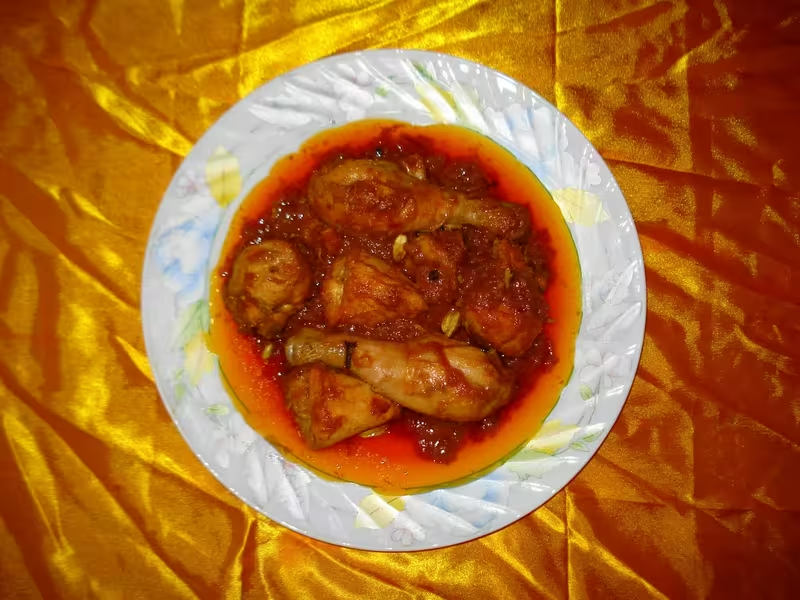
Korma (also spelled qorma, kurma, or qurma) stands as one of the most refined and celebrated dishes from the Mughal culinary tradition, representing centuries of sophisticated cooking techniques and cultural evolution. This elegant curry dish features meat or vegetables slowly braised with yogurt, water or stock, and aromatic spices to produce a characteristically thick, creamy sauce or gravy. Unlike many Indian curries that emphasize heat and sharp spicing, korma showcases the Mughlai preference for subtle, layered flavors and luxurious textures.
The dish exemplifies the artistic refinement that characterized Mughal court cuisine, where cooking was elevated to an art form requiring patience, skill, and an understanding of how to balance complex flavors. The braising technique—from which the dish derives its name—allows proteins and spices to meld slowly, creating depth and richness that became the hallmark of royal kitchens throughout the Mughal Empire.
Korma's journey from the palaces of Mughal emperors to tables around the world demonstrates the remarkable adaptability of Indian cuisine. The dish later underwent modifications to suit Anglo-Indian preferences during British colonial rule, eventually becoming one of the most recognized Indian dishes in Britain and internationally, though often in forms quite different from its traditional preparation.
Etymology and Names
The term "korma" derives from the Urdu word قورمہ (qorma), which itself comes from the Turkish "kavurma," meaning "to roast" or "to braise." This etymology directly references the cooking technique at the heart of the dish—the slow braising of ingredients in liquid that creates korma's signature thick, rich gravy. The linguistic connection to Turkish reflects the Central Asian influences that the Mughals brought to the Indian subcontinent.
The dish is known by several variant spellings that reflect regional pronunciations and transliteration conventions: korma, qorma, kurma, and qurma. These variations appear across different regions where the dish is popular, including India, Pakistan, Bangladesh, Iran, and Afghanistan. Each spelling represents the same fundamental preparation technique, though regional recipes may differ significantly in specific ingredients and flavor profiles.
In different Indian languages and regions, the dish may be called by additional names that emphasize specific characteristics or local variations. The consistent element across all these names is the reference to the braising technique that defines the cooking method.
Historical Origins
Korma emerged from the imperial kitchens of the Mughal Empire, which ruled over much of the Indian subcontinent from 1526 to the mid-19th century. The Mughals, originally from Central Asia, brought with them sophisticated culinary traditions that merged with existing Indian cooking techniques to create an entirely new cuisine known as Mughlai food. This fusion represented one of the most significant developments in Indian culinary history.
The Mughal courts were known for their elaborate feasts and the refinement of their cuisine. Court cooks (khansamas) were highly skilled professionals who developed complex dishes that showcased rare ingredients, intricate preparation methods, and artistic presentation. Korma exemplified this culinary philosophy, requiring time, expensive ingredients like yogurt and aromatic spices, and considerable skill to prepare properly.
The braising technique that defines korma likely has roots in Persian and Central Asian cooking traditions. The Mughals maintained strong cultural connections with Persia, and many Persian culinary influences shaped Mughlai cuisine. The use of yogurt as a braising medium and the emphasis on creating thick, rich gravies reflect these influences while incorporating Indian spices and ingredients.
Royal Connections
As a dish associated with Mughlai cuisine, korma was prepared in the royal kitchens of the Mughal Empire for centuries. The dish represented the sophistication and refinement expected in court dining, where meals were elaborate affairs featuring multiple courses and dozens of different preparations. The slow braising technique and expensive ingredients made korma a dish suitable for royal occasions and important state dinners.
The preparation of korma in palace kitchens involved carefully selected ingredients and meticulous attention to detail. Court cooks would have used the finest cuts of meat, freshly ground spices, and the best quality yogurt. The dish would be cooked slowly over controlled heat, often using techniques like dum (sealing the pot with dough to trap steam and aromas), to achieve perfect tenderness and flavor development.
Trade and Cultural Exchange
The spread of korma beyond the Mughal courts occurred through several channels. As Mughal influence extended across the subcontinent, the dish became part of the culinary repertoire in regions under Mughal rule. Local cooks adapted the basic technique to incorporate regional ingredients and preferences, leading to the development of numerous regional variations.
During the British colonial period, korma underwent significant modifications as it was adapted to Anglo-Indian tastes. British officials and their families developed a preference for milder versions of Indian dishes, leading to kormas that were less spicy and often sweeter than traditional preparations. This Anglo-Indian korma tradition eventually traveled to Britain itself, where it became one of the most popular dishes in British curry houses.
The international spread of korma accelerated in the 20th century with the migration of South Asian communities and the global popularity of Indian restaurants. Today, korma is recognized worldwide, though versions served internationally often differ significantly from traditional Mughlai preparations, particularly in terms of spice levels and the use of cream or coconut milk to create sweeter, milder gravies.
Ingredients and Preparation
Key Ingredients
The foundation of traditional korma rests on several essential ingredients that work together to create its characteristic flavor and texture. Meat—typically lamb, goat, or chicken—serves as the primary protein, though vegetarian versions using vegetables, paneer, or legumes are also common. The choice of meat affects both flavor and cooking time, with tougher cuts benefiting from the slow braising process.
Yogurt plays a crucial role in korma, serving multiple purposes. It acts as a tenderizing agent for meat through its natural acids, contributes to the sauce's thick, creamy texture, and provides a subtle tangy flavor that balances the richness of the dish. Traditional recipes call for full-fat yogurt, which provides better body and richness to the final gravy.
Aromatic spices define the flavor profile of korma. Whole spices like cardamom (both green and black), cinnamon sticks, cloves, and bay leaves are typically used to build the spice base. Ground spices including cumin, coriander, and black pepper add complexity, while warming spices like nutmeg and mace provide subtle background notes. The specific combination and proportion of spices vary by regional tradition and family recipe.
The aromatic base of korma begins with onions, garlic, and ginger, which are typically made into a paste or finely minced. These aromatics form the flavor foundation upon which the spices and other ingredients build. Some recipes also include nuts, particularly cashews or almonds, ground into a paste to add richness and help thicken the gravy.
Traditional Preparation
The preparation of authentic korma follows a methodical process that cannot be rushed. The cooking begins with tempering whole spices in ghee (clarified butter) or oil, releasing their essential oils and creating an aromatic base. Onions are then added and cooked slowly until golden brown or caramelized, which can take 15-20 minutes. This patient browning of onions is crucial for developing the dish's depth of flavor and color.
Once the onion base is ready, ginger-garlic paste is added and cooked until the raw smell disappears. Ground spices are then introduced, followed quickly by yogurt to prevent the spices from burning. The yogurt must be added gradually and the mixture stirred constantly to prevent curdling—a technique that requires attention and skill.
The meat or vegetables are added to this spice-yogurt mixture and coated thoroughly. Water or stock is added to create the braising liquid, and the pot is brought to a simmer. The key to korma is the slow braising process that follows: the dish cooks gently over low heat, allowing the meat to become tender and the flavors to meld together. This can take anywhere from 45 minutes to 2 hours, depending on the cut of meat and desired tenderness.
As the korma cooks, the liquid reduces and thickens naturally, concentrating flavors and creating the signature thick gravy. Some recipes call for the addition of cream or ground nuts near the end of cooking to enrich the sauce further. The final dish should have a thick, clinging consistency—neither too watery nor too dry—with meat that is tender enough to fall apart easily.
Regional Variations
Korma has evolved differently across the regions where it is popular, resulting in distinct regional styles. In Pakistan, white korma (safaid qorma) is particularly popular, featuring a pale, cream-based gravy with minimal turmeric or tomatoes. This version emphasizes the dairy elements and aromatic spices over the richer, darker gravies common in some Indian preparations.
Indian regional variations reflect local preferences and available ingredients. Northern Indian kormas tend to be richer, with generous use of cream, nuts, and warming spices. Some regions incorporate local vegetables or specialty ingredients—for example, navratan korma ("nine jewels") is a vegetarian version featuring nine different vegetables, nuts, and fruits, creating a colorful and elaborate dish.
In Bangladesh, korma preparations may include local spicing traditions and cooking techniques that differ from Indian or Pakistani versions. The basic technique remains similar, but flavor profiles can vary significantly based on regional spice preferences and local culinary customs.
Iranian and Afghan versions of qorma show strong Central Asian influences, often featuring different spice combinations and cooking methods that reflect Persian culinary traditions. These versions sometimes incorporate dried fruits, different cuts of meat, and spicing that emphasizes aromatics over heat.
The British adaptation of korma, developed during the colonial period and refined in British curry houses, represents perhaps the most dramatic regional variation. British korma is typically much milder than traditional versions, often featuring a sweet, creamy sauce made with coconut milk or cream and only minimal spices. While popular in Britain, this version bears limited resemblance to authentic Mughlai korma.
Cultural Significance
Festivals and Occasions
Korma occupies a special place in celebratory dining across South Asia. Its richness and the time required for proper preparation make it a natural choice for important occasions rather than everyday meals. The dish frequently appears at weddings, where elaborate feasts showcase a family's hospitality and culinary prowess. The thick, luxurious gravy and tender meat represent abundance and celebration.
Religious festivals and special occasions often feature korma as part of multi-course meals. During Eid celebrations, korma is a common centerpiece dish, prepared to mark the importance of the occasion. The dish's association with royal and refined cuisine makes it appropriate for formal dinners and important gatherings where hosts want to demonstrate respect for their guests through elaborate food preparation.
Social and Religious Context
The preparation and serving of korma carry social significance in South Asian culture. The dish's complexity and the quality of ingredients required make it associated with prosperity and generosity. Families take pride in their korma recipes, often passed down through generations with specific techniques and spice combinations that define their version of the dish.
From a dietary perspective, traditional korma is not vegetarian, typically featuring meat as the primary ingredient. However, vegetarian versions have been developed that maintain the cooking technique and flavor profile while substituting vegetables, paneer, or legumes for meat. This allows the dish to be enjoyed across different dietary preferences and religious restrictions.
The use of yogurt and cream places korma in the category of rich, satvik-to-rajasik foods in traditional Indian dietary classification. While not overly spicy or stimulating (tamasik), the richness and complexity of flavors situate it as appropriate for celebration and enjoyment rather than austere, simple meals.
Family Traditions
Korma recipes often represent family culinary heritage, with specific techniques and ingredient combinations passed from one generation to the next. The preparation of korma becomes an opportunity for culinary education within families, as experienced cooks teach younger family members the patience and skill required for proper braising and sauce development.
Many families maintain their own signature approaches to korma, whether in the specific combination of spices used, the technique for browning onions, or the final enrichment of the sauce. These family variations create distinct flavors that become part of family identity and tradition, recognized and appreciated by family members across generations.
Culinary Techniques
The defining technique of korma is braising—the slow cooking of ingredients in liquid over gentle heat. This method requires understanding temperature control and timing. The heat must be low enough to prevent burning or rapid evaporation, yet sufficient to maintain a gentle simmer that tenderizes meat and allows flavors to develop.
The technique of adding yogurt without curdling represents another skill essential to korma preparation. Yogurt must be added gradually, with constant stirring, and the heat must be controlled carefully. Some cooks temper the yogurt by adding small amounts of the hot spice mixture to it before adding it to the pot, reducing the temperature differential and preventing curdling.
The reduction and thickening of the gravy requires attention throughout the cooking process. The cook must judge when to add liquid, when to allow reduction, and how to achieve the proper consistency. Too much liquid results in a thin, watery curry; too little creates a dry, paste-like mixture. The perfect korma has a thick, clinging gravy that coats the meat without being overly heavy.
Some traditional preparations use the dum technique, where the pot is sealed with dough after all ingredients are added, and the dish cooks in its own steam. This technique, borrowed from other Mughlai dishes like biryani, creates intense flavor concentration and ensures even cooking.
Evolution Over Time
From its origins in Mughal court kitchens, korma has undergone continuous evolution while maintaining its essential character as a braised curry with thick gravy. The most significant transformation occurred during the British colonial period, when the dish was adapted to suit European palates unfamiliar with complex Indian spicing.
Anglo-Indian korma emerged as a bridge between traditional Mughlai preparation and British preferences. These versions typically reduced heat levels, increased sweetness through the addition of cream or coconut milk, and simplified the spice profile. This adaptation process accelerated when South Asian immigrants opened restaurants in Britain, creating curry house korma that became enormously popular but bore limited resemblance to traditional versions.
Modern interpretations continue to evolve. Restaurant kormas often emphasize visual appeal and consistency over traditional preparation methods. The use of pre-made spice mixes, artificial coloring, and shortcuts in the braising process create dishes that may be called korma but lack the depth and refinement of properly prepared versions.
Conversely, there has been renewed interest in authentic Mughlai cooking techniques among food historians and serious home cooks. This has led to a revival of traditional korma preparation methods, with emphasis on proper braising techniques, appropriate spice combinations, and the patience required for the dish to develop its characteristic flavors.
Famous Establishments
Traditional korma preparation can be found in restaurants specializing in Mughlai cuisine across North India and Pakistan. Cities with strong Mughal heritage, such as Delhi, Lucknow, and Hyderabad, maintain culinary traditions that include authentic korma preparation. While the sources provided do not specify particular establishments, the dish remains a staple of restaurants focusing on court cuisine and traditional North Indian cooking.
In Britain, korma has become one of the most ordered curry dishes, though typically in its adapted, milder form. British curry houses across the country offer korma as a standard menu item, though these versions differ significantly from traditional Mughlai preparations. The British version has become so popular that it has influenced perceptions of korma internationally, with many people outside South Asia knowing only the mild, sweet British adaptation.
Health and Nutrition
Traditional korma is a rich, calorie-dense dish due to its use of yogurt, ghee or oil, nuts, and often cream. The protein content is substantial when made with meat, providing essential amino acids along with the B vitamins and minerals found in animal proteins. The yogurt contributes probiotics and calcium, though the cooking process may reduce some probiotic benefits.
The spices used in korma offer various health benefits recognized in both traditional and modern understanding. Turmeric provides anti-inflammatory compounds, while cardamom aids digestion. Ginger and garlic offer antimicrobial properties and are traditionally considered warming and beneficial for circulation. Black pepper enhances nutrient absorption, particularly of turmeric's active compounds.
From an Ayurvedic perspective, korma falls into the rajasik category—foods that are rich, stimulating, and appropriate for active life and celebration. The warming spices and rich ingredients make it suitable for colder weather and for those needing substantial, nourishing meals. However, the richness means it should be balanced with lighter foods and is not appropriate for those seeking satvik (pure and simple) diets.
Modern nutritional considerations suggest that korma, while delicious and nutritious, should be enjoyed in moderation due to its high calorie and fat content. Vegetarian versions can reduce saturated fat content while maintaining protein through the use of legumes or paneer. Using less cream or oil can make the dish lighter without completely abandoning traditional preparation methods.
Modern Relevance
Korma maintains strong popularity across South Asia as both a restaurant specialty and an important home-cooked dish for celebrations. The dish's association with festivity and refined cooking ensures its continued presence at weddings, religious celebrations, and formal dinners. Home cooks take pride in their korma preparations, viewing the dish as an opportunity to demonstrate culinary skill.
The international spread of Indian cuisine has made korma recognizable worldwide, though often in adapted forms. In Britain, korma has become one of the most popular curry dishes, regularly appearing in surveys of favorite takeaway foods. This popularity has led to korma-flavored convenience foods, ready-made sauces, and international recognition of the name, even if the dish served differs from traditional preparations.
There is growing interest in authentic Mughlai cooking among food enthusiasts and historians interested in preserving traditional culinary techniques. Cooking classes, culinary tourism, and food media increasingly focus on proper korma preparation, emphasizing the patience and skill required for authentic results. This represents a counter-trend to the simplified restaurant versions, valuing tradition and technique.
The vegetarian korma variations have expanded the dish's appeal to broader audiences, including those who don't eat meat for religious, ethical, or health reasons. Innovative vegetarian kormas using seasonal vegetables, paneer, or plant-based proteins demonstrate the adaptability of the braising technique and flavor profile to different ingredients.
Korma's evolution from Mughal court cuisine to international recognition illustrates how culinary traditions adapt and transform while maintaining connections to their origins. Whether prepared in its traditional form or adapted to contemporary tastes and dietary preferences, korma remains a significant dish in Indian culinary heritage, representing centuries of refinement and the continuing appeal of rich, carefully crafted curries.
See Also
- Mughal Empire - The dynasty whose court cuisine created korma
- Biryani - Another signature Mughlai rice and meat dish
- Dum Pukht - The slow-cooking technique used in refined Mughlai cuisine