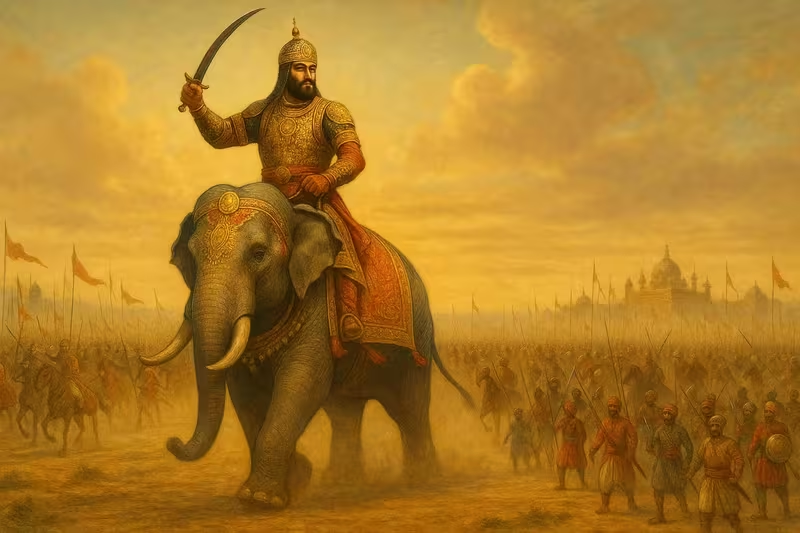

हेमूः बाजार विक्रेत्यापासून ते सम्राटापर्यंत
नेहमीप्रमाणे बाण कुठूनही येत नाहीत.
एका क्षणी, हेमू विक्रमादित्य आपल्या लढाऊ हत्तीवर बसून, ज्याला कधीही पराभव माहीत नव्हता अशा सेनापतीच्या सरावित नजरेने पानिपत येथील युद्धभूमीचे सर्वेक्षण करत होता. त्याच्या मागे बावीस विजय होते-अफगाण सरदार, बंडखोर सरदार आणि स्वतः पराक्रमी मुघल यांच्याविरुद्ध बावीस लढाया. त्याच्या खाली, त्याचे सैन्य शिस्तबद्ध लाटांमध्ये पुढे सरकले आणि बालक-सम्राट अकबराच्या सैन्य ाला मागे ढकलले. केवळ काही आठवड्यांपूर्वी हेमूने ताब्यात घेतलेले दिल्लीचे सिंहासन सुरक्षित दिसत होते. शतकानुशतके तुर्क आणि अफगाण वर्चस्वामुळे विस्कळीत झालेले उत्तर भारतातील हिंदू राजवटीचे स्वप्न आवाक्याबाहेर दिसू लागले.
त्यानंतर बाण मारला गेला.
ते त्याच्या डोळ्याच्या खांद्याला छेदले आणि त्याच्या कवटीमध्ये खोलवर शिरले. महावतला त्याचा गुरू पुढे सरकत असल्याचे जाणवले. काहीतरी चूक झाल्याचे लक्षात येताच त्या मोठ्या हत्तीला दुःखात रणशिंग फुंकायला लागले. आणि त्या एकाच क्षणी-कदाचित दोन सेकंद चालणाऱ्या एका बाणाचे उड्डाण-भारतीय इतिहासाचा संपूर्ण मार्ग त्याच्या अक्षावर फिरला. थोड्या वेळापूर्वी पानिपतची दुसरी लढाई जिंकत असलेले विशाल सैन्य गोंधळात विलीन झाले. पंजाबपासून बंगालपर्यंत हेमूचा पाठलाग करणारे सैनिक, ज्यांनी त्याच्या आदेशांवर कधीही प्रश्नचिन्ह उपस्थित केले नव्हते, ज्यांनी त्याला अजेय मानले होते, ते आता वादळापूर्वी पक्ष्यांसारखे विखुरलेले आहेत.
बाजारात खारफुटी विकणाऱ्या एका माणसाने एका साम्राज्याच्या सैन्य ाचे नेतृत्व करण्यासाठी कसे उभे राहिले, दिल्ली जिंकली आणि स्वतःला सम्राट घोषित केले याची ही कथा आहे-केवळ बाणाने त्याची खूण शोधण्यासाठी लागणाऱ्या वेळेत सर्व काही कोसळले.
आधीचे जग
ज्या भारतात हेमू उदयास आला तो एक आकुंचनग्रस्त प्रदेश होता, एक उपखंड जिथे मान्सूनच्या नियमिततेसह साम्राज्यांचा उदय आणि पतन झाले. सोळाव्या शतकाच्या मध्यापर्यंत, जुन्या निश्चित गोष्टी नष्ट झाल्या होत्या. तीनशे वर्षे उत्तर भारतावर्चस्व गाजवणाऱ्या महान दिल्ली सल्तनतीचे प्रतिस्पर्धी उत्तराधिकारी राज्यांमध्ये विभाजन झाले होते. एकेकाळी दिल्लीच्या तटबंदीवरून सत्ता गाजवणारे लोधी राजवंश वाहून गेले होते.
तो विध्वंस उत्तरेकडून, हिंदू कुश पर्वतांच्या पलीकडून, बाबरच्या रूपात आला होता, जो राजकुमार तैमूर आणि चंगेज खान या दोघांचा वंशज होता. 1526 मध्ये पानिपतच्या पहिल्या लढाईत, बाबरच्या शिस्तबद्ध सैन्य ाने तोफ आणि बंदुकीच्या बंदुकांनी सज्ज होऊन इब्राहिम लोधीच्या खूप मोठ्या सैन्य ाचा नाश केला होता. भारतीय ुद्धातील ही एक क्रांती होती-पहिल्यांदाच बारूद तोफखान्याने उपखंडातील मोठ्या संघर्षाची लाट निर्णायकपणे बदलली होती. बाबरने मुघल साम्राज्याची स्थापना केली, एक राजवंश ज्याने भारताच्या राजकीय भूगोलाला नवीन आकार दिला.
परंतु 1530 मध्ये बाबरच्या मृत्यूने नवोदित साम्राज्य त्याचा मुलगा हुमायून याच्या हातात सोडले, जो लक्षणीय संस्कृती आणि शिकलेला पण अनिश्चित युद्ध कौशल्य असलेला माणूस होता. हुमायूनला प्रत्येक दिशेने आव्हानांचा सामना करावा लागला. त्याच्या स्वतःच्या भावांना सिंहासनाची लालसा होती. लोधींची सेवा करणारे अफगाण सरदार नवीनेत्यांच्या नेतृत्वाखाली पुन्हा एकत्र आले. आणि सर्वात धोकादायक बाब म्हणजे, शेरशाह सुरी नावाच्या एका अफगाण सेनापतीने स्वतःला सर्वोच्च श्रेणीचा लष्करी प्रतिभावान सिद्ध केले.
शेरशाहने 1539 मध्ये चौसाच्या लढाईत आणि पुन्हा 1540 मध्ये कन्नौज येथे हुमायूनचा निर्णायक पराभव केला. मुघल सम्राट पर्शियामध्ये आश्रय घेऊन भारतातून पूर्णपणे पळून गेला. पंधरा वर्षे सूराजवंशाने दिल्लीवरून राज्य केले आणि शेरशाहने स्वतः ला असाधारण क्षमतेचा प्रशासक सिद्ध केले, महसूल व्यवस्थेची पुनर्रचना केली, रस्ते बांधले आणि सुव्यवस्था प्रस्थापित केली. परंतु 1545 मध्ये मध्य भारतातील मोहिमेदरम्यान त्याच्या मृत्यूमुळे सूर साम्राज्य कमकुवत हाताखाली आले.
हेमूच्या उदयापर्यंत, सूर साम्राज्यावर शेरशहाचा दूरचा नातेवाईक आदिल शाह सुरी याचे राज्य होते, ज्याची सत्तेवरील पकड अत्यंत कमकुवत होती. शेरशहाच्या नेतृत्वाखाली एकत्र आलेल्या अफगाण सरदारांनी आता त्यांच्या स्वतःच्या महत्त्वाकांक्षांचा पाठपुरावा केला. काहींनी त्यांच्या प्रांतांमध्ये स्वातंत्र्य घोषित केले. इतरांनी स्वतःसाठी सिंहासनावर दावा करण्याचा प्रयत्न करत बंड केले. जे साम्राज्य इतके मजबूत दिसत होते ते तुटत चालले होते आणि आदिल शाहला ते एकत्र ठेवण्यासाठी सक्षम सेनापतींची नितांत गरज होती.
दरम्यान, हुमायूनने भारतावरील आपला दावा सोडला नव्हता. पर्शियन पाठिंब्याने तो 1555 मध्ये परतला आणि आश्चर्यकारकपणे सहजतेने दिल्ली परत मिळवली. पण त्याची पुनर्प्राप्ती अल्पकालीन होती. जानेवारी 1556 मध्ये, दिल्लीतील त्याच्या ग्रंथालयाच्या पायऱ्यांवरून खाली पडून हुमायूनचा मृत्यू झाला, ज्याचे गद्यमय आणि गंभीर असे दोन्ही परिणाम झाले. त्याचा वारसदार अकबर केवळ तेरा वर्षांचा होता. क्वचितच पुनर्संचयित झालेले मुघल साम्राज्य आता एका मुलाच्या खांद्यावर होते.
हा 1550 च्या दशकातील भारत होताः प्रतिस्पर्धी दाव्यांचा एक तुकडा, जिथे अफगाण सरदारांनी एकमेकांशी लढा दिला आणि मुघल पुनर्संचयनाकडे हिंसक स्वारस्याने पाहिले, जिथे जुन्या कुटुंबांनी गमावलेले वैभव परत मिळवण्याचा प्रयत्न केला आणि जिथे दिल्लीच्या सिंहासनाचे वारंवार हात बदलले. महत्त्वाकांक्षी आणि सक्षम लोकांसाठी, त्यांचा जन्म काहीही असो, हे एक संधीचे जग होते.
आणि या गोंधळात अलवरच्या एका माणसाने पाऊल टाकले ज्याने सैन्य ाला जीवनावश्यक वस्तू विकण्यासुरुवात केली होती.
खेळाडूंनी

हेमूची उत्पत्ती विनम्र होती-एक वस्तुस्थिती जी समकालीन इतिहासकारांनी, त्यांची प्रशंसा करणारे आणि त्यांचा तिरस्कार करणारे दोघांनीही सातत्याने नोंदवली. तो सध्याच्या राजस्थानमधील अलवर येथून आला होता आणि त्याचे कुटुंबारूदासाठीचा महत्त्वाचा घटक असलेल्या सॉल्टपीटरचा व्यापार करणारे व्यापारी होते. स्थानिक युद्धाच्या युगात, ही एक मौल्यवान वस्तू होती आणि या व्यापारामुळे हेमू लहानपणापासूनच लष्करी माणसे आणि लष्करी छावण्यांच्या संपर्कात आला.
त्याच्या वाढीच्या अचूक मार्गाबद्दल ऐतिहासिक नोंदी बदलतात, परंतु काही तथ्ये स्पष्टपणे समोर येतात. हेमूने सुर साम्राज्याच्या सेवेत प्रवेश केला, सुरुवातीला त्याच्या व्यापारी पार्श्वभूमीला साजेशा पुरवठा आणि रसद भूमिकांमध्ये. परंतु त्याच्याकडे असे गुण होते जे त्याच्या सामाजिक स्थानापेक्षा वरचढ होतेः लष्करी संघटनेची सखोल समज, सैन्य ाचे पोषण आणि मोठ्या अंतरावर पुरवठा करणारी रसद करण्याची प्रतिभा आणि मोहिमेचा प्रवाह वाचू शकणारे धोरणात्मक मन.
आदिल शाह सुरीच्या नेतृत्वाखाली हेमूच्या जबाबदाऱ्या लक्षणीयरीत्या वाढल्या. सूत्र आम्हाला सांगतात की तो वझीर बनला-साम्राज्याचा मुख्यमंत्री-अफगाण आणि तुर्की खानदानी लोकांचे वर्चस्व असलेल्या राजकीय व्यवस्थेत व्यापारी पार्श्वभूमी असलेल्या एखाद्या व्यक्तीसाठी एक उल्लेखनीय कामगिरी. ही नियुक्ती हेमूची अपवादात्मक क्षमता आणि आदिल शाहची निराशा या दोन्हींचे दर्शन घडवते. बंगालच्या जवळच्या प्रदेशात दिल्लीपासून दूर असलेल्या सम्राटाला अशा व्यक्तीची गरज होती, जो विघटित साम्राज्य एकत्र ठेवू शकेल, जो मैदानावर सैन्य ाचे नेतृत्व करू शकेल आणि समान सुविधांसह प्रदेशांचे प्रशासन करू शकेल.
हेमू दोन्ही कामांसाठी समान असल्याचे सिद्ध झाले. वजीर आणि सर्वोच्च लष्करी सेनापती म्हणून, तो सूर सिंहासनामागील वास्तविक शक्ती बनला, ज्याने उत्तर भारताच्या संपूर्ण भागात वैयक्तिकरित्या सैन्य ाचे नेतृत्व केले. वायव्येकडील पंजाबपासून ते पूर्वेकडील बंगालपर्यंत, हेमूने बंडखोर आणि ढोंग करणाऱ्यांविरुद्ध मोहीम राबवली आणि लष्करी शक्ती आणि प्रशासकीय कौशल्याच्या संयोजनाद्वारे सूर सत्ता बळकट केली.
तो कोणत्या प्रकारचा माणूस होता? ऐतिहासिक नोंदी चित्रांऐवजी झलक दाखवतात. ज्या साम्राज्याचा सत्ताधारी वर्ग प्रामुख्याने मुस्लिम होता, त्या साम्राज्यातो हिंदू होता, तरीही त्याने सामायिक श्रद्धा किंवा वांशिकतेऐवजी क्षमता दाखवून अफगाण सैनिक आणि सरदारांच्या निष्ठेचे नेतृत्व केले. तो त्याच्या लष्करी नियोजनात पद्धतशीर होता, हे समजून घेऊन की युद्धे ही युद्धभूमीतील धैर्याइतकीच पुरवठा रेषा आणि शिस्त याद्वारे जिंकली जातात. आणि सर्व यशस्वी लष्करी सेनापतींसाठी आवश्यक असलेला तो गुण त्याच्याकडे होताः त्याच्या सैन्य ात आत्मविश्वास निर्माण करण्याची क्षमता, ज्यामुळे त्यांना विश्वास बसतो की त्याचे अनुसरण केल्याने विजय मिळतो.
त्याचे विरोधक जबरदस्त होते. सूरच्या अधिकाराविरूद्ध बंड करणारे अफगाण सरदार हे कठोर सैन्य ाचे नेतृत्व करणारे अनुभवी योद्धे होते. जेव्हा हुमायून भारतात परतला, तेव्हा हेमूने स्वतःला पर्शिया आणि मध्य आशियातील अनेक वर्षांच्या मोहिमांपासून युद्ध-परीक्षित झालेल्या पुनर्संचयित मुघल सैन्य ाचा सामना करताना पाहिले. आणि हुमायूनच्या मृत्यूनंतर, सम्राट आता तेरा वर्षांचा मुलगा असला तरी, मुघल सैन्य ाचे नेतृत्व बैराम खान करत होता, जो लक्षणीय लष्करी अनुभव आणि राजकीय चातुर्याचा राजप्रतिनिधी होता.
तरीही या सर्विरोधकांविरुद्ध, बावीस वेगवेगळ्या लढतींमध्ये, हेमू विजयी झाला. स्रोत सातत्याने या संख्येचा उल्लेख करतात-बावीस विजय-असे सुचवतात की ते समकालीनोंदींमध्ये प्रसिद्ध झाले, यशाची नोंद जी हेमूला उत्तर भारतातील त्याच्या पिढीतील कदाचित सर्वात प्रबळ लष्करी सेनापती म्हणून चिन्हांकित करते.
ही नोंद समजून घेण्यासाठी सोळाव्या शतकातील भारतीय ुद्धाचे स्वरूप ओळखणे आवश्यक आहे. लढाया या केवळ एकाच दिवसाच्या डावपेचांच्या बाबी नव्हत्या, तर पुरवठा मार्ग, स्थानिक शक्तींची निष्ठा, हवामान, रोग आणि मनोबल यांचा समावेश असलेल्या गुंतागुंतीच्या मोहिमा होत्या. एकदा आवश्यक कौशल्य जिंकण्यासाठी; बावीस वेळा जिंकण्यासाठी प्रतिभेला अपवादात्मक संघटनात्मक क्षमतेसह एकत्रित करणे आवश्यक आहे. हेमू जिंकला कारण त्याचे सैन्य त्याच्या विरोधकांपेक्षा अधिक चांगले पुरवठादार, अधिक शिस्तबद्ध आणि अधिक चांगले नेतृत्व करणारे होते. तो जिंकला कारण त्याला समजले होते की युद्धापूर्वीचा विजय-उत्कृष्ट स्थिती आणि पुरवठ्याद्वारे-युद्धादरम्यान शौर्याइतकाच महत्त्वाचा होता.
वाढता तणाव

1556च्या सुरुवातीला हुमायूनच्या अनपेक्षित मृत्यूनंतर, उत्तर भारताने गहन अनिश्चिततेच्या काळात प्रवेश केला. तरुण अकबराला सम्राटाचा राज्याभिषेक करण्यात आला, परंतु तो लहान होता आणि त्याच्या अधिकाराचा वापर त्याचा राजप्रतिनिधी बैराम खान याच्याद्वारे करण्यात आला. मुघलांची स्थिती अनिश्चित होती. त्याच्या वडिलांच्या मृत्यूच्या वेळी अकबर राजधानीपासून दूर पंजाबमध्ये होता. अनेक प्रादेशिक शक्तींनी प्रश्न उपस्थित केला की, ज्या साम्राज्याची पुनर्स्थापना त्याच्या वडिलांना क्वचितच करता आली होती, ते एक मूल आपल्या ताब्यात ठेवू शकेल का?
हेमू आणि आदिल शाह सुरी यांच्यासाठी हुमायूनच्या मृत्यूने एक संधीचा क्षण सादर केला. मुघलांची अल्पकालीन पुनर्स्थापना उलटली जाऊ शकत होती. सूर साम्राज्य दिल्लीवर पुन्हा ताबा मिळवू शकले आणि त्यासह उत्तर भारतावर्चस्व गाजवू शकले. पण प्रथम, अफगाण बंडखोरांना चिरडावे लागले आणि सूरचा अधिकार साम्राज्याच्या प्रदेशांमध्ये एकत्रित करावा लागला.
हुमायूनच्या मृत्यूनंतरचे महिने हेमूने सतत मोहिमेत घालवले. अफगाण बंडखोरांनी जिथे स्वातंत्र्य घोषित केले होते त्या पंजाबमधून त्याने साम्राज्याच्या मध्यवर्ती भागाकडे कूच केले. प्रत्येक प्रदेशात, त्यांनी स्थानिक सेनापतींचा सामना केला ज्यांनी अराजकतेचा फायदा घेत स्वतःचे अधिकार प्रस्थापित केले होते. प्रत्येक बाबतीत, त्याने एकतर युद्धाद्वारे किंवा लष्करी बळाच्या पाठिंब्याने वाटाघाटीद्वारे त्यांचा पराभव केला.
हेमूचे सैन्य आल्यानंतर अनेक लढाया पूर्वीचे निष्कर्ष म्हणून पाहण्याइतके निर्णायक होते असे सूचित करून, वैयक्तिक लढायांचे विस्तृत तपशील न देता स्रोत या विजयांची नोंद करतात. त्यांच्या आधी त्यांची प्रतिष्ठा होती. बंडखोराज्यपाल आणि महत्त्वाकांक्षी सरदारांना माहीत होते की हेमू लढाई हरलेला नाही, त्याचे सैन्य शिस्तबद्ध आणि सुसज्ज आहे आणि त्याला थेट आव्हान देणे हा विनाशाचा मार्ग आहे.
1556च्या शरद ऋतूपर्यंत, हेमूने सूर साम्राज्याचे प्रदेश सुरक्षित केले होते आणि आपले लक्ष दिल्लीकडे वळवले होते. हुमायूनच्या पुनर्स्थापनेपासून राजधानी मुघलांच्या ताब्यात होती, परंतु तरुण सम्राट आणि त्याचे बहुतेक वरिष्ठ सेनापती वायव्य सीमेवरील धोक्यांचा सामना करण्यासाठी अजूनही पंजाबमध्ये होते. तार्दी बेग खान या सक्षम अधिकाऱ्याच्या नेतृत्वाखालील मुघल छावणीने दिल्लीचे रक्षण केले, परंतु तो एक मर्यादित सैन्य ाचे नेतृत्व करणारा अधिकारी होता, जो मजबुतीकरणापासून दूर होता.
हेमूला समजले की वेळ हेच सर्वकाही आहे. अकबर आणि बैराम खान पंजाबमधून परत येण्यापूर्वी जर तो दिल्ली ताब्यात घेऊ शकला असता, तर त्याच्याकडे उत्तर भारतीय सत्तेचे प्रतीकात्मक केंद्र असेल. दिल्ली सल्तनतीपासून लोधी, बाबर, शेरशाह आणि हुमायूंपर्यंत या प्रदेशावर राज्य करणाऱ्या प्रत्येक राजवंशाला दिल्ली हे शहरापेक्षा अधिक आहे हे समजले होते. ते वैधतेचे विधान होते, शाही अधिकाराचे भौतिक प्रकटीकरण होते. दिल्ली ताब्यात घेणे म्हणजे उपखंडावर्चस्व मिळवण्याचा दावा करणे होते.
दिल्लीवरील मोर्चाची सुरुवात काटेकोर तयारीने झाली. हेमूने एक मोठे सैन्य जमवले-ऐतिहासिक नोंदी मोठ्या सैन्य ाबद्दल बोलतात, जरी समकालीन इतिहासकारांकडून अचूक संख्यांवर वादविवाद केला जातो आणि बहुधा अतिशयोक्ती केली जाते. सर्वात महत्त्वाचे म्हणजे, त्याने हे सुनिश्चित केले की त्याच्या सैन्य ाला सातत्यपूर्ण मोहिमेसाठी पुरेसा पुरवठा केला जाईल. व्यापारी म्हणून त्याची वर्षे त्याची चांगली सेवा करत होती; त्याला अशा प्रकारे रसद समजली जी अनेक सरदारांनी युद्धात विकसित केली नव्हती. त्याचे सैन्य उपाशी राहणार नाही, घोडे आणि हत्तींसाठी दारूगोळा किंवा चार्याची कमतरता भासणार नाही. तपशीलाकडे हे लक्ष, अनाकलनीय परंतु आवश्यक असल्याने त्याला निर्णायक फायदे मिळाले.
द मार्च ऑन आग्रा
दिल्ली घेण्यापूर्वी आग्रा पाडावे लागले. मुघलांचा दुय्यम बालेकिल्ला म्हणून काम करणाऱ्या या शहराने राजधानीकडे जाण्याच्या मार्गांवर नियंत्रण ठेवले. मुघल सैन्य ाने शहर ताब्यात घेतले आणि हेमू दिल्लीकडे जात असताना ते त्याच्या मागे सोडू शकला नाही.
आग्र्यावरील हल्ल्याने हेमूची लष्करी क्षमता पूर्णपणे दाखवून दिली. त्याने आपले सैन्य पद्धतशीरपणे तैनात केले आणि हल्ला करण्यापूर्वी शहराचे पुरवठा मार्ग बंद केले. आपली संख्या अधिक आहे आणि कोणतेही मदत दल येत नाही हे ओळखून मुघल सैन्य ाने शौर्यापेक्षा विवेकबुद्धीचा पर्याय निवडला. ते जिंकू शकले नाहीत अशा वेढ्यात्यांना विनाशाला सामोरे जाण्याऐवजी त्यांनी आग्रा रिकामे केले.
हेमूसाठी, आग्राचा रक्तहीन कब्जा हा कठीण लढाईपेक्षा मोठा विजय होता. त्याचे सैन्य अबाधित राहिले, मनोबल उंच होते आणि आता दिल्लीचा मार्ग खुला झाला होता. आग्रा कोसळल्याच्या बातम्या संपूर्ण उत्तर भारतात प्रतिध्वनित झाल्या. प्रादेशिक शक्तींनी हेमूच्या लष्करी नेतृत्वाखाली पुनरुत्थान झालेले सूर साम्राज्य बाल सम्राटाच्या अधिपत्याखाली मुघल पुनर्संचयनापेक्षा अधिक टिकाऊ सिद्ध होऊ शकेल का याचा हिशेब करायला सुरुवात केली.
दिल्लीचा वेढा
ऑक्टोबर 1556 मध्ये हेमू आपल्या सैन्य ासह युद्धासाठी सज्ज होऊन दिल्लीला आला. शहरावर ताबा ठेवणाऱ्या मुघल सेनापती तारदी बेग खानला वेदनादायक निर्णयाला सामोरे जावे लागले. हेमूच्या वेढ्यामुळे शहर कमी होण्यापूर्वी अकबर आणि बैराम खान अधिकुमक घेऊन येतील या आशेने तो आपल्या मर्यादित सैन्य ाने दिल्लीचे रक्षण करू शकला. किंवा तो ओळखू शकत होता की तो त्या काळातील सर्वात यशस्वी लष्करी सेनापतीचा सामना करत होता, एक माणूस ज्याने सलग बावीस लढाया जिंकल्या होत्या आणि माघार घेऊन आपल्या सैन्य ाचे रक्षण करणे निवडले.
ऐतिहासिक नोंदी सूचित करतात की तारदी बेग खानने सुरुवातीला शहराचे रक्षण करण्याचा प्रयत्न केला. दिल्लीच्या प्रवेशद्वारांवर आणि भिंतींवर लढाई सुरू होती. पण हेमूचे सैन्य त्यांची संख्या आणि त्यांच्या संघटनेत प्रचंड होते. मुघल सेनापतीला जाणीव झाली की दिल्लीचे रक्षण करणे म्हणजे त्याच्या संपूर्ण सैन्य ाचा नाश करणे आणि हेमूच्या अंतिम विजयाला लक्षणीय विलंब होण्याची शक्यता कमी असणे.
तारदी बेग खानने हेमूच्या सैन्य ाकडे दिल्ली सोडून माघार घेतली. या निर्णयामुळे नंतर त्याला त्याचा जीव गमवावा लागला-ज्याला तो भ्याडपणा मानत होता, त्यामुळे संतप्त झालेल्या बैराम खानने त्याला फाशी दिली असती. पण त्या क्षणी, त्याने कदाचित मुघल साम्राज्याला वाचवले, आगामी संघर्षात निर्णायक असलेल्या सैन्य ाचे संरक्षण केले.
7 ऑक्टोबर 1556 रोजी हेमूने विजयाने दिल्लीत प्रवेश केला. काही दिवसांपूर्वी जे शहर मुघल होते ते आता त्याचे होते. अकबराच्या नावाने काम केलेले सरदार आणि अधिकारी आता हेमूकडे गुडघे टेकले. खजिना, शस्त्रास्त्रे, साम्राज्याची प्रशासकीयंत्रणा-हे सर्व त्याच्या हातात पडले.
पण हेमूला समजले की केवळ दिल्लीवर कब्जा करणे पुरेसे नाही. कायमस्वरूपी वैधता देण्यासाठी साध्या मालकीसाठी शहराने अलीकडच्या दशकांमध्ये अनेक वेळा हात बदलले होते. विजयी सेनापतीच्या स्थानावरून कायदेशीर शासकाच्या स्थानावर आपले स्थान बदलण्यासाठी त्याला एक विधान करणे आवश्यक होते.
आणि म्हणून, ज्या समारंभाने काहींना बदनाम केले आणि इतरांना प्रेरित केले, त्या समारंभात हेमूने स्वतः सम्राट म्हणून राज्याभिषेकेला. त्याने विक्रमादित्य ही पदवी घेतली-"शौर्याचा सूर्य"-एक असे नाव जे भारताच्या प्राचीन काळातील पौराणिक हिंदू शासकांचे प्रतिध्वनि होते. अलवरचा एक व्यापारी, जो उदात्त जन्माऐवजी प्रतिभेद्वारे उदयास आला होता, तो आता दिल्लीच्या सिंहासनावर बसला आणि उत्तर भारतावर राज्य करण्याचा दावा केला.
हे एक धाडसी कृत्य होते, जे शतकानुशतके पूर्वनिश्चित होते. उत्तर भारतातील सत्ताधारी राजवंश-तुर्की सुलतानांपासून ते अफगाण लोधी आणि सुरींपासून ते तैमुरी मुघलांपर्यंत-सर्व मुस्लिम होते. आता दिल्लीच्या सिंहासनावर एका हिंदू राजाने राज्य केले, जो पिढ्यानपिढ्या पहिला होता. ज्यांनी राजकीय परिदृश्य धार्मिक दृष्टीकोनातून पाहिले, त्यांच्यासाठी त्यांच्या दृष्टिकोनावर अवलंबून हे एकतर पुनर्संचयित करणे किंवा घृणास्पद होते.
स्वतः हेमूसाठी, राजकीय विधानापेक्षा धार्मिक आयाम कमी महत्त्वाचा असू शकतो. शाही दर्जाचा दावा करून, तो असा दावा करत होता की सूर साम्राज्याने केवळ दिल्ली परत मिळवली नाही तर त्याचे रूपांतर झाले आहे. तो आता आदिल शाह सुरीचा सेनापती नव्हता, त्याने आपल्या मालकाच्या नावाने शहर धारण केले होते. तो स्वतः सम्राट हेमू विक्रमादित्य होता आणि त्याचा अधिकार वारशाने मिळालेल्या पदापेक्षा त्याच्या विजय आणि क्षमतेतून प्राप्त झाला.
पण राज्याभिषेक आणि पदव्या, प्रतीकात्मकदृष्ट्या कितीही शक्तिशाली असल्या तरी, सैन्य ाला रोखू शकत नाहीत. आणि पंजाबहून दक्षिणेकडे कूच करत, त्यांचे सैन्य जमवू शकणाऱ्या सर्वेगाने पुढे जात, अकबर आणि बैराम खान मुघल साम्राज्याच्या पूर्ण ताकदीसह आले, त्यांनी दिल्ली परत मिळवण्याचा आणि स्वतःला सम्राट म्हणवून घेणाऱ्या या नवोदित व्यापाऱ्याला चिरडण्याचा निर्धार केला.
वळण बिंदू

दिल्लीच्या पडझडीला मुघलांचा प्रतिसाद वेगवान आणि तडजोड नसलेला होता. बैराम खानला समजले की जर हेमूला त्याचे स्थान बळकट करण्याची परवानगी दिली गेली, जर प्रादेशिक शक्तींनी सम्राट म्हणून त्याची वैधता स्वीकारली तर मुघल पुनर्संचयनाचा अंत होईल. हेमूने दिल्लीवरून राज्य केले, तर अकबर जरी तरुण असला, तरी कदाचित पंजाबमधील काही प्रदेश ताब्यात घेण्यास त्याला भाग पाडले गेले असते. हुमायूनने परत मिळवण्यासाठी जे काही लढले होते, बाबरने तीस वर्षांपूर्वी जे काही जिंकले होते, ते सर्व गमावले जातील.
जरी याचा अर्थ सर्व मुघल सैन्य एकत्र येण्यापूर्वी युद्धासाठी धावणे असा होता, तरी बैराम खानने लगेचच हेमूचा सामना करण्याचा महत्त्वपूर्ण निर्णय घेतला. विलंब होण्याचा धोका-युती करण्यासाठी, दिल्लीला बळकट करण्यासाठी, प्रादेशिक शक्तींनी त्याला वैध सम्राट म्हणून मान्यता देण्यासाठी हेमूला वेळ देणे-निर्णायक लढाईत त्याच्या भक्कम सैन्य ाचा सामना करण्याच्या जोखमीपेक्षा जास्त होता.
दोन्ही सैन्य पानिपतवर एकत्र आले, त्याच मैदानावर जिथे तीस वर्षांपूर्वी बाबरने लोधी सल्तनत उद्ध्वस्त केली होती आणि मुघल राजवट स्थापन केली होती. ही लढाई पानिपतच्या पहिल्या लढाईप्रमाणेच त्याच मैदानावर लढली जाईल हे समकालीनिरीक्षकांच्या लक्षात आले नाही. असे वाटत होते की नियतीने पानिपतला उत्तर भारताचे भवितव्य पुन्हा पुन्हा ठरवण्याचे ठिकाण म्हणूनियुक्त केले आहे.
हेमू मोठ्या सैन्य ासह पानिपत येथे पोहोचला. सोळाव्या शतकातील लढायांप्रमाणेच ऐतिहासिक स्त्रोतांद्वारे अचूक संख्या विवादित आहे, परंतु हे स्पष्ट आहे की त्याच्या सैन्य ात लक्षणीय घोडदळ, असंख्युद्ध हत्ती आणि शिस्तबद्ध पायदळ यांचा समावेश होता. सर्वात महत्त्वाचे म्हणजे, त्याच्या सैन्य ात सततच्या विजयापासून जन्मलेला आत्मविश्वास होता. त्यांनी पंजाबपासून बंगालपर्यंत हेमूचा पाठलाग केला होता आणि आग्रा आणि दिल्ली परत मिळवली होती आणि त्यांच्या नेतृत्वाखाली त्यांचा कधीही पराभव झाला नव्हता.
मुघल सैन्य ाचे नेतृत्व जरी बैराम खानच्या अनुभवी नेतृत्वाखाली असले तरी त्यांना आव्हानांचा सामना करावा लागला. त्यांनी पंजाबमधून वेगाने कूच केले होते आणि बहुधा ते पूर्ण ताकदीचे नव्हते. तरुण अकबर तेथे उपस्थित होता, मात्र त्याने प्रत्यक्ष लढाईत भाग घेतला की युद्धादरम्यान त्याला सुरक्षित अंतरावर ठेवण्यात आले होते यावर नोंदी बदलतात. मुघल सैन्य ाकडे उत्कृष्ट तोफखाना होता, ज्यातोफांचा समावेश होता, जी पानिपतच्या पहिल्या लढाईत एक महत्त्वपूर्ण फायदा होती, परंतु घोडदळाच्या प्रवाही लढाईत, तोफखान्याची परिणामकारकता मर्यादित असू शकत होती.
5 नोव्हेंबर 1556 रोजी पानिपतची दुसरी लढाई सुरू झाली. तीन दशकांपूर्वी बाबरच्या विजयाचे साक्षीदार असलेल्या त्याच मैदानांमध्ये सैन्य तैनात करण्यात आले होते. हेमूने, त्याच्या अखंड विजयांच्या मालिकेवर विश्वास ठेवून, युद्धातील हत्तीवर स्वार होऊन आपल्या सैन्य ाचे समोरूनेतृत्व केले, जो त्याच्या दर्जाचा सेनापती होता.
हेमूच्या सैन्य ासाठी लढाईचे सुरुवातीचे टप्पे चांगले गेले. त्याच्या सैन्य ाने पुढे सरसावले आणि मुघल सैन्य ाला जोमाने भिडवले. समकालीनोंदी सूचित करतात की मुघल सैन्य मागे ढकलले जात होते, युद्ध हेमूच्या बाजूने झुकले होते. मागील बावीस विजयांवर परिपूर्णता मिळवलेली त्यांची डावपेचात्मक प्रवृत्ती पुन्हा एकदा प्रभावी सिद्ध होत होती.
युद्धभूमीच्या उंचीवर असलेल्या त्याच्या लढाऊ हत्तीवर, जिथे तो लढाईच्या प्रवाहाचे सर्वेक्षण करू शकत होता आणि कुरिअर आणि रणशिंगड्यांच्या आवाजाद्वारे प्रसारित केले जाणारे आदेश जारी करू शकत होता, हेमूला असे मानण्याचे सर्व कारण होते की तो त्याची सलग तेवीसवी लढाई जिंकत आहे. विजयामुळे सम्राट म्हणून त्याचे स्थान मजबूत होईल, बहुधा अकबराचे काबूल किंवा त्यापलीकडे पलायन होईल, दिल्लीवरून नवीन राजवंशाची सत्ता स्थापन होईल. भारतीय इतिहासाचा मार्ग त्याच्यापुढे पसरला, त्याच्या इच्छेनुसार आकार घेण्याची प्रतीक्षा करत होता.
आणि मग बाण मारला.
तो कोणी उडवला याची ऐतिहासिक स्रोतांमध्ये नोंद नाही-मग तो एक कुशल तिरंदाज होता ज्याने शत्रूच्या सेनापतीला जाणूनबुजून लक्ष्य केले, किंवा मोठ्या लढाईदरम्यान हवा भरलेल्या हजारो बाणांमध्ये फक्त यादृच्छिक शॉट होता. महत्त्वाची गोष्ट म्हणजे हेमूचा डोळा छेदत आणि त्याच्या मेंदूत शिरत, त्याला त्याची खूण सापडली.
परिणाम तात्काळ आणि विनाशकारी होता. हेमू त्याच्या हावड्यात पुढे पडला, गंभीर जखमी झाला किंवा कदाचित लगेच मारला गेला. त्याचा मालक कोसळल्याचे जाणवून त्याच्या महावतने हत्तीला लढाईपासून, धोक्यापासून दूर नेण्याचा प्रयत्न केला. तो महान प्राणी, त्याच्या हाताळणाऱ्याच्या आग्रहाला किंवा कदाचित्याच्या बाजूला वाहणाऱ्या हेमूच्या रक्ताला प्रतिसादेत, संकटात रणशिंग फुंकू लागला.
जवळच्या सैनिकांनी त्यांच्या सेनापतीचा हत्ती मागे वळताना पाहिला. भीतीच्या गतीने ही बातमी पसरलीः हेमू खाली पडला होता. हेमू जखमी झाला. हेमू मरण पावला होता. ज्या सैन्य ाने स्वतःला अजेय मानले होते, त्यांना अचानक अकल्पनीय वास्तवाला सामोरे जावे लागले की त्यांचा सेनापती, जो कधीही हरला नव्हता, ज्याने त्यांना विजयापासून विजयाकडे नेले होते, तो पडला.
लष्करी इतिहास दाखवतो की सैन्य प्रचंड जीवितहानी सहन करू शकते आणि लढाई सुरू ठेवू शकते-जर त्यांना विश्वास असेल की ते जिंकत आहेत आणि जर त्यांची कमांड रचना अबाधित राहिली. पण एक करिश्माई सेनापती गमावणे, विशेषतः ज्याची वैयक्तिक उपस्थिती हा मागील प्रत्येक विजयाचा पाया आहे, ते सैन्य त्वरित उद्ध्वस्त करू शकते. मानसिक धक्का सामरिक विचारांवर मात करतो.
पानिपतमध्ये हेच घडले. काही क्षणांपूर्वी विजयाच्या दिशेने धाव घेत असलेले हेमूचे सैन्य विसर्जित झाले. सैनिकांनी त्यांची पदे सोडली आणि पळून गेले. घोडदळ त्यांच्या घोड्यांवर स्वार झाले आणि पळून गेले. हेमूने वर्षानुवर्षे केलेल्या आणि नेतृत्व केलेल्या शिस्तबद्ध रचनांचे एक सुसंगत लढाऊ दल म्हणून अस्तित्व संपुष्टात आले.
या अचानक झालेल्या उलथापालथीमुळे कदाचित्यांच्या शत्रूंप्रमाणेच धक्का बसलेल्या मुघल सैन्य ाने एकत्र येऊन त्यांचा फायदा उठवला. जी लढाई होती तिचे रुपांतर पराभवात आणि नंतर हत्याकांडात झाले. हेमूच्या पळून जाणाऱ्या सैनिकांना ते पळून जात असताना ठार मारण्यात आले, किंवा नंतर फाशी देण्यासाठी पकडण्यात आले. युद्धाचे हत्ती, जे दहशतीचे इंजिन होते, जेव्हा त्यांना योग्य प्रकारे आदेश दिले गेले, तेव्हा ते समन्वयाशिवाय दायित्व बनले, काहींना पकडले गेले, तर काहींना ठार मारले गेले.
स्वतः हेमू जखमी झाला पण अद्याप मरण पावलेला नाही, त्याला पकडण्यात आले. त्याला अकबर आणि बैराम खान यांच्यापुढे आणण्यात आले. पुढे काय घडले यावर ऐतिहासिक नोंदी भिन्न आहेत-काही स्त्रोतांचा असा दावा आहे की बैराम खानने हेमूला वैयक्तिकरित्या फाशी दिली, तर इतरांचा असा दावा आहे की इतरांना फाशी देण्यापूर्वी राजवटीचा धडा म्हणून तरुण अकबराला पहिला फटका मारण्यास प्रोत्साहित केले गेले. हेमू विक्रमादित्य, जो सॉल्टपीटर विकण्यापासून ते सैन्य ाचे नेतृत्व करण्यापासून ते सम्राटाचा मुकुट घालण्यापर्यंत उठला होता, तो पानिपत येथील युद्धभूमीवर मरण पावला हे निश्चित आहे.
मुघलांच्या विजयाचा पुरावा म्हणून प्रदर्शित करण्यासाठी त्याचे डोके काबूलला पाठवण्यात आले. त्याचा मृतदेह दिल्लीला पाठवण्यात आला, जिथे मुघल सत्तेला आव्हान देणाऱ्या कोणालाही इशारा म्हणून तो शहराच्या एका प्रवेशद्वारावर टांगण्यात आला. हा एक क्रूर शेवट होता, परंतु सोळाव्या शतकातील भारतीय ुद्धाच्या मानकांपेक्षा अधिक्रूर नव्हता, जिथे पराभूत सेनापती कोणत्याही दयेची अपेक्षा करू शकत नव्हते.
परिणाम
पानिपतच्या दुसऱ्या लढाईचे तात्काळ परिणाम निर्णायक ठरले. दिल्लीच्या पतनामुळे आणि तरुण अकबराने आपल्या वडिलांच्या साम्राज्याच्या केवळ एका भागावर ताबा मिळवल्यामुळे कोसळण्याच्या मार्गावर असलेले मुघल साम्राज्य आता सुरक्षित होते. बैराम खान राजप्रतिनिधी म्हणून कायम राहिला आणि पुढील काही वर्षांत, अकबर भारताच्या महान सम्राटांपैकी एक बनला आणि त्याने बहुतेक उपखंडात मुघल सत्तेचा विस्तार केला.
सुराजवंशाचा पानिपत हा शेवट होता. आदिल शाह सुरी, ज्याचा मुख्यमंत्री आणि सेनापती हेमू होता, तो या नुकसानीतून सावरू शकला नाही. अल्पावधीतच सूर साम्राज्याचे पूर्णपणे तुकडे झाले आणि पूर्वीचे सूर प्रदेश मुघल साम्राज्यात विलीन झाले किंवा स्थानिक शक्तींनी ताब्यात घेतले. शेरशाहने स्थापन केलेले आणि मुघल राजवटीत काही काळ व्यत्यय आणणारे राजवंश इतिहासातूनाहीसे झाले.
दिल्ली शहर मुघलांच्या हाती परत आले आणि पुढील तीन शतके ती प्रमुख मुघल राजधानी राहिली. ऑक्टोबरच्या सुरुवातीला झालेल्या त्याच्या राज्याभिषेकापासूनोव्हेंबर 1556च्या सुरुवातीला पानिपत येथे झालेल्या त्याच्या मृत्यूपर्यंतचा हेमूच्या राजवटीचा संक्षिप्त कालावधी, हुमायूनची पुनर्स्थापना आणि अकबराच्या सत्तेच्या एकत्रीकरणाच्या दरम्यानचा एक विचित्र मध्यांतर बनला.
ज्या अफगाण सरदारांनी सूर साम्राज्याची सेवा केली होती किंवा ज्यांनी त्याविरुद्ध बंड केले होते, त्यांच्यासाठी पानिपतच्या दुसऱ्या लढाईने उत्तर भारतातील अफगाण वर्चस्वाचा निश्चित अंत झाला. तेराव्या शतकाच्या सुरुवातीला खिलजी, तुघलक, सय्यद आणि लोधी राजवंशांद्वारे कुतुब-उद-दीन ऐबकने दिल्ली सल्तनतीच्या स्थापनेपासून आणि त्यानंतर सुरच्या छोट्या कालावधीनंतर, अफगाण आणि तुर्की अभिजात वर्गाने उत्तर भारतावर तीन शतकांहून अधिकाळ राज्य केले होते. आता ते युग संपले होते. भविष्य मुघलांचे होते-जरी अफगाण सरदार मुघल सैन्य ात आणि प्रशासनात सेवा देत राहिले, तरी ते शासक म्हणून काम करण्याऐवजी प्रजा म्हणून काम करत राहिले.
उपखंडाच्या लष्करी संघटनेवरही या लढाईचे सखोल परिणाम झाले. मुघल घोडदळ आणि तोफखान्याची परिणामकारकता, अगदी एका हुशार सेनापतीच्या नेतृत्वाखालील मोठ्या सैन्य ाच्या विरोधातही, मुघल लष्करी व्यवस्थेचे श्रेष्ठत्व दर्शवते. भावी भारतीय शासक त्यांच्या यशाचे अनुकरण्याचा प्रयत्न करत मुघल डावपेच आणि संघटनेचा अभ्यास करतील.
पण कदाचित सर्वात लक्षणीय तात्काळ परिणामानसिक होता. एकाच बाणाने पराभवाच्या जबड्यातून हिसकावलेला पानिपत येथील मुघल विजय हा दैवी कृपेचा पुरावा म्हणून पाहिला गेला. अशा युगात जेव्हा लष्करी यशाचा अनेकदा धार्मिक चौकटीद्वारे अर्थ लावला जात असे, तेव्हा नाट्यमय उलथापालथीने असे सूचित केले की अकबराचे राज्य नियत होते, इस्लामच्या दृष्टीने देवाने किंवा अधिक धर्मनिरपेक्ष भाषेत नशिबाने आशीर्वादित होते. अपरिहार्यतेची ही कथा त्यानंतरच्या दशकांमध्ये मुघल साम्राज्याची चांगली सेवा करेल कारण अकबराने त्याच्या क्षेत्राचा विस्तार केला.
वारसा

जवळजवळ पाच शतकांच्या अंतरावरून, आपण हेमूच्या विलक्षण कारकीर्दीचे काय करणार आहोत? त्यांची कथा नेतृत्व, वैधता आणि इतिहासाला आकार देण्यात व्यक्तींच्या भूमिकेबद्दल मूलभूत प्रश्न उपस्थित करते.
प्रथम त्याच्या लष्करी यशाचा विचार करा. विविध भूप्रदेशांमध्ये विविध विरोधकांविरुद्ध सलग बावीस लढाया जिंकणे ही एक नोंद आहे जी हेमूला मध्ययुगीन भारतातील महान लष्करी सेनापतींमध्ये स्थान देते. त्याने अफगाण सरदार, बंडखोर आणि हुमायून आणि अकबर या दोघांच्याही नेतृत्वाखाली पुनर्संचयित मुघल सैन्य ाचा पराभव केला. कनिष्ठ प्रतिस्पर्ध्यांविरुद्ध काही लढाया जिंकणाऱ्या एका भाग्यवान सेनापतीचे हे यश नव्हते; त्याच्या काळातील सर्वोत्तम लष्करी दलांविरुद्ध वर्षानुवर्षे ते उत्कृष्ट राहिले.
त्याचे यश हे समजून घेण्यात आले की युद्ध हे केवळ युद्धभूमीतील धैर्याबद्दल नाही तर रसद, शिस्त, शत्रूच्या हालचालींबद्दलची बुद्धिमत्ता आणि सैनिकांमध्ये मनोबल राखण्याची क्षमता याबद्दल आहे. हे रोमँटिक गुण नव्हते-त्यांना कारवांचे वेळेवर आगमन, पुरवठा पुरेसा आणि हिशेब संतुलित असल्याची खात्री करून घेण्यासाठी व्यापाऱ्याच्या तपशीलाकडे पद्धतशीर लक्ष देणे आवश्यक होते. हेमूने त्याची व्यावसायिक पार्श्वभूमी लष्करी कमांडमध्ये आणली आणि यामुळे त्याला असे फायदे मिळाले जे कुलीन-जन्मलेल्या सेनापतींना अनेकदा मिळत नव्हते.
सूर साम्राज्याचा वजीर म्हणून त्याची प्रशासकीय क्षमता त्याच्या लष्करी विजयांपेक्षा कमी चांगल्या प्रकारे नोंदवली गेली आहे, परंतु आदिल शाह सुरीने त्याच्यावर लष्करी आदेश आणि नागरी प्रशासन या दोन्हींची जबाबदारी सोपवली ही वस्तुस्थिती त्याच्या अष्टपैलुत्वाला सूचित करते. बंडखोर आणि मुघल सैन्य ाच्या विरोधात एकाच वेळी मोहीम राबवत त्याने पंजाबपासून बंगालपर्यंतच्या प्रदेशांवर राज्य केले-एक असा पराक्रम ज्यासाठी संघटनात्मक प्रतिभेची आवश्यकता होती.
सर्वात उल्लेखनीय बाब म्हणजे, हेमूने सोळाव्या शतकातील भारतातील कठोर सामाजिक श्रेणीक्रम मोडून काढला. ज्या युगात उदात्त जन्माने लष्करी अधिकार आणि राजकीय सत्ता मिळणे निश्चित होते, जेव्हा अफगाण आणि तुर्की कुटुंबांची उत्तर भारतीय राजकारणातील उच्च पदांवर मक्तेदारी होती, तेव्हा तुलनेने विनम्र पार्श्वभूमीचा एक हिंदू व्यापारी वजीर आणि नंतर सम्राट म्हणून उदयास आला. हे शक्य व्हायला नको होते. हे घडले ही वस्तुस्थिती हेमूच्या अपवादात्मक क्षमतांची आणि जुन्या निश्चितता कोसळणाऱ्या आणि नवीन आदेशांचा जन्म होत असलेल्या काळाची प्रवाहीता या दोन्हींची साक्ष देते.
आदिल शाह सुरीच्या नावाने राज्य करण्याऐवजी स्वतःला सम्राटाचा मुकुट देण्याचा त्याचा निर्णय धाडसी होता. त्याने त्याचे सूराजवंशाच्या निष्ठावान सेवकाकडून बळकटी आणणाऱ्या किंवा एखाद्याच्या दृष्टिकोनावर अवलंबून असलेल्या नवीन राजवंशाच्या संस्थापकामध्ये रूपांतर केले. असे संक्रमण यशस्वीपणे करणाऱ्या ऐतिहासिक व्यक्तींचे महान म्हणून स्मरण केले जाते. जे अपयशी ठरतात, हेमूसारखे, ते अनेकदा विसरले जातात किंवा पदचिन्हांपुरते मर्यादित केले जातात. तरीही शाही दर्जाचा दावा करण्याचे धाडस एकतर प्रचंड महत्वाकांक्षा किंवा एक अत्याधुनिक समज प्रकट करते की त्या अस्ताव्यस्त काळातील वैधता आनुवंशिक दाव्यांऐवजी सत्तेपासून प्राप्त झाली.
हेमूच्या राजवटीचा धार्मिक पैलू काळजीपूर्वक विचारात घेण्यासारखा आहे. तो पिढ्यानपिढ्या दिल्लीचा पहिला हिंदू शासक होता आणि काही हिंदू राष्ट्रवादी इतिहासलेखनाने त्याला मुस्लिम राजवटीविरुद्ध हिंदू प्रतिकारशक्तीचा विजेता म्हणून साजरे केले आहे. परंतु हा अर्थ कदाचित आधुनिक धार्मिक राष्ट्रवादाला सोळाव्या शतकातील एका व्यक्तिमत्त्वावर प्रक्षेपित करतो ज्याने कदाचित वेगळा विचार केला असेल. हेमूने प्रामुख्याने मुस्लिम सैन्य ाचे नेतृत्व केले, स्वतःला सम्राट घोषित करण्यापूर्वी मुस्लिम शासकांची निष्ठेने सेवा केली आणि कदाचित धार्मिक ओळखीपेक्षा वैयक्तिक गुणवत्तेच्या दृष्टीने त्याचे यश अधिक समजून घेतले. त्याच्या हिंदू धर्माने त्याला उत्तर भारतातील सत्ताधारी वर्गामध्ये नक्कीच असामान्य बनवले, परंतु त्याने स्वतःला हिंदू विजेता म्हणून पाहिले की फक्त एक सक्षम सेनापती म्हणून, जो हिंदू होता, हे ऐतिहासिक स्त्रोतांकडून अस्पष्ट आहे.
हेमूच्या यशामुळे प्रस्थापित उच्चभ्रूंमध्ये भीतीचे वातावरण निर्माण झाले हे निश्चित आहे. सम्राट बनलेल्या एका व्यापाऱ्याने सामाजिक व्यवस्था आणि योग्य पदानुक्रमाबाबतच्या मूलभूत समजुतींना आव्हान दिले. जर सामान्य लोक साम्राज्यांवर राज्य करू शकत असतील, तर जन्माच्या अधिकाराने सत्तेवर दावा करणाऱ्या कुलीन कुटुंबांसाठी याचा काय अर्थ झाला? हेमूचा उदय आणि पतन ही एक सावधगिरीची कथा म्हणून वाचली जाऊ शकते ज्यात प्रस्थापित आदेशांनी स्वतःला सांगितलेः अलवरच्या उठावाने थोड्या काळासाठी सत्ता राखली, परंतु कायदेशीर मुघल सम्राटाने त्याचा पराभव केल्यावर योग्य सुव्यवस्था पुनर्संचयित केली गेली.
तरीही हेमूचा पराभव त्याच्या क्षमतेच्या कोणत्याही अपयशामुळे झाला नाही, तर योगायोगाने झाला-एक बाण, जो काही सेकंद आधी किंवा नंतर, थोडा वेगळा उद्देश ठेवून मारला गेला, कदाचित चुकला असेल. जर तो बाण मारला गेला नसता, तर हेमूने पानिपतची दुसरी लढाई जिंकली असती, तर त्यानंतरचा भारताचा संपूर्ण इतिहास वेगळा झाला असता. आपल्याला माहीत असलेले मुघल साम्राज्य कदाचित कधीच विकसित झाले नसते. एका व्यापारी-जनरलने स्थापन केलेल्या हिंदू राजघराण्याने विस्थापित होण्यापूर्वी काही काळ आपल्या आजोबांचे सिंहासन धारण केलेला मुलगा-सम्राट, अकबर कदाचित एक तळटीप बनला असेल.
ही आकस्मिकता आपल्याला आठवण करून देते की इतिहास अपरिहार्य नाही, ते लहान क्षण-बाणाचे उड्डाण, लायब्ररीच्या जिन्यावरील घसरगुंडी ज्याने हुमायूनला ठार केले-संपूर्ण संस्कृतींना पुनर्निर्देशित करू शकतात. उत्तर भारतावर आपले राज्य बळकट केल्यानंतर काही मिनिटांतच हेमू आला. त्याचा पराभव पूर्वनियोजित नव्हता.
इतिहास काय विसरत आहे
हेमूची कारकीर्द संपुष्टात आणणाऱ्या नाट्यमय लढाया आणि त्याहूनही अधिक नाट्यमय एकेरी बाणाच्या पलीकडे, स्त्रोत काही वैयक्तिक तपशील प्रदान करतात. तो विवाहित होता की नाही, त्याला मुले होती की नाही, त्याचे वैयक्तिक चारित्र्य त्याच्या लष्करी आणि प्रशासकीय क्षमतेच्या पलीकडे काय होते हे आम्हाला माहित नाही. त्यांनी त्यांच्या समकालीन अनेक सरदारांप्रमाणे कविता लिहिल्या का? तो वैयक्तिकरित्या धार्मिक होता की अधिक धर्मनिरपेक्ष? त्याचा उदय हा नियतीची पूर्तता करणारा आहे की त्याने कुशलतेने वापरलेल्या संधींची अनपेक्षित मालिका आहे, असे त्याने पाहिले का?
ऐतिहासिक नोंदींमधील ही अनुपस्थिती स्वतःच महत्त्वपूर्ण आहे. सोळाव्या शतकातील भारतीय इतिहासाची नोंद करणाऱ्या इतिहासकारांना प्रामुख्याने राजवंशांमध्ये, ज्यांचे जीवन आणि पात्रे तपशीलवार लक्ष देण्यास पात्र आहेत अशा वैध शासकांमध्ये रस होता. दिल्ली ताब्यात घेऊन स्वतःला सम्राट घोषित करण्यात यश मिळवल्यानंतरही हेमू त्यांच्या नजरेत एक विसंगती म्हणून राहिला, एक व्यापारी ज्याने योग्य सुव्यवस्था पुनर्संचयित होण्यापूर्वी तात्पुरती सत्ता काबीज केली. अशा प्रकारे त्यांनी त्याच्या लष्करी विजयांची आणि त्याच्या मृत्यूची नोंद केली परंतु वैयक्तिक तपशील जतन केले नाहीत ज्यामुळे आम्हाला त्याला पूर्णपणे ऐतिहासिक व्यक्तिमत्व म्हणून ओळखता आले असते.
बहुतेक ऐतिहासिक नोंदींमध्ये आपण हेमूच्या अधिपत्याखाली काम करणाऱ्या सामान्य सैनिकांचा अनुभवही गमावतो. एका हिंदू व्यापाऱ्याचा युद्धात पाठलाग करण्याबद्दल अफगाण योद्ध्यांना काय वाटले? धर्म आणि सामाजिक पार्श्वभूमीत मतभेद असूनही हेमूने त्यांच्या निष्ठेला प्रेरणा कशी दिली? त्याचे सैन्य शिस्तबद्ध आणि निष्ठावान होते असे सूत्र अधूनमधून नमूद करतात, परंतु पारंपरिक लष्करी उच्चभ्रू वर्गाबाहेरील व्यक्तीने अशा प्रभावी लढाऊ सैन्य ाची निर्मिती कोणत्या यंत्रणेद्वारे केली हे ते स्पष्ट करत नाहीत.
त्याचप्रकारे सम्राट म्हणून आपल्या अल्पकाळात हेमूने अंमलात आणलेल्या प्रशासकीय नवकल्पनांचा विसर पडला आहे. त्यांच्या राज्याभिषेकाच्या आणि त्यांच्या मृत्यूच्या दरम्यानच्या काही आठवड्यांमध्ये, त्यांनी महसूल प्रणाली बदलण्याचा, प्रशासनाच्या रचनेत बदल करण्याचा, त्यांच्या व्यापाऱ्याच्या व्यापार आणि कराच्या समजुतीवर आधारित सुधारणांची अंमलबजावणी करण्याचा प्रयत्न केला का? किंवा लष्करी नियंत्रण बळकट करताना विद्यमान संरचनेची देखभाल करण्यापलीकडे कोणत्याही गोष्टीसाठी हा कालावधी खूप लहान होता का? सूत्र आम्हाला सांगत नाहीत.
आपल्याला जे माहित आहे ते असे आहे की पानिपत येथे हेमूच्या मृत्यूचा अर्थ केवळ त्याच्या वैयक्तिक महत्त्वाकांक्षांचा नव्हे तर शक्यतेच्या क्षणाचा अंत होता. थोड्या काळासाठी, असे वाटत होते की एखाद्या साम्राज्यावर राज्य करण्यासाठी केवळ योग्यता पुरेशी असू शकते, जेणेकरून जन्म आणि धर्माच्या कठोर श्रेणीबद्धतेच्या पलीकडे क्षमता दर्शविली जाऊ शकते. हेमूने हे शक्य असल्याचे सिद्ध केले. परंतु त्याच्या पराभवाने जुन्या व्यवस्थेला पुन्हा लागू केले आणि त्यानंतरच्या शतकांपर्यंत, उत्तर भारतातील सत्ता तिच्याकडे जन्मलेल्या लोकांच्या हातात केंद्रित राहिली.
तरीही पराभव आणि मृत्यूच्या काळातही हेमूचा वारसा टिकून राहिला. त्याच्या लष्करी नोंदी लक्षात ठेवल्या गेल्या-त्याच्या अंतिम पराभवापूर्वीचे ते बावीस विजय-यावरून असे सूचित होते की त्याने त्याच्या समकालीन लोकांवर एक छापाडली होती जी पूर्णपणे पुसली जाऊ शकत नव्हती. त्यानंतरच्या पिढ्यांतील लष्करी सेनापतींना त्याचे नाव माहीत असेल, त्यांनी त्याच्या मोहिमांचा अभ्यास केला असेल. आणि कदाचित काही व्यापारी आणि सामान्य लोकांना, त्यांच्यापैकी एकजण काही काळ दिल्लीच्या सिंहासनावर बसला होता हे कळल्यावर, त्याच्या कथेत एक स्मरणपत्र आढळले की प्रस्थापित व्यवस्था शासकांच्या दाव्याइतकी अपरिवर्तनीय नव्हती.
पानिपतच्या दुसऱ्या लढाईने हेमूच्या जीवनाचा अंत झाला, परंतु त्याच्या राजप्रतिनिधीवर अवलंबून असलेल्या मुलाऐवजी त्याच्या स्वतःच्या अधिकाराने शासक म्हणून अकबराच्या राजवटीची सुरुवात झाली. त्यानंतरच्या वर्षांमध्ये, अकबर स्वतःला एक महान सम्राट, भारतीय इतिहासातील सर्वोत्तम शासकांपैकी एक सिद्ध करेल. पण नोव्हेंबर 1556 मध्ये, पानिपतच्या मैदानी भागात, एका बाणाला त्याची खूण मिळेपर्यंत निकाल अनिश्चित होता.
अनिश्चिततेच्या त्या क्षणी हेमूचा खरा वारसा आहेः मानवी निर्णय आणि आकस्मिक घटनांद्वारे इतिहास घडतो, क्षमता आणि धैर्याच्या माध्यमातून अगदी अशक्य व्यक्ती देखील त्यांच्या जगाला नवीन आकार देऊ शकते आणि साम्राज्यांचा उदय आणि पतन हे त्यांच्या राज्यकर्त्यांच्या मान्यतेपेक्षा खूपच कमी आहे हे ज्ञान. एका महिन्यासाठी सम्राट बनलेला अलवरचा व्यापारी आपल्याला आठवण करून देतो की इतिहासाचा मार्ग कधीही पूर्वनिर्धारित नसतो, तो नेहमी विलक्षण व्यक्तींच्या कृतींच्या आणि युद्धाच्या गोंधळात बाणांच्या उड्डाणाच्या अधीन राहतो.