
கோஹினூரின் பாதை: பேரரசு மற்றும் வெற்றியின் மூலம் ஒரு வைரத்தின் பயணம்
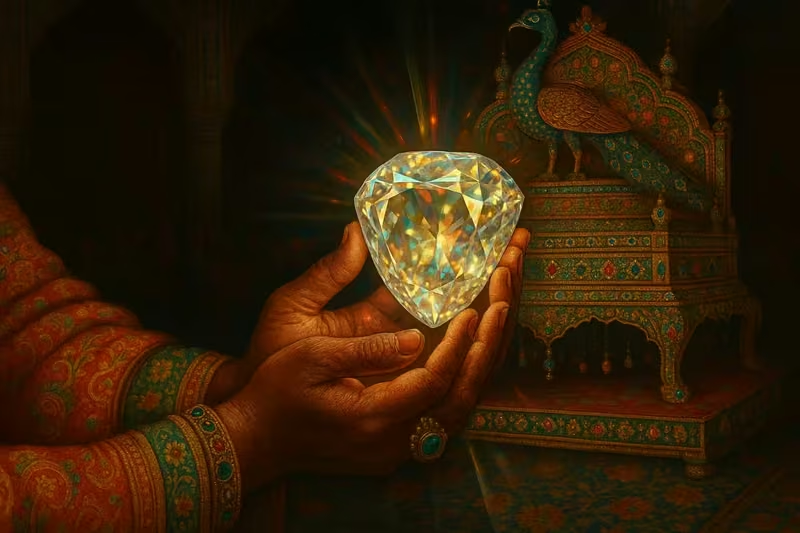
வைரம் விளக்கைப் பிடித்து ஆயிரம் திசைகளில் திருப்பி எறிந்தது. கருவூல அறையின் மங்கலான நிலையிலும் கூட, அது கிட்டத்தட்ட உயிருடன் இருப்பதாகத் தோன்றிய ஒரு உள் நெருப்பால் எரிந்தது. பாரசீக வெற்றியாளரின் கை அதை அடையும்போது சற்று நடுங்கியது-பயத்தால் அல்ல, ஆனால் அங்கீகாரத்தின் எடையால். இது சாதாரண கல் அல்ல. இது புராணத்தின் பொருள், தீர்க்கதரிசனம், பேரரசின் பொருள். அவரைச் சுற்றி டெல்லி எரிந்தது. முகலாய அரசவை இடிபாடுகளில் கிடந்தது. மயில் சிம்மாசனத்தின் சிதைந்துண்டுகளிலிருந்து, பாரசீகத்தின் நாதிர் ஷா உலகம் இதுவரை அறிந்திராத மிகவும் பிரபலமான வைரத்தை பறித்தார். ஆண்டு 1739, மற்றும் கோ-இ-நூர்-ஒளியின் மலை-வரலாற்றில் அதன் வன்முறை ஒடிசியின் மிகவும் ஆவணப்படுத்தப்பட்ட அத்தியாயத்தைத் தொடங்கவிருந்தது.
ஆனால் தில்லியில் அந்த தருணம், வரலாற்று பதிவுகளில் உள்ளபடி, வைரத்தின் சரிபார்க்கக்கூடிய கதையின் தொடக்கத்தை மட்டுமே பிரதிபலிக்கிறது. நாதர் ஷாவின் கொடூரமான விரல்கள் அதைச் சுற்றி மூடுவதற்கு முன்பு, அது புகழ்பெற்ற மயில் சிம்மாசனத்தை அலங்கரிப்பதற்கு முன்பு, அது முகலாய பிரம்மாண்டத்தின் அடையாளமாக மாறுவதற்கு முன்பு, கோ-இ-நூர் நிழல்கள் மற்றும் நிச்சயமற்ற மண்டலத்தில் இருந்தது. நமக்குத் தெரிந்தவை ஒரு துண்டுப்பிரசுரத்தை நிரப்பக்கூடும்; புராணக் கூற்றுக்கள் நூலகங்களை நிரப்பக்கூடும். காலனித்துவ நிர்வாகி தியோ மெட்கால்ஃப் குறிப்பிட்டபடி, உண்மை என்னவென்றால், 1740 களுக்கு முன்னர் வைரத்தின் ஆரம்பகால வரலாற்றுக்கு "மிகக் குறைந்த மற்றும் அபூரணமான" சான்றுகள் உள்ளன. இந்த ஒப்புதல் முக்கியமானது, ஏனென்றால் கோ-இ-நூரின் பண்டைய கடந்த காலத்தைப் பற்றி எழுதப்பட்டவற்றில் பெரும்பாலானவை-சாபங்கள், தீர்க்கதரிசனங்கள், அது கடந்து சென்றதாகக் கூறப்படும் கைகள்-வரலாற்றுக்கும் கட்டுக்கதைகளுக்கும் இடையிலான நிச்சயமற்ற பிரதேசத்தில் உள்ளன.
இருப்பினும் காதல் அலங்காரங்கள் இல்லாமல் கூட, கல்லின் ஆவணப்படுத்தப்பட்ட பயணம் அசாதாரணமானது. கோல்கொண்டாவின் சுரங்கங்கள் முதல் பிரிட்டிஷ் ராணியின் கிரீடம் வரை, கோ-இ-நூர் பேரரசுகளின் எழுச்சி மற்றும் வீழ்ச்சியைக் கண்டது, வன்முறை மற்றும் சூழ்ச்சியின் மூலம் கைகளை மாற்றியது, மேலும் அவநம்பிக்கையான பேராசை மற்றும் இராஜதந்திர நெருக்கடிகளை ஊக்குவித்தது. அதன் கதை இந்தியாவின் கதையிலிருந்து பிரிக்க முடியாதது-வெற்றி மற்றும் எதிர்ப்பு, பிரித்தெடுக்கப்பட்ட செல்வம் மற்றும் ஒருங்கிணைந்த சக்தி, காலனித்துவத்தின் அடையாளங்களாக மாறிய கலாச்சார பொக்கிஷங்கள் இன்று, 105.6 காரட் எடையுடன் ராணி எலிசபெத் தி ராணி அன்னையின் கிரீடத்தில் அமைக்கப்பட்டுள்ளது, இது உலகின் மிகவும் அடையாளம் காணக்கூடிய ரத்தினங்களில் ஒன்றாக உள்ளது மற்றும் அதன் மிகவும் சர்ச்சைக்குரிய ஒன்றாகும்.
முன்பு இருந்த உலகம்: கோல்கொண்டாவின் பிரகாசமான மரபு
கோஹ்-இ-நூரைப் புரிந்து கொள்ள, ஒருவர் முதலில் கோல்கொண்டாவை ஒரு இடமாக மட்டுமல்லாமல், பல நூற்றாண்டுகளாக ஐரோப்பிய கற்பனையில் ஆதிக்கம் செலுத்திய ஒரு கருத்தாகவும் புரிந்து கொள்ள வேண்டும். மேற்கத்தியர்கள் கோல்கொண்டாவைப் பற்றி பேசும்போது, அவர்கள் ஆச்சரியம் மற்றும் பேராசையின் தொனியில் பேசினர், ஏனெனில் இன்றைய ஆந்திராவில் உள்ள இந்த பகுதி உலகின் மிக அற்புதமான வைரங்களின் ஆதாரமாக இருந்தது. "கோல்கொண்டா" என்ற வார்த்தையே அழியாத செல்வத்திற்கு ஒத்ததாக மாறியது, கதைகள் நம்பப்பட வேண்டுமானால், பூமியே விலைமதிப்பற்ற கற்களை இரத்தம் சிந்தும் இடம்.
கோ-இ-நூர் தோன்றிய கொல்லூர் சுரங்கம், இந்த புகழ்பெற்ற வைர பெல்ட்டின் ஒரு பகுதியாக இருந்தது. இவை பிற்கால நூற்றாண்டுகளின் தொழில்துறை சுரங்க நடவடிக்கைகள் அல்ல, மாறாக ஆயிரக்கணக்கான தொழிலாளர்களை வேலைக்கு அமர்த்திய பரந்த அகழ்வாராய்ச்சிகள், வெறுமனே கடுமையான முதல் முற்றிலும் மிருகத்தனமான சூழ்நிலைகளில் வேலை செய்தன. பூமியிலிருந்து வைரங்களை பிரித்தெடுக்கும் செயல்முறை உழைப்பு மிகுந்ததாகவும் ஆபத்தானதாகவும் இருந்தது. சுரங்கத் தொழிலாளர்கள் வண்டல் வைப்புகளுக்குள் ஆழமாக தோண்டி, எண்ணற்ற டன் சரளை வழியாக வரிசைப்படுத்தி, ஒரு மதிப்புமிக்க கல்லைக் குறிக்கக்கூடிய மென்மையான பளபளப்பைத் தேடுவார்கள். கண்டுபிடிக்கப்பட்ட ஒவ்வொரு வைரத்திற்கும், மில்லியன் கணக்கான கற்கள் தூக்கி எறியப்பட்டன. மதிப்புமிக்க ஒவ்வொரு கல்லுக்கும், எண்ணற்ற கூடுதல் கற்கள் போதுமானதாக இருந்தன. ஒவ்வொரு உண்மையான விதிவிலக்கான வைரத்திற்கும்-பேரரசர்களின் கவனத்தை ஈர்க்கும் மற்றும் வரலாற்றின் போக்கை மாற்றும் வகை-பல தசாப்தங்களாக முதுகெலும்பு உழைப்பு இருக்கலாம்.
இந்த சுரங்கங்களைச் சுற்றியுள்ள சமூகம் அடுக்குப்படுத்தப்பட்டதைப் போலவே சிக்கலானது. சுரங்க உரிமைகளை கட்டுப்படுத்தும் ஆட்சியாளர்களும் பிரபுக்களும் மேலே இருந்தனர், பூமியிலிருந்து கப்பம் மற்றும் புதையல் இரண்டையும் பிரித்தெடுத்தனர். அவர்களுக்குக் கீழே வணிகர்களும் வணிகர்களும் இருந்தனர், அவர்களில் பலர் வைர வர்த்தகத்தில் பங்கேற்க பாரசீக மற்றும் மத்திய ஆசியா வரை பயணம் செய்திருந்தனர். மேலும் மேற்பார்வையாளர்கள், திறமையான வெட்டுபவர்கள் மற்றும் மதிப்பீட்டாளர்கள் ஒரு பார்வையில் ஒரு கல்லின் மதிப்பை தீர்மானிக்க முடியும். அடிமட்டத்தில் சுரங்கத் தொழிலாளர்களே இருந்தனர்-ஆண்கள், பெண்கள் மற்றும் சில சமயங்களில் குழந்தைகள், அவர்கள் ஒருபோதும் உடைமையாக்காத செல்வத்தைத் தேடி தங்கள் வாழ்க்கையை கழித்தனர்.
கோ-இ-நூர் பிறந்த உலகம் இதுதான்-அல்லது அதிலிருந்து அது பிரித்தெடுக்கப்பட்டது. அதன் கண்டுபிடிப்பின் சரியான தேதி எங்களுக்குத் தெரியாது, பூமியிலிருந்து முதலில் அதை இழுத்த நபரின் பெயரும் எங்களுக்குத் தெரியாது. அத்தகைய விவரங்கள், அவை எப்போதாவது பதிவு செய்யப்பட்டிருந்தால், காலப்போக்கில் இழந்துவிட்டன. நமக்குத் தெரிந்த விஷயம் என்னவென்றால், அது வரலாற்று பதிவில் உறுதியாக நுழையும் நேரத்தில், அது ஏற்கனவே வெட்டப்பட்டு வடிவமைக்கப்பட்டது, அதன் அசல் கடினமான வடிவத்திலிருந்து அதன் தற்போதைய நிலையை நெருங்கும் ஒன்றாகக் குறைக்கப்பட்டது. அதன் ஆரம்பகால சான்றளிக்கப்பட்ட எடை 186 பழைய காரட் ஆகும்-இது அதன் தற்போதைய 105.6 காரட்டை விட கணிசமாக பெரியது, இது ஒரு குறைப்பு, இது கடந்து செல்லும் பல கைகளுடன் பேசுகிறது மற்றும் பல முறை மாறிவரும் சுவைகள் மற்றும் தொழில்நுட்பங்களுக்கு ஏற்ப மறுபரிசீலனை செய்யப்பட்டது.
இடைக்கால காலத்தில் கோல்கொண்டா பகுதி அமைதியான சுரங்க மாவட்டத்திலிருந்து வெகு தொலைவில் இருந்தது. இது பல்வேறு வம்சங்கள் மற்றும் சுல்தானகங்களால் போரிடப்பட்டு, கைப்பற்றப்பட்டு, மீண்டும் கைப்பற்றப்பட்டது, ஒவ்வொன்றும் இந்த விலைமதிப்பற்ற கற்களின் மூலத்தைக் கட்டுப்படுத்த முயன்றன. பஹ்மானி சுல்தானகம், குதுப் ஷாஹி வம்சம் மற்றும் இறுதியில் முகலாயப் பேரரசு அனைத்தும், பல்வேறு நேரங்களில், இந்த சுரங்கங்களின் மீது ஆதிக்கம் செலுத்தின. ஒவ்வொரு வெற்றியும் புதிய பிரித்தெடுத்தல் முறைகள், புதிய கப்பம் செலுத்தும் முறைகள் மற்றும் பூமியிலிருந்து வெளிவந்த வைரங்களுக்கான புதிய இடங்களைக் கொண்டு வந்தது. இந்த ரத்தினங்கள் வடக்கு மற்றும் மேற்கு நோக்கி பாய்ந்து, தில்லி, இஸ்ஃபஹான் மற்றும் அதற்கு அப்பால் உள்ள நீதிமன்றங்களை அலங்கரித்தன, ஒவ்வொரு கல்லும் அதை வெளிச்சத்திற்கு கொண்டு வந்தவர்களின் உழைப்பையும் துன்பத்தையும் எடுத்துச் சென்றது.
வீரர்கள்: நிழல்கள் மற்றும் உறுதிப்பாடுகள்

கோ-இ-நூரின் வரலாற்றின் பெரும் விரக்திகளில் ஒன்றை இங்கே நாம் எதிர்கொள்கிறோம்: அதன் ஆரம்பகால உரிமையாளர்களைப் பற்றி சரிபார்க்கக்கூடிய ஆவணங்கள் இல்லாதது. இது பல்வேறு முகலாய பேரரசர்களின் கைகளால் கடந்து சென்றதாக பிரபலமான பதிவுகள் கூறுகின்றன, இது பாபர் அணிந்திருந்ததாகவும், ஷாஜகான் வைத்திருந்ததாகவும், பேரரசின் மிகப்பெரிய ஆட்சியாளர்களின் உத்தரவின் பேரில் மயில் சிம்மாசனத்தில் வைக்கப்பட்டதாகவும் கூறப்படுகிறது. இந்த கதைகள் அடிக்கடி மீண்டும் மீண்டும் கூறப்பட்டு அவை சத்தியத்தின் படிமத்தைப் பெற்றுள்ளன. ஆயினும்கூட, வரலாற்று பதிவுகளை நாம் கவனமாக ஆராயும்போது, இந்த கூற்றுக்கள் நிச்சயமற்ற அடித்தளங்களில் அமைந்திருப்பதைக் காண்கிறோம்.
நம்பிக்கையுடன் சொல்லக்கூடியது மிகவும் மட்டுப்படுத்தப்பட்ட ஆனால் குறைவான கவர்ச்சிகரமானதாக இல்லை. 1740 களில், வைரம் நிச்சயமாக முகலாயர்களின் வசம் இருந்தது, அது நிச்சயமாக மயில் சிம்மாசனத்துடன் தொடர்புடையது-முகலாய செல்வத்தையும் அதிகாரத்தையும் குறிக்கும் ஏகாதிபத்திய சக்தியின் அற்புதமான இருக்கை. ஷாஜகானால் நியமிக்கப்பட்ட மற்றும் எண்ணற்ற விலைமதிப்பற்ற கற்களால் சூழப்பட்ட சிம்மாசனம் அந்த காலத்தின் அதிசயமாக இருந்தது. வரலாற்றுக் குறிப்புகள் அதன் சரியான தோற்றம் மற்றும் அதை அலங்கரித்த ரத்தினங்களின் எண்ணிக்கை மற்றும் வகை பற்றிய விளக்கங்களில் வேறுபடுகின்றன, ஆனால் அனைவரும் அதன் மகத்தான மகத்துவத்தை ஒப்புக்கொள்கிறார்கள். முகமது காசிம் மார்வியின் கூற்றுப்படி, கோ-இ-நூர், இந்த சிம்மாசனத்தில் பதிக்கப்பட்ட பல கற்களில் ஒன்றாகும், இருப்பினும் வெளிப்படையாக மையப்பகுதி அல்லது மிக முக்கியமான நகை அல்ல.
18 ஆம் நூற்றாண்டின் முற்பகுதியில் சிம்மாசனத்தையும் அதன் பொக்கிஷங்களையும் வைத்திருந்த முகலாயர்கள் முந்தைய தலைமுறைகளின் நம்பிக்கையான பேரரசைக் கட்டியவர்கள் அல்ல. 1740 களில், முகலாயப் பேரரசு முன்கூட்டியே வீழ்ச்சியடைந்தது, அதன் அதிகாரம் பெருகிய முறையில் பெயரளவில் இருந்தது, அதன் பிரதேசங்கள் சுதந்திர இராஜ்ஜியங்கள் மற்றும் சுல்தானகங்களாகப் பிரிந்தன. தில்லியில் பேரரசர் இன்னும் சடங்கு மரியாதையுடன் நடத்தப்பட்டார், இன்னும் ஏகாதிபத்திய சக்தியின் பொறிகளைப் பராமரித்தார், ஆனால் உண்மை என்னவென்றால், பயனுள்ள கட்டுப்பாடு நழுவியது. மாகாண ஆளுநர்கள் சுதந்திரமான மன்னர்களாக ஆட்சி செய்தனர், முகலாய தலைநகரில் பாதுகாப்பற்றதாகத் தோன்றிய செல்வத்தில் வெளிப்புற சக்திகள் அதிக ஆர்வத்துடன் பார்த்தன.
இந்த சூழ்நிலையில் பாரசீக வெற்றியாளரான நாதிர் ஷா இறங்கினார், அவரது வட இந்தியாவின் படையெடுப்பு பேரழிவு தரக்கூடிய விளைவுகளை ஏற்படுத்தும். நாதர் ஷா ஒரு இராணுவ மேதை, அவர் ஒரு புதிய பாரசீக சாம்ராஜ்யத்தை உருவாக்க ஒப்பீட்டளவில் தெளிவற்ற நிலையில் இருந்து எழுந்தார். அவர் இரக்கமற்றவராகவும், புத்திசாலியாகவும், வெற்றி மற்றும் கொள்ளைக்கான தீராத பசியால் உந்தப்பட்டவராகவும் இருந்தார். 1739 ஆம் ஆண்டில் இந்தியாவிற்குள் அவர் நடத்திய படையெடுப்பு ஓரளவு மூலோபாயக் கருத்துக்களால் உந்துதல் பெற்றது-முகலாயப் பிரதேசத்தில் தஞ்சம் புகுந்த ஆப்கானிய கிளர்ச்சியாளர்களைப் பின்தொடர்வது-ஆனால் முதன்மையாக இந்திய செல்வத்தின் கவர்ச்சியால். டெல்லியின் பொக்கிஷங்கள் புகழ்பெற்றவை, நாதிர் ஷா அவற்றை உரிமை கோர விரும்பினார்.
கோ-இ-நூரின் முதல் சரிபார்க்கக்கூடிய பதிவு இந்த படையெடுப்பு பற்றிய முகமது காசிம் மார்வியின் வரலாற்றுக் குறிப்பிலிருந்து வருகிறது. மார்வி ஒரு வரலாற்றாசிரியர் ஆவார், அவர் நாதிர் ஷாவின் பிரச்சாரங்களை ஆவணப்படுத்தினார், மேலும் அவரது விளக்கங்கள் வைரத்தைப் பற்றிய நமது ஆரம்பகால நம்பகமான தகவல்களை வழங்குகின்றன. மயில் சிம்மாசனத்தை அலங்கரித்த பல விலைமதிப்பற்ற கற்களில் ஒன்றாகோ-இ-நூரை அவர் அடையாளம் காட்டுகிறார், மேலும் டெல்லியில் இருந்து அகற்றப்பட்டதையும், நாதர் ஷாவின் ஏராளமான புதையல்களையும் அவர் பதிவு செய்கிறார். இந்த ஆவணப்படுத்தல் முக்கியமானது, ஏனெனில் இது வைரத்தின் வரலாற்றில் ஒரு உறுதியான புள்ளியை நிறுவுகிறது-அது எங்கிருந்தது, யார் வைத்திருந்தது என்பதை நாம் உறுதியாகக் கூறக்கூடிய ஒரு தருணம்.
அதிகரித்து வரும் பதற்றம்: திரண்டு வரும் புயல்

இந்திய வரலாற்றில் மிகவும் வியத்தகு அத்தியாயங்களில் ஒன்றுக்கு மேடை அமைக்கப்பட்டது. 1738 ஆம் ஆண்டில், நாதிர் ஷாவின் படைகள் கைபர் கணவாயைக் கடந்து இந்திய துணைக் கண்டத்திற்குள் முன்னேறின. முகலாயப் பேரரசர் முகமது ஷா, "ரங்கீலா" (இன்பத்தை விரும்பும்) என்ற மோசமான புனைப்பெயரால் வரலாற்றில் அறியப்பட்டவர், தயாராக இல்லாமல் பிடிபட்டார். பல தசாப்தங்களாக நடந்த உள் மோதல்கள் மற்றும் நிர்வாக சீரழிவின் போது அவரது பேரரசின் இராணுவ திறன்கள் வீழ்ச்சியடைந்தன. ஒரு காலத்தில் டெல்லியின் பாதுகாப்புக்காக அணிதிரண்ட மாகாணப் படைகள் இப்போது தங்கள் சொந்த நிகழ்ச்சி நிரல்களைப் பின்பற்றும் சுயாதீனப் படைகளாக இருந்தன. பேரரசரின் சொந்துருப்புக்கள் மோசமாக ஆயுதம் ஏந்தியிருந்தன, போதிய பயிற்சி பெறவில்லை, போர்க்கள தந்திரங்களை விட அரசவை சூழ்ச்சியில் மிகவும் திறமையான தளபதிகளால் வழிநடத்தப்பட்டன.
பாரசீக முன்னேற்றம் அதன் செயல்திறனில் பேரழிவை ஏற்படுத்தியது. ஒவ்வொரு நகரமும் நாதிர் ஷாவின் ஒழுக்கமான படைகளிடம் வீழ்ந்தது. இரு படைகளுக்கும் இடையிலான வேறுபாடு-ஒன்று பாரசீக மற்றும் ஆப்கானிஸ்தானின் கடுமையான நிலப்பரப்புகளில் பல ஆண்டுகளாக தொடர்ச்சியான போரினால் கடினப்படுத்தப்பட்டது, மற்றொன்று பல தசாப்தங்களாக ஒப்பீட்டளவில் அமைதி மற்றும் உள் சண்டைகளால் மென்மையாக்கப்பட்டது-அப்பட்டமான மற்றும் விளைவு. 1739 பிப்ரவரியில் கர்னல் அருகே நடந்த போரில் படைகள் இறுதியாக சந்தித்தபோது, அதன் முடிவு உண்மையில் சந்தேகத்திற்கு இடமளிக்கவில்லை. முகலாயப் படைகள் முறியடிக்கப்பட்டன, முகமது ஷாவே கைப்பற்றப்பட்டார்.
கர்னாலின் வீழ்ச்சி தில்லிக்குச் செல்லும் பாதையைத் திறந்தது. நாதர் ஷா முகலாய தலைநகரில் ஒரு இராஜதந்திர விருந்தினராக அல்ல, ஆனால் ஒரு வெற்றியாளராக நுழைந்தார், இருப்பினும் ஆரம்பத்தில் அவர் முகலாய பேரரசருக்கு மரியாதை செலுத்துவதாக பாசாங்கு செய்தார், அவர் தொழில்நுட்ப ரீதியாக அவரது கைதியாக இருந்தார், ஆனால் சடங்கு மரியாதையுடன் நடத்தப்பட்டார். ஒரு சுருக்கமான தருணத்திற்கு, ஆக்கிரமிப்பு ஒப்பீட்டளவில் இரத்தமின்றி இருக்கலாம் என்று தோன்றியது. நாதிர் ஷா நகரத்தில் வசித்து வந்தார், அவரது படைகள் டெல்லி முழுவதும் முகாமிட்டன, மேலும் ஏகாதிபத்திய பொக்கிஷங்களை பட்டியலிடுவதற்கான செயல்முறையைத் தொடங்கினர், அவை இப்போது அவருக்கு வெற்றிக்கான உரிமையாக இருந்தன.
பின்னர் படுகொலை நடந்தது. வரலாற்றுக் குறிப்புகளில் சரியான சூழ்நிலைகள் சர்ச்சைக்குரியதாகவே உள்ளன, ஆனால் அடிப்படை உண்மைகள் தெளிவாக உள்ளன: நாதிர் ஷாவின் மரணம் பற்றிய வதந்திகள் மற்றும் நகரத்தில் பாரசீக வீரர்கள் மீதான தாக்குதலைத் தொடர்ந்து, நாதிர் ஷா டெல்லியின் மக்களைப் படுகொலை செய்ய உத்தரவிட்டார். அதைத் தொடர்ந்து நடந்தது நகரத்தின் நீண்ட வரலாற்றில் இருண்ட அத்தியாயங்களில் ஒன்றாகும். பல மணி நேரம், பாரசீக வீரர்கள் டெல்லியின் தெருக்களில் நடந்து சென்று கண்மூடித்தனமாகொன்றனர். இறப்பு எண்ணிக்கை, உறுதியாக தீர்மானிக்க முடியாத போதிலும், பேரழிவுகரமானதாக இருந்தது. ஆயிரக்கணக்கானோர்-சில கணக்குகள் பல்லாயிரக்கணக்கானவர்கள் என்று கூறுகின்றன-அழிந்தனர். நகரின் சந்தைகள் எரிக்கப்பட்டன. அதன் மக்கள் தப்பி ஓடினர் அல்லது அச்சத்தில் மறைந்தனர்.
ஒரு பேரரசின் கொள்ளை
கொலை இறுதியாக நிறுத்தப்பட்டபோது, முறையான கொள்ளை தொடங்கியது. இது சீரற்ற கொள்ளை அல்ல, மாறாக வரலாற்றில் அரிதாகவே காணப்பட்ட அளவில் செல்வத்தை ஒழுங்கமைக்கப்பட்ட முறையில் பிரித்தெடுத்தல் ஆகும். நாதிர் ஷாவின் அதிகாரிகள் ஏகாதிபத்திய அரண்மனை, கருவூலங்கள், பிரபுக்களின் வீடுகள் வழியாக நகர்ந்து, மதிப்புமிக்க அனைத்தையும் சேகரித்து பறிமுதல் செய்தனர். தங்கம், வெள்ளி, விலைமதிப்பற்ற கற்கள், கலைப் படைப்புகள், சிறந்துணிகள், ஆயுதங்கள்-அனைத்தும் பட்டியலிடப்பட்டு பாரசீகத்திற்கு கொண்டு செல்ல தயாராக இருந்தன. கொள்ளையின் மொத்த மதிப்பை துல்லியமாக கணக்கிட முடியாது, ஆனால் சமகால கணக்குகள் அதை அதன் அளவில் கிட்டத்தட்ட கற்பனை செய்ய முடியாதது என்று விவரிக்கின்றன.
இந்த கையகப்படுத்தலின் மையத்தில் மயில் சிம்மாசனம் இருந்தது. இது வெறுமனே ஒரு நாற்காலி மட்டுமல்ல, ஒரு அரசியல் சின்னம், ஒரு கலைப் படைப்பு மற்றும் செல்வத்தின் களஞ்சியம். தில்லியில் இருந்து பாரசீகத்திற்கு அது அகற்றப்பட்டது ஒரு மதிப்புமிக்க பொருளை மாற்றுவதை மட்டுமல்லாமல், ஏகாதிபத்திய அதிகாரத்தின் அடையாள பரிமாற்றத்தையும் பிரதிநிதித்துவப்படுத்தியது. சிம்மாசனம் கவனமாக அகற்றப்பட்டது, ஒவ்வொரு துண்டும் பதிவு செய்யப்பட்டது, ஒவ்வொரு நகையும் குறிப்பிடப்பட்டது. அந்த நகைகளில், முஹம்மது காசிம் மார்வியின் வரலாற்றின் படி, கோ-இ-நூர் இருந்தது.
வைரத்தின் முக்கியத்துவத்தை நாதிர் ஷா உடனடியாக அங்கீகரித்தாரா என்பது எங்களுக்குத் தெரியாது. மார்வியின் கணக்கு இது சிம்மாசனத்தில் இருந்த பல கற்களில் ஒன்றாகும் என்று கூறுகிறது-அசாதாரணமான மதிப்புமிக்க, நிச்சயமாக, ஆனால் இன்னும் தனித்துவமான சிறப்பு என்று தனிமைப்படுத்தப்படவில்லை. "கோ-இ-நூர்" (ஒளியின் மலை) என்ற பெயரும், கல்லைச் சுற்றி வளரும் புராணங்களும் அதன் நற்பெயர் வளர்ந்ததாலும், அதன் கதை ஒவ்வொரு மறுபரிசீலனையுடனும் அலங்கரிக்கப்பட்டதாலும் பின்னர் வந்திருக்கலாம். நாம் சொல்லக்கூடியது என்னவென்றால், பாரசீகேரவன் இறுதியாக மே 1739 இல் டெல்லியிலிருந்து புறப்பட்டபோது, புதையல்கள் ஏற்றப்பட்டு, ஆயிரக்கணக்கான இந்திய கைவினைஞர்கள் மற்றும் அடிமைகளுடன் வலுக்கட்டாயமாக பாரசீகத்திற்கு மாற்றப்பட்டபோது, கோ-இ-நூர் அதனுடன் சென்றார்.
இந்த புறப்பாடு ஒரு சகாப்தத்தின் முடிவைக் குறித்தது. முகலாயப் பேரரசு இன்னும் ஒரு நூற்றாண்டுக்கு பெயரளவில் தொடர்ந்து இருக்கும், ஆனால் இந்தாக்குதலில் இருந்து அது ஒருபோதும் மீளவில்லை. உளவியல் ரீதியான தாக்கம் பொருள் இழப்பைப் போலவே பேரழிவுகரமானதாக இருந்தது. டெல்லி இதற்கு முன்பு சூறையாடப்பட்டது, ஆனால் அதன் செல்வம் ஒருபோதும் இவ்வளவு முழுமையாக பிரித்தெடுக்கப்படவில்லை, ஒரு ஆக்கிரமிப்புப் படை அதன் கொள்ளையில் இவ்வளவு திறமையானதாகவும் விரிவானதாகவும் இருந்ததில்லை. மயில் சிம்மாசனம் இல்லாதது ஏகாதிபத்திய இயலாமையை தினசரி நினைவூட்டுவதாக இருந்தது. கோஹ்-இ-நூர், எண்ணற்ற பிற பொக்கிஷங்களுடன், போய்விட்டது-18 ஆம் நூற்றாண்டில் காணக்கூடிய மிகப்பெரிய கொள்ளையின் ஒரு பகுதியாக பாரசீகத்திற்கு மாற்றப்பட்டது.
தி டர்னிங் பாயிண்ட்: எ டயமண்ட் ஜர்னி வெஸ்ட்
தில்லியை விட்டு வெளியேறிய கேரவன், புதையல் மட்டுமல்லாமல், முகலாய ஆட்சியின் தலைமுறைகளின் திரட்டப்பட்ட செல்வத்தையும் எடுத்துச் சென்றது. இந்தியாவிற்கும் பெர்சியாவிற்கும் இடையிலான கடுமையான நிலப்பரப்பில் இவ்வளவு பெரிய அளவிலான தங்கம், வெள்ளி மற்றும் விலைமதிப்பற்ற கற்களை கொண்டு செல்வதற்கான தளவாடங்கள் திகைப்பூட்டுவதாக இருந்தன. ஆயிரக்கணக்கான ஒட்டகங்கள், குதிரைகள் மற்றும் யானைகள் தேவைப்பட்டன. கொள்ளையர்கள் மற்றும் போட்டி படைகளிடமிருந்து புதையலைப் பாதுகாக்க முழு படைப்பிரிவுகளும் அணிவகுத்துச் சென்றன. இந்த பயணம் பல மாதங்கள் எடுத்தது, மலைப்பாதைகள் மற்றும் ஆறுகளின் குறுக்கே சுழன்று, ஒவ்வொரு நாளும் நிலப்பரப்பு மற்றும் விநியோகத்தின் புதிய சவால்களைக் கொண்டு வந்தது.
கோ-இ-நூரைப் பொறுத்தவரை, இந்த பயணம் அதன் நிலை மற்றும் அர்த்தத்தில் ஒரு அடிப்படை மாற்றத்தைக் குறிக்கிறது. தில்லியில், முகலாய சேகரிப்பில் உள்ள பலவற்றில் இது ஒரு நகையாக இருந்தது-கண்கவர், நிச்சயமாக, ஆனால் ஏகாதிபத்திய இராஜ்ஜியங்களின் ஒரு பெரிய கூட்டத்தின் ஒரு பகுதியாகும். பெர்சியாவில், அதன் கதை இன்னும் குறிப்பிட்ட, மிகவும் புகழ்பெற்ற ஒன்றாக படிகமாக்கத் தொடங்கும். எவ்வாறாயினும், பாரசீக அரசவையின் வரலாற்றுக் குறிப்புகள், வைரத்தின் வருகைக்குப் பிறகு அதன் உடனடி விதி குறித்து வெறுப்பாக தெளிவற்றவை. அது பாரசீகத்தின் வசம் இருந்ததை நாம் அறிவோம், ஆனால் அது எவ்வாறு காட்சிப்படுத்தப்பட்டது, யார் அதை அணிந்திருந்தார், நாதிர் ஷாவுக்கு அது என்ன முக்கியத்துவத்தைக் கொண்டிருந்தது என்பது பற்றிய விவரங்கள் நிச்சயமற்றதாகவே உள்ளன.
நாதிர் ஷாவின் சொந்த விதி வியத்தகு மற்றும் வன்முறையாக இருந்தது. அவரது வெற்றிகளைத் தூண்டிய அதே இரக்கமற்ற லட்சியம் இறுதியில் அவருக்கு எதிராக அவரது நீதிமன்றத்தைத் திருப்பியது. 1747 ஆம் ஆண்டில், அவர் இந்தியா மீது படையெடுத்து ஒரு தசாப்தத்திற்குள், ஒரு இராணுவ பிரச்சாரத்தின் போது அவரது சொந்த அதிகாரிகளால் படுகொலை செய்யப்பட்டார். அவரது மரணம் அவரது பேரரசை குழப்பத்தில் ஆழ்த்தியது, மேலும் அவர் சேகரித்த பொக்கிஷங்கள் சிதறிக் கிடந்தன. இந்த சீர்குலைவு காலத்தில் கோ-இ-நூருக்கு என்ன நடந்தது என்பது பற்றி வெவ்வேறு கணக்குகள் வெவ்வேறு கதைகளை வழங்குகின்றன. சிலர் இது நாதிர் ஷாவின் சந்ததியினருக்கு அனுப்பப்பட்டதாகவும், மற்றவர்கள் பாரசீக சிம்மாசனத்தின் போட்டி உரிமை கோருபவர்களால் கைப்பற்றப்பட்டதாகவும் கூறுகின்றனர். போட்டி வம்சங்கள் மற்றும் உள்நாட்டுப் போரின் குழப்பத்தால் வரலாற்று பதிவுகள் தெளிவற்றதாகின்றன.
இந்த வைரம் இறுதியில் ஆப்கானிஸ்தானில் துரானி பேரரசை நிறுவிய அஹ்மத் ஷா துரானியின் வசம் வந்தது என்பது இன்னும் உறுதியாக அறியப்படுகிறது. இந்த இடமாற்றத்தின் சரியான சூழ்நிலைகள் வரலாற்றாசிரியர்களால் விவாதிக்கப்படுகின்றன. சில பதிவுகள் இது ஒரு பரிசு என்று கூறுகின்றன, மற்றவர்கள் நாதிர் ஷா படுகொலை செய்யப்பட்டதைத் தொடர்ந்து ஏற்பட்ட கொந்தளிப்பான காலகட்டத்தில் இது கைப்பற்றப்பட்டதாகக் கூறுகின்றன. இடமாற்றம் எப்படி நடந்தது என்பதைப் பொருட்படுத்தாமல், கோ-இ-நூர் இப்போது பாரசீகத்திலிருந்து ஆப்கானிஸ்தானுக்கு நகர்ந்தது, அடுத்தடுத்த பேரரசுகள் மற்றும் ஆட்சியாளர்கள் வழியாக அதன் மேற்கு நோக்கிய பயணத்தைத் தொடர்ந்தது.
ஆப்கானிஸ்தானில் இருந்து, வைரத்தின் பாதை இறுதியில் இந்தியாவை நோக்கிச் செல்லும், ஆனால் அது விட்டுச் சென்றதை விட வித்தியாசமான இந்தியாவுக்குச் செல்லும். முகலாயப் பேரரசின் துண்டுப்பிரசுரம் புதிய அதிகார மையங்களை உருவாக்கியது, புதிய இராஜ்ஜியங்கள் மற்றும் கூட்டமைப்புகள் மேலாதிக்கத்திற்காக போட்டியிட்டன. இந்த வளர்ந்து வரும் சக்திகளில் பஞ்சாபில் சீக்கியப் பேரரசும் இருந்தது, இது மகாராஜா ரஞ்சித் சிங்கின் கீழ் துணைக் கண்டத்தின் மிகவும் வலிமையான மாநிலங்களில் ஒன்றாக மாறியது. முழுமையடையாத ஆவணப்படுத்தப்பட்ட தொடர்ச்சியான நிகழ்வுகளின் மூலம், கோ-இ-நூர் சீக்கியர்களின் வசம் வந்தது, அநேகமாக 19 ஆம் நூற்றாண்டின் முற்பகுதியில் சீக்கியப் பேரரசுக்கும் ஆப்கானியப் படைகளுக்கும் இடையிலான மோதல்களின் போது.
அதன் பின்: லாகூரிலிருந்து லண்டன் வரை
சீக்கிய ஆட்சியின் கீழ், கோ-இ-நூர் புதிய முக்கியத்துவத்தைப் பெற்றது. மகாராஜா ரஞ்சித் சிங்கைப் பொறுத்தவரை, இது ஒரு மதிப்புமிக்க ரத்தினத்தை விட அதிகமாக இருந்தது-இது அவரது இராஜ்ஜியத்தின் சக்தி மற்றும் சட்டபூர்வமான தன்மை, முகலாய மரபுடன் ஒரு தொடர்பு மற்றும் ஆப்கானிய போட்டியாளர்களுக்கு எதிரான அவரது வெற்றியை நிரூபிக்கும் ஒரு கோப்பை ஆகியவற்றின் அடையாளமாக இருந்தது. இந்த வைரம் மாநில சந்தர்ப்பங்களில் மகாராஜாவால் அணியப்பட்டு, வருகை தரும் பிரமுகர்களுக்கு காட்சிக்கு வைக்கப்பட்டது, மேலும் அவரது மிகவும் மதிப்புமிக்க உடைமைகளில் ஒன்றாக கவனமாக பாதுகாக்கப்பட்டது. இந்தக் காலகட்டத்தில், சீக்கிய அரசவைக்கு வந்த ஐரோப்பிய பார்வையாளர்கள் அந்தக் கல்லைப் பற்றிய விரிவான விளக்கங்களை எழுதத் தொடங்கினர், அதன் தோற்றம் மற்றும் அளவு பற்றிய மிகவும் நம்பகமான தகவல்களை அதன் இறுதி மறுபரிசீலனைக்கு முன்பு வழங்கினர்.
சீக்கியப் பேரரசின் பொற்காலம் ஒப்பீட்டளவில் சுருக்கமாக இருந்தது. 1839இல் ரஞ்சித் சிங்கின் மரணத்திற்குப் பிறகு, உள் மோதல்கள் மற்றும் வாரிசுப் பிரச்சினைகளால் இராஜ்ஜியம் சிதைந்தது. இந்த ஸ்திரமின்மை, பிரிட்டிஷ் கிழக்கிந்திய கம்பெனியின் விரிவடைந்து வரும் லட்சியங்களுடன் இணைந்து, மோதலுக்கு களம் அமைத்தது. 1840 களின் ஆங்கிலோ-சீக்கியப் போர்களின் விளைவாக சீக்கியப் படைகள் தோற்கடிக்கப்பட்டு, ஆங்கிலேயர்களால் பஞ்சாப் இணைக்கப்பட்டது. இந்த வெற்றியை முறைப்படுத்திய ஒப்பந்தத்தின் விதிமுறைகளில் கோ-இ-நூரை குறிப்பாக உரையாற்றும் ஒரு பிரிவு இருந்தது: அது பிரிட்டிஷ் முடியாட்சியிடம் ஒப்படைக்கப்பட வேண்டும்.
1850 ஆம் ஆண்டில் பிரிட்டனுக்கு வந்த வைரம், போரின் கொள்ளை மற்றும் துணைக் கண்டத்தின் மீது பிரிட்டிஷ் மேலாதிக்கத்தின் அடையாளமாக விக்டோரியா மகாராணிக்கு வழங்கப்பட்டது. அதன் வருகை மகத்தான பொது ஆர்வத்தை உருவாக்கியது. 1851 ஆம் ஆண்டின் மாபெரும் கண்காட்சியில் இது காட்சிக்கு வைக்கப்பட்டபோது ஆயிரக்கணக்கானோர் இதைப் பார்க்க வரிசையில் காத்திருந்தனர். இருப்பினும் பல பார்வையாளர்கள் ஏமாற்றமடைந்தனர். இந்தக் கல், சந்தேகத்திற்கு இடமின்றி பெரியதாகவும் மதிப்புமிக்கதாகவும் இருந்தபோதிலும், வைரத்திலிருந்து விக்டோரியன் பார்வையாளர்கள் எதிர்பார்த்த புத்திசாலித்தனத்துடன் பிரகாசிக்கவில்லை. அதன் வெட்டு, முந்தைய அழகியல் மரபுகளுக்கு பொருத்தமானது, இது அளவை மதிக்கிறது மற்றும் ஒளியியல் விளைவுகளை விட எடையைத் தக்க வைத்துக் கொண்டது, புத்திசாலித்தனத்தை அதிகரிக்கும் புதிய வெட்டும் பாணிகளுக்கு பழக்கமான கண்களுக்கு மந்தமாகத் தோன்றியது.
விக்டோரியா மகாராணியின் மனைவியான இளவரசர் ஆல்பர்ட், கல்லை மீண்டும் வெட்ட வேண்டும் என்று முடிவு செய்தார். 1852 ஆம் ஆண்டில், கோ-இ-நூர் கிரவுன் ஜுவல்லர்ஸ் என்ற கேரார்ட் & கோ நிறுவனத்தின் பட்டறைகளுக்கு கொண்டு செல்லப்பட்டது, அங்கு அது உடல் மற்றும் குறியீடாக இருந்த ஒரு மாற்றத்திற்கு உட்பட்டது. 38 நாட்களில், நீராவி மூலம் இயங்கும் ஆலையைப் பயன்படுத்தி கல் மீண்டும் வெட்டப்பட்டது, இந்த செயல்முறையை வெலிங்டன் டியூக் உட்பட ஆர்வமுள்ள பார்வையாளர்கள் பார்த்தனர். வெட்டு முடிந்ததும், வைரம் 186 காரட்டிலிருந்து 105.6 காரட்டுகளாகக் குறைக்கப்பட்டது-அதன் எடையில் 40 சதவீதத்திற்கும் அதிகமான இழப்பு. புதிய வெட்டு விக்டோரியன் சுவைகள் கோரிய புத்திசாலித்தனத்தை வழங்கியது, ஆனால் இந்த செயல்பாட்டில், கல்லின் இயற்பியல் பொருளின் குறிப்பிடத்தக்க பகுதி உண்மையில் தரையிறக்கப்பட்டு, சமகால அழகியலை திருப்திப்படுத்தூளாக மாற்றப்பட்டது.
இந்த மறுப்பு பரந்த காலனித்துவ திட்டத்திற்கான ஒரு உருவகமாக செயல்படுகிறது. வைரம் பிரிட்டிஷ் விருப்பங்களுக்கு ஏற்ப மறுவடிவமைக்கப்பட்டதைப் போலவே, காலனித்துவப்படுத்தப்பட்ட பிரதேசங்களும் மக்களும் பிரிட்டிஷ் விதிமுறைகள் மற்றும் அமைப்புகளுக்கு இணங்க வேண்டும் என்று எதிர்பார்க்கப்பட்டது. முகலாய ரத்தினத்திலிருந்து பிரிட்டிஷ் கிரீடம் நகைகளின் மையப்பகுதியாகோ-இ-நூர் மாறியது, ஒரு சுதந்திர நாகரிகத்திலிருந்து பேரரசின் நலனுக்காக நிர்வகிக்கப்படும் ஒரு காலனியாக இந்தியா மாறியதற்கு இணையாக இருந்தது. ஒரு காலத்தில் முகலாயர்களின் மேன்மை, பாரசீக வெற்றி மற்றும் சீக்கிய சக்தியைக் குறிக்கும் கல் இப்போது துணைக் கண்டத்தின் மீது பிரிட்டிஷ் ஆதிக்கத்தை அடையாளப்படுத்தியது.
மரபு: ஒரு வைரமும் அதன் அதிருப்திகளும்

இன்று, கோஹ்-இ-நூர் லண்டன் கோபுரத்தில் வசிக்கிறார், இது ராணி எலிசபெத் தி ராணி அன்னையின் கிரீடத்தில் அமைக்கப்பட்டுள்ளது, இது ஆண்டுதோறும் மில்லியன் கணக்கான சுற்றுலாப் பயணிகளுக்கு புல்லட் ப்ரூஃப் கண்ணாடியின் பின்னால் காட்சிக்கு வைக்கப்பட்டுள்ளது. அதன் தற்போதைய அமைப்பு 1937 ஆம் ஆண்டிலிருந்து, ராணி எலிசபெத்தின் முடிசூட்டலுக்காக ராணி மனைவியாக உருவாக்கப்பட்ட கிரீடத்தில் வைக்கப்பட்டது. வைரம் அடுத்தடுத்த தசாப்தங்களில் அங்கேயே உள்ளது, இது ஒரு ஒளிரும் கலைப்பொருளாகும், இது தொடர்ந்து கவர்ச்சியையும் சர்ச்சையையும் உருவாக்குகிறது.
கோ-இ-நூரைச் சுற்றியுள்ள சர்ச்சை உரிமை மற்றும் திருப்பி அனுப்புதல் பற்றிய கேள்விகளை மையமாகக் கொண்டுள்ளது. 1947 இல் இந்தியா சுதந்திரம் பெற்றதிலிருந்து, வைரத்தை திரும்பப் பெற அவ்வப்போது அழைப்புகள் வந்துள்ளன. இந்திய அரசாங்கம் பல்வேறு நேரங்களில் முறைப்படி அதை திருப்பி அனுப்புமாறு கோரியது, அது கைப்பற்றப்பட்டதாகவும், திருடப்பட்ட கலாச்சார சொத்துக்களை பிரதிநிதித்துவப்படுத்துவதாகவும் வாதிட்டது. பாகிஸ்தானும் வைரத்தை உரிமை கோரியுள்ளது, அது இப்போது பாகிஸ்தானின் எல்லைக்குள் இருக்கும் லாகூரிலிருந்து கைப்பற்றப்பட்டதாகக் குறிப்பிடுகிறது. ஆப்கானிஸ்தானும் ஈரானும் முந்தைய கால உடைமைகளின் அடிப்படையில் தங்கள் சொந்த உரிமைகோரல்களை முன்வைத்துள்ளன. ஒவ்வொரு உரிமைகோரலும் வெவ்வேறு வரலாற்று வாதங்கள் மற்றும் காலத்தின் மூலம் வைரத்தின் பயணத்தின் வெவ்வேறு விளக்கங்களை அடிப்படையாகக் கொண்டது.
பிரிட்டிஷ் நிலைப்பாடு பொதுவாக வைரம் ஒப்பந்தத்தின் மூலம் சட்டப்பூர்வமாக பெறப்பட்டது-குறிப்பாக, ஆங்கிலோ-சீக்கிய போர்களை முடிவுக்குக் கொண்டுவந்த லாகூர் ஒப்பந்தம். பிரிட்டிஷ் அதிகாரிகள் கோ-இ-நூரை திருப்பி அனுப்புவது காலனித்துவ காலத்தில் பெறப்பட்ட எண்ணற்ற பிற கலைப்பொருட்களை திருப்பி அனுப்ப வேண்டிய ஒரு முன்னுதாரணத்தை அமைக்கும் என்று சுட்டிக்காட்டியுள்ளனர். நடைமுறை கேள்விகளும் உள்ளன: போட்டியிடும் உரிமைகோரல்களைக் கருத்தில் கொண்டு, அது யாரிடம் திருப்பித் தரப்பட வேண்டும்? அது ஒருபோதும் சுதந்திர இந்திய அரசின் வசம் இருந்திருக்காவிட்டாலும், அது இந்திய அரசாங்கத்திற்குச் செல்ல வேண்டுமா? பாகிஸ்தானுக்கு, பிரிட்டிஷ் கையகப்படுத்துவதற்கு முன்பு அது கடைசியாக எங்கு இருந்தது? ஆப்கானிஸ்தான் அல்லது ஈரானுக்கு, அதன் பயணத்தின் ஆரம்ப கட்டங்களைக் குறிக்கிறதா?
இந்த விவாதங்கள் காலனித்துவம், கலாச்சாரச் சொத்து மற்றும் வரலாற்று நீதி பற்றிய பெரிய கேள்விகளை பிரதிபலிக்கின்றன, அவை ஒரே வைரத்திற்கு அப்பால் நீண்டுள்ளன. இந்த விவாதங்களில் கோ-இ-நூர் ஒரு அடையாளமாக மாறியுள்ளது-பேரரசு, உரிமை மற்றும் கலாச்சார பாரம்பரியம் பற்றிய சுருக்கமான வாதங்கள் படிகமாக்கக்கூடிய ஒரு உறுதியான, குறிப்பிட்ட பொருள். கிரீடம் நகைகளில் அதன் இருப்பு பிரிட்டிஷ் காலனித்துவ சக்தியையும் காலனித்துவப்படுத்தப்பட்ட பிரதேசங்களிலிருந்து செல்வத்தை பிரித்தெடுப்பதையும் தினசரி நினைவூட்டுகிறது. பல இந்தியர்கள், பாகிஸ்தானியர்கள், ஆப்கானியர்கள் மற்றும் ஈரானியர்களுக்கு, லண்டனில் வைரத்தின் இருப்பிடம் ஒரு குணப்படுத்தப்படாத வரலாற்று காயத்தை பிரதிபலிக்கிறது, இது இன்றைய நாள் வரை காலனித்துவ சகாப்தத்தின் அதிகார இயக்கவியலின் தொடர்ச்சியான வலியுறுத்தலாகும்.
வைரத்தின் முக்கியத்துவம் அரசியலுக்கு அப்பால் வரலாற்று நினைவகம் மற்றும் தேசிய அடையாளம் பற்றிய கேள்விகளுக்கு விரிவடைகிறது. இந்தியாவைப் பொறுத்தவரை, கோ-இ-நூர் துணைக் கண்டத்தின் வளமான கடந்த காலம், காலனித்துவெற்றியின் இடையூறுகள் மற்றும் கலாச்சார பாரம்பரியத்தை மீட்டெடுக்க வேண்டியதன் அவசியம் பற்றிய பெரிய கதைகளுடன் இணைக்கப்பட்டுள்ளது. அதன் கதை பல நூற்றாண்டுகளின் இந்திய வரலாற்றை உள்ளடக்கியது-கோல்கொண்டா சுரங்கங்கள் முதல் முகலாய உச்சநிலை வரை காலனித்துவ அடிமைத்தனம் வரை. அத்தகைய குறிப்பிடத்தக்க கலைப்பொருள் பிரிட்டிஷ் வசம் உள்ளது என்பது வரலாற்று நீதி மற்றும் காலனித்துவத்தின் மரபுகள் பற்றிய விவாதங்களுக்கு ஒரு மைய புள்ளியாக செயல்படுகிறது.
என்ன வரலாறு மறக்கிறது: புராணத்திற்கும் பதிவுக்கும் இடையில்
கோ-இ-நூரைச் சுற்றியுள்ள பரந்த இலக்கியங்களில், சில உண்மைகள் பெரும்பாலும் மிகவும் வியத்தகு புராணங்களுக்கு மத்தியில் இழக்கப்படுகின்றன. இந்த மறக்கப்பட்ட உண்மைகளில் மிக முக்கியமானது தியோ மெட்கால்:ப் ஒப்புக் கொண்ட ஒன்று: வைரத்தின் ஆரம்பகால வரலாற்றைப் பற்றி எங்களுக்கு உறுதியாகத் தெரியாது. பண்டைய சாபங்களின் விரிவான கதைகள், ஆண் உரிமையாளர்களுக்கு அழிவை முன்னறிவிக்கும் தீர்க்கதரிசனங்கள், குறிப்பிட்ட இந்து தெய்வங்களின் உடைமை-இவை பெரும்பாலும் பிற்கால அலங்காரங்கள், வைரத்தின் புகழ் அதிகரித்தவுடன் வளர்ந்த கதைகள்.
சாபக் கதை, குறிப்பாக, சந்தேகத்திற்கு தகுதியானது. கோ-இ-நூர் ஆண் உரிமையாளர்களுக்கு துரதிர்ஷ்டத்தைக் கொண்டுவருகிறது, ஆனால் பெண்களுக்கு பாதுகாப்பு அளிக்கிறது என்ற புகழ்பெற்ற கூற்றை எந்த பண்டைய ஆதாரத்திலும் கண்டுபிடிக்க முடியவில்லை. இது ஒரு பிற்கால கண்டுபிடிப்பாகத் தோன்றுகிறது, அதன் ஆவணப்படுத்தப்பட்ட ஆண் உரிமையாளர்களில் பலர் வன்முறை முடிவுகளை சந்தித்தனர் என்ற அவதானிப்பால் பாதிக்கப்படலாம்-ஆனால் ஆட்சியாளர்களுக்கு வன்முறை மரணம் பொதுவாக இருந்த சகாப்தங்கள் மற்றும் சூழல்களில். வைரத்தை அரசர்களின் கிரீடங்களில் வைப்பதற்கு பதிலாக ராணிகளின் கிரீடங்களில் வைப்பதற்கான பிரிட்டிஷ் கிரீடம் எடுத்த முடிவு இந்த கதையை வலுப்படுத்தியிருக்கலாம், ஆனால் இது இயற்கைக்கு அப்பாற்பட்ட நம்பிக்கையை விட ஃபேஷன் மற்றும் பாரம்பரியத்திலிருந்து உருவானது.
பிரபலமான கணக்குகளில் மறக்கப்படுவதும் வைரத்தின் சரிவுதான். 186 காரட்டுகளில் இருந்து 105.6 காரட்டுகளாகக் குறைக்கப்படுவது ஒரு மகத்தான பொருள் இழப்பைக் குறிக்கிறது. காணாமல் போன எடை-80 காரட்டுகளுக்கு மேல் வைரம்-1852 ஆம் ஆண்டு மறுசீரமைப்பின் போது தரையிறக்கப்பட்டது, விக்டோரியன் அழகியல் விரும்பிய ஒளியியல் விளைவுகளை அடைய உண்மையில் தூசியாக மாறியது. இந்த இயற்பியல் மாற்றம் காலனித்துவ பிரித்தெடுத்தலின் பரந்த வடிவத்தை பிரதிபலிக்கிறது: வளங்கள் எடுக்கப்பட்டு, பெருநகர விருப்பங்களுக்கு மறுவடிவமைக்கப்பட்டன, மூலத்தால் ஏற்படும் செலவுகளுடன். இன்று நாம் காணும் கோஹ்-இ-நூர் டெல்லியில் இருந்து நாதர் ஷா கொள்ளையடித்த கோஹ்-இ-நூர் அல்லது லாகூரில் ரஞ்சித் சிங் அணிந்திருந்த கோஹ்-இ-நூர் அல்ல-இது ஒரு சிறிய, அடிப்படையில் மாற்றப்பட்ட பதிப்பாகும், இது முகலாய அல்லது பாரசீக அழகியல் மரபுகளை விட பிரிட்டிஷாருக்கு ஏற்றவாறு வெட்டப்பட்டுள்ளது.
18 ஆம் நூற்றாண்டுக்கு முன்னர் வைரத்தின் ஒப்பீட்டளவில் தெளிவற்ற தன்மை என்பது அடிக்கடி கவனிக்கப்படாத மற்றொரு அம்சமாகும். பிற்கால விவரிப்புகள் அதன் உரிமையை புகழ்பெற்ற பழங்காலத்திலிருந்து கண்டறிந்தாலும், முதல் சரிபார்க்கக்கூடிய ஆவணங்கள் முஹம்மது காசிம் மார்வியின் 1740 களின் படையெடுப்பு பற்றிய வரலாற்றிலிருந்து வருகின்றன. அந்தேதிக்கு முன்பு வைரம் முக்கியமல்ல என்று இது அர்த்தப்படுத்தவில்லை-அது தெளிவாக இருந்தது-ஆனால் அதன் புகழ் வளர்ந்து பல்வேறு கட்சிகள் அதை தங்கள் பாரம்பரியத்தின் ஒரு பகுதியாக உரிமை கோர முயன்றதால், அதன் புராண மேலடுக்கின் பெரும்பகுதி பின்னர் சேர்க்கப்பட்டது என்று இது கூறுகிறது. கோ-இ-நூரின் கதை வரலாற்று உண்மையைப் போலவே புராணக்கதைகளின் கட்டுமானத்தைப் பற்றியது.
இறுதியாக, கோ-இ-நூர் பற்றிய விவாதங்களில் பெரும்பாலும் இழக்கப்படுவது அதன் பிரித்தெடுத்தலுக்கான மனித செலவு மற்றும் பூமியிலிருந்து கொண்டு வந்த உழைப்பு ஆகும். ஆபத்தான சூழ்நிலையில் பணியாற்றிய கொல்லூர் சுரங்கத் தொழிலாளர்கள், அதை முதலில் வெட்டி வடிவமைத்த கைவினைஞர்கள், அது கடந்து வந்த பல்வேறு வெற்றிகளில் இறந்த வீரர்கள்-இந்த மக்கள் வரலாற்று பதிவுகளில் பெரும்பாலும் அநாமதேயமாக உள்ளனர். வைரத்தின் கவர்ச்சி அதன் பயணத்தில் கலந்து கொண்ட துன்பங்களை மறைக்கிறது. உரிமையின் ஒவ்வொரு பரிமாற்றமும், ஒரு புதிய ஆட்சியாளர் அல்லது பேரரசின் உடைமையின் ஒவ்வொரு கணமும், பொதுவாக வன்முறை, இடப்பெயர்வு மற்றும் இழப்பு ஆகியவற்றின் செலவில் வந்தது. கோஹ்-இ-நூரின் அழகும் மதிப்பும் மனித உழைப்பு மற்றும் துன்பத்தின் அடித்தளங்களில் தங்கியுள்ளன, அந்த ரத்தினக் கல்லின் புத்திசாலித்தனம் நமக்கு மறக்க உதவுகிறது.
வைரம் தொடர்ந்து கவர்ந்திழுக்கிறது, ஏனெனில் அது கடந்த காலத்துடன் நம்மை இணைக்கிறது. நாம் படிக்கக்கூடிய அல்லது கற்பனை செய்யக்கூடிய நிகழ்வுகளைப் போலல்லாமல், கோ-இ-நூர் உடல் ரீதியாக உள்ளது-நாம் அதைக் காணலாம், ஆச்சரியப்படலாம், அதன் பயணத்தைப் பற்றி சிந்திக்கலாம். இது போர்கள், படுகொலைகள், பேரரசுகளின் எழுச்சி மற்றும் வீழ்ச்சி ஆகியவற்றிலிருந்து தப்பியுள்ளது. இது பேரரசர்கள் மற்றும் ஷாஹ்களால் அணியப்பட்டு, வெற்றியாளர்களால் கைப்பற்றப்பட்டு, மில்லியன் கணக்கானவர்களுக்கு காட்சிப்படுத்தப்பட்டுள்ளது. அதன் கதை, அலங்காரம் கூட அகற்றப்பட்டு, சரிபார்க்கக்கூடிய உண்மைகளுக்கு குறைக்கப்பட்டுள்ளது, அசாதாரணமாக உள்ளது-பல நூற்றாண்டுகளாக மனித லட்சியம், மோதல் மற்றும் மாற்றத்திற்கு சாட்சியாக இருந்த ஒரு பொருள் பொருள். அதன் படிக கட்டமைப்பில் உரிமை, கலாச்சார பாரம்பரியம் மற்றும் வரலாற்று நீதி பற்றிய குறியிடப்பட்ட கேள்விகள் உள்ளன, அவை தீர்க்கப்படாதவை மற்றும் தீர்க்க முடியாதவை. கோ-இ-நூரின் வரலாற்றின் பாதை இன்னும் முடிவுக்கு வரவில்லை. அது இறுதியில் எங்கு ஓய்வெடுக்கும், அதன் இறுதி அத்தியாயம் என்னவாக இருக்கும் என்பது இன்னும் எழுதப்படவில்லை.