
लोहे के स्तंभ की पहेलीः प्राचीन भारत का धातुकर्म चमत्कार
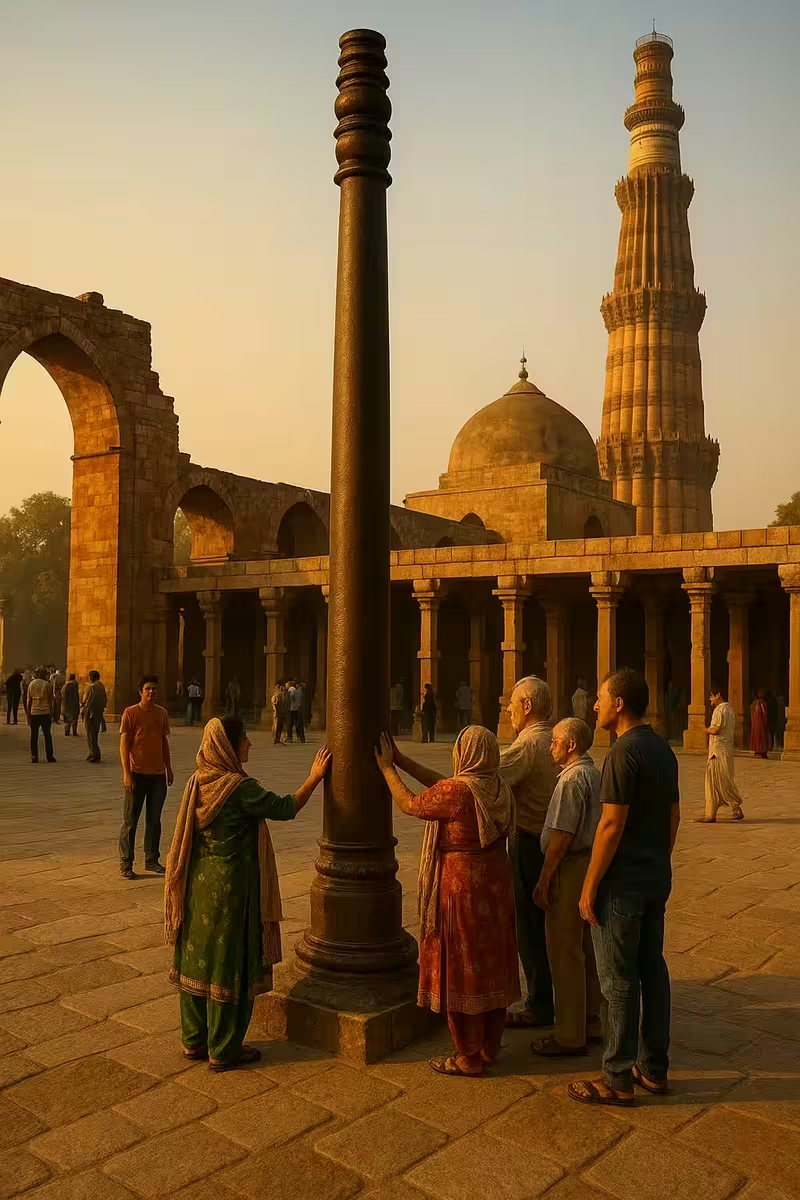
उपकरण कल और एक दिन पहले की तरह ही पढ़ता है, और पिछली डेढ़ सदी से हर दिन वैज्ञानिकों ने इस पहेली का परीक्षण किया है। कोई जंग नहीं। एक परत नहीं, एक धब्बा नहीं, यहाँ तक कि लाल-भूरे रंग के क्षय का एक संकेत भी नहीं जो निरंतर भूख के साथ सामान्य लोहे को खा जाता है। धातु की सतह, पॉलिश किए गए पत्थर के रूप में गहरी और चिकनी, दिल्ली के कुतुब परिसर के आंगन में सुबह के सूरज को दर्शाती है। पर्यटक भाग्य के लिए इसके खिलाफ अपनी पीठ दबाते हैं, एक ऐसी परंपरा जिसकी उत्पत्ति समय के साथ खो जाती है। वैज्ञानिक जवाब के लिए इसके खिलाफ अपने उपकरणों को दबाते हैं, एक ऐसी खोजिसने 19वीं शताब्दी में अंग्रेजों द्वारा पहली बार व्यवस्थित अध्ययन शुरू करने के बाद से धातु विज्ञानियों को निराश किया है।
यह दिल्ली का लोहे का स्तंभ है-7,21 मीटर असंभव, 41 सेंटीमीटर व्यास, जिसका वजन लगभग छह टन है। यह सोलह शताब्दियों के मानसून, दिल्ली की दमघोंटू गर्मी और सर्दियों की ठंड, सौ से अधिक राजाओं के शासनकाल और साम्राज्यों के उदय और पतन के माध्यम से खड़ा रहा है। यह पहले से ही प्राचीन था जब कुतुब मीनार के पहले पत्थर इसके बगल में रखे गए थे। यह सदियों तक बना रहा जब मुगलों ने दिल्ली को अपनी राजधानी बनाया। और शक्ति, भाषा, धर्म और सभ्यता के इन सभी परिवर्तनों के माध्यम से, इसने जंग लगाने से इनकार कर दिया है।
स्तंभ अपने रहस्यों को स्पष्ट दृष्टि में रखता है, अपनी बहुत ही आणविक संरचना में उन्नत धातुकर्म ज्ञान को छुपाता है-यह ज्ञान कि सोलह सौ साल पहले इसे बनाने वाले स्मिथों के पास था लेकिन कभी नहीं लिखा गया था, ऐसी तकनीकें जो निश्चित रूप से खो गई थीं जैसे कि स्तंभ खुद को नष्ट करने से इनकार करता है। आधुनिक उपकरणों के बिना, बिजली के बिना, रसायन विज्ञान के सैद्धांतिक ढांचे के बिना काम करने वाले प्राचीन भारतीय धातु कारीगरों ने कैसे आधुनिक विज्ञान को दोहराने के लिए संघर्ष किया? इसका उत्तर धातु में ही बंद है, तत्वों के सावधानीपूर्वक अनुपात में, जाली बनाने की विधि में, एक ऐसे युग के ज्ञान में जिसे हमने बहुत जल्दबाजी में आदिम के रूप में खारिज कर दिया है।
इससे पहले की दुनिया
वर्ष 400 ईस्वी में भारत शास्त्रीय सभ्यता के चरम पर था। गुप्त साम्राज्य, जो चौथी शताब्दी में प्रभुत्व में आ गया था, ने उस समय की अध्यक्षता की जिसे इतिहासकार बाद में भारत का स्वर्ण युग कहते हैं-अभूतपूर्व समृद्धि, कलात्मक उपलब्धि और वैज्ञानिक प्रगति की अवधि। जबकि पश्चिमी रोमन साम्राज्य बर्बर आक्रमणों और आंतरिक्षय से ग्रस्त होकर पतन की ओर बढ़ रहा था, भारतीय उपमहाद्वीप गुप्त प्रशासन के तहत फला-फूला।
यह वह युग था जब शून्य की अवधारणा को गणितीय संकेतन में क्रिस्टलीकृत किया गया था, जब दशमलव प्रणाली ने अपना आधुनिक रूप ले लिया था, जब संस्कृत साहित्य ने स्थायी प्रतिभा के कार्यों का निर्माण किया था। नालंदा और तक्षशिला के विश्वविद्यालयों ने पूरे एशिया से विद्वानों को आकर्षित किया। खगोलविदों ने उल्लेखनीय सटीकता के साथ खगोलीय पिंडों की गतिविधियों की गणना की। गणितविदों ने उन समस्याओं पर काम किया जो एक हजार वर्षों तक यूरोप में फिर से नहीं खोजी गईं। गुप्त दरबार ने कला और विज्ञान के पुनर्जागरण का समर्थन किया जो चिकित्सा से लेकर धातु विज्ञान, मूर्तिकला से लेकर राज्य कला तक जीवन के हर पहलू को छूता था।
साम्राज्य की समृद्धि बौद्धिक उपलब्धि से अधिक पर टिकी हुई थी। गुप्त काल ने व्यावहारिक प्रौद्योगिकी में उल्लेखनीय प्रगति देखी-परिष्कृत सिंचाई प्रणालियों के माध्यम से कृषि का विकास हुआ, रोम से चीन तक फैले व्यापार नेटवर्क और शहरी केंद्र वाणिज्य और शिल्प उत्पादन के केंद्रों के रूप में फले-फूले। इस समय तक भारत में लोहे का काम एक सहस्राब्दी से अधिक समय से किया जा रहा था, जो वैदिकाल की प्रारंभिक खिलने वाली भट्टियों से परिष्कृत संचालन में विकसित हुआ था, जो मात्रा में उच्च गुणवत्ता वाले इस्पात का उत्पादन करने में सक्षम था जो न केवल घरेलू जरूरतों की आपूर्ति करता था, बल्कि पूरे हिंद महासागर में निर्यात बाजारों की आपूर्ति करता था।
भारतीय लोहा पहले से ही एक दुर्जेय प्रतिष्ठा अर्जित कर चुका था। यूनानी और रोमन स्रोतों ने भारतीय इस्पात का उल्लेख किया-जिसे वे "सेरीक आयरन" या "वूट्ज़" कहते थे-दुनिया में सबसे अच्छे में से एक के रूप में। अरब व्यापारी बाद में पूरे मध्य पूर्व में भारतीय ब्लेड ले जाते थे, जहाँ उन्हें उनकी बेहतर कठोरता और गहरी बढ़त बनाए रखने की क्षमता के लिए पहचाना जाता था। भारत से आयातित क्रूसिबल स्टील से बनाए गए प्रसिद्ध दमिश्क ब्लेड अपनी गुणवत्ता के लिए प्रसिद्ध बन जाएंगे। यह प्राकृतिक संसाधनों की कोई दुर्घटना नहीं थी; उपमहाद्वीप के लोहारों ने अयस्क प्रसंस्करण, कार्बन नियंत्रण और गर्मी उपचार की तकनीकें विकसित की थीं जो प्राचीन दुनिया में धातु विज्ञान की अत्याधुनिक तकनीकों का प्रतिनिधित्व करती थीं।
फिर भी उपलब्धि की इस पृष्ठभूमि के खिलाफ, लोहे के स्तंभ का निर्माण कुछ असाधारण का प्रतिनिधित्व करेगा-न कि एक हथियार या एक उपकरण, बल्कि वास्तुकला इंजीनियरिंग और कलात्मक अभिव्यक्ति का एक स्मारकीय काम। एक विशालोहे की संरचना का निर्माण, संरचना में एक समान और स्लैग समावेशन से मुक्त जो आम तौर पर बड़ी लोहे की वस्तुओं को कमजोर करता है, धातु कार्य प्रक्रिया के हर पहलू में महारत की आवश्यकता होती है। अयस्क चयन से लेकर अंतिम फोर्जिंग तक, हर कदम में पीढ़ी दर पीढ़ी सटीकता और कौशल की आवश्यकता होती है।
जिस दुनिया में स्तंभ का जन्म हुआ था, वह तकनीकी कौशल के ऐसे प्रदर्शनों को महत्व देता था। अर्थशास्त्र जैसे ग्रंथों में व्यक्त धर्म और राजत्व की परंपराओं का पालन करते हुए हिंदू राजाओं से महान कार्यों-मंदिरों, तालाबों, स्तंभों-को करने की अपेक्षा की जाती थी जो उनकी धर्मनिष्ठा और संसाधनों पर उनकी पकड़ दोनों को प्रदर्शित करते थे। लोहे का एक स्तंभ, ऊँचा और अविनाशी, शाही शक्ति और दिव्य अनुग्रह के लिए एक उपयुक्त स्मारक के रूप में कार्य करता था। यह धातु के रूप में स्थिरता और स्थायित्व की एक भौतिक अभिव्यक्ति के रूप में खड़ा था, एक ऊर्ध्वाधर घोषणा जो पत्थर को ही पीछे छोड़ देगी।
इस तरह की वस्तु बनाने के लिए आवश्यक तकनीकें-लोहे के टुकड़ों को एक निर्बाध पूरे में फोर्ज-वेल्डिंग करना, पूरे टन धातु में लगातार संरचना बनाए रखना, एक ऐसी सतह बनाना जो सामान्य लोहे को नष्ट करने वाले ऑक्सीकरण का विरोध करेगी-ये केवल शिल्प कौशल नहीं थे, बल्कि सामग्री और प्रक्रियाओं की गहरी समझ का प्रतिनिधित्व करते थे। जिन स्मिथों ने यह काम शुरू किया, वे एक लंबी परंपरा के शिखर पर खड़े थे, जो सदियों से संघों और कार्यशालाओं के माध्यम से संचित ज्ञान से लाभान्वित हुए। उन्होंने एक ऐसी सभ्यता में काम किया जो ऐसी विशेषज्ञता को महत्व देती थी, जिसने स्मारकीय परियोजनाओं के लिए श्रम और संसाधनों को संगठित किया, और जिसने प्रशिक्षुता और अभ्यास के माध्यम से तकनीकी ज्ञान को संरक्षित किया।
खिलाड़ियों ने

इस उपलब्धि की दुनिया के शिखर पर चंद्रगुप्त द्वितीय खड़ा था, जिसे विक्रमादित्य-"शक्ति का सूर्य" कहा जाता था-वह सम्राट जिसने लोहे के स्तंभ की स्थापना की थी। समुद्रगुप्त के पुत्र, जो स्वयं एक शक्तिशाली विजेता थे, चंद्रगुप्त द्वितीय को अपने चरम पर एक साम्राज्य विरासत में मिला और उन्होंने इसका और विस्तार किया। ऐतिहासिक अभिलेख उन्हें पश्चिमी क्षत्रपों को अपने अधीन करने, गुजरात के समृद्ध बंदरगाहों को गुप्त नियंत्रण में लाने और साम्राज्य के केंद्र को सीधे अरब सागर के आकर्षक समुद्री व्यापार से जोड़ने का श्रेय देते हैं।
पाटलिपुत्र (आधुनिक पटना) में चंद्रगुप्त द्वितीय के दरबार में प्रसिद्ध "नौ रत्न"-नवरत्न-विद्वानों और कलाकारों का एक पौराणिक चक्र था जिसमें कालिदास शामिल थे, जिनकी कविताएँ बाद के सभी युगों के लिए संस्कृत साहित्य को परिभाषित करती थीं। सम्राट स्वयं सुसंस्कृत, धार्मिक रूप से सहिष्णु और राजनीतिक रूप से चतुर थे। उनका शासनकाल सबसे शक्तिशाली और समृद्ध गुप्त साम्राज्य का प्रतिनिधित्व करता था, जो बंगाल की खाड़ी से लेकर अरब सागर तक, हिमालय से लेकर नर्मदा नदी तक के क्षेत्र को नियंत्रित करता था। एक विशालोहे का स्तंभ बनाने का निर्णय शक्ति और आत्मविश्वास के इस संदर्भ से आया, एक शासक जो अपने अधिकार की ऊंचाई पर एक ऐसा कार्य शुरू कर रहा था जो भावी पीढ़ियों के लिए उसकी महानता की घोषणा करेगा।
फिर भी हमारी कहानी के सच्चे नायक ऐतिहासिक इतिहास या शाही वंशावली में नहीं पाए जाते हैं। जिन स्मिथों ने स्तंभ का निर्माण किया, उन्होंने इतिहास के लिए कोई नाम नहीं छोड़ा। वे लोहार जाति के कुशल कारीगर थे, धातु कारीगर जिनके ज्ञान को कई पीढ़ियों के अभ्यास के माध्यम से परिष्कृत किया गया था। गुप्ता इंडिया की कार्यशालाओं और गढ़ों में ऐसे लोग सम्मान और महत्व के पदों पर रहे। कृषि, युद्ध और निर्माण के लिए उनके कौशल आवश्यक थे। उनमें से सर्वश्रेष्ठ शाही संरक्षकों की सेवा करते थे, ऐसे कार्य करते थे जो उनके शिल्प की सीमाओं का परीक्षण करते थे।
स्तंभ बनाने के लिए एक कुशल शिल्पकार के निर्देशन में समन्वय में काम करने के लिए एक स्मिथ की नहीं बल्कि कई लोगों की आवश्यकता होती। यह परियोजना एक कार्यशाला की सामूहिक विशेषज्ञता, संभवतः कई कार्यशालाओं पर आधारित होगी, जिसमें प्रक्रिया के विभिन्न पहलुओं के लिए जिम्मेदार विशेषज्ञ होंगे। कुछ लोगों ने लौह अयस्के गलाने की देखरेख की होगी, जिससे धातु में उचित कमी सुनिश्चित हुई होगी। अन्य लोगों ने जाली बनाने, बार-बार गर्म करने और हथौड़े मारने का प्रबंधन किया होगा जो धातु और वेल्डेड टुकड़ों को एक साथ आकार देते थे। फिर भी अन्य लोगों ने अंतिम आकार और परिष्करण को संभाला होगा, सावधानीपूर्वक काम जिसने स्तंभ को इसका अंतिम रूप दिया।
इन लोगों ने लिखित सूत्रों या रसायन विज्ञान की सैद्धांतिक समझ के बिना काम किया। उनका ज्ञान अनुभवजन्य था, जो अवलोकन और अनुभव पर आधारित था। वे जानते थे कि कुछ अयस्क बेहतर लोहे का उत्पादन करते हैं, कि विशिष्ट तापमान और तकनीकों से वांछित परिणामिलते हैं, कि विशेष उपचार धातु को कठिन या अधिक व्यावहारिक बनाते हैं। इस ज्ञान को प्रदर्शन और अभ्यास के माध्यम से संरक्षित किया गया था, जिसे फोर्ज की गर्मी और शोर में मास्टर से प्रशिक्षु तक पारित किया गया था। वे जो जानते थे उनमें से अधिकांश को कभी नहीं लिखा गया था क्योंकि यह हाथ और आंख का ज्ञान था, वर्षों के अभ्यास के माध्यम से विकसित निर्णय का ज्ञान था, गर्म धातु के रंग में सूक्ष्म संकेतों का ज्ञान था या वर्कपीस पर हथौड़े की आवाज़ थी।
मूल फोर्जिंग का सटीक स्थान अनिश्चित है। ऐतिहासिक परंपरा और स्तंभ के शिलालेख से पता चलता है कि यह साम्राज्य के पूर्वी भाग में, संभवतः राजधानी पाटलिपुत्र के पास या लोहे के उत्पादन के किसी अन्य प्रमुख केंद्र में बनाया गया था। पूरा किए गए स्तंभ को अपने स्थापना स्थल तक परिवहन की आवश्यकता होती-अपने आप में इसके वजन और लंबाई को देखते हुए एक बड़ा उपक्रम। इस तरह की वस्तु को गुप्त भारत की दूरियों के पार ले जाने का रसद, श्रम और आवश्यक संसाधनों का संगठन, साम्राज्य की प्रशासनिक्षमताओं को उतना ही बताता है जितना कि इसके कारीगरों की तकनीकी क्षमताओं को।
इस उद्यम का समर्थन गुप्त राज्य शक्ति का पूरा तंत्र था-ऐसी परियोजनाओं को वित्त पोषित करने वाली राजस्व प्रणाली, श्रम और सामग्रियों को व्यवस्थित करने वाला प्रशासनिक पदानुक्रम, धार्मिक और सांस्कृतिक संदर्भ जिसने ऐसे स्मारकों को सार्थक बनाया। यह स्तंभ शाही महत्वाकांक्षा, धार्मिक भक्ति, तकनीकी विशेषज्ञता और संगठित राज्य शक्ति के प्रतिच्छेदन से उभरा। इसके लिए अपने चरम पर एक ऐसी सभ्यता की आवश्यकता थी, जो विशाल उपक्रमों के लिए संसाधनों और ज्ञान का उपयोग करने में सक्षम हो।
बढ़ता तनाव
गुप्ता स्मिथों के सामने चुनौती बड़े पैमाने पर अभूतपूर्व थी। हालांकि लोहे का स्तंभारत में बनाई गई पहली बड़ी लोहे की वस्तु नहीं थी-निर्माण में लोहे की किरणों का उपयोग किया गया था, और पर्याप्त लोहे के उपकरण आम थे-एक स्मारकीय स्तंभ द्वारा मांग किए गए आकार, एकरूपता और कलात्मक परिष्करण के संयोजन ने समकालीन प्रौद्योगिकी के साथ जो हासिल किया जा सकता था, उसकी सीमाओं को आगे बढ़ाया।
पहली समस्या केवल मात्रा की थी। इस स्तंभ का वजन लगभग छह टन है। इतने काम करने योग्य लोहे को बनाने के लिए भारी मात्रा में अयस्को संसाधित करने की आवश्यकता होती है। प्राचीन खिलने वाली भट्टियाँ, उस समय की तकनीक, अपेक्षाकृत कम मात्रा में लोहे का उत्पादन करती थीं-आमतौर पर फूलों का वजन कुछ किलोग्राम से लेकर शायद कुछ दर्जन किलोग्राम तक होता था। प्रत्येक फूल को स्लैग समावेशन को हटाने और सुसंगत गुणवत्ता के लोहे का निर्माण करने के लिए बार-बार गर्म और फोर्जिंग के माध्यम से समेकित, परिष्कृत और आकार दिया जाना था। खंभे के लिए पर्याप्त परिष्कृत लोहे को जमा करने के लिए एक विस्तारित अवधि में कई भट्टियों के उत्पादन की आवश्यकता होती।
दूसरी चुनौती रचना थी। स्तंभ की धातु के विश्लेषण से पता चला है कि यह बहुत कम सल्फर सामग्री और उच्च फास्फोरस सामग्री के साथ उल्लेखनीय रूप से शुद्ध लोहे से बना है-ऐसी विशेषताएं जो इसके जंग प्रतिरोध में योगदान करती हैं। धातु के इतने बड़े द्रव्यमान में इस संरचना को प्राप्त करने के लिए अयस्क स्रोतों के सावधानीपूर्वक चयन और प्रसंस्करण में स्थिरता की आवश्यकता होती है। स्मिथ केवल विभिन्न स्रोतों से लोहे का मिश्रण नहीं कर सकते थे; संरचना में भिन्नता कमजोरियाँ पैदा करेगी और धातु के अंतिम गुणों को प्रभावित कर सकती है। अयस्क चयन के बारे में किसी को इस अनुभवजन्य समझ के साथ निर्णय लेना पड़ता था कि प्रसंस्करण में विभिन्न स्रोत कैसे व्यवहार करेंगे और परिणामी लोहे में क्या गुण होंगे।
तीसरी और शायद सबसे अधिक मांग वाली तकनीकी समस्या जाली-वेल्डिंग थी। खंभे का निर्माण लोहे के कई छोटे टुकड़ों से किया जाना था, जो एक निर्बाध संपूर्ण बनाने के लिए एक साथ जुड़े हुए थे। फोर्ज-वेल्डिंग के लिए नियंत्रित वातावरण में लोहे को उसके पिघलने के बिंदु के पास गर्म करने की आवश्यकता होती है, फिर टुकड़ों को एक साथ हथौड़ा मारना ताकि वे आणविक स्तर पर संलयन कर सकें। ठीक से किया गया, वेल्ड मूल धातु की तरह मजबूत है। खराब तरीके से किया गया, जोड़ कमजोर रहता है और विफलता के लिए असुरक्षित रहता है। 71 मीटर लंबा एक स्तंभ बनाने के लिए कई ऐसे वेल्ड की आवश्यकता होती है, जिनमें से प्रत्येको सटीकता के साथ निष्पादित किया जाता है, जिससे संरचना का टुकड़ों-टुकड़ों में निर्माण होता है।
यह प्रक्रिया व्यवस्थित और समय लेने वाली होगी। लोहे के काम करने वाले हिस्सों को सावधानीपूर्वक बनाई गई भट्टियों में गर्म किया जाता था, महत्वपूर्ण वेल्डिंग तापमान पर लाया जाता था-धातु के फ्यूज होने के लिए पर्याप्त गर्म लेकिन इतना गर्म नहीं कि यह अत्यधिक जलता या ऑक्सीकृत हो जाता था-फिर जल्दी से एक एन्विल में स्थानांतरित कर दिया जाता था जहां स्मिथ के दल इसे बढ़ते स्तंभ संरचना के साथ हथौड़ा मारते थे। समन्वय की आवश्यकता बहुत अधिक थी। समय महत्वपूर्ण था; धातु को सही तापमान पर काम करना पड़ता था, जिसके लिए भट्टी संचालन और जाली के काम के सटीक ऑर्केस्ट्रेशन की आवश्यकता होती थी। बहुत धीमा, और धातु वेल्डिंग तापमान से नीचे ठंडा हो गया। बहुत जल्दबाजी में, और काम अव्यवस्थित हो सकता है, जिससे जोड़ कमजोर हो जाते हैं।
द फोर्ज रिदम
खंभे के निर्माण के दौरान गुप्त जाली में दृश्य की कल्पना करें। कार्यस्थल बड़ा होता, जो लोहे के बड़े टुकड़ों को गर्म करने में सक्षम एक या अधिक बड़ी भट्टियों के आसपास व्यवस्थित होता। श्रमिकों की टीमों ने आग को बनाए रखा, सावधानीपूर्वक तैयार लकड़ी का कोयला खिलाया और धौंकनी के माध्यम से हवा के प्रवाह का प्रबंधन किया। धुएँ और गर्मी के साथ वातावरण घना होता, भट्टियों के ऊपर हवा चमकती थी। आवाज जबरदस्त होती-धौंकनी की भीड़, आग की गर्जना, गर्म लोहे पर हथौड़ों की लयबद्ध क्लैंग।
मास्टर स्मिथ ने संचालन का निर्देशन किया, उनकी अनुभवी आंख गर्म धातु के रंग को पढ़ती थी, यह देखते हुए कि यह वेल्डिंग के लिए महत्वपूर्ण तापमान तक कब पहुंचा। उनके संकेत पर, कर्मचारी लंबे चिमटे का उपयोग करके भट्टी से एक गर्म खंड निकालेते थे। कोरियोग्राफ की गई गति में, इसे बढ़ते हुए स्तंभ के खिलाफ रखा जाएगा, और तुरंत हथौड़े अपना काम शुरू कर देंगे। समन्वय में काम करने वाले कई स्मिथ, उनके हथौड़े लय में गिरते हैं, जोड़ को पाउंड करते हैं, जिससे गर्म धातुओं को फ्यूज करने के लिए मजबूर किया जाता है। हथौड़ी के प्रत्येक प्रहार को गिनना पड़ता था; प्रभावी वेल्डिंग के लिए धातु के बहुत अधिक ठंडा होने से पहले कार्य समय को क्षणों में मापा जाता था।
यह प्रक्रिया सैकड़ों, शायद हजारों बार दोहराई गई। स्तंभ क्रमिक रूप से बढ़ता गया, प्रत्येक वेल्डिंग सत्र इसकी ऊंचाई और द्रव्यमान को बढ़ाता गया। जैसे-जैसे संरचना लंबी होती गई, नई-नई चुनौतियों का सामना करना पड़ा। ऊपरी खंडों पर काम करने के लिए श्रमिकों को तैनात करने और ऊंचाई पर गर्म धातु को संभालने के लिए मचान या प्लेटफार्मों की आवश्यकता होती है। स्तंभ के आधार को बिना विकृत किए बढ़ते वजन का समर्थन करना पड़ता था। कार्य के प्रत्येक चरण में सतर्कता और कौशल की आवश्यकता होती थी।
सूत्र का रहस्य
इस प्रक्रिया में स्तंभ के क्षरण प्रतिरोध का रहस्य छिपा हुआ था, हालांकि यह संभावना नहीं है कि स्मिथ इसे आधुनिक शब्दों में समझते थे। लोहे की फास्फोरस सामग्री-प्राचीन लोहे के लिए विशिष्ट से अधिक लेकिन सावधानीपूर्वक नियंत्रित-नमी की उपस्थिति में सतह पर एक सुरक्षात्मक निष्क्रिय परत बनाती है। यह परत, जो मुख्य रूप से लोहा, ऑक्सीजन और हाइड्रोजन यौगिकों से बनी है, एक बाधा बनाती है जो आगे जंग को रोकती है। कम सल्फर सामग्री आयरन सल्फाइड समावेशन के गठन को रोकती है जो कमजोर बिंदु बनाती है जहां जंग शुरू हो सकती है। लोहे की अपेक्षाकृत शुद्ध संरचना, कुछ स्लैग समावेशन के साथ, गैल्वेनिकोशिकाओं के बिना एक समान सतह बनाती है जो विभिन्न धातुओं या अशुद्धियों के संपर्क में होने पर जंग को बढ़ावा देती है।
लेकिन ये आधुनिक व्याख्याएँ हैं, जो रसायन विज्ञान और सामग्री विज्ञान की भाषा में व्यक्त की गई हैं। गुप्त विद्वान केवल यह जानते थे कि कुछ अयस्क और तकनीकें लोहे का उत्पादन करती हैं जो दूसरों की तुलना में जंग का बेहतर प्रतिरोध करती हैं। उन्होंने अनुभवजन्य अवलोकन की पीढ़ियों के माध्यम से इस ज्ञान को जमा किया था, यह देखते हुए कि सामग्री और विधियों के संयोजन से वांछित परिणाम प्राप्त हुए थे। यह कार्यशाला का ज्ञान था-व्यावहारिक, विशिष्ट और विनाशकारी रूप से प्रभावी, भले ही सैद्धांतिक नींव अज्ञात रहे।
द टर्निंग प्वाइंट
स्तंभ का पूरा होना समन्वय और कौशल की जीत थी, लेकिन काम पूरा नहीं हुआ था। पूरा किए गए लोहे के स्तंभ को इसकी स्थापना स्थल पर ले जाया गया और खड़ा किया गया-इंजीनियरिंग की एक उपलब्धि जिसने अपनी दुर्जेय चुनौतियों को प्रस्तुत किया। छह टन वजन वाली और सात मीटर से अधिक लंबाई वाली वस्तु को किसी भी महत्वपूर्ण दूरी पर ले जाने के लिए पर्याप्त बुनियादी ढांचे और श्रम की आवश्यकता होती है।
ऐतिहासिक साक्ष्य बताते हैं कि मेहरौली में अपने वर्तमान स्थान पर स्थानांतरित होने से पहले स्तंभ को मूल रूप से कहीं और स्थापित किया गया था। स्तंभ पर गुप्त लिपि में एक संस्कृत शिलालेख है जो इसकी उत्पत्ति और उद्देश्य के बारे में महत्वपूर्ण जानकारी प्रदान करता है, हालांकि शिलालेख के विवरण विद्वानों द्वारा अलग-अलग व्याख्याओं के अधीन रहे हैं। मेहरौली तक स्तंभ की आवाजाही संभवतः गुप्त साम्राज्य के पतन के कुछ समय बाद हुई, संभवतः दिल्ली सल्तनत की अवधि के दौरान जब मुस्लिम शासक इस क्षेत्र पर अपना अधिकार स्थापित कर रहे थे और मौजूदा स्मारकों को नए वास्तुशिल्प परिसरों में शामिल कर रहे थे।
स्तंभ के निर्माण के लिए पर्याप्तैयारी की आवश्यकता होगी। खंभे के वजन और ऊंचाई को बनाए रखने के लिए एक नींव के गड्ढे को पर्याप्त गहराई तक खोदना पड़ा। स्तंभ के आधार को सटीक रूप से ऊर्ध्वाधर स्थिति में रखा जाना था-वास्तविक ऊर्ध्वाधर से कोई भी महत्वपूर्ण विचलन स्थिरता से समझौता करेगा। प्राचीन भारत में इस तरह की भारी ऊर्ध्वाधर संरचनाओं को ऊपर उठाने के तरीकों में आम तौर पर रैंप और लीवर सिस्टम शामिल थे, धीरे-धीरे क्षैतिज स्तंभ को ऊपर की ओर झुकाते हुए अपने आधार को तैयार नींव गड्ढे में खिसकाते हुए, फिर इसे ऊर्ध्वाधर स्थिति में लाने के लिए रस्सियों और मानव शक्ति का उपयोग करते हुए।
इस ऑपरेशन की तकनीकी चुनौतियों को कम करके नहीं आंका जाना चाहिए। एक सात मीटर का लोहे का स्तंभ, जिसका वजन छह टन है, एक पर्याप्त भार का प्रतिनिधित्व करता है जिसे उठाने की प्रक्रिया के दौरानियंत्रित किया जाना चाहिए। नियंत्रण खोने के परिणामस्वरूप स्तंभ गिर सकता है, संभावित रूप से टूट सकता है और निश्चित रूप से श्रमिकों को खतरे में डाल सकता है। ऑपरेशन के लिए महत्वपूर्ण श्रम की आवश्यकता होती-कम से कम दर्जनों श्रमिकों, संभवतः सैकड़ों-अपने प्रयासों में समन्वित। इसे मचान और यांत्रिक लाभ के लिए रस्सियों और लकड़ी की आवश्यकता होती, जो बलों को सुरक्षित रूप से वितरित करने के लिए सावधानीपूर्वक तैनात होते। और इसके लिए किसी ऐसे व्यक्ति से नेतृत्व की आवश्यकता होगी जो कार्य की यांत्रिकी को समझता हो और मानव प्रयास की जटिल नृत्य रचना को निर्देशित कर सकता हो।
स्थायी स्मारक
जब स्तंभ अंततः ऊर्ध्वाधर खड़ा हुआ, अपनी नींव में बंद हो गया, तो यह एक तकनीकी उपलब्धि से अधिका प्रतिनिधित्व करता था। यह एक कथन था-उस सभ्यता की शक्ति और परिष्कार के लोहे में एक घोषणा जिसने इसे बनाया था। स्तंभ की सतह पर सजावटी तत्व और महत्वपूर्ण संस्कृत शिलालेख हैं, जिनका विवरण कुशल कारीगरों द्वारा सावधानीपूर्वक निष्पादित किया गया होगा। स्तंभ की राजधानी, हालांकि सदियों से क्षतिग्रस्त हुई है, मूल रूप से मूर्तिकला तत्वों को धारण करती है जो इसके दृश्य प्रभाव को बढ़ाती है।
इस स्मारक का सामना करने वाले गुप्त साम्राज्य के मूल दर्शकों के लिए यह विस्मयकारी रहा होगा। लोहा मूल्यवान था, जिसका उत्पादन मात्रा में करना मुश्किल था। इतने बड़े अनुपात का एक स्तंभ संसाधनों और श्रम के एक अद्भुत निवेश का प्रतिनिधित्व करता है। यह तथ्य कि यह पत्थर के बजाय लोहा था, इसके रचनाकारों के तकनीकी कौशल पर जोर देता है। पत्थर के स्तंभ, भले ही प्रभावशाली हों, सदियों पुरानी परंपरा का हिस्सा थे। लेकिन इस पैमाने का एक लौह स्तंभ अभूतपूर्व था, क्षमताओं का एक प्रदर्शन जो मौजूदा सीमाओं से परे चला गया।
स्तंभ पर शिलालेख एक राजा की जीत और गुणों की यादिलाता है, जो उन्हें पारंपरिक हिंदू प्रतीकवाद के साथ पहचानता है और लौकिक उपलब्धियों और लौकिक व्यवस्था दोनों के माध्यम से उनके शासन को वैध बनाता है। स्तंभ एक ऊर्ध्वाधर पाठ के रूप में कार्य करता था, धातु में नक्काशीदार एक स्थायी रिकॉर्ड जो सदियों तक बना रहेगा। यह कि इस अभिलेख का माध्यम जंग प्रतिरोधी लोहा था, भविष्यसूचक साबित हुआ-जबकि पत्थर के शिलालेख मौसम और क्षरण करते हैं, जबकि ताड़ के पत्ते की पांडुलिपियाँ उखड़ती और जलती हैं, लोहे के स्तंभ का संदेश सोलह शताब्दियों में काफी हद तक बरकरार रहा है।
इसके बाद

भारतीय इतिहास की बाद की शताब्दियों के दौरान स्तंभ का अस्तित्व धीरज के इतिहास की तरह पढ़ता है। यह 6 वीं शताब्दी में गुप्त साम्राज्य के पतन और पतन के दौरान खड़ा रहा, क्योंकि उत्तरी भारत में राजनीतिक विभाजन वापस आ गया था। इसने क्षेत्रीय राज्यों के उदय, हूणों के आक्रमणों, नए राजवंशों के उदय को देखा। इन सभी परिवर्तनों के दौरान, स्तंभ बना रहा-सत्ता के पारित होने और राज्यों के बदलते भाग्य का एक मूक गवाह।
जब इस्लामी सेनाओं ने 12वीं शताब्दी के अंत और 13वीं शताब्दी की शुरुआत में उत्तरी भारत पर विजय प्राप्त की, दिल्ली सल्तनत की स्थापना की, तो उन्हें महरौली में स्तंभ मिला। इसे नष्ट करने के बजाय-जैसा कि विजय की इस अवधि के दौरान कई हिंदू स्मारकों के साथ हुआ-नए शासकों ने इसे अपनी वास्तुकला परियोजनाओं में शामिल किया। कुतुब मीनार, जो 1199 में शुरू हुआ था, प्राचीन स्तंभ के बगल में खड़ा था। इसके चारों ओर कुव्वत-उल-इस्लाम की मस्जिद बनाई गई थी। यह स्तंभ दिल्ली के नए इस्लामी पवित्र परिदृश्य का हिस्सा बन गया, इसके मूल अर्थ की पुनः व्याख्या की गई या भुला दिया गया, लेकिन इसकी भौतिक उपस्थिति संरक्षित रही।
यह संरक्षण पूरी तरह से आकस्मिक नहीं था। लोहा मूल्यवान था, और इस तरह के आकार का एक स्तंभ काफी मात्रा में धातु का प्रतिनिधित्व करता था। यह कि इसे पुनः उपयोग के लिए पिघलाया नहीं गया था, यह बताता है कि इसका मूल्य केवल इसकी सामग्री से अधिक था। शायद इसे इतनी प्राचीनता और प्रभावशीलता के स्मारक के रूप में मान्यता दी गई थी कि विभिन्न सांस्कृतिक और धार्मिक पृष्ठभूमि के शासकों ने भी इसके महत्व की सराहना की। शायद व्यावहारिक विचारों-इतनी बड़ी वस्तु को हटाने और पिघलाने में कठिनाई-ने एक भूमिका निभाई। या शायद नए शासकों की सेवा करने वाले कारीगर समुदायों के बीच यह मान्यता थी कि यह स्तंभ सम्मान और संरक्षण के योग्य एक तकनीकी उपलब्धि का प्रतिनिधित्व करता है।
दिल्ली सल्तनत की सदियों के दौरान, मुगल साम्राज्य के उदय और विकास के माध्यम से, दिल्ली के इतिहास को चिह्नित करने वाले विभिन्न राजनीतिक उथल-पुथल के माध्यम से, स्तंभ खड़ा रहा। सम्राट और सुल्तान आए और गए। भाषाएँ बदल गईं-संस्कृत ने फारसी को दरबार और प्रशासन की भाषा के रूप में रास्ता दिया, बाद में उर्दू और अंततः अंग्रेजी द्वारा पूरक किया गया। धर्म बदल गए क्योंकि इस्लाम शासकों और आबादी के महत्वपूर्ण हिस्से का धर्म बन गया। वास्तुकला शैलियों में बदलाव आया क्योंकि गुंबदों और मीनारों ने पहले के युग की मंदिर वास्तुकला को बदल दिया। लेकिन स्तंभ अपने अस्तित्व के कारण तेजी से प्राचीन, तेजी से उल्लेखनीय बना रहा।
औपनिवेशिक खोज
जब 19वीं शताब्दी में ब्रिटिश विद्वानों ने भारत की पुरातात्विक विरासत का व्यवस्थित अध्ययन शुरू किया, तो लोहे के स्तंभ ने तत्काल ध्यान आकर्षित किया। यहाँ एक कलाकृति थी जिसने प्राचीन गैर-यूरोपीय सभ्यताओं की क्षमताओं के बारे में प्रचलित यूरोपीय धारणाओं को चुनौती दी थी। यह विचार कि सोलह शताब्दियों पहले भारतीय धातु कारीगर एक विशालोहे की संरचना का निर्माण कर सकते थे, जो जंग का विरोध करता था, पर्यवेक्षकों के लिए लगभग अविश्वसनीय लग रहा था, जिनकी धातु विज्ञान की अपनी समझ अपेक्षाकृत हाल की औद्योगिक्रांति द्वारा तैयार की गई थी।
प्रारंभिक ब्रिटिश टिप्पणीकारों ने उलझन और प्रशंसा व्यक्त की। यह कैसे किया गया? किन तकनीकों का उपयोग किया गया? खंभे पर आम लोहे की तरह जंग क्यों नहीं लगी थी? विभिन्न सिद्धांत प्रस्तावित किए गए, जिनमें से कुछ काल्पनिक थे, अन्य पर अधिक सावधानीपूर्वक विचार किया गया। स्तंभ वैज्ञानिक जांच का केंद्र बन गया, शोधकर्ताओं ने धातु के नमूनों का विश्लेषण किया, आयामों को मापा, शिलालेख का अध्ययन किया और इसके निर्माण के तरीकों को फिर से बनाने का प्रयास किया।
इन जांचों से स्तंभ की संरचना और संरचना के बारे में महत्वपूर्ण जानकारी मिली, लेकिन पूरी समझ मायावी बनी रही। स्तंभ को इसका उल्लेखनीय क्षरण प्रतिरोध देने वाले कारकों के संयोजन-फास्फोरस की मात्रा, लोहे की शुद्धता, सल्फर की अनुपस्थिति, संरचना की एकरूपता, सतह पर बनने वाली सुरक्षात्मक निष्क्रिय परत-को पूरी तरह से चिह्नित करने में दशकों का शोध लगा। आज भी, आधुनिक सामग्री विज्ञान के सभी उपकरणों के साथ, स्तंभ के निर्माण में उपयोग की जाने वाली सटीक तकनीकों के बारे में कुछ सवाल बने हुए हैं।
विरासत

लौह स्तंभ आज कुतुब परिसर में खड़ा है, जो यूनेस्को की विश्व धरोहर स्थल है, जहाँ सालाना हजारों पर्यटक आते हैं। यह दिल्ली के सबसे विशिष्ट स्मारकों में से एक है, जो अपनी उम्र और असंभव प्रतीत होने वाले संरक्षण दोनों के लिए उल्लेखनीय है। आधुनिक आगंतुक, सोलह शताब्दियों में अपने समकक्षों की तरह, इसे छूने, इसकी तस्वीर लेने, इसके अस्तित्व पर आश्चर्यचकित होने के लिए आकर्षित होते हैं। स्तंभ के खिलाफ अपनी पीठ दबाने और इसे अपनी बाहों से घेरने की कोशिश करने की परंपरा-एक बार यह माना जाता था कि यह सौभाग्य लाता है या इच्छाओं को पूरा करता है-जारी है, हालांकि संरक्षणवादी इतने अधिक मानव संपर्के संचयी प्रभावों के बारे में तेजी से चिंता करते हैं।
विज्ञान और प्रौद्योगिकी के इतिहासकारों के लिए, यह स्तंभ प्राचीन भारतीय धातुकर्म क्षमताओं के अमूल्य प्रमाण का प्रतिनिधित्व करता है। यह दर्शाता है कि 5वीं शताब्दी ईस्वी तक भारत में परिष्कृत लोहे से काम करने की तकनीकें मौजूद थीं, जो धातु विज्ञान में भारतीय विशेषज्ञता के साहित्यिक और पुरातात्विक साक्ष्य की पुष्टि करती हैं। स्तंभौतिक प्रमाण के रूप में खड़ा है कि उन्नत व्यावहारिक ज्ञान मौजूद हो सकता है और आधुनिक सैद्धांतिक ढांचे के बिना प्रभावी ढंग से लागू किया जा सकता है-कि अनुभवजन्य अवलोकन और संचित शिल्प ज्ञान ऐसे परिणाम प्राप्त कर सकते हैं जो अभी भी प्रभावित और उलझन में हैं।
इस स्तंभ ने जंग प्रतिरोधी सामग्रियों में आधुनिक अनुसंधान को प्रेरित किया है। स्तंभ को संरक्षित करने वाले तंत्र का अध्ययन करने वाले वैज्ञानिकों ने समकालीन सामग्री विज्ञान के लिए लागू अंतर्दृष्टि प्राप्त की है। यह समझ कि फॉस्फोरस से भरपूर लोहा सुरक्षात्मक निष्क्रिय परतें बनाता है, ने जंग की रोकथाम के दृष्टिकोण को प्रभावित किया है। जबकि आधुनिक तकनीक ने लोहे और इस्पात की सुरक्षा के लिए विभिन्न तरीके विकसित किए हैं-गैल्वनीकरण, विशेष मिश्र धातु, सुरक्षात्मक कोटिंग्स-स्तंभ में सन्निहित प्राचीन दृष्टिकोण अपनी सादगी और प्रभावशीलता में सुरुचिपूर्ण बना हुआ है।
भारत के लिए, यह स्तंभ विज्ञान और प्रौद्योगिकी में ऐतिहासिक उपलब्धि के एक शक्तिशाली प्रतीके रूप में कार्य करता है। औपनिवेशिक ाल के बाद के संदर्भ में, जहां यूरोपीय तकनीकी श्रेष्ठता के आख्यान लंबे समय तक ऐतिहासिक समझ पर हावी रहे, यह स्तंभ स्वदेशी नवाचार और विशेषज्ञता के ठोस प्रमाण के रूप में खड़ा है। यह प्राचीन भारतीय वैज्ञानिक प्रगति का प्रतीक बन गया है, जो पाठ्यपुस्तकों, डाक टिकटों, संग्रहालयों और लोकप्रिय संस्कृति में एक अनुस्मारक के रूप में दिखाई देता है कि वैश्विक ज्ञान और प्रौद्योगिकी में भारत के योगदान की प्राचीन जड़ें और पर्याप्त गहराई है।
यह स्तंभ तकनीकी ज्ञान के संचरण और हानि के बारे में भी महत्वपूर्ण सवाल उठाता है। जिन स्मिथों ने इसे बनाया, उनके पास कौशल और समझ थी जिसे बाद की पीढ़ियों ने स्पष्ट रूप से पूरी तरह से संरक्षित नहीं किया। यह नुकसान भारत के लिए अद्वितीय नहीं था-पूरे मानव इतिहास में, तकनीकी ज्ञान प्राप्त और खो गया है, जो कुछ युगों और स्थानों में फला-फूला है जबकि अन्य में घट रहा है। राजनीतिक प्रणालियों का पतन या परिवर्तन, आर्थिक पैटर्न में परिवर्तन, समाज के मूल्यों और समर्थन में बदलाव-ये सभी विशेष ज्ञान के संचरण को बाधित कर सकते हैं।
यह तथ्य कि हम अपनी उन्नत सैद्धांतिक समझ के साथ भी पारंपरिक तकनीकों के साथ स्तंभ की रचना को आसानी से दोहरा नहीं सकते हैं, शिल्प ज्ञान के बारे में एक मौलिक सत्य को उजागर करता हैः इसका अधिकांश हिस्सा स्पष्ट सिद्धांत के बजाय कुशल अभ्यास में रहता है। रसायन विज्ञान और सामग्री विज्ञान के ज्ञान से लैस एक आधुनिक धातु विज्ञानी जंग प्रतिरोधी लोहे की संरचना को निर्दिष्ट कर सकता था। लेकिन 5वीं शताब्दी की तकनीका उपयोग करके उस विनिर्देश को व्यवहार में लाने के लिए-उपयुक्त अयस्कों का चयन करना, खिलने वाली भट्टियों का प्रबंधन करना, आवश्यक पैमाने पर फोर्ज वेल्ड को निष्पादित करना-उन व्यावहारिकौशल को पुनर्विकास करने की आवश्यकता होगी जो प्राचीन स्मिथों ने जीवन भर महारत हासिल करने में बिताए थे।
इतिहास क्या भूल जाता है
लौह स्तंभ की चर्चा में जो बात अक्सर खो जाती है, वह है मानवीय आयाम-उस कार्य की दैनिक वास्तविकता जिसने इसे बनाया है। ऐतिहासिक अभिलेख सम्राट के नाम और इसके निर्माण की सामान्य समय अवधि को संरक्षित करता है। लेकिन जिन लोगों ने वास्तव में इसे बनाया, वे गुमनाम रहते हैं। उनके नाम पत्थर में नक्काशीदार थे और न ही इतिहास में संरक्षित थे। उनकी कहानियाँ लुप्त हो जाती हैं। फिर भी उनके कौशल और श्रम ने एक ऐसी वस्तु का निर्माण किया जिसने साम्राज्यों को पीछे छोड़ दिया है।
कार्यशाला में युवा प्रशिक्षुओं पर विचार करें, जो अवलोकन और अभ्यास के माध्यम से अपनी कला सीखते हैं। उनके लिए, स्तंभ परियोजना पर काम करना एक रचनात्मक अनुभव रहा होगा-एक प्रमुख उपक्रम में भाग लेने, मास्टर स्मिथ से सीखने, कौशल विकसित करने का अवसर जो उनके अपने करियर को परिभाषित करेगा। परियोजना के सफलतापूर्वक पूरा होने से कार्यशाला की प्रतिष्ठा में वृद्धि होगी, जिससे भविष्य में आयोग और निरंतर समृद्धि होगी। परियोजना के दौरान सीखी गई और परिष्कृत तकनीकों को अगली पीढ़ी को दिया गया होगा, जो धातु कार्य उत्कृष्टता की निरंतर परंपरा में योगदान देती है।
काम के बोझ पर भी विचार करें। लोहे को जाली बनाना शारीरिक रूप से चुनौतीपूर्ण और खतरनाक है। भट्टियों की गर्मी, भारी हथौड़ा मारना, जलने और चोटों का खतरा, गहन एकाग्रता के लंबे घंटे-इन सभी ने श्रमिकों से एक कीमत निकाली। परियोजना के दौरान कुछ लोग घायल हो सकते हैं। इस काम को निर्देशित करने वाले मास्टर स्मिथों पर भारी जिम्मेदारी थी; विफलता का मतलब संसाधनों का नुकसान, प्रतिष्ठा का नुकसान, संभवतः संरक्षण का नुकसान होता। सफल होने का दबाव बहुत अधिक रहा होगा।
स्तंभ के शिलालेख में न तो इन श्रमिकों का उल्लेख है और न ही उनके संघर्षों का। शाही शिलालेख राजाओं और उनके कार्यों की यादिलाते हैं, न कि उन कारीगरों की जिनके कौशल ने उन कार्यों को संभव बनाया। यह पूरे इतिहास में दोहराया गया एक पैटर्न है-ऐतिहासिक रिकॉर्ड से श्रम का विलोपन, संरक्षण और कुशल निष्पादन के संयोजन के बजाय केवल शाही संरक्षकों को उपलब्धि का श्रेय देना जो वास्तव में स्मारकीय कार्यों का उत्पादन करता है। फिर भी स्तंभ स्वयं अपने निर्माताओं की उत्कृष्टता की गवाही देता है। उनके नाम भले ही भुला दिए गए हों, लेकिन उनका काम चलता रहता है।
एक अन्य विस्मृत आयाम आर्थिक संदर्भ है। स्तंभ बनाने के लिए आवश्यक संसाधन-अयस्क, भट्टियों के लिए ईंधन, श्रम, समय-एक महत्वपूर्ण आर्थिक निवेश का प्रतिनिधित्व करते थे। यह निवेश गुप्त साम्राज्य की कृषि और वाणिज्यिक अर्थव्यवस्था द्वारा उत्पन्न अधिशेष संपत्ति से आया था। यह स्तंभ पूरे साम्राज्य में किसानों, व्यापारियों, कारीगरों और श्रमिकों के उत्पादक श्रम द्वारा संभव बनाया गया था, जिनके करों और आर्थिक गतिविधियों से राजस्व उत्पन्न होता था जो शाही परियोजनाओं को वित्तपोषित करता था। इस मायने में यह स्तंभ न केवल धातु कारीगरों के कौशल का प्रतिनिधित्व करता है, बल्कि अपने चरम पर एक पूरी सभ्यता की आर्थिक जीवंतता का भी प्रतिनिधित्व करता है।
अंत में, सवाल यह है कि और क्या खो गया होगा। यदि 5वीं शताब्दी के भारतीय स्मिथ एक जंग प्रतिरोधी लोहे का स्तंभ बना सकते थे, तो उन्होंने क्या अन्य तकनीकी उपलब्धियां हासिल की होंगी? उनकी कार्यशालाओं में, उनके संघों की मौखिक परंपराओं में और क्या ज्ञान मौजूद हो सकता है, जो कभी लिखा नहीं गया और बाद में खो गया? स्तंभ इस बात के प्रमाण के रूप में जीवित है कि क्या हासिल किया गया था, लेकिन यह इस बात की यादिलाता है कि हम प्राचीन तकनीकी क्षमताओं के बारे में कितना नहीं जानते हैं। लिखित अभिलेख खण्डित है; भौतिक साक्ष्य आंशिक है। प्राचीन सभ्यताओं की अधिकांश तकनीकी विरासत गायब हो गई है, जिससे हमें व्यापक समझ के बजाय आकर्षक संकेत और अलग-अलग उदाहरण मिल गए हैं।
दिल्ली का लौह स्तंभ आज भी खड़ा है क्योंकि यह सोलह शताब्दियों से खड़ा है-धातु में एक पहेली, खोई हुई विशेषज्ञता का प्रमाण, मानव सरलता और कौशल की यादिलाता है। इसने उस साम्राज्य को पीछे छोड़ दिया है जिसने इसे बनाया था, जिस भाषा में इसका शिलालेख तराशा गया था, धार्मिक और सांस्कृतिक संदर्भ जिसने इसे अर्थ दिया था। आक्रमण और विजय के माध्यम से, राजवंशों के उदय और पतन के माध्यम से, उपनिवेशीकरण और स्वतंत्रता के माध्यम से, यह कायम रहा है। वैज्ञानिक इसका अध्ययन करना जारी रखते हैं, पर्यटक इसकी तस्वीरें लेना जारी रखते हैं, और यह सामान्य लोहे को निगलने वाले जंग का विरोध करना जारी रखता है। कुतुब मीनार की छाया में, अन्युगों और अन्य साम्राज्यों के अवशेषों से घिरा हुआ, यह खड़ा है-प्राचीन, अकथनीय और स्थायी-जंग प्रतिरोधी लोहे में जालीदार एक स्थायी प्रश्न चिह्न, जो हमें अपने पूर्वजों की क्षमताओं और तकनीकी उपलब्धि की प्रकृति के बारे में जो लगता है उस पर पुनर्विचार करने के लिए कहता है।