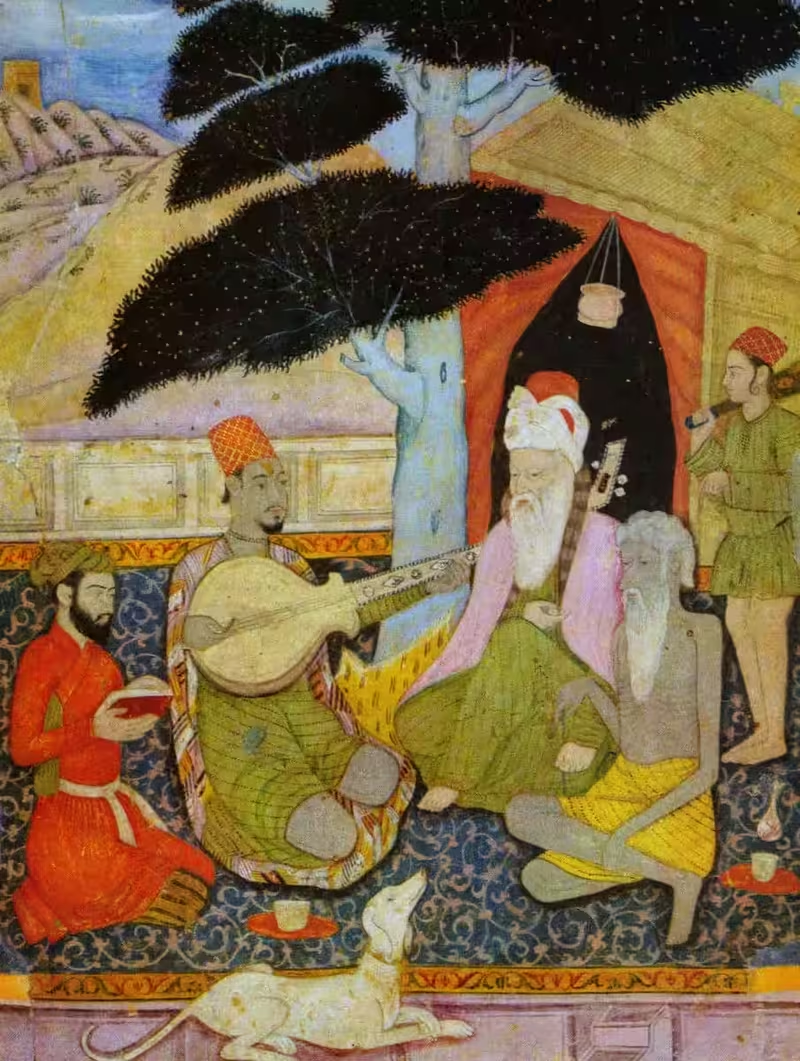
హిందూస్థానీ శాస్త్రీయ సంగీతంః ఉత్తర భారతదేశం యొక్క అద్భుతమైన కళ
హిందూస్థానీ శాస్త్రీయ సంగీతం ప్రపంచంలోని అత్యంత అధునాతన మరియు పురాతన సంగీత సంప్రదాయాలలో ఒకటిగా నిలుస్తుంది, ఇది భారత ఉపఖండంలోని ఉత్తర ప్రాంతాల కళా సంగీత వారసత్వాన్ని సూచిస్తుంది. దాని క్లిష్టమైన రాగ వ్యవస్థ, శ్రావ్యమైన మెరుగుదల మరియు లోతైన ఆధ్యాత్మిక పునాదులకు ప్రాధాన్యత ఇవ్వడం ద్వారా ప్రత్యేకించబడిన ఈ సంప్రదాయం పురాతన భారతీయ సంగీత సిద్ధాంతాలతో కొనసాగింపును కొనసాగిస్తూ ఎనిమిది శతాబ్దాలకు పైగా అభివృద్ధి చెందింది. కేవలం వినోదం కంటే, హిందూస్థానీ సంగీతం ఆధ్యాత్మిక సాక్షాత్కారానికి ఒక మార్గంగా, సంవత్సరాల తరబడి తీవ్రమైన శిక్షణ అవసరమయ్యే క్రమశిక్షణ కలిగిన కళారూపంగా మరియు ప్రపంచవ్యాప్తంగా ప్రేక్షకులను ఆకర్షిస్తూనే ఉన్న సజీవ సాంస్కృతిక వారసత్వంగా భావించబడుతుంది. దీని ప్రభావం సాంప్రదాయ కచేరీ మందిరాల నుండి సమకాలీన కలయిక ప్రయోగాల వరకు విస్తరించి ఉంది, ఇది పురాతన జ్ఞానం యొక్క భాండాగారంగా మరియు డైనమిక్, అభివృద్ధి చెందుతున్న కళారూపంగా మారుతుంది.
వ్యుత్పత్తి శాస్త్రం మరియు అర్థం
భాషా మూలాలు
"హిందుస్తానీ" అనే పదం భారత ఉపఖండానికి, ముఖ్యంగా దాని ఉత్తర ప్రాంతాలకు పర్షియన్ పేరు అయిన "హిందూస్తాన్" నుండి వచ్చింది. "హిందూస్థానీ శాస్త్రీయ సంగీతం" అనే పేరు ఈ ఉత్తర సంప్రదాయాన్ని దక్షిణ భారతదేశంలోని కర్ణాటక శాస్త్రీయ సంగీతం నుండి వేరు చేస్తుంది, ఇవి క్రీ. శ. 13వ-14వ శతాబ్దాలలో విడిపోయిన రెండు ప్రధాన శాస్త్రీయ సంగీత వ్యవస్థలు. ప్రత్యామ్నాయ పేర్లలో "శాస్త్రీయ సంగీతం" (సంస్కృతంః శాస్త్రీయ సంగీతం, అంటే "శాస్త్రీయ సంగీతం" లేదా అక్షరాలా "శాస్త్రాలు/గ్రంథాల ప్రకారం సంగీతం") మరియు కేవలం "ఉత్తర భారత శాస్త్రీయ సంగీతం" ఉన్నాయి
సంస్కృతంలో "సంగీత్" (సంగీత్) అనే పదం కేవలం సంగీతాన్ని మాత్రమే కాకుండా, భారతీయ సంప్రదాయంలో ప్రదర్శన కళల సమగ్ర భావనను ప్రతిబింబించే స్వర సంగీతం (గీతం), వాయిద్య సంగీతం (వాద్యం) మరియు నృత్యం (నృత్యం) యొక్క త్రిమూర్తులను కలిగి ఉంటుంది. "రాగం" (రాగం), ఈ సంగీతానికి కేంద్రంగా ఉన్న శ్రావ్యమైన చట్రం, సంస్కృత మూలం "రాంజ్" నుండి ఉద్భవించింది, దీని అర్థం "రంగు వేయడం" లేదా "ఆనందించడం", ఇది మనస్సుకు రంగు వేయడానికి మరియు నిర్దిష్ట భావోద్వేగాలను (రసాలు) ప్రేరేపించడానికి సంగీతం యొక్క శక్తిని సూచిస్తుంది.
సంబంధిత భావనలు
హిందూస్థానీ సంగీతం ఇతర భారతీయ శాస్త్రీయ కళలతో సంభావిత పునాదులను పంచుకుంటుందిః
- నాద బ్రహ్మ: ధ్వని (నాద) అనే తాత్విక భావన దైవిక చైతన్యం (బ్రహ్మ)
- రస సిద్ధాంతం: భావోద్వేగ రుచులు లేదా మనోభావాల యొక్క సౌందర్య చట్రం
- శ్రుతి: పాశ్చాత్య సెమిటోన్ల కంటే మైక్రోటోనల్ విరామాలు మరింత శుద్ధి చేయబడ్డాయి
- ఘరానా: సంగీత బోధన మరియు శైలి యొక్క వారసత్వ పాఠశాలలు
- గురు-శిష్య పరంపర: భారతీయ జ్ఞాన సంప్రదాయాలలో సాధారణమైన గురు-శిష్య ప్రసార వ్యవస్థ
చారిత్రక అభివృద్ధి
ప్రాచీన పునాదులు (క్రీ. పూ. 1500-క్రీ. శ. 1200)
హిందూస్థానీ సంగీతం యొక్క మూలాలు వేద కాలం వరకు విస్తరించి ఉన్నాయి, ముఖ్యంగా నాలుగు వేదాలలో ఒకటైన సామవేదం, ఇందులో శ్రావ్యమైన శ్లోకాలు ఉంటాయి. ఈ పవిత్ర గ్రంథాలు సప్తక (ఏడు స్వరాల స్థాయి) తో సహా భారతీయ సంగీత సిద్ధాంతం యొక్క ప్రాథమిక సూత్రాలను స్థాపించాయి, అయితే మౌఖిక ప్రసారం కారణంగా ఈ యుగం యొక్క వాస్తవ ప్రదర్శన అభ్యాసం అనిశ్చితంగా ఉంది.
సంగీత సిద్ధాంతానికి గణనీయమైన విభాగాలను అంకితం చేసినాట్యశాస్త్రంపై ఎన్సైక్లోపెడిక్ గ్రంథం అయిన భరత ముని యొక్క నాట్య శాస్త్రం (బహుశా క్రీ. పూ. 200 మరియు క్రీ. శ. 200 మధ్య కూర్చబడింది) లో సైద్ధాంతిక పునాదులు క్రమబద్ధీకరించబడ్డాయి. ఈ గ్రంథం అష్టపద విభజన, శ్రావ్యమైన రీతులు (జాతులు), లయబద్ధమైన నమూనాలు మరియు అన్ని తదుపరి భారతీయ సంగీత అభివృద్ధిని ప్రభావితం చేసే భావోద్వేగ సిద్ధాంతం (రస) గురించి వివరించింది.
ప్రారంభ మధ్యయుగ కాలంలో, అనేక ఇతర సంస్కృత గ్రంథాలు సంగీత సిద్ధాంతాన్ని వివరించాయి, వీటిలో దత్తిలం, బృహదేశి (మాతంగ చేత, సుమారు క్రీ. శ. 7 వ శతాబ్దం), మరియు సంగీత-రత్నకర (షర్న్గదేవ చేత, క్రీ. శ. 13 వ శతాబ్దం) ఉన్నాయి. ఈ గ్రంథాలు పురాతన జాతి వ్యవస్థ నుండి రాగ వ్యవస్థగా మారే దిశగా పరిణామాన్ని నమోదు చేశాయి, నేటికీ గుర్తించబడిన అనేక శ్రావ్యమైన చట్రాలను స్థాపించాయి.
మధ్యయుగ సంశ్లేషణ మరియు ఇస్లామిక్ ప్రభావం (క్రీ. శ. 1200-1700)
ఢిల్లీ సుల్తానేట్, మొఘల్ కాలంలో పర్షియన్, మధ్య ఆసియా సంగీత అంశాలు స్వదేశీ భారతీయ సంప్రదాయాలతో విలీనం అయినప్పుడు హిందూస్థానీ సంగీతం కీలక పరివర్తన చెందింది. టర్కిష్, పర్షియన్ పాలకులు తమ సొంత సంగీత సౌందర్యాన్ని, రబాబ్, సరోద్ పూర్వీకుల వంటి వాయిద్యాలను, రాజసభలపై కేంద్రీకృతమైన ప్రదర్శన సందర్భాలను తీసుకువచ్చారు.
ఢిల్లీ సుల్తానేట్ ఆస్థానంలో కవి మరియు సంగీతకారుడు అయిన అమీర్ ఖుస్రో సాంప్రదాయకంగా అనేక ఆవిష్కరణలకు ఘనత పొందాడు, అయితే ఈ ఆపాదింపుల యొక్క చారిత్రక ఖచ్చితత్వం చర్చనీయాంశంగా ఉంది. సితార్, తబలా, కౌల్, తరానా వంటి అనేక సంగీత రూపాల ఆవిష్కరణ ఆయనకు చెందినదని పురాణాలు చెబుతున్నాయి. మరింత విశ్వసనీయంగా, అతను ఈ కాలంలో సంభవించిన సాంస్కృతిక సంశ్లేషణను సూచిస్తాడు, పర్షియన్ మరియు హిందీ రెండింటిలోనూ స్వరపరిచాడు మరియు విభిన్న సంగీత ప్రభావాలను ఏకీకృతం చేశాడు.
మొఘల్ కాలం (1526-1857) హిందూస్థానీ సంగీతం యొక్క అభివృద్ధిని రూపొందించిన కీలకమైన ప్రోత్సాహాన్ని అందించింది. చక్రవర్తి అక్బర్ యొక్క* సభ (1556-1605) ముఖ్యంగా సంగీత నైపుణ్యాన్ని పెంపొందించింది. అక్బర్ యొక్క "తొమ్మిది ఆభరణాలలో" (నవరత్నాలు) ఒకటైన తాన్సేన్, హిందూస్థానీ సంప్రదాయంలో అత్యంత ప్రసిద్ధ సంగీతకారుడు అయ్యాడు. రాగ దర్బారి కనాడ, రాగ మియా కి తోడి, రాగ మియా కి మల్హార్ వంటి అనేక రాగాలు ఆయన సృష్టి లేదా శుద్ధీకరణకు ఆపాదించబడ్డాయి. ఆయన ప్రభావంతో ధ్రుపద్ భక్తి గానం శైలి అత్యున్నత స్థాయికి చేరుకుంది.
ఏదేమైనా, కొన్ని కాలాలలో సంగీత సాధన కూడా సవాళ్లను ఎదుర్కొంది. ఔరంగజేబు యొక్క పాలన (1658-1707) అతని సనాతన మత విధానాల కారణంగా కోర్టు ప్రోత్సాహాన్ని తగ్గించింది, అయినప్పటికీ సంగీత సంప్రదాయాలు వ్యక్తిగత ప్రోత్సాహం మరియు ఆలయ సందర్భాల ద్వారా కొనసాగాయి. ఈ కాలం సంగీతకారులను ప్రత్యామ్నాయ మద్దతు వనరులను వెతకమని బలవంతం చేసింది, సంగీత ప్రదర్శన యొక్క సామాజిక సందర్భాలను అనుకోకుండా వైవిధ్యపరిచింది.
ఘరానా నిర్మాణం మరియు క్రమబద్ధీకరణ (1700-1900 CE)
18వ శతాబ్దంలో మొఘల్ శక్తి క్షీణించడంతో, సంగీతకారులు ప్రాంతీయ ఆస్థానాలకు, రాచరిక రాష్ట్రాలకు వలస వెళ్లారు, ఇది విభిన్న ఘరానాల (వంశపారంపర్య పాఠశాలలు) ఏర్పాటుకు దారితీసింది. ప్రతి ఘరానా సాంకేతికత, ప్రదర్శనశాల మరియు సౌందర్య ప్రాధాన్యతలకు విలక్షణమైన విధానాలను అభివృద్ధి చేసింది, ఇది కుటుంబాలలో లేదా దగ్గరి బంధాన్ని కలిగి ఉన్న వంశాలలో తీవ్రమైన మాస్టర్-శిష్య సంబంధాల ద్వారా ప్రసారం చేయబడింది.
ప్రధాన స్వర ఘరానాలు ఉద్భవించాయి, వాటిలోః
- గ్వాలియర్ ఘరానా: ప్రాచీనమైన ఖ్యాల్ ఘరానా, శాస్త్రీయ స్వచ్ఛతను నొక్కి చెబుతుంది
- ఆగ్రా ఘరానా: శక్తివంతమైన, పురుష స్వర శైలికి ప్రసిద్ధి చెందింది
- కిరాణా ఘరానా: రాగాల యొక్క నెమ్మదిగా, సూక్ష్మమైన విస్తరణను నొక్కి చెప్పడం
- జైపూర్-అత్రౌలి ఘరానా: అరుదైన రాగాలు మరియు సంక్లిష్ట రచనలను సంరక్షించడం
- పాటియాలా ఘరానా: ఖ్యాల్లో ఠుమ్రీ అంశాలను చేర్చడం
వాయిద్య ఘరానాలు కూడా స్ఫటికీకరించబడ్డాయి, ముఖ్యంగాః
- సేనియా ఘరానా: తాన్సేన్ సంతతికి చెందినదని చెప్పుకునే వాయిద్య సంప్రదాయం
- ఇమదాద్ఖానీ ఘరానా: సితార మరియు సుర్బహార్ సంప్రదాయం
- మైహర్ ఘరానా: అల్లావుద్దీన్ ఖాన్ స్థాపించారు, బహుళ ప్రభావాలను మిళితం చేశారు
ఈ కాలంలో ఖ్యాల్ రూపం క్రమంగా ద్రుపద్ను ప్రధాన స్వర శైలిగా స్థానభ్రంశం చేసింది. అరబిక్/పర్షియన్లో "కల్పన" అని అర్ధం వచ్చే ఖ్యాల్, కఠినమైన, భక్తి ద్రుపద్ కంటే మెరుగుదల మరియు భావోద్వేగ వ్యక్తీకరణను ఎక్కువగా నొక్కి చెప్పింది. ఠుమ్రీ, టప్పా మరియు దాద్రా వంటి తేలికపాటి శాస్త్రీయ రూపాలు కూడా అభివృద్ధి చెందాయి, ఇవి తరచుగా లక్నో మరియు వారణాసి వంటి సాంస్కృతికేంద్రాలలో వేశ్య (తవాయిఫ్) సంప్రదాయాలతో ముడిపడి ఉంటాయి.
ఆధునిక పరివర్తన (1900-ప్రస్తుతం)
20వ శతాబ్దం హిందూస్థానీ సంగీతం యొక్క సామాజిక సందర్భం మరియు ప్రసార పద్ధతులకు సమూల మార్పులను తీసుకువచ్చిందిః
కోర్ట్లీ నుండి పబ్లిక్ పెర్ఫార్మెన్స్కు పరివర్తన: బ్రిటిష్ వలసరాజ్యాల పాలన రాచరిక పోషక వ్యవస్థలను అంతం చేసింది, సంగీతకారులను బహిరంగ కచేరీలు, రికార్డింగ్ సాంకేతికత మరియు చివరికి రేడియో మరియు టెలివిజన్లకు అనుగుణంగా ఉండేలా చేసింది. ఇది ప్రాప్యతను ప్రజాస్వామ్యీకరించింది కానీ పనితీరు డైనమిక్స్ మరియు ప్రేక్షకుల సంబంధాలను మార్చింది.
సంస్థాగత విద్యః సంగీత కళాశాలలు మరియు విశ్వవిద్యాలయాలు సాంప్రదాయ గురు-శిష్య పరంపరకు అనుబంధంగా (బదులుగా కాకపోయినా) హిందుస్థానీ సంగీతాన్ని క్రమపద్ధతిలో బోధించడం ప్రారంభించాయి. ప్రముఖ సంస్థలలో భట్ఖండే మ్యూజిక్ ఇన్స్టిట్యూట్, గంధర్వ మహావిద్యాలయ మరియు విశ్వవిద్యాలయ సంగీత విభాగాలు ఉన్నాయి.
రికార్డింగ్ టెక్నాలజీ: 78 ఆర్పిఎం రికార్డులు, ఎల్పి రికార్డులు, క్యాసెట్లు, సిడిలు మరియు డిజిటల్ ఫార్మాట్లు డాక్యుమెంట్ చేసిన ప్రదర్శనలు, సంగీత జ్ఞానాన్ని మరింత అందుబాటులో ఉంచడంతో పాటు ద్రవ మౌఖిక సంప్రదాయాలను కూడా పరిష్కరించాయి. 1900లు-1930ల నాటి ప్రారంభ రికార్డింగ్లు చరిత్రకు కోల్పోయిన పురాణ కళాకారులను సంరక్షిస్తాయి.
ప్రపంచ వ్యాప్తి: ముఖ్యంగా 1960ల నుండి, రవిశంకర్ వంటి కళాకారులు పాశ్చాత్య సంగీతకారుల సహకారం మరియు కచేరీ పర్యటనల ద్వారా హిందూస్థానీ సంగీతాన్ని అంతర్జాతీయ ప్రేక్షకులకు తీసుకువచ్చారు. ఇది కొత్త ప్రేక్షకులను సృష్టించింది, కానీ ప్రామాణికత మరియు వాణిజ్యీకరణ గురించి చర్చలను కూడా సృష్టించింది.
మహిళల పెరిగిన భాగస్వామ్యం: వంశపారంపర్య సంగీతకార కుటుంబాలకు చెందిన మహిళలు ఎల్లప్పుడూ ఈ సంగీతాన్ని అభ్యసించినప్పటికీ, సామాజిక సంస్కరణలు క్రమంగా గౌరవప్రదమైన కుటుంబాలకు చెందిన మహిళలకు నేర్చుకోవడానికి మరియు బహిరంగంగా ప్రదర్శించడానికి అవకాశాలను తెరిచాయి, అయితే లింగ గతిశీలత సంక్లిష్టంగా ఉంది.
సమకాలీన హిందూస్థానీ సంగీతం డిజిటల్ ప్లాట్ఫారమ్లు, ఫ్యూజన్ ప్రయోగాలు మరియు శాస్త్రీయ చట్రాలలో నిరంతర ఆవిష్కరణల ద్వారా ఆధునిక సందర్భాలకు అనుగుణంగా సాంప్రదాయ విలువలను నిర్వహిస్తుంది.
ప్రధాన సూత్రాలు మరియు లక్షణాలు
రాగ వ్యవస్థ
రాగం (రాగం) హిందూస్థానీ సంగీతం యొక్క శ్రావ్యమైన పునాదిని కలిగి ఉంది, ఇది స్థాయి లేదా మోడ్ యొక్క పాశ్చాత్య భావనల కంటే చాలా క్లిష్టంగా ఉంటుంది. రాగం అనేది ఈ క్రింది విధంగా నిర్వచించబడిన ఒక అధునాతన శ్రావ్యమైన చట్రం
స్వర ఎంపిక: పన్నెండు క్రోమాటిక్ నోట్లలో (స్వరాలు) ఏది ఉపయోగించబడుతుంది, మరియు ఏ రూపంలో (సహజమైన, చదునైన లేదా పదునైన రకాలు)
ఆరోహణ మరియు అవరోహణ: నిర్దిష్ట ఆరోహణ మరియు అవరోహణ స్వర క్రమాలు, ఇవి భిన్నంగా ఉండవచ్చు మరియు కొన్ని స్వరాలను దాటవేయవచ్చు
వాడి మరియు సంవది **: రాగం యొక్క పాత్రను నిర్వచించే అత్యంత ముఖ్యమైన (వాది) మరియు రెండవ అతి ముఖ్యమైన (సంవది) గమనికలు
పకడ్: రాగాన్ని వెంటనే గుర్తించే లక్షణాత్మక పదబంధాలు
రాసా: రాగంతో అనుబంధించబడిన భావోద్వేగ మూడ్ లేదా రుచి (శ్రీగర/రొమాంటిక్, కరుణ/కరుణ, వీర/వీరోచిత, మొదలైనవి)
టైమ్ థియరీ: ప్రతి రాగం సాంప్రదాయకంగా దాని భావోద్వేగ పాత్ర మరియు స్వర ఎంపిక ఆధారంగా ప్రదర్శన సమయాలను సూచిస్తుంది, పగలు మరియు రాత్రి అంతటా ఎనిమిది మూడు గంటల కాలాలుగా (ప్రహార్) విభజించబడింది
హిందూస్థానీ వ్యవస్థలో వందలాది రాగాలు ఉన్నాయి, వీటిని వివిధ సంస్థాగత పథకాల్లో వర్గీకరించారు. సాంప్రదాయ థాట్ వ్యవస్థ (20వ శతాబ్దం ప్రారంభంలో భట్ఖండే అభివృద్ధి చేసింది) రాగాలను పది మాతృ ప్రమాణాలుగా వర్గీకరిస్తుంది, అయితే ఇది సంక్లిష్ట సంబంధాల అతి సరళీకరణగా కొంత వివాదాస్పదంగా ఉంది.
తాళ వ్యవస్థ
తాళ (తాల్) లయబద్ధమైన ఫ్రేమ్వర్క్ను అందిస్తుంది, ఇది నిర్దిష్ట ఒత్తిడి నమూనాలతో బీట్ల పునరావృత చక్రాలను కలిగి ఉంటుంది. పాశ్చాత్య సమయ సంకేతాల మాదిరిగా కాకుండా, తాళాలు చక్రీయ లౌకిక నిర్మాణాలను సృష్టిస్తాయి, ఇక్కడ మొదటి బీట్ (సామ్) శ్రావ్యమైన మరియు లయబద్ధమైన పదబంధాలు కలిసే బిందువుగా ప్రత్యేక ప్రాముఖ్యతను కలిగి ఉంటుంది.
సాధారణ తాళాలుః
- తీన్తాల్: 16-బీట్ సైకిల్ (4 + 4 + 4 + 4), వాయిద్య సంగీతంలో సర్వసాధారణం
- ఝప్తాల్: 10-బీట్ సైకిల్ (2 + 3 + 2 + 3)
- రూపక్: 7-బీట్ సైకిల్ (3 + 2 + 2)
- ఏక్తాళ్: 12-బీట్ సైకిల్ (2 + 2 + 2 + 2 + 2 + 2)
తబలా లయబద్ధమైన తోడ్పాటును అందిస్తుంది, ఆటగాడు సోలో వాద్యకారుడితో అధునాతన సంభాషణలో పాల్గొంటాడు, ఇందులో లయబద్ధమైన మెరుగుదల (పెష్కార్, కైడా, రేలా) మరియు గణిత గణనల (తిహైస్-మూడు పునరావృత్తుల తర్వాత సామ్పై ముగించడానికి రూపొందించిన పదబంధాలు) నాటకీయ ప్రదర్శనలు ఉంటాయి.
పనితీరు నిర్మాణం మరియు మెరుగుదల
హిందూస్థానీ శాస్త్రీయ ప్రదర్శనలు చట్రాలలో సృజనాత్మక మెరుగుదలను నొక్కి చెబుతూ స్థిరపడినిర్మాణాలను అనుసరిస్తాయి. ఒక సాధారణ ఖ్యాల్ ప్రదర్శన కొనసాగుతుందిః
అలప్: నెమ్మదిగా, కొలవలేని శ్రావ్యమైన మెరుగుదల రాగాన్ని క్రమపద్ధతిలో అన్వేషిస్తుంది, దిగువ రిజిస్టర్లో ప్రారంభించి క్రమంగా విస్తరిస్తుంది. పూర్తిగా వాయిద్య సంగీతంలో, ఇది చాలా విస్తరించవచ్చు (ధ్రుపద్ శైలిలో, అలప్-జోద్-ఝాలా అని పిలుస్తారు).
బందిష్/గాట్: స్థిరమైన కూర్పు, సాధారణంగా క్లుప్తంగా (స్వరానికి 2-4 పంక్తులు, వాయిద్యానికి 1-2 చక్రాలు), తదుపరి వైవిధ్యాలకు ఇతివృత్తంగా పనిచేస్తుంది
విస్తార్: స్లో టెంపోలో కూర్పు చుట్టూ మెరుగైన శ్రావ్యమైన వివరణలు (విలాంబిట్)
వేగవంతమైన టెంపోలు: క్రమంగా మాధ్యమం (మధ్య) నుండి వేగవంతమైన (ద్రుత్) టెంపోల వరకు త్వరణం, పెరుగుతున్న కళాత్మక మెరుగుదలతో
ఝాలా/తాన్: వేగవంతమైన స్వర నమూనాలు మరియు లయబద్ధమైనాటకం, నాటకీయ క్లైమాక్స్ వరకు నిర్మించడం
తిహై: ముగింపు లయబద్ధమైన పదబంధాన్ని మూడుసార్లు పునరావృతం చేసి సామ్కు (మొదటి బీట్) ఖచ్చితంగా చేరుతుంది
ఈ నైపుణ్యం సంజ్ఞామానానికి ఖచ్చితంగా కట్టుబడి ఉండటంలో లేదు, కానీ రాగ వ్యాకరణంలో ఆకస్మిక సృజనాత్మకతలో ఉంది, దాని ముఖ్యమైన పాత్రను కొనసాగిస్తూనే శ్రావ్యమైన చట్రం యొక్కొత్త కోణాలను వెల్లడిస్తుంది. మెరుగుదలపై ఈ ప్రాధాన్యత ప్రాథమికంగా హిందుస్థానీని పాశ్చాత్య శాస్త్రీయ సంగీతం నుండి స్థిర రచనల యొక్క నమ్మకమైన వివరణకు ప్రాధాన్యతనిస్తుంది.
పరికరాలు
హిందూస్థానీ సంగీతం విలక్షణమైన వాయిద్య ప్యాలెట్ను ఉపయోగిస్తుందిః
మెలోడిక్ వాయిద్యాలు:
- సితార్: సానుభూతిగల తీగలతో పొడవాటి మెడ గల వీణను లాగడం, చాలా వరకు అంతర్జాతీయంగా గుర్తించబడింది
- సరోద్: లోహపు వేలిముద్రతో, ముదురు రంగు తాళంతో చెక్కుచెదరకుండా వీణను లాగుతారు
- బన్సురి: వెదురు వేణువు, సున్నితమైన అలంకార పద్ధతులను ఉపయోగించగల సామర్థ్యం
- షెహనాయ్: డబుల్-రిడ్ వాయిద్యం, సాంప్రదాయకంగా పవిత్రమైనది
- సారంగి: సానుభూతిగల తీగలతో వంగిన వాయిద్యం, నేర్చుకోవడంలో ఇబ్బంది కారణంగా క్షీణిస్తుంది
- సంతూర్: కాశ్మీరీ జానపద సంగీతం నుండి స్వీకరించబడిన హామర్డ్ డల్సిమర్
- వయోలిన్: పాశ్చాత్య వాయిద్యం నుండి భారతీయ వాయించే సాంకేతికతతో స్వీకరించబడింది
పెర్కషన్:
- తబలా: లయబద్ధమైన తోడుగా మరియు సోలో కచేరీలను అందించే చేతి డ్రమ్ల జత
- పఖావాజ్: ధ్రుపద్ తోడుగా ఉపయోగించే బారెల్ డ్రమ్
Drone:
- తాన్పురా: నిరంతర శ్రావ్యమైన డ్రోన్ను అందించే పొడవైన మెడ గల వీణ, పిచ్ని నిర్వహించడానికి మరియు ధ్వని ప్రతిధ్వనిని సృష్టించడానికి అవసరం
గాత్ర శైలులు
హిందూస్థానీ సంగీతంలో అనేక విభిన్న స్వర రూపాలు ఉన్నాయిః
ద్రుపద్: అత్యంత కఠినమైన భక్తి స్వభావం, పూర్తిగా ధ్వని ప్రదర్శన (సాంప్రదాయకంగా విస్తరణ లేదు), క్రమబద్ధమైన ఆలాప్ అభివృద్ధి మరియు సాధారణంగా సంస్కృతం లేదా బ్రజ్ భాషలోని గ్రంథాలు కలిగి ఉన్న అత్యంత పురాతనమైన శాస్త్రీయ రూపం. సాంప్రదాయకంగా మగ సంగీతకారులు పాడతారు, ఇది రాగాల ధ్యాన విస్తరణ మరియు మైక్రోఫోన్లు లేకుండా శక్తివంతమైన ప్రొజెక్షన్ను నొక్కి చెబుతుంది.
ఖ్యాల్ **: ప్రధానమైన ఆధునిక రూపం, అంటే "ఊహ", ఇది ఎక్కువ భావోద్వేగ వ్యక్తీకరణ మరియు మెరుగుదల వశ్యతను అనుమతిస్తుంది. బందిష్ (కూర్పు) విస్తృతమైన మెరుగుదల కోసం స్ప్రింగ్బోర్డ్గా పనిచేస్తుంది. సాధారణంగా రెండు టెంపోలలో ప్రదర్శించబడుతుందిః విలాంబిట్ (నెమ్మదిగా) మరియు ద్రుత్ (వేగంగా).
ఠుమ్రీ **: కఠినమైన రాగానికి కట్టుబడి ఉండటంపై భావోద్వేగ వ్యక్తీకరణ (భావ) ని నొక్కి చెప్పే సెమీ క్లాసికల్ రొమాంటిక్ పాట. లక్నో మరియు బెనారస్ యొక్క వేశ్య (తవాయిఫ్) సంప్రదాయాలతో అనుబంధం కలిగి, తరచుగా తేలికపాటి రాగాలను మరియు స్వరాల ఎంపికలో ఎక్కువ స్వేచ్ఛను ఉపయోగిస్తుంది. దీని గ్రంథాలు ప్రేమ, భక్తి మరియు శృంగార ఇతివృత్తాలతో వ్యవహరిస్తాయి.
టప్పా: పంజాబీ ఒంటె డ్రైవర్ల పాటల నుండి ఉద్భవించిన చాలా వేగవంతమైన మరియు క్లిష్టమైన అలంకార స్వర నమూనాలతో వర్గీకరించబడిన రూపం. దీనికి గొప్ప స్వర చురుకుతనం అవసరం.
దాద్రా మరియు గజల్: తేలికైన రూపాలు, గజల్ అనేది ఉర్దూ కవిత్వం, ఇది తరచుగా శృంగార లేదా ఆధ్యాత్మిక ఇతివృత్తాలతో సంగీతానికి అమర్చబడి ఉంటుంది.
మతపరమైన మరియు తాత్విక సందర్భం
ఆధ్యాత్మిక పునాదులు
హిందూస్థానీ సంగీతం భారతీయ ఆధ్యాత్మిక తత్వశాస్త్రంతో లోతైన సంబంధాలను కలిగి ఉంది. నాద బ్రహ్మ అనే భావన ("ధ్వని దేవుడు") ఆదిమ ధ్వని (ఓం/ఓం) సృష్టికి అంతర్లీనంగా ఉందని, సంగీతం దైవిక వాస్తవికతను అనుభవించడానికి ఒక వాహనాన్ని అందిస్తుందని పేర్కొంది. ఈ తత్వశాస్త్రం నాద-బిందు ఉపనిషత్తు వంటి గ్రంథాలలో కనిపిస్తుంది మరియు వారి కళను కేవలం వినోదం కాకుండా ఆధ్యాత్మిక సాధన (సాధన) గా చూసే అనేక సాంప్రదాయ సంగీతకారుల విధానాన్ని తెలియజేస్తుంది.
విద్య మరియు కళల దేవత అయిన సరస్వతి ను ప్రదర్శనలకు ముందు సంగీతకారులు ఆహ్వానిస్తారు. అనేక సాంప్రదాయ రచనలు (బందిష్లు) దేవతలను స్తుతిస్తాయి, మరియు మతపరమైన భక్తి (భక్తి) చారిత్రాత్మకంగా చాలా సంగీత అభ్యాసాన్ని ప్రేరేపించింది, ముఖ్యంగా ద్రుపద్ మరియు భజన్ సంప్రదాయాలలో.
సూఫీ ప్రభావం
ఇస్లామిక్ ఆధ్యాత్మికత, ముఖ్యంగా సూఫీయిజం, హిందూస్థానీ సంగీతం యొక్క ఆధ్యాత్మికోణాన్ని తీవ్రంగా ప్రభావితం చేసింది. సూఫీ ఆదేశాలు ఆధ్యాత్మిక పారవశ్యం మరియు దైవికతతో ఐక్యత సాధించడానికి సంగీతాన్ని (సామ) భక్తి సాధనగా ఉపయోగించాయి. ఈ సందర్భంలో కౌల్, కవ్వాలీ మరియు ఇతర భక్తి రూపాలు అభివృద్ధి చెందాయి. చాలా మంది ముస్లిం సంగీతకారులు హిందూ అభ్యాసకుల మాదిరిగానే భక్తి తీవ్రతతో సంగీతాన్ని సంప్రదించి, మతపరమైన సరిహద్దులను అధిగమించే సమన్వయ ఆధ్యాత్మిక-సంగీత సంస్కృతిని సృష్టించారు.
లౌకిక పరివర్తన
ఆధునిక సందర్భాలు హిందూస్థానీ సంగీతాన్ని స్పష్టమైన మతపరమైన అభ్యాసం నుండి వేరు చేసి, దానిని స్వయంప్రతిపత్తిగల సౌందర్య కళగా పరిగణించాయి. కచేరీ ప్రదర్శనలు భక్తి కార్యక్రమం కంటే కళాత్మక శ్రేష్ఠత మరియు వినోద విలువను నొక్కి చెబుతాయి. ఏదేమైనా, చాలా మంది సాంప్రదాయ సంగీతకారులు సంగీతం యొక్క తాత్విక అవగాహనను ఆధ్యాత్మిక్రమశిక్షణగా నిర్వహిస్తారు, మరియు పూర్తిగా సౌందర్య రచనలతో పాటు భక్తి రచనలతో సహా ప్రదర్శనశాల కొనసాగుతుంది.
ఆచరణాత్మక అనువర్తనాలు
సాంప్రదాయ బోధనః గురు-శిష్య పరంపర
హిందూస్థానీ సంగీతం సాంప్రదాయకంగా తీవ్రమైన గురు-శిష్య సంబంధాల (గురు-శిష్య పరంపర) ద్వారా ప్రసారం అవుతుంది. విద్యార్థి (శిష్య) గురువు (గురువు) ఇంటిలో నివసించి, అనేక సంవత్సరాలు సంగీత బోధనను పొందుతూ వారికి సేవ చేస్తాడు. ఈ వ్యవస్థ నొక్కి చెప్పిందిః
- ఓరల్ ట్రాన్స్మిషన్: వ్రాతపూర్వక సంజ్ఞామానం లేదు, మొత్తం జ్ఞానం గుర్తుంచుకోబడుతుంది
- వ్యక్తిగత సంబంధం: సంగీత జ్ఞానం పాత్ర అభివృద్ధికి విడదీయరానిది
- క్రమంగా వెల్లడి: విద్యార్థి అర్హత నిరూపించుకున్న కొద్దీ పద్ధతులు, కళాఖండాలు క్రమంగా వెల్లడి అయ్యాయి
- జీవితకాల బంధం: గురువు మరియు శిష్యుల మధ్య జీవితాంతం కొనసాగిన సంబంధం
ఈ వ్యవస్థ గుర్తించలేని శైలీకృత సూక్ష్మబేధాలను సంరక్షించింది, కానీ సంగీత పరిజ్ఞానానికి ప్రాప్యతను పరిమితం చేసినందుకు విమర్శలను ఎదుర్కొంది. ఆధునిక విద్య అనుబంధాలు (పూర్తిగా భర్తీ కానప్పటికీ) ఈ నమూనాను సంస్థాగత బోధన, పుస్తకాలు మరియు రికార్డింగ్లతో భర్తీ చేస్తాయి.
సమకాలీన అభ్యాసం
ఆధునిక అభ్యాసకులు అనేక మార్గాల ద్వారా అధ్యయనం చేస్తారుః
సంగీత కళాశాలలు: గాంధర్వ మహావిద్యాలయం, విశ్వవిద్యాలయ విభాగాలు వంటి సంస్థలు పరీక్షలు, డిగ్రీలతో క్రమపద్ధతిలో బోధిస్తాయి
వ్యక్తిగత పాఠాలు: గురు-శిష్య సంప్రదాయాన్ని నివాస ఏర్పాటుకు బదులుగా క్రమం తప్పని పాఠాలతో సవరించిన రూపంలో కొనసాగించడం
వర్క్షాప్లు మరియు పండుగలు **: సంగీత సమావేశాలు మరియు వేసవి పాఠశాలల్లో తీవ్రమైన అభ్యాస అనుభవాలు
స్వీయ అధ్యయనం: పుస్తకాలు, రికార్డింగ్లు, ఆన్లైన్ ట్యుటోరియల్స్ మరియు వీడియో పాఠాలు ప్రాప్యతను ప్రజాస్వామ్యీకరిస్తాయి
ప్రదర్శన అవకాశాలు: బహిరంగ కచేరీలు, సంగీత సమావేశాలు, ఆలయ కార్యక్రమాలు మరియు పెరుగుతున్న ఆన్లైన్ వేదికలు
వృత్తిపరమైన సంగీతకారులు సాధారణంగా స్వర లేదా ఒక వాయిద్య సంప్రదాయంలో ప్రత్యేకత కలిగి ఉంటారు, సంప్రదాయం యొక్క లోతులలో ప్రావీణ్యం పొందడానికి దశాబ్దాలుగా అధ్యయనం చేస్తారు. బాల ప్రతిభలు ఉన్నప్పటికీ, చాలా మంది సంగీతకారులు సుదీర్ఘ అనుభవం ద్వారా పరిపక్వత మరియు లోతును పెంపొందించుకుంటారు, చాలా మంది కళాకారులు మధ్య వయస్సులో వారి ప్రధానమైనవిగా పరిగణించబడతారు.
ప్రాంతీయ వైవిధ్యాలు
"హిందుస్తానీ" ఉత్తర భారత శాస్త్రీయ సంప్రదాయాన్ని దక్షిణాది కర్ణాటక సంగీతం నుండి వేరు చేస్తుంది, అయితే ఈ వ్యవస్థలో గణనీయమైన ప్రాంతీయ వైవిధ్యాలు ఉన్నాయిః
భౌగోళిక వ్యాప్తి
హిందూస్థానీ సంగీతం చారిత్రాత్మకంగా ఉత్తర భారతదేశం మరియు పాకిస్తాన్ అంతటా అభివృద్ధి చెందింది, వీటిలోః
- ఢిల్లీ: మొఘల్ కాలంలో చారిత్రక కేంద్రం, ప్రధాన సాంస్కృతికేంద్రంగా కొనసాగుతోంది
- వారణాసి (బెనారస్): బలమైన సంగీత సంప్రదాయంతో కూడిన పురాతన ఆధ్యాత్మికేంద్రం
- లక్నో: నవాబీ సాంస్కృతిక ఆడంబరం, ముఖ్యంగా ఠుమ్రీ మరియు గజల్ కోసం
- కోల్కతా (కలకత్తా): బ్రిటిష్ కాలంలో ప్రధాన కేంద్రం, నేటికీ కొనసాగుతోంది
- ముంబై/పూణే: సంస్థాగత మద్దతుతో ముఖ్యమైన సమకాలీన కేంద్రాలు
- లాహోర్: చారిత్రక కేంద్రం, ఇప్పుడు పాకిస్తాన్లో ఉంది, సంప్రదాయాన్ని కొనసాగిస్తోంది
- గ్వాలియర్, ఆగ్రా, జైపూర్: ఘరానా అభివృద్ధిని పెంపొందించిన సంస్థానాలు
ఘరానా భేదాలు
వివిధ ఘరానాలు ప్రాంతీయ సంబంధాలను మరియు శైలీకృత వైవిధ్యాలను నిర్వహిస్తాయిః
- ఢిల్లీ: బహుళ సంప్రదాయాల చారిత్రక కేంద్రం
- గ్వాలియర్ (మధ్య భారతదేశం): శాస్త్రీయ స్వచ్ఛత మరియు నిర్మాణ విధానం
- ఆగ్రా (ఉత్తర): శక్తివంతమైన, భావోద్వేగ తీవ్ర శైలి
- జైపూర్ (రాజస్థాన్): సంక్లిష్ట రచనలు మరియు అరుదైన రాగాలు
- కిరాణా (కర్ణాటక మూలం, ఉత్తరం వైపు వ్యాపించింది): సూక్ష్మమైన, ఆలోచనాత్మకమైన విధానం
- పాటియాలా (పంజాబ్): తేలికపాటి శాస్త్రీయ అంశాలను చేర్చడం
- బెనారస్: ఠుమ్రీ స్పెషలైజేషన్
ఈ వైవిధ్యాలలో అలంకార పద్ధతులు, విలక్షణమైన ప్రదర్శనశాల, సౌందర్య ప్రాధాన్యతలు మరియు బోధనా పద్ధతులలో తేడాలు ఉంటాయి, ఇవి పెద్ద హిందూస్థానీ చట్రంలో వైవిధ్యాన్ని సృష్టిస్తాయి.
ప్రభావం మరియు వారసత్వం
భారతీయ సమాజం గురించి
హిందూస్థానీ సంగీతం భారతీయ సాంస్కృతిక గుర్తింపును లోతుగా రూపొందించింది, ఇది అందిస్తుందిః
సామాజిక ఐక్యత **: ఉత్తర భారతదేశంలో భాషా మరియు ప్రాంతీయ సరిహద్దులలో భాగస్వామ్య సాంస్కృతిక అనుభవాన్ని సృష్టించడం
ఆధ్యాత్మిక వ్యక్తీకరణ: హిందూ, ముస్లిం మరియు సిక్కు సమాజాలలో భక్తి సాధన కోసం సౌందర్య చట్రాన్ని అందించడం
సాంస్కృతిక ప్రతిష్ట: స్పాన్సర్ చేసే పాలకులు, సంపన్న కుటుంబాలను శుద్ధి చేసినాగరికతతో అనుసంధానించడం
వృత్తిపరమైన గుర్తింపు **: విభిన్న సామాజిక స్థానాలతో సంగీతకారుల (ఘరానాలు) వంశపారంపర్య సంఘాలను సృష్టించడం
జాతీయ చిహ్నం **: స్వాతంత్య్ర ఉద్యమం మరియు స్వాతంత్య్రానంతర దేశ నిర్మాణంలో భారత నాగరికత యొక్క అధునాతనతను సూచిస్తుంది
కళ మరియు సాహిత్యం గురించి
హిందూస్థానీ సంగీతం యొక్క ప్రభావం భారతీయ సృజనాత్మక వ్యక్తీకరణ అంతటా విస్తరించిందిః
కవిత్వం **: హిందీ, ఉర్దూ మరియు ప్రాంతీయ భాషలలో విస్తారమైన భక్తి (భక్తి) మరియు శృంగార సాహిత్యాన్ని ప్రేరేపిస్తుంది. కబీర్, తులసీదాస్, సుర్దాస్, మీరాబాయి వంటి కవులు ఇప్పటికీ బందిష్లుగా పాడిన గ్రంథాలను సృష్టించారు.
నృత్యం: కథక్ నృత్యం హిందూస్థానీ సంగీతంతో సన్నిహిత సంబంధంలో అభివృద్ధి చెందింది, లయబద్ధమైన అధునాతనత మరియు మెరుగుదల సౌందర్యాన్ని పంచుకుంటుంది
పెయింటింగ్: మొఘల్ మరియు రాజ్పుత్ సూక్ష్మ చిత్రలేఖన సంప్రదాయాలు సంగీత ప్రదర్శనలను, రాగాలను మానవ వ్యక్తులుగా (రాగమాల పెయింటింగ్స్) మరియు సంగీతకారులను స్వయంగా చిత్రీకరించాయి
చలనచిత్ర సంగీతం **: హిందీ/ఉర్దూ సినిమా శాస్త్రీయ పద్ధతులు, రాగాలు మరియు సంగీతకారులను ప్రముఖ పాటలలో చేర్చి, ప్రత్యేకమైన కలయికను సృష్టించింది
సమకాలీన కళలుః మాధ్యమాలలో ఆధునిక భారతీయ కళాకారులు శాస్త్రీయ సంగీతం యొక్క సౌందర్య సూత్రాల నుండి ప్రేరణ పొందుతారు
ప్రపంచ ప్రభావం
20వ శతాబ్దం మధ్యకాలం నుండి హిందూస్థానీ సంగీతం యొక్క అంతర్జాతీయ ప్రభావం వేగవంతమైందిః
వెస్ట్రన్ క్లాసికల్ ఫ్యూజన్ **: రవిశంకర్ మరియు యెహుదీ మెనుహిన్ వంటి కళాకారుల మధ్య సహకారం, పాశ్చాత్య వాద్యవృందాలలో భారతీయ వాయిద్యాలను చేర్చిన ప్రయోగాలు
ప్రజాదరణ పొందిన సంగీతం: 1960లలో భారతీయ సంగీతంతో బీటిల్స్ నిశ్చితార్థం రాక్ సంగీతానికి సితార్ మరియు భారతీయ సంగీత భావనలను ప్రవేశపెట్టింది; మనోధార్మిక, ప్రగతిశీల మరియు ప్రపంచ సంగీత శైలులపై తదుపరి ప్రభావం
జాజ్ ఫ్యూజన్ **: జాన్ మెక్లాఫ్లిన్ (శక్తి ప్రాజెక్ట్) మరియు జాన్ కోల్ట్రేన్ వంటి సంగీతకారులు భారతీయ మోడల్ భావనలను మరియు లయబద్ధమైన ఆలోచనలను చేర్చారు
విద్యాపరమైన అధ్యయనం: ప్రపంచవ్యాప్తంగా ఎథ్నోమ్యూజికాలజీ కార్యక్రమాలు హిందూస్థానీ సంగీతాన్ని అధ్యయనం చేస్తాయి; సంగీత సిద్ధాంత స్కాలర్షిప్ దాని అధునాతన సంస్థాగత సూత్రాలను పరిశీలిస్తుంది
విదేశాలలో బోధన: భారతీయ సంగీతకారులు అంతర్జాతీయంగా బోధన మరియు ప్రదర్శన వృత్తిని స్థాపించారు, అభ్యాసకుల ప్రవాసంఘాలను సృష్టించారు
- మైండ్ఫుల్నెస్ అండ్ వెల్నెస్ **: వెల్నెస్ సందర్భాలలో సంగీతం యొక్క ధ్యాన లక్షణాల గుర్తింపు పెరగడం
ప్రపంచ వ్యాప్తి సాంస్కృతిక మార్పిడికి అవకాశాలు మరియు పలుచన, వాణిజ్యీకరణ మరియు సాంస్కృతికేటాయింపు గురించి ఆందోళనలు రెండింటినీ సృష్టించింది.
సవాళ్లు మరియు చర్చలు
ఆర్థిక సుస్థిరత
రాచరిక పోషణ క్షీణత మరియు సామాజిక సందర్భం యొక్క పరివర్తన సాంప్రదాయ సంగీతకారులకు ఆర్థిక సవాళ్లను సృష్టించింది. కొంతమంది కళాకారులు ప్రముఖుల హోదాను మరియు సౌకర్యవంతమైన ఆదాయాన్ని సాధిస్తుండగా, చాలా మంది ఆర్థికంగా కష్టపడుతున్నారు. సంస్థలు మరియు నిధుల ద్వారా ప్రభుత్వ మద్దతు పాక్షికంగా దీనిని పరిష్కరిస్తుంది కానీ చారిత్రక పోషక వ్యవస్థలను ప్రతిబింబించదు. పనితీరు పరిపక్వత సాధించడానికి ముందు అవసరమైన సుదీర్ఘ శిక్షణ కాలం వంశపారంపర్య నేపథ్యాల నుండి వచ్చిన చాలా మంది సంభావ్య విద్యార్థులను నిరుత్సాహపరుస్తుంది.
ప్రామాణికత మరియు ఆవిష్కరణ
కొనసాగుతున్న చర్చలు సంప్రదాయ పరిరక్షణ మరియు సమకాలీన ఆవిష్కరణల మధ్య తగిన సరిహద్దులకు సంబంధించినవిః
ఫ్యూజన్ మ్యూజిక్ **: హిందూస్థానీ సంగీతాన్ని పాశ్చాత్య, జాజ్ మరియు ప్రసిద్ధ భాషలతో కలిపే ప్రయోగాలు సంప్రదాయాన్ని సుసంపన్నం చేస్తాయా లేదా బలహీనపరుస్తాయా అనే దానిపై వివాదాన్ని సృష్టిస్తాయి
విస్తరణ: మైక్రోఫోన్లు మరియు ధ్వని వ్యవస్థల వాడకం వర్సెస్ సాంప్రదాయ ధ్వని పనితీరు
జెండర్ డైనమిక్స్: మహిళల భాగస్వామ్యం పెరిగినప్పటికీ, కచేరీలు, పనితీరు అవకాశాలు మరియు ఘరానా వ్యవస్థ యొక్క చారిత్రక పురుష ఆధిపత్యం గురించి చర్చలు కొనసాగుతున్నాయి
సంజ్ఞామానం మరియు రికార్డింగ్: విస్తృతమైన డాక్యుమెంటేషన్ సంప్రదాయాన్ని కాపాడటానికి సహాయపడుతుందా లేదా మౌఖిక ప్రసారం యొక్క సూక్ష్మతను బలహీనపరుస్తుందా
ప్రసారం మరియు విద్య
సాంప్రదాయ గురు-శిష్య పరంపర మరియు సంస్థాగత విద్య మధ్య ఉద్రిక్తత ఉందిః
ప్రాప్యత వర్సెస్ లోతు: సంస్థలు ప్రాప్యతను ప్రజాస్వామ్యీకరిస్తాయి కానీ సాంప్రదాయ సంబంధాలలో సాధ్యమయ్యే తీవ్రమైన ప్రసారాన్ని సాధించకపోవచ్చు
రహస్యం వర్సెస్ బహిరంగత: ఘరానా రహస్యాలను కాపాడే చారిత్రక అభ్యాసం వర్సెస్ జ్ఞానాన్ని పంచుకునే ఆధునిక విలువలు
నాణ్యత ప్రమాణాలు **: క్షీణిస్తున్న సాంకేతిక ప్రమాణాలు మరియు ఉపరితల అభ్యాసం గురించి ఆందోళనలు
పాఠ్యప్రణాళిక రూపకల్పనః సైద్ధాంతిక జ్ఞానం, ఆచరణాత్మక శిక్షణ, కళాఖండాల అభ్యాసం మరియు సృజనాత్మక అభివృద్ధిని సమతుల్యం చేయడం
సాంస్కృతిక గుర్తింపు
సమకాలీన భారతీయ సమాజంలో హిందూస్థానీ సంగీతం సంక్లిష్ట స్థానాన్ని ఆక్రమించింది
ఎలైట్ ఆర్ట్ ఫామ్ **: ఉన్నత సంస్కృతిగా అవగాహన వర్సెస్ విస్తృత జనాభాకు ప్రాప్యత
మతపరమైన తటస్థత: మతపరమైన మతతత్వ సందర్భాలలో సమన్వయ వారసత్వాన్ని నిర్వహించడం
జాతీయ గుర్తింపు **: వాస్తవానికి ప్రాంతీయంగా నిర్దిష్ట సంప్రదాయంగా ఉన్నప్పటికీ "భారతీయ సంస్కృతి" కి ప్రాతినిధ్యం వహించడం
ప్రపంచీకరణ: అంతర్జాతీయ ప్రేక్షకులను మరియు సంగీత మార్పిడిని నిమగ్నం చేస్తూ విలక్షణమైన గుర్తింపును కొనసాగించడం
తీర్మానం
హిందూస్థానీ శాస్త్రీయ సంగీతం మానవత్వం యొక్క అత్యంత అధునాతన కళాత్మక విజయాలలో ఒకటిగా నిలుస్తుంది, ఇది పురాతన భారతీయ సంగీత ఆలోచనతో సంబంధాలను కొనసాగిస్తూ ఎనిమిది శతాబ్దాలకు పైగా నిరంతర అభివృద్ధిని సూచిస్తుంది. దాని క్లిష్టమైన రాగ వ్యవస్థ, క్రమశిక్షణా చట్రాలలో ఆకస్మిక మెరుగుదలకు ప్రాధాన్యత ఇవ్వడం మరియు ఆధ్యాత్మిక-సౌందర్య తత్వశాస్త్రం పాశ్చాత్య శాస్త్రీయ సంప్రదాయాలకు ప్రాథమికంగా భిన్నమైన ప్రత్యేకమైన సంగీత అనుభవాన్ని సృష్టిస్తాయి. కోర్టు ప్రోత్సాహం నుండి ప్రజా ప్రదర్శన సందర్భాలకు, మౌఖిక ప్రసారం నుండి రికార్డ్ చేసిన డాక్యుమెంటేషన్ వరకు, ప్రాంతీయ అభ్యాసం నుండి ప్రపంచ వ్యాప్తి వరకు, అవసరమైన లక్షణాలను సంరక్షిస్తూ, ఈ కళారూపం విశేషమైన స్థితిస్థాపకతను ప్రదర్శించింది.
నేడు, సాంప్రదాయ గురు-శిష్య సంబంధాలు, సంస్థాగత విద్య, కచేరీ ప్రదర్శనలు, రికార్డింగ్లు మరియు డిజిటల్ వేదికల కలయిక ద్వారా సంరక్షించబడిన హిందూస్థానీ సంగీతం ప్రపంచవ్యాప్తంగా వేలాది మంది అంకితమైన అభ్యాసకులతో సజీవ సంప్రదాయంగా కొనసాగుతోంది. ఇది సమకాలీన భారతీయ ప్రజాదరణ పొందిన సంగీతాన్ని ప్రభావితం చేస్తుంది, అంతర్జాతీయంగా సాంస్కృతిక రాయబారిగా పనిచేస్తుంది మరియు సాంప్రదాయ విలువలను కొనసాగిస్తూ సంగీత కలయిక ప్రయోగాలకు ఫ్రేమ్వర్క్ను అందిస్తుంది. సంప్రదాయం ఎదుర్కొంటున్న సవాళ్లు-ఆర్థిక సుస్థిరత, ప్రసార పద్ధతులు, ఆవిష్కరణ వర్సెస్ సంరక్షణ-సమకాలీన సమాజాలలో శాస్త్రీయ కళలను నిర్వహించడంలో విస్తృత ఉద్రిక్తతలను ప్రతిబింబిస్తాయి. అయినప్పటికీ సంగీతం యొక్క లోతైన అందం, ఆధ్యాత్మిక లోతు మరియు సౌందర్య ఆడంబరం కొత్త తరాల విద్యార్థులను మరియు ప్రేక్షకులను ఆకర్షిస్తూనే ఉన్నాయి, ఇది మానవ సంస్కృతికి దాని శాశ్వతమైన ఔచిత్యాన్ని సూచిస్తుంది. ప్రాచీన జ్ఞానం మరియు డైనమిక్, అభివృద్ధి చెందుతున్న కళారూపానికి భాండాగారంగా, హిందూస్థానీ శాస్త్రీయ సంగీతం కేవలం వినోదాన్ని మాత్రమే కాకుండా, మానవ అనుభవం యొక్క వర్ణించలేని కోణాలను వ్యక్తీకరించే ధ్వని సామర్థ్యాన్ని అన్వేషించడానికి క్రమశిక్షణతో కూడిన మార్గాన్ని అందిస్తుంది.