Kalinga War - Ashoka's Transformative Conquest
The Kalinga War (261 BCE) was a pivotal conflict between Ashoka's Mauryan Empire and Kalinga, leading to Ashoka's transformation and embrace of Buddhism.
Discover the battles, treaties, and transformative events that shaped India
The Kalinga War (261 BCE) was a pivotal conflict between Ashoka's Mauryan Empire and Kalinga, leading to Ashoka's transformation and embrace of Buddhism.
The decisive 1526 battle where Babur's innovative tactics and gunpowder weapons defeated Ibrahim Lodi, establishing the Mughal Empire in India.
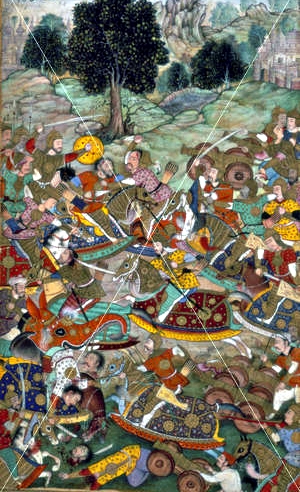
The decisive 1527 battle where Babur's Mughal forces defeated Rana Sanga's Rajput confederacy, establishing Mughal supremacy in Northern India.
The decisive 1565 battle between Vijayanagara Empire and Deccan Sultanates that ended Rama Raya's rule and reshaped South Indian politics.
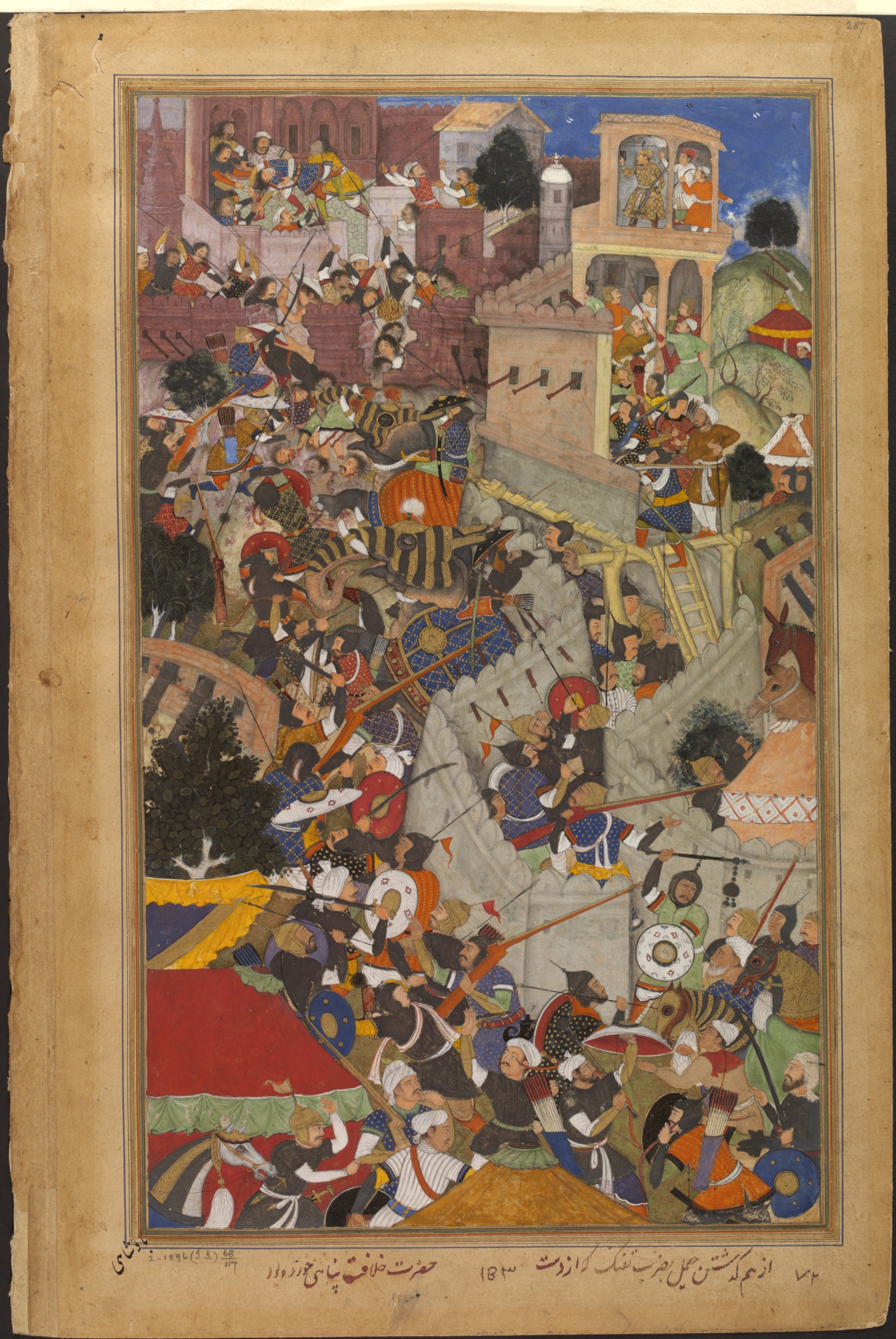
The 1567 Mughal siege of Chittorgarh fort under Akbar marked a decisive campaign against Mewar, resulting in one of history's most tragic jauhar ceremonies.
The Battle of Haldighati (1576) between Maharana Pratap's Mewar forces and Akbar's Mughal army marked a pivotal moment in Rajput resistance to Mughal supremacy.
Battle of Pratapgad (1659) where Shivaji Maharaj defeated Afzal Khan, marking the Marathas' first major military victory against a regional power.
The Battle of Plassey (1757) marked a turning point in Indian history when Robert Clive's forces defeated Nawab Siraj-ud-Daulah, establishing British dominance in Bengal.
The Third Battle of Panipat (1761) saw the Durrani Empire defeat the Maratha forces, marking a turning point in 18th century Indian history.
The Battle of Buxar (1764) was a decisive British victory that established the East India Company's dominance over Bengal, Bihar, and northern India.
The Second Anglo-Maratha War (1803-1805) resulted in major British territorial gains and significant weakening of the Maratha Empire's power in India.
The decisive 1817-1819 conflict between the British East India Company and Maratha Empire that established British dominance over most of India.
The 1857 uprising against British East India Company rule that began in Meerut and spread across northern and central India, marking a pivotal moment in colonial history.
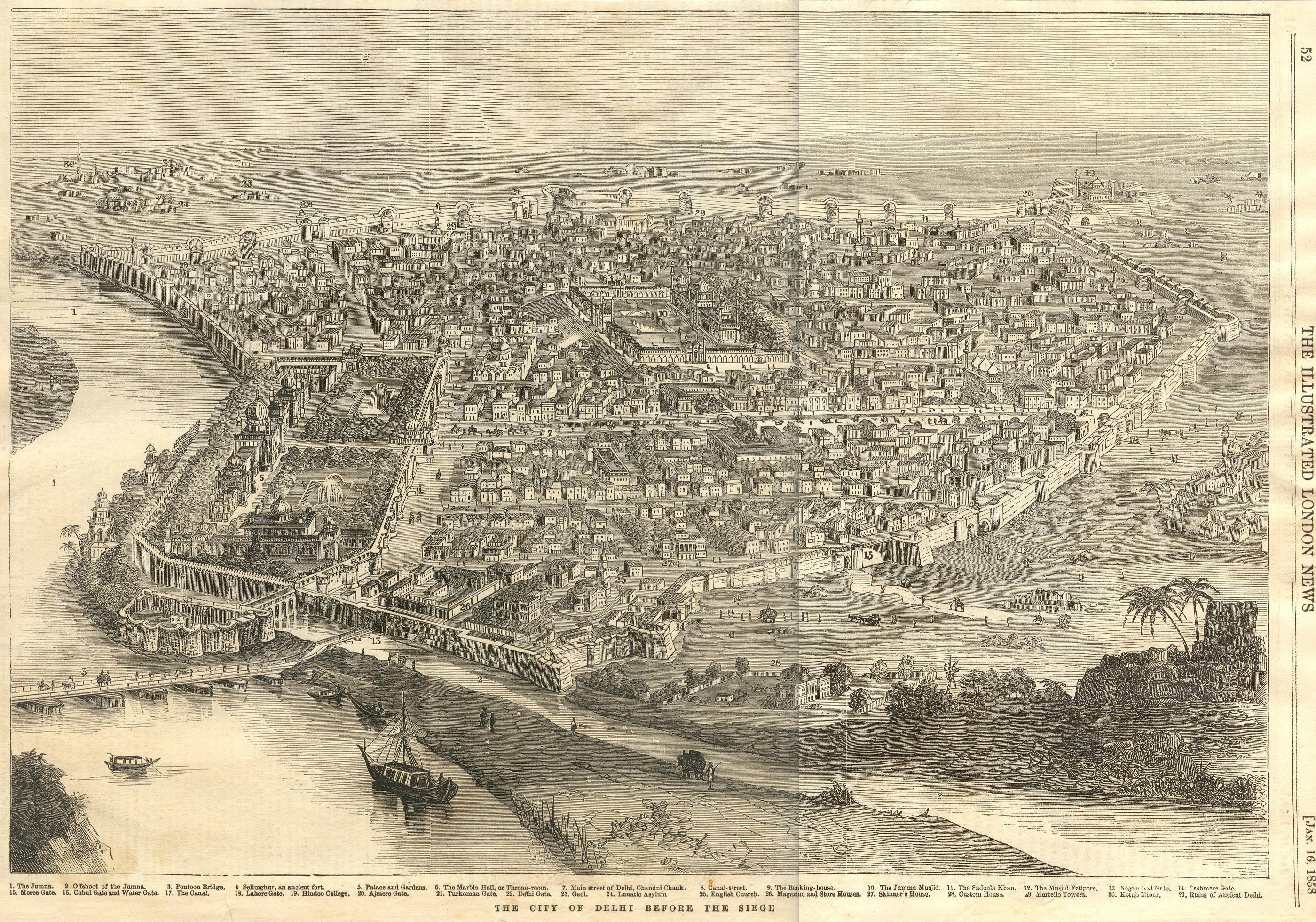
The Siege of Delhi (1857) was a pivotal three-month conflict where British forces recaptured Delhi from rebel sepoys, crushing the Indian Rebellion's symbolic center.
The Jallianwala Bagh massacre of April 13, 1919, where British troops fired on unarmed Indian protesters in Amritsar, killing hundreds and galvanizing India's independence movement.
The 1930 Salt March led by Gandhi was a pivotal act of civil disobedience that sparked mass resistance against British rule and inspired India's freedom movement.
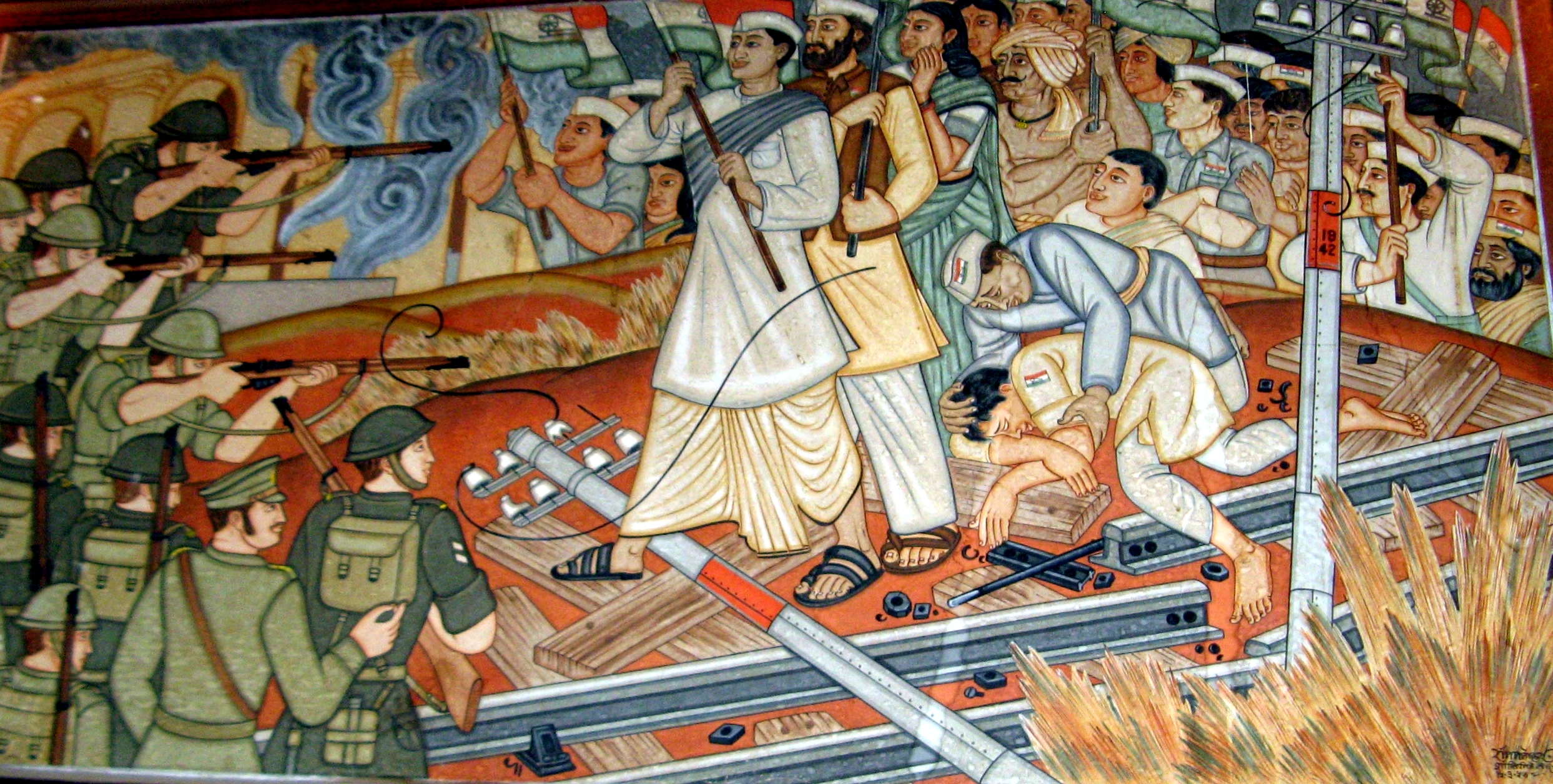
The Quit India Movement of 1942 was Gandhi's mass civil disobedience campaign demanding immediate British withdrawal from India during World War II.
The 1947 partition divided British India into India and Pakistan, causing massive displacement and violence that shaped South Asian history forever.
The First Anglo-Maratha War (1775-1782) was an inconclusive seven-year conflict between the British East India Company and the Maratha Empire over succession.
The First Anglo-Sikh War (1845-46) resulted in British victory and partial subjugation of the Sikh Empire, marking a turning point in Punjab's history.